According to the guidebook, Enoshima is a small island at the end of a sandbar that reaches seaward from the Shonan beach, connected to the mainland by a bridge-causeway and lying within Fujisawa city in Kanagawa Prefecture. Guidebooks describe Enoshima as the defining landmark and symbol of the Shonan coastline, the stretch of sea coast running south and west of Kamakura.
Read the guide →
According to a local guidebook, Jindaiji Temple stands in Jindaijimotomachi, Chofu City, in western Tokyo, and is described as a leading tourist landmark drawing domestic and international visitors. According to a temple history guidebook, the temple traces its founding to 733 CE (Tenpyo 5), placing it among the oldest temples in the Kanto region, with a history of more than 1,300 years.
Read the guide →
According to the guidebook, Mount Hodo (宝登山) is an independent peak in Nagatoro Town, in the Chichibu district of Saitama Prefecture, and is counted among the few standalone summits in the broader Chichibu range. For travelers who favor calm, unhurried places, it seemed a gentle and self-contained outing.
Read the guide →
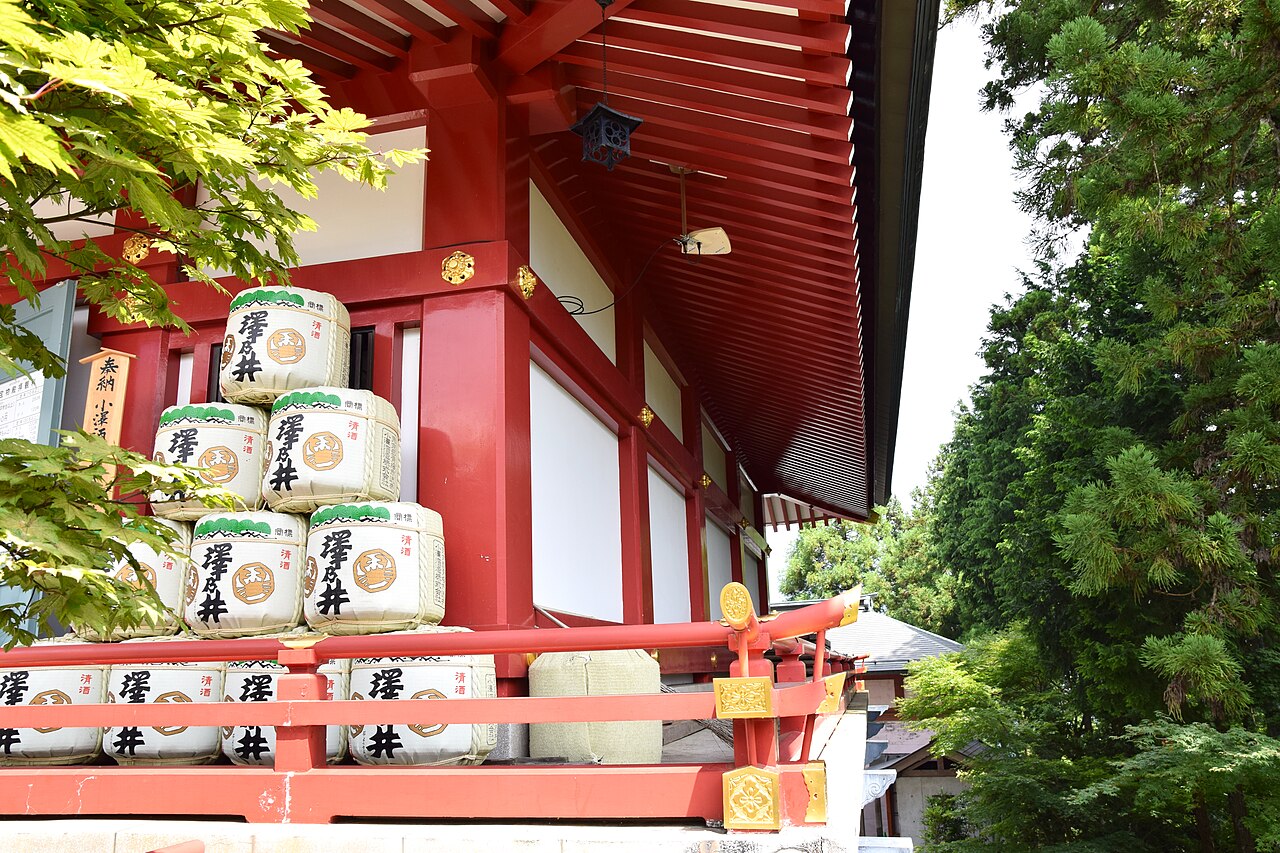
According to the guidebook, Mount Mitake stands within Ome city, Tokyo, within easy reach of the metropolitan area. According to the guidebook, the summit retains a living settlement of oshi — hereditary pilgrim-host families who historically served as ritual guides and lodging providers for affiliated pilgrimage groups. According to the same guidebook, by the late 1970s 27 oshi households remained on the mountain and 7 more at the foot, down from around 60 at the start of the Edo period.
Read the guide →
Mount Tsukuba seemed well suited to travelers who prefer calm places and an unhurried day out. A visit here is said to reward a slow, contemplative pace rather than a rushed schedule.
Read the guide →
The gorge at Nagatoro seemed like a place made for a slow, unhurried day beside the water. For travelers who prefer calm riverside scenery, this stretch of the Arakawa is said to reward a patient, unhurried pace.
Read the guide →
According to the guidebook, Naritasan Shinshoji serves as the head temple of the Chisan branch of Shingon Buddhism and is regarded as the central institution in Japan for devotion to Fudo Myo-o (a wrathful Buddhist guardian deity), widely known by the affectionate name "Narita no Ofudo-sama." According to the guidebook, Naritasan Shinshoji was established in 940 CE by the high priest Kancho Daisojo, who enshrined an image of Fudo Myo-o said to have been personally carved and consecrated by the Buddhist master Kobo Daishi Kukai.
Read the guide →
Guidebooks describe Nokogiriyama and its temple, Nihonji, as organized into roughly five visitor zones — the summit, the Rakan stone-figure path, the mid-slope buildings, the Great Buddha plaza, and the historic Omotesando entrance approach — which visitors can combine to suit the time available.
Read the guide →
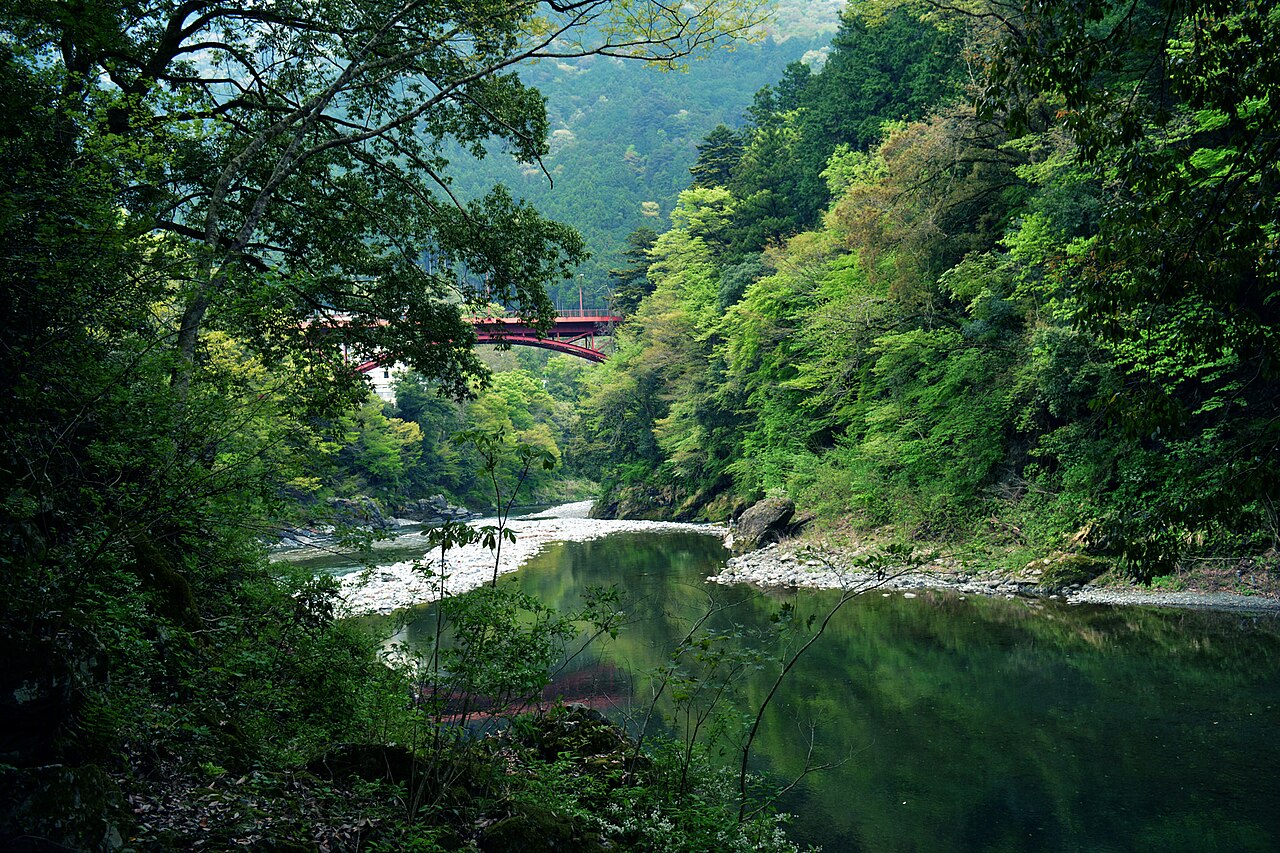
Guidebooks describe Okutama's defining quality as an atmosphere of deep mountain seclusion and hushed valley scenery, an experience they liken to the neighbouring Okuchichibu highlands. According to the 1961 guidebook, the Okutama mountain region in western Tokyo centres on the Tama River watershed and takes in the Nippara, Kosuge, and Akigawa river basins in the country west of Ome and Itsukaichi. According to the 1961 guidebook, the Okutama area was taken into Chichibu-Tama National Park—Japan's sixteenth national park—on 10 July 1950. The Okutama massif, according to the 1961 guidebook, is built entirely of eroded sedimentary rock and holds no volcanic formations, an unusual geological character for a mountain area of this scale in Japan.
Read the guide →
Guidebooks describe several calm outings within easy reach of central Tokyo, and this guide sets two of them side by side for travelers who prefer a slower kind of day.
Read the guide →
Yoro Valley seemed like a destination suited to travelers who value calm surroundings and an unhurried pace.
Read the guide →