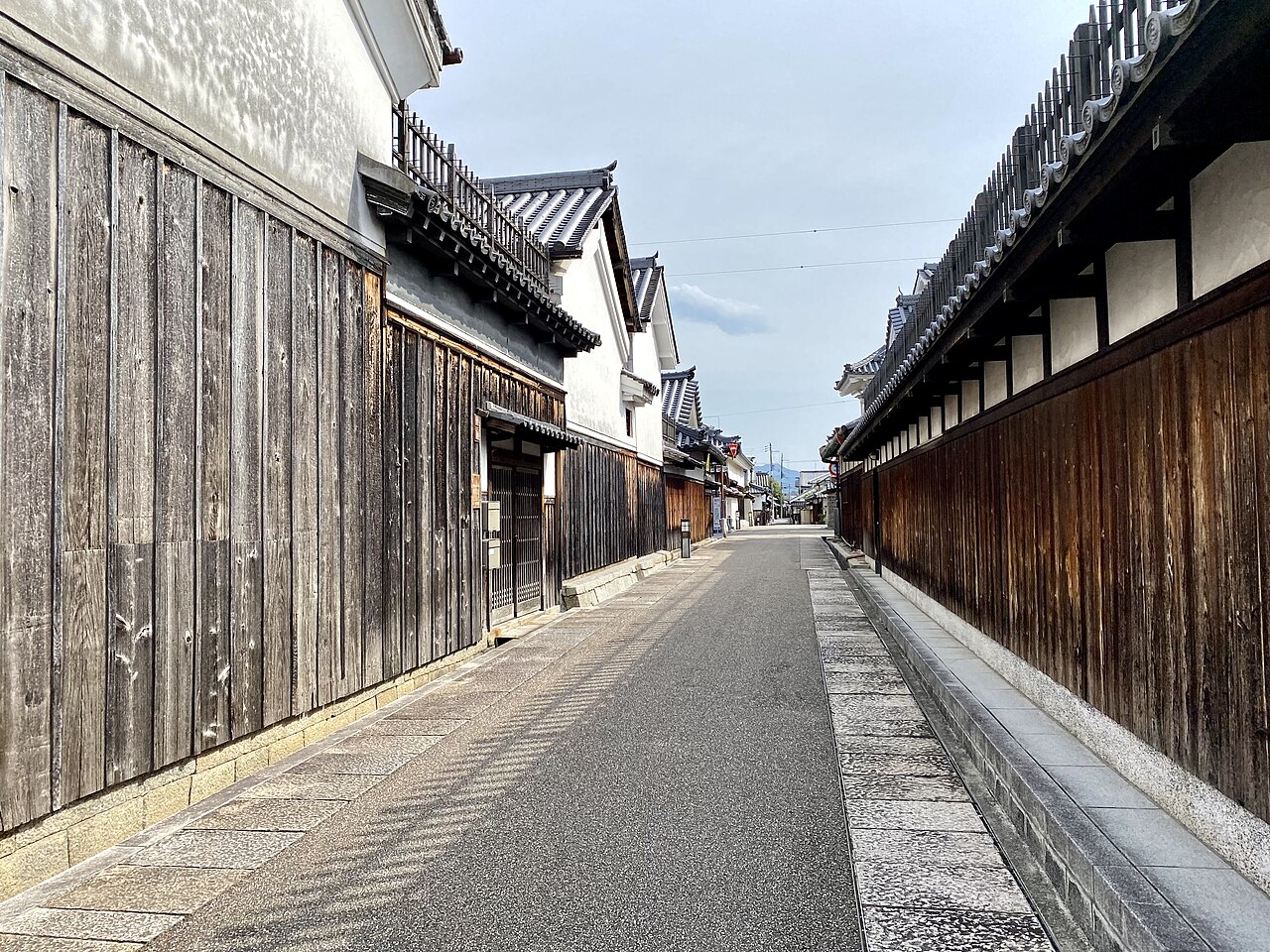
Tondabayashi Jinaimachi is a temple town in Osaka Prefecture that, as the town history records, took shape around a Jodo Shinshu temple in the sixteenth century, and its lanes of merchant houses, white-walled storehouses and lattice-fronted shops are still standing. According to the guidebooks, in nineteen ninety-seven the district was selected as an Important Preservation District for Groups of Traditional Buildings, and it remains the only district in Osaka Prefecture with that status. Coming from the Kintetsu Osaka Abenobashi Station side, the ride to Tondabayashi-Nishiguchi Station takes about thirty minutes, so this is a half-day outing rather than an expedition.
A jinaimachi is a town that grew up within a temple precinct, and here the temple, the merchant houses and the lanes between them have all stayed in place. What follows is the practical side of that half day: the way in from the city, how far you walk once you arrive, the house worth going inside, and the temple the whole town was built around.
Getting there from Osaka
Two Kintetsu stations serve the district, Tondabayashi Station and Tondabayashi-Nishiguchi Station, and both put you within a short walk of the preservation area. Coming from the Kintetsu Osaka Abenobashi Station direction, the Minami-Osaka Line and the Nagano Line bring you to Tondabayashi-Nishiguchi Station in about thirty minutes, and the walk begins right at the station exit.
- At Kintetsu Osaka Abenobashi Station, ride the Minami-Osaka Line and Nagano Line for about thirty minutes to Tondabayashi-Nishiguchi Station.
- Leave through the station exit, where the walk starts.
- From Tondabayashi-Nishiguchi Station, walk ten minutes to the Jinaimachi Center and start from there.
The walking times below are from each of the two stations to the three district facilities, so you can pick whichever starting point suits your route.
| Walk | Time on foot |
|---|---|
| Tondabayashi Station to Jinaimachi Koryukan | seven minutes |
| Tondabayashi Station to the Jinaimachi Center | ten minutes |
| Tondabayashi Station to the Jinaimachi Observation Plaza | ten minutes |
| Tondabayashi-Nishiguchi Station to Jinaimachi Koryukan | thirteen minutes |
| Tondabayashi-Nishiguchi Station to the Jinaimachi Center | ten minutes |
| Tondabayashi-Nishiguchi Station to the Jinaimachi Observation Plaza | thirteen minutes |
Walking the preservation district
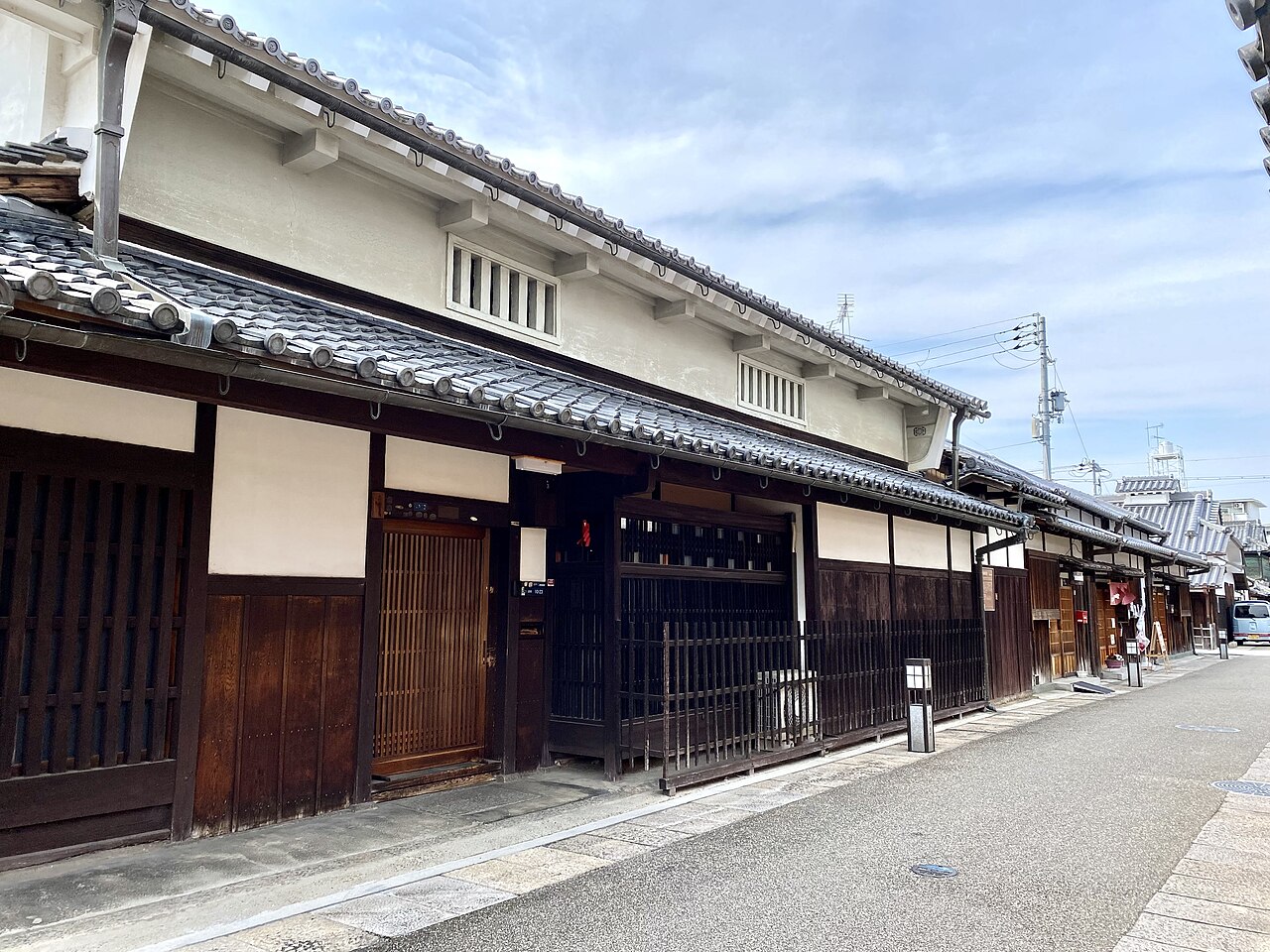
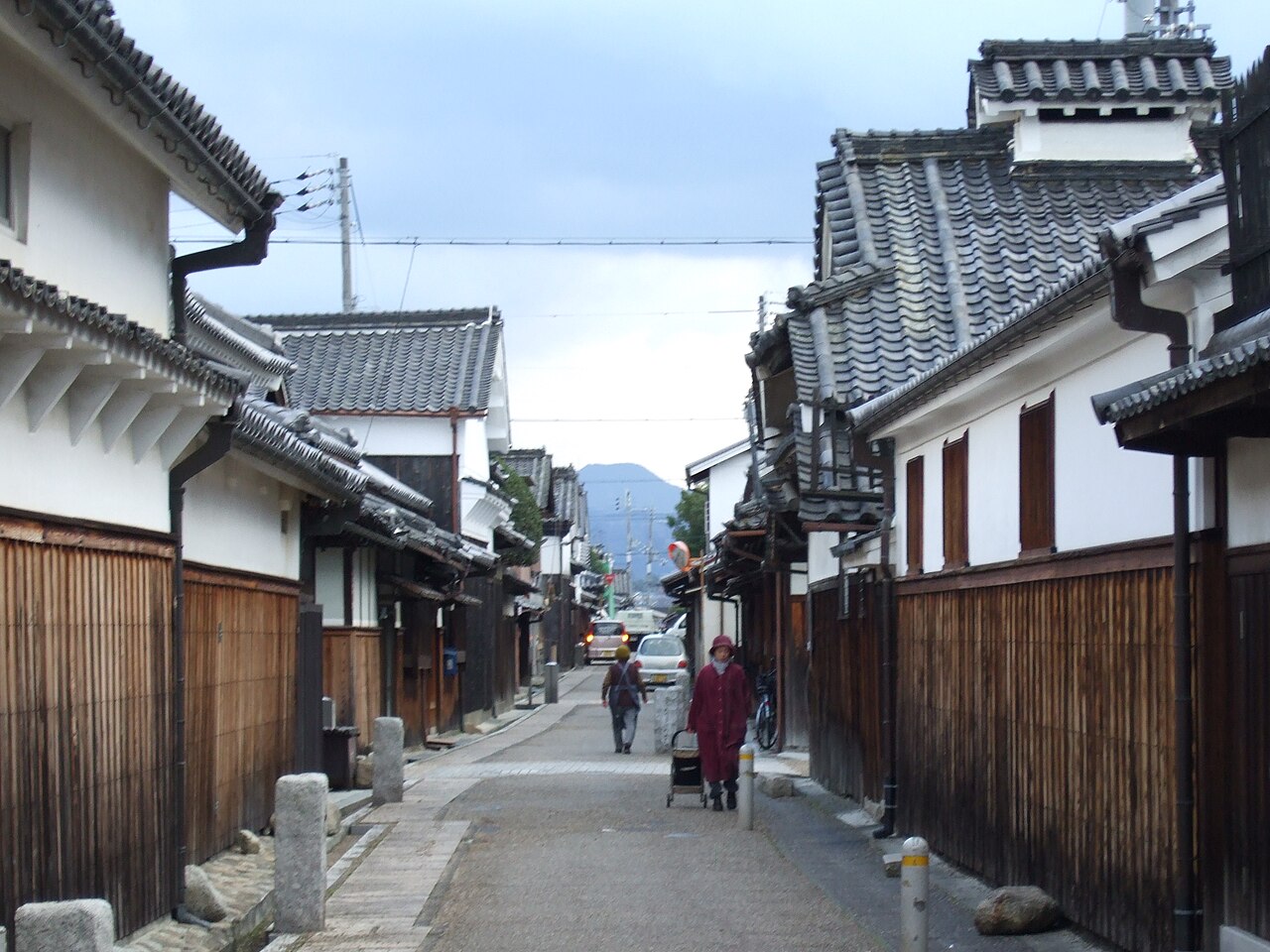
There is said to be no admission fee for the lanes themselves, which can be walked at any time of day. The streets are the first thing to look at. As the district history records, in places one street is set off from the next by about half a ken, a traditional unit of length, so that the line of sight is broken at the junction, a defensive device built into the plan of the town. What you see along them is a run of dark wooden lattice fronts, white plaster upper walls and tiled eaves, with weathered fences and storehouses filling the gaps between the larger houses.
Guidebooks describe several of the old houses inside the preservation district as having had their interiors renovated into cafes, small eateries and goods shops, which makes them easy to drop into part-way through the walk. That makes it simple to break the half day into two shorter walks with a pause in between, rather than covering everything in one go.
Where to stay
Places to stay near Tondabayashi →
Disclosure: This post may contain affiliate links. If you book through them, we may earn a commission at no extra cost to you.
The Old Sugiyama Residence
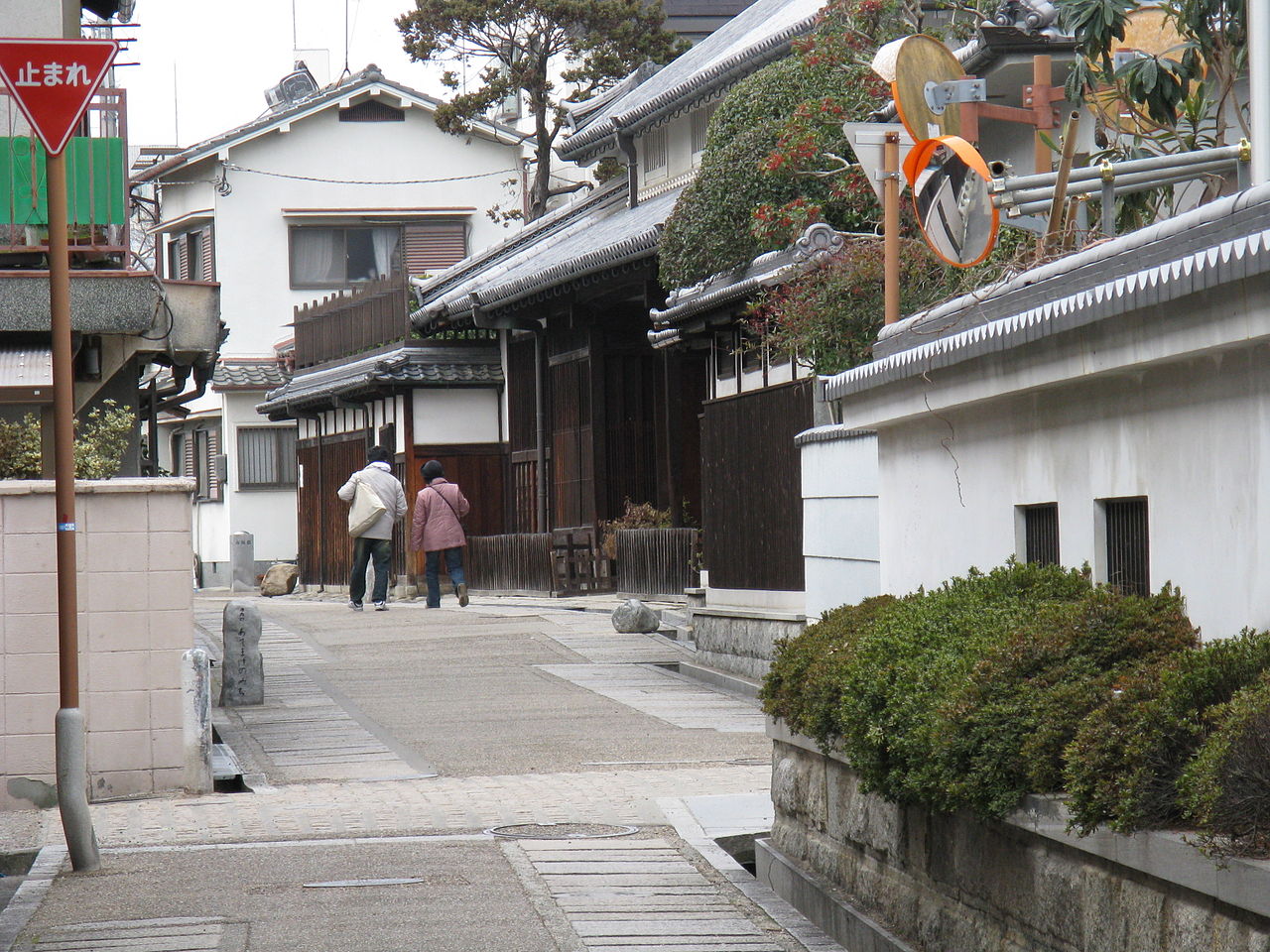
According to the guidebooks, the Old Sugiyama Residence is a national Important Cultural Property, and it is the house to go inside. From the lane it reads as a merchant house with dark wooden walls under tiled roofs, set directly on the paved street. Upstairs there is an exhibition on Isonokami Tsuyuko, a poet of the Myojo group who was active at the end of the Meiji era and who was born into the Sugiyama family.
Adult admission is four hundred yen for the day. The house keeps hours from ten in the morning to five in the afternoon. It rests on Mondays, shifting the rest day to the next weekday when a Monday lands on a national holiday, and it also rests from the twenty-ninth of December through the third of January.
| Admission | Individual, one day | Group, per person |
|---|---|---|
| Adult | 400 yen | 300 yen |
| Child (junior high school age or younger) | 200 yen | 150 yen |
Koshoji Betsuin, where the town began
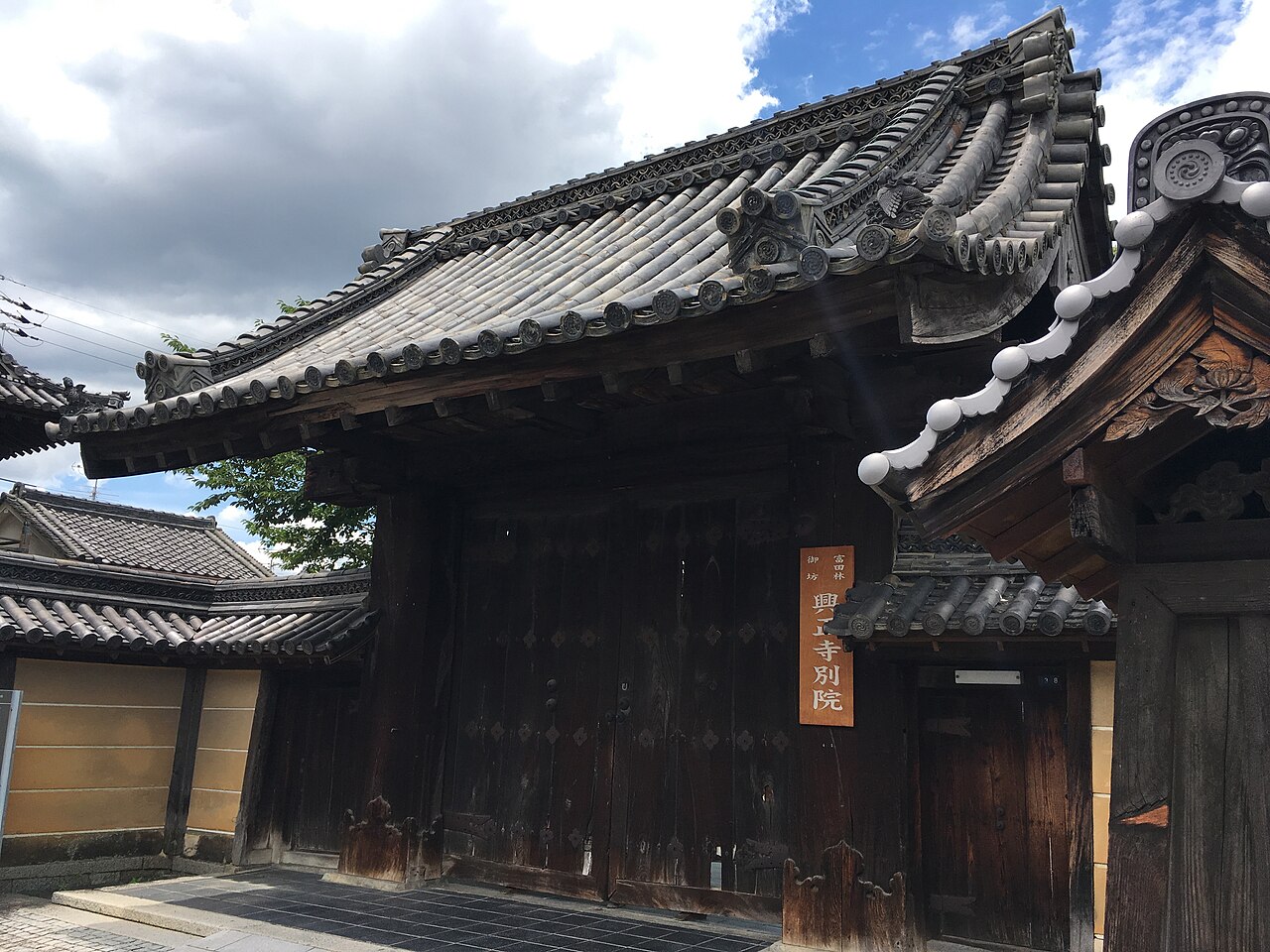
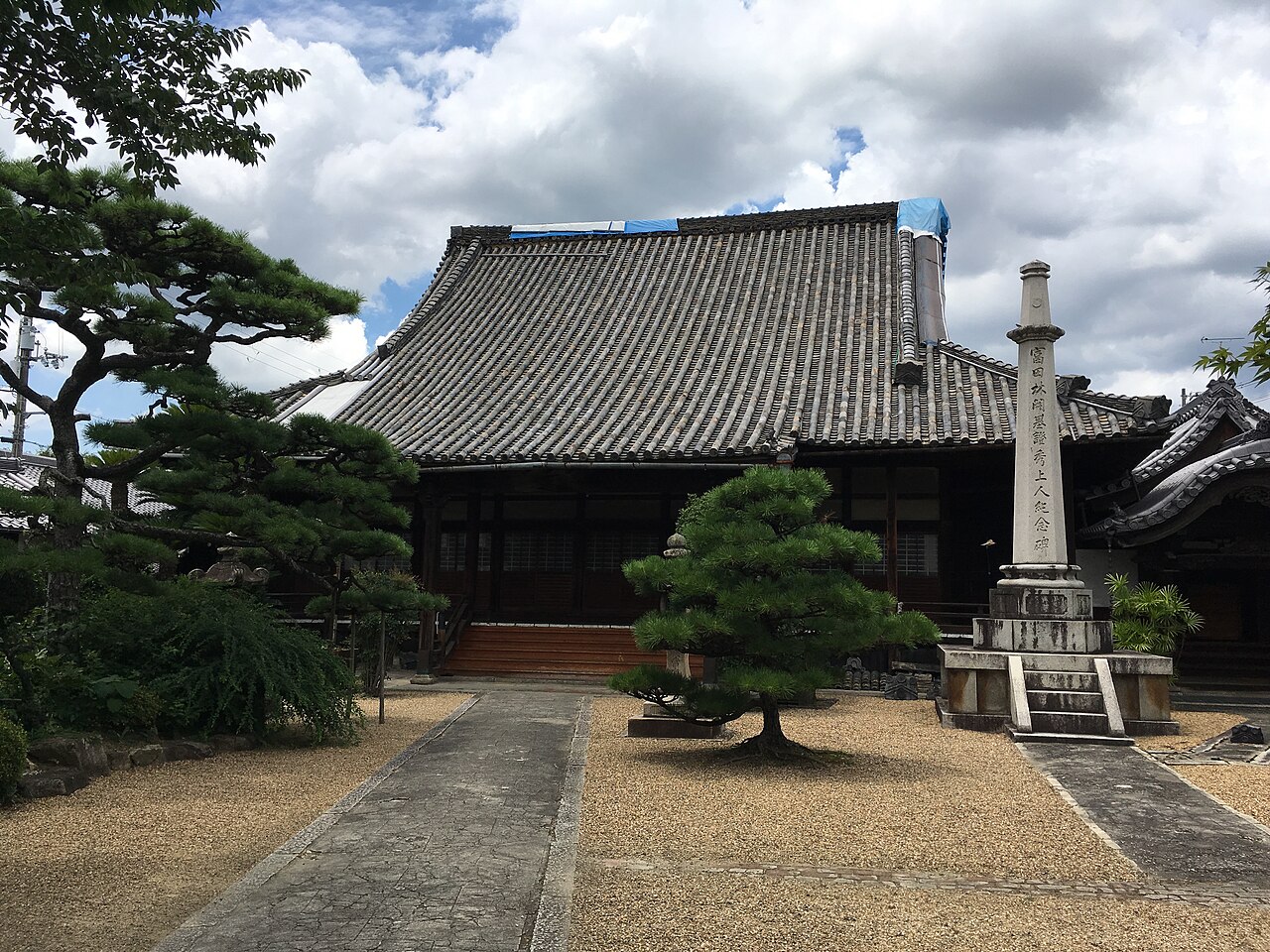
As the town history records, around fifteen fifty-eight Shoshu Shonin, a priest of the Jodo Shinshu school, bought the land here and built Koshoji Betsuin, with eight influential men gathered from four neighbouring villages and remembered as the Hachinin-shu at the centre of the effort, and the temple town grew out of that founding. Koshoji Betsuin, like the Sugiyama house, is a national Important Cultural Property, and, according to the same guidebooks, two further buildings in the district, the Old Tanaka Residence and the Nakauchi Eye Clinic, are on the national register of tangible cultural properties.
The gate is a weathered wooden one under a heavy tiled roof with a vertical name board, and beyond it the wide tiled roof of the main hall stands over a gravel courtyard with pine trees and a stone memorial pillar. It is the natural place to end the walk, because every lane in the district leads back, one way or another, to the temple the eight founders built.
Planning the half day
The Jinaimachi Observation Plaza keeps hours from ten in the morning to five in the afternoon. The reception counter at Jinaimachi Koryukan, where applications are taken, is open from ten to five, apart from days of temporary closure. Since the Old Sugiyama Residence rests on Mondays, and on the following weekday when a Monday is a national holiday, pick another day of the week if the house is part of your reason for coming. The times and admission figures in this guide are the ones the facilities themselves publish; check them again on the day you go.
A simple order is to start at the Jinaimachi Center, ten minutes on foot from Tondabayashi-Nishiguchi Station, walk the lanes with a pause at one of the renovated houses, go inside the Old Sugiyama Residence, and finish at Koshoji Betsuin. On the way out, Jinaimachi Koryukan is a seven-minute walk from Tondabayashi Station, so if the loop ends near the Koryukan, that is the station to leave from.
Walking in from either station is short, so you can arrive mid-morning, see the house, the temple and the lanes, and still have the afternoon in hand. If you would rather not head straight back to the city, find a place to stay in Tondabayashi and give the lanes an evening and an early morning as well. Either way, the town asks for nothing more than comfortable shoes and the willingness to walk slowly.