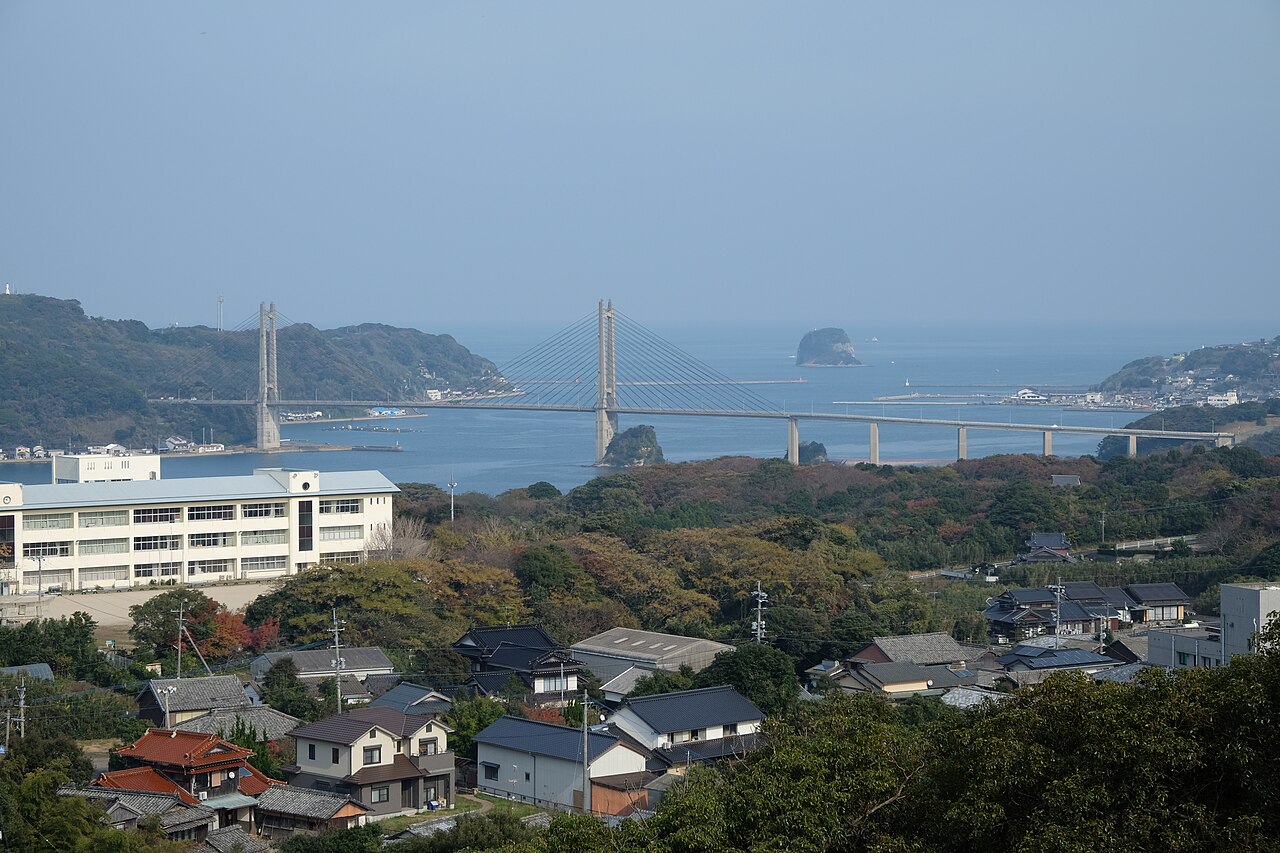
Getting to Yobuko
| Leg | How | Time or fare |
|---|---|---|
| Karatsu Station to Karatsu Bus Center | On foot | About five minutes |
| Karatsu Bus Center to Yobuko | Bus | About thirty minutes |
| Karatsu Station to Yobuko | Car | About twenty-five minutes |
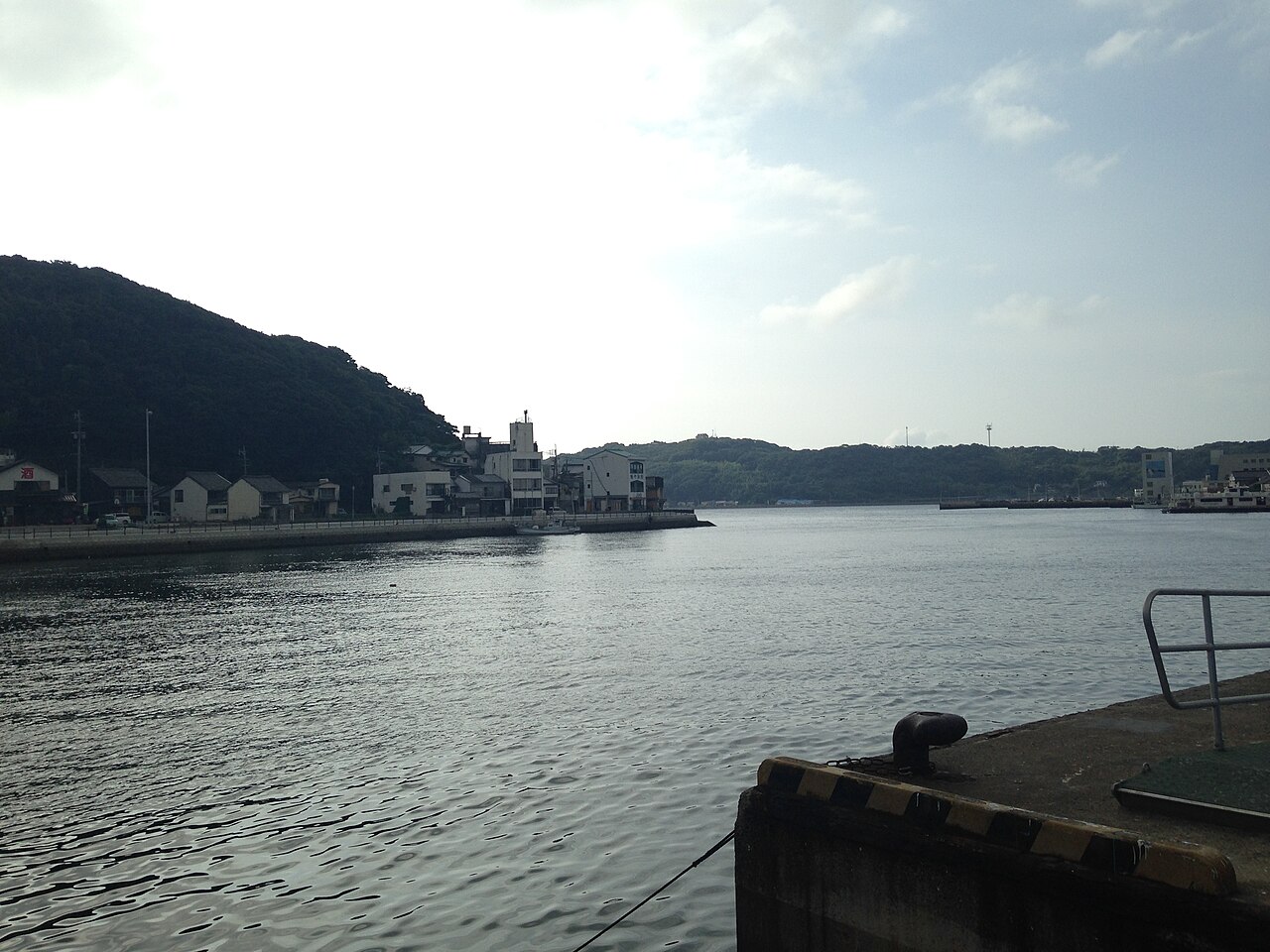
| Yobuko to Kakarajima | Ferry | About seventeen minutes, with an adult one-way fare of six hundred yen |
| Yobuko to Matsushima | Ferry | About fifteen minutes, with an adult one-way fare of four hundred sixty yen |
| Yobuko to Ogawajima | Ferry | About twenty minutes, with an adult one-way fare of five hundred twenty yen |
Morning Market by the Harbor
Aim to be in Yobuko by around ten in the morning, while the morning market is in full swing. The market runs every day except New Year's Day, from half past seven in the morning until noon. The day in this squid town begins with the lively voices of the women who run the stalls.
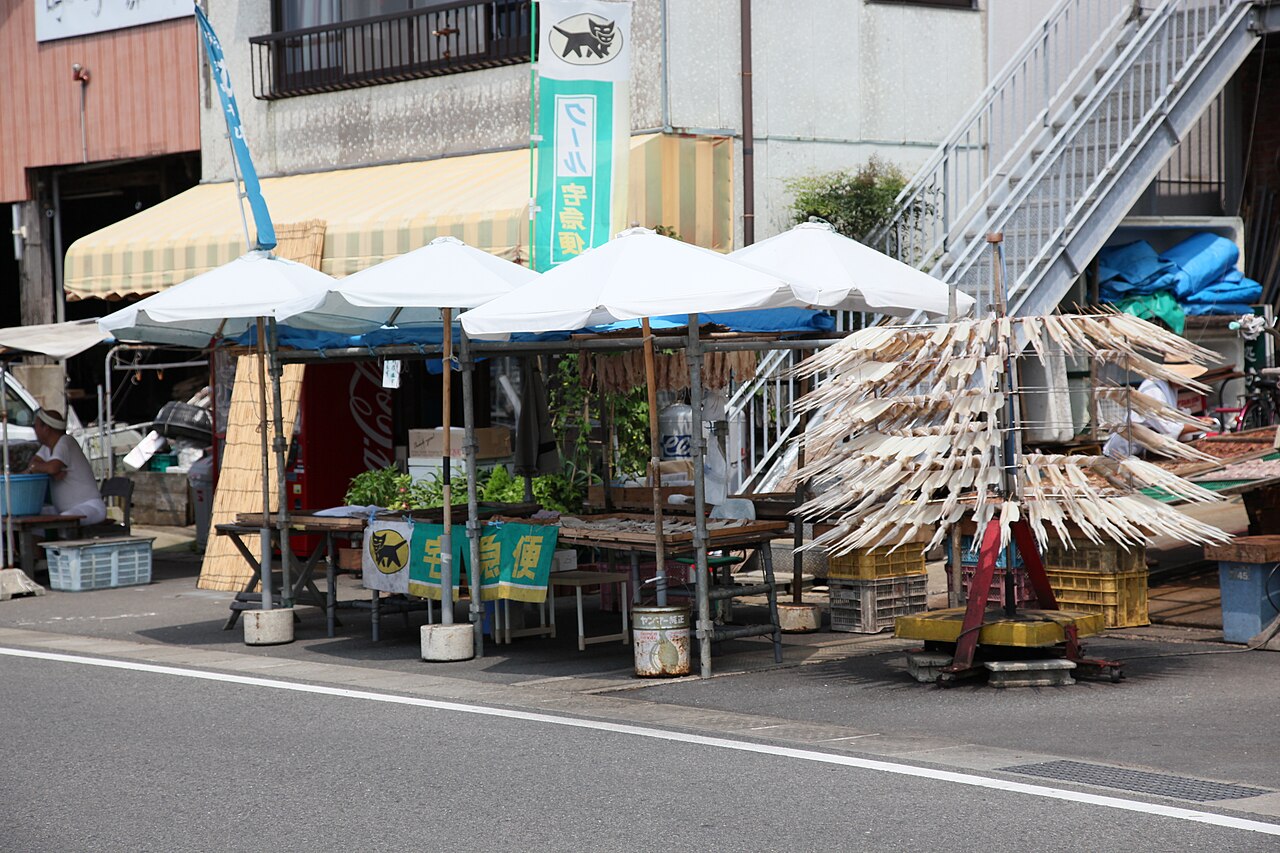
Fish of many kinds are set down in foam boxes with no attempt at arrangement. A stall here is nothing more than a folding pipe chair and a foam box. A woman at the market splits a sea urchin, shell and all, down the middle with practiced hands.
In front of Marine Pal Yobuko, squid press senbei is grilled while the customer watches and sold right there. Home-made dried squid, either overnight-dried or mirin-dried, is also on sale at the market. The market has been held since the Taisho era and is counted among the three great morning markets of Japan, together with Wajima in Ishikawa and Takayama in Gifu.
Where to stay
Places to stay near Yobuko, Karatsu →
Disclosure: This post may contain affiliate links. If you book through them, we may earn a commission at no extra cost to you.
Squid, Live and Dried
If you order squid at a shop in Yobuko, it is netted out of the live tank, prepared without delay, and brought to the table. The squid sashimi that arrives is transparent. Kensaki squid is in season from mid-April to mid-October.
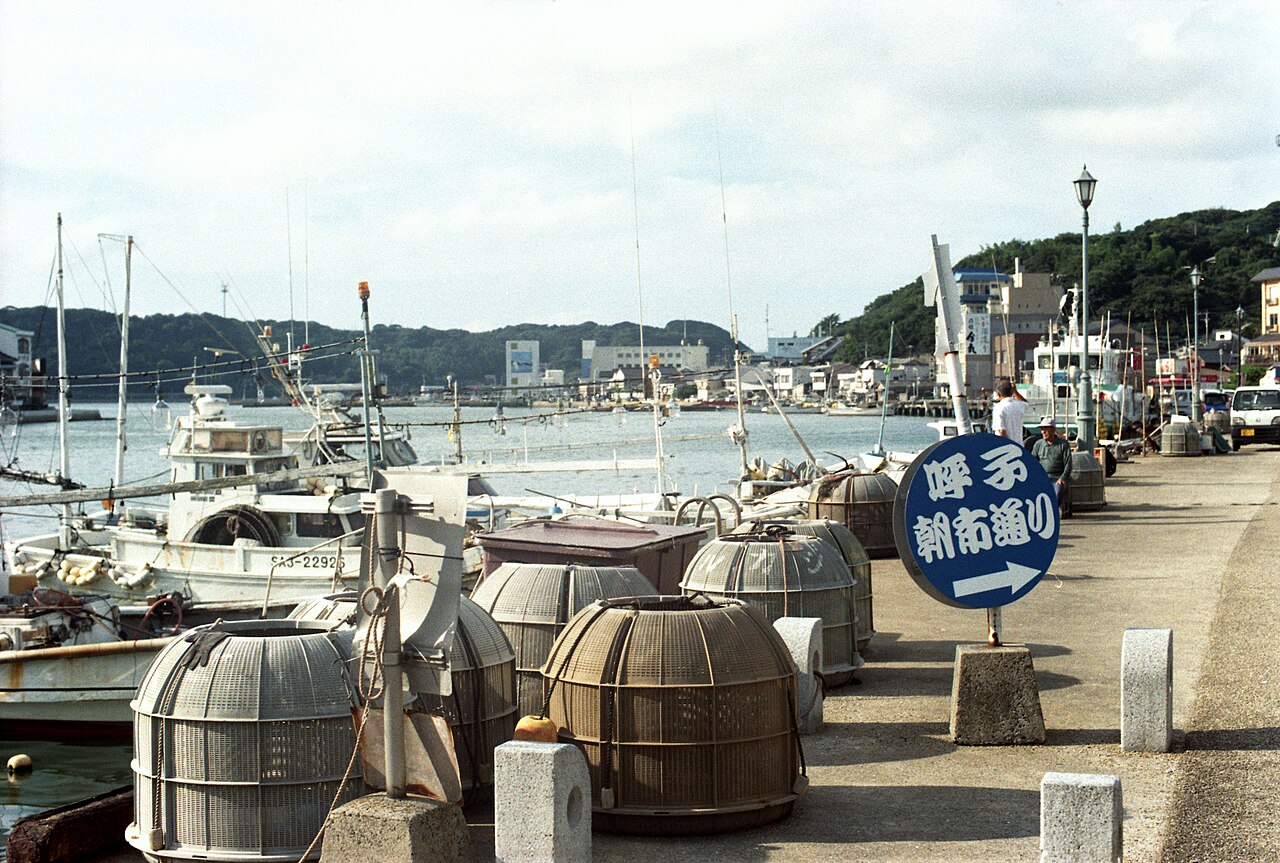
Down at the port, squid being dried overnight hangs on racks like laundry and spins rapidly in a drying machine.
Cruises from Yobuko Port
Board the Ikamaru at Yobuko Port for a cruise of forty minutes. The adult fare, for junior high school students and above, is two thousand two hundred yen. From the Ikamaru you see the Nanatsugama caves from the sea.
The Zeela, a semi-submersible boat for looking at the sea from below, also runs for forty minutes. Its adult fare, again for junior high school students and older, is two thousand two hundred yen. Inside, the cabin has large windows on the left and on the right.
Kabeshima, Nagoya Castle Ruins and Where to Stay
Cross Yobuko Bridge to Kabeshima and walk up to Kaze no Mieru Oka Park on its small hill. From the park the Genkai Sea spreads out in full view. The park is open from nine in the morning to five in the afternoon.
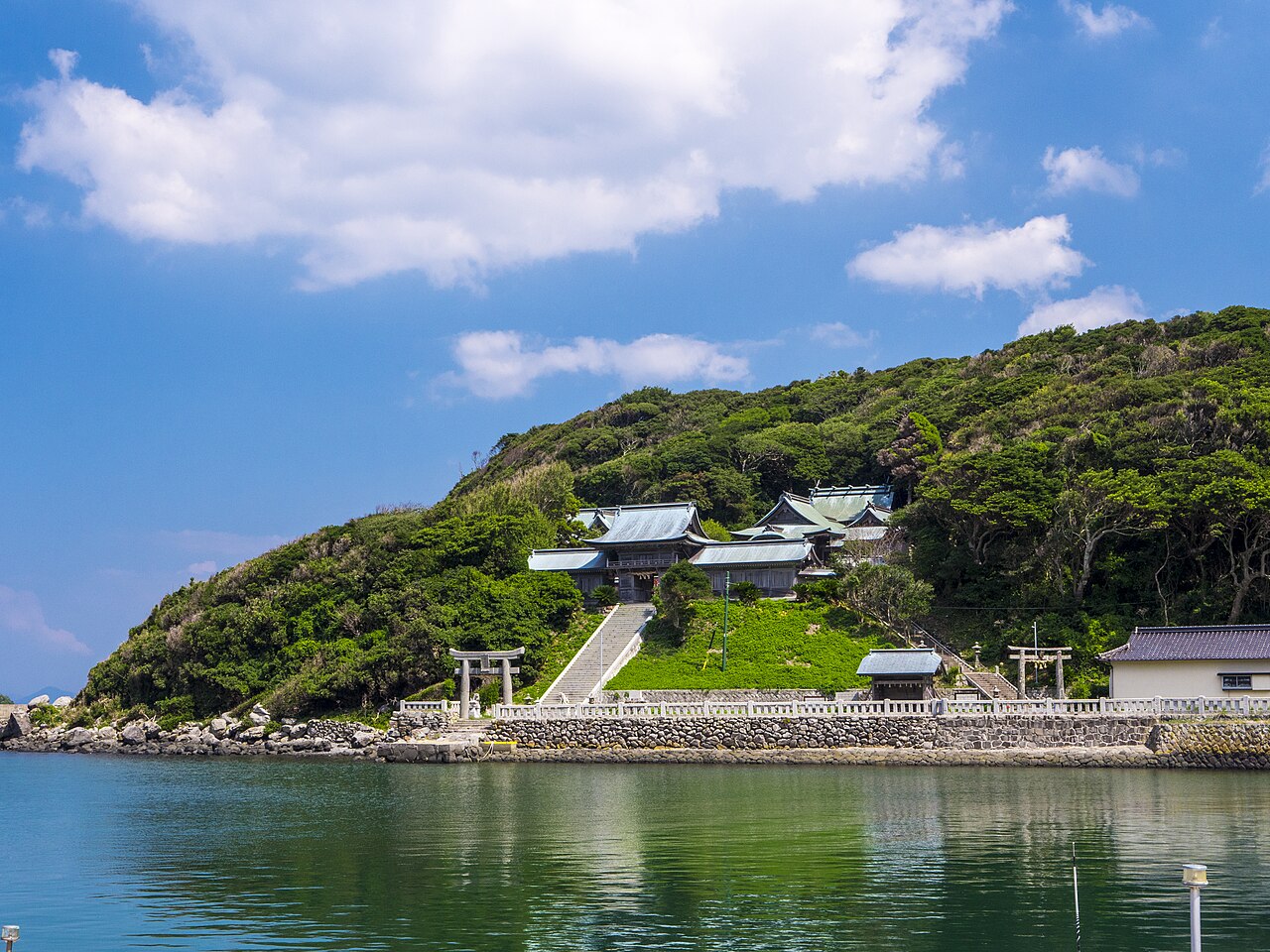
The park is closed every Tuesday and over the year-end and New Year period. At Nagoya Castle Ruins, a heritage upkeep contribution of one hundred yen per person is requested. Stone walls and the camp sites of the warlords remain there, and from the keep ruins you can see Iki and Tsushima.
From Karatsu Bus Center, the bus to Nagoya Castle Ruins takes about fifty minutes when no transfer is needed. Travelers who want to stay overnight can look at places to stay in Karatsu.