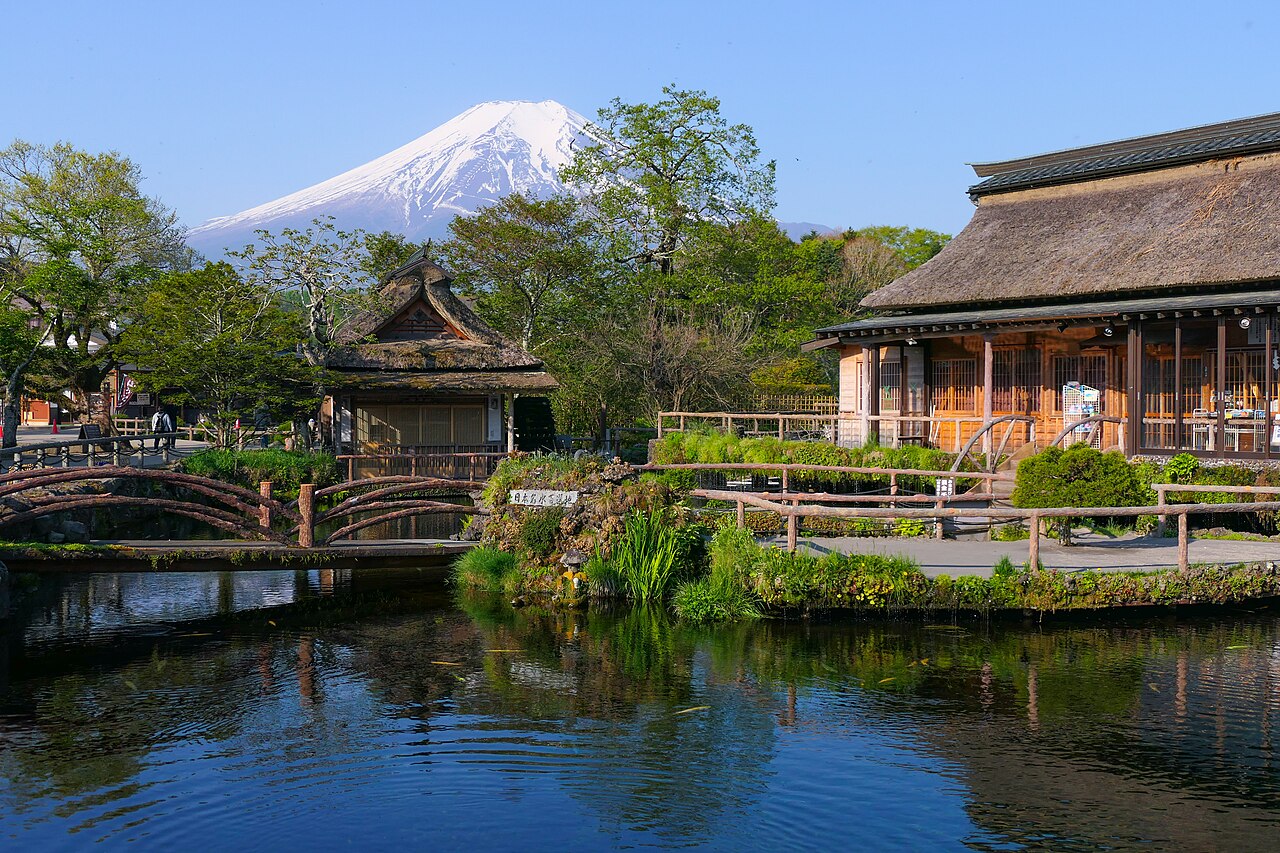
Getting to Oshino Hakkai
| Leg | How | Time or fare |
|---|---|---|
| Busta Shinjuku to Kawaguchiko Station | Fuji Kyuko highway bus | About an hour and three quarters; from two thousand two hundred yen for an adult |
| Fujisan Station to the Oshino Hakkai bus stop | Local bus | About twenty-five minutes |
| Shinjuku Station to the Oshino Hakkai bus stop | Chuo Expressway highway bus | About one hundred forty minutes |
| Tokyo Station to Oshino | Fuji Kyuko highway bus | Two thousand six hundred yen for an adult |
Bus Fares and Ticket Windows
Pay in cash for tickets bought at a bus stop or on board, because electronic money such as Suica and PASMO cannot be used. A one-day coupon for the Fujiyoshida, Oshino and Lake Yamanaka area costs one thousand eight hundred yen for an adult, counted from junior high school age, and lets you ride as often as you like. For a child of elementary school age, the Oshino and Yamanakako Pass is one thousand six hundred yen.
- If you leave from Busta Shinjuku, the ticket window at the bus stop is open from five forty in the morning until quarter to midnight.
- If you leave from Kawaguchiko Station, the window there is open from half past six in the morning to seven in the evening.
- If you leave from Fujisan Station, the window is open from eight fifty in the morning to five in the afternoon, shut from noon to one in the afternoon.
Walking the Eight Ponds
Start from the Yayoi-an parking lot, as the village guides' basic course does, and take the ponds in order from Okama through Choshi, Sokonashi, Nigori, Waku, Kagami and Shobu to Deguchi. Walked this way, the basic course takes about two hours. No entrance gate stands at Oshino Hakkai, so you can come at any time.
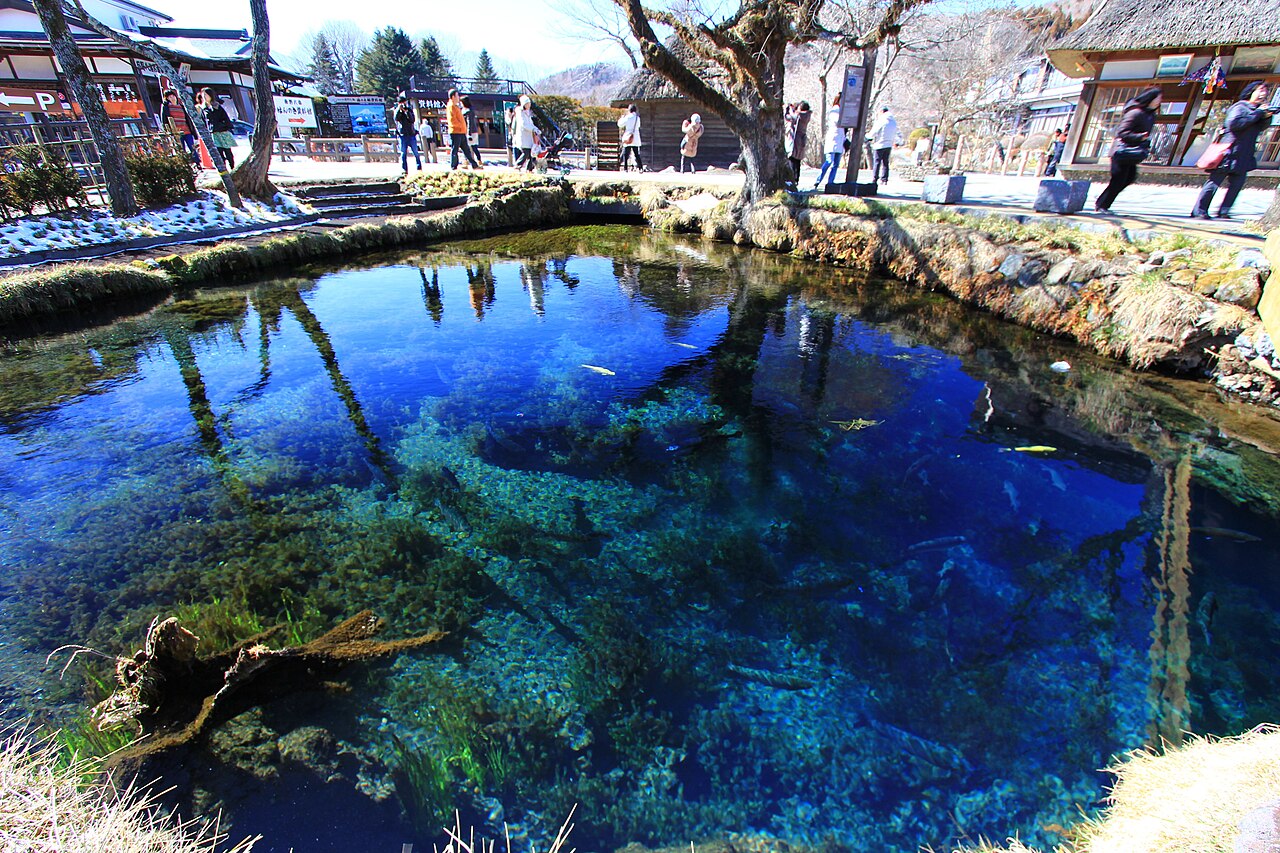
While the Hannoki museum is shut, Sokonashi Pond inside its grounds cannot be seen. A wheelchair can get to Choshi Pond, but its entrance is narrow and has no paving.
Where to stay
Places to stay near Fujikawaguchiko, Yamanashi →
Disclosure: This post may contain affiliate links. If you book through them, we may earn a commission at no extra cost to you.
Parking, Guides and Museum Fees
Expect to pay three hundred yen to park a regular car and one thousand yen to park a bus.
Admission to the Hannoki museum is three hundred yen for an adult, counted from junior high school age, tax included. Its opening hours run from nine in the morning to five in the afternoon.
- If you hire a Japanese-speaking guide, the fee is three thousand yen per guide for up to two hours.
- If you hire a guide who speaks a foreign language, the fee is four thousand yen per guide for up to two hours.
- If the guided course includes Sokonashi Pond, each participant pays three hundred yen, which covers the museum admission.
Travelers who want to add an activity around the lake can browse things to book around Lake Kawaguchi.
About the Ponds
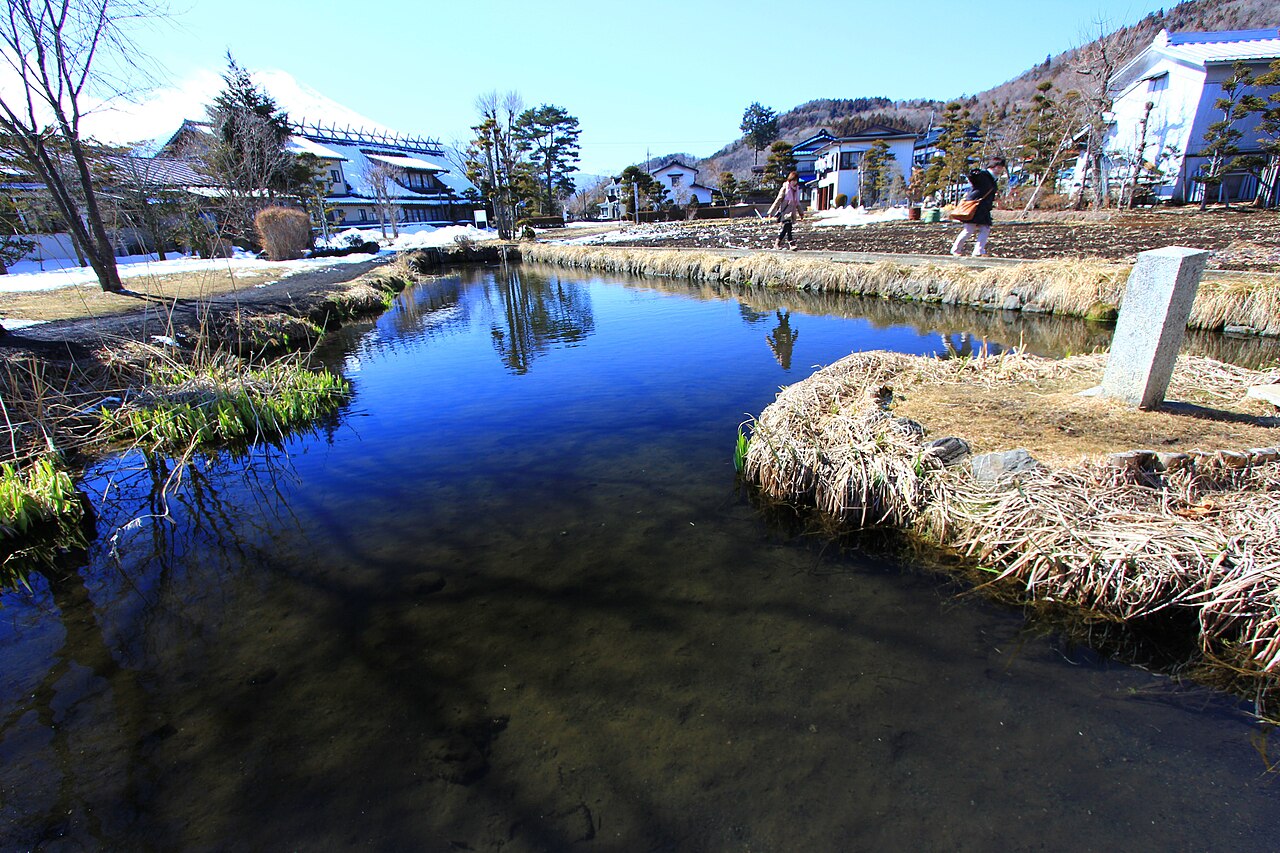
Read the stone monument at each pond, which carries the pond's name, its place in the order of purification, the name of its dragon king and waka poems. The eight ponds were designated a national natural monument in nineteen thirty-four. In the year eight hundred, a great eruption sent lava flowing into Lake Utsu and split it in two, and from that split came Lake Oshino and Lake Yamanaka.
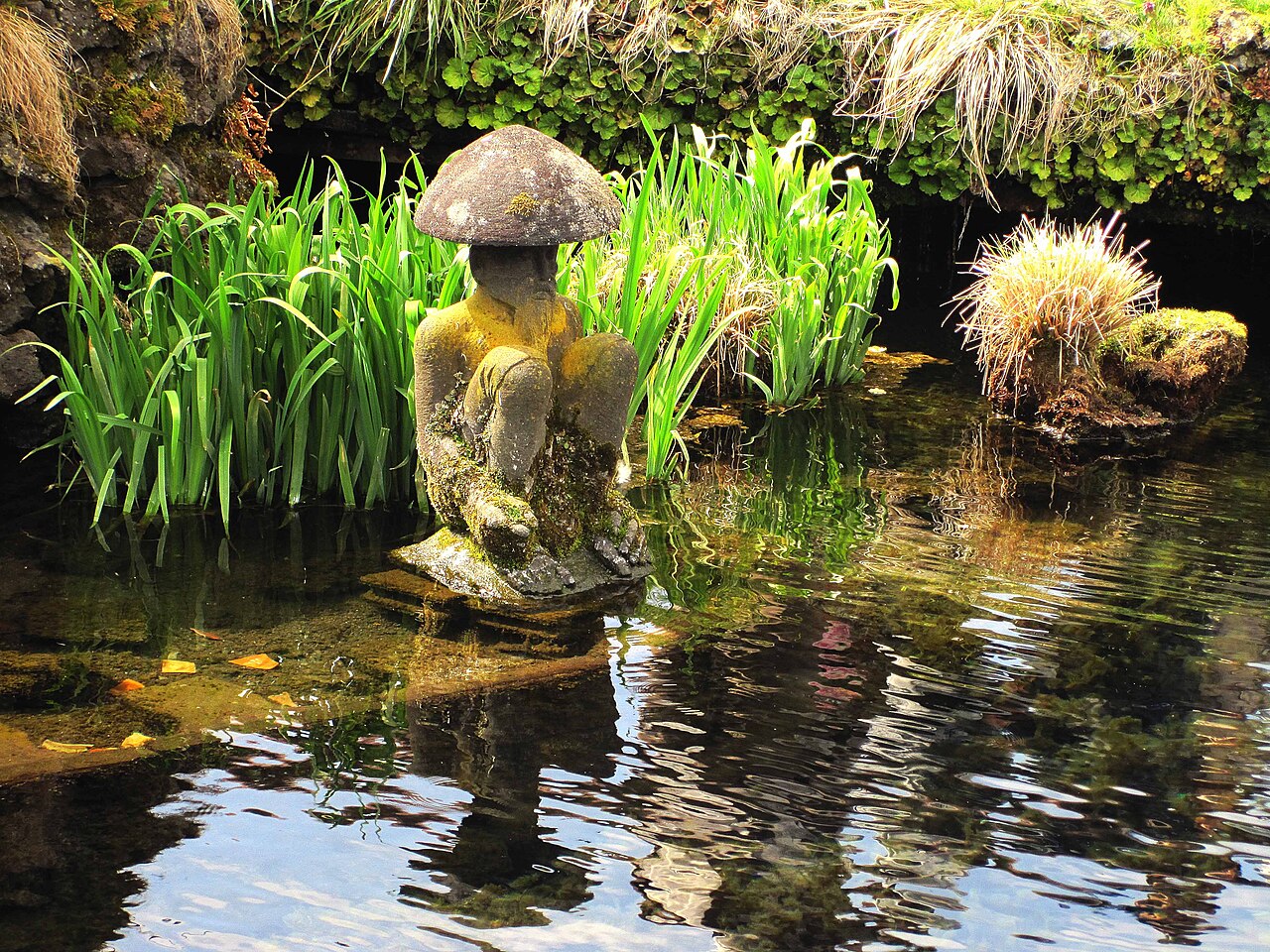
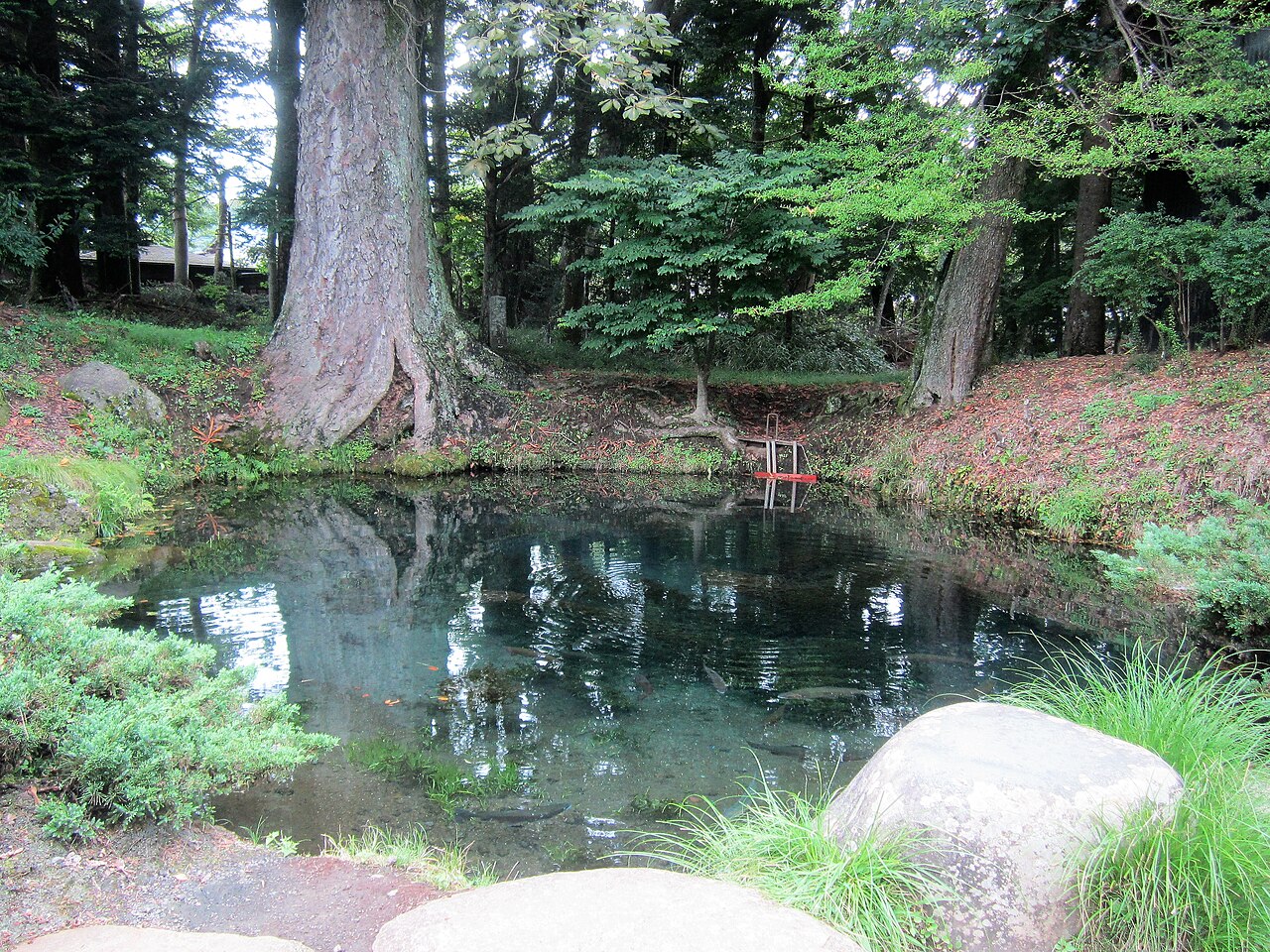
At Choshi Pond the bed is sand, and you can watch the water welling up through it. Okama Pond is four metres deep, with water at about thirteen and a half degrees. Behind Deguchi Pond the ground climbs straight into the mountainside, and the shrine of Deguchi Inari Daimyojin stands in the woods above the water.
Staying Around Fujikawaguchiko
The Fujikko-Go bus operates eleven trips a day from Kawaguchiko Station. Travelers who want to stay overnight can look at places to stay in Fujikawaguchiko.