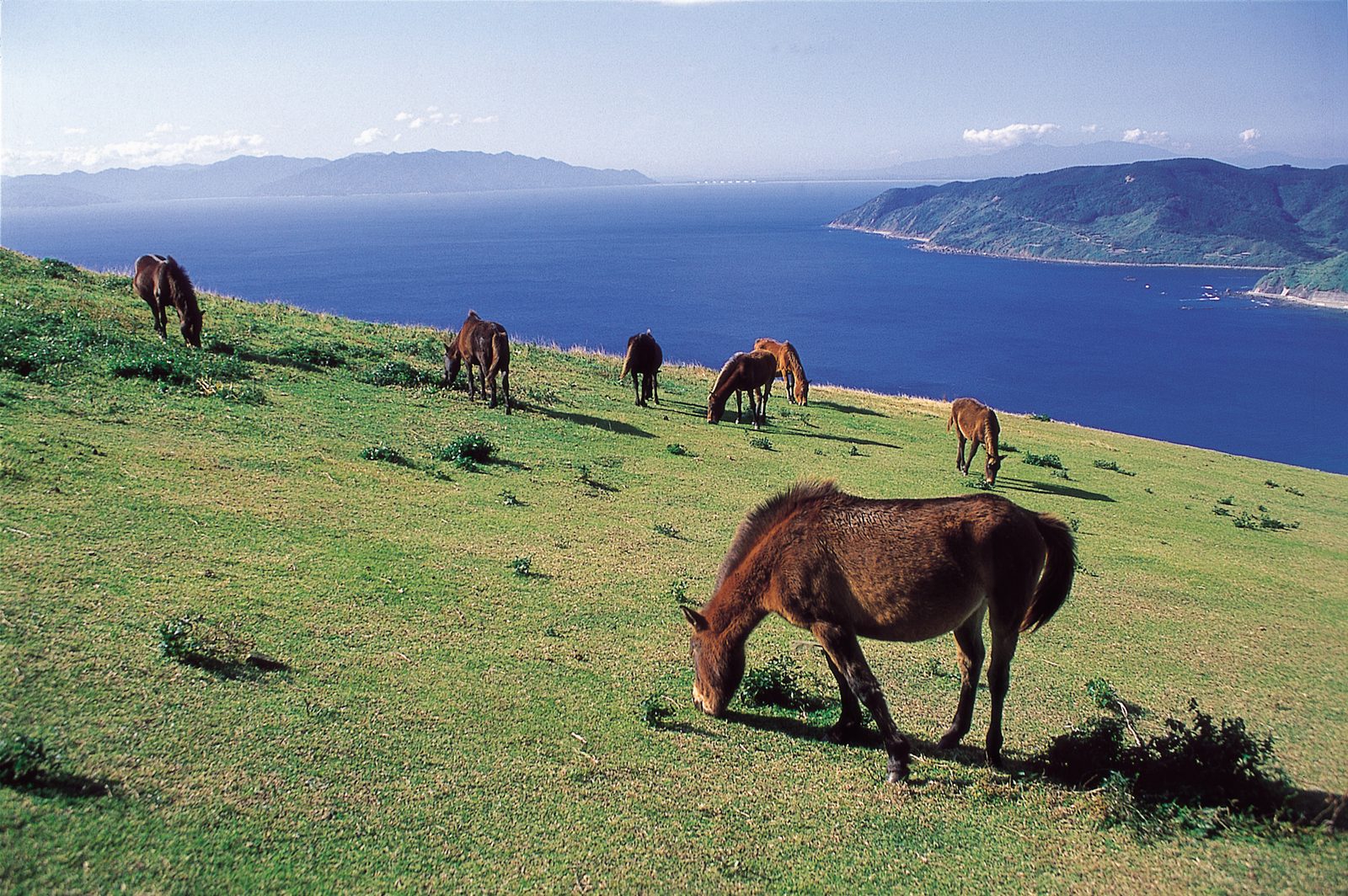
This guide covers the way to Cape Toi in Kushima, the gate and the grazing grounds of the Misaki horses, how to watch the herds and book a guide, and the lighthouse and the cycads.
The wild horses of Cape Toi are a national natural monument. What follows runs in the order of a visit: the ride out from Kushima, the gate, the herds and how to watch them, a guide you can book, and then the lighthouse and the cycads, with the practical details at the end.
Getting to Cape Toi
The Kushima community bus, Yoka Bus, runs every day on the Toimisaki line, and it is the way out to the cape for anyone without a car.
From PAKALAPAKA, the last stretch to the lighthouse is a few minutes by car, and the table below gives the times from JR Kushima Station and from the airports.
| From | Line and operator | Time or fare |
|---|---|---|
| JR Kushima Station | Yoka Bus community bus, Toimisaki line | About 40 to 45 minutes |
| Toimisaki line, fare | Yoka Bus community bus | 200 yen |
| Cape Toi, after getting off the bus | On foot | About 3 minutes |
| JR Kushima Station, driving | Car | About 30 minutes |
| Miyazaki Airport | Car | About 1 hour 30 minutes |
| Kagoshima Airport, to Kushima City | Car | About 90 minutes |
| PAKALAPAKA | Car, on to the lighthouse | About 5 minutes |
Entering the Cape and Finding the Herds
The Komadome Gate is the sole entrance and exit of Cape Toi, so a visit begins here however you arrive. A fence at the gate keeps the Misaki horses from getting out of the area. Past it, the question is where the herds are grazing that day.
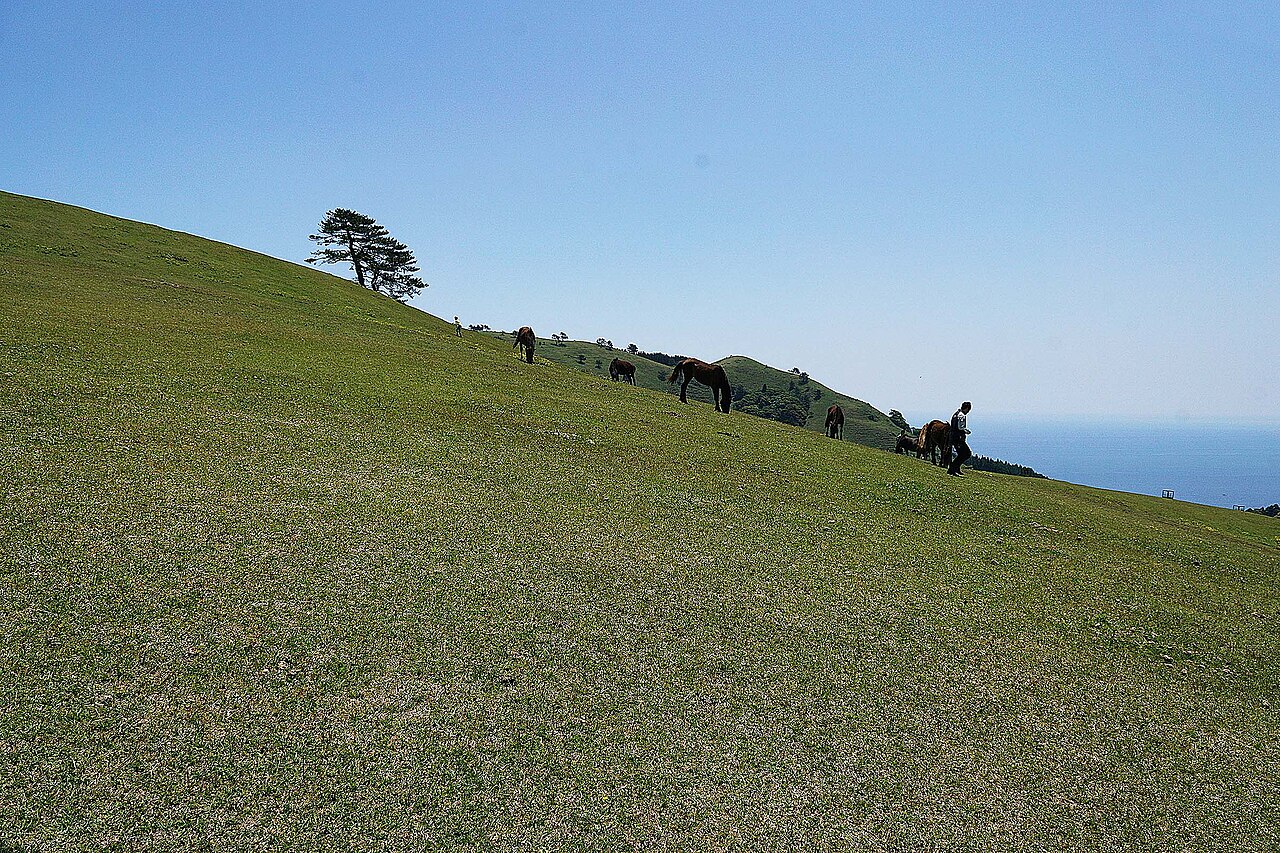
A large share of the horses on Cape Toi live around the Komatsugaoka area. Another group lives in the Ogiyama area. These are the places to head for when you are looking for the herds, and the pattern of a visit is to check them in turn.
On Ogiyama the road is paved to the summit, but it is narrow and cars cannot easily pass each other, so entry is on foot, by bicycle or by motorbike. If you came by car, this is the stretch to cover on foot.
How the Misaki Horses Live
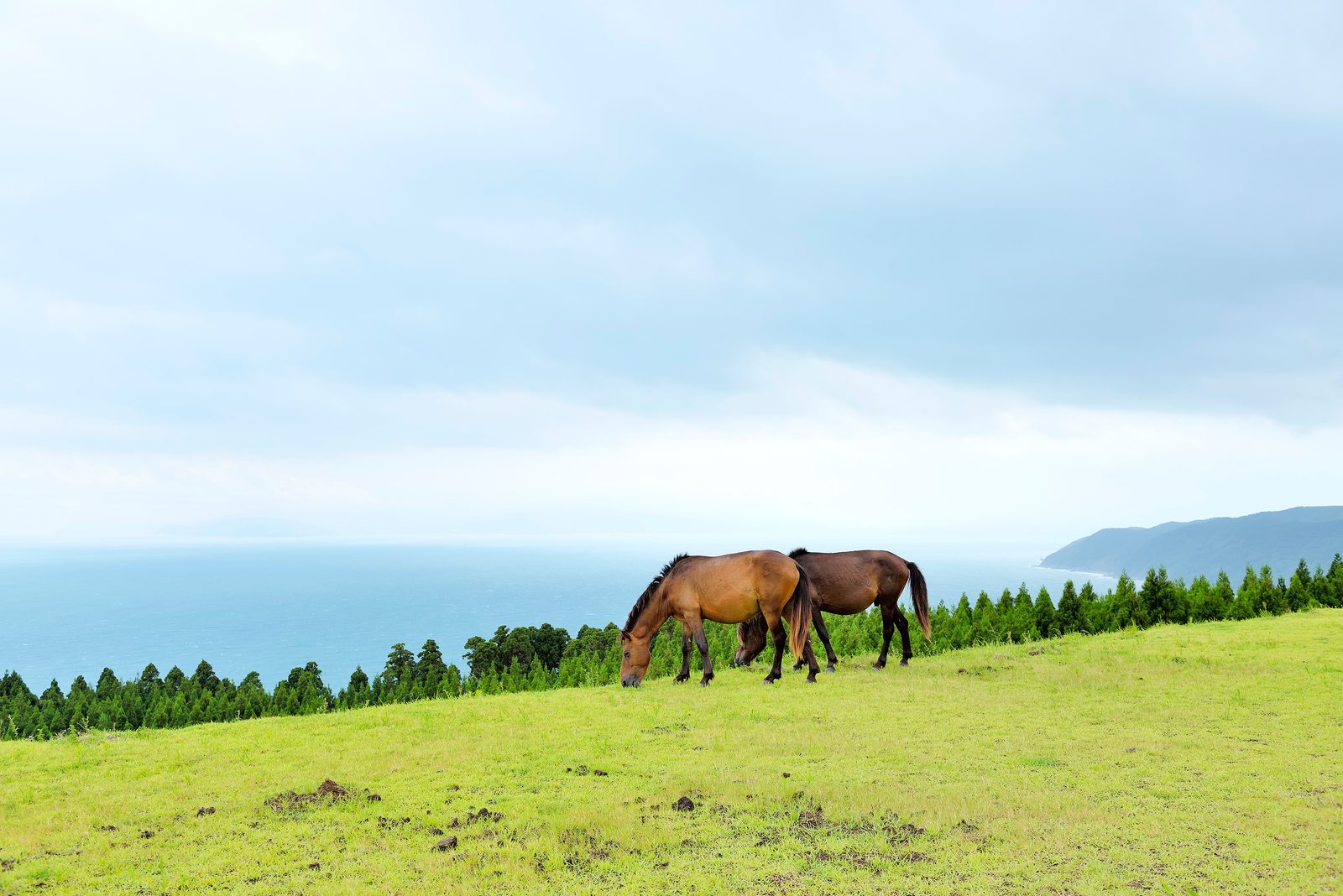
The Misaki horse was designated a national natural monument as a pure Japanese native horse. The herds on the grass follow a pattern that is easy to spot when you know what to look for.
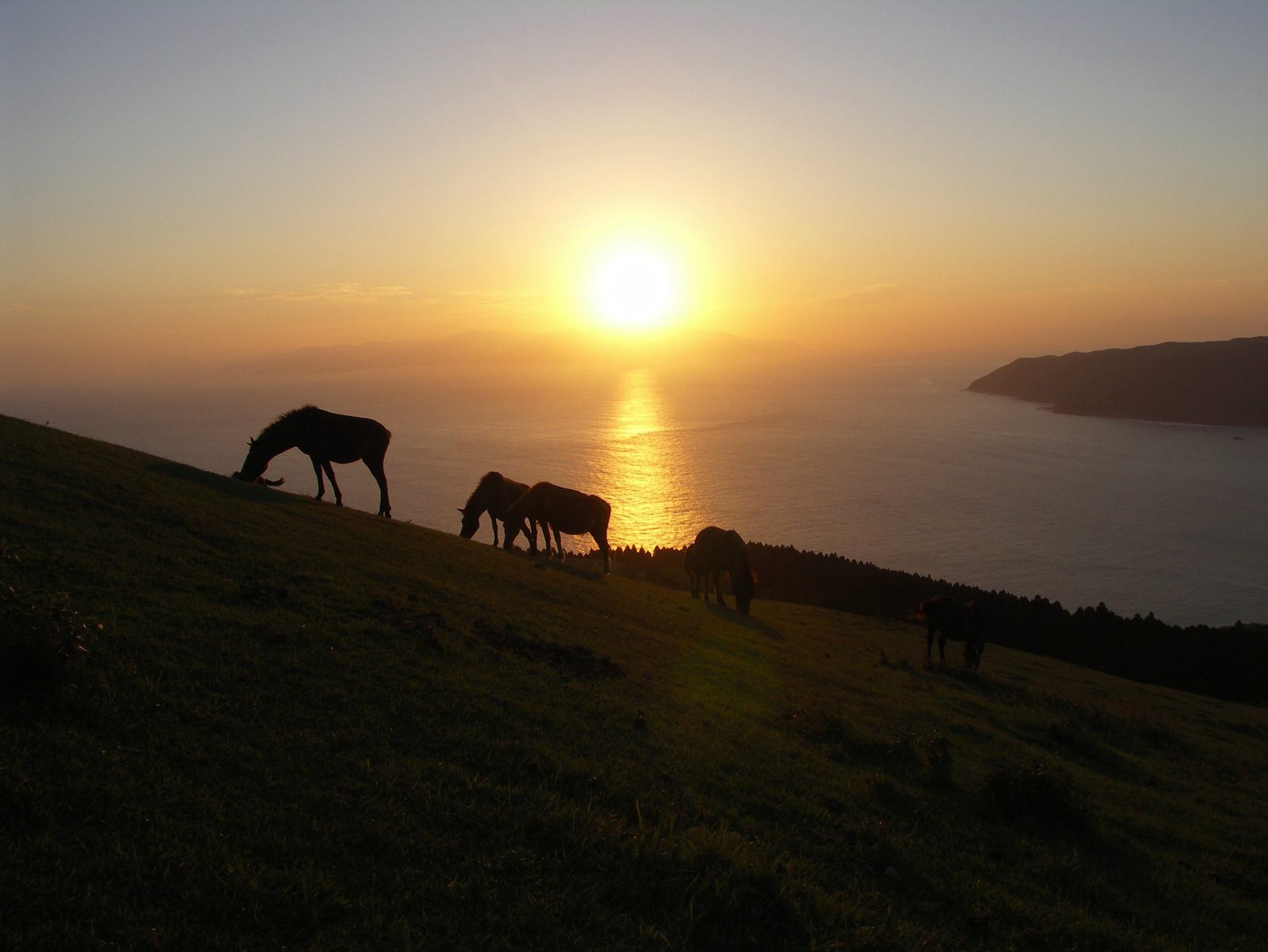
In spring and summer the Misaki horses form herds of a stallion with mares and foals on the grass of Komatsugaoka and Ogiyama. These harems are the groups you see across the grass in those months.
New foals are born on the cape each spring. A foal walks soon after birth and stays close to its mother. From spring onward the harems therefore include that year's foals.
Where to stay
Disclosure: This post may contain affiliate links. If you book through them, we may earn a commission at no extra cost to you.
Watching the Horses and Booking a Guide
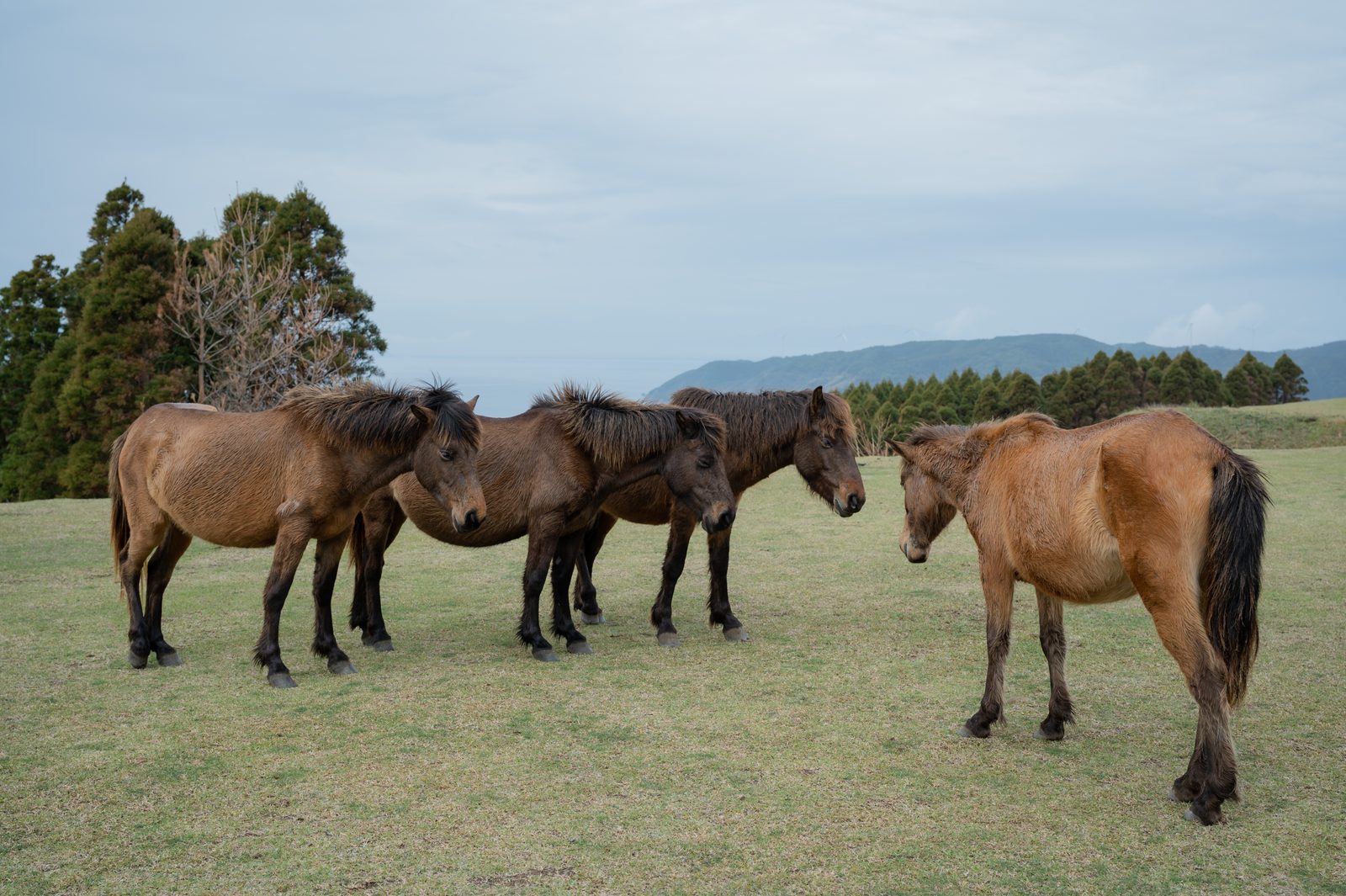
A stallion forms the centre of a small family unit of mares and foals, and that is how the Misaki horses move about. Visitors are asked not to touch the horses and to watch from a short distance. Visitors are also asked never to feed them.
A horse with its ears pinned flat back is signalling anger or fear. That is the cue to stop where you are and give the group more room before you carry on watching.
The wild horse guide from the Kushima City Tourism and Product Association explains the horses' way of life and the plants and animals of Cape Toi. The guide checks the area in advance in line with the booked time. The shortest course suits visitors who want to hear a little from the guide and then explore freely on their own. The target age is elementary school students and above. The guide is booked ahead rather than arranged on the spot. A solo visitor is limited to the shorter courses. There is no guide on Tuesdays, or on the following day when a Tuesday is a public holiday, because PAKALAPAKA is closed then. If you would rather book ahead online, a wild-horse tour at Cape Toi is listed here.
The Lighthouse and the Cycads
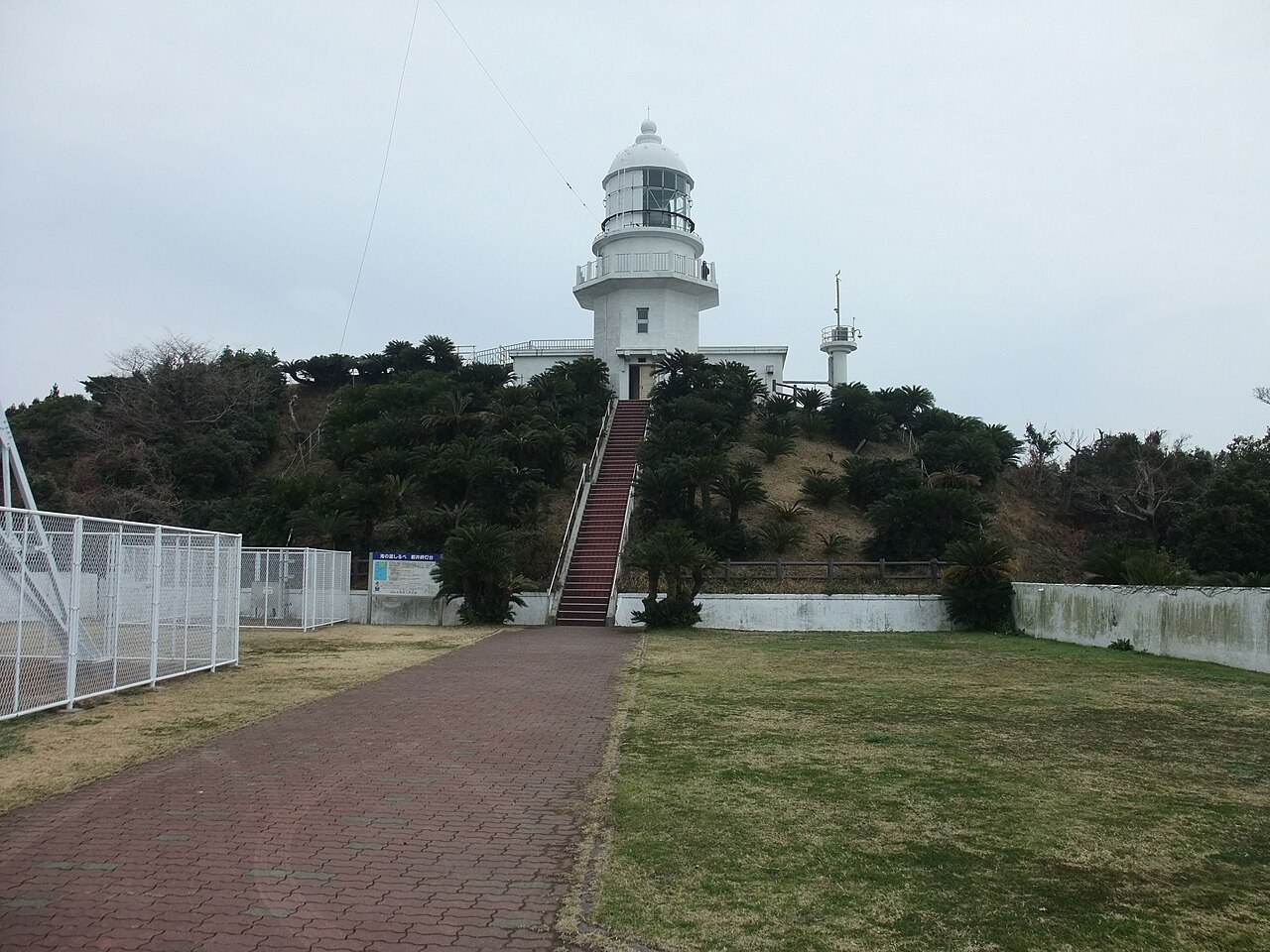
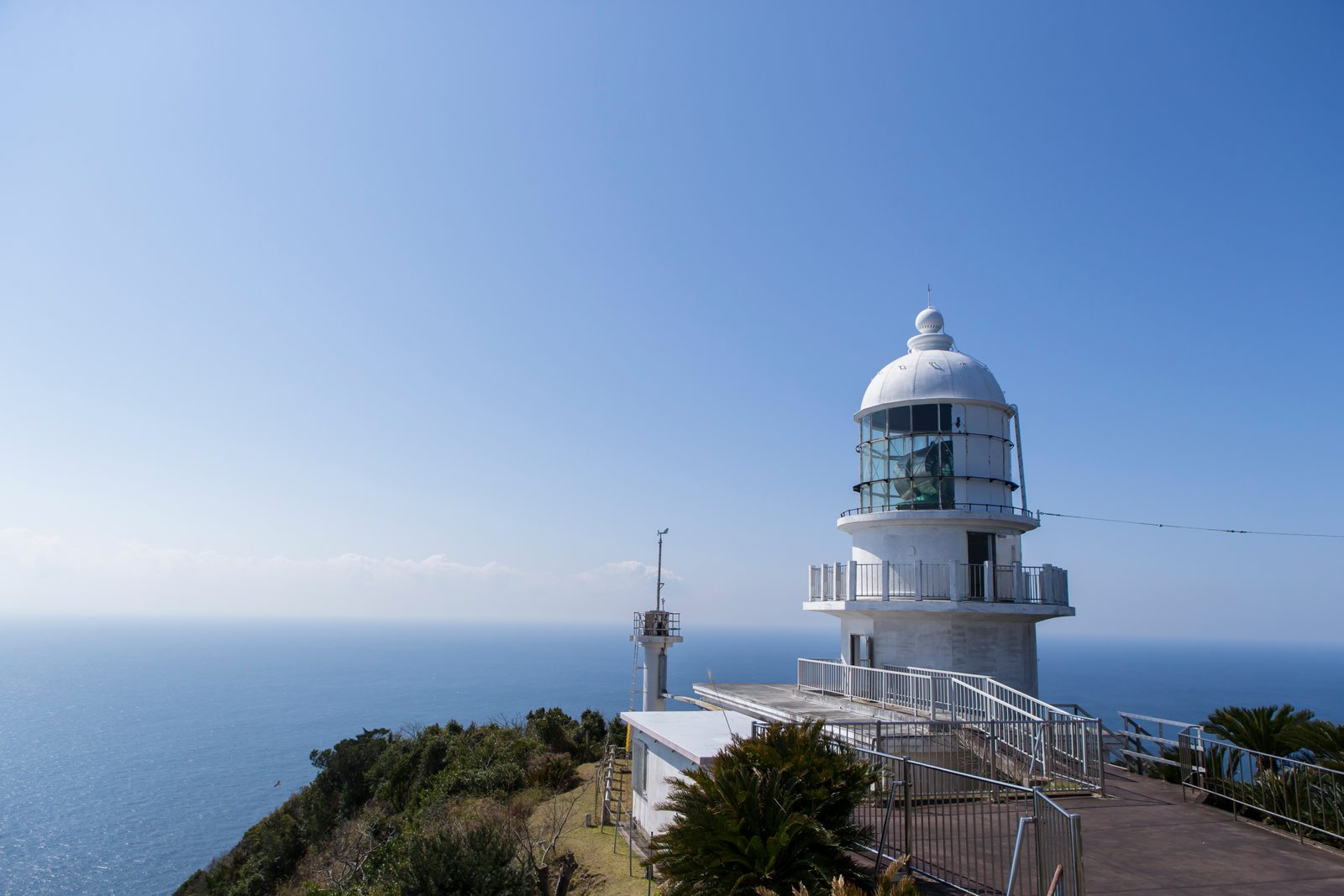
Toimisaki Lighthouse has morning visiting hours all year round. It closes for a midday break between the morning and the afternoon visiting sessions. Entry is accepted until a little before closing time, in the morning and again in the afternoon. The exact times are in the tables at the end of this guide.
The cycad habitat on Cape Toi is a national natural monument. The area was later designated a national special natural monument. The horses and the plants of the cape thus share the same kind of national designation.
Around Misaki Shrine there is a natural-growth forest of cycads. The cycad's large seeds are vermilion in colour. That colour is the thing to look for in the forest around the shrine.
Hours and Fees
The restaurant at PAKALAPAKA has terrace seats as well as indoor seating. The shop at PAKALAPAKA, selling souvenirs and drinks, is open from morning to late afternoon. Lunch and a pause fit in here between the herds and the lighthouse.
From October to March the Komadome Gate closes earlier in the day than in the warmer months, so plan the drive back out with that in mind.
| Item | Detail |
|---|---|
| Entry fee per car, for wild horse protection | 500 yen |
| Entry fee per motorbike, for wild horse protection | 200 yen |
| Toimisaki Lighthouse visit donation, junior high school students and older | 300 yen |
| Yoka Bus one-day free pass | 400 yen; elementary school students half price, preschool children free |
| Speed limit inside Cape Toi | 30 km/h |
| Wild horse guide, booking deadline | 17:00, 2 days before the desired date |
| Wild horse guide, group size | 2 or more people; 1 person is limited to the 30-minute and 60-minute courses |
| Booking by phone | Kushima City Tourism and Product Association 0987-72-0479; wild horse guide mobile 090-4588-1133 |
| Kushima City Tourism and Product Association office | 8:30 to 17:15; closed December 29 to January 3 |
| Item | Detail |
|---|---|
| Komadome Gate, April to September | 7:30 to 18:00 |
| Toimisaki Lighthouse, morning, all year | 9:00 to 12:00 |
| Toimisaki Lighthouse, afternoon on weekdays, March to October | 13:00 to 16:30 |
| Toimisaki Lighthouse, afternoon on weekends and holidays, March to October | 13:00 to 17:00 |
| Toimisaki Lighthouse, afternoon, November to February | 13:00 to 16:30 |
| Toimisaki Lighthouse, midday break | Noon to 1 pm |
| Toimisaki Lighthouse, last entry | 15 minutes before closing, morning and afternoon |
| PAKALAPAKA | 9:00 to 17:00; closed on Tuesdays |
| PAKALAPAKA restaurant, meals | 11:00 to 15:30 (last order) |