Matsushiro-machi was the stage of the Battle of Kawanakajima in the Sengoku period. The town keeps a group of burial mounds built from about the fifth to eighth century. Near the end of the Pacific War, underground bunkers were dug in the mountains around Matsushiro to relocate the Imperial General Headquarters. Samurai residences and a bell tower fill the day.
The Rekimichi and the Samurai Residences
The Rekimichi is a walking path lined with reconstructed samurai residence walls and nagaya-mon gates. The path carries a reconstructed waterway, one built in the Edo period to bring water for daily life and farming.
At the former Higuchi residence, a stream channel runs through the middle of the grounds, and its three buildings, the main house, the storehouse and the row house, are designated cultural properties of Nagano City.
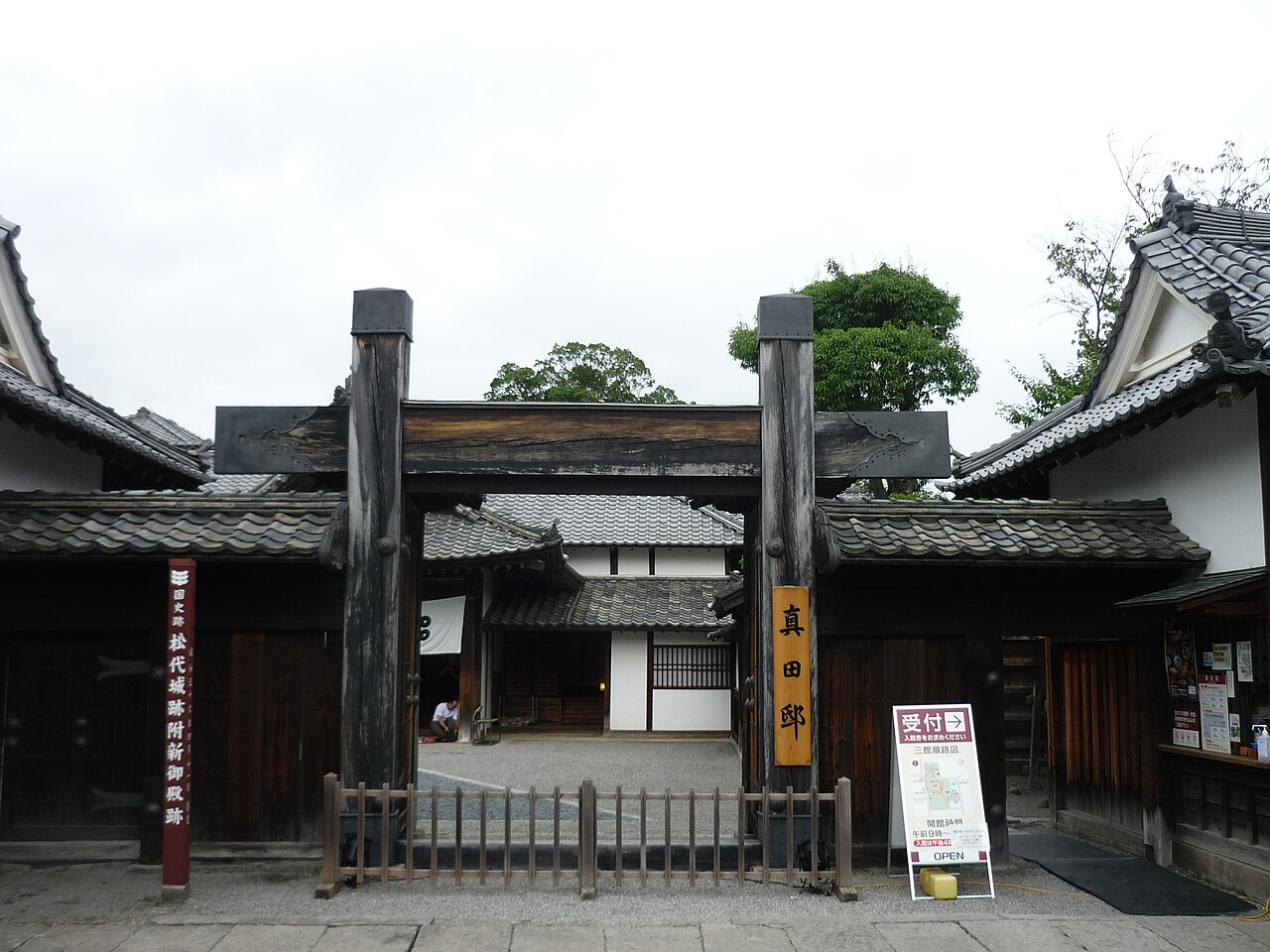
The Yamadera family was a mid-ranking samurai family of the Matsushiro domain. The Yamadera Jozan residence retains a front gate presumed built from the late Edo period to the early Meiji period and a shoin presumed built from the late Taisho period to the early Showa period. The present garden pond is a re-development of a Taisho period one.
Inside the Sanada Residence and the Bunbu School
The Sanada Residence holds thirty-five rooms and served as a private home, a place for domain administration and a place for receiving visitors. Visitors can tour the residence with a volunteer guide and learn each room's role and the highlights of the premises.
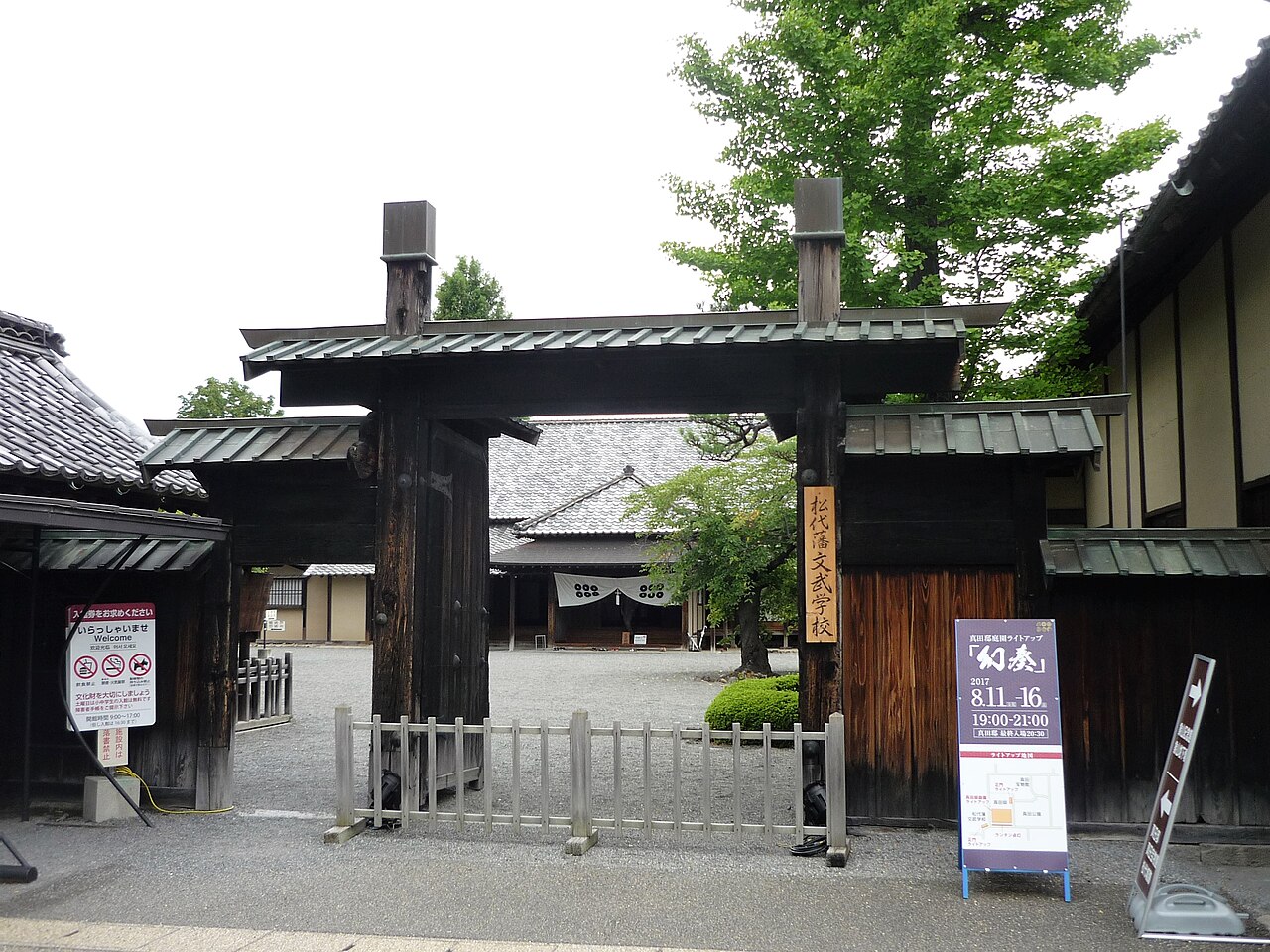
At the Bunbu School, sons of domain samurai entered at age eight and attended until age thirty-five, studying literature, Chinese studies, astronomy and medicine as well as swordsmanship, jujutsu and archery. Kendo tournaments still take place at the school, along with practice and tournaments in kyudo and classical martial arts.
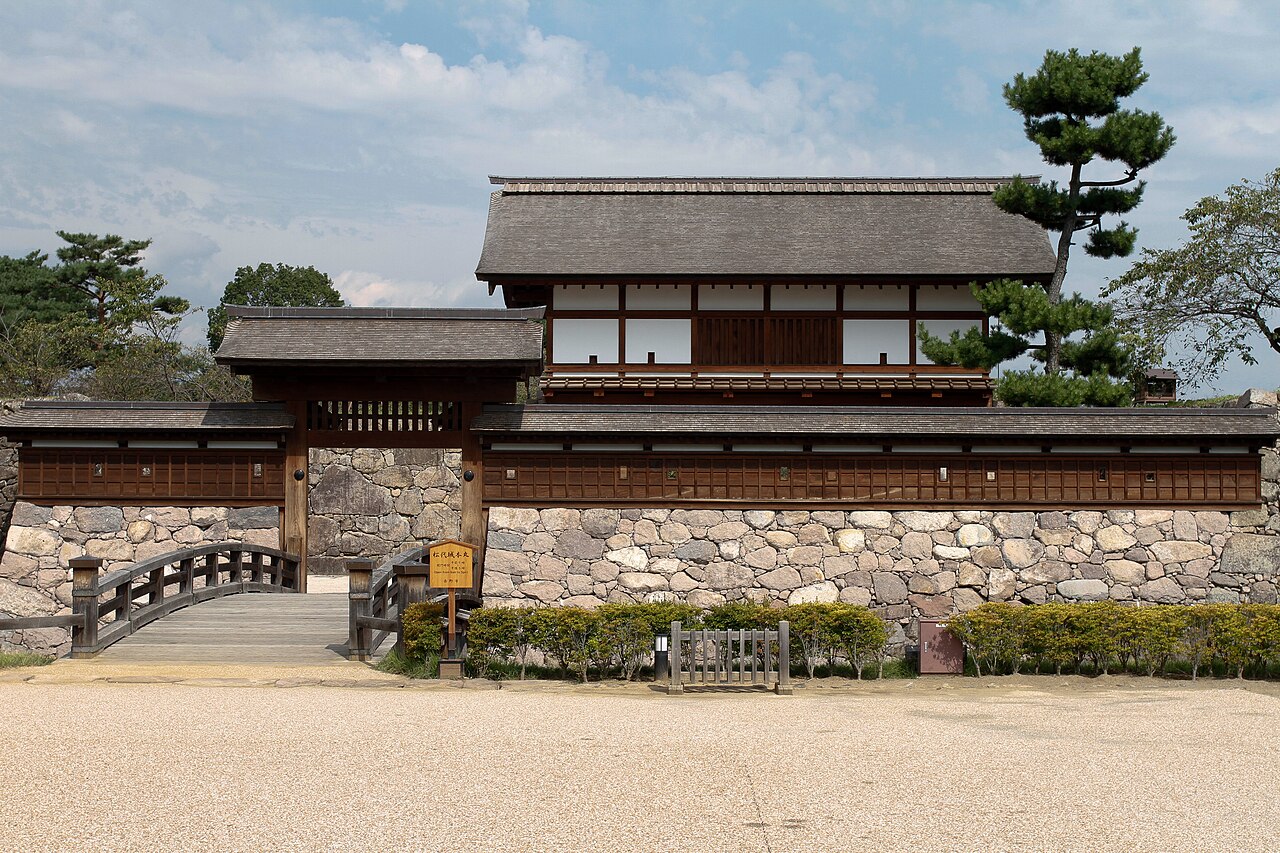
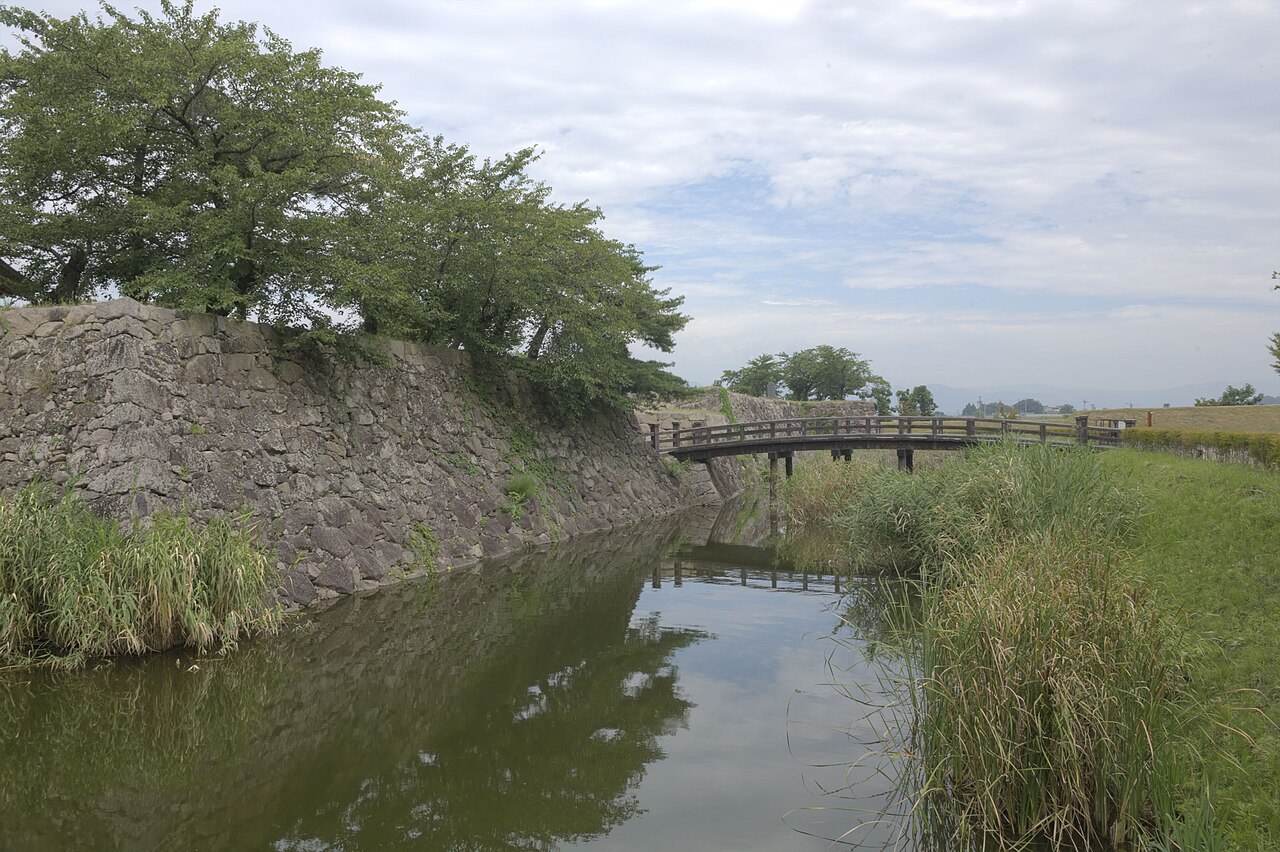
Matsushiro Castle had no castle keep originally, and its site uses the terrain on the bank of the Chikuma River.
The Merchant House and the Old Bell Tower
The merchant house is a former pawnbroker's residence, home to a family who ran a pawnbroker's business among others from the late Edo period to the early Showa period. Its grounds retain buildings that convey the life of a merchant house of the Meiji and Taisho eras, and a garden with a water channel and a pond.
Nagano city designated the merchant house a tangible cultural property. Its cafe offers an original lunch menu and a reservation-only one-day chef. The gallery at the merchant house holds events such as concerts and exhibitions of works.
The old Matsushiro bell tower stands about twelve metres high on a stone-built base, a high-lookout type bell tower with a gabled tile roof. It is said to have been built right after the first Matsushiro domain lord, Sanada Nobuyuki, entered Matsushiro, and in its early period it doubled as a fire lookout.
The tower told the time every two hours, day and night. When a fire broke out in the castle town, the bell rang to give warning. The interior has three levels connected by ladders, with planked floors except in the earthen-floor area, and visitors view the tower from the outside only, at any time.
Chokokuji, Zozan Shrine and the Wartime Tunnels
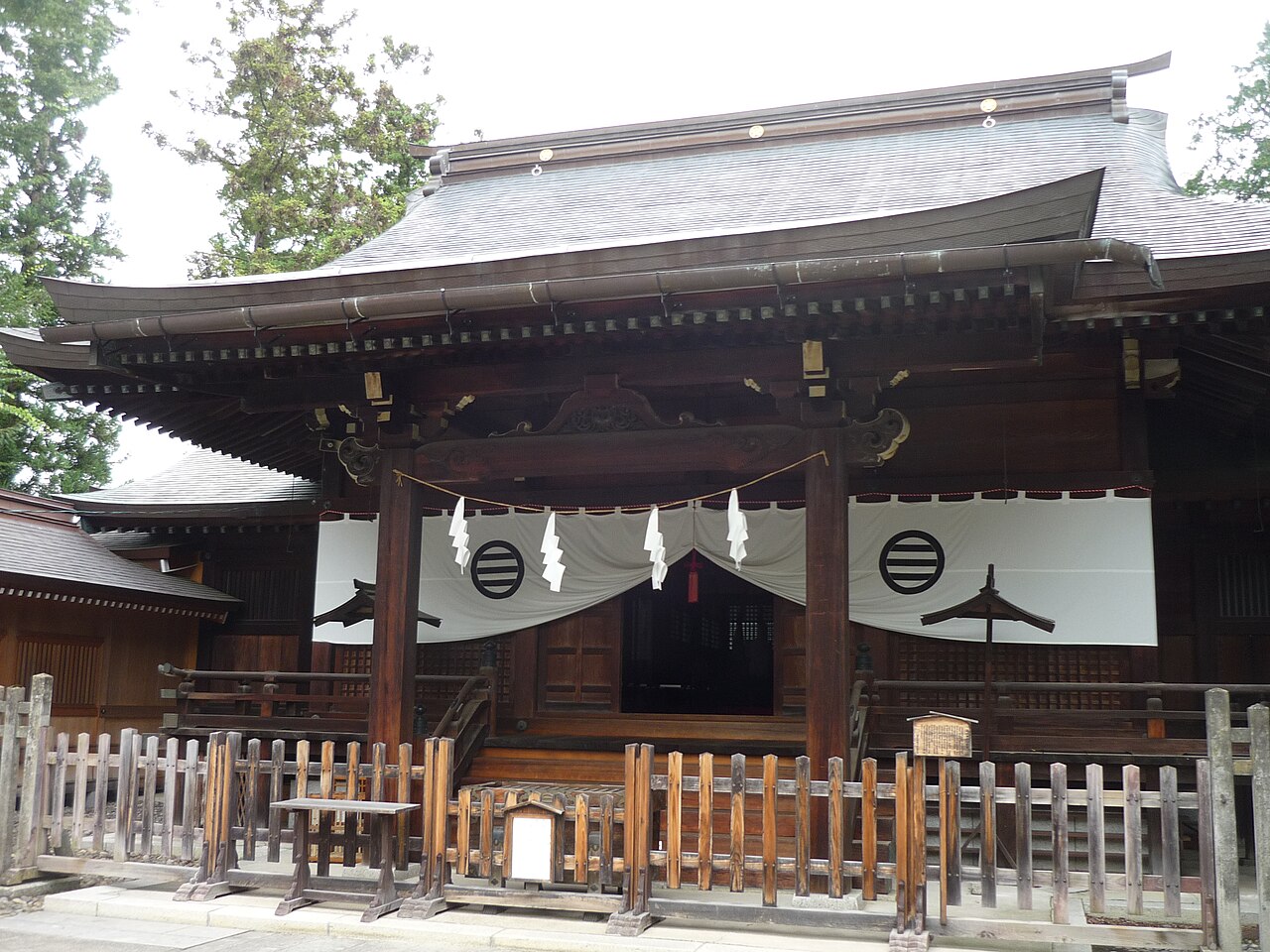
Chokokuji temple holds the graves of successive Sanada domain lords and the mausoleums of Sanada Nobuyuki and Sanada Nobuhiro. Zozan Shrine enshrines Sakuma Shozan and was founded in the Showa era.
The Matsushiro underground bunker tunnels run in a grid pattern centred on Maizuruyama, Minakamiyama and Zozan, with a total length of about ten kilometers. At the Zozan underground bunker, visitors can enter part of it.
Battlefield Views and Mount Minakami
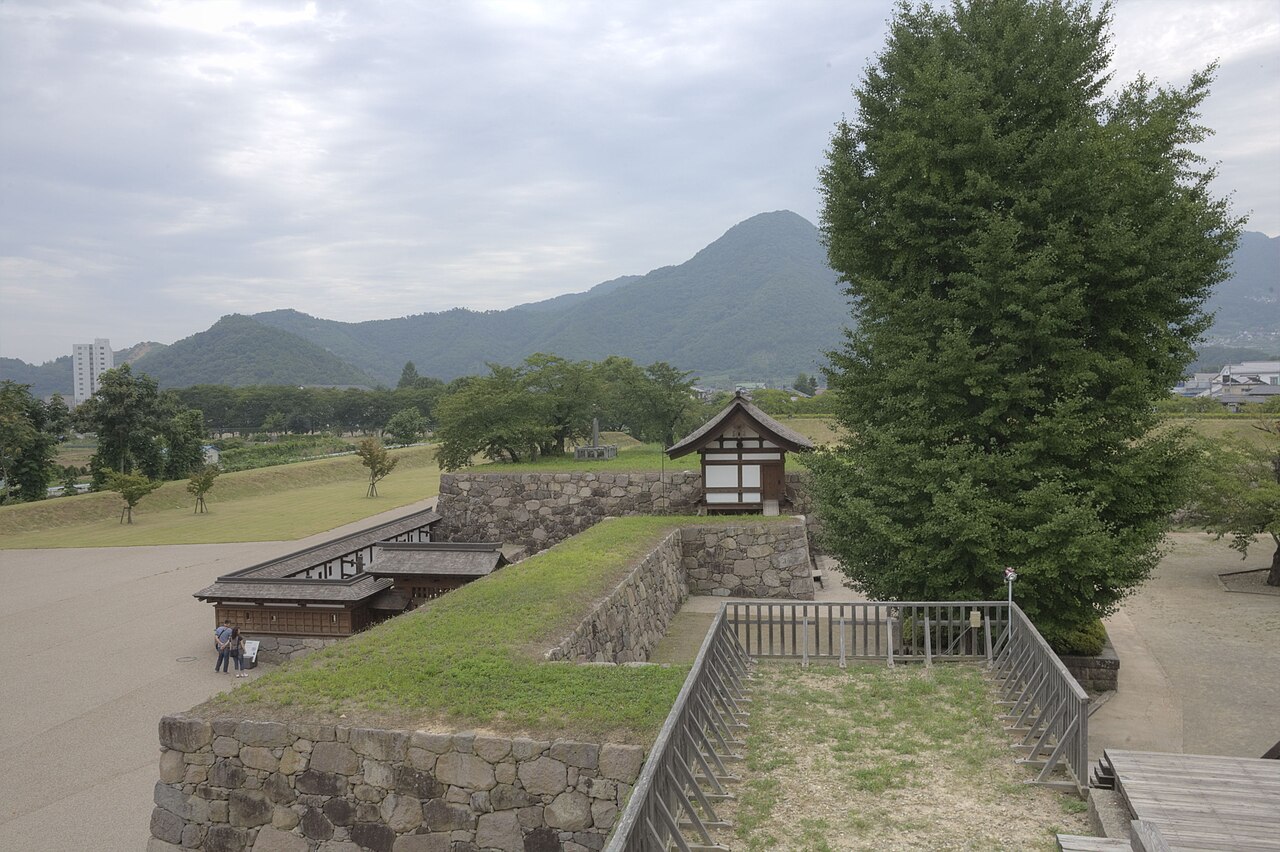
A hilltop observation deck offers views over the Northern Alps and the urban area.
The fourth battle between the Takeda and Uesugi armies was fought over a wide area of Kawanakajima plain. The Uesugi army took position on the mountain where that observation deck stands with a main force of thirteen thousand while looking down on the castle. The Takeda army entered the castle with twenty thousand troops.
Mount Minakami rises about six hundred and fifty-nine metres and has a circumference of about eight kilometers. It is a volcano of pyroxene andesite that erupted in a corner of the Nagano basin about three hundred and fifty thousand years ago. A depression in the central part of the mountain shows where erupted lava flowed back underground.
The andesite of Mount Minakami went into stone Buddhas and gravestones in Matsushiro town and into the stone walls of Matsushiro Castle. The summit carries three peaks, called the west peak, the middle peak and the east peak.
For an overnight stay, see places to stay in Matsushiro. For something arranged ahead of time, browse the activities listed for Matsushiro.
Getting to Matsushiro
New to rural buses and one-man trains? See how to ride them, step by step.
| Route | Time |
|---|---|
| Nagano Station Zenkoji-guchi stop three to Matsushiro, Alpico Kotsu route thirty bus | thirty minutes |
| Matsushiro bus stop to the Sanada Treasure Museum | about a three-minute walk |
| Matsushiro Station to the Bunbu School | a seven-minute walk |
| Nagano Station stop three to the merchant house | about thirty minutes by bus, about three minutes' walk |
| Nagano Station stop three to the bell tower | about thirty minutes by bus, about a three-minute walk |
| Nagano Station to the Zozan underground bunker by way of Matsushiro Station | about thirty minutes by bus, about a twenty-minute walk |
The Alpico Kotsu bus from Nagano Station Zenkoji-guchi stop three takes thirty minutes to Matsushiro.
Hours and Fees
| What | Detail |
|---|---|
| Sanada Treasure Museum admission | six hundred yen for general visitors, one hundred yen for elementary and junior high school students |
| Sanada Residence admission | four hundred yen for general visitors |
| Bunbu School admission fee | four hundred yen for general visitors |
| Sanada Treasure Museum, April to October | open nine in the morning to five in the afternoon, last admission at half past four |
| Sanada Treasure Museum, November to March | open nine in the morning to half past four in the afternoon, last admission at four |
| Sanada Residence, year-end and New Year | closed from December twenty-ninth to January third |
| Chokokuji temple admission | one thousand yen by advance booking, and viewing the grounds only is free |
| Chokokuji temple closed days | closed every Wednesday and over the year-end and New Year period |
| Zozan underground bunker | open nine in the morning to four in the afternoon, entry into the bunker until half past three |
| Zozan underground bunker closed days | closed on the third Tuesday and over the year-end and New Year period |
Fees and hours were checked against official sources between 7 October 2026 and 14 November 2026.
The Sanada Treasure Museum is open from nine in the morning to five in the afternoon from April to October.
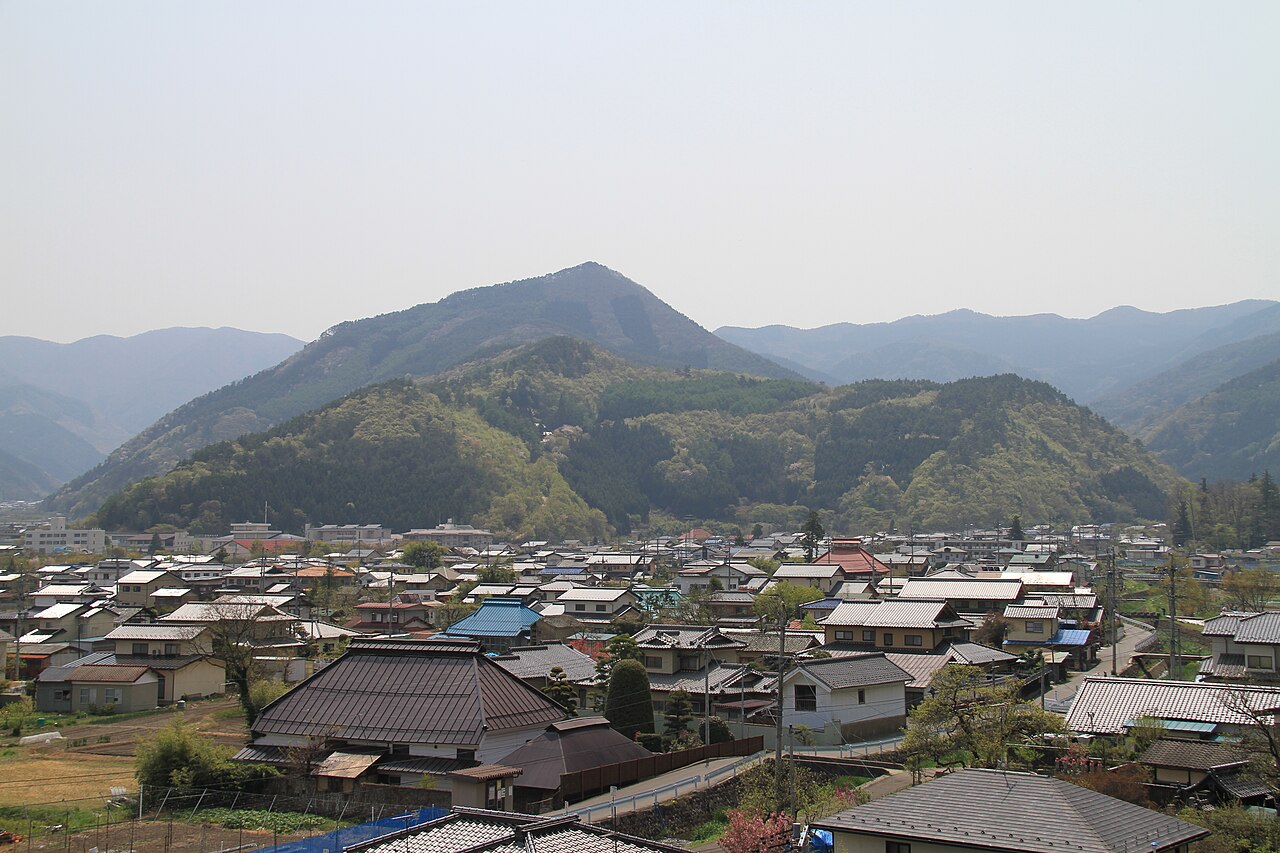
Thinking of staying overnight?
Compare places to stay near Matsushiro, Nagano →
Disclosure: This post may contain affiliate links. If you book through them, we may earn a commission at no extra cost to you.