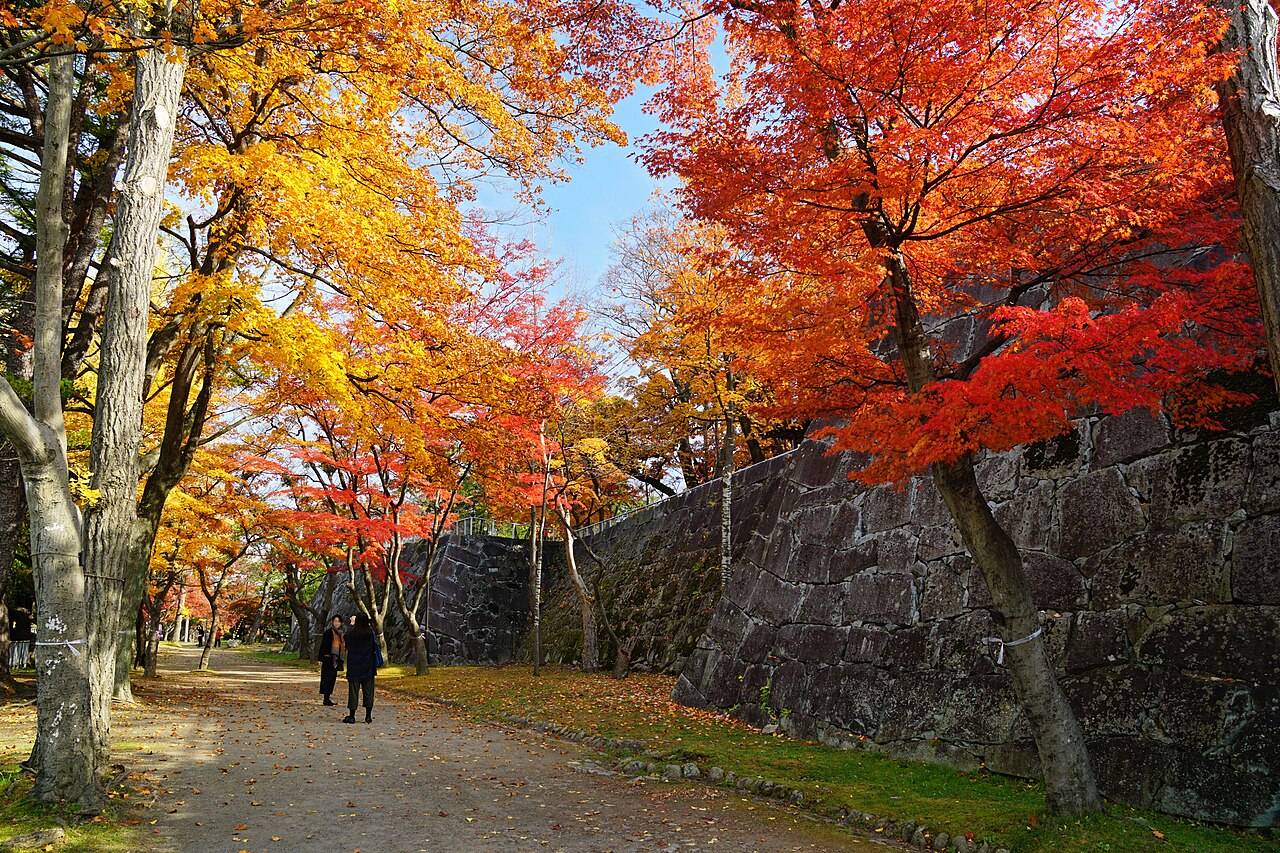
Morioka pairs castle stone walls and cherry trees with a red brick bank building, a clear river, machiya townhouses, a temple street, festival exhibits in a museum and noodles. Morioka Castle was built on a hill at the confluence of the Kitakami and Nakatsu rivers, a hirayamajiro, or castle on a low hill. The castle buildings were demolished, but most of the granite stone walls remain, and the site centred on eight point six hectares of historic ruins forms Morioka Castle Ruins Park. Morioka reimen has chewy translucent noodles made from wheat flour and potato starch.
Morioka Castle Ruins Park: Stone Walls and Cherry Trees
At the castle ruins park, moss-covered stone walls and cherry blossoms tint the central part of the city pale pink, with the Nakatsu river and the red brick Iwate Bank building in front. The ruins once carried the name Kozukata castle ruins, and they serve city residents as Morioka Castle Ruins Park, or Iwate Park.
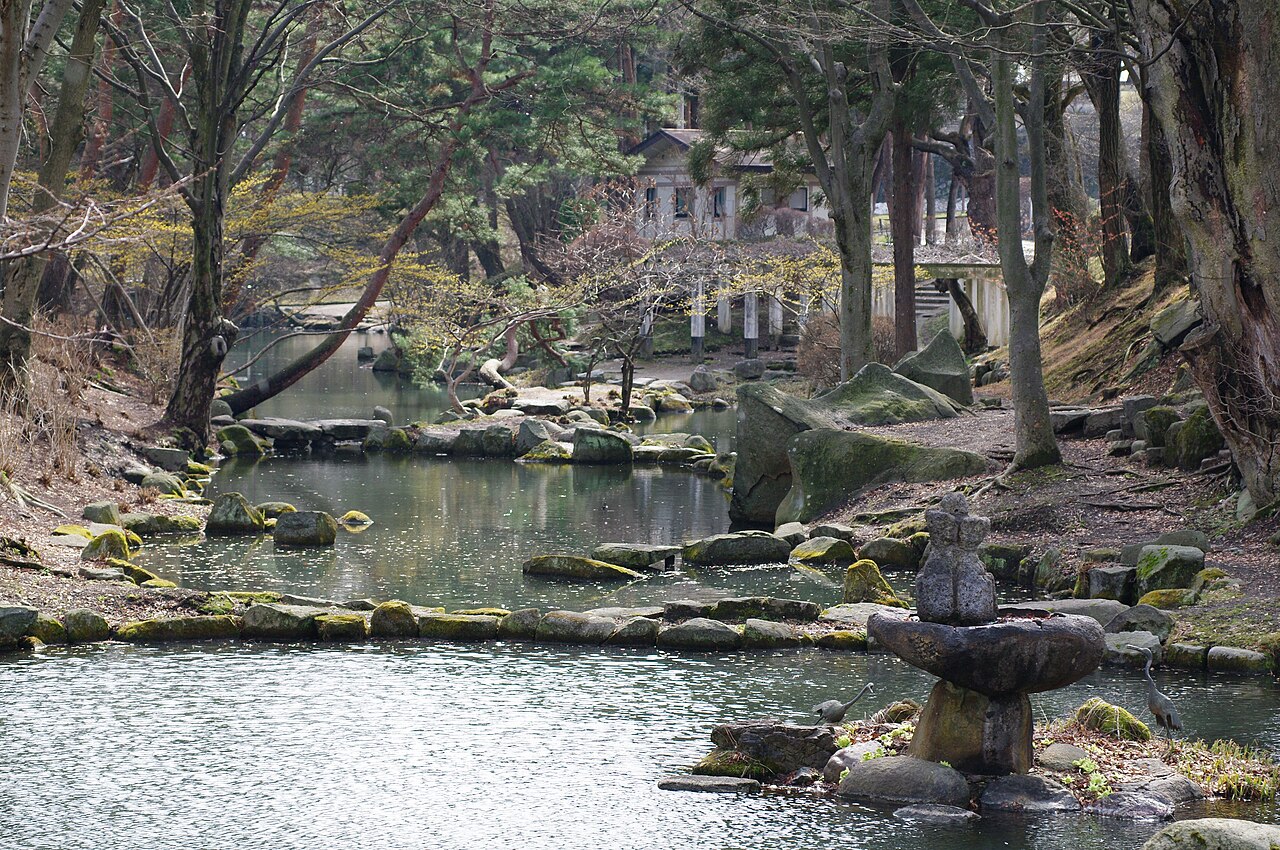
The place name Kozukata changed to Morioka around the time the castle town was developed. The stone walls were repaired later, so the changes over time can be read from how the stones are stacked.
One Edo-higan cherry tree in Morioka grows in a narrow crack of a huge granite boulder. The tree measures about one point three five metres in diameter and is said to be over three hundred sixty years old. It holds the status of a nationally designated important natural monument.
The Bank of Iwate Red Brick Building
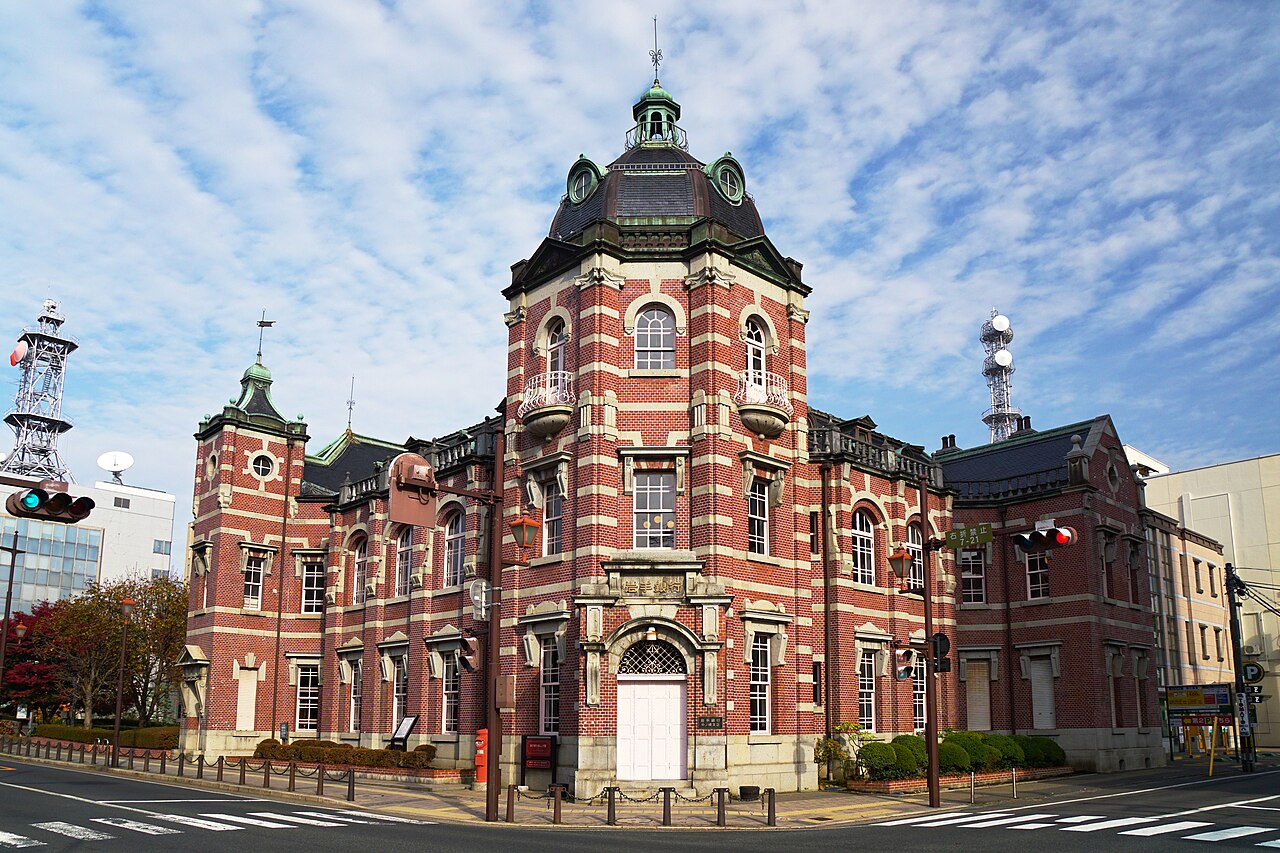
An architectural office designed the Bank of Iwate Red Brick Building, and it stands as a work by Tatsuno Kingo that remains in the Tohoku region. The structure is brick construction on two storeys with a slate roof, partly copper-plate roofing.
The building is a nationally designated Important Cultural Property, and opened to the public after about three and a half years of conservation repair work.
Rivers, Old Townhouses and Temple Streets
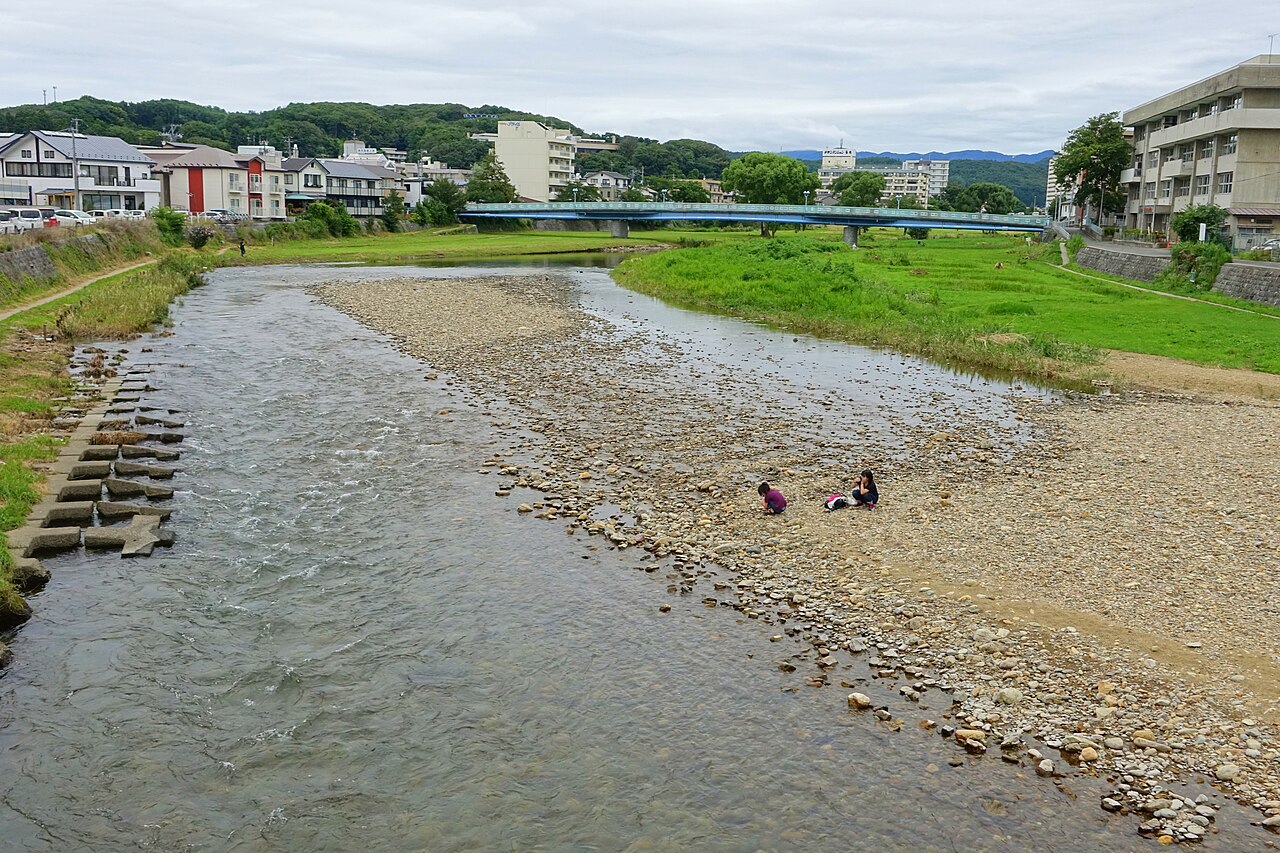
The Nakatsu river runs through the middle of town, its water so clear that the riverbed shows, and waterbirds play on it. In summer ayu leap in the river, and in autumn salmon swim upstream to spawn. Many swans fly in to the Kitakami river from about November to March.
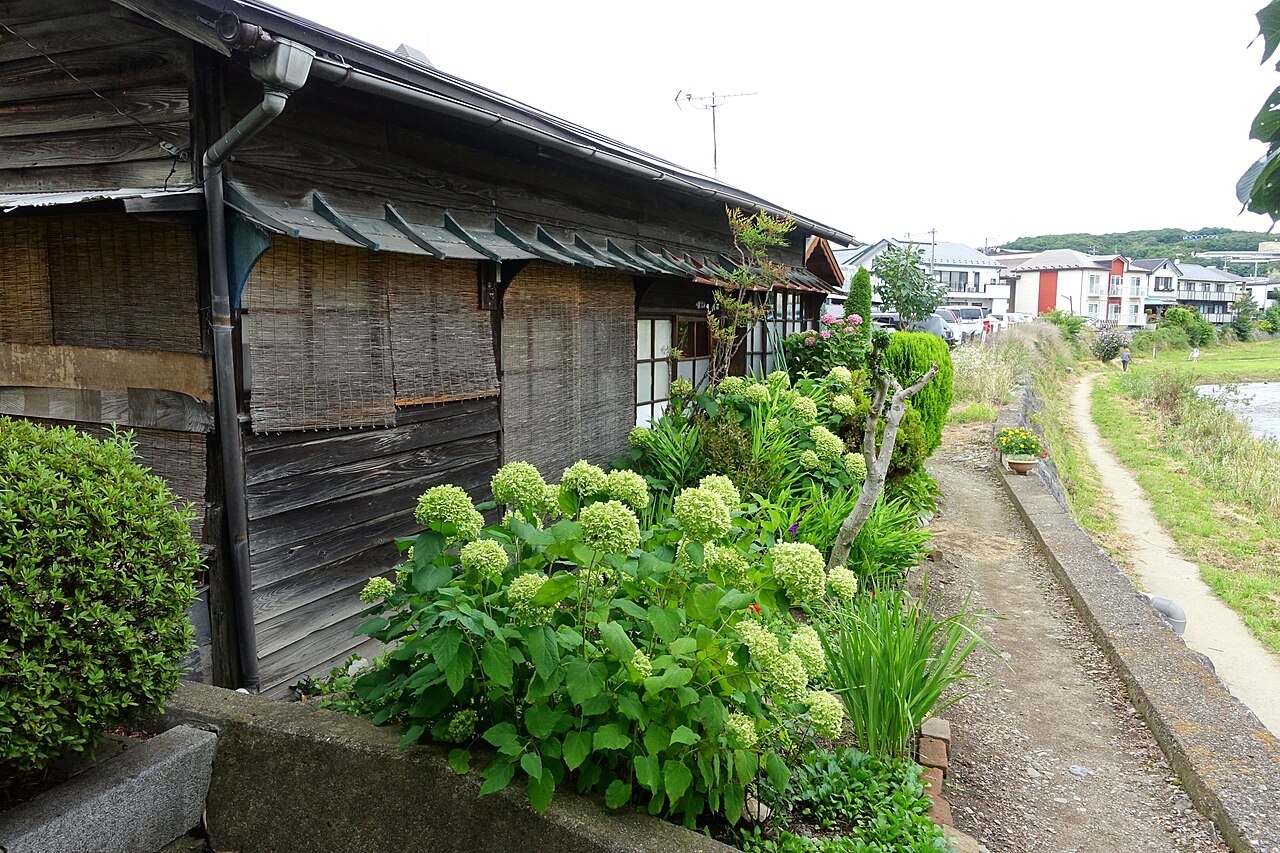
One old district keeps many of the machiya townhouses that convey Morioka's way of life, forming a classical townscape. A roofed spring-water place divides into areas for drinking water, rice washing and laundry, and neighbours still use it.
Along the Zaimokucho street, shops handling folk crafts linked to Miyazawa Kenji, ceramics, cotton, lacquerware and wooden furniture line the road. The Yoichi market is held every Saturday evening from April to late November.
Nanbu ironware street lamps and large zelkova trees line Teramachi-dori, and temple walls continue along the stone-paved-style sidewalk. Hoon-ji enshrines five hundred arhats, which nine Kyoto Buddhist sculptors made over four years, all in joined-wood construction with lacquer finish.
Two Museums and Morioka's Festivals
The Morioka History and Culture Museum gives its first-floor festival exhibition room to the Morioka Sansa Odori and Chagu Chagu Umakko festivals, and a large-screen monitor shows video of them. The room displays a life-size Chagu Chagu Umakko in ornate costume. The float exhibition hall displays Morioka floats, including a Meiji-era float nine metres high and a recreated modern float.
On the second floor, the castle-town corner recreates the townscape of the Edo period, with audio containing dialect and video of people passing through the town.
At the Morioka Machiya Story Museum, a permanent exhibition on the first floor of a storehouse spotlights people connected with Morioka, centred on the Nataya-machi area.
The Morioka Sansa Odori is held from August first to fourth.
Hadakamairi is held on January fifteenth in the evening at the Morioka Hachimangu Toshikoshi festival. Each neighbourhood group of young men purifies body and mind in a bath and walks in procession wearing a shimenawa on the back, a headband and a kendai-wara around the waist, barefoot in straw sandals.
Noodles, Sweets and Craft Workshops
Morioka jajamen is udon topped with fragrant stir-fried meat miso. Garlic, ginger, chili oil and vinegar go in to taste, and chopped cucumber and green onion are mixed through. After the jajamen is finished, raw egg, the noodle cooking water and meat miso make an egg soup.
In Morioka it is normal to order reimen alone at a yakiniku restaurant, as a meal or a finish after drinking. A manju filled with black syrup takes its name from the way the syrup spills when someone tries to eat it in two bites.
Hidehira lacquerware is said to have originated when Hidehira, the third lord of the Oshu Fujiwara clan, invited craftsmen from Kyoto to make it. Homespun, spread in Iwate by a British missionary in the early Meiji era, is a fabric woven entirely by hand from dyed, hand-spun wool yarn.
For more of Iwate, see Hiraizumi and Hanamaki, or browse places to stay in Morioka.
Getting to Morioka Castle Ruins Park
New to rural buses and one-man trains? See how to ride them, step by step.
| From | Route and time |
|---|---|
| Morioka Station to Morioka Castle Ruins Park | About a fifteen-minute walk |
| Morioka Station to Morioka Castle Ruins Park (Iwate Park) | About ten minutes by bus |
| Morioka Station to the Morioka Bus Center stop | Ten minutes by bus |
| Morioka Bus Center bus stop to the Bank of Iwate Red Brick Building | About a one-minute walk |
| Morioka Station to the Morioka History and Culture Museum | About a twenty-minute walk |
| Morioka Station to the Morioka Machiya Story Museum | About fifteen minutes by bus, then about a five-minute walk |
The table lists walks and bus rides from Morioka Station and the Morioka Bus Center stop.
Hours and Fees
| What | Detail |
|---|---|
| Bank of Iwate Red Brick Building, opening hours | Ten in the morning to five in the evening, with admission until half past four |
| Red Brick Building, closed days | Every Tuesday, and December twenty-ninth to January third |
| Red Brick Building, paid zone (Morioka Bank Zone and Virtual Theater) | Three hundred yen for a general visitor, age sixteen or older |
| Morioka History and Culture Museum, April to October | Open nine in the morning to seven in the evening, second-floor history exhibition room entry until half past six |
| Morioka History and Culture Museum, November to March | Open nine in the morning to six in the evening, second-floor history exhibition room entry until half past five |
| Morioka History and Culture Museum, closed days | Third Tuesday of every month, or the next day if that Tuesday is a holiday |
| Morioka History and Culture Museum, general admission | Four hundred fifty yen |
| Morioka Machiya Story Museum, opening hours | Nine in the morning to seven in the evening, with admission until half past six |
| Morioka Machiya Story Museum, closed days | Fourth Tuesday of every month, or the next day if it is a holiday, and December twenty-ninth to January third |
Fees and hours were checked against official sources between 14 October 2026 and 15 November 2026.
The table sets out hours, closed days and fees.
Thinking of staying overnight?
Compare places to stay near Morioka, Iwate, Japan →
Disclosure: This post may contain affiliate links. If you book through them, we may earn a commission at no extra cost to you.