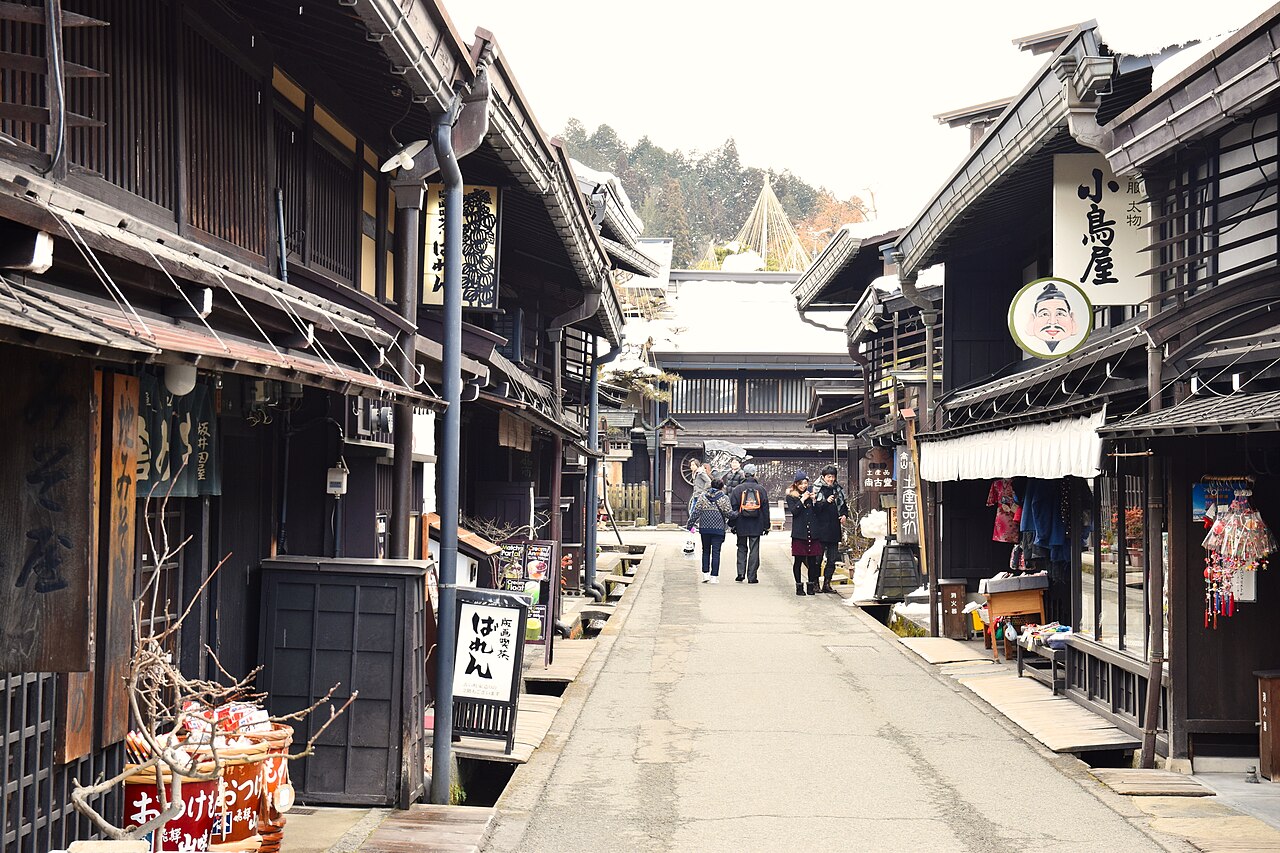
This article covers the walk between Takayama Jinya, the old town lanes and the morning markets, with the larger sights beyond.
The route below begins at Takayama Jinya, moves on to the morning markets and the riverside, continues into the Sanmachi old town, and finishes with Hida Kokubun-ji, the festival floats and Hida no Sato. The practical details are gathered in a pair of tables, one near the top and one near the end.
Getting to Takayama and Walking from the Station
The first table covers the ride from Nagoya and the time on foot to each sight.
| Item | Detail |
|---|---|
| Highway bus, the Meitetsu Bus Center or JR Nagoya Station to the Takayama Nohi Bus Center, one way | three thousand six hundred yen, or three thousand three hundred yen with the web discount |
| On foot, JR Takayama Station to Takayama Jinya | ten minutes |
| On foot, JR Takayama Station to the Sanmachi old town | about fifteen minutes |
| On foot, JR Takayama Station to the Miyagawa Morning Market | about ten minutes |
| On foot, JR Takayama Station to Hida Kokubun-ji | five minutes |
| On foot, JR Takayama Station to the Nakabashi bridge | fifteen minutes |
The Hida Takayama Tourist Information Center is a one-minute walk from the east exit of JR Takayama Station. The ticket office at JR Takayama Station is open from six in the morning to eight fifty in the evening.
Takayama Jinya: Admission, Hours and Explanations
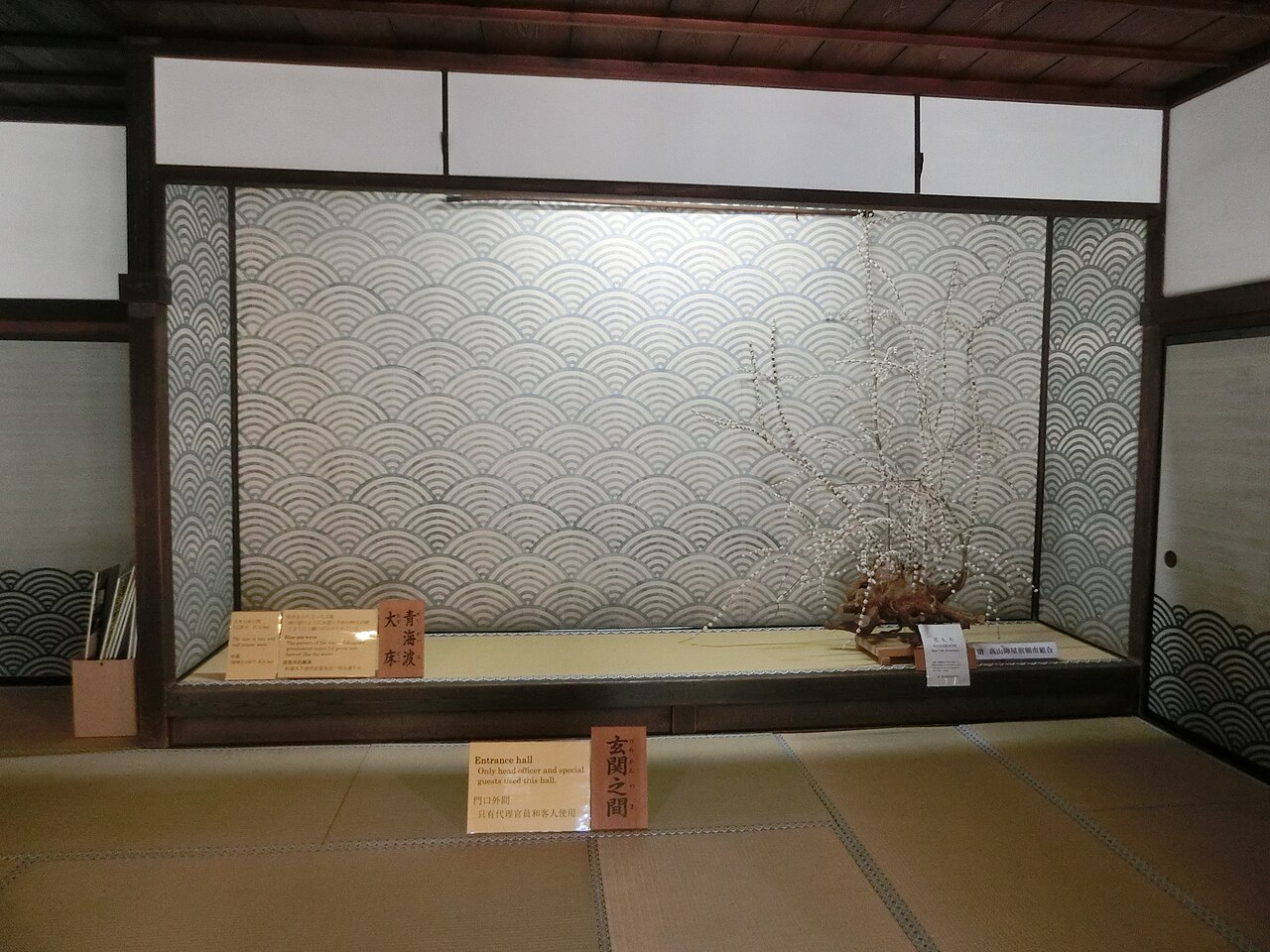
According to one travel book, Takayama Jinya has a large reception hall for important ceremonies, a white-gravel court for hearings and verdicts, a living room with a tea room, a kitchen and storehouses, all recreating an Edo-era administrative seat. The guidebook notes that a recessed alcove with a blue-wave pattern stands straight ahead of the entrance.
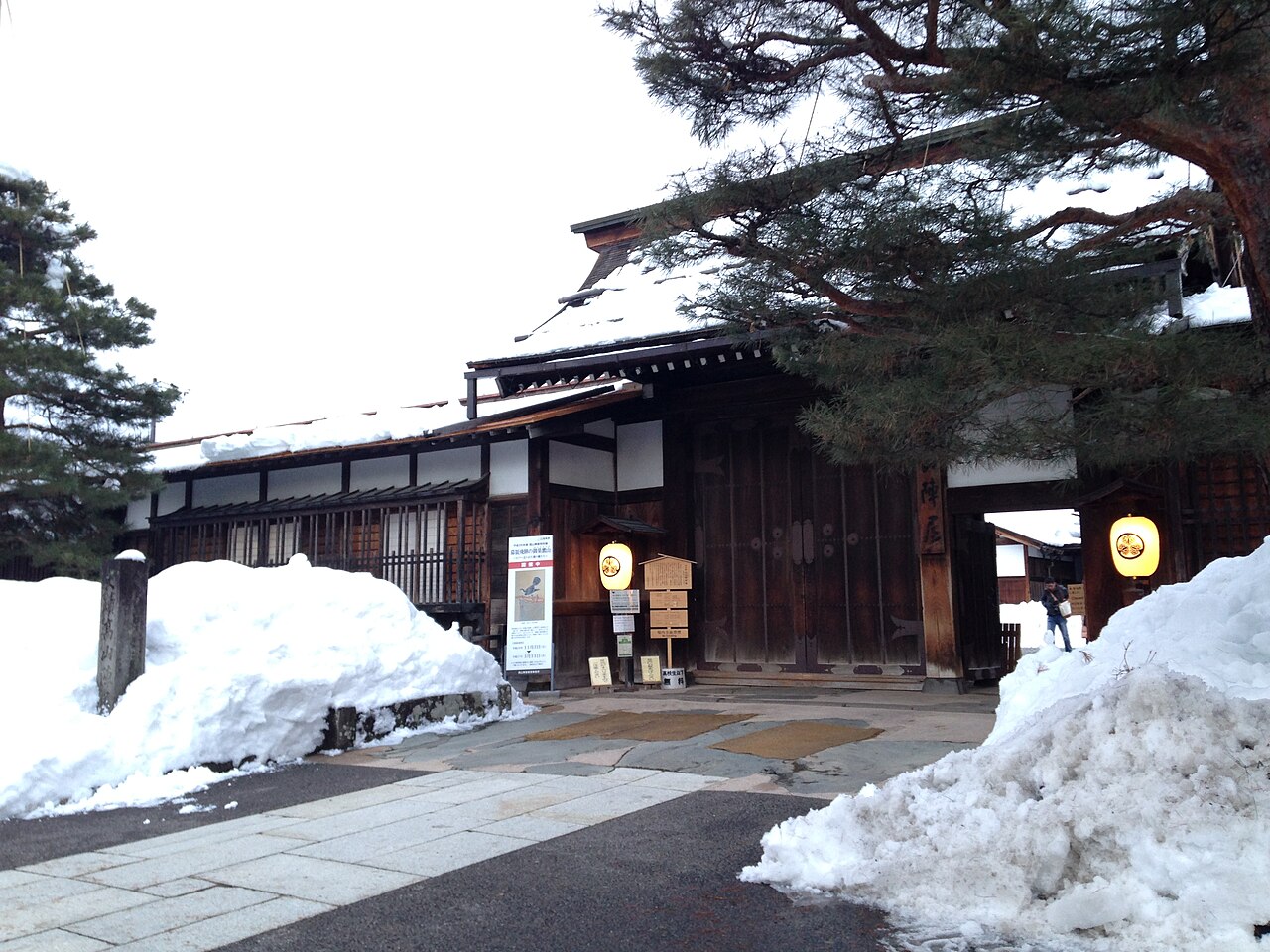
Admission to Takayama Jinya is five hundred yen, and it is free for high school students and younger. From April to October it is open from eight forty-five in the morning to five in the afternoon, with entry closing at four thirty in the afternoon. From November to March the hours are eight forty-five in the morning to four thirty in the afternoon, with entry closing at four in the afternoon.
An explanation from one of the Jinya's guides takes ten to twenty minutes, thirty to forty minutes or fifty to sixty minutes, depending on the content.
Two Morning Markets and the Nakabashi Bridge
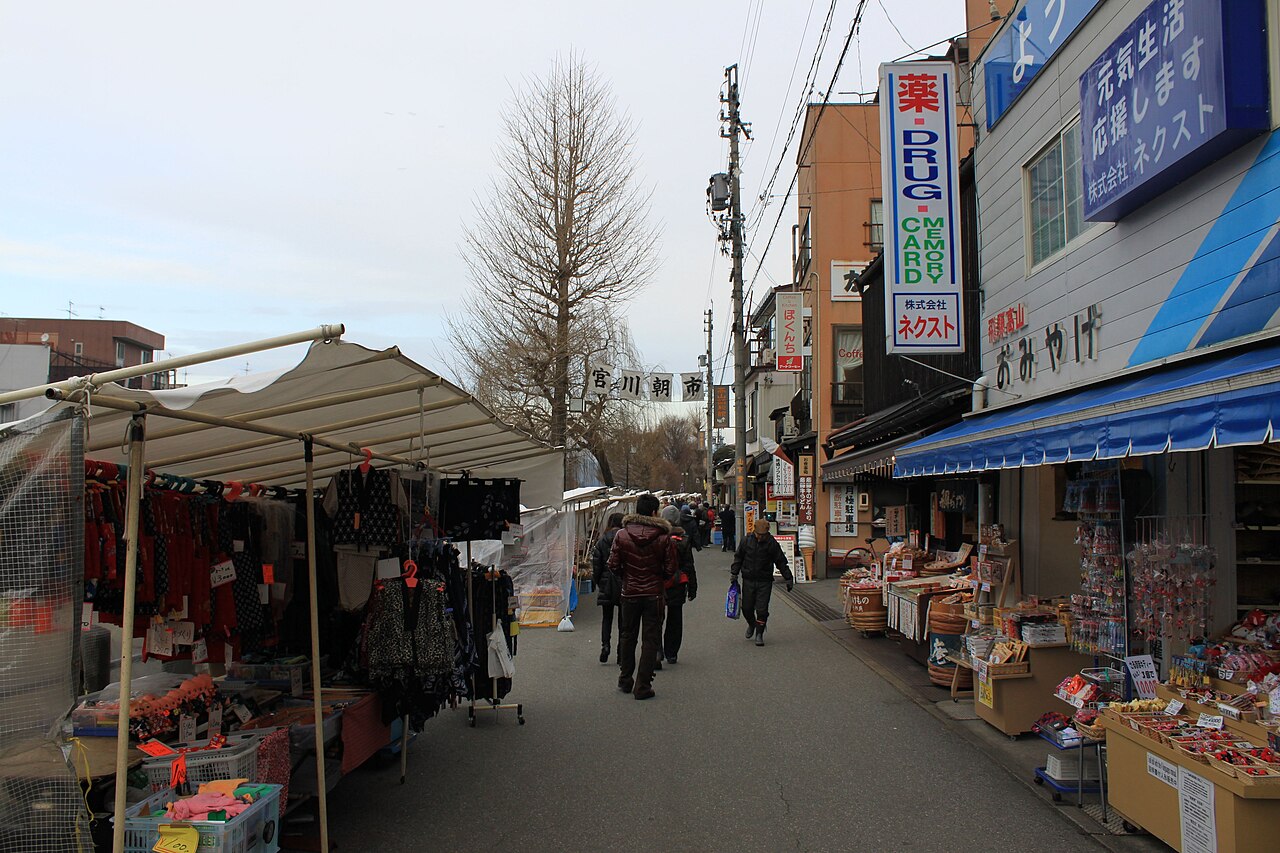
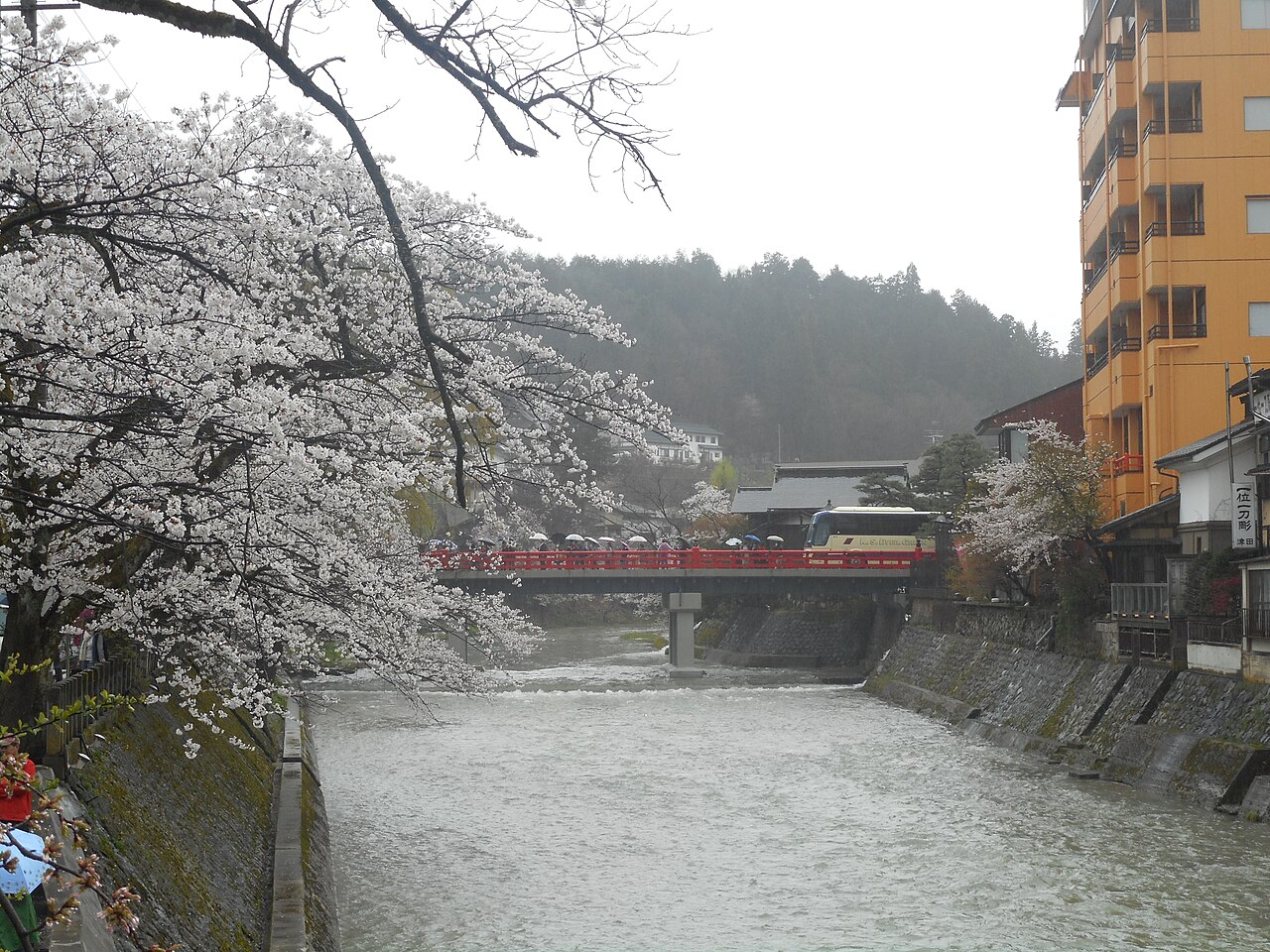
According to one travel book, the town has two morning markets, the Miyagawa Morning Market along the river and the Takayama Jinya-mae Morning Market in the square in front of the Jinya. The Takayama Jinya-mae Morning Market runs from six in the morning to noon from April to December. From January to March it runs from seven in the morning to noon. That square is a one-minute walk from the Sanmachi old town.
The Miyagawa Morning Market operates from seven in the morning to noon from April to November. From December to March the stalls open at eight in the morning and close at noon. Guidebooks describe the stalls as carrying fresh-picked vegetables, pickles, miso and other local foods.
The Nakabashi Tourist Information Center is open from nine in the morning to six in the evening. It is closed from December thirty-first to January third.
Compare options
See partner pricing and availability →
Disclosure: This post may contain affiliate links. If you book through them, we may earn a commission at no extra cost to you.
The Sanmachi Old Town: Shops, Houses and Museums
According to one travel book, the lanes of the Sanmachi old town hold an unbroken run of Edo-era merchant houses with projecting lattice fronts, where sake breweries, miso storehouses, restaurants and woodblock-print shops stand side by side. Guidebooks describe the breweries hanging a ball of bundled cedar leaves under the eaves to mark the season of new sake. Shop hours vary by shop, roughly nine in the morning to six in the evening.
The Hida Takayama Retro Museum is about a one-minute walk from the old town. It is open from ten in the morning to five in the afternoon. The walk from JR Takayama Station to the Retro Museum takes about fifteen minutes.
Kusakabe Folk Crafts Museum opens from ten in the morning to four in the afternoon. It is closed on Tuesdays, or on the next day when a Tuesday is a public holiday. The walk from JR Takayama Station to Kusakabe Folk Crafts Museum takes seventeen minutes.
Yoshijima-ke Jutaku is open from nine in the morning to four in the afternoon. The walk from JR Takayama Station to Yoshijima-ke Jutaku takes about seventeen minutes.
Hida Kokubun-ji, the Festival Floats and the Shrines
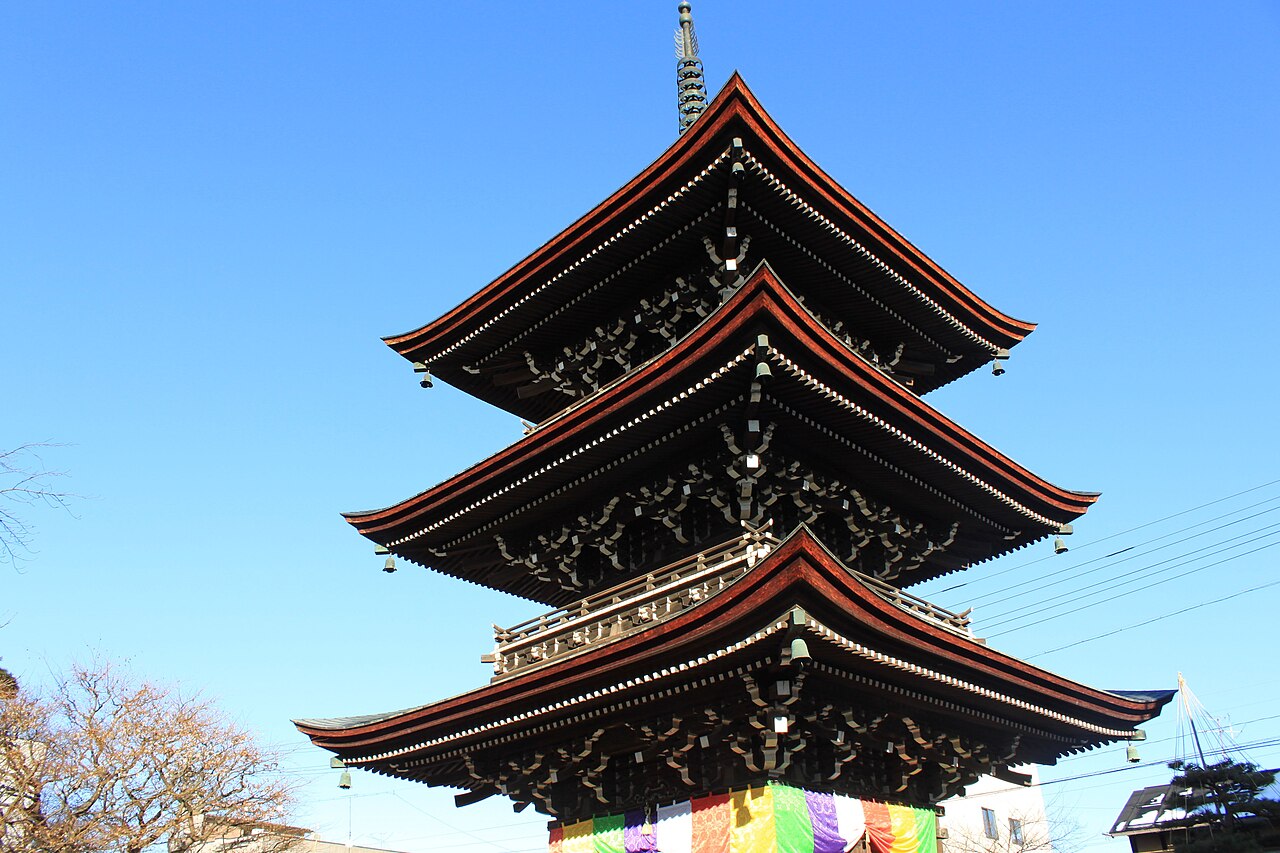
The main hall of Hida Kokubun-ji is a medieval building, and it enshrines Yakushi Nyorai and Sho-Kannon. The guidebook notes that a great ginkgo in the grounds turns yellow in autumn and that a three-storied pagoda rises nearby. Viewing hours for the main hall run from nine in the morning to four in the afternoon.
According to one travel book, the Takayama Festival Float Exhibition Hall shows floats actually used in the Takayama Festival, with their mechanical puppets and carvings close enough to study in detail. The hall is open from nine in the morning to five in the afternoon from March to November. From December to February the hours are nine in the morning to four thirty in the afternoon. The walk from JR Takayama Station to the exhibition hall takes twenty minutes.
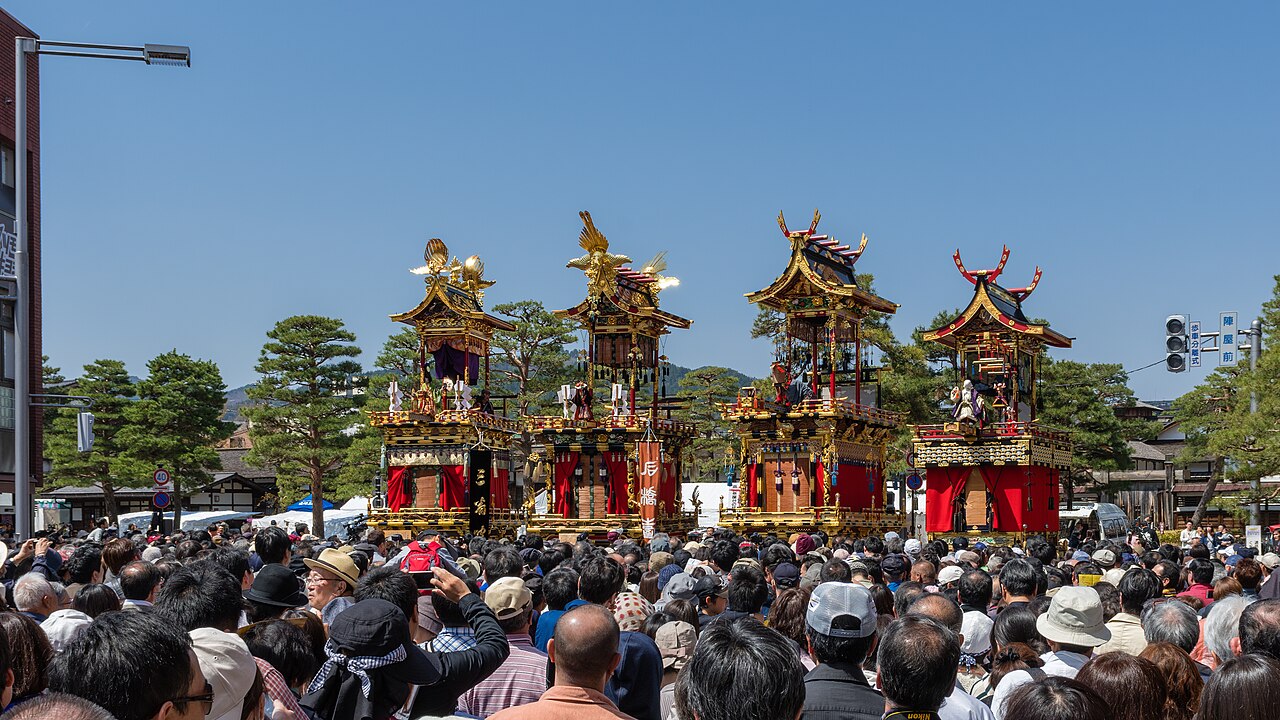
Sakurayama Hachimangu is a twenty-minute walk from JR Takayama Station. The autumn Takayama Festival, the shrine's annual festival, takes place on October ninth and tenth each year. Hie Shrine lies about twenty-five minutes on foot from JR Takayama Station.
Hida no Sato, the Machi Museum and Admission at a Glance
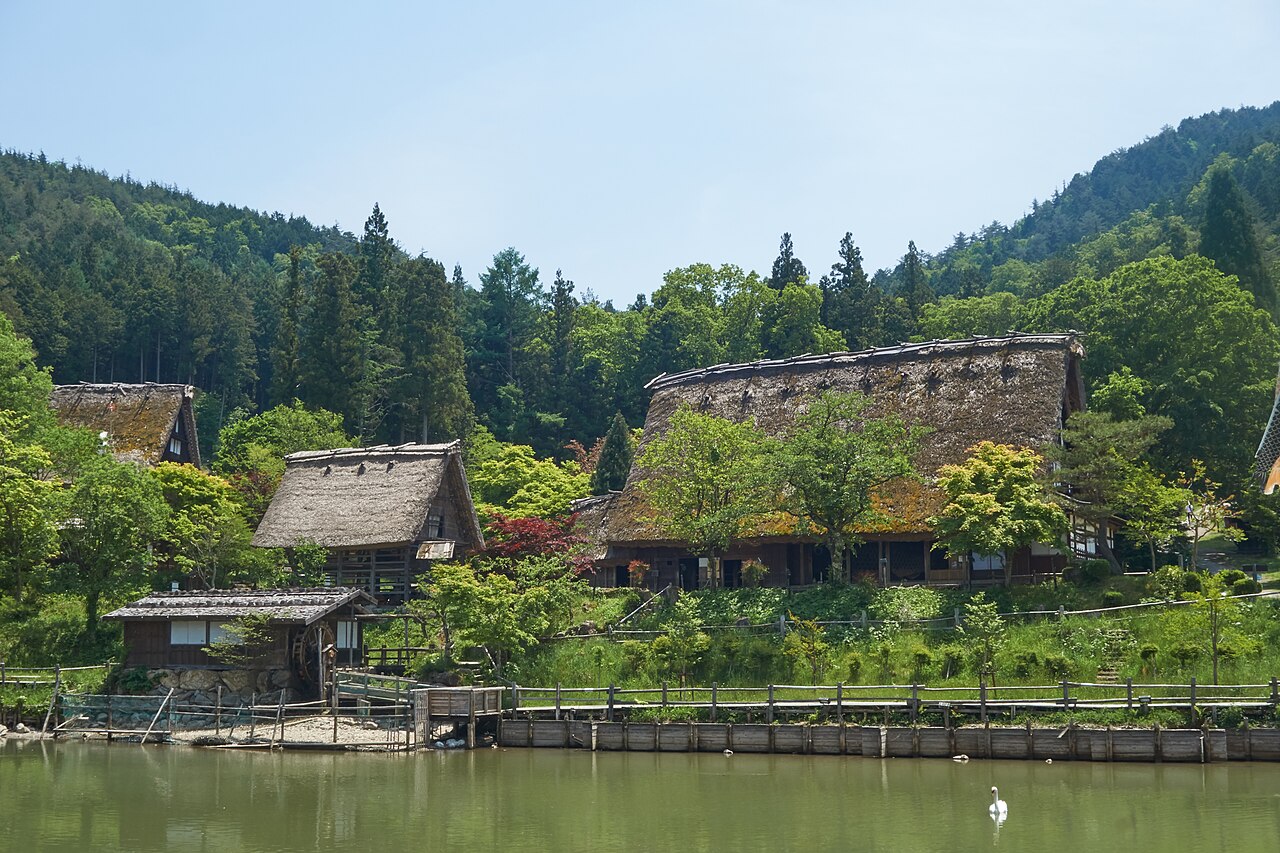
The exhibition rooms of the Hida Takayama Machi Museum are open from nine in the morning to seven in the evening, and the garden from seven in the morning to nine in the evening. The Machinami Bus takes eleven minutes from JR Takayama Station to the Hida Takayama Machi Museum. Hida no Sato is open from eight thirty in the morning to five in the afternoon.
The second table sets out the adult entry charge for each building above.
| Item | Detail |
|---|---|
| Kusakabe Folk Crafts Museum, adult admission | one thousand yen |
| Yoshijima-ke Jutaku, adult admission | one thousand yen |
| The Hida Takayama Retro Museum, adult admission | nine hundred yen |
| Hida Kokubun-ji main hall, adult admission | five hundred yen |
| The Takayama Festival Float Exhibition Hall, adult admission | one thousand yen |
| Hida no Sato, adult admission | seven hundred yen |
If you want to add an activity to the day, take a look at options around Takayama.