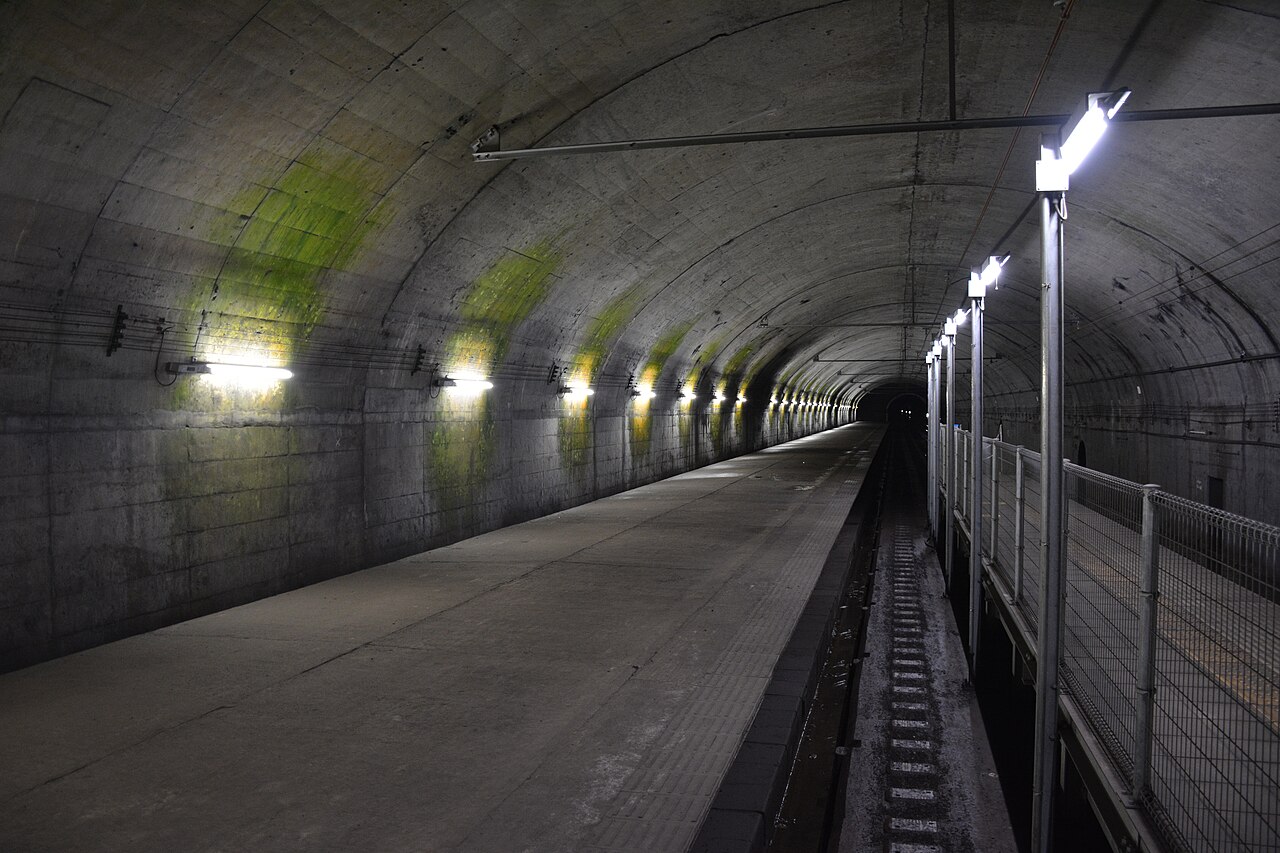
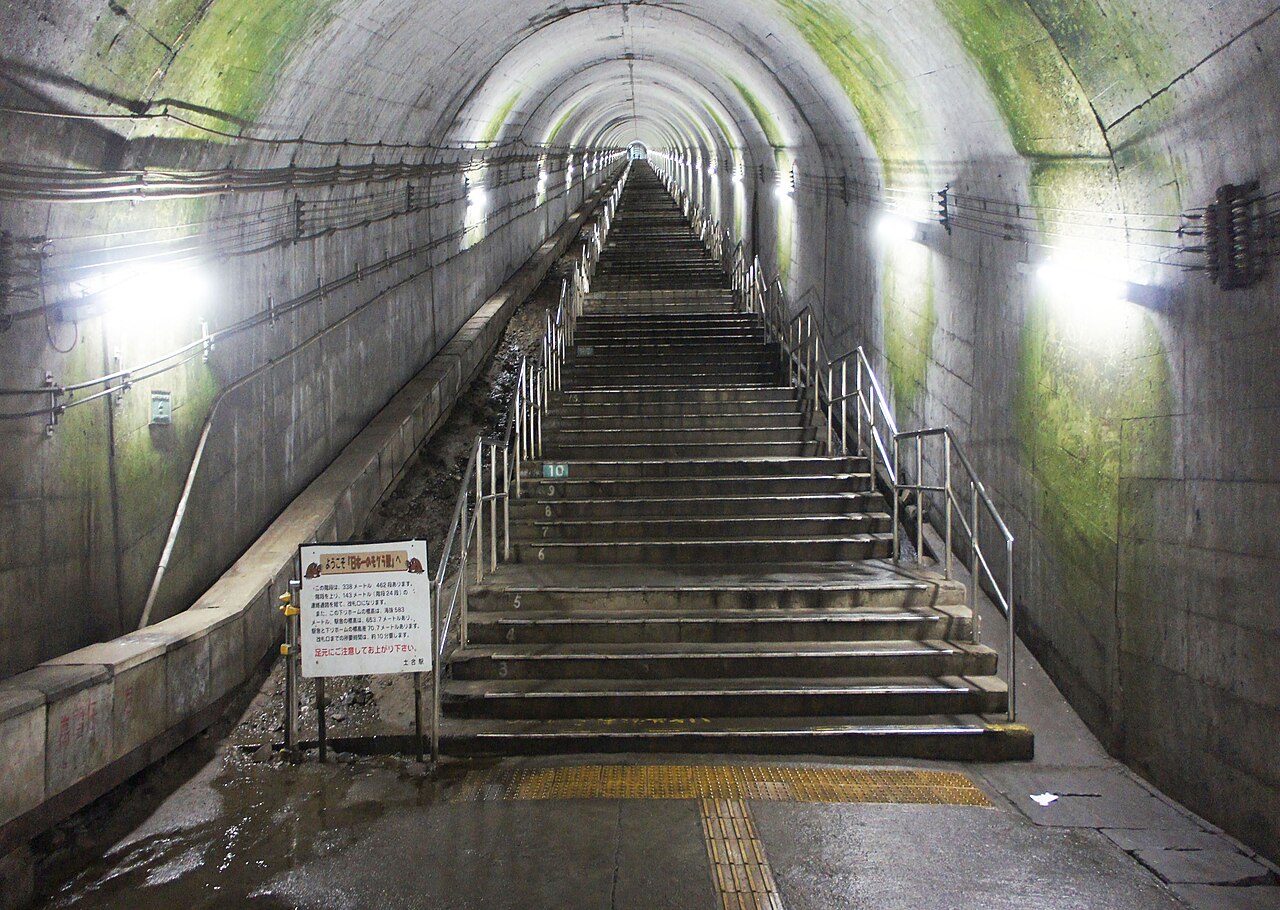
The visit begins underground at Doai, where reaching the platform means going down four hundred sixty-two steps, a height difference of about seventy vertical metres from the building above. Above the valley, a ropeway and lifts lead up to Tenjindaira and the Tenjintoge observation deck, with autumn-coloured mountains all around. Depending on the season, the guided walk toward Ichinokurasawa passes through a corridor of remaining snow, past small flowers in the fresh green, or among multicoloured autumn trees. Back in the valley, Yubiso hot spring water is source-fed, with day-use bathing on offer.
Doai Station and the Road to Ichinokurasawa
Doai Station, about a twenty-minute walk from the ropeway boarding point, is where the day starts. Its underground platform sits about seventy vertical metres below the building above, and reaching it means going down four hundred sixty-two steps.
For an indoor stop, the Tanigawadake information centre has exhibition panels on the nature around Mount Tanigawa and a dome-shaped screen with virtual reality that simulates outdoor activities. The museum at Doai shows mountain materials centred on Mount Tanigawa, among them records of a Gunma-born adventurer who captained the Dalai Lama's guard in Tibet.
The path toward Ichinokurasawa runs through beech forest and is easy to walk, paved and maintained well enough for sneakers or other athletic shoes. Beyond the Ichinokurasawa confluence the road changes from paved to gravel, so readers who stay on the paved section can go in ordinary sneakers, while those who continue past the confluence should pack trekking shoes for muddy days such as the day after rain. At a stream confluence on the way, the river water is clear, and the stream contrasts with the autumn leaves; a few tens of metres further on there is a spring surrounded by beech trees.
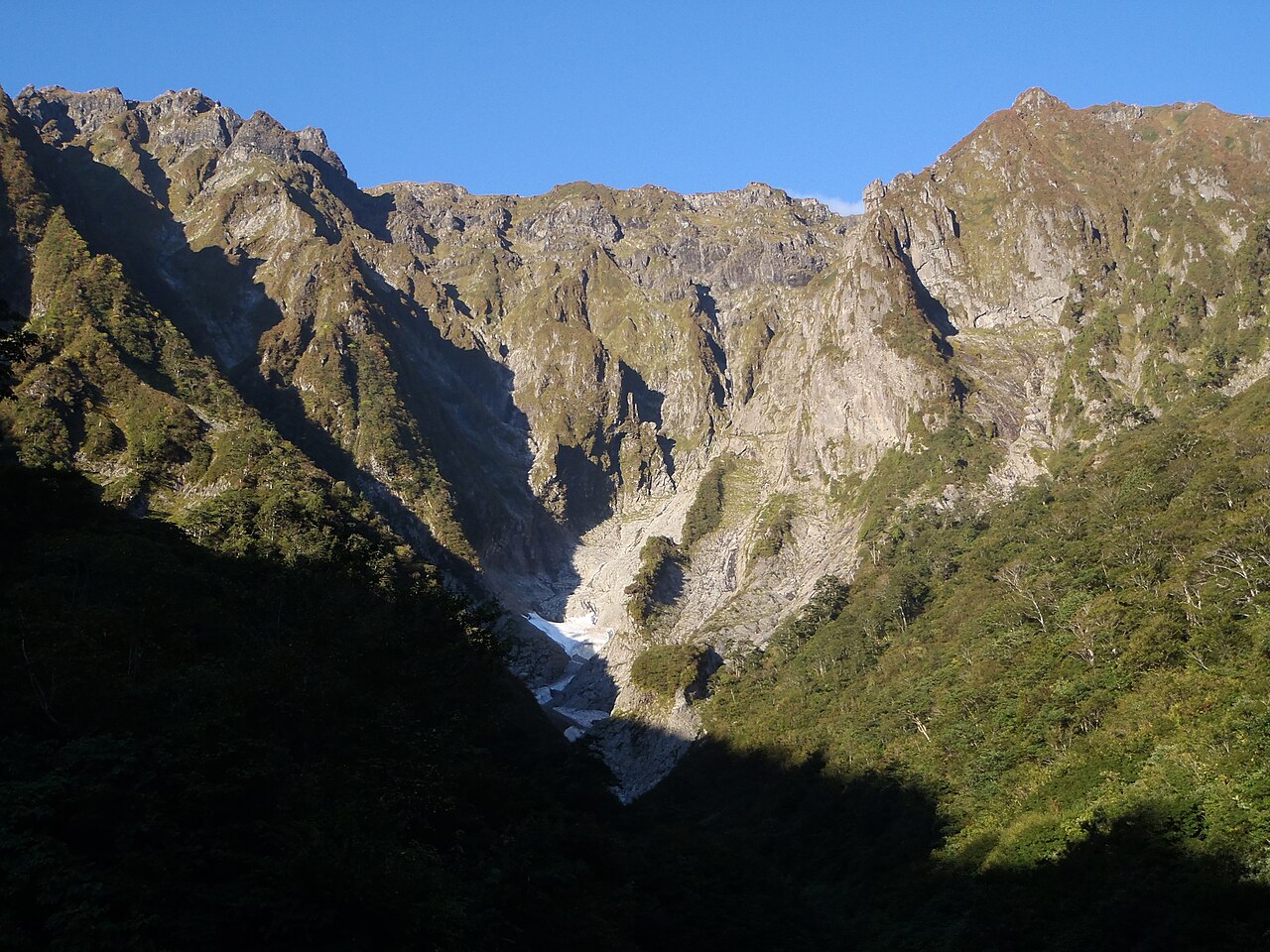
Early morning changes the walk. A guide from a mountain guides association leads an early-morning tour to Ichinokurasawa, a hike through a deep-green tunnel of trees with birdsong in clear air, and participants take a break looking at Ichinokurasawa over morning coffee made by the guide.
In the local dialect, rock and rock walls are called kura, and Mount Tanigawa is known with two other mountains as one of the three great rock faces of Japan. The listed typical colour timing for Ichinokurasawa is around October fifteenth, and Ichinokurasawa itself is shut in winter. An electric guide bus runs on the Ichinokurasawa road. Ordinary cars are kept off the restricted section throughout the year.
Tenjindaira by Ropeway and Autumn on Mount Tanigawa
From the foot of the mountain, the ropeway carries visitors up to Tenjindaira, at a one-thousand-three-hundred-nineteen-metre elevation. Those who take the lifts onward to the Tenjintoge observation deck can see a three-hundred-sixty-degree panorama of autumn-coloured mountains, and on the Nijisanpo Road rainbows can be seen if visitors are lucky.
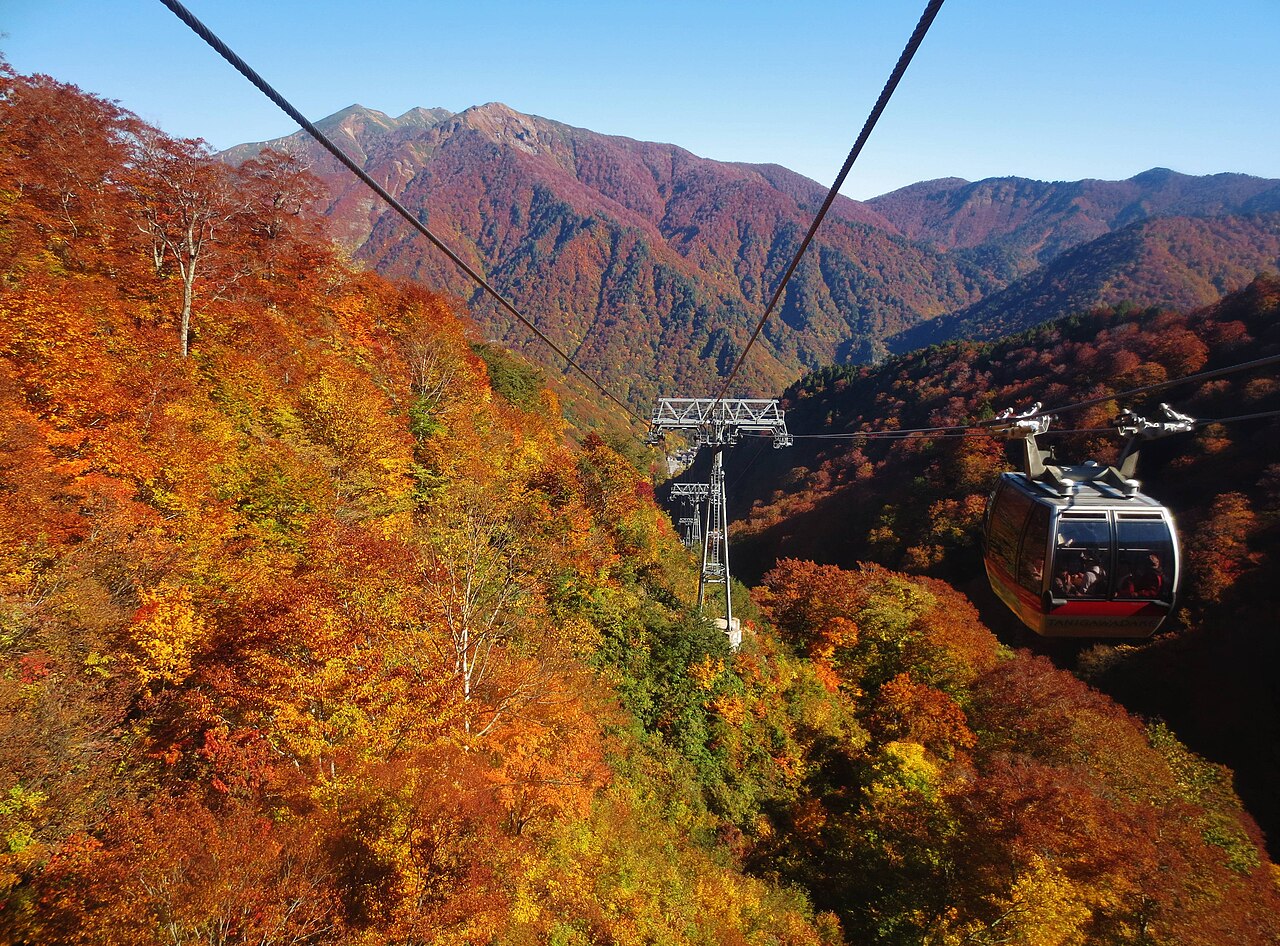
Using the ropeway and lift together, the summit course can be started from the fifteen-hundred-metre elevation point. Those who come for the view can stop at Tenjindaira or the observation deck, while those aiming for the summit can start the summit course from the lift's upper point.
Autumn arrives from the top down. In early October the Nanakamado trees around the Tenjin ridge turn red and the colour peaks at the summit, then works down toward the foot of the mountain over about one month. The listed typical colour timing from Tenjindaira to Tenjintoge is around October fifth. When late-autumn colour overlaps with the first snow, a snow-capped summit and the autumn leaves around it can sometimes be seen at the same time.
The mountain shows fresh green in spring, flower fields in summer and a silver-white world in winter. A mountain-opening ritual is held on the first Sunday of July, July second is listed as Tanigawadake Day, and delicate flowers can be seen from the mountain opening onward. The Tanigawadake pan gratin, based on a European mountain dish, uses twice the usual amount of sauce so that it overflows from the bread.
Yubiso and the Hot Springs of Minakami
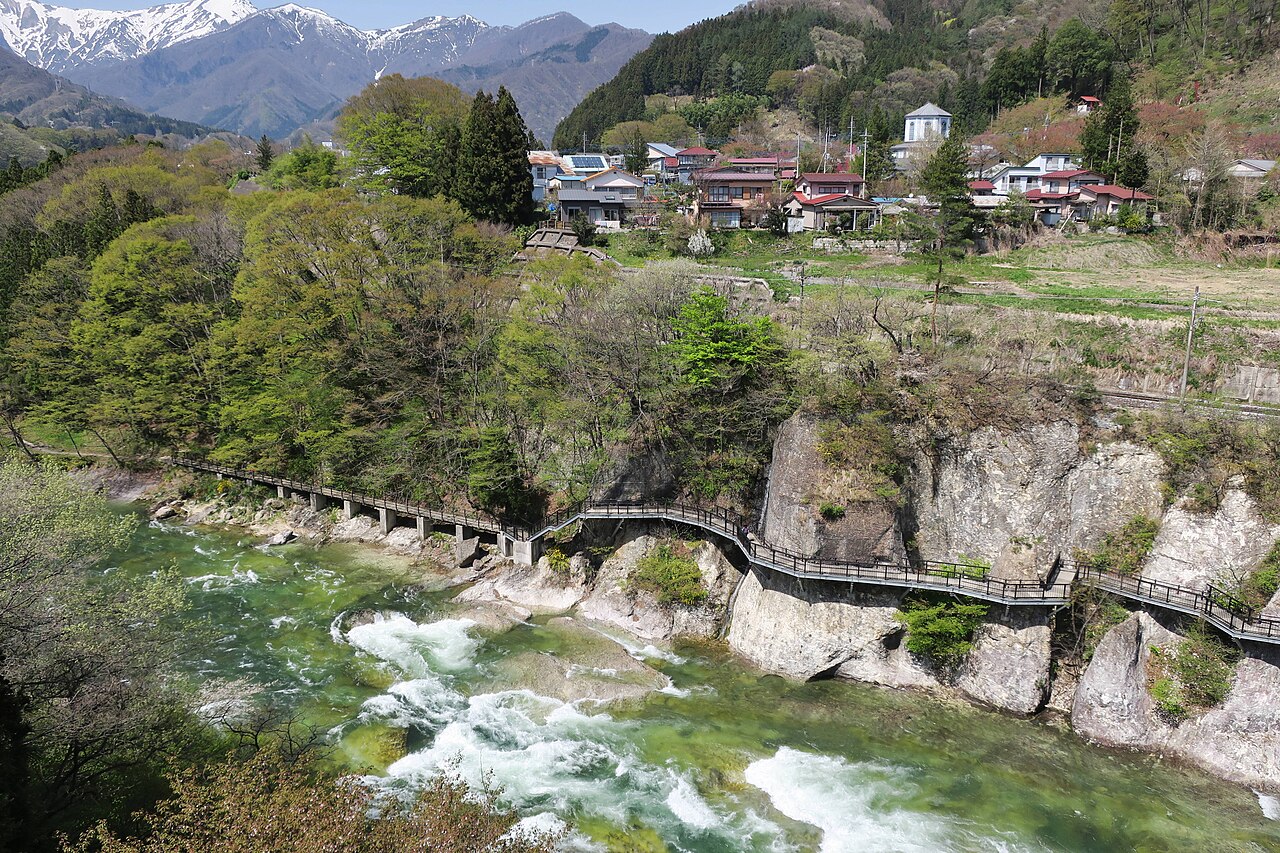
Yubiso hot spring is described as a legendary spring that a fugitive of the Muromachi period found welling up in a river. Today the quiet hot spring area along the Tanigawa keeps the atmosphere of a former post-town.
The water is weakly alkaline, soft and gentle. The spring is source-fed, with the water flowing straight from the source, and day-use bathing is offered. Nakaya Ryokan in Yubiso has an outdoor bath from which stars can be seen. A day-use hot spring facility at Tanigawadake hot spring has opened and uses source-fed water, and anyone can use it.
Sweets, Coffee and Pizza in Minakami
The restaurant at the Tanigawadake drive-in serves a limited-availability Akagi beef steak set meal, and soba and ramen are also popular there. A brown-sugar manju sold in Minakami looks like an ordinary hot-spring manju, but agar in the dough gives it a chewy texture. Its filling is a special blend of coarse and smooth bean paste, and it is made fresh each day.
At a milk-sweet shop, the sweets are made by hand in a small hut from Gunma-produced milk sterilised at low temperature for a long time. Its slightly frozen sweet of milk and collagen is eaten through a very thick straw; it uses no flavouring such as vanilla and has a rich milk flavour, a crisp mouthfeel and a light aftertaste. Flavour toppings and seasonal fruit toppings are offered, and there is a small eat-in space as well as takeout.
Drip and Drops Coffee Minakami serves beans hand-picked from around the world and roasted at a local temple, with an outdoor terrace in addition to its small interior. Good Day Bagel & Coffee bakes bagels with Minakami water and Gunma-grown wheat flour and grinds its original blend fresh for each cup. A pizza shop bakes pizzas one at a time and brings them out of the kiln piping hot, and for souvenirs a natural-style cheese tart with a melting cheese mousse and a chewy castella are listed.
Getting to Doai Station and Mount Tanigawa
| Leg | How | Time and estimate |
|---|---|---|
| Doai Station to the ropeway boarding point | On foot | About 20 minutes |
| Doai Station to the Tanigawadake drive-in | On foot | About 5 minutes |
| Mountain climbing guidance centre to the Ichinokurasawa confluence | On foot, 3.3 km | About 1 hour |
| Ichinokurasawa to the Tanigawadake information centre | Car | About 10 minutes |
| Information centre to the Tanigawadake drive-in | Car | About 5 minutes |
| Tanigawadake drive-in to Minakami IC | Car | About 30 minutes |
| Minakami Station to Yubiso hot spring | Route bus | About 15 minutes |
| Kan-etsu Kotsu route buses | Payment | Cash or transport IC cards |
| Kamimoku-kogen Station | Luggage storage, weekdays 9:00-16:00 | 500 yen per item |
| Minakami Station | Luggage storage, Friday to Monday 9:00-15:00 | 1,000 yen per item |
| Ichinokurasawa road restricted section | Length | About 3 km |
The Minakami Tourism Association lists weekday business hours of eight thirty to five thirty, so check official information before visiting.
New to rural buses and one-man trains? See how to ride them, step by step.
Hours and Fees
| Place | What | Hours or fee |
|---|---|---|
| Tanigawadake Ropeway | Hours | 8:00am-5:00pm weekdays; 7:00am-5:00pm weekends and holidays |
| Tanigawadake Ropeway | Last ascent | 4:30pm |
| Lift above Tenjindaira | Last ascent | 4:00pm |
| Tanigawadake Ropeway | One-way fare | 1,800 yen adult; 900 yen elementary school student |
| Tanigawadake Ropeway | Operating period | Listed as April 18 to November 15, 2026 (planned) |
| Ropeway base car park | Green season | 500 yen on floors 1-5; 800 yen on floor 6 |
| Ropeway base car park | September 19 to November 3 | 1,000 yen on floors 1-5; 1,200 yen on floor 6 |
| Tanigawadake information centre | Hours | 9:00-16:00 (10:00-15:00 from mid-November to late May) |
| Tanigawadake Mountain Museum | Hours | 9:30-16:00 |
| Tanigawadake drive-in | Hours | 9:30-16:00; 9:00-17:00 on days before holidays and holidays |
| Early-morning guided walk to Ichinokurasawa | Fee | 3,500 yen |
| Electric guide bus on the Ichinokurasawa road | Guide fee, one way | 500 yen; free for elementary school students and younger |
| Electric guide bus on the Ichinokurasawa road | Season | Listed as May 23 to October 31, 2026; may be suspended depending on weather |
| Drip and Drops Coffee Minakami | Hours | 11:00-20:00; closed Wednesdays |
| Brown-sugar manju shop | Hours | 8:00-18:00; may close earlier when sold out |
| Brown-sugar manju shop | Closed | Mainly Tuesdays |
| Milk-sweet shop | Hours | Weekdays 10:00-17:30; weekends and holidays 10:00-18:00; closes when sold out |
Readers who want to combine the ropeway with a soak at Yubiso, about fifteen minutes by bus from Minakami Station, may want to look at places to stay in Minakami.
Where to stay
Places to stay near Minakami, Gunma, Japan →
Disclosure: This post may contain affiliate links. If you book through them, we may earn a commission at no extra cost to you.