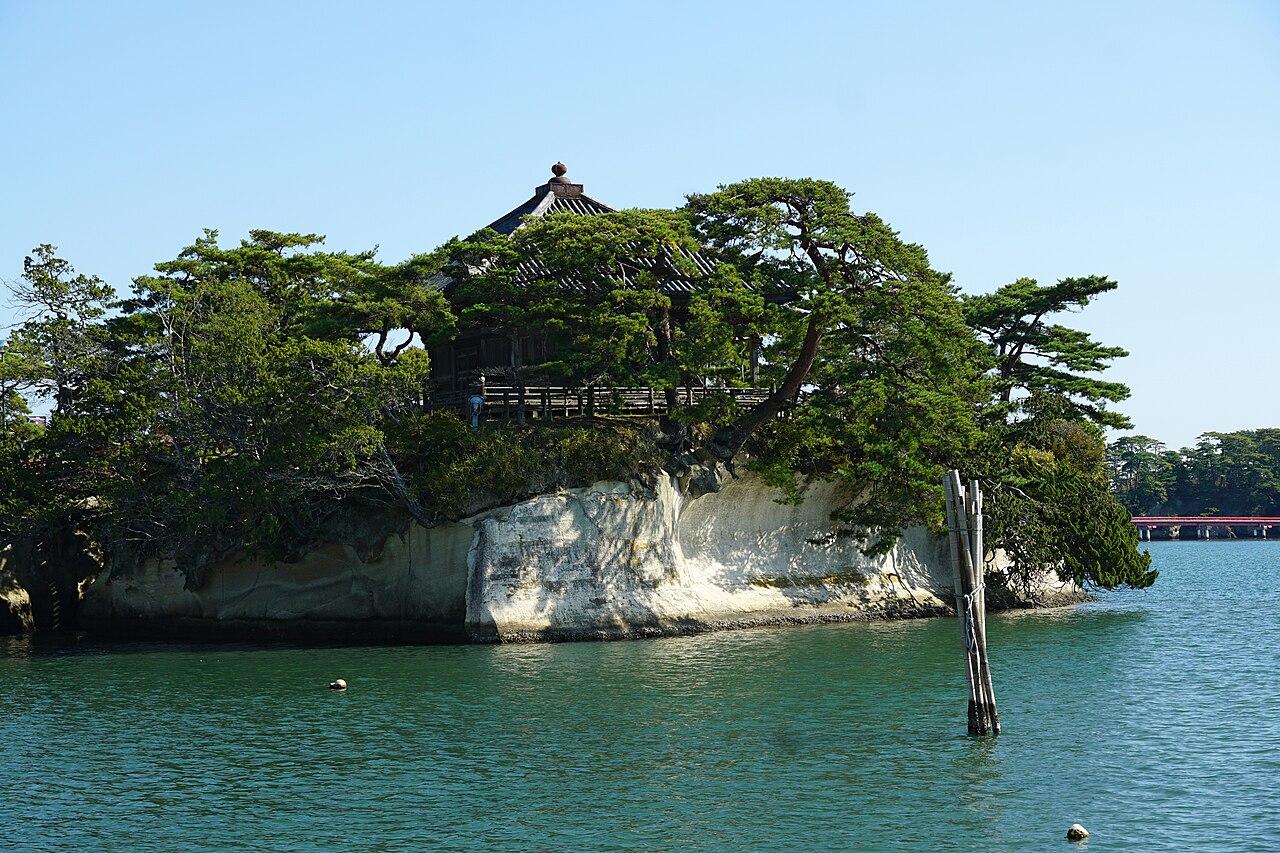
Matsushima draws its visitors to one short stretch of waterfront, and on Saturdays, Sundays and holidays you will feel it: the ticket windows for the sightseeing boats build queues, and the operators themselves suggest reserving ahead when time is short. Step a little wider, though, and the bay changes character.
This guide keeps the famous quarter, but takes it at quiet angles. Then it crosses to Oku-Matsushima, where a rougher sea has carved rock faces the boats of the inner bay never show, and where a low summit gathers the whole scatter of islands into one view without charging you anything for it.
Getting there
The Tohoku Shinkansen runs from Tokyo to Sendai in about an hour and a half. From Sendai, two lines reach the bay. The Senseki Line takes about forty minutes to Matsushima-Kaigan Station, the stop for the waterfront and the boats, while the Tohoku Main Line reaches Matsushima Station, a little inland, in about twenty-five minutes.
For the places in this guide, Matsushima-Kaigan is the more useful of the two; Entsuin, for one, stands about five minutes on foot from it.
New to rural buses and one-man trains? See how to ride them, step by step.
The famous quarter, taken slowly
Godaido is the bay's signature building: a small worship hall in the Momoyama style, set out over the water so that it seems to float among the islets. Date Masamune rebuilt it in sixteen-oh-four, and it is held to be the oldest Momoyama building still standing in the Tohoku region, its timbers worked with precise carving.
Stand at the foot of the slatted bridge that leads out to it and angle your camera a little off the axis, and bridge and hall settle together into one frame. The piers for the excursion boats sit just beside Godaido, so a harbor walk and a cruise combine without any planning at all.
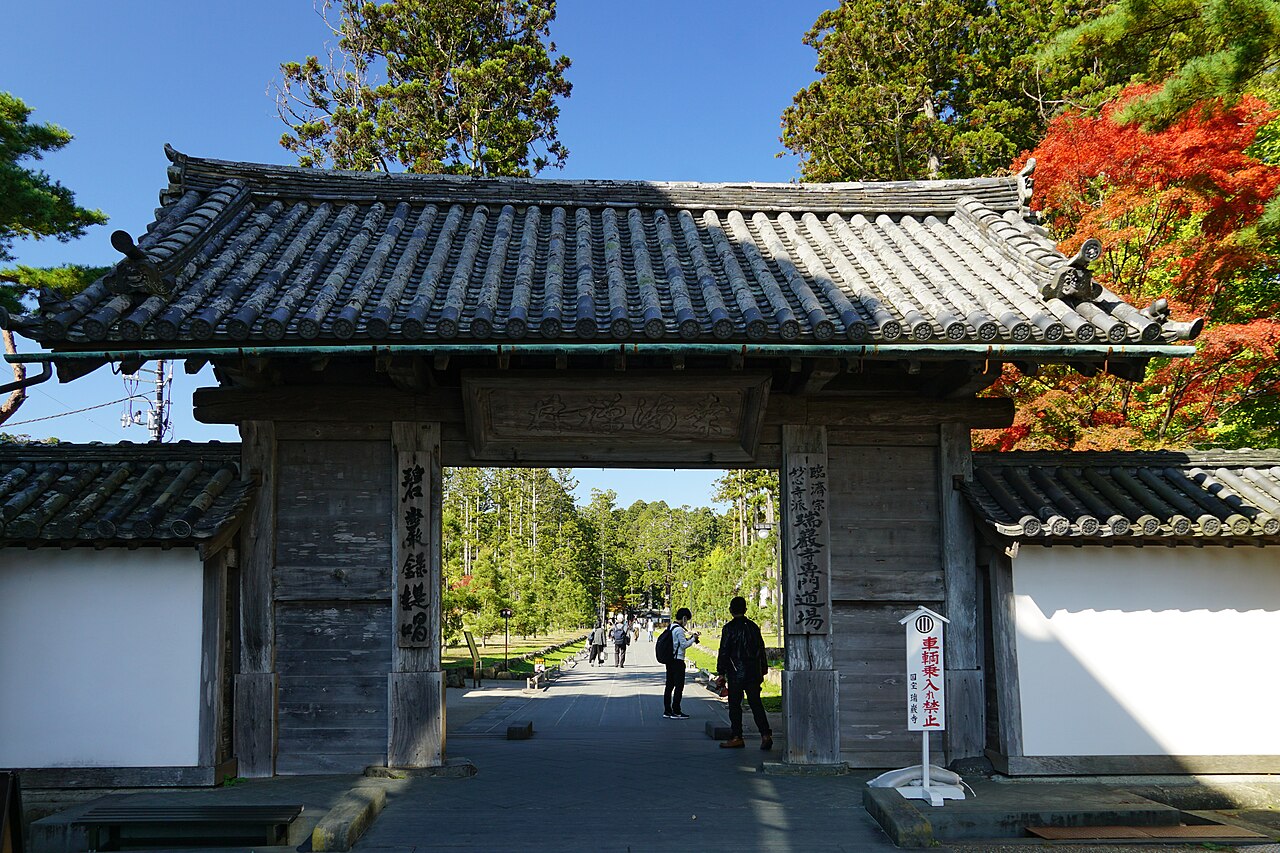
At Zuiganji, adult admission is a thousand yen. Children of elementary and junior-high age pay five hundred yen, and a special group rate of nine hundred yen covers high-school, vocational and university students.
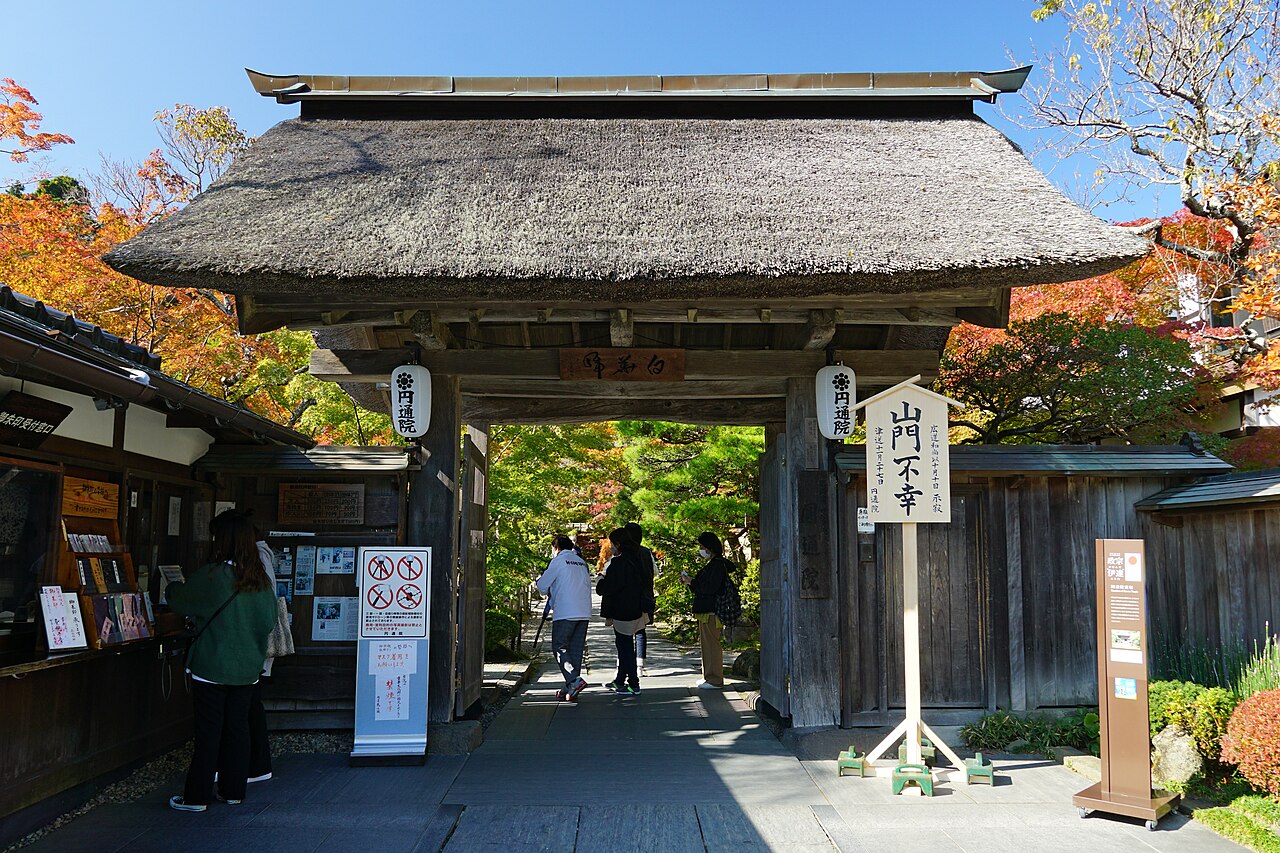
Entsuin is the bay's gentlest detour. In the far corner of its grounds stands the Sankeido, the mausoleum of Mitsumune, Date Masamune's grandson; painted on its altar cabinet are western roses, a design traced to blooms brought home by Hasekura Tsunenaga, as the story is told, and the rose garden has earned the place its nickname of the rose temple.
Four gardens of quite different character follow one another inside, a dry rock garden among them. In autumn the grounds are lit after dark, and the temple's own advice is to allow extra time for the crowds then. Admission is five hundred yen for adults and three hundred yen for elementary and junior-high children, and the gates receive visitors from nine in the morning to four in the afternoon, shifting a little with the season.
Fukuura Bridge carries a second name here — the meeting bridge — and local tradition credits it with drawing good ties to those who cross.
Where to stay
Places to stay near Matsushima →
Disclosure: This post may contain affiliate links. If you book through them, we may earn a commission at no extra cost to you.
Boats: pick your water
The classic loop of the inner bay takes fifty minutes and costs fifteen hundred yen for an adult and seven hundred and fifty yen for an elementary-school child, with younger children riding free. The big Nio-maru runs a course of about seventeen kilometers in those fifty minutes; the boat carries Wi-Fi and charging sockets, and the seats on the right side, facing the direction of travel, are said to have the better view.
The Masamune course rounds the bay's best-known islands along with odder ones — Zaijo Island, where Date Masamune is said to have held a moon-viewing banquet, and Yoroi Island among them — in a loop of about fifty minutes, and booking ahead brings small perks such as coupons.
Arriving by JR through Shiogama? The Basho course links Marine Gate Shiogama with the Matsushima waterfront in about fifty minutes each way, sailing once an hour and threading water so shallow that the islands rise close at hand.
On Saturdays, Sundays and holidays the ticket windows grow busy, and if your time is limited the operators recommend reserving ahead on their websites. Sailings can be added or cut with the season, and rough weather can cancel them, so check the latest schedule before you commit.
*Prefer a seat booked before you arrive? Compare bay cruises and day tours around Matsushima.*
Oku-Matsushima: the rougher, emptier side
Beyond the sheltered bay, Oku-Matsushima faces the outer sea. The excursion boat here — the Sagakei run — passes beneath rugged rock faces and strangely shaped rocks that the calm inner water never shows, and in poor weather it switches to a course inside the bay instead.
It is a small operation, and it behaves like one. On weekdays it sails on a fully reserved basis, booked by the day before; it stays in port when the weather turns; and you are asked to confirm on the day whether it is running. The outer-sea course costs two thousand yen from junior-high age up and fifteen hundred yen for an elementary-school child, and the alternate course in poor weather is fifteen hundred yen.
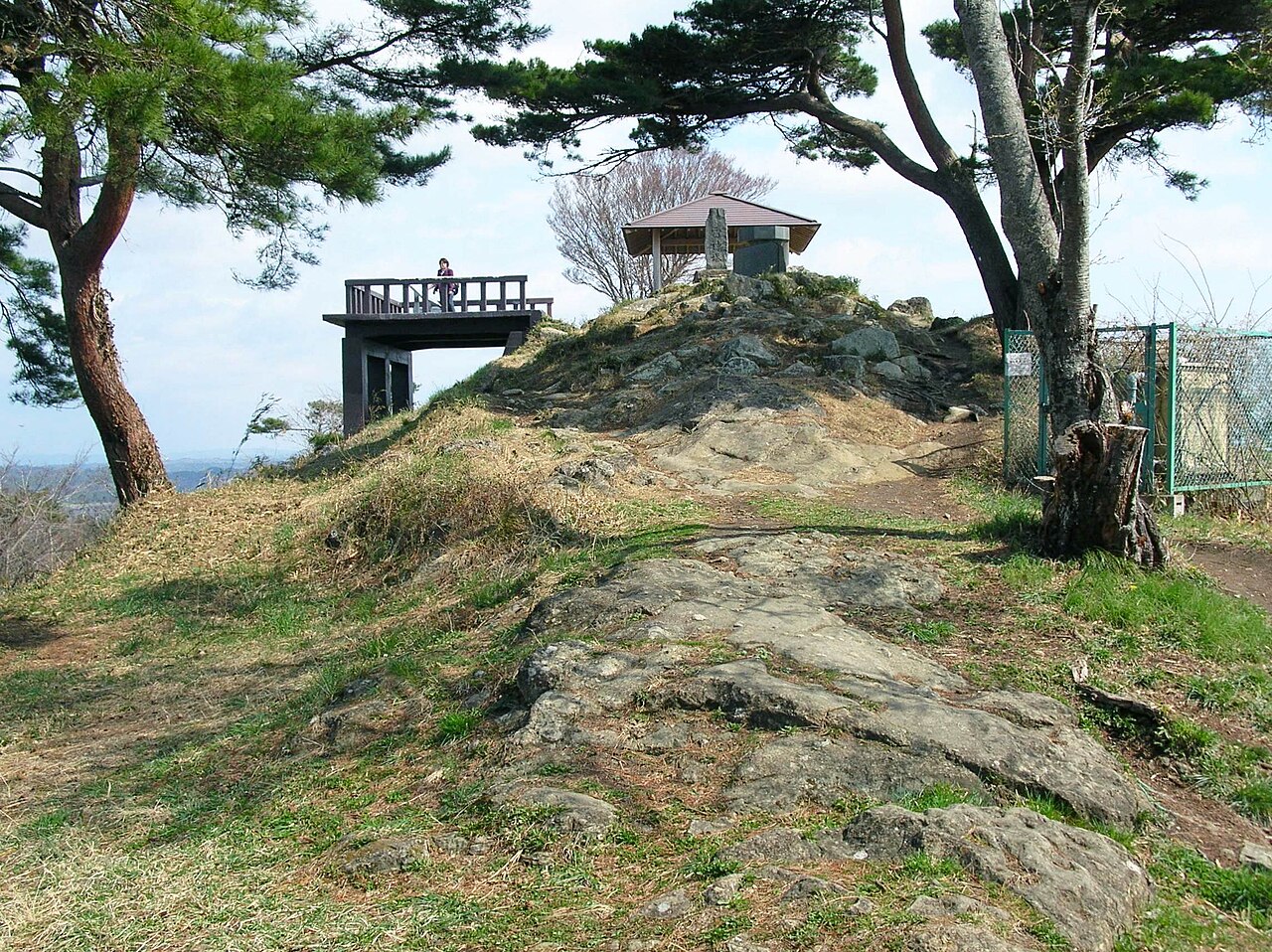
For the view that pulls the whole bay together, climb Otakamori on Miyato Island. It is a modest summit, counted among the four great viewing points of Matsushima, and from the platform on top the islands spread below in one wide panorama, with the viewing itself costing nothing.
Back on the Matsushima side, Saigyo Modoshi-no-Matsu Park looks out over the sweep of the bay and, come spring, ranks among the prefecture's best cherry-blossom grounds. The four classic viewpoints and the park all lie away from the waterfront and its stations — guidebooks describe them as best reached by car or taxi, and the local taxi firms run plans that string the sights together.
Drivers have one more pleasure. National Route Forty-Five out of Sendai runs with the bay alongside, islands scattered across the water, and the light is loveliest around six or seven in the morning, with autumn through winter held to be the season. There are places to pull over along the way, but daytime traffic runs heavy, so go early.
Making a quiet day of it
Let the morning go to the waterfront. The cruise piers stand right beside Godaido, so the walk, the temples and a boat fold into one unhurried half day.
Then give the afternoon to the outer side — the reserved-ahead boat beneath the rock faces, or Otakamori for the long view — and you will have seen both faces of the bay with hardly a queue between them. On busy days, remember that the ticket windows fill first; reserving ahead keeps the day loose. Fees and sailing times move with the season here, so check official information before visiting.
*Rather have the boats, tickets and transfers arranged for you? Browse tours and tickets around Matsushima and Sendai.*