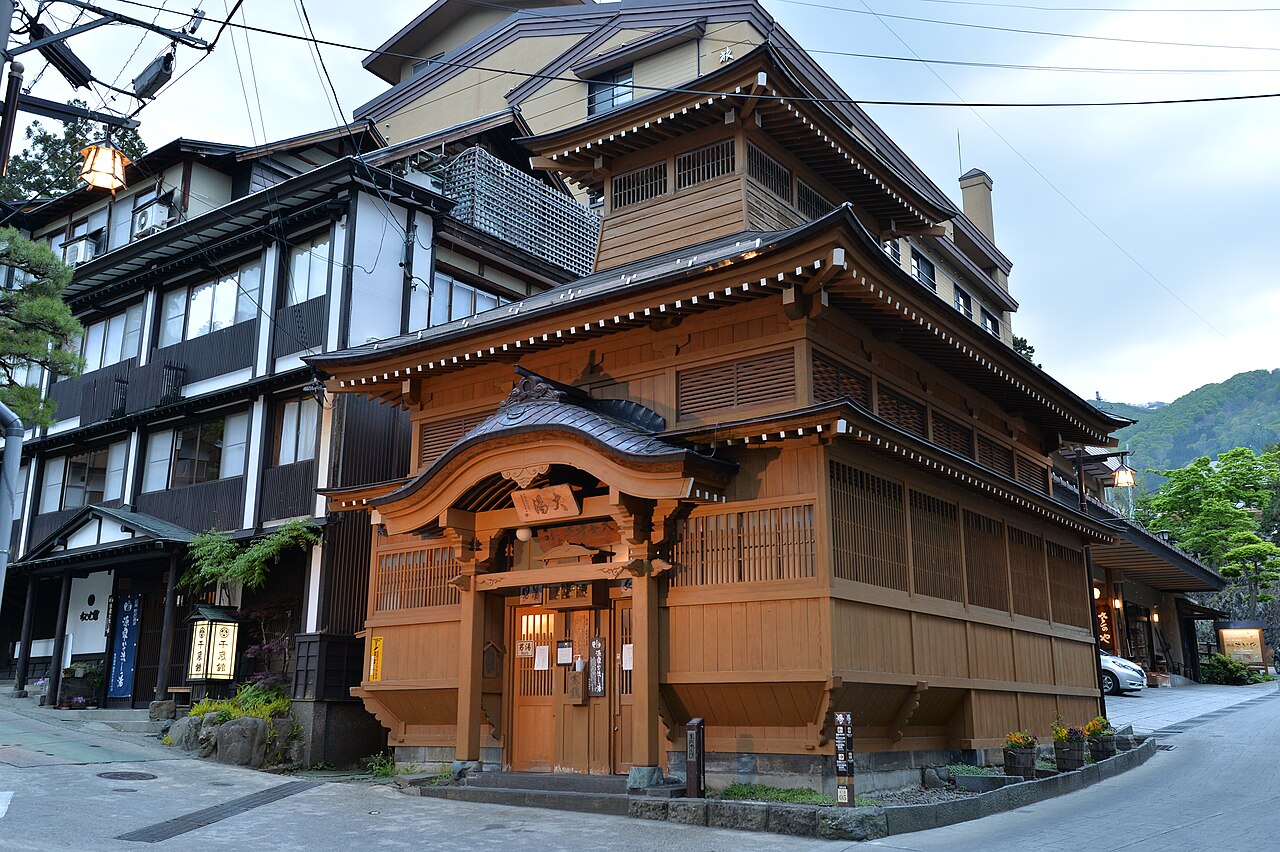
The Communal Baths
Step into one of the thirteen communal baths, called soto-yu, in the village. Each soto-yu asks for a voluntary donation to the local bathing community.
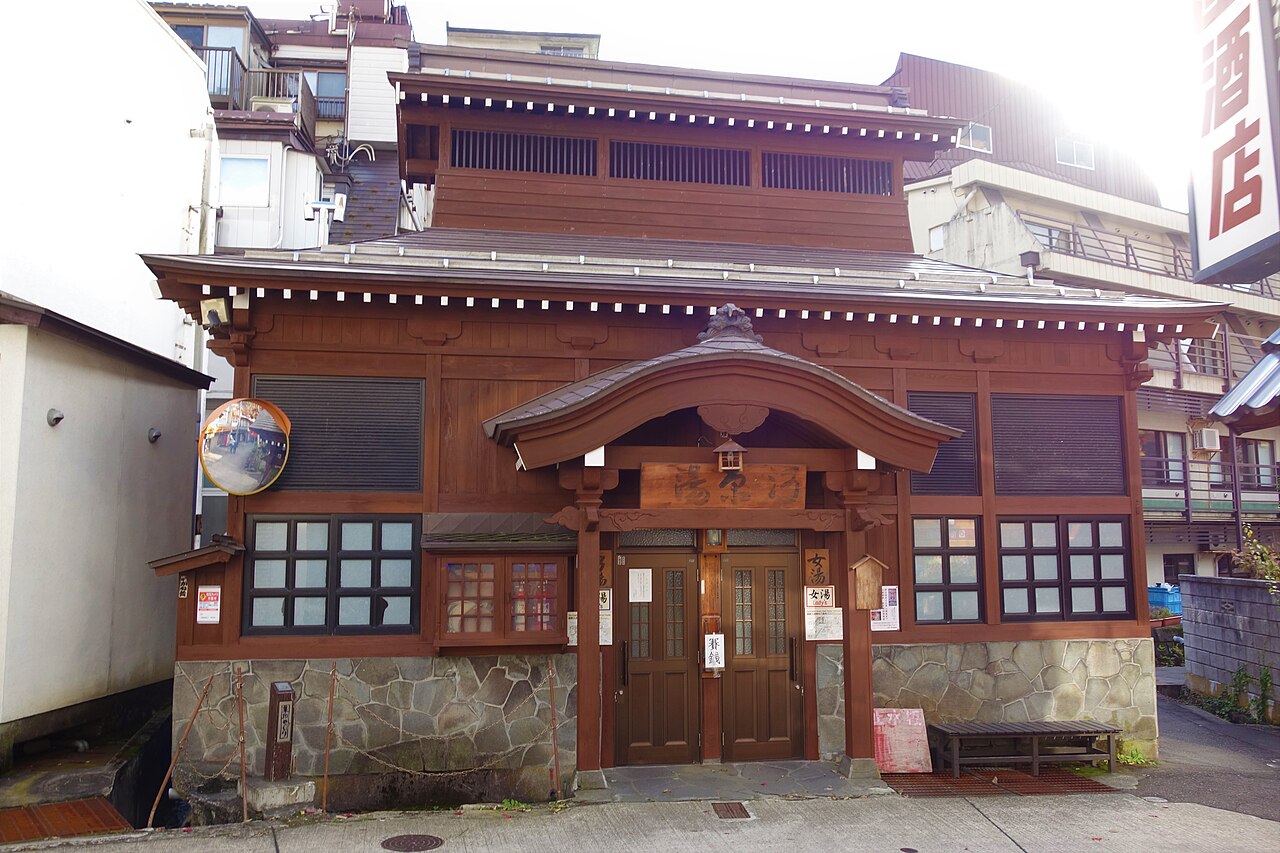
Expect no showers and no hair dryers inside the soto-yu. The water flows in straight from the source with nothing added and no temperature adjustment, so it is basically hot.
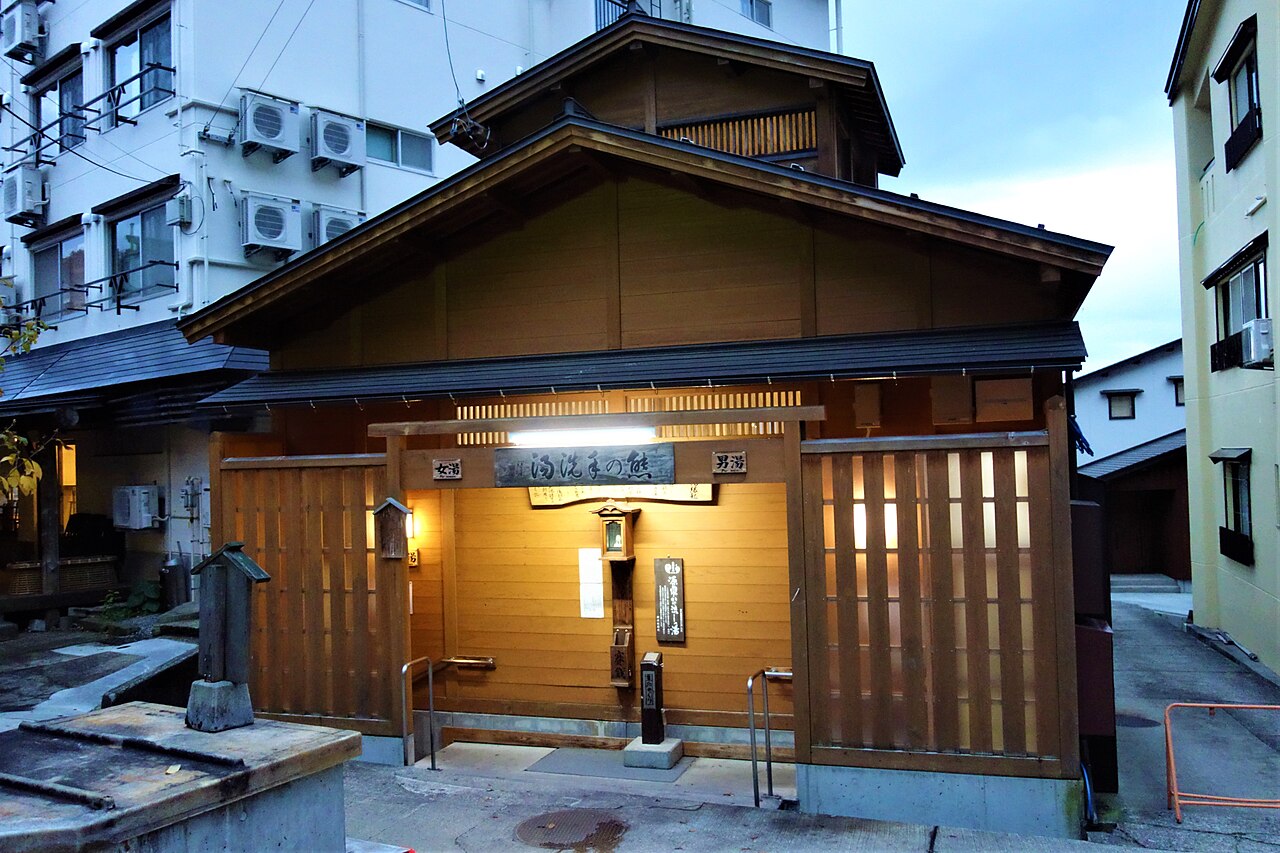
Oyu opens from five in the morning until eleven at night from April to November, and from six in the morning until eleven at night from December to March.
Yurari Foot Bath and Furusato-no-yu
Make onsen eggs yourself at Yurari, then cool them under the water tap installed right next to it. Yurari sits right next to the source spring called Ogama.
The Yurari foot bath uses natural hot spring water and is free of charge. It can be used from six in the morning until nine at night.
Choose between the hot bath, the tepid bath and the outdoor bath at Furusato-no-yu. The washing area there has showers, and shampoo and body soap are provided.
Furusato-no-yu opens from ten in the morning to seven in the evening, with last entry at half past six, from April to mid-December, and from eleven in the morning to eight in the evening, with last entry at half past seven, from mid-December to March. Bathing costs seven hundred yen for adults and five hundred yen for elementary school children and younger, with no charge up to age two.
Ski Museum, Oborozukiyo-no-Yakata and the Gondola
Walk into the Japan Ski Museum for three hundred yen as an adult or one hundred and fifty yen as a child. It opens from nine in the morning to four in the afternoon, with last admission at half past three.
The museum runs year-round but closes every Thursday, and when a national holiday lands on a Thursday it closes the following day instead. Oborozukiyo-no-Yakata opens from nine in the morning to five in the afternoon, with last admission at half past four.
Ride the Nagasaka Gondola from the foot of the mountain up to the Yamabiko area in about eight minutes at the fastest. A one-way green-season ticket costs one thousand five hundred yen for an adult and one thousand yen for a child.
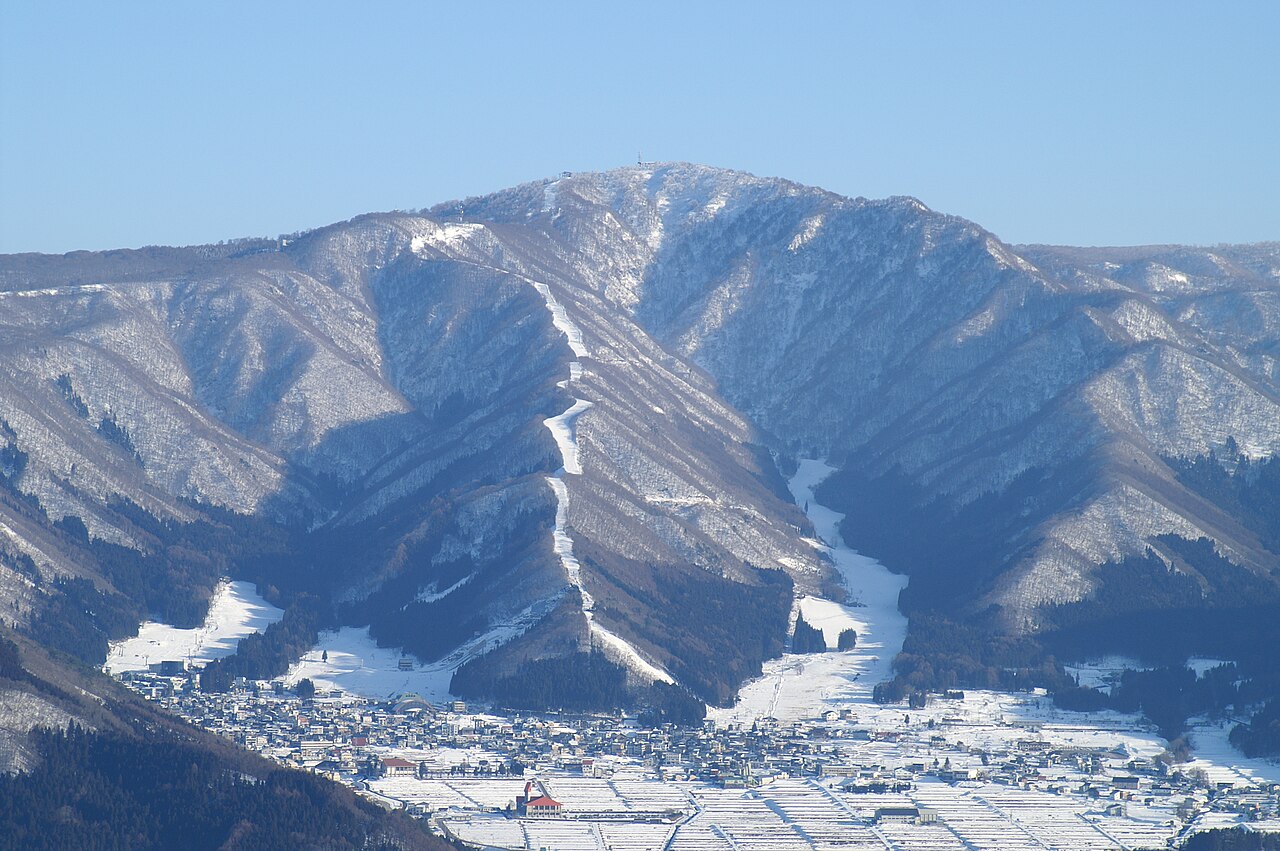
If you would rather have someone lead the way around the village and the mountain, browse tours around Nozawa Onsen.
Eating in the Village
Order the yamazoku rice bowl at Restaurant Chantelle for one thousand three hundred yen. The soy sauce ramen on the same menu costs eight hundred yen.
Add nozawana for four hundred yen. Finish with a soft serve for five hundred yen.
Lunch, covering the whole menu, is served from noon until two in the afternoon. Dinner runs from four in the afternoon until eight at night, with last orders at half past seven.
Getting to Nozawa Onsen
For the return trip, the final Liner departure from Nozawa Onsen leaves at seven thirty-five in the evening through the end of November.
Drivers can use the Shinden multi-storey car park, which charges one hundred yen per hour around the clock with automatic payment. Private cars cannot park at the Central Terminal at all. Overnight stays in vehicles are banned in all village car parks, including the public ones.
| Item | Detail |
|---|---|
| Iiyama Station to Nozawa Onsen by Liner bus | About 25 minutes |
| Liner fare, adult and child | 600 yen adult, 300 yen child |
| Boarding point at Iiyama Station | Bus stop number 4 |
| Payment on board | Transport IC cards such as suica and KURURU, or cash |
| Ticket machines | Iiyama Station and Nozawa Onsen, cash and credit cards |
Where to stay
Places to stay near Nozawa Onsen, Nagano →
Disclosure: This post may contain affiliate links. If you book through them, we may earn a commission at no extra cost to you.