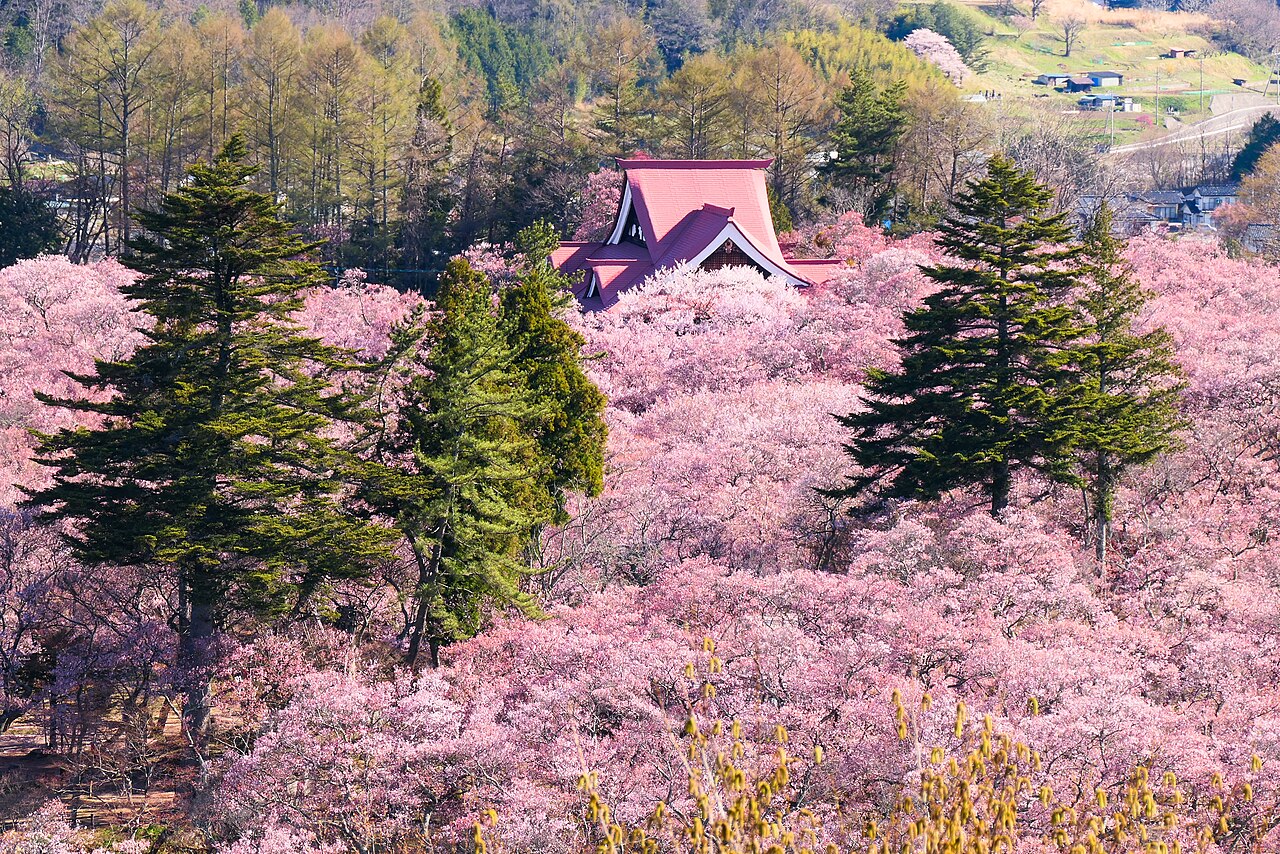
This article covers the ride in from Ina to the old castle town of Takato, the castle ruins park and its cherry trees, the town museum, the Hoshina family temple and the stonemasons, the look of the town in the Meiji era, Takato soba, Hokomochi Shrine and a hot spring bath, and a way to fit all of it into a single day inside the town. For a night at either end, see places to stay around Ina and Takato.
Getting to Takato from Ina Bus Terminal
The way in is the JR Bus Takato Line route bus from Ina Bus Terminal, and you get off at the stop called Takato Station, a bus stop despite its name. The one-way fare has an adult rate and a child rate, both given in the steps below.
- At Ina Bus Terminal, board the JR Bus Takato Line route bus.
- Get off at the Takato Station bus stop (JRバス高遠駅).
- Pay the one-way fare of 590 yen for an adult or 300 yen for a child.
The town's site also lists an Ohanami circulation bus with its own fare for riders of elementary school age and above. Everything else in this article lies inside Takato town, so this ride is the only transport to plan, and the day then runs between the castle hill, the lakeside museum, the soba shop and the bath.
Takato Castle Ruins Park
A guidebook notes that the park occupies the site of the old Takato Castle, taken down when the domains were abolished, and that around fifteen hundred Takato kohigan cherry trees, a variety particular to this place, were planted across the grounds. The blossoms are spoken of as the finest under heaven.
A guidebook notes that the variety is small-flowered and strongly red, and that in full bloom it is one sheet of colour. On the Ounkyo bridge you are said to stand inside a cloud of blossom. The southern bailey beyond the main enclosure is said to look to the snow-capped Central Alps, with a queue for the photograph in season.
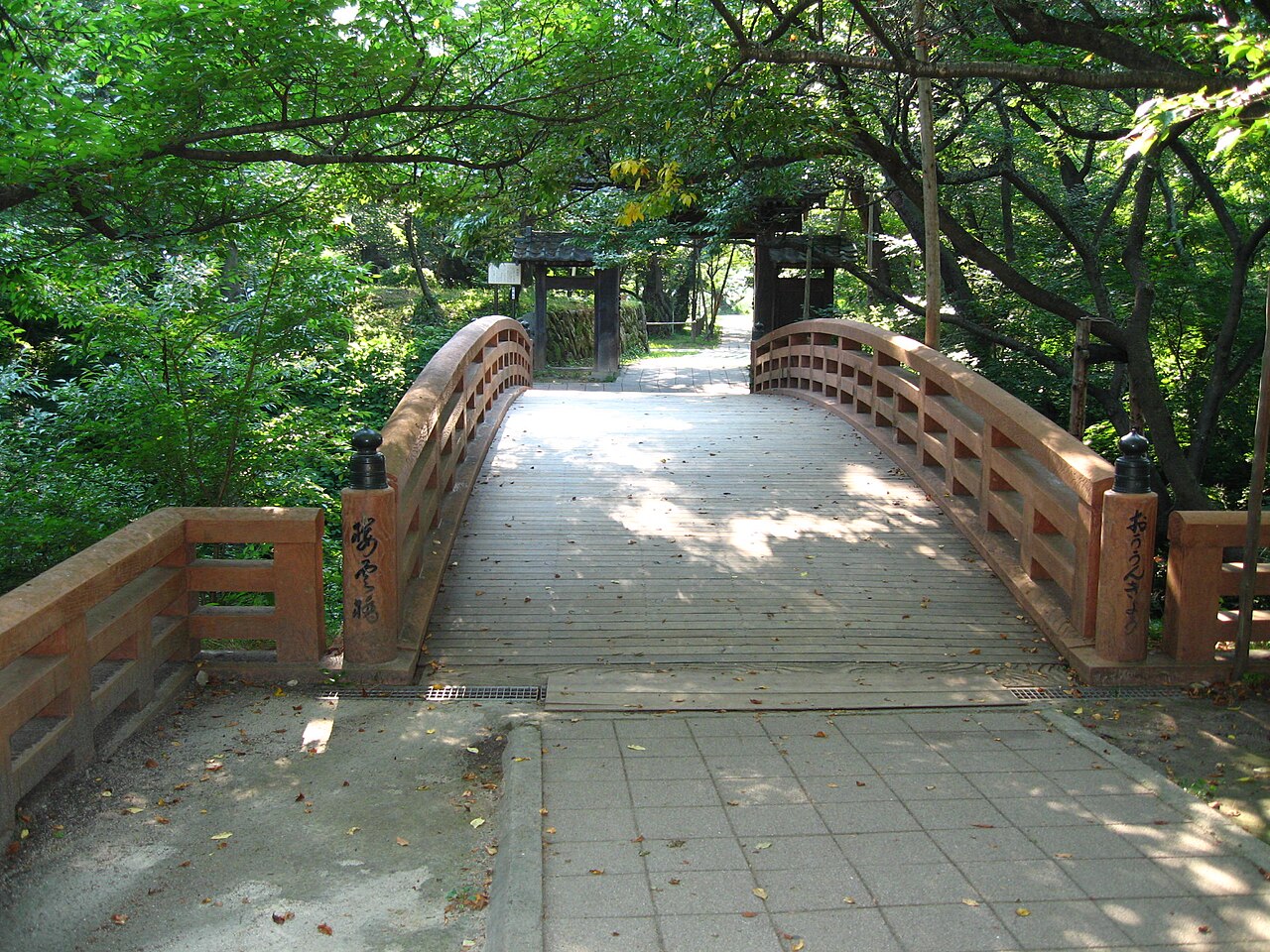
Admission is charged during the paid period, and the rates in the table below apply to that period. Children of elementary and junior high school age pay a child rate. Parties of twenty or more adults pay a group rate. Using Takato-kaku, the rest area, carries its own per-person charge.
| Item | Charge |
|---|---|
| Admission during the paid period, adult (high school age and older), individual | 600 yen |
| Admission during the paid period, child (elementary and junior high school students), individual | 300 yen |
| Admission during the paid period, group of 20 or more people, adult (high school age and older) | 500 yen |
| Use of Takato-kaku rest area, per person (elementary school students and older) | 200 yen |
Where to stay
Disclosure: This post may contain affiliate links. If you book through them, we may earn a commission at no extra cost to you.
The Museum, the Temple and the Stonemasons
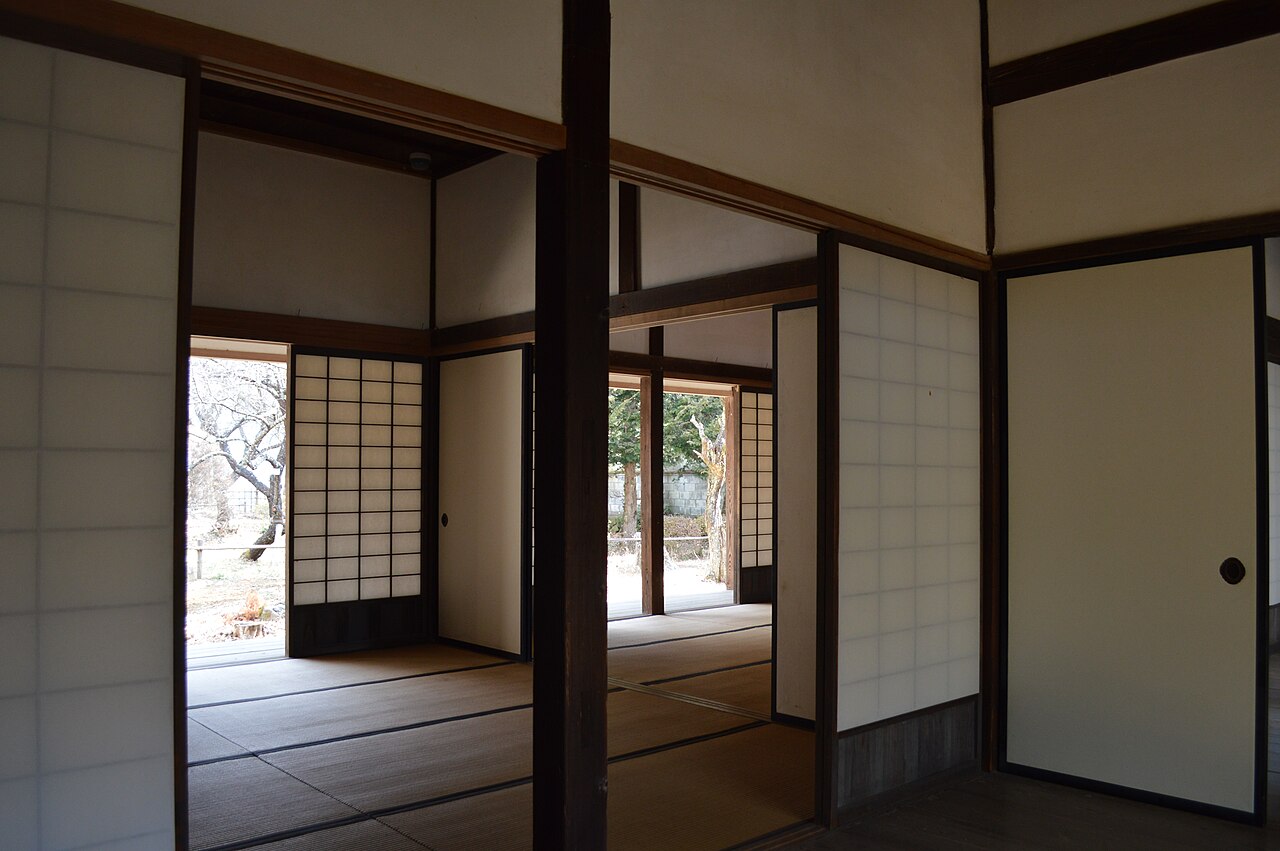
The Takato Town Historical Museum sits by Lake Takato, and a guidebook notes that its five themed booths run from a model of Takato Castle to the armour of the Naito, lords of the domain. One exhibit, the guidebook notes, reconstructs the enclosed residence where Ejima, a senior lady of the shogun's inner palace, was confined after her banishment.
Kenpuku-ji is the family temple of the Hoshina, lords of Takato, and a guidebook notes that the graves of Hoshina Masanao and Masamitsu survive, with the Hoshina crest of nine circles beside the Tokugawa hollyhock on the ridge of the main hall. In the grounds, the guidebook notes, stand forty-five stone Buddhas carved by Moriya Sadaji and Takato stonemasons.
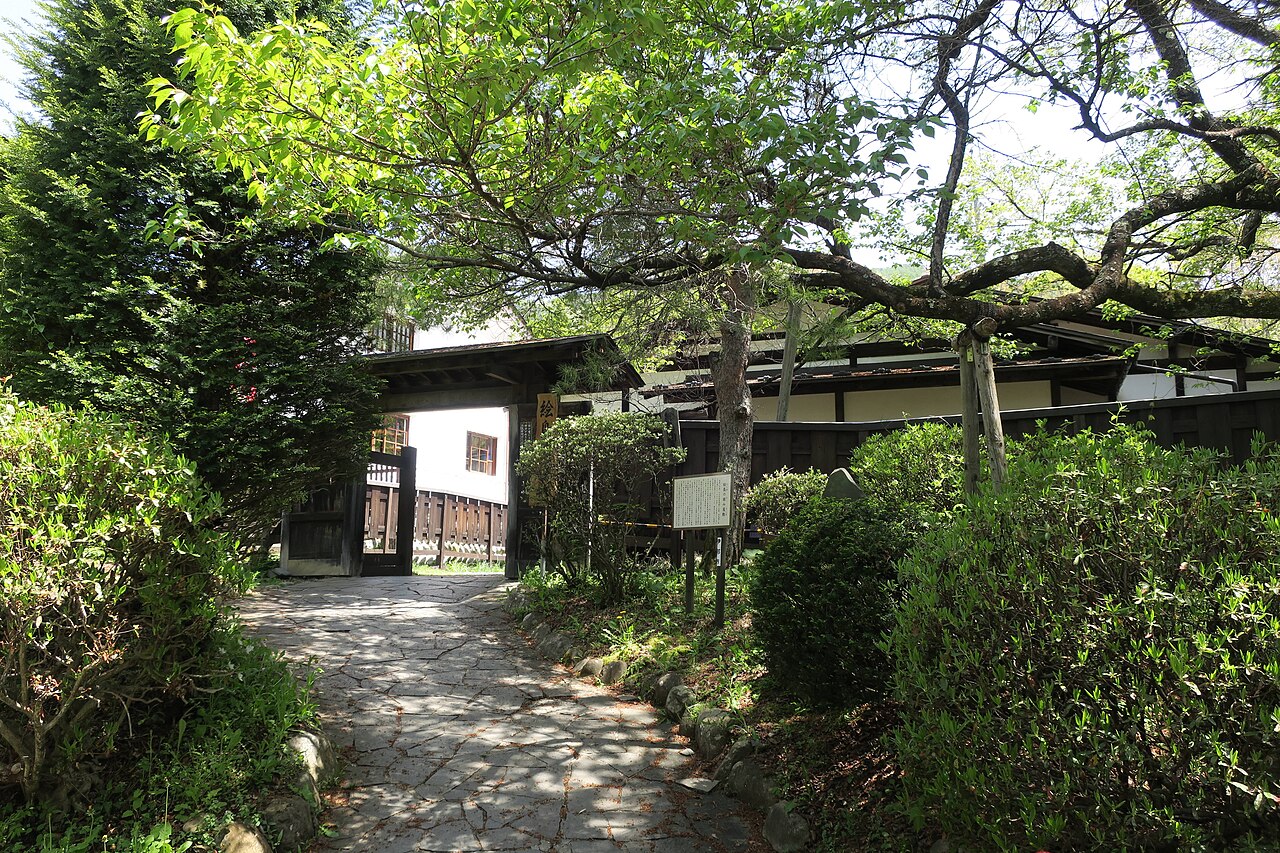
The masons were no local curiosity. A guidebook notes that in the Edo period the Takato domain, to raise its revenue, encouraged its stone workers to seek work across the country, and the stone Buddhas and stupas they left can be found in many parts of Japan. The temple grounds are the home collection of a craft that travelled.
Takato in the Meiji Era
A Meiji-era gazetteer places Takato about three ri, an old unit of distance, east of Ina, on high ground on the north bank of the Mibu River. The gazetteer notes that the town was the Naito castle town, a domain of thirty-three thousand koku. Start in the park on that high ground, and the description reads off the view.
The castle, the gazetteer says, was also called Kabuto-jo, the helmet castle, and was built and lived in by Takeda Harunobu, better known as Shingen. It later passed to the Nishina and, the gazetteer notes, was the seat of the Naito up to the Meiji Restoration. Hold that sequence in mind as you cross from bailey to bailey.
In the gazetteer's day the castle site is said to have been given over to the public as a park, planted with many cherry trees and praised for its views. That is still the shape of the place, and the outlook is as much a reason to go as the trees. Give the southern side time for the view.
Soba in Takato
Soba with karatsuyu, grilled miso stirred into pressed daikon juice, is said to be an old way of eating in the Ina district, held to be the birthplace of Shinshu soba growing. When Hoshina Masayuki was moved to Aizu he is said to have spread the dish as Takato soba, a name that later came home to Takato.
A guidebook notes that Masuya, in Higashi-Takato, is the shop that stands for the dish in the Takato area. Its menu prices are in the table below. Away from the shop, fried sobagaki is sold by the cup for five hundred yen, cash only, in front of the Takato Town tourist information center.
| Dish (Masuya) | Price (tax included) |
|---|---|
| Takato soba set (two portions of zaru soba, with grilled miso and spicy daikon radish dipping sauce) | 1300 yen |
| Takato assorted soba set (two portions of zaru soba) | 1500 yen |
| Takato sanmai soba set (three portions of zaru soba) | 1950 yen |
| Edo-style dipping sauce soba "Gen" (two portions of zaru soba) | 1000 yen |
| Tsuyukurabe three-sauce comparison set (two portions of zaru soba) | 1400 yen |
Hokomochi Shrine, a Hot Spring Bath and a Day in Takato
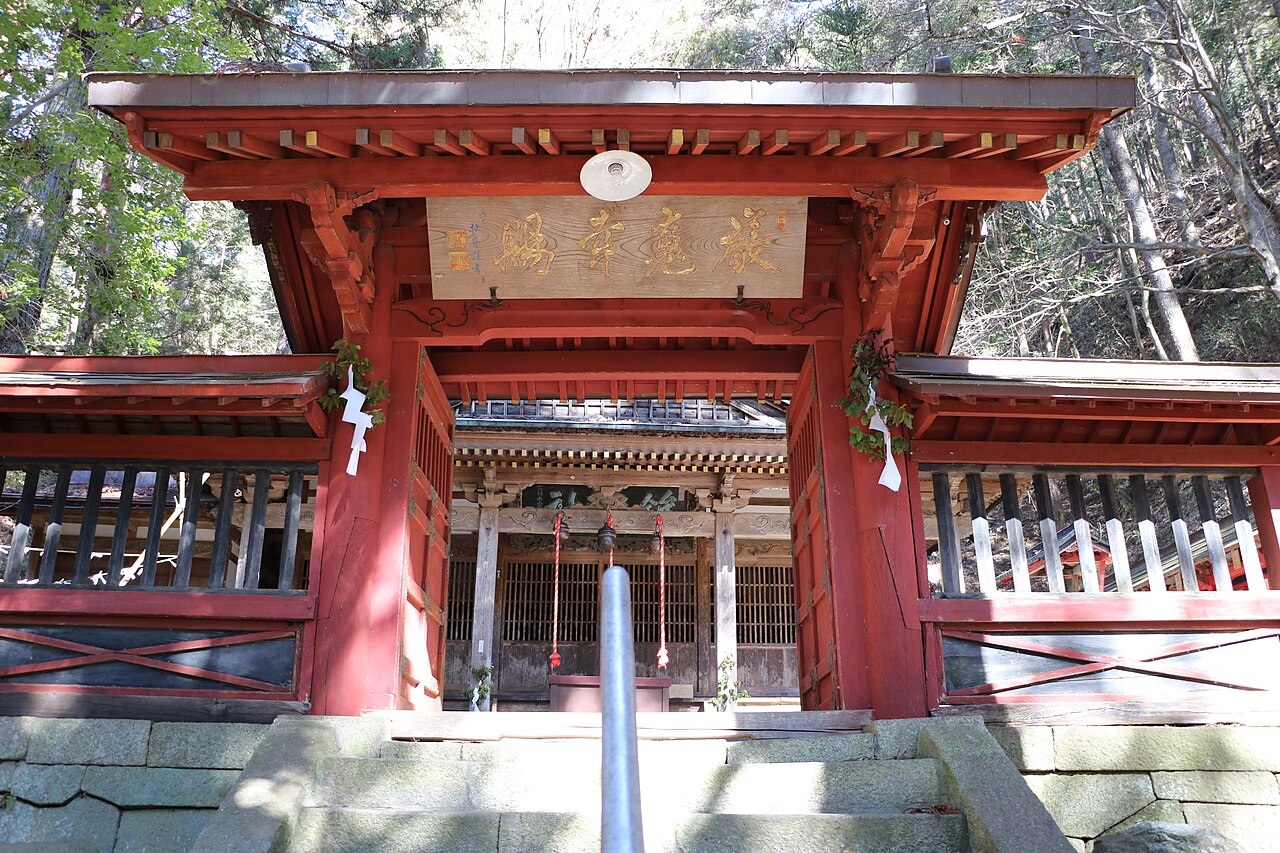
Hokomochi Shrine stands on Tenjinyama hill, and a Meiji-era gazetteer notes that its founding is recorded as reaching back many centuries. Its vermilion gate sits at the top of a flight of stone steps, with a gilded plaque under the eaves. It makes a different kind of stop from the castle and the museum.
Takato Onsen Sakura no Yu is a day-use hot spring bath, and a guidebook notes that it stands close by Takato Castle Ruins Park. That makes it the natural last stop, after the rest of the day is done. Since it is day-use only, it is a bath to end on, not a place to sleep.
Ride in from Ina Bus Terminal, step off at the Takato Station bus stop and go up to the park. Go on to the museum, Kenpuku-ji and Hokomochi Shrine, have the Takato soba set at Masuya, and end in the bath at Sakura no Yu. Blossom season means the paid-period admission and the queue at the southern bailey.