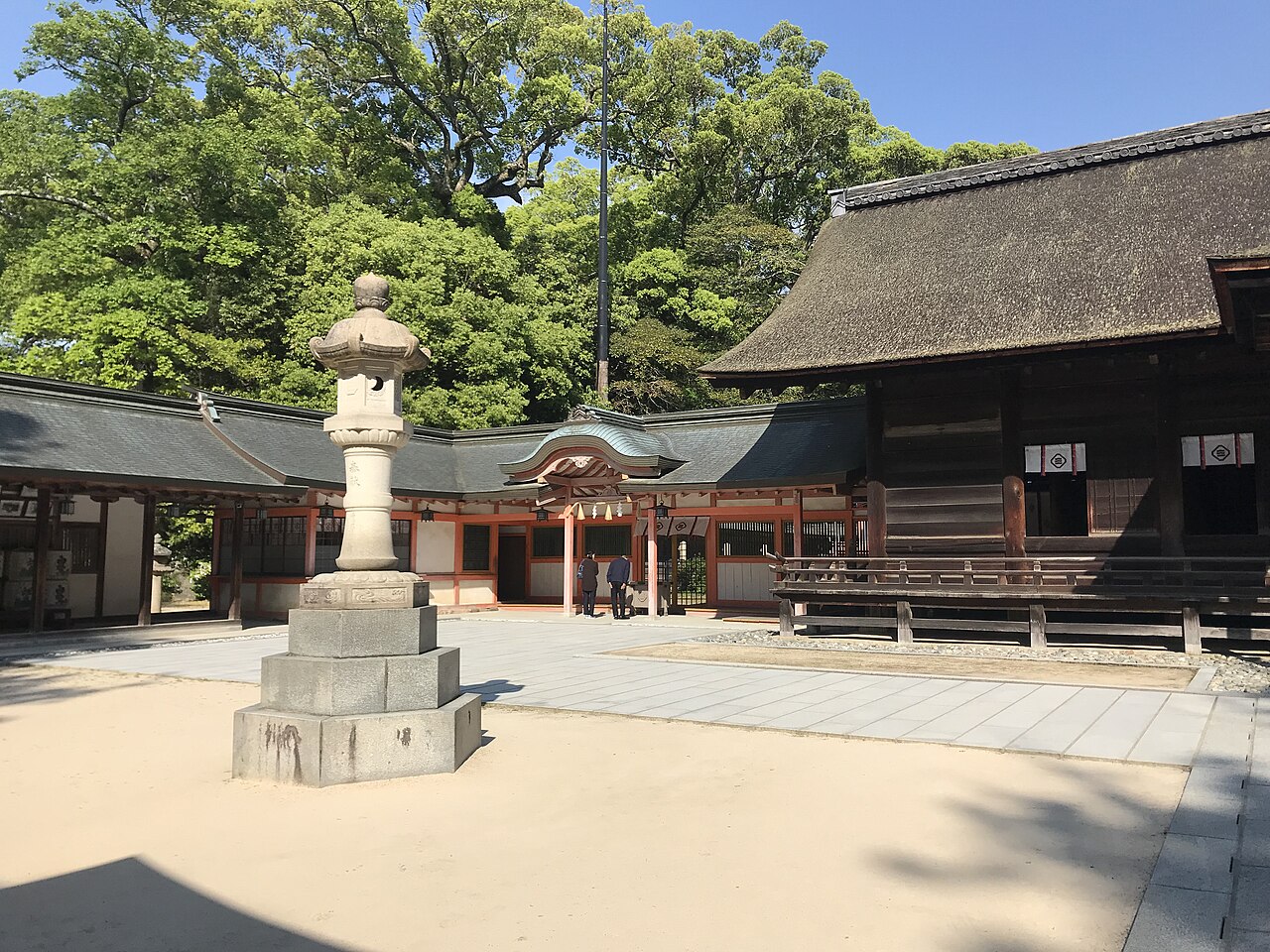
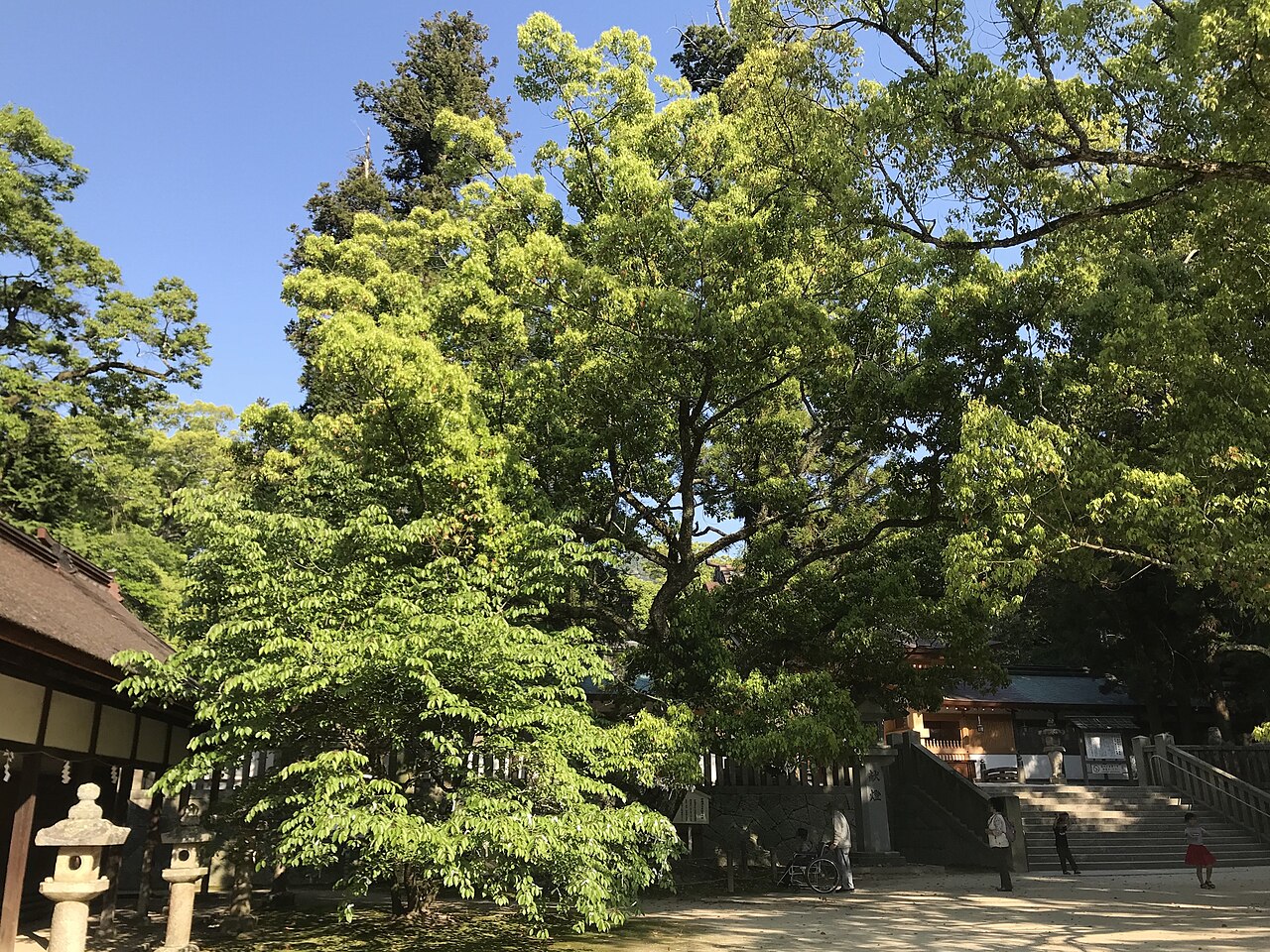
In the middle of the Oyamazumi Shrine grounds stands a large camphor tree about two thousand six hundred years old. The shrine's Treasure Hall holds armour and weapons from all over Japan designated National Treasures or Important Cultural Properties. On the east side of Fuji Park, a wisteria trellis of artificial wood runs for about three hundred metres.
Getting to Omishima
| Leg | How | Time or fare |
|---|---|---|
| Imabari Station to the Oyamazumi Shrine bus stop | Setouchi Bus limited express or Setonaikai Kotsu express | About sixty-five minutes |
| Matsuyama City Station to the Oyamazumi Shrine bus stop | Setouchi Bus limited express or Setonaikai Kotsu express | About one hundred forty minutes |
| Omishima Bus Stop to the Oyamazumi Shrine bus stop | Setonaikai Kotsu bus bound for Miyaura Port | About twelve minutes |
| Imabari Port to Munakata Port | Omishima Blue Line ferry | An adult fare of seven hundred sixty yen |
Setouchi Bus, which runs the limited express from Imabari, lists times and fares for this route on its Matsuyama and Imabari to Omishima timetable and fare table page. Express buses are all suspended on January first and second.
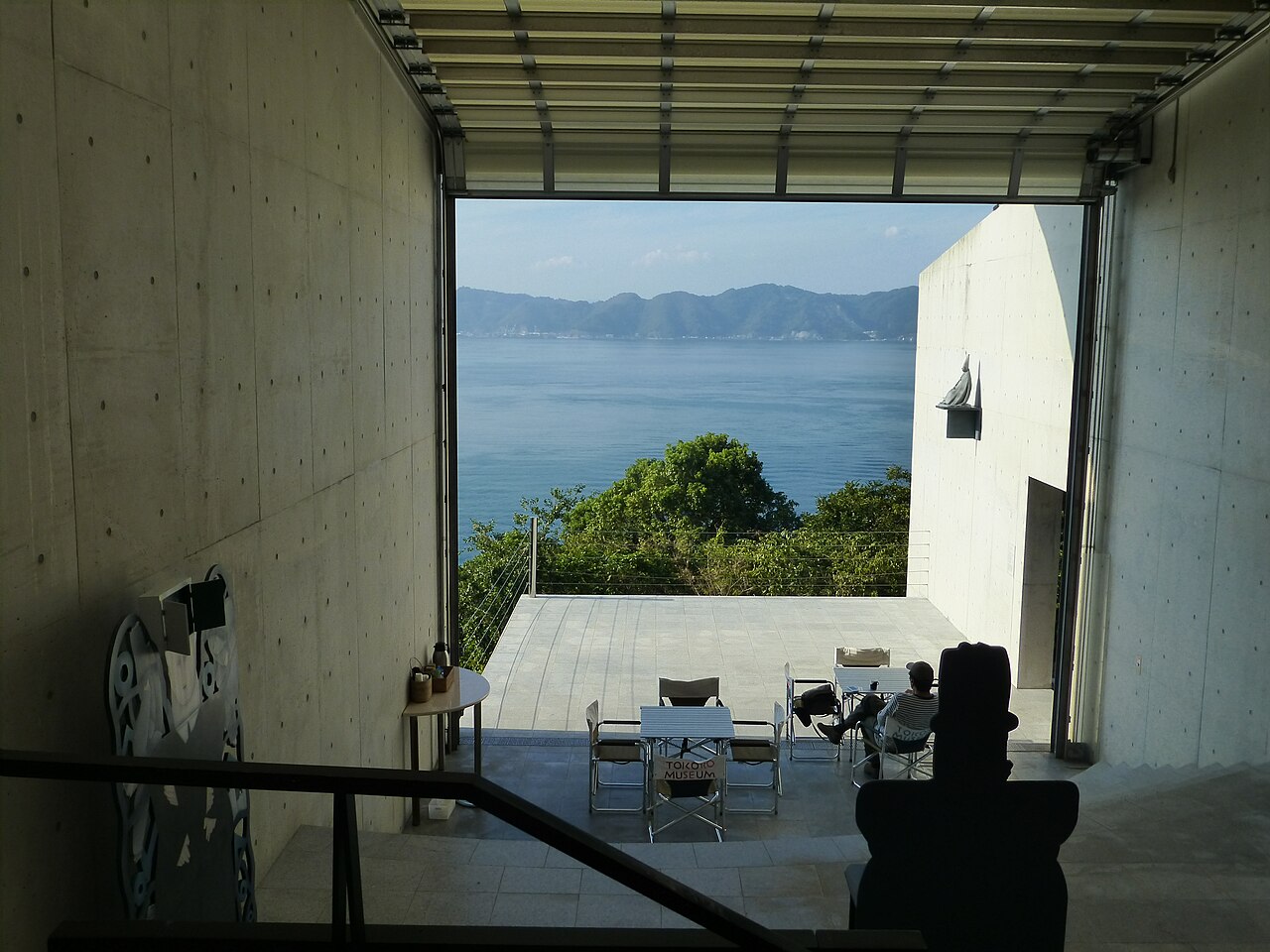
At Imabari Port, board the ferry for Omishima at the third pier. Taking a bicycle on board costs two hundred fifty yen for every section of the route. Travelers who want to sleep near Imabari Port before or after the crossing can look at places to stay in Imabari.
Where to stay
Disclosure: This post may contain affiliate links. If you book through them, we may earn a commission at no extra cost to you.
Walking Through Oyamazumi Shrine
Walk in through the gate of Oyamazumi Shrine, which stays open from about sunrise until five in the afternoon. The office that hands out paper talismans, amulets and goshuin stamps is open from nine in the morning until five in the afternoon.
- Prayer requests are received from half past nine in the morning until four in the afternoon.
- The parking area beside the torii gate holds thirteen cars.
The main hall of the shrine is dedicated to Oyamazumi no Kami. The crest of the shrine is a figure three drawn in the shape of waves and placed inside an oshiki tray.
Treasure Hall and Omishima Art Museum
Step into the Treasure Hall next, which is open from half past eight in the morning until five in the afternoon. Last admission is at half past four in the afternoon, so plan to arrive before then.
- Adult admission is one thousand yen.
- University and high school students pay eight hundred yen.
- Junior high and elementary school pupils pay four hundred yen.
Continue to the Omishima Art Museum, which is open from nine in the morning until five in the afternoon. Its rooms show contemporary Japanese-style painting, with works by Tabuchi Toshio, Nakajima Chinami and Takeuchi Koichi. The museum is closed on Mondays, and when a Monday is a public holiday the closure moves in principle to the following day.
- The museum is also closed from December twenty-seventh to December thirty-first.
- General admission to the permanent exhibition is five hundred twenty yen.
- Visitors aged sixty-five and over pay four hundred twenty yen.
- Students pay two hundred sixty yen.
Wisteria Park and Where to Stay
Walk about three minutes from the Oyamazumi Shrine bus stop to reach Fuji Park. Set aside thirty minutes to look around the park.
- The park has parking for fifty vehicles.
On the west side, white walls enclose a dry-landscape garden where peonies, hydrangeas and other flowers grow.
After the island, compare hotels in Imabari for the night.