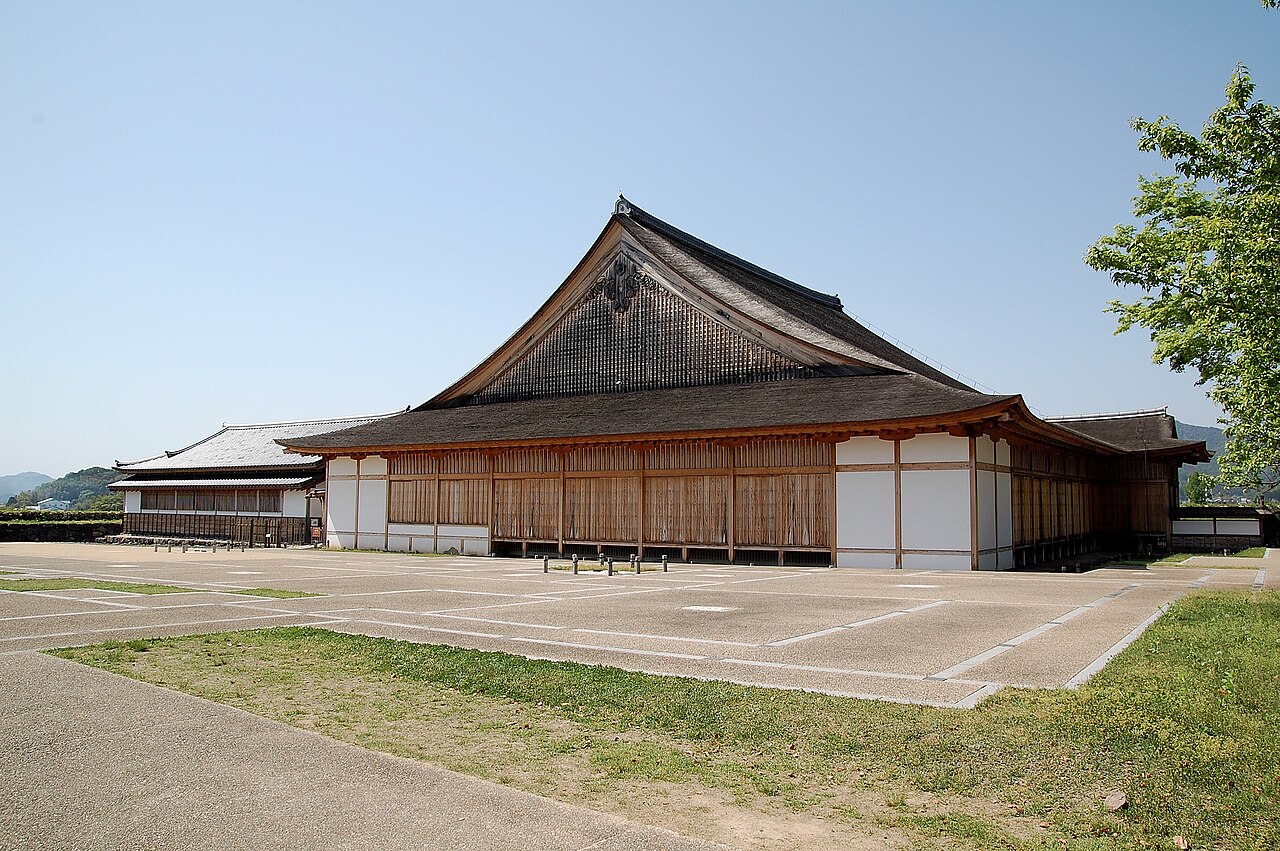
There is a basin in the hills of Hyogo where the biggest crowd of the day may be schoolchildren crossing a castle moat. From Osaka Station, the train journey to Sasayamaguchi Station takes about an hour and ten minutes. The town grew up around a castle raised on the orders of Tokugawa Ieyasu in the early sixteen-hundreds, and a few minutes east of its moats the Kawaramachi merchant quarter is described as keeping a preserved row of narrow-fronted townhouses that runs for some six hundred metres.
Getting there by rail
From Kyoto Station, the train journey to Sasayamaguchi Station takes about two hours. From Shin-Osaka Station, the journey is about an hour and twenty minutes. Even from Tokyo Station, the journey takes about four hours. Once you step off at Sasayamaguchi, plan the short last stretch into the old town before you set out; the castle quarter and the merchant street then unfold comfortably on foot.
A castle that never had a keep
Sasayama Castle is described as having been built in the year sixteen-oh-nine on the orders of Tokugawa Ieyasu, one link in the ring the shogun drew around Osaka Castle, and it never carried a tower keep; its symbol was always the Oshoin, the great hall. The hall is described as having burned down in a fire in the Meiji era and as having been rebuilt at the turn of the millennium. The rebuilt Oshoin is described as a single-storey building of exceptional scale in the old style of the early Edo period, with a hip-and-gable roof finished in wooden shingles. Inside, the upper chamber is described as decorated with screen paintings of the Kano school. Panels are described as walking you through how the castle was raised, and visitors can try on a suit of armor or a bridal over-robe. Reception for entry closes at half past four in the afternoon. Give the hall the earlier part of your day. Admission is five hundred yen for adults aged eighteen and over, and three hundred yen for high school students and younger. The basin holds an older fortress too: the mountaintop castle of Yakami on Takashiro-yama, a hill called the Tamba Fuji for its shape, is described as having belonged to the Hatano clan and as having been taken in Akechi Mitsuhide's Tamba campaign in the fifteen-seventies.
A courthouse turned museum
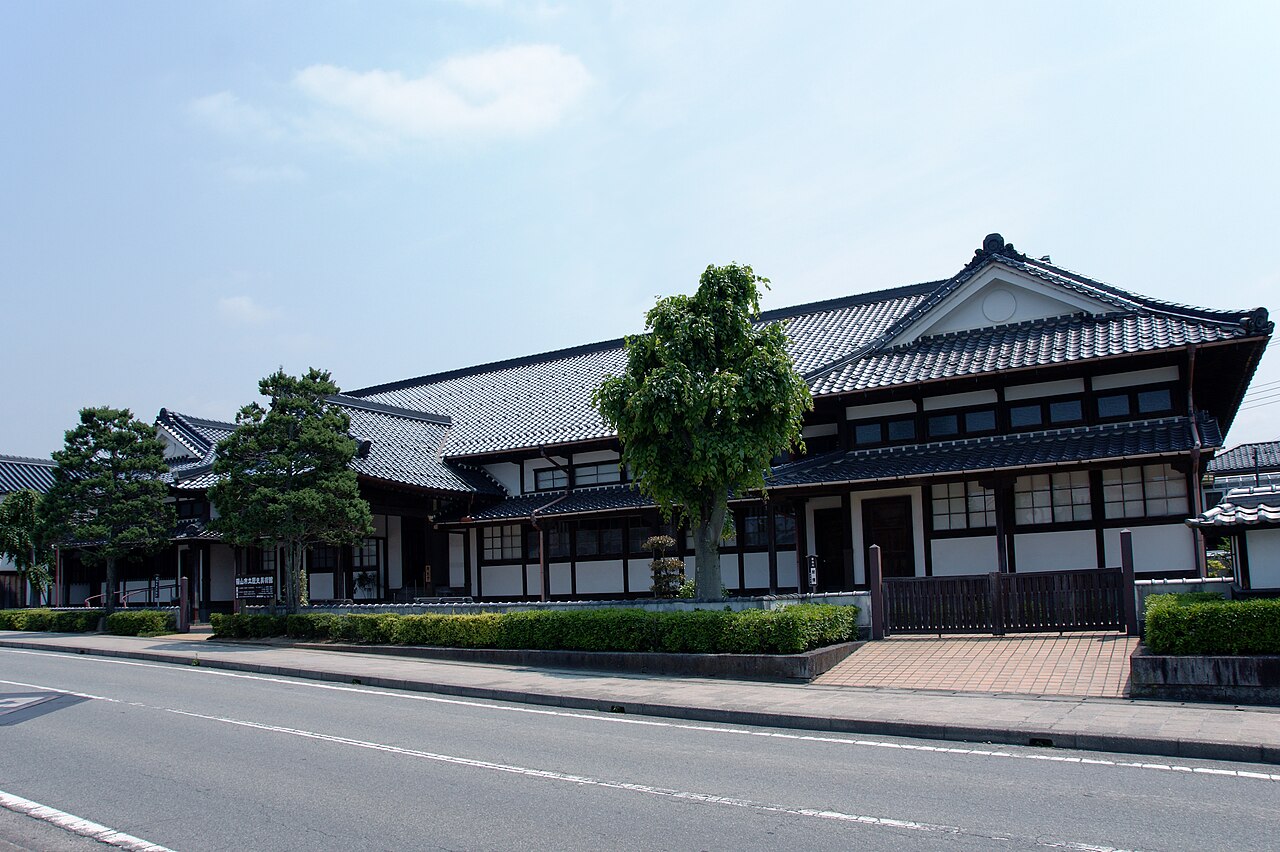
The Sasayama Historical Art Museum is described as occupying the former district courthouse, a wooden building raised in the early eighteen-nineties that heard cases until the early nineteen-eighties and is counted among the oldest wooden courthouses still standing in the country. After the judges left, the building is described as having reopened as a museum showing pieces connected to the Aoyama family. In the preserved courtroom, visitors are described as being able to sit for a mock trial. Admission here is five hundred yen for adults and three hundred yen for those of high school age and younger. The museum rests over the New Year, from the twenty-fifth of December to the first of January. A short walk away, the Aoyama History Village is described as gathering the Aoyama family's villa, a set of storehouses, and a long gatehouse moved from the Sawai family residence, together with a collection of woodblocks once used to print the Chinese classics. Nearby, the Dekansho-kan is described as a small hall given to the local folk song that lends the town its summer dance, with spots set aside for photographs. Entry to the village and the Dekansho-kan together is five hundred yen for adults. The Anma Family Samurai House, in the old foot-soldiers' quarter, is described as a thatched, L-shaped residence that took shape in the years just after the castle was finished. Admission to the house is five hundred yen for adults.
Where to stay
Places to stay near Tamba Sasayama →
Disclosure: This post may contain affiliate links. If you book through them, we may earn a commission at no extra cost to you.
The merchant houses of Kawaramachi
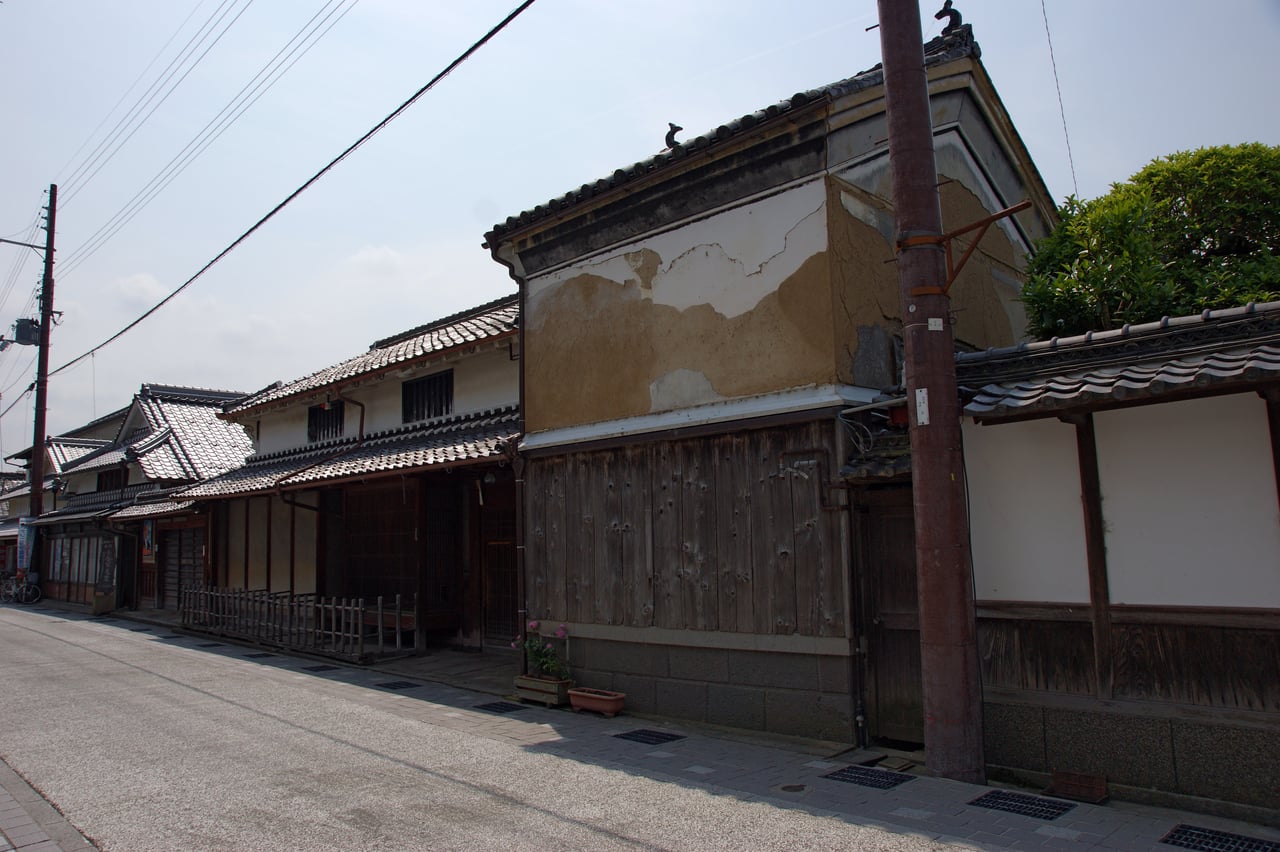
The Kawaramachi quarter is described as a nationally designated preservation district of tsumairi townhouses — narrow gable-fronted houses with deep interiors — running some six hundred metres, their upper windows screened by fine wooden lattices called mushiko-mado. The street is described as having buried its power lines a few years ago and as mixing long-standing food and pottery shops with newer ones set into renovated houses. The quarter asks nothing of you: it is described as free to wander and as never taking a day off. Further east along the old highway, the post town of Fukusumi is described as pairing an inn-town streetscape with farm-village scenery, a double landscape described as rare in the country.
Sake, clay, and a hot spring in the hills
The Tamba Toji Sake Museum is described as honoring one of Japan's three great guilds of master brewers, and it is described as keeping no sales counter inside, which tells you it is a museum first. In the pottery villages south of the basin, the Museum of Ceramic Art is described as celebrating Tamba ware, one of Japan's six ancient kilns and part of a Japan Heritage story, with a collection described as numbering some three thousand three hundred pieces alongside workshops for visitors. It opens from ten in the morning to five in the afternoon with the last entry half an hour before, rests on Mondays, and sets admission by the exhibition. The way in is a bus ride from JR Aino Station. The basin is described as declaring formal release days for its famous foods, from black soybeans and chestnuts to mountain yam and boar hot pot. One farm, Tamba Tabuchi, is described as running black-soybean harvest experiences, with gloves and boots described as necessary. To close the day, Konda Yakushi Onsen is described as drawing its water from more than a kilometre underground, with ceramic-slab and rock baths and a sauna redone in the spring of last year. Ask about the day's bathing arrangements when you arrive, and treat the soak as the end of the walking day. If you would rather have the day arranged for you, browse guided tours and tickets around Hyogo.
Make it a quiet day
Walk the castle and the courthouse before midday, give the afternoon to Kawaramachi's shopfronts, and let the bath in the hills close the day. If slow towns of the old Kansai suit you, our guide to Sakamoto, the temple town below Mount Hiei continues in the same spirit. Museum days, timetables, and food seasons in a small town move with the year, so check official information before visiting.
Compare options and book: Hyogo tours and tickets.