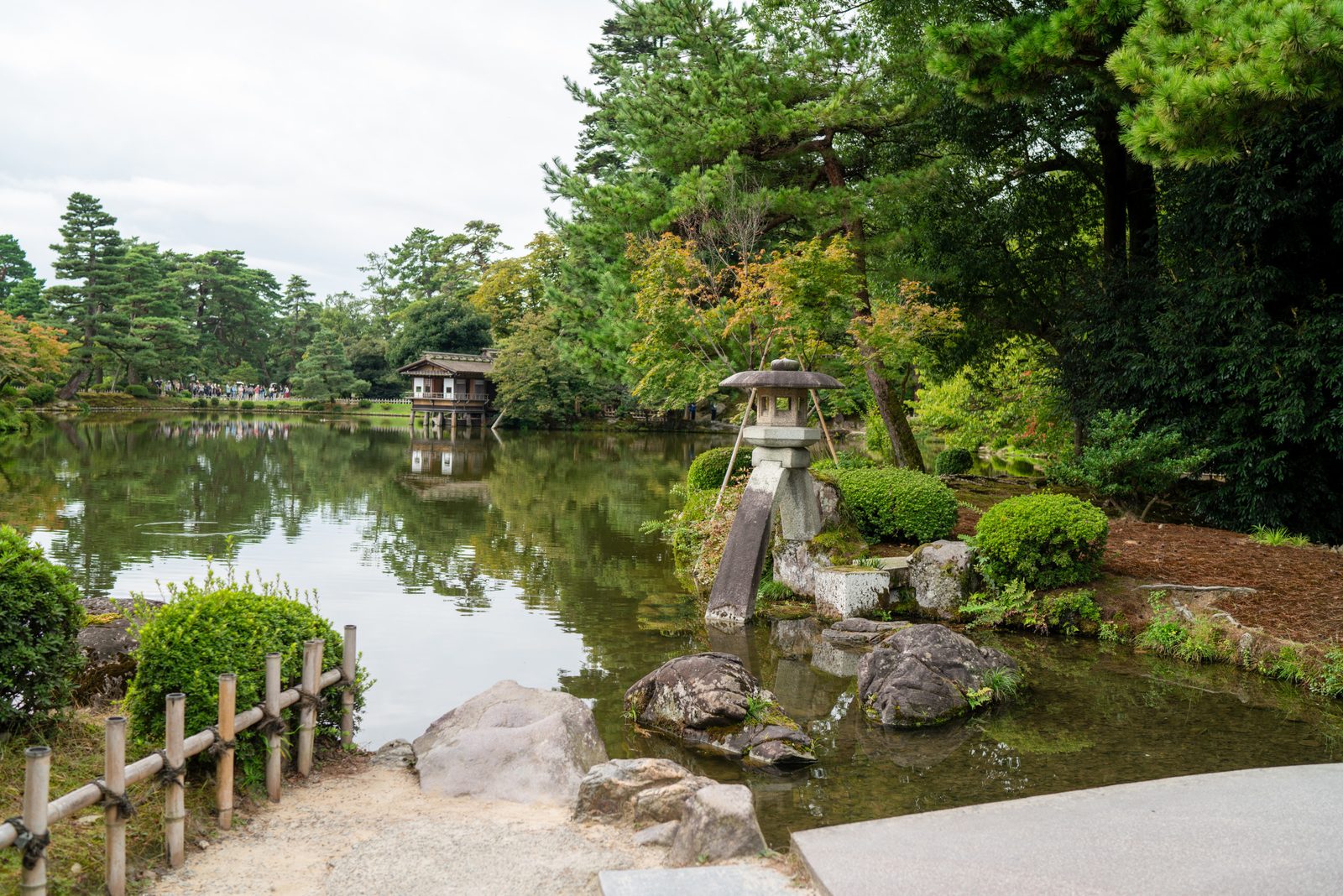
This article covers how to arrive in time for Kenrokuen's early-morning free opening, the garden's origins and the reputation it earned in old travel accounts, the way onward to Kanazawa Castle Park, a table of fares and times, and a thick local cucumber worth ordering while you are in town.
Arriving for Kenrokuen's Early Free Opening
The morning in the title is a matter of the clock rather than a promise about other people. For much of the year Kenrokuen admits visitors free in the early morning, ahead of the ticketed day, and that free window ends at the same time whatever the month. Only the starting time shifts with the season.
Throughout March, admission is free from five in the morning until a quarter to seven in the morning, last admission half past six in the morning. From April through August the free window begins at four in the morning, again ending at a quarter to seven in the morning, last admission half past six in the morning.
From the first of September to the fifteenth of October the start goes back to five in the morning, with the same end time and the same last admission. For an early start, weigh the timetable on the day against the taxi figure below, and treat the short walk from the stop as a margin rather than an afterthought.
Getting to the garden comes down to which gate you want to walk in through, and each route is short:
- About twelve minutes by bus from Kanazawa Station brings you to the Kenrokuen-shita, Kanazawa Castle bus stop, from which the Ishikawa-mon gate of Kanazawa Castle Park and the Katsurazaka gate of Kenrokuen are about a five-minute walk.
- About ten minutes by bus from Kanazawa Station brings you to the Hirosaka, Twenty-First Century Museum bus stop, and the Mayumizaka gate of Kenrokuen is about a five-minute walk from there.
- A taxi from Kanazawa Station to Kenrokuen takes about ten minutes.
- On the Kanazawa Castletown Loop Bus, the adult fare for junior high school students and older is two hundred twenty yen per ride.
A Garden Older Than the City Around It
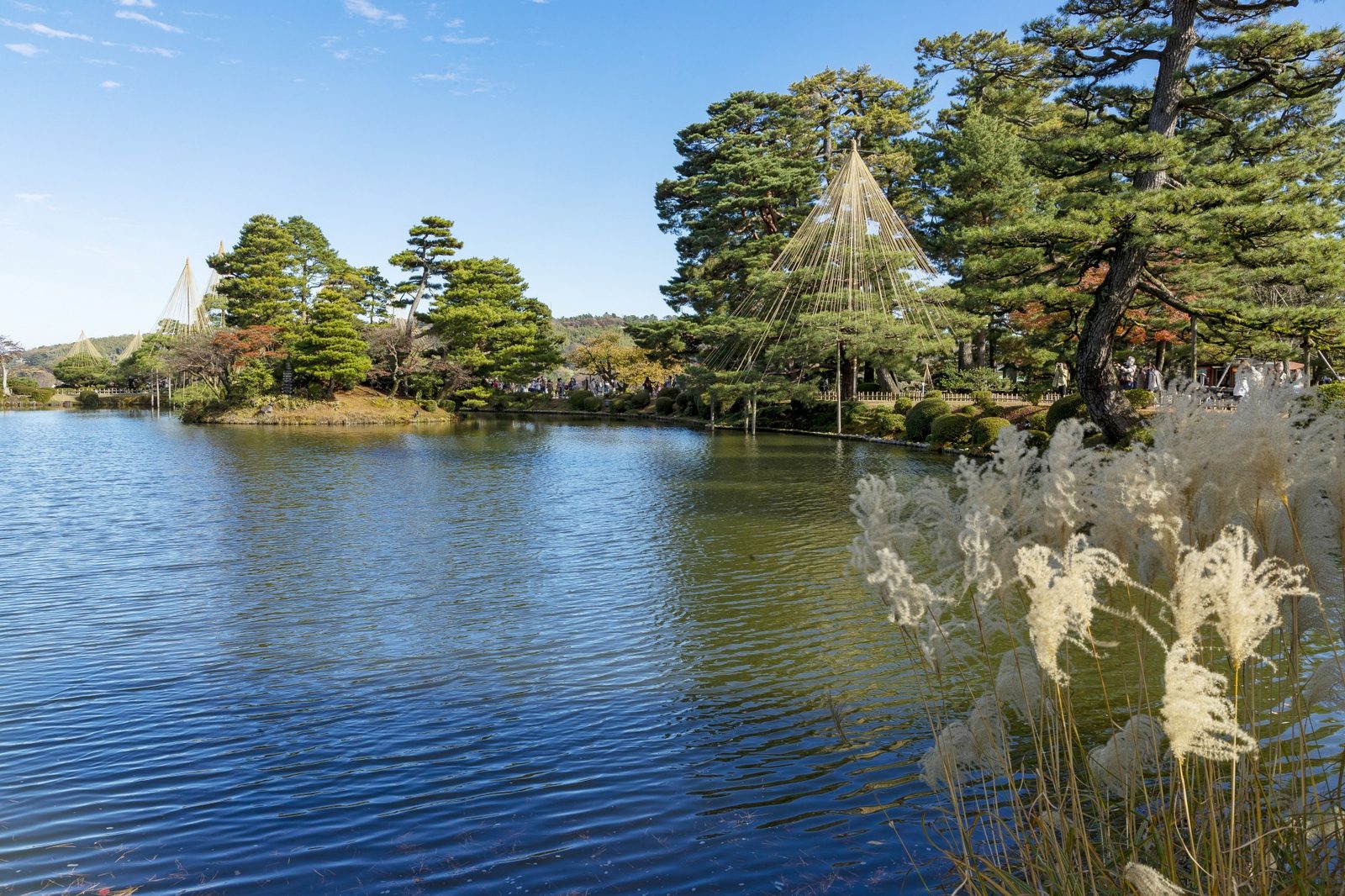
Old pines, small bridges and arranged stones gathered around a pond inside the garden.
Inside the garden a small rise carries the name Yamazaki-yama. It is held to be what remains of Yamazaki, a hamlet whose name is regarded as the oldest place name in Kanazawa. The ground the garden occupies is said to be where that settlement stood and grew into a sizeable village, the seed from which the city traces itself.
Laid out along the site's contours and water, the garden brings old trees, clear streams, small bridges and arranged stones together into scenery worth lingering over. A rise looks across a hollow toward distant hills, and a cascade in the lower ground is another highlight. Pavilions, gazebos and tea stalls once offered a pause for talk and a snack.
A Meiji-era account holds that any newcomer to Kanazawa ought to stop at Kenrokuen, then known as a garden to wander freely; travelers then rated it above Kairakuen in Mito and called Kanazawa refined and gentle. Matsuo Basho is recorded as passing through on his Narrow Road to the Deep North and attending a memorial for the poet Issho.
On to Kanazawa Castle Park
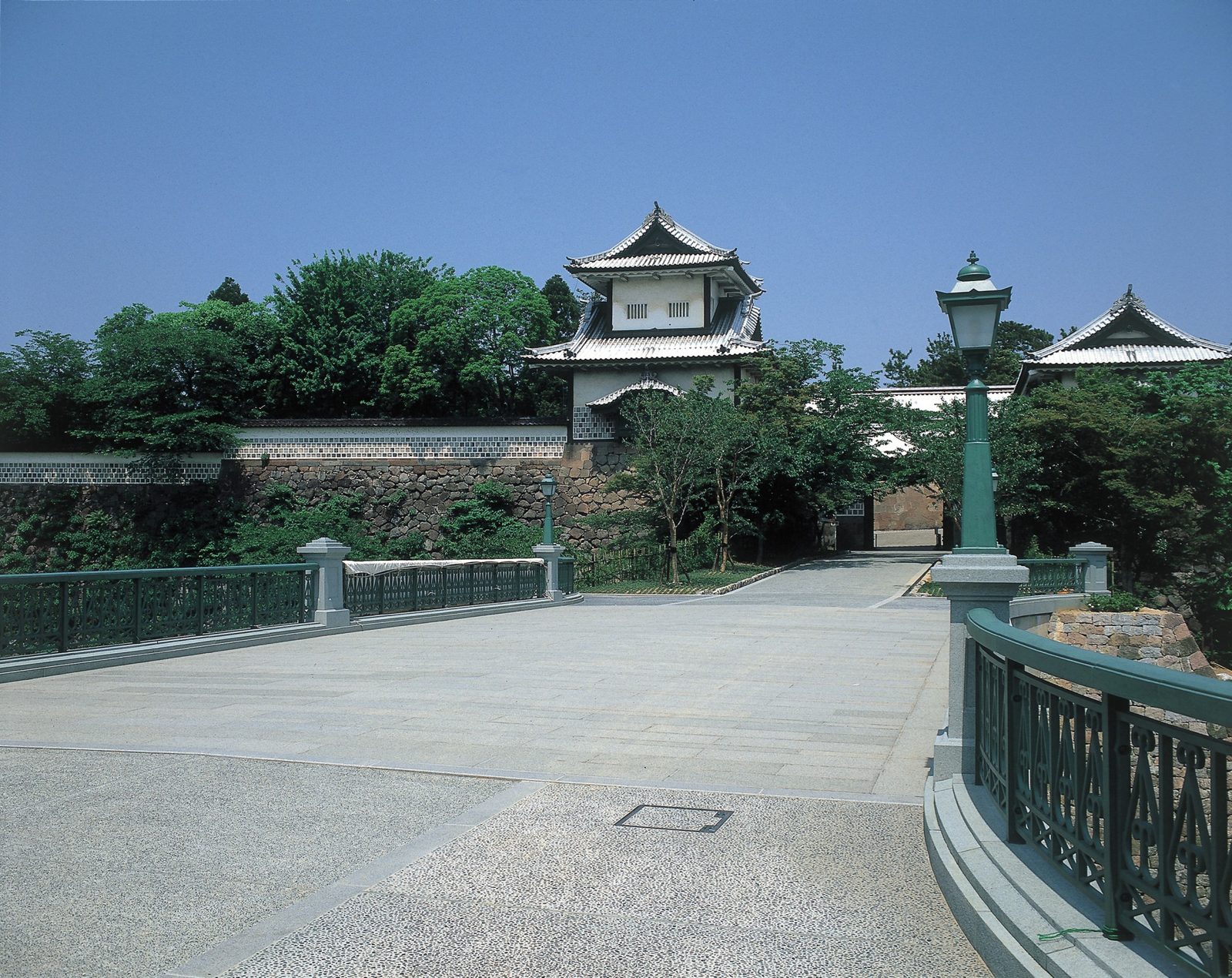
The garden and the castle park are neighbors: the Kenrokuen-shita, Kanazawa Castle bus stop, about twelve minutes by bus from Kanazawa Station, serves both, with the Ishikawa-mon gate of the castle park and the Katsurazaka gate of the garden each about a five-minute walk away. Ishikawa-mon, pictured above, is the landmark to look for when you move on.
The Shigure-tei tea house is open from nine in the morning to half past four in the afternoon, with last entry at four in the afternoon. A combined ticket covering Kenrokuen plus a single other facility costs five hundred yen for an individual. For a group of thirty or more paying visitors, the same ticket is four hundred yen.
If you would rather have the walk narrated, guided tours of Kenrokuen Garden, some of them paired with Kanazawa Castle, are available, and a guide is the simplest way to keep the timings above straight while your attention is on the garden rather than on a timetable.
Where to stay
Places to stay near Kanazawa →
Disclosure: This post may contain affiliate links. If you book through them, we may earn a commission at no extra cost to you.
Fares and Hours at a Glance
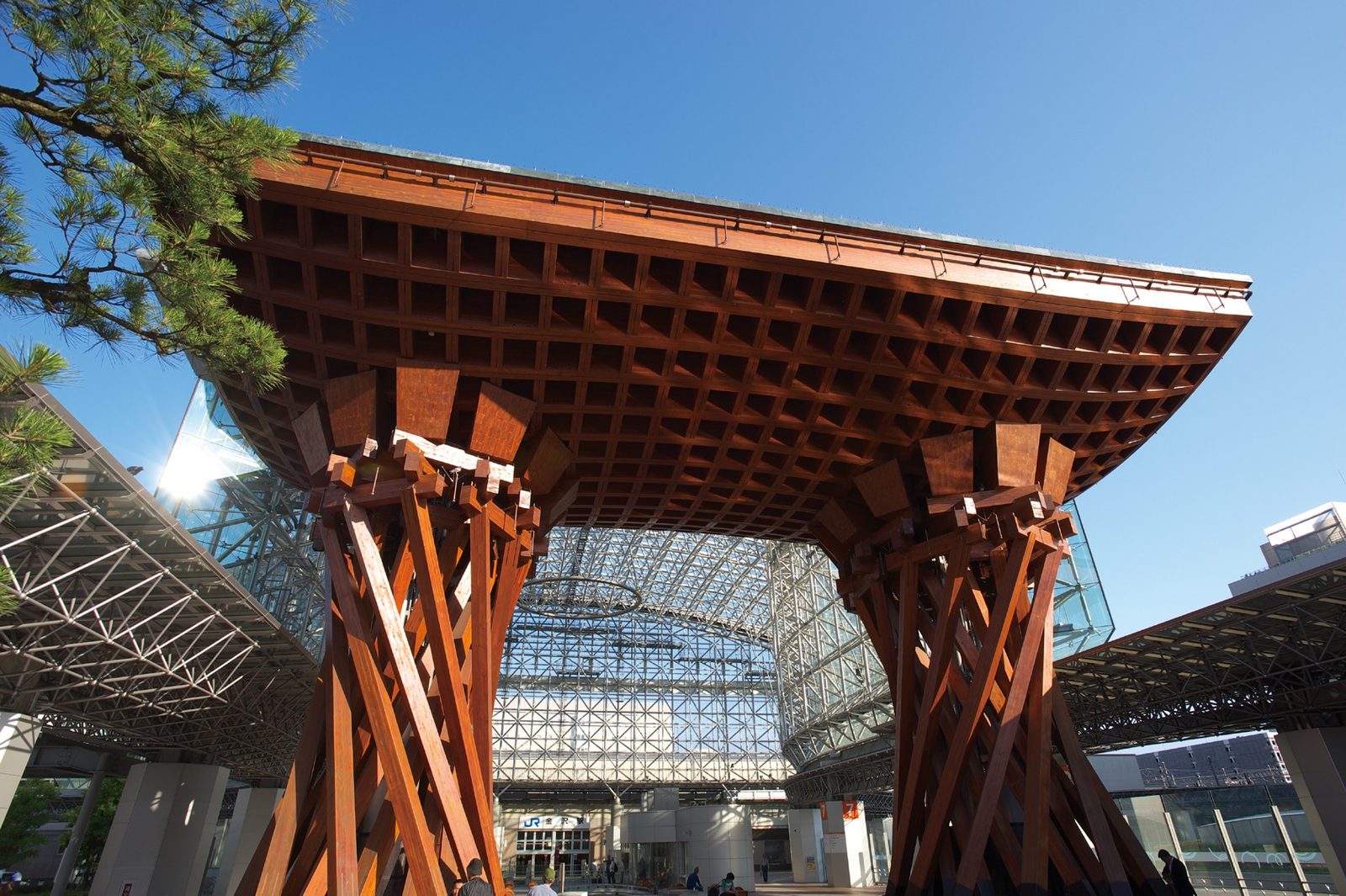
The figures from the sections above, together with the child and group rates, sit in the table below, with the early-morning free windows at the top and the ticketed day beneath them. The paid-area times listed are those for the stretch from mid-October to the end of February; the free windows apply to their own seasons.
| Item | Detail |
|---|---|
| Kenrokuen, early-morning free admission (throughout March) | five in the morning to a quarter to seven in the morning, last admission half past six in the morning |
| Kenrokuen, early-morning free admission (April through August) | four in the morning to a quarter to seven in the morning, last admission half past six in the morning |
| Kenrokuen, early-morning free admission (the first of September to the fifteenth of October) | five in the morning to a quarter to seven in the morning, last admission half past six in the morning |
| Kenrokuen Garden, paid area opening hours (the sixteenth of October to the end of February) | eight in the morning to five in the afternoon, last admission half past four in the afternoon |
| Shigure-tei tea house, opening hours | nine in the morning to half past four in the afternoon, last entry four in the afternoon |
| Kenrokuen Garden, individual adult admission (eighteen years and older) | three hundred twenty yen |
| Kenrokuen Garden, individual child admission (six years to under eighteen) | one hundred yen |
| Kenrokuen Garden, group adult admission (thirty or more paying visitors) | two hundred fifty yen |
| Kanazawa Castletown Loop Bus, adult fare per ride (junior high school students and older) | two hundred twenty yen |
| Kanazawa Castletown Loop Bus, child fare per ride (elementary school students) | one hundred ten yen |
| Kanazawa Castletown Loop Bus, one-day free pass (adult) | eight hundred yen |
| Kenrokuen combined ticket (garden plus a single other facility), individual | five hundred yen |
| Kenrokuen combined ticket (garden plus a single other facility), group of thirty or more paying visitors | four hundred yen |
| Kanazawa Station to the Kenrokuen-shita, Kanazawa Castle bus stop, then on foot to Ishikawa-mon or the Katsurazaka gate | about twelve minutes by bus, then about a five-minute walk |
| Kanazawa Station to the Hirosaka, Twenty-First Century Museum bus stop, then on foot to the Mayumizaka gate | about ten minutes by bus, then about a five-minute walk |
| Kanazawa Station to Kenrokuen by taxi | about ten minutes |
An early start is easier with a bed close by, so it is worth looking at places to stay in Kanazawa before settling on which morning to give the garden.
A Taste of Kaga: The Local Cucumber
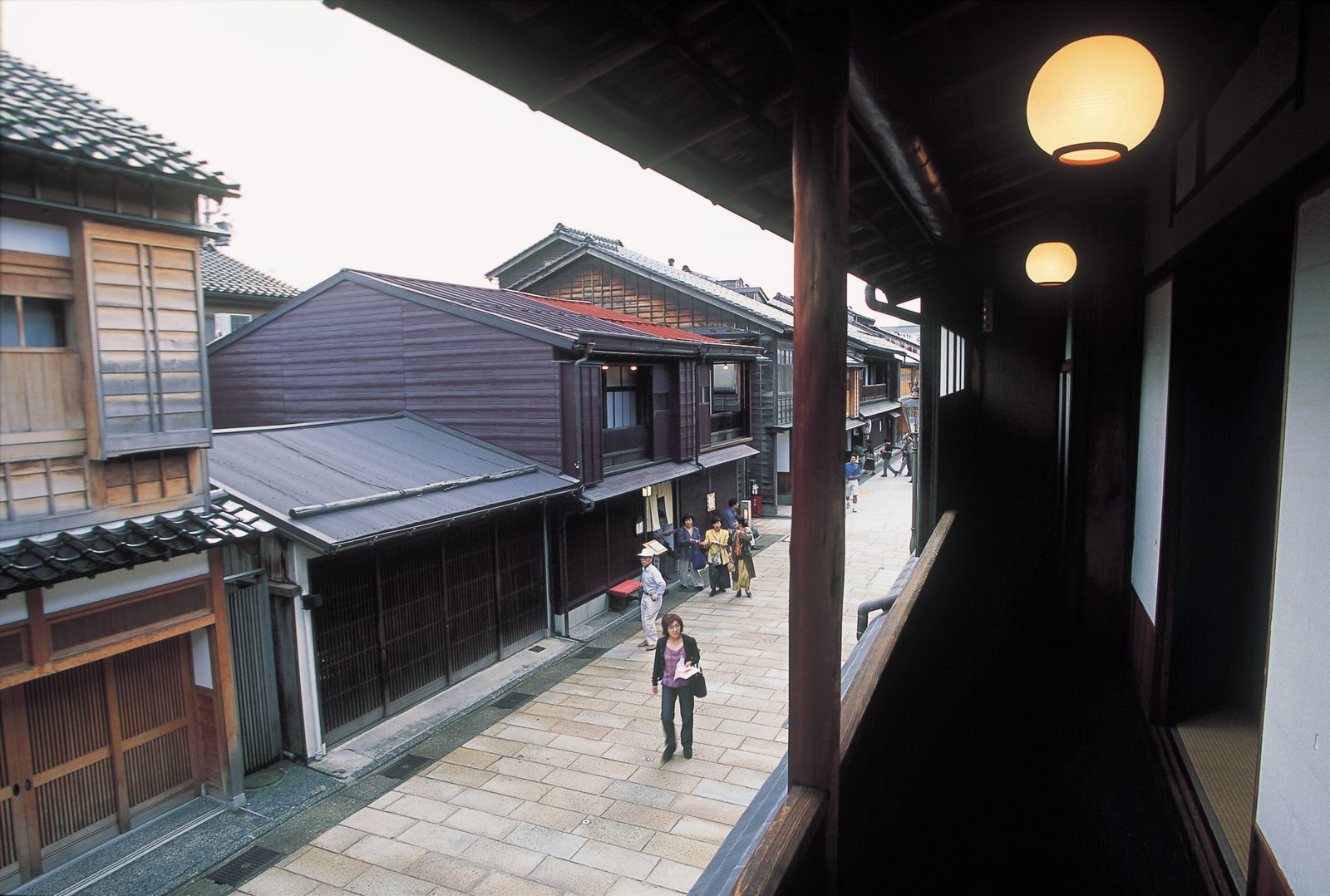
Kaga futokyuri, a thick and stout cucumber variety, has been grown in Kanazawa since the era of the feudal domain, and it is certified among the Kaga vegetables, the recognized group of local produce that goes by that name. It is the kind of thing worth asking about when it appears on a menu.
The cooking that has been handed down with it is an ankake, a dish finished under a thick sauce, here built around minced meat. The cucumber is the body of the dish rather than a garnish, and that pairing is the local way to eat it. If a menu lists it, that is the version to order.