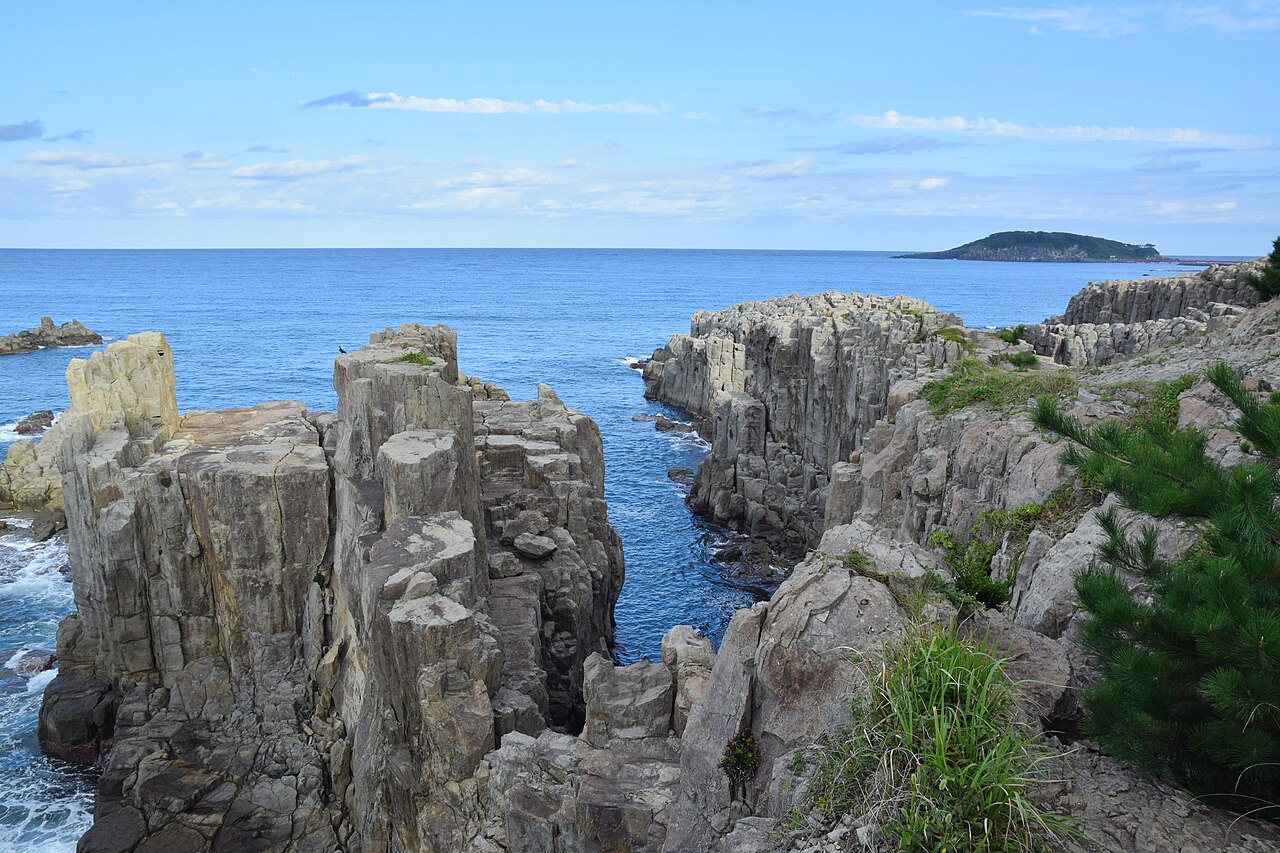
Tojinbo is designated a national place of scenic beauty and natural monument. Mikuni-minato sits where the Kuzuryu River empties into the Sea of Japan, and in the Edo period it prospered as a Kitamae-bune port of call and a distribution point for river-borne goods. Rows of lattice-door townhouses and merchant houses remain, forming a retro townscape.
Tojinbo's Columnar Rock and the Winter Sea
The rugged rock surface at Tojinbo is formed by columnar joints, described as geologically valuable, and the columns continue along the coastline for about one kilometre. Visitors walk over the rugged rock surface and look for a favourite viewpoint.
With no handrails or fences at Tojinbo, the scenery can be captured with a camera as it is. Strong wind blows near the sea, and walking shoes and thorough cold-weather protection are recommended.
Fukui's winter sea changes its look greatly under strong seasonal winds and rough waves. On days when the seasonal wind blows hard, high waves hitting the rocks break into foam, a sight likened to white snow drifting along the coast.
The Coast Path and Echizen Matsushima
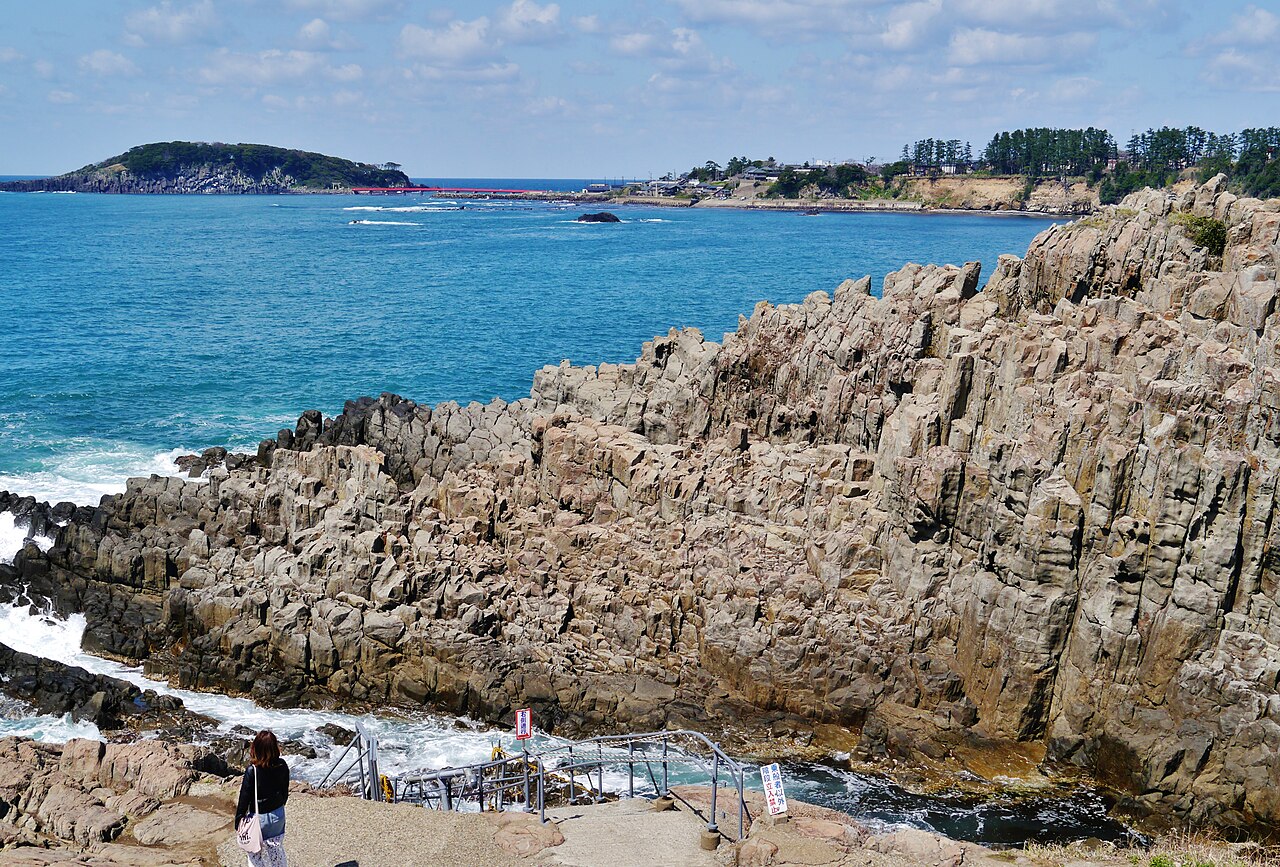
The Araiso promenade runs for about four kilometres, passing Tojinbo and reaching a point near Oshima Island. A literary monument and many verse monuments of writers and poets stand along it, a row described as honouring literary figures, poets and haiku poets with ties to Mikuni.
Along the path, the blue of the wide Sea of Japan sets off the white of hamadaikon flowers. On the coastline running northeast from Tojinbo, rugged rocky areas appear among fishing villages at Echizen Matsushima, named for a scenery of small islands said to resemble Matsushima in Miyagi.
The rocks carry the same columnar joints as Tojinbo, and unusual formations named Ogiiwa and Zaimokuiwa spread out. Courses climb a rocky hill by stone bridge, and other courses explore the remains of sea-erosion caves, with strange rocks, caves and other coastal scenery along them.
From the adjoining aquarium, you can walk toward the sea, where a calm horizon in summer gives way to dynamic rough waves in winter, and small islands are dotted throughout the surrounding area.
Oshima Island
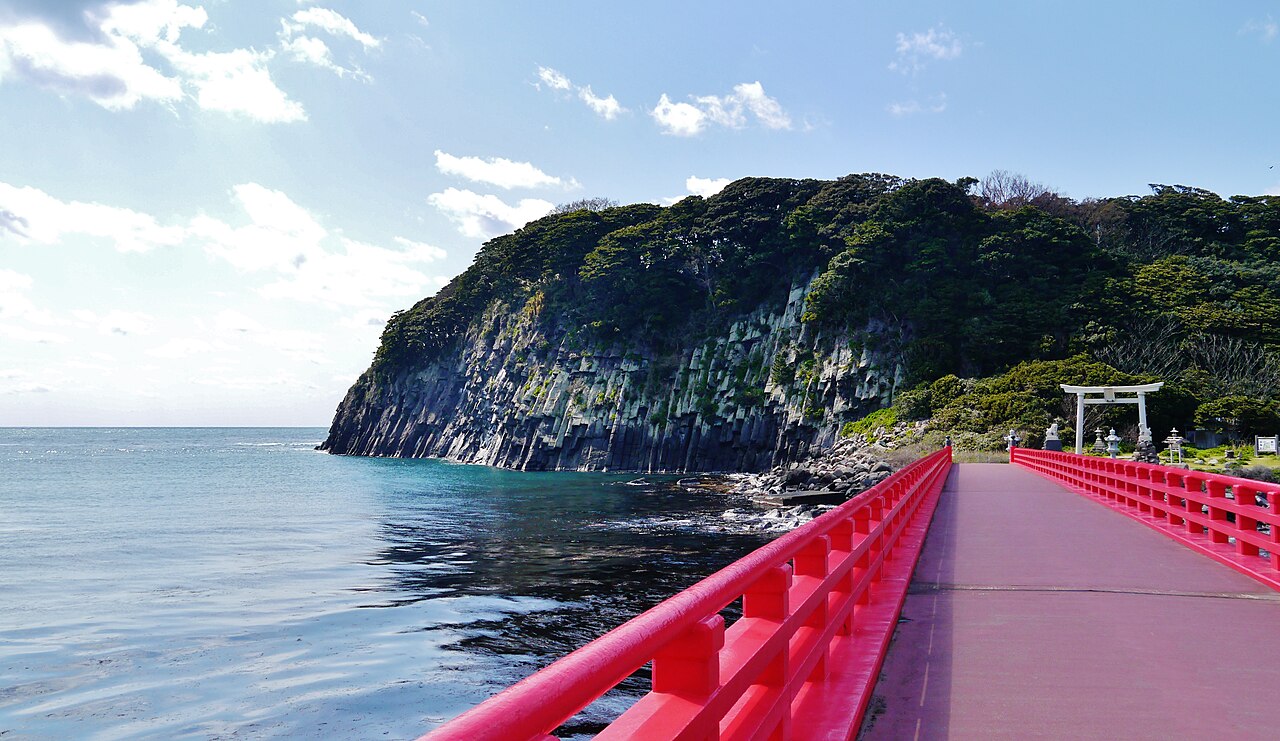
Oshima Island is a small offshore island near Tojinbo, known locally as an island where a god dwells. The island holds a walking path in the sea breeze, rugged rock surfaces and a moss-covered forest.
Oshima is uninhabited, formed of lava from about thirteen million years ago and ringed by sharply cut rock walls. A red-lacquered bridge two hundred and twenty-four metres long leads across, followed by seventy-eight rhyolite stone steps. A loop of the island covers about one point two kilometres and takes about forty minutes.
The Old Port Town of Mikuni
Machinokura, a mini museum on the shipping and literature of Mikuni-minato, displays historical and cultural materials and screens a guidance film about the port. The former Kishina house can be visited: a townhouse where the Kishina family, timber merchants of Mikuni-minato in the Fukui domain, lived for generations.
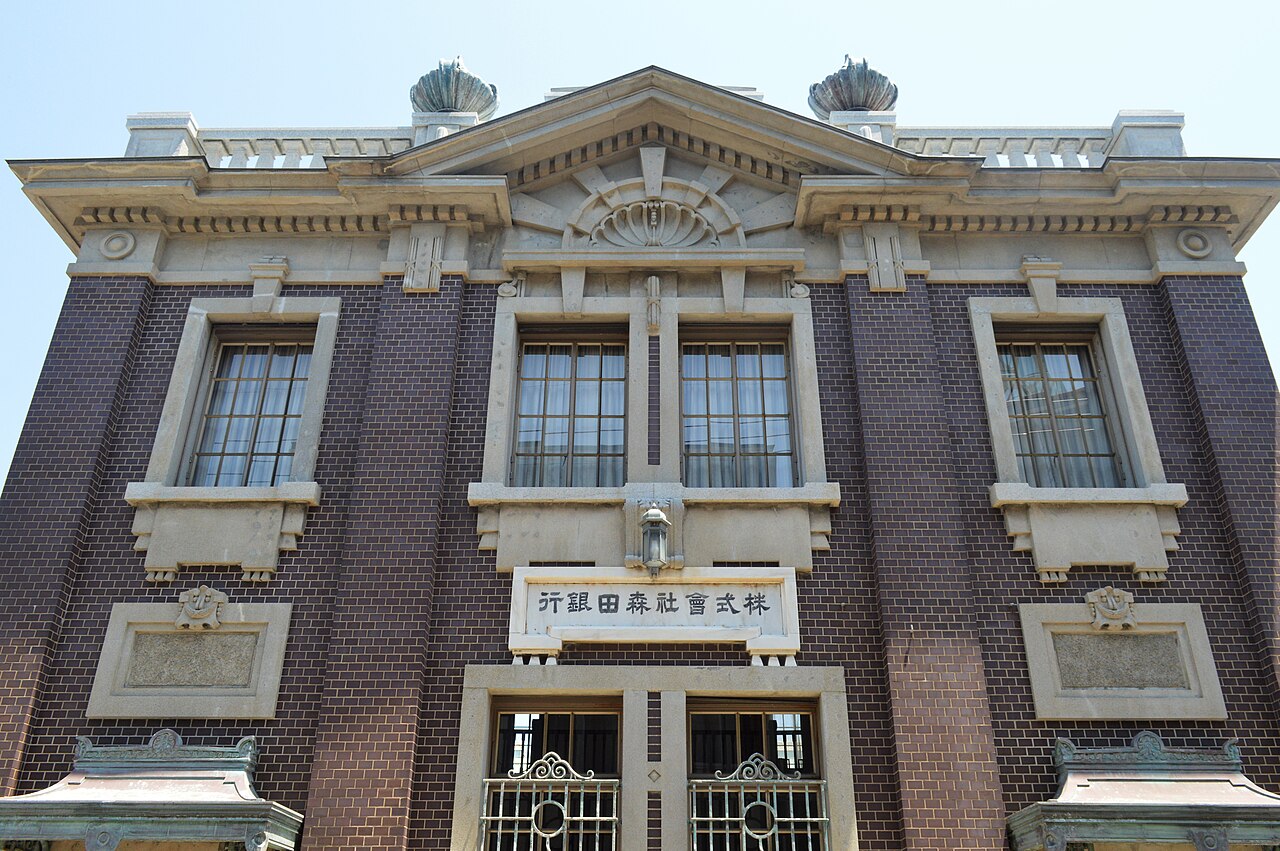
Inside, you see the shop counter area and the stone-paved passage where handcarts passed, and the roof follows a style specific to Mikuni, a flat-entry lower roof attached to the front of a gable-entry one. Elsewhere in the old port town, the former Morita Bank is a Western-style building with a classic design.
Traces of wealthy merchants remain in the old port town, where a volunteer guide group leads walks around Mikuni-minato and the Tojinbo area, mixing in history, nature and culture. When Mikuni-minato flourished as a Kitamae-bune port of call, part of the town was a geisha district; lattice-door houses, seasonal flowers and retro signboards are scattered there.
Mikuni Shrine keeps a prefecture-designated cultural property sword and a written prayer, and enshrines a life-size painted wooden sacred horse. Cedar, pine and zelkova cover the grounds; the zelkova right of the large torii gate is said to be about six hundred years old. At a festival in May, floats are dedicated to the shrine.
Echizen Crab, Seafood and Sunset Beach
Near Tojinbo, the Tojinbo shopping street continues, with seafood such as crab and squid. Echizen crab is the name for snow crab landed at fishing ports in Fukui Prefecture; it grows in tides of varying temperature and complex currents, with sweet, firm meat and full-flavoured crab miso packed into the body.
Echizen crab is eaten boiled, grilled, in hot pot, in rice bowls and as sashimi. The outer roe has a popping texture, while the inner roe, a vivid vermilion mass inside the shell, has a soft, crumbly bite. Fish from Fukui's cold sea have firm flesh and deeper flavour.
A yellow tag about twenty centimetres long, attached at the base of a claw, carries the Echizen crab brand name and the name of the fishing port where the crab was landed.
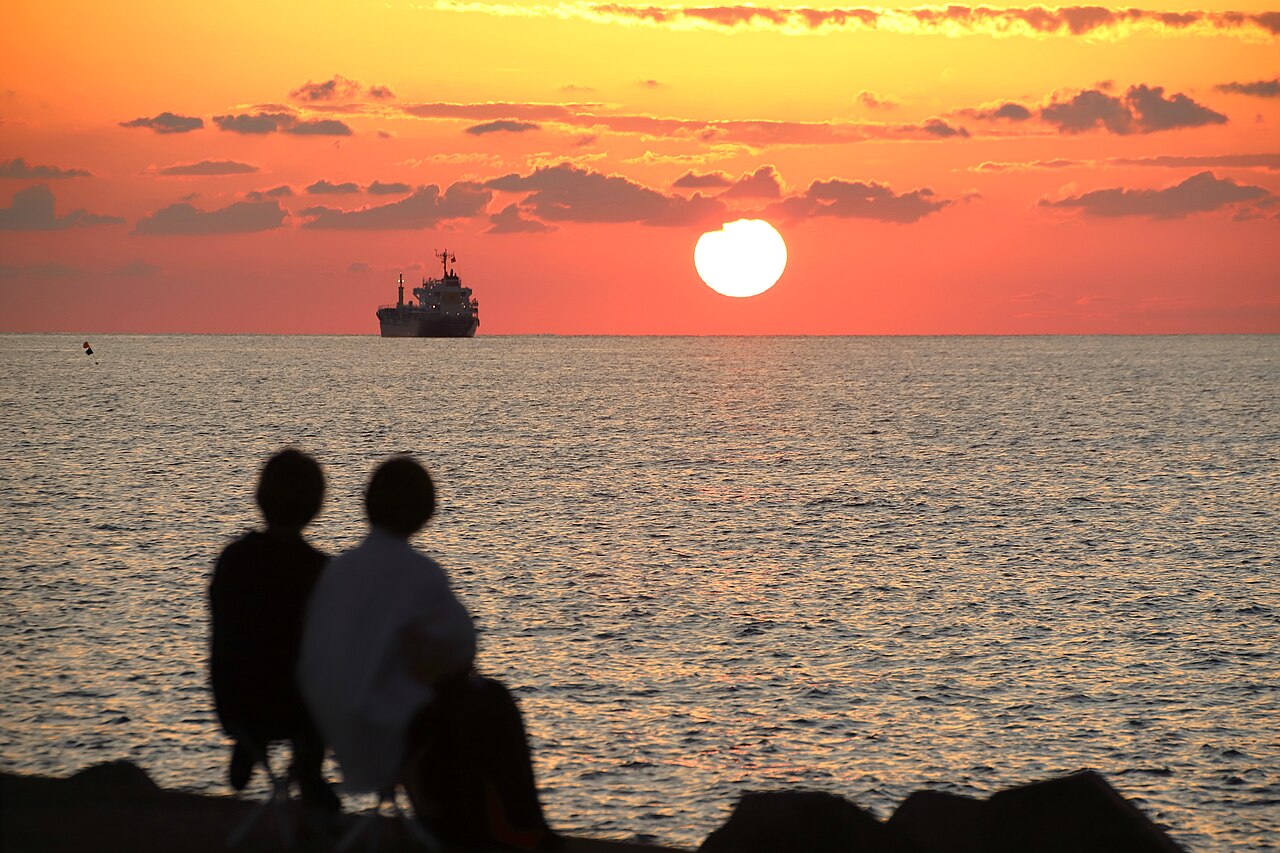
In winter, surfing and other marine sports on the rough waves of the Sea of Japan are popular at Mikuni Sunset Beach, and the Mikuni breakwater, built in the Meiji era under a Dutch engineer, curves gently. When the sun sets on the horizon, a green flash lasting a few seconds can sometimes be seen with some luck.
Getting to Tojinbo and Mikuni
New to rural buses and one-man trains? See how to ride them, step by step.
| From | How | Time |
|---|---|---|
| Fukui Station | Echizen Railway Mikuni-Awara Line to Echizen Railway Mikuni Station | about fifty minutes |
| Echizen Railway Mikuni Station | Keifuku Bus to the Tojinbo bus stop | about ten minutes |
| JR Awara-onsen Station | Keifuku Bus bound for Tojinbo | about forty-five minutes |
| Fukui Station | by car on toll roads to Tojinbo | about forty-five minutes |
| Tojinbo parking lots | on foot to the rocky area | about two minutes from the nearest lot and about eight minutes from the farthest lot |
From Fukui Station, the Echizen Railway Mikuni-Awara Line reaches Echizen Railway Mikuni Station in about fifty minutes. From there, the Keifuku Bus continues to the Tojinbo bus stop in about ten minutes.
Hours and Fees
| What | Hours or fee | Note |
|---|---|---|
| Tojinbo Tower observation deck, adults (junior high school students and older) | five hundred yen | |
| Tojinbo Tower observation deck, children | three hundred yen | |
| Tojinbo Tower business hours | nine in the morning to five in the afternoon | subject to change depending on the weather |
| Tojinbo sightseeing boat, adult fare (junior high school students and older) | two thousand yen | |
| Tojinbo sightseeing boat, child fare (elementary school students) | one thousand yen | |
| Tojinbo sightseeing boat, one lap | about thirty minutes | |
| Tojinbo sightseeing boat, all sailings suspended | December twenty-ninth to January thirty-first | |
| Sakai City Ryusho Museum, admission | four hundred yen for adults; free for high school students and under | |
| Parking at Tojinbo | five hundred yen per standard car | paid at every lot |
Fees and hours were checked against official sources on 14 October 2026.
The sightseeing boat takes about thirty minutes for one lap, and all sailings are suspended from December twenty-ninth to January thirty-first.
If you would like more time in the area, browse places to stay around Awara.
Thinking of staying overnight?
Compare places to stay near Awara, Fukui, Japan →
Disclosure: This post may contain affiliate links. If you book through them, we may earn a commission at no extra cost to you.