This article covers how to reach Ueda Castle Park and Yanagimachi from the railway, the yagura gates and the layout of the main enclosure, a timeline of the castle, the city museum and Sanada Shrine, the street of Yanagimachi, Shinano Kokubunji and its museum, and a closing table of fares and parking charges.
This guide follows one route through Ueda: in through the yagura gates of the castle, across to the city museum, down to Yanagimachi and out to the site of Shinano Kokubunji. Times and charges sit in the tables, so the paragraphs can stay with what stands where and when it was built.
Getting to Ueda Castle Park and Yanagimachi
The table below gives the time on foot and by car to the castle park and to Yanagimachi.
| Item | Detail |
|---|---|
| On foot, JR Ueda Station to Ueda Castle Park | about twelve minutes |
| On foot, the Oshiro (castle) exit to Yanagimachi | about fifteen minutes |
| By taxi, the Oshiro (castle) exit to Yanagimachi | about three minutes |
| By rental bicycle, the Oshiro (castle) exit to Yanagimachi | about seven minutes |
| By car, Ueda-Sugadaira IC on the Joshin-etsu Expressway to Ueda Castle Park | about fifteen minutes |
| By car, Ueda-Sugadaira IC to Yanagimachi | about fifteen minutes |
JR Ueda Station, Shinano Railway Ueda Station and the Ueda Electric Railway Bessho Line stand side by side, and from Ueda Station the walk to Ueda Castle Park takes about twelve minutes. The Ueda City Tourism Hall is about a twelve-minute walk from JR Ueda Station as well.
The Ueda city loop bus and the Orange Bus run Monday to Saturday and not on Sundays, public holidays, or from the thirty-first of December to the third of January. Both buses take cash payment alone. The north car park has two hundred sixteen spaces for ordinary cars and is paid. The south car park has eighty-three spaces for ordinary cars and is also paid.
The Turret Gates and the Moat
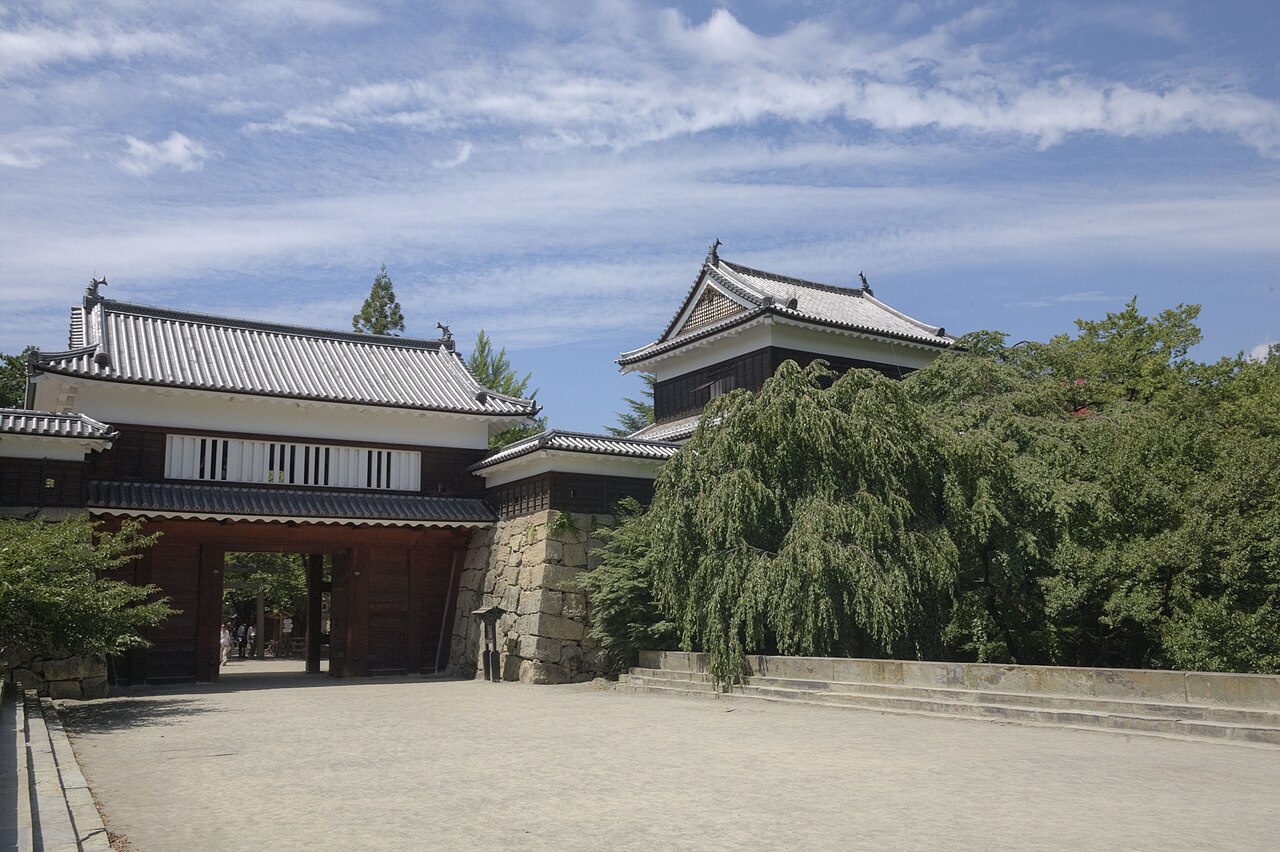
The approach to the main enclosure passes through the east gate, the East Koguchi Yaguramon gate, which was reconstructed in nineteen ninety-four on the basis of old photographs and excavation results. Two yagura (turrets), the South Yagura and the North Yagura, stand on either side of this gate.
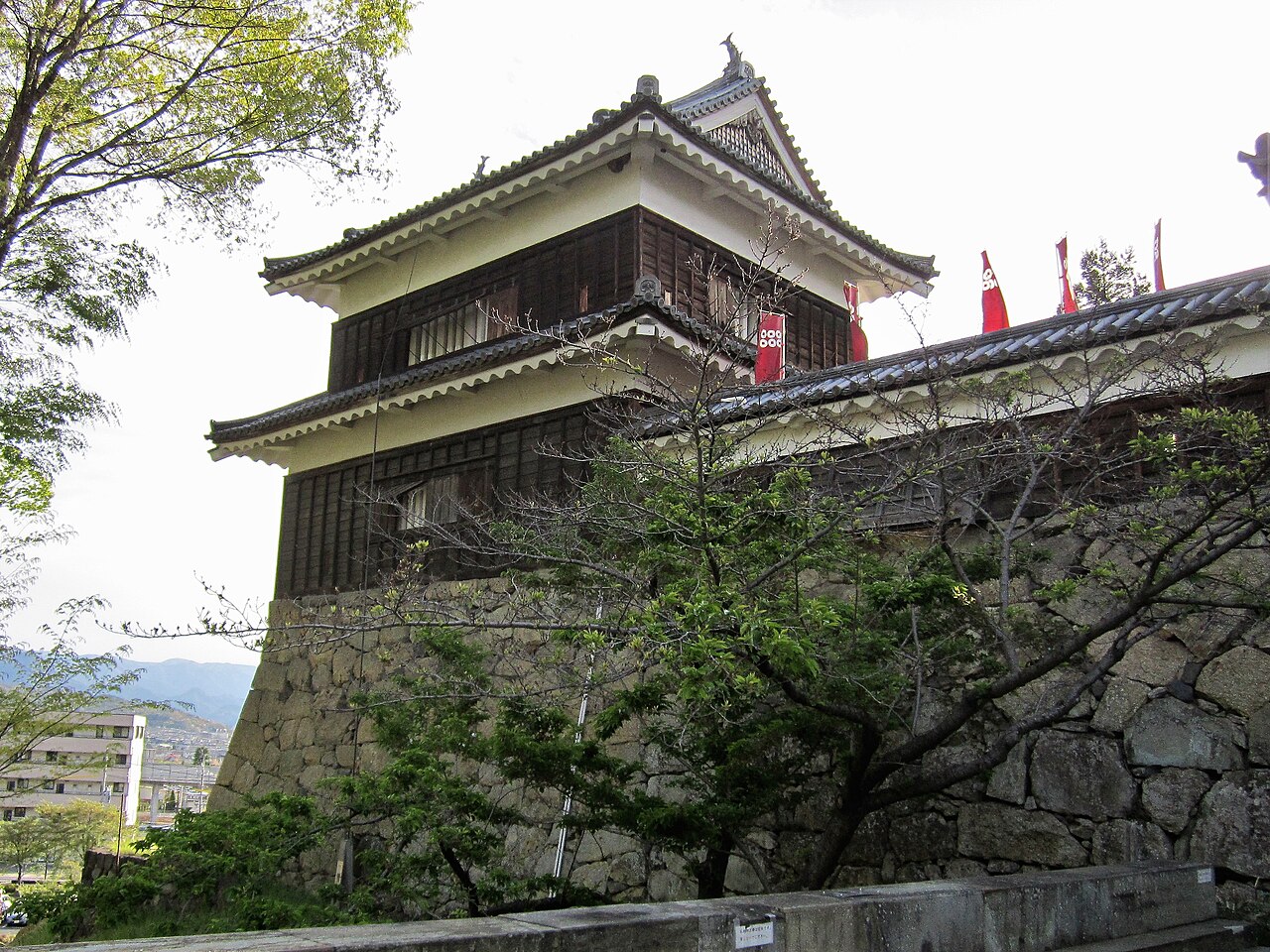
The West Yagura stands above Amagafuchi on the southwest side of the main enclosure and is the only yagura that has remained in place since the Edo period, never demolished or relocated. It and the relocated and restored South and North Yagura share the same scale and the same structural form. The roof of each yagura is of the irimoya-zukuri type.
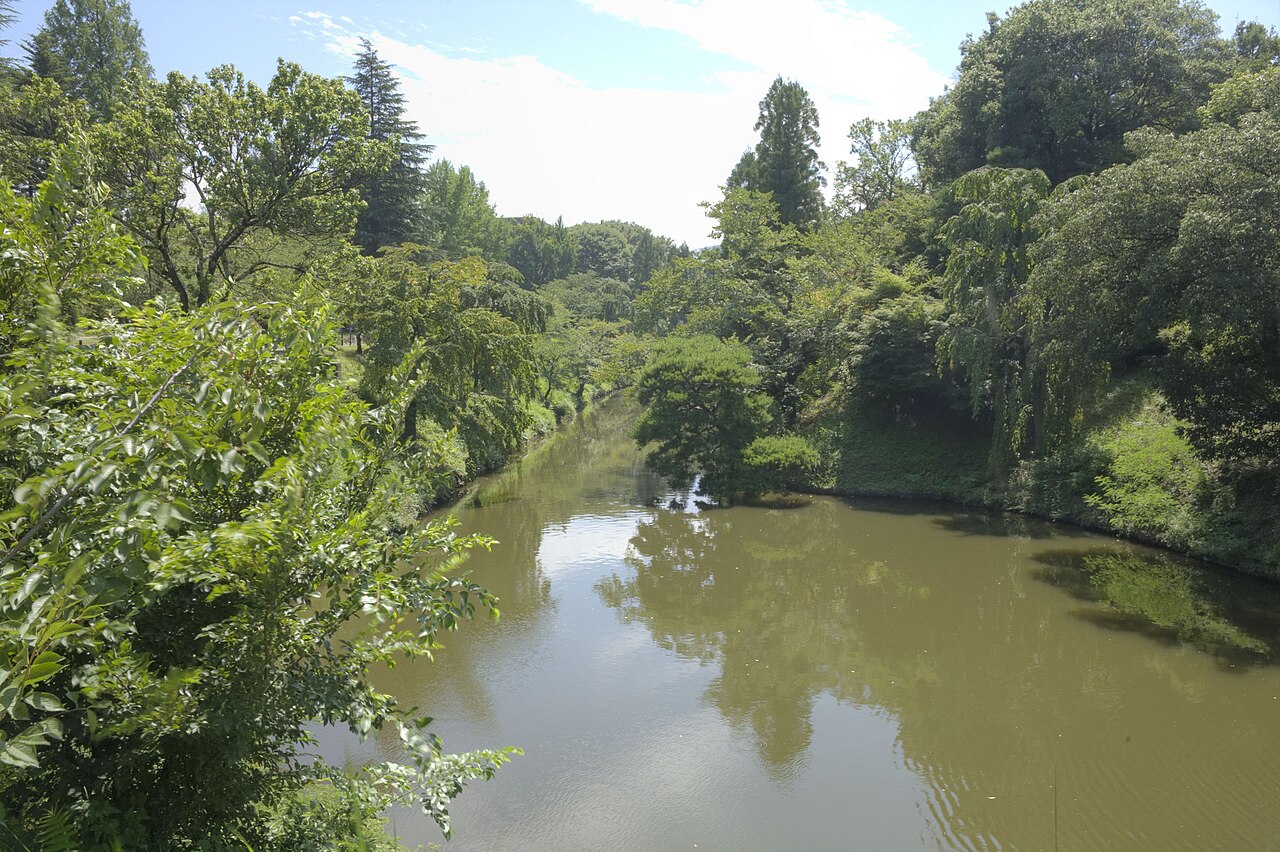
Moats and earthen ramparts surround the castle, and stone walls are used at the entrances.
Inside the Main Enclosure
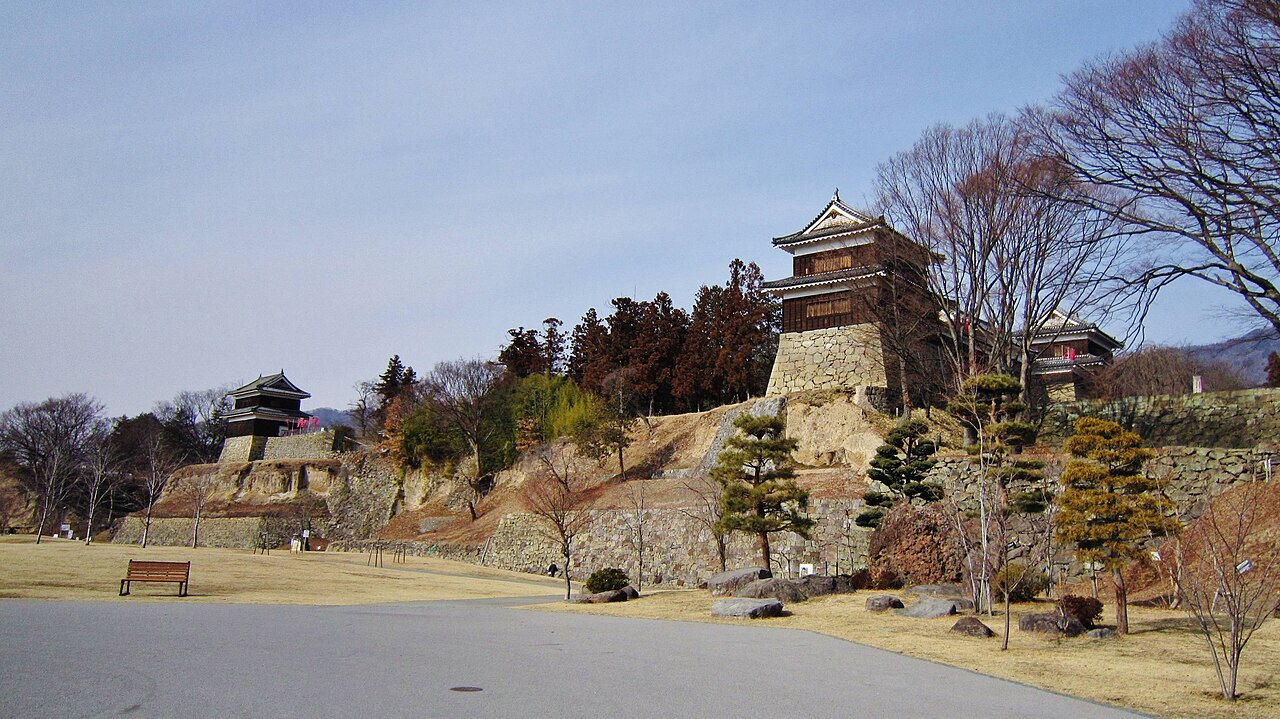
In its complete form the main enclosure, the honmaru, held seven yagura and two yagura gates. Visitors can see three yagura and one yagura gate in the main enclosure. The honmaru had only two entrances, one on the east and one on the west.
At the northeast corner of the honmaru, the earthen rampart and the moat have an inward notch called sumi-otoshi. In this structure the northeast corner, the kimon or demon-gate direction, was deliberately cut away. In the Edo period two yagura stood on either side of the cut-away corner, where one yagura at the corner would normally have sufficed.
A Short Timeline of Ueda Castle
The dates below run from the founding of the castle to the completion of the east gate.
| Year | Event |
|---|---|
| Fifteen eighty-three | Sanada Masayuki begins building the castle with the help of the Tokugawa clan |
| Sixteen twenty-six | Sengoku Tadamasa begins restoration work on the castle |
| Eighteen seventy-seven | Two yagura from the main enclosure are moved to the Ueda pleasure quarter |
| Nineteen forty-nine | Relocation and restoration work resumes and the South Yagura and North Yagura are completed |
| Nineteen fifty-nine | The West, South and North Yagura of the main enclosure are designated treasures of Nagano Prefecture |
| Nineteen ninety-four | The restoration of the East Koguchi Yaguramon gate, under way since nineteen ninety-one, is completed |
Ueda Castle was built in fifteen eighty-three by Sanada Masayuki as a flatland castle near the centre of the Ueda basin. After the Battle of Sekigahara the castle was demolished, and its lord, Sanada Nobuyuki, was moved to Matsushiro. The Sengoku clan, who came in from Komoro, restored the castle, and it later became the residence of the Matsudaira clan.
The South and North Yagura were sold to private owners, bought back through the efforts of citizens, and rebuilt in nineteen forty-nine.
Where to stay
Places to stay near Bessho Onsen, Ueda, Nagano →
Disclosure: This post may contain affiliate links. If you book through them, we may earn a commission at no extra cost to you.
The Ueda City Museum and Sanada Shrine
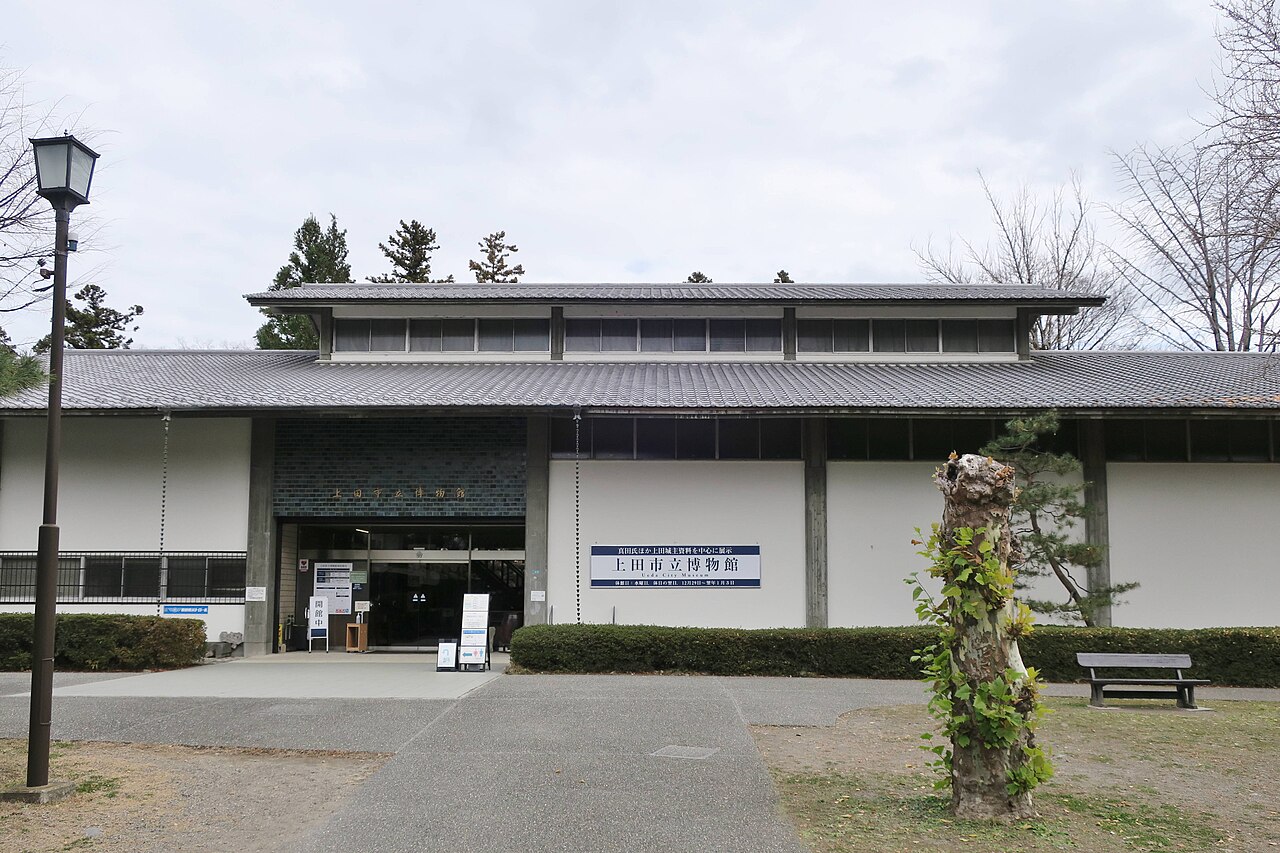
The Ueda City Museum is open from nine in the morning to five in the evening, with entry until half past four in the afternoon. The museum is closed every Wednesday, on the day after a public holiday, on the following day when a holiday falls on a Wednesday, and from the twenty-ninth of December to the third of January.
The yagura gate keeps the same times, nine in the morning to five in the evening with entry until half past four in the afternoon. The gate is closed on Wednesdays, the day after a public holiday (the next day if that is a Wednesday), and from mid-November to March. In July nineteen twenty-nine the one yagura then left on the site, the present West Yagura, opened as the Chokokan.
| Item | Detail |
|---|---|
| Ueda City Museum, individual adult | three hundred yen |
| Ueda Castle yagura, individual adult | three hundred yen |
| Combined ticket for the museum and the yagura, adult | five hundred yen |
| Combined ticket, students of high school age and above | three hundred yen |
| Combined ticket, elementary and junior high school students | one hundred fifty yen |
| Individual ticket for the museum or the yagura, students of high school age and above | two hundred yen |
| Individual ticket for the museum or the yagura, elementary and junior high school students | one hundred yen |
Sanada Shrine stands inside Ueda Castle Park. The shrine keeps hours of nine in the morning to around four in the afternoon, and it may close earlier depending on circumstances.
Yanagimachi
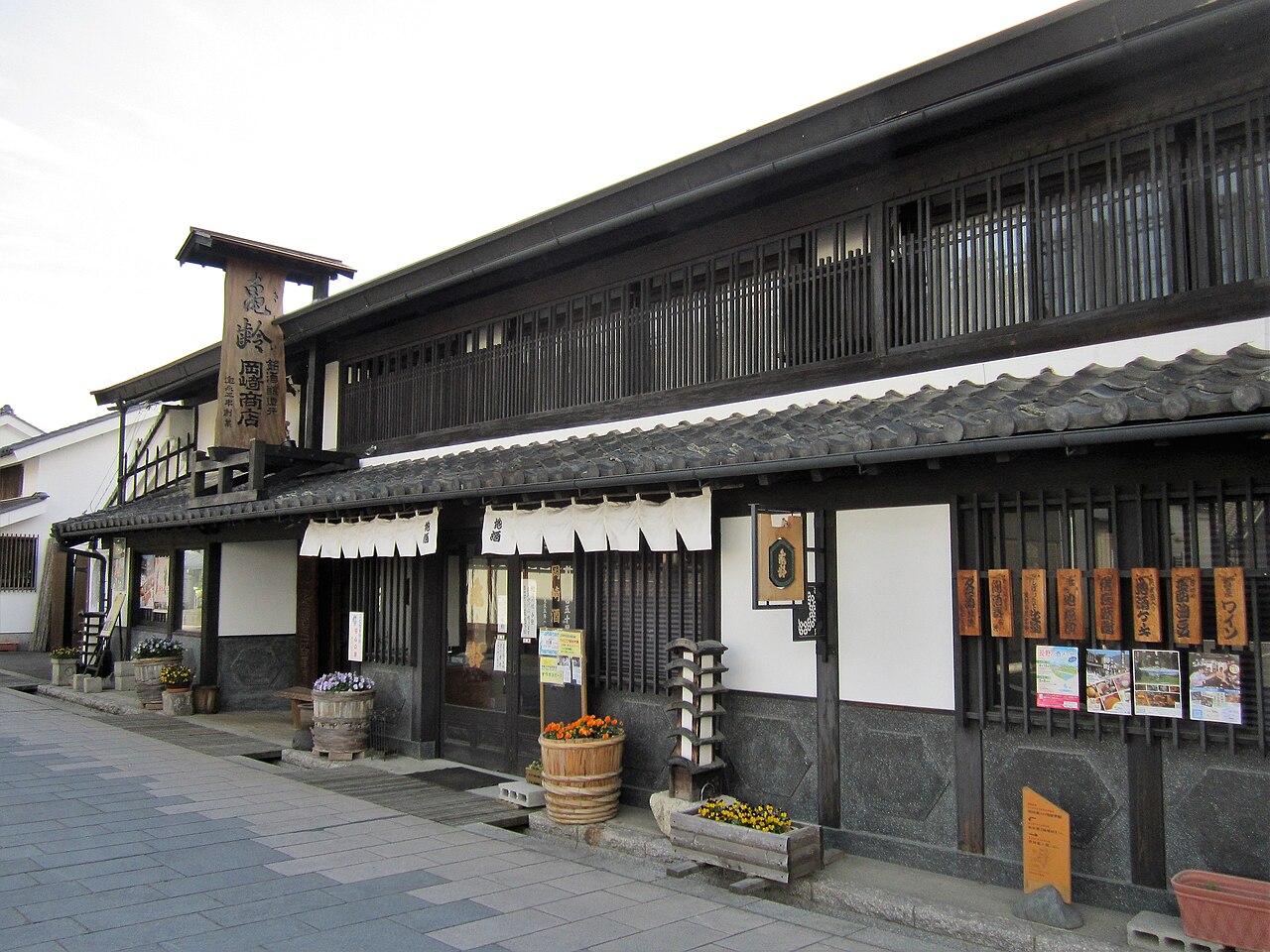
In sixteen sixty-three the town districts that included Yanagimachi had three hundred fifty households and a population of two thousand six hundred ten. In eighteen eighty-six a shrine building in the same Shinmei-zukuri style as Ise Jingu, at one third of its scale, was planned for Ueda Daijingu, and it still stands behind the worship hall.
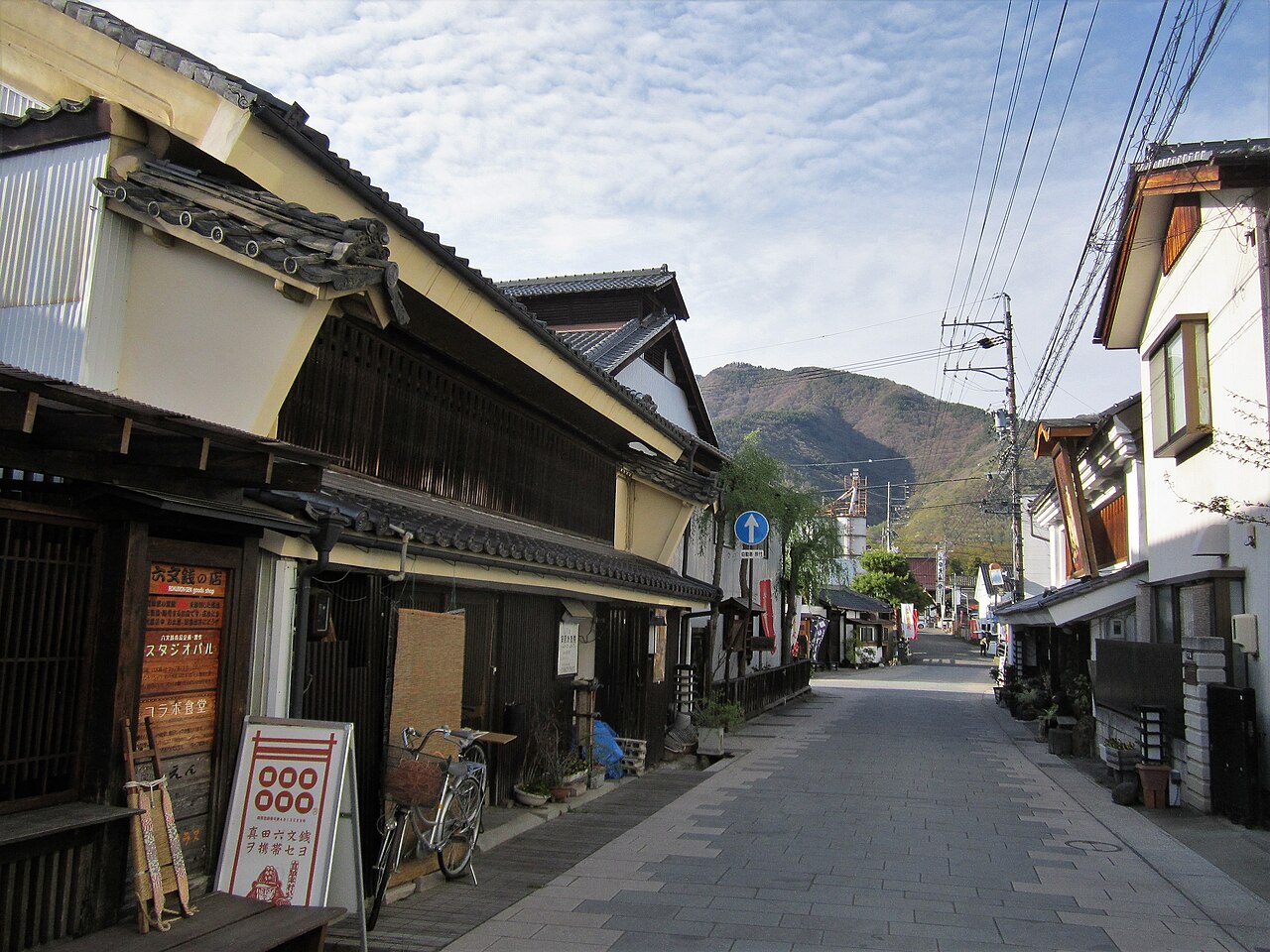
Ueda Parking is about a five-minute walk from Yanagimachi, for visitors who also use the Ikenami Shotaro Sanada Taiheiki-kan. The north tourist car park of Ueda Castle is about a seven-minute walk from Yanagimachi, for visitors who also go to the castle. Times Ueda Yanagimachi is about a one-minute walk to the street and about three minutes to each shop.
Shinano Kokubunji and Its Museum
Shinano Kokubunji in Ueda was built in the Nara period. The Shinano Kokubunji Museum displays archaeological material from prehistoric times to the Heian period, centred on finds connected with the Shinano Kokubunji ruins.
The temple-ruin park shows on the ground surface the foundations of the halls and pagodas of the monastery and the nunnery. The temple museum is open from nine in the morning to five in the evening, with entry until half past four in the afternoon. It is closed on Wednesdays and on the day after a public holiday.
The Yokaido festival at the temple is held on the seventh and eighth of January. A separate guide covers Bessho Onsen.
Fares and Parking at a Glance
The figures below cover the loop routes, the castle car parks, the Yanagimachi car park and the temple museum.
| Item | Detail |
|---|---|
| Ueda city loop bus, adult fare | two hundred yen per ride, the same on both Orange Bus routes |
| Ueda city loop bus, high school students and younger, and disability certificate holders | one hundred yen per ride |
| North and south car parks, first hour after entry | free, then one hundred yen per hour in the normal period |
| North and south car parks, maximum per day | five hundred yen in the normal period and one thousand yen in the special period, switching at midnight and applied again each day |
| Bus car park at the castle | two thousand yen per use per day |
| Times Ueda Yanagimachi, regular rate | one hundred yen per thirty minutes |
| Times Ueda Yanagimachi, maximum | five hundred yen per twenty-four hours |
| Shinano Kokubunji Museum, adult admission | two hundred fifty yen |
If you want to add an activity to the trip, take a look at options around Ueda.