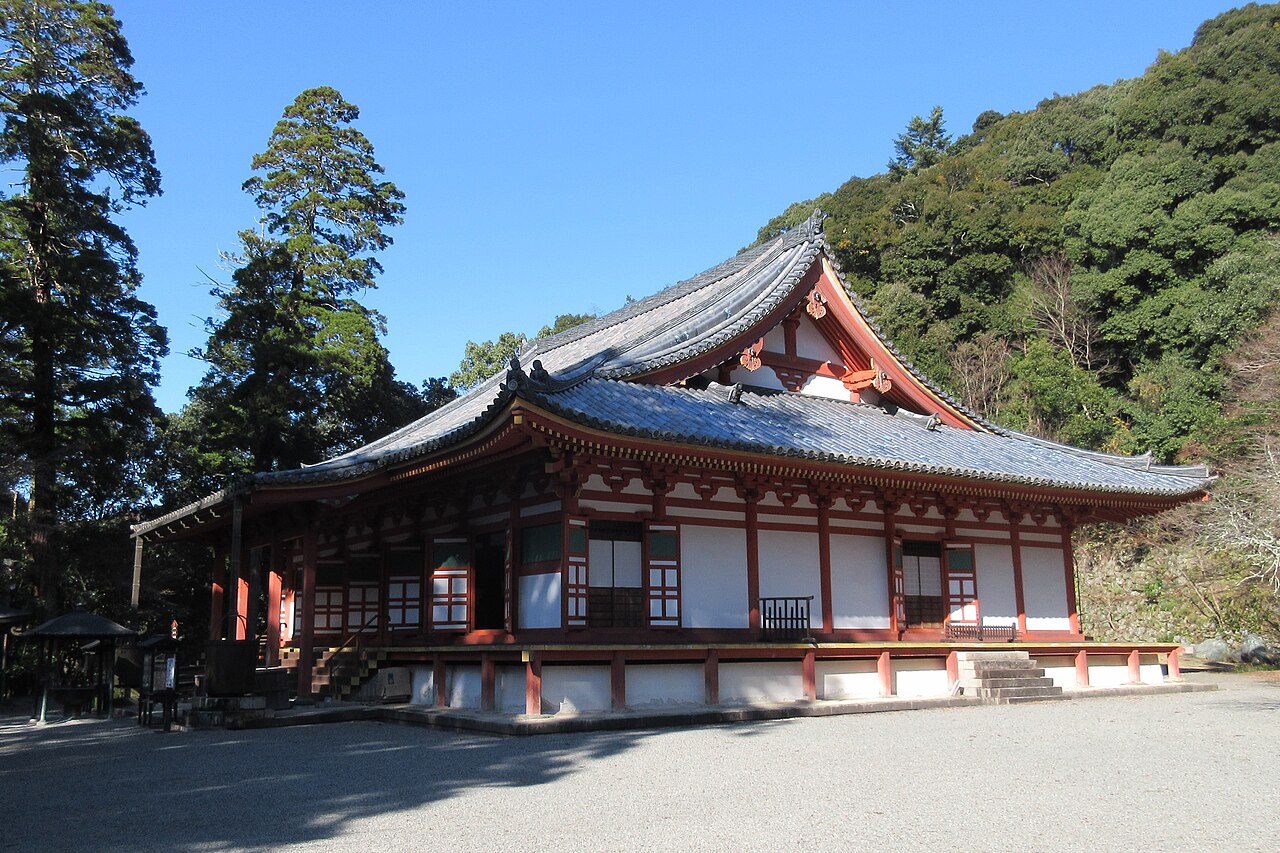
Getting to Kanshinji
| Leg | How | Time or distance |
|---|---|---|
| Kawachinagano to the Kanshinji stop | Nankai route: the Kobuki line bound for Kongosan or the Kobukidai Danchi line bound for Kobukidai | Get off at Kanshinji |
| Kawachinagano Station to Kanshinji | On foot along the national road toward Gojo, where part has no sidewalk | Four kilometers |
| Mikkaichimachi Station to Kanshinji | On foot, eastward, with a sidewalk | Three kilometers |
| Kanshinji bus stop to the temple gate | On foot | Three hundred meters |
Admission, Hours, and Parking
If you arrive by car, expect free parking except on New Year's Eve and during the New Year period, when a charge of five hundred yen applies, so check official information before visiting. Choose between the parking lot south of the bus stop, which holds fifty passenger cars, and the parking lot in front of the main gate, which holds one hundred passenger cars.
Bring a group of thirty or more people and the mountain entry fee charged to each adult comes with a group discount. No buses run to Kanshinji from Mikkaichimachi, so if you start from that side, count on covering the distance on foot.
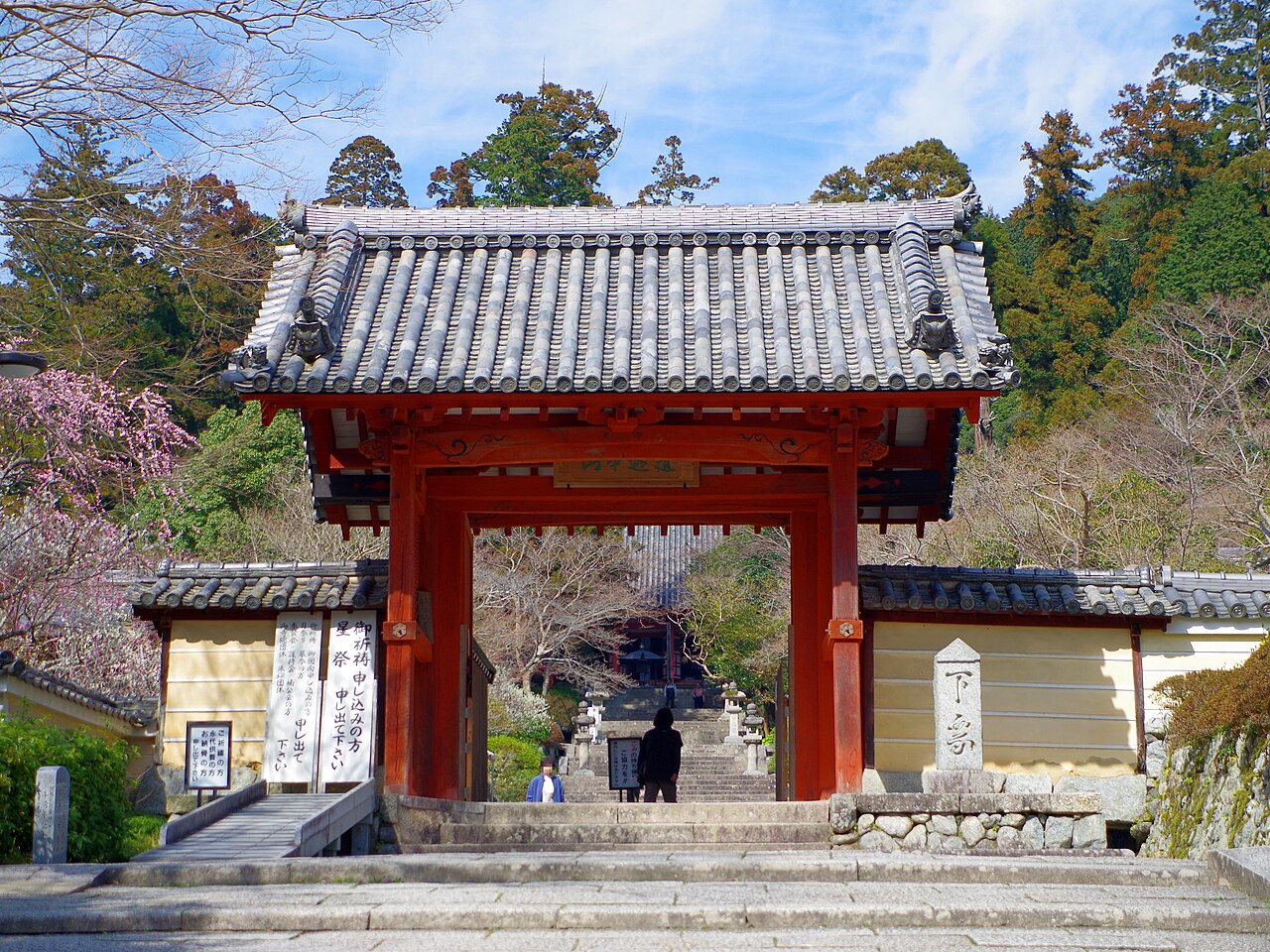
- Pay the adult entry fee of three hundred yen when you arrive.
- Come within the visiting hours of nine in the morning to five in the afternoon, with last reception at half past four in the afternoon.
The Principal Image Days in April
Plan a spring visit around April seventeen and eighteen, the two days in each year on which the principal image of Kanshinji, a national treasure, is opened to view.
- Arrive between ten in the morning and four in the afternoon on those two days to see the principal image.
- Expect an extra admission fee of one thousand yen on each of the two viewing days.
History and the Kusunoki Tombs
As you walk up toward the halls, keep in mind that En no Gyoja opened this temple in the early eighth century, when it went by its first name, Unshin-ji. In the early ninth century, in the sixth year of the Konin era, Kobo Daishi Kukai rebuilt the temple as a training hall of the Shingon school.
The Kondo, a national treasure in its own right, is said to have gained its outer sanctuary by order of Emperor Go-Daigo, with Kusunoki Masashige serving as magistrate of the work.
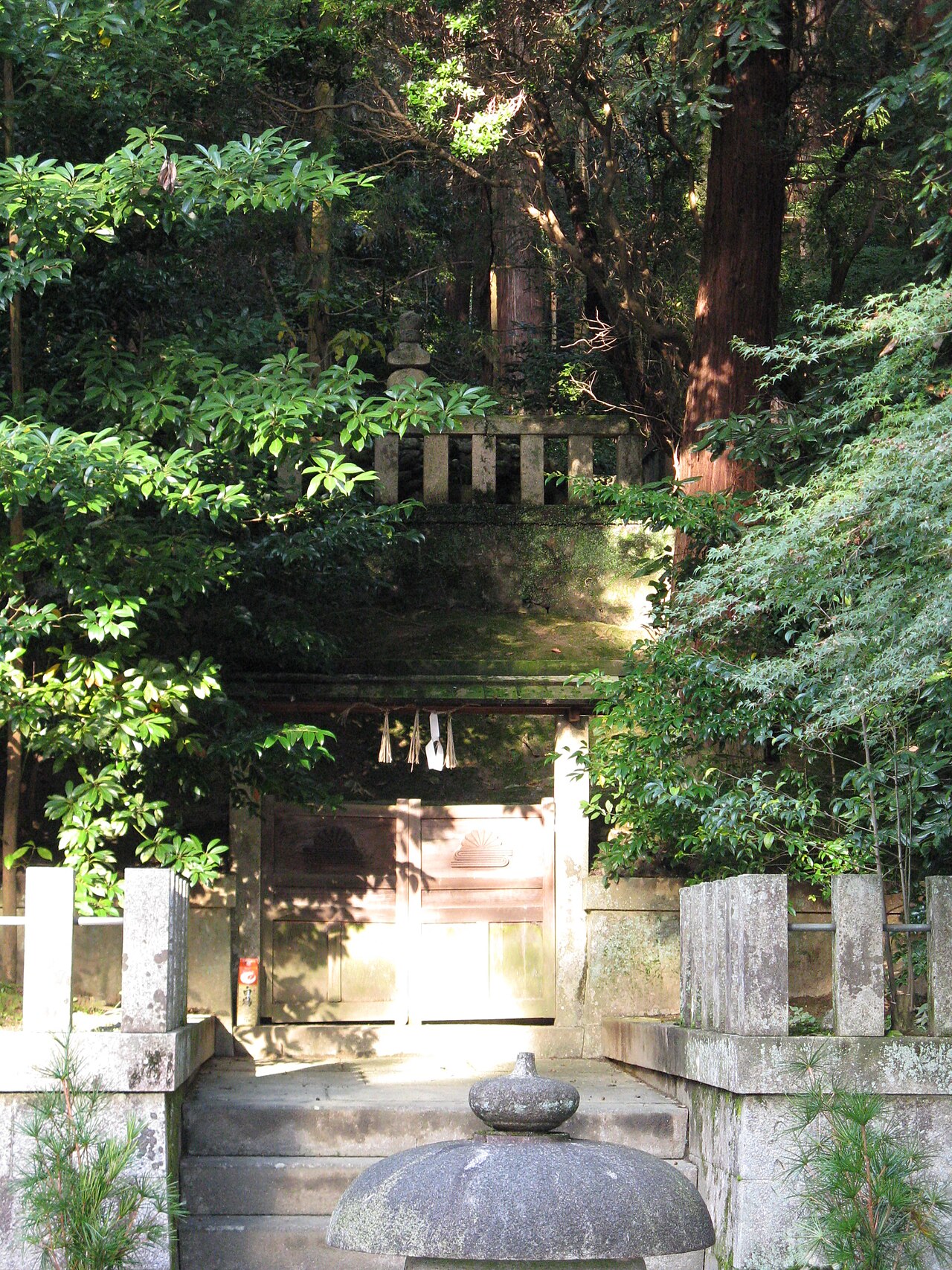
- Look within the grounds for the tomb of Jitsue, a disciple of Kobo Daishi, the mausoleum of Emperor Go-Murakami, the ninety-seventh emperor, and the grave of Kusunoki Masashige.
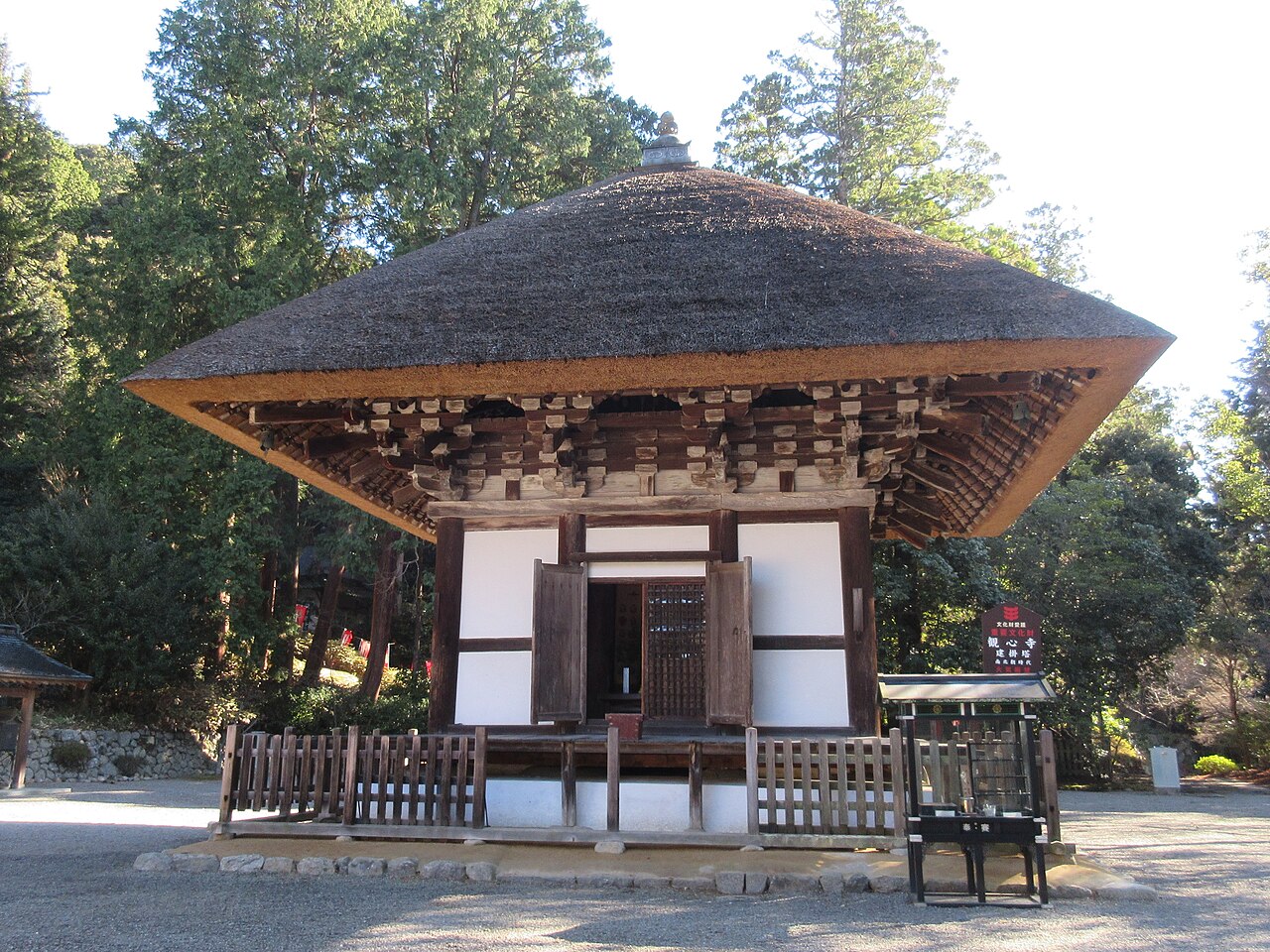
- Find the unfinished pagoda, which is said to have been begun as a three-storied pagoda at Kusunoki Masashige's vow and left incomplete when he died in the Battle of Minatogawa.
Where to stay
Places to stay near Kawachinagano, Osaka, Japan →
Disclosure: This post may contain affiliate links. If you book through them, we may earn a commission at no extra cost to you.
Meditation, Sutra Copying, and Talks
Join the Ajikan meditation session, which is held at Chuin on the last Saturday of every month, from nine to ten in the morning.
- Pay one thousand yen to take part in the Ajikan, in addition to the separate entry fee of three hundred yen.
- Stay on for the sutra-copying session, held on the last Saturday of each month from ten thirty in the morning until noon.
- Come on the eighteenth of every month for the Dharma talk and meditation day at Chuin, from ten to eleven in the morning.
Yearly Services at Kanshinji
Time a winter visit for January seventh, when the Shichinichido Shushue service is held at Kanshinji. The Setsubun Star Festival is held on February third.
The spring equinox memorial service is held on the middle day of the spring equinox week. The memorial service for Emperor Go-Murakami is held on April sixth.
- Make the New Year's first temple visit between January first and January fifth.
- Attend the tea offering ceremony on the first Sunday of April.
Amanosan Kongoji and Enmeiji Nearby
Set aside time for Amanosan Kongoji, where about four hundred years after its founding Akan Shonin enshrined Kobo Daishi and rebuilt the complex, including the main hall and the multi-tiered pagoda. The main hall of Kongoji enshrines Dainichi Nyorai, the principal image and a national treasure, with the attendants Gozanze Myoo and Fudo Myoo standing on each side. Inside the first level of the Kongoji pagoda, Dainichi Nyorai is enshrined and a world of Buddhas is painted in rich colors.
To reach Kongoji, board a Nankai Bus from stop three in front of Kawachinagano Station, bound for Cycle Sports Center or Asahigaoka, and get off at Amanosan. The bus for Cycle Center that leaves from stop seven in front of Kawachinagano Station does not pass through Amanosan.
At Kongoji, an elementary school student pays one hundred yen to enter the garan precinct. For the honbo, the fee for an elementary school student at Kongoji is two hundred yen.
Enmeiji, for its part, was founded by the local monk Jogon, who received the patronage of Tokugawa Tsunayoshi, the fifth Edo-period shogun, and of daimyo. The cycling route from Kanshinji to Enmeiji takes fifteen minutes and covers three point two kilometers. The visiting hours at Enmeiji run from eight in the morning until five in the afternoon.
- Pay two hundred yen as an adult to enter the garan precinct at Amanosan Kongoji.
- Pay four hundred yen as an adult to enter the honbo at Amanosan Kongoji.
- If you are an adult, buy the combined garan and honbo ticket at Amanosan Kongoji, sold for adults at five hundred yen.
- Visit Amanosan Kongoji within its hours of nine in the morning to half past four in the afternoon.
Staying Near Kawachinagano
Stop by the Kawachinagano City visitor information center, which keeps business hours from nine in the morning to five in the afternoon. The center closes for the year-end and New Year period, from December twenty-ninth to January fifth. If you want to be in town before the morning sessions start, look through places to stay in Kawachinagano.