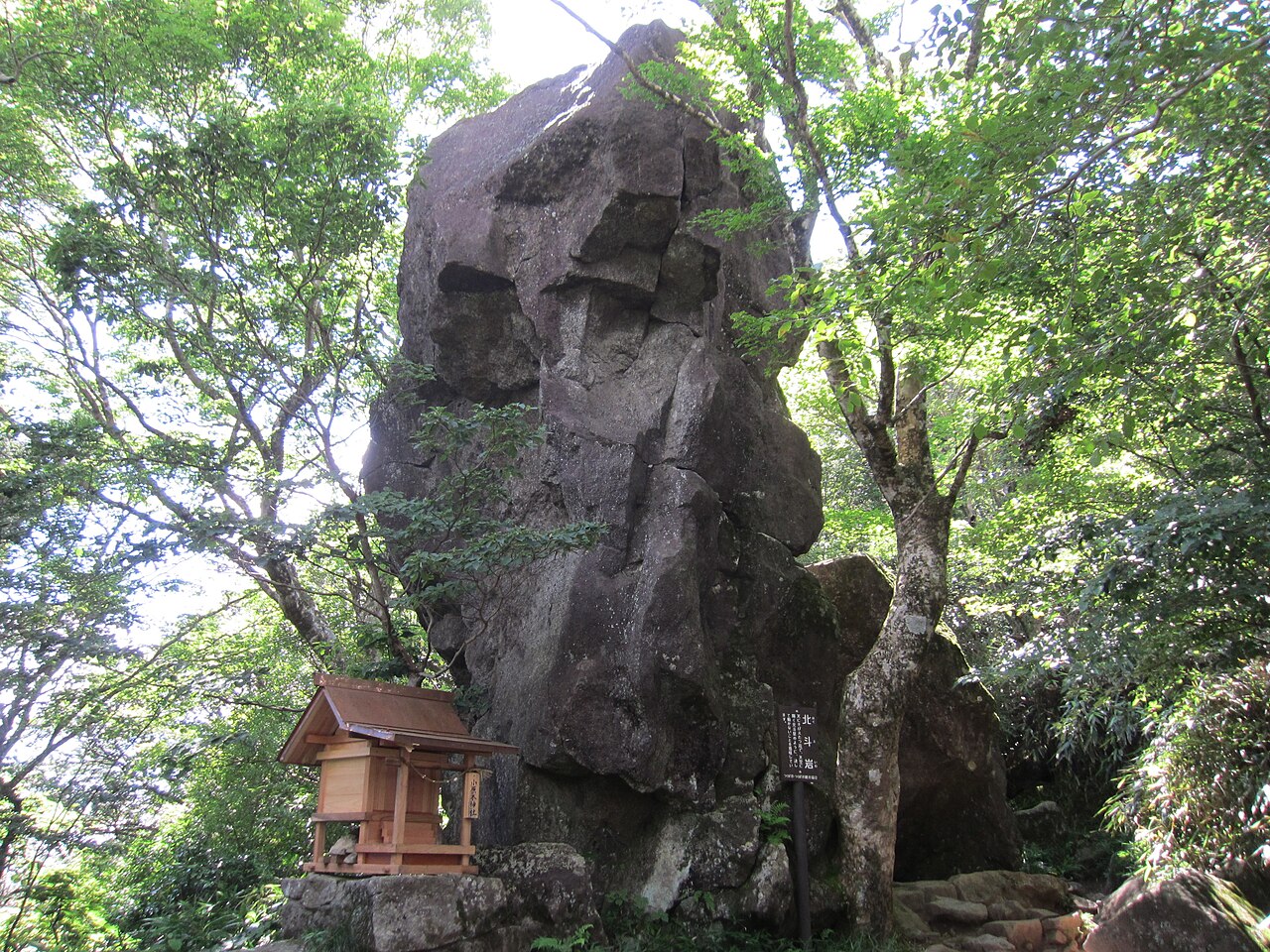
Mount Tsukuba stands alone. Its twin summits — Nantaisan and Nyotaisan — rise straight out of the flat Kanto Plain in Ibaraki Prefecture, which is why an old saying pairs it with Mount Fuji, and why the views from the top run so absurdly wide. It is counted among Japan's Hundred Famous Mountains, nicknamed the Purple Peak for the way its forested slopes shift color between morning and evening, and it offers something rare: a genuine two-summit mountain walk.
A mountain that is itself the shrine
Tsukuba has been venerated since ancient times, and the mountain itself is treated as a divine body — the deity does not live in a building here; the peaks are the deity. Tsukubasan Shrine's great worship hall stands on the southern slope at mid-mountain, behind the Zuishinmon gate built in the late Edo period, while the true inner sanctuaries sit on the two summits: the male deity Izanagi enshrined on Nantaisan, the female deity Izanami on Nyotaisan. Because the enshrined pair are a married couple, the shrine draws visitors seeking matchmaking and marital-harmony blessings — couples climbing together is a Tsukuba tradition.
The classic circuit: up one side, down the other
The mountain's layout invites a small traverse. A ropeway serves the Nyotaisan flank (adults 1,300 yen round trip). Walk the summit trail between the two peaks — a rocky, root-laced path with long views opening left and right. The between-peaks stretch is where the crowds thin: most visitors cluster at the top stations, and the trail in the middle belongs to walkers.
Getting there
- The Tsukuba Express line runs from Akihabara Station to Tsukuba Station in a minimum of 45 minutes — the fastest rail approach from central Tokyo.
- From Tsukuba Station, a direct shuttle bus continues to the shrine entrance area at mid-mountain; buy the return leg or a combined ticket at the station counter before boarding.
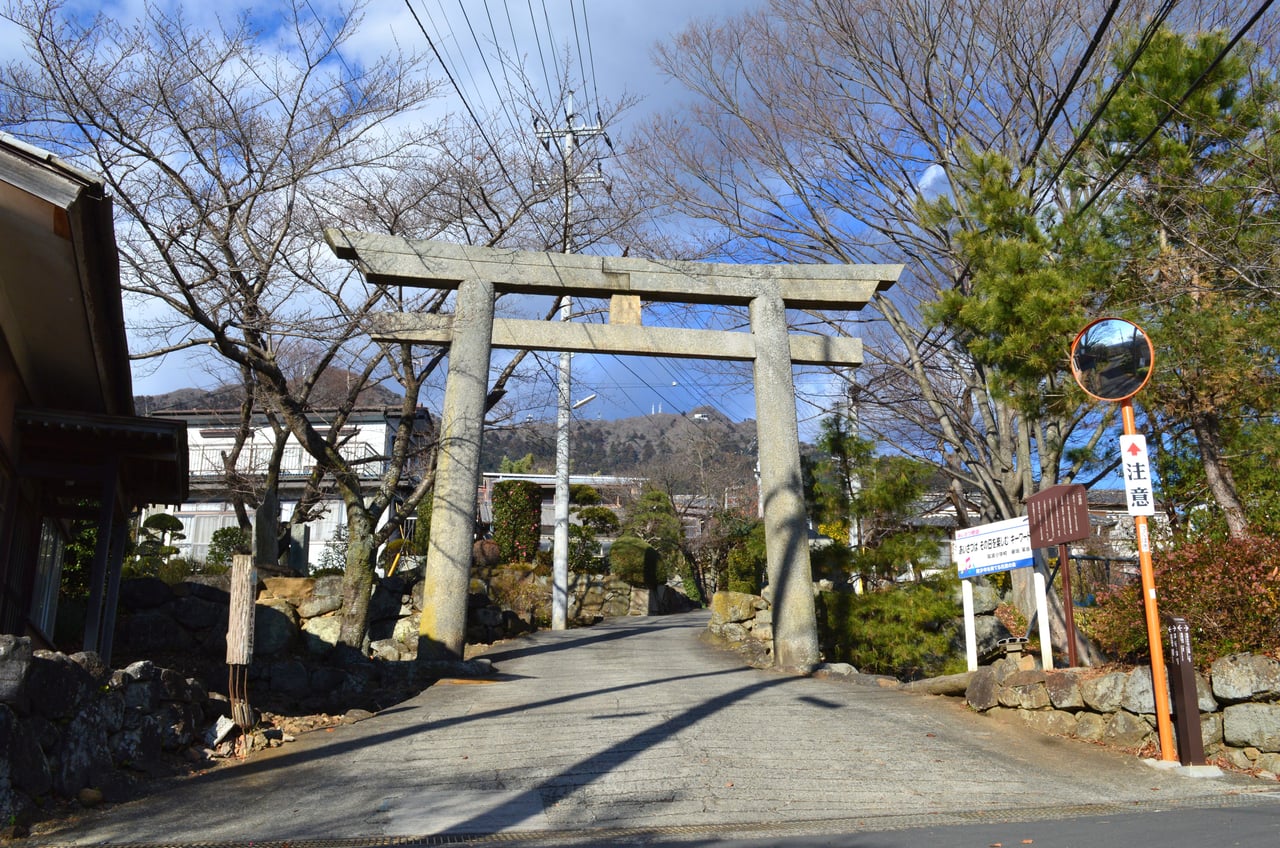
New to rural buses and one-man trains? See how to ride them, step by step.
Where to stay
Disclosure: This post may contain affiliate links. If you book through them, we may earn a commission at no extra cost to you.
How to keep it quiet
- Come on a clear weekday: Tsukuba is a beloved family mountain on fine weekends.
- Start early and take the between-peaks trail slowly — the top stations are the only genuinely busy points.
- From late autumn into winter, the famous Tsukuba oroshi — a cold, dry northwesterly wind — sweeps the plain and the exposed upper mountain. Days like that are sharp-viewed and nearly empty, but bring real windproof layers.
Honest notes
The summit trail is a proper mountain path: rocky in places, slick after rain, and not a stroll for smooth-soled shoes. The wind exposure in winter is no joke. And the wide views depend entirely on clarity — on a hazy summer afternoon you will see the plain dissolve into white; the crystalline days come in autumn and winter.
The essentials
- Akihabara to Tsukuba Station: minimum 45 minutes by Tsukuba Express, then shuttle bus to the shrine.
- Ropeway: adults 1,300 yen round trip.
- The up-one-down-the-other traverse with the summit trail between is the recommended shape of the day.
For more ideas, compare all our car-free escapes in the quiet day trips from Tokyo roundup.
Compare options and book via our partner links: Tsukuba-area tours and experiences on GetYourGuide.