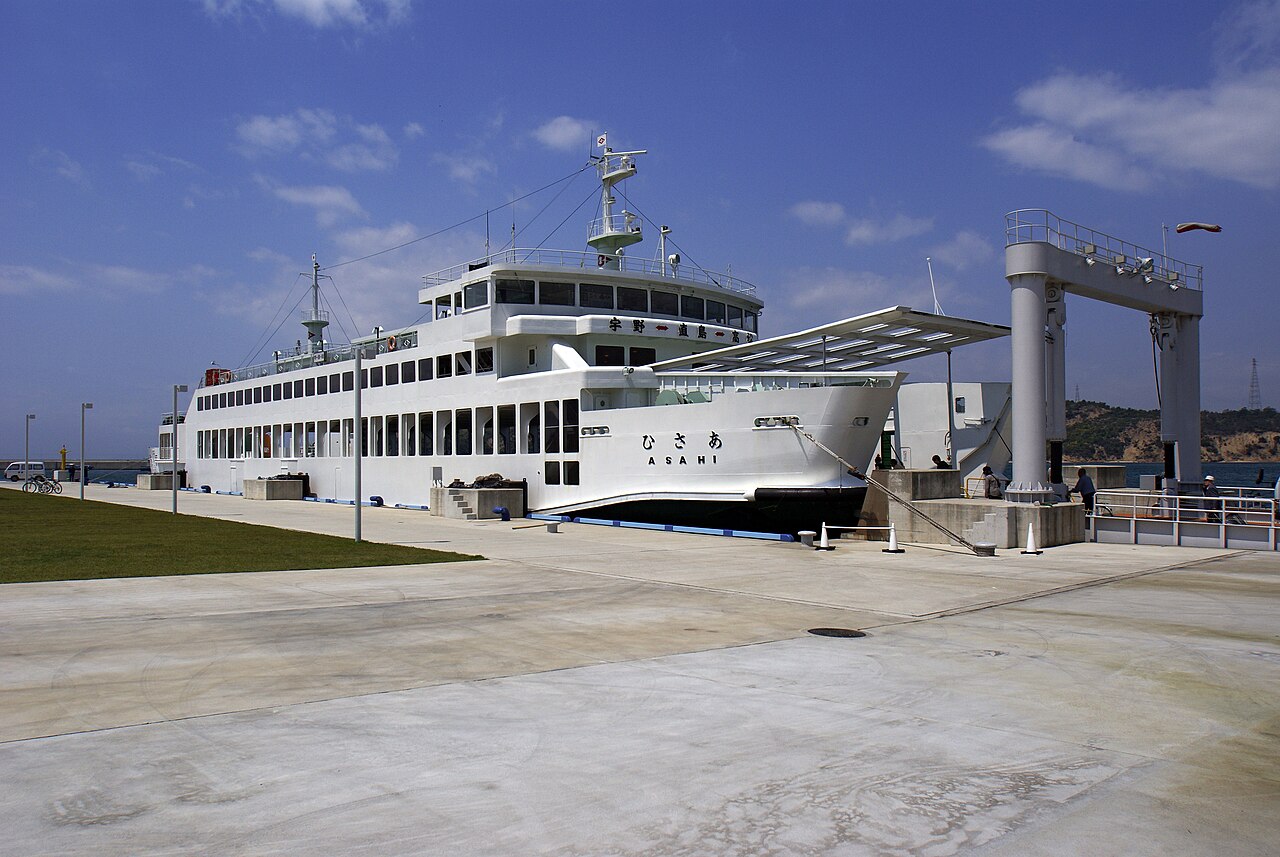
This guide covers a day trip to Naoshima in Kagawa Prefecture: the ferries from Uno Port and Takamatsu Port, the villages of Miyanoura and Honmura, the Naoshima Sento bathhouse, and the Chichu Art Museum, Lee Ufan Museum and Benesse House Museum on the southern shore. It also tells how the island became an art island and how to fit it all into one day; for anything you would rather arrange ahead, browse the activities listed for Naoshima.
Getting to Naoshima by Ferry
Shikoku Kisen operates the scheduled route between Takamatsu Port and Miyanoura Port, the main ferry landing on Naoshima. A guidebook describes a second ferry link with Uno Port in Okayama Prefecture, which makes it possible to combine Kagawa and Okayama in one trip. The steps below cover both approaches and what to do with a bicycle.
From Uno Port, the passenger boat takes about fifteen minutes, a little quicker than the car ferry on the same route. On the Takamatsu side, there is a ferry and a high-speed passenger boat, each with its own fare. Fares for every sailing, including the extra charge for a bicycle, are set out in the table after the steps.
- From Uno Port, the ferry to Miyanoura Port takes about 20 minutes.
- From Takamatsu Port, the ferry to Miyanoura Port takes about 50 minutes.
- To bring a bicycle on board the ferry, pay 330 yen one way on top of the passenger fare.
| Sailing | Fare |
|---|---|
| Ferry, Uno Port to Miyanoura Port, adult one way | 370 yen |
| Passenger boat on the Uno Port route, late-night fare, adult / child | 730 yen / 370 yen |
| Ferry, Takamatsu Port to Miyanoura Port, adult one way | 680 yen |
| High-speed passenger boat on the Takamatsu Port route, adult one way | 1,590 yen |
| High-speed passenger boat on the Takamatsu Port route, child one way | 800 yen |
| Bicycle carried on the ferry, one way, added to the passenger fare | 330 yen |
Miyanoura and Honmura: The Port Villages
Miyanoura is where the ferries land, and Yayoi Kusama's outdoor work Red Pumpkin is described as standing in the green space by the quay, with holes that let you step inside, though the surface is not for climbing. A guidebook notes that the port has a shop and a restaurant, so a meal or some shopping can come first.
The Naoshima Sento, known as I♥湯, is a working public bath that a guidebook describes as an artwork by Shinro Ohtake, with mosaic tiles on the facade and in the tubs and a huge elephant on the bathroom ceiling. It opens only in the afternoon, so check the hours and admission in the table below before planning a soak.
| Naoshima Sento | Detail |
|---|---|
| Admission | 660 yen |
| Admission, children aged 15 and under | 310 yen |
| Hours | 13:00 to 21:00, last admission 20:30 |
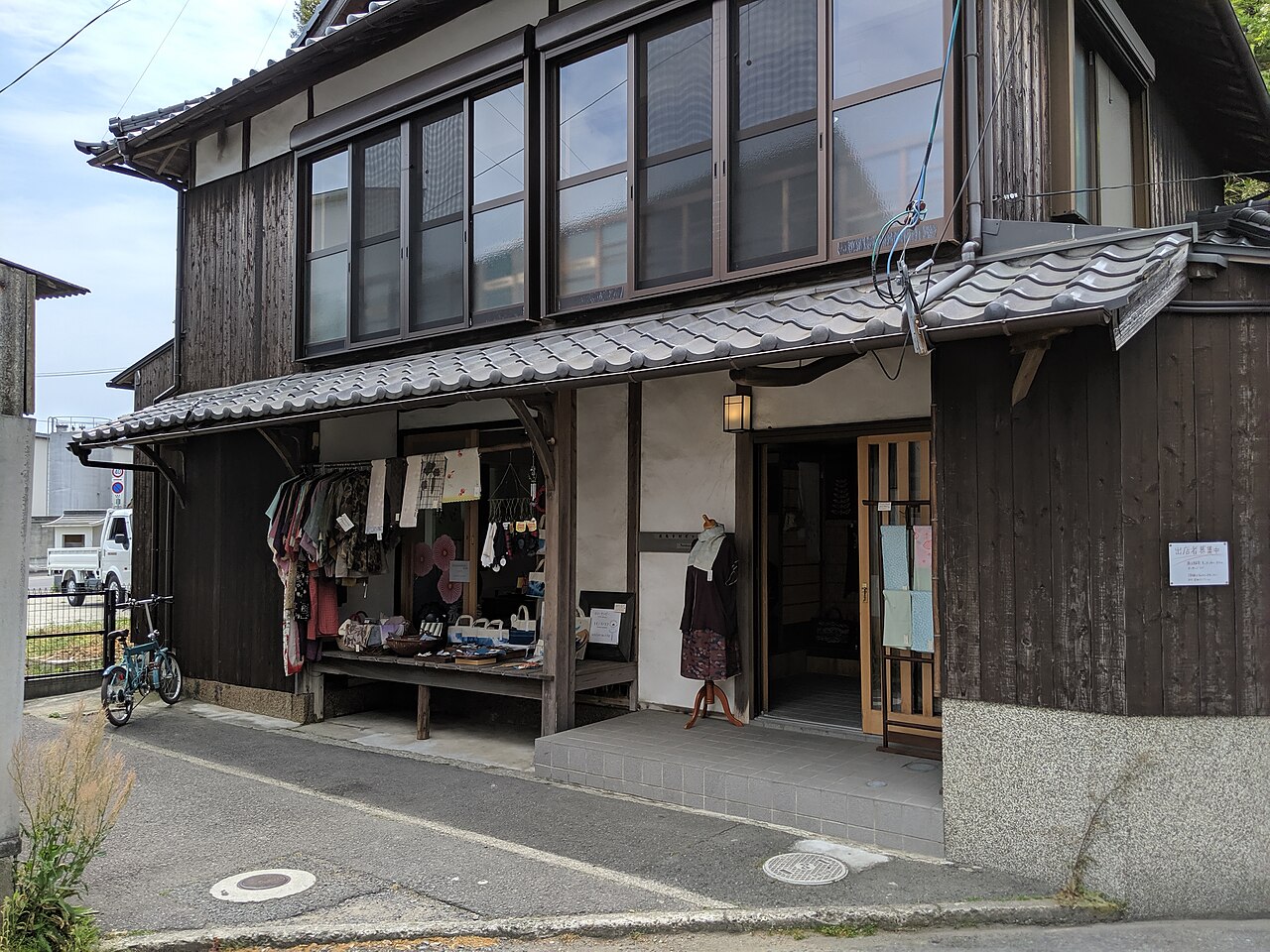
Honmura, the second village, is where a guidebook places the ANDO MUSEUM, a traditional house more than a century old whose interior is bare concrete, showing Tadao Ando's design sketches and old photographs of the island. Eateries, from udon shops to cafes, are described as clustering in Miyanoura and Honmura, while the Benesse House area is said to have few.
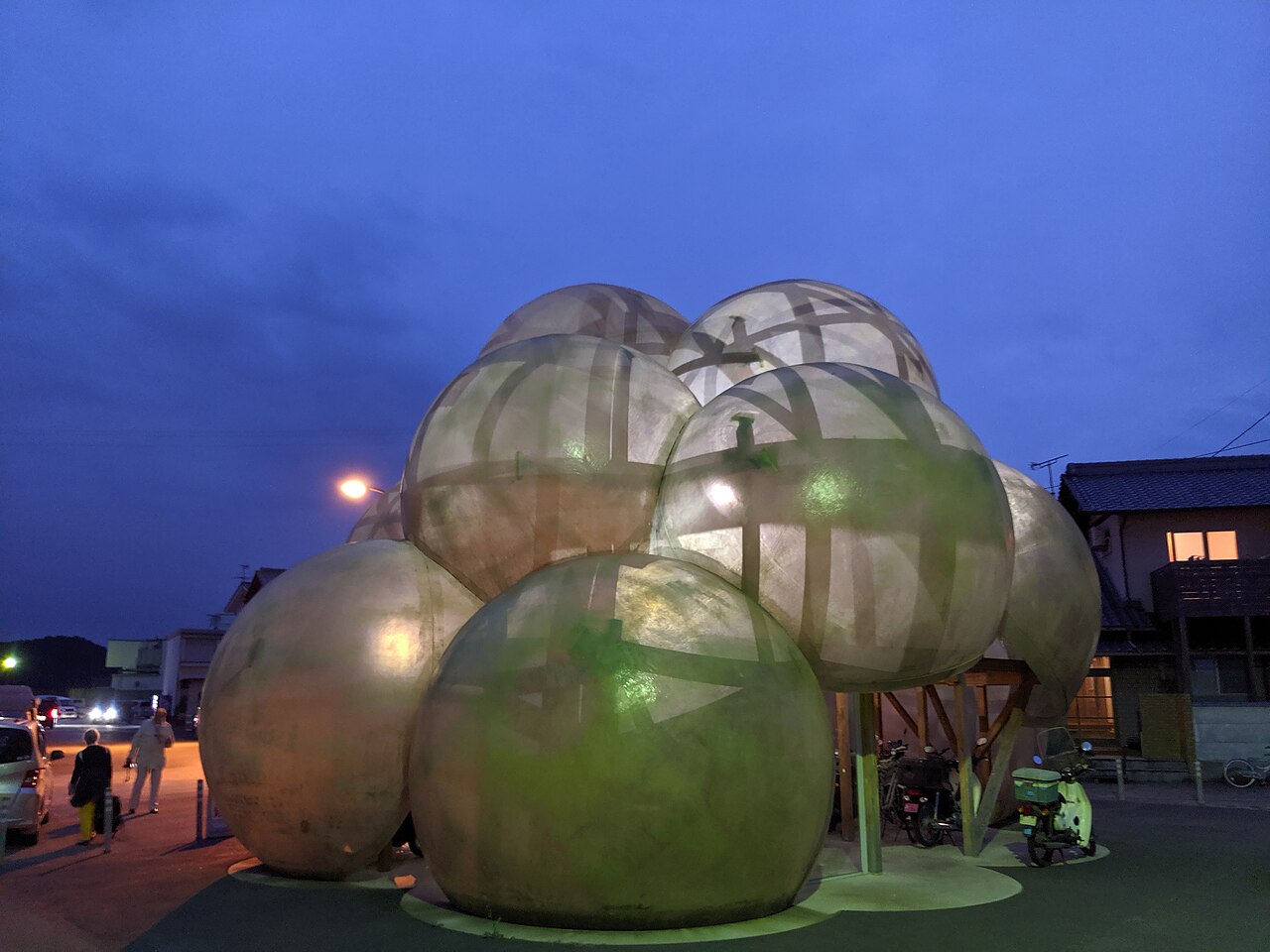
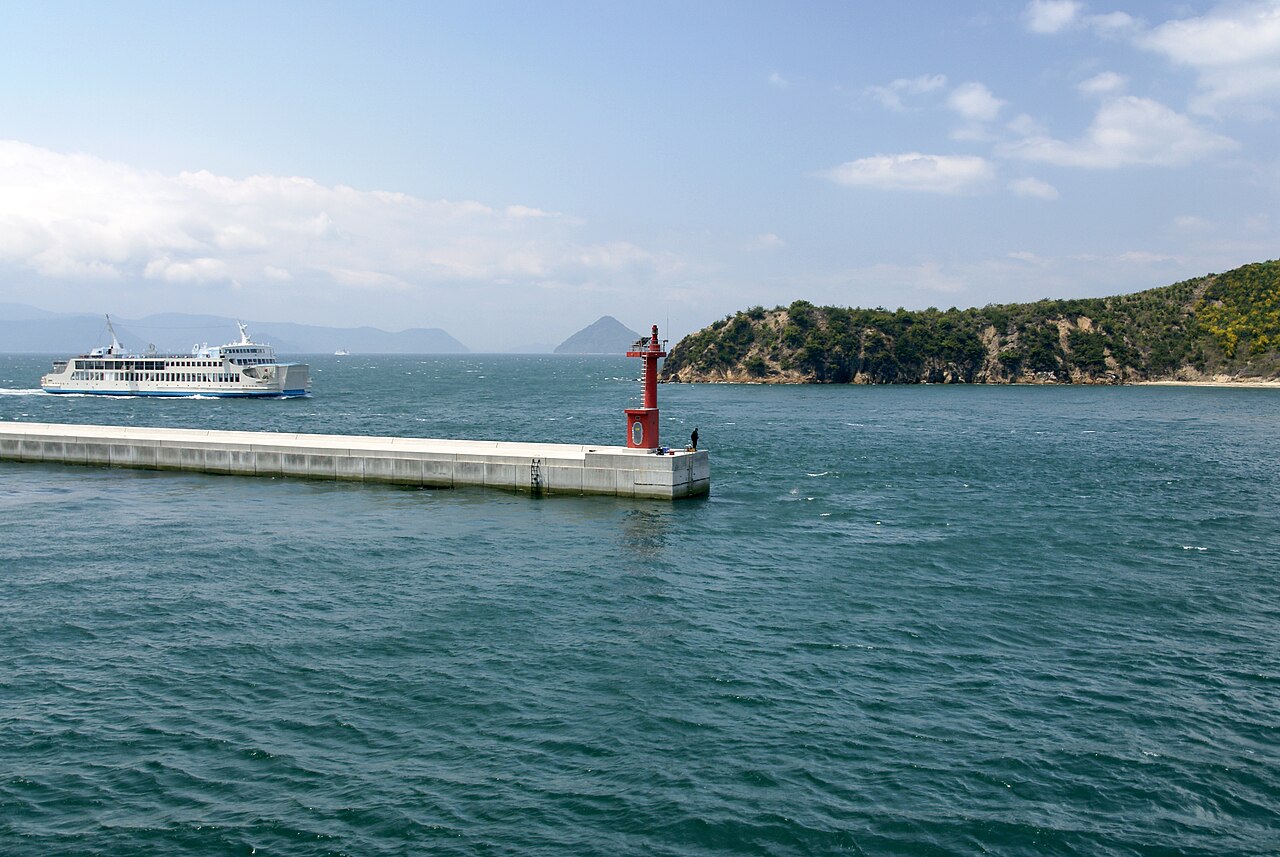
Where to stay
Places to stay near Naoshima, Kagawa, Japan →
Disclosure: This post may contain affiliate links. If you book through them, we may earn a commission at no extra cost to you.
Chichu, Lee Ufan and Benesse House on the Southern Shore
The Chichu Art Museum, designed by Tadao Ando around the theme of nature and people, has the greater part of its building set below ground. Inside hang five paintings from Monet's Water Lilies series, alongside a large installation by Walter De Maria. Its hours and the gap between online and window tickets are in the table below.
The Lee Ufan Museum is devoted to a single artist, Lee Ufan. Tadao Ando designed its half-sunken building, and outdoor sculptures combining stone and metal plates stand in the grounds, so that nature, work and architecture are experienced as one. Admission here, as at the other venues, also differs between online and window purchase.
| Venue | Item | Detail |
|---|---|---|
| Chichu Art Museum | Weekday admission | 2,500 yen online, 2,800 yen at the window |
| Chichu Art Museum | Weekend and holiday admission | 2,700 yen online, 3,000 yen at the window |
| Chichu Art Museum | Hours | 10:00 to 17:00, last admission 16:00 |
| Chichu Art Museum | Annual passport | 12,000 yen, valid for one year |
| Lee Ufan Museum | Admission | 1,200 yen online, 1,400 yen at the window |
| Benesse House Museum (including Valley Gallery) | Admission | 1,300 yen online, 1,500 yen at the window |
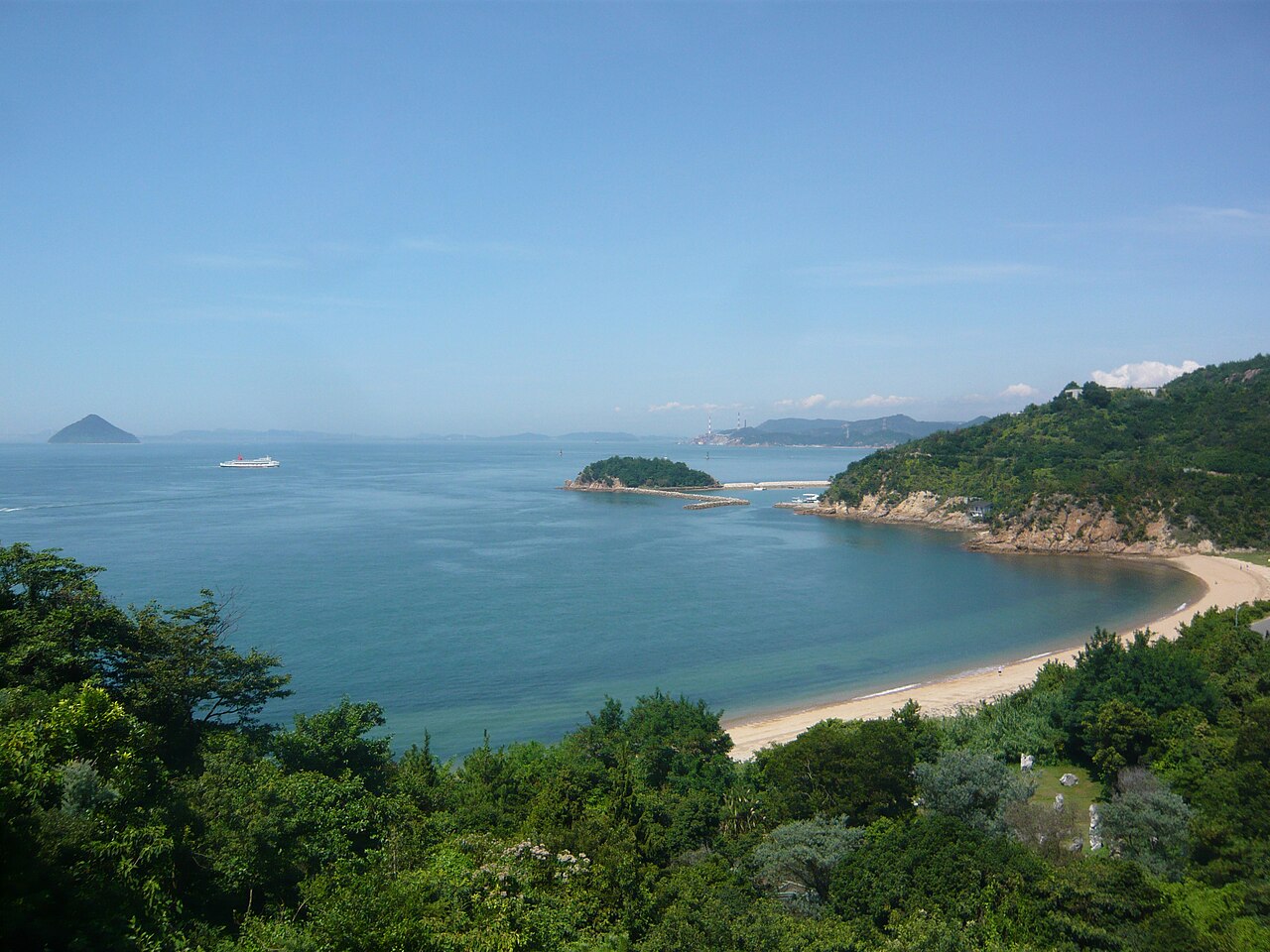
Benesse House Museum lies at Kotohikichi on the south coast, and a guidebook describes it as the core of Benesse Art Site Naoshima, uniting museum, hotel and outdoor display. The guidebook notes that it dates from nineteen ninety-two, was designed by Ando around the coexistence of nature, architecture and art, and has half of its building sunk into the ground.
Many works here are described as site-specific, made by artists invited to create in place, so each piece carries something of the land. Outside, the guidebook places Kusama's Pumpkin near the pier, with works by Karel Appel and Walter De Maria across the lawn and seaside gallery. A shuttle bus is described as linking the facilities within the grounds.
How Naoshima Became an Art Island
A guidebook notes that the island's second life began in nineteen ninety-two, when Benesse House Museum first welcomed visitors and Naoshima was reborn as an island of art. Museums followed one after another, so a single day has to be shared between villages and shore. Walking the outdoor works around Benesse House is the simplest way to feel that shift.
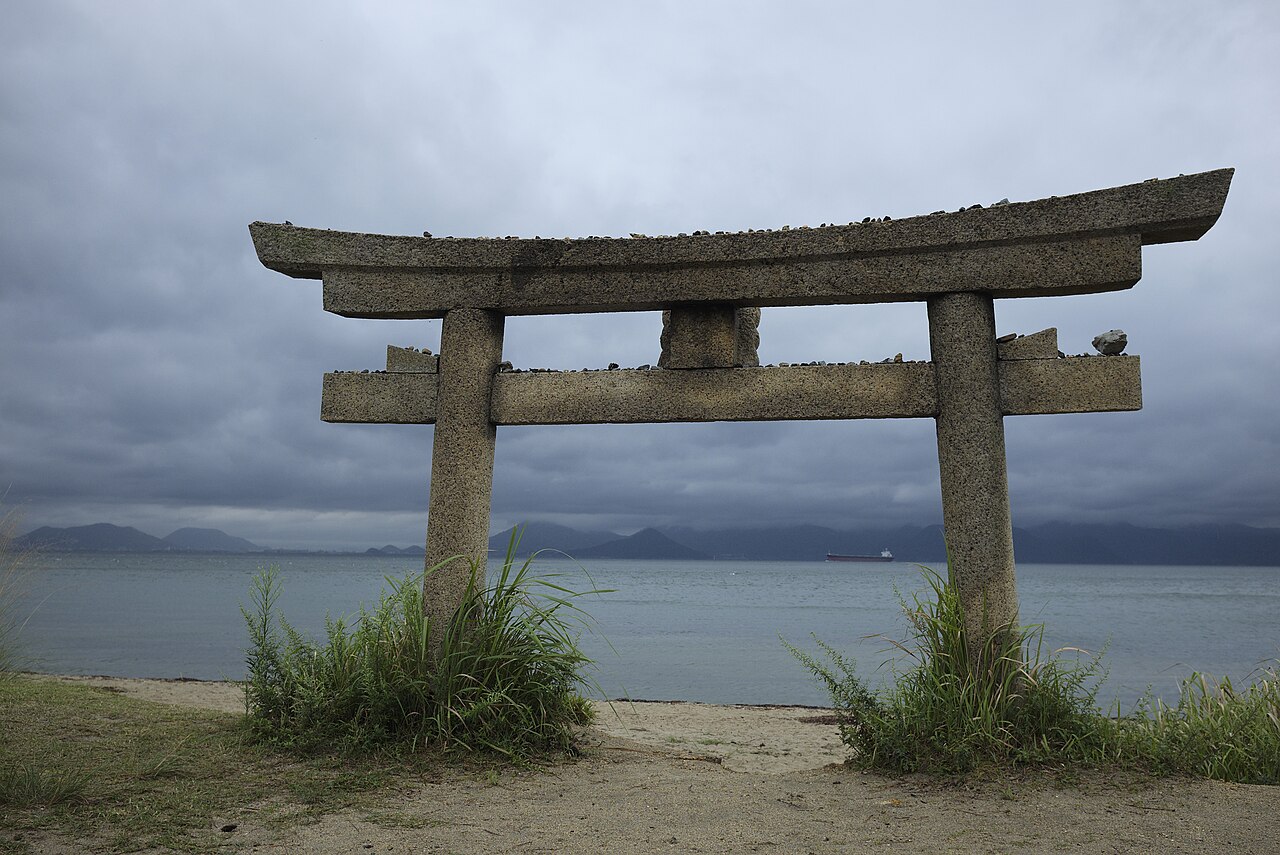
The same guidebook notes that the island's earlier story was industrial: in the Taisho era, Mitsubishi Mining set up a refinery here, and the northern half of Naoshima is still occupied by Mitsubishi Materials and its affiliated companies. For a glimpse of that past, the historical photographs shown at the ANDO MUSEUM in Honmura make a brief stop.
Planning One Day on Naoshima
A guidebook puts the island's sights into three areas: Miyanoura, where the ferries arrive; Honmura, with the ANDO MUSEUM and the Honmura port; and the Benesse House area in the south. Take them in that order, and since the Benesse House area is described as having few places to eat, have lunch in one of the villages first.
Skip it if you plan to reach the island late in the afternoon and still hope to see the Chichu Art Museum, because its last admission is at four in the afternoon. Skip it if a morning soak at the Naoshima Sento is part of the plan, since the bath opens at one in the afternoon.
Check the day of the week before you commit: with some exceptions, the island's art facilities are described in guidebooks as taking Monday as their regular day off, with the rest day moving to the following weekday when Monday is a public holiday. If the museums are the point of the trip, pick another weekday. Should one day feel too short, there are places to stay on Naoshima.