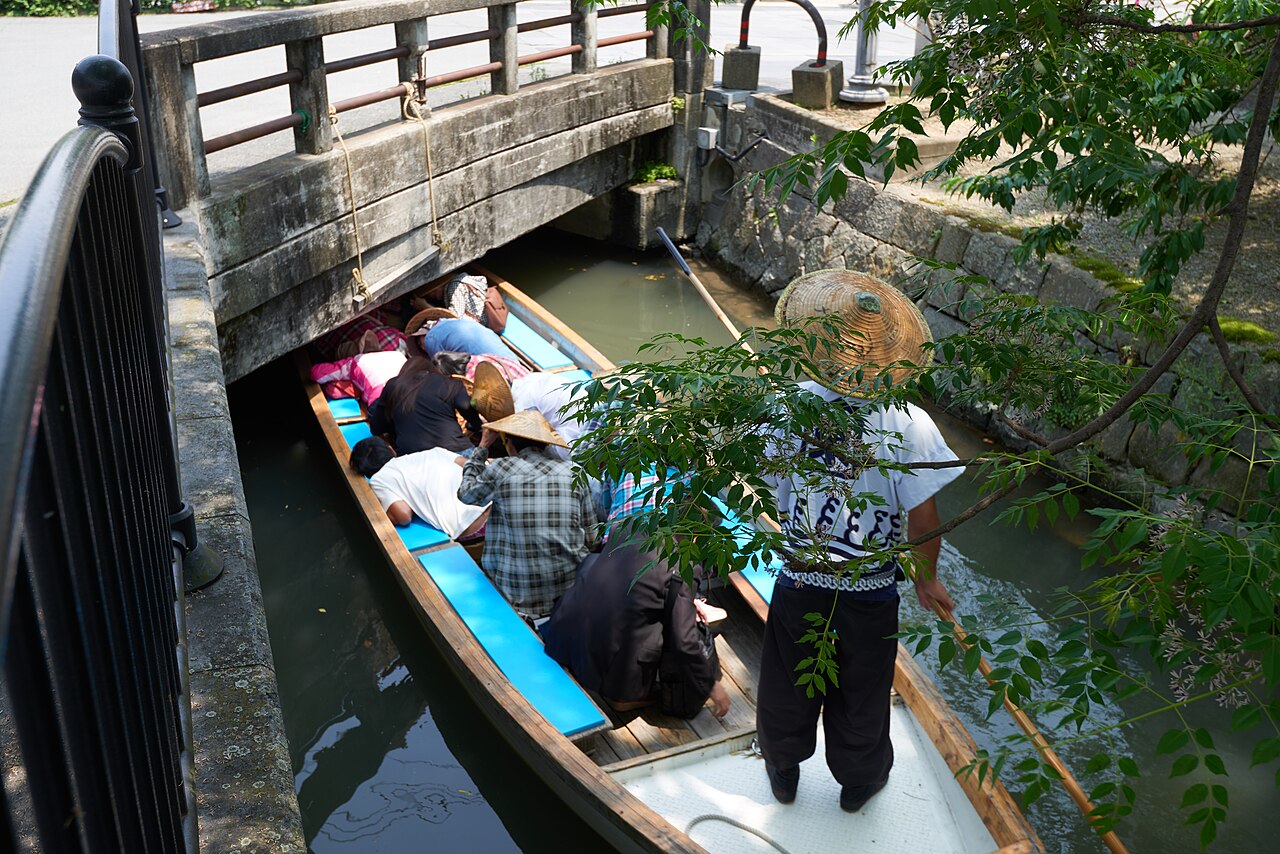
This guide covers how to get to Yanagawa from Fukuoka and from Saga Airport, and what the river cruise operators charge and when their boarding reception runs. It also sets out how to plan a visit to Ohana and the Kitahara Hakushu birthplace and memorial museum, gives a short account of the castle town's past, and lists what unagi seiro-mushi sells for.
Getting to Yanagawa from Fukuoka and Saga Airport
Yanagawa sits on the Nishitetsu Tenjin Omuta Line, run by Nishitetsu, a private railway. Board at Nishitetsu Fukuoka (Tenjin) Station and ride through to Nishitetsu Yanagawa Station, a journey of about fifty minutes on the line. The limited express train covers the same stretch in forty-eight minutes. Both timings appear again in the table below.
Saga Airport is the other way in. A limousine taxi runs between the airport and Yanagawa City, and the one-way fare is listed in the table below. If your flight lands at Saga rather than Fukuoka, note that figure before you leave the terminal and tell the driver you are headed for Yanagawa.
Once you reach Nishitetsu Yanagawa Station, local buses cover the last stretch. A Nishitetsu bus goes to Ohana-mae, the stop in front of Ohana, and a Horikawa Bus goes to Kamenoi Hotel Yanagawa. Each fare is in the table below. Decide which stop suits your first destination and take the bus marked for it.
| Route to Yanagawa | Detail |
|---|---|
| Nishitetsu Fukuoka (Tenjin) Station to Nishitetsu Yanagawa Station, Tenjin Omuta Line | about 50 minutes |
| Nishitetsu Fukuoka to Nishitetsu Yanagawa, limited express train | 48 minutes |
| Saga Airport to Yanagawa, limousine taxi, one way | 1,500 yen |
| Nishitetsu bus from Nishitetsu Yanagawa Station to Ohana-mae | 210 yen |
| Horikawa Bus from Nishitetsu Yanagawa Station to Kamenoi Hotel Yanagawa | 240 yen |
Riding a River Cruise Through the Canal Town
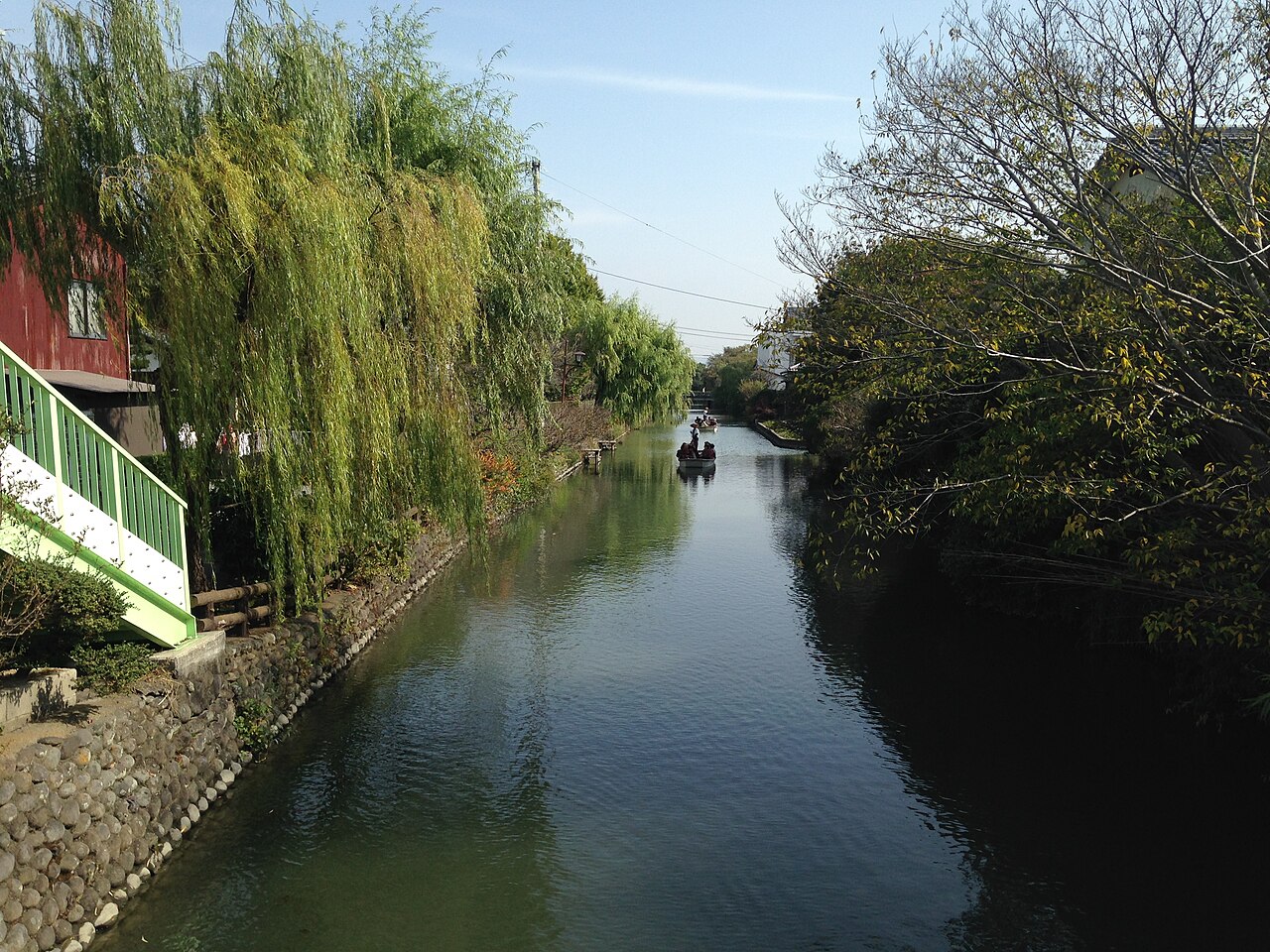
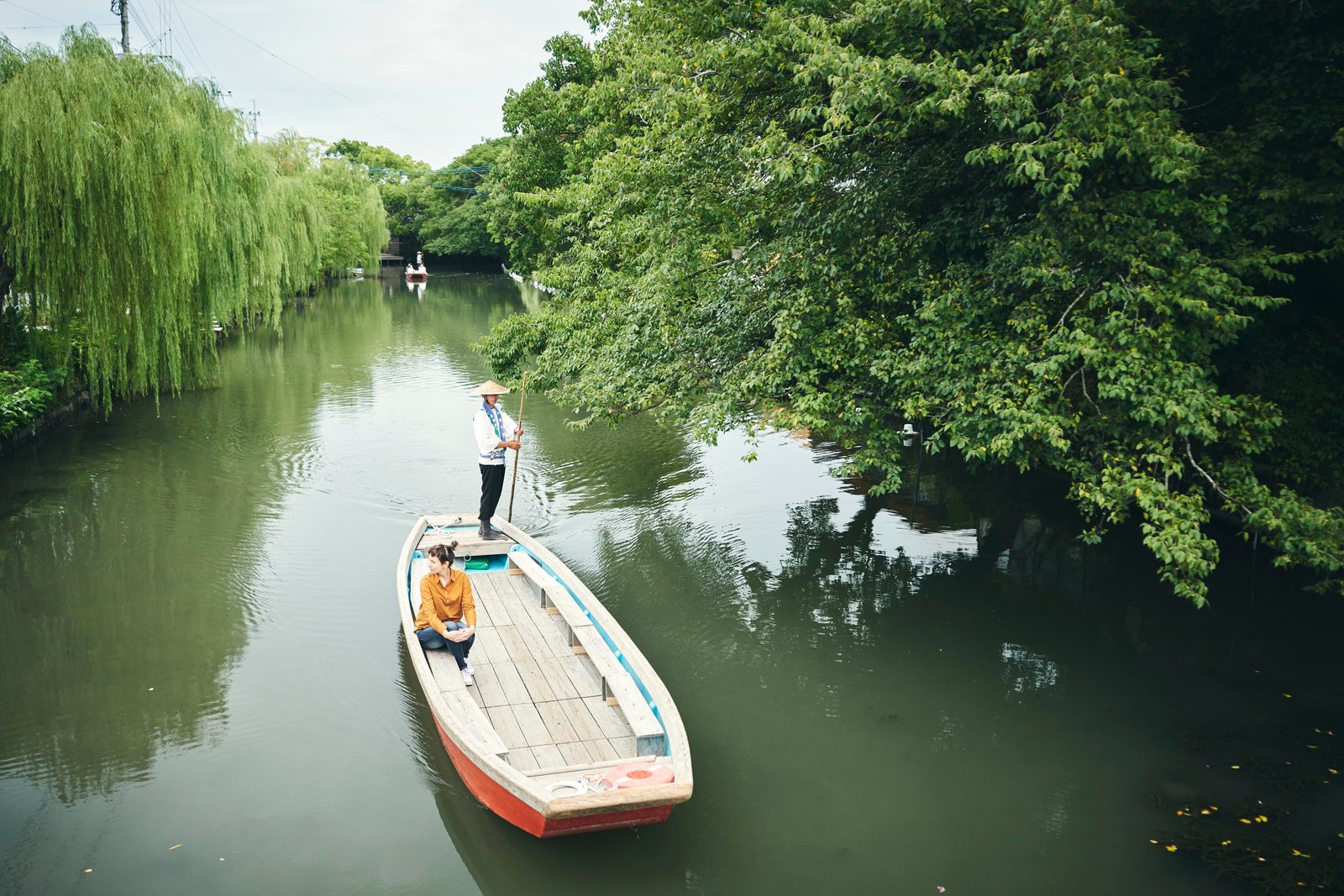
The regular river cruise course is run by Yanagawa Kanko Kaihatsu. Boarding reception opens in the morning and continues into mid-afternoon, with no regular closing days. Go to the reception first on arrival, sort out your tickets, and plan the rest of the day around your boarding time; the exact reception window is in the table below.
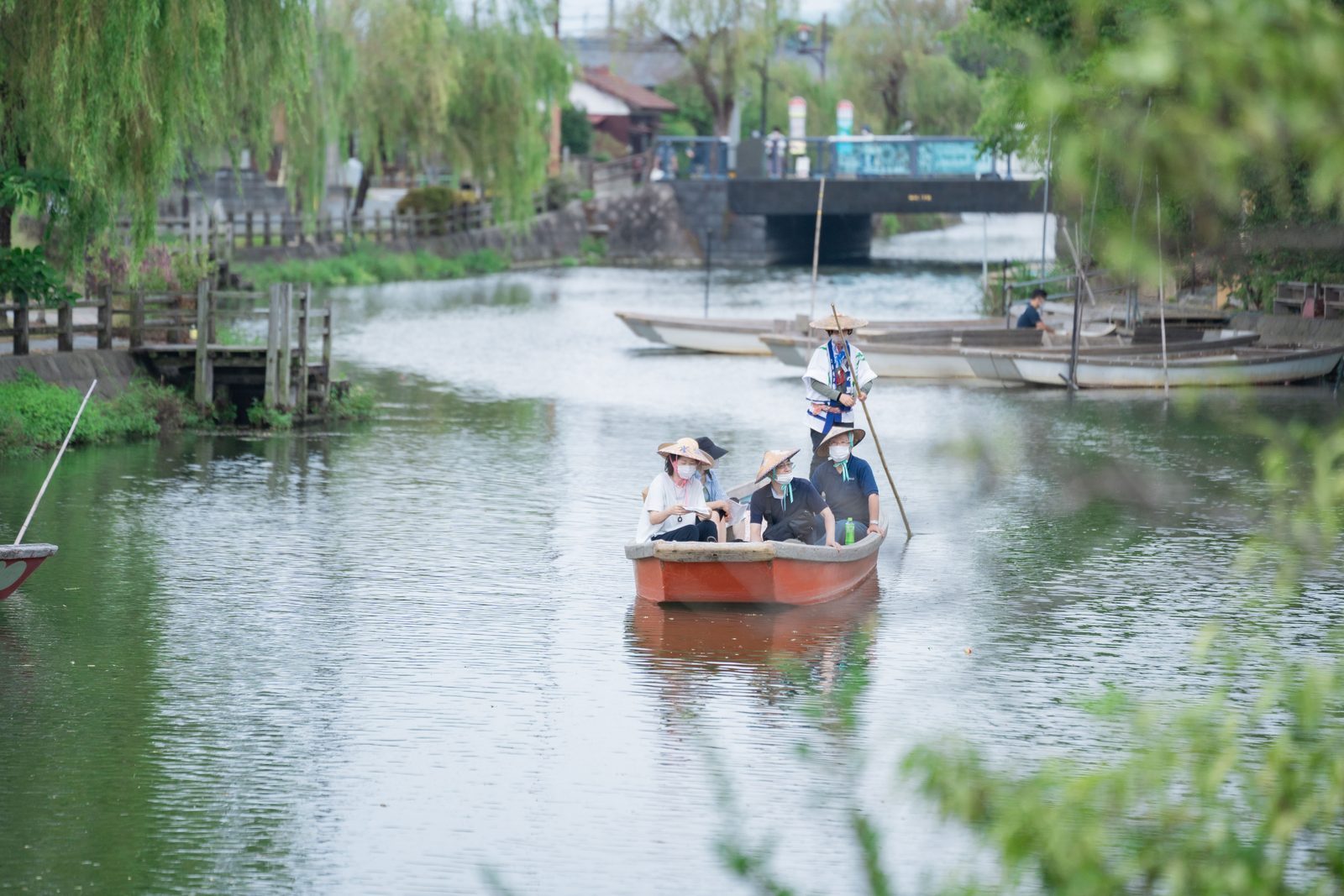
Daito Enterprise runs a short circuit course of thirty minutes, a compact alternative to the regular course. Its reception follows the season: from March to November the last reception comes later in the afternoon than from December to February. Find the row for the months of your trip in the table below and arrive with time to spare.
| River cruise | Detail |
|---|---|
| Yanagawa Kanko Kaihatsu (柳川観光開発), regular course, adult | 2,200 yen |
| Yanagawa Kanko Kaihatsu, regular course, child aged 6 to 12 | 1,100 yen |
| Yanagawa Kanko Kaihatsu, regular course, boarding reception | 9:30 to 15:00, no regular closing days |
| Daito Enterprise (大東エンタープライズ), short circuit course of 30 minutes, adult | 1,000 yen |
| Daito Enterprise, short circuit course of 30 minutes, child | 500 yen |
| Daito Enterprise, March to November | 10:00 to 17:00, last reception 16:00 |
| Daito Enterprise, December to February | 10:00 to 16:00, last reception 15:30 |
Guided options for the town are also listed through tours and activities in Yanagawa.
Where to stay
Places to stay near Yanagawa, Fukuoka, Japan →
Disclosure: This post may contain affiliate links. If you book through them, we may earn a commission at no extra cost to you.
Visiting Ohana and the Hakushu Museum
Ohana sells a single admission covering Shotoen, the Ohiroma hall and the Tachibana family museum, with separate rates for general visitors and students. Those parts and the Western-style building keep the same hours, from mid-morning to late afternoon. Buy the admission once, take the parts in any order, and check the rates and hours in the table below.
The Kitahara Hakushu birthplace and memorial museum lists individual admission per person at the rates in the table below. It opens earlier than Ohana and stays open later into the afternoon, with admission ending shortly before its hours do. Because Ohana finishes first, see Ohana earlier in the day and leave the museum for the late afternoon.
| Place | Detail |
|---|---|
| Ohana, general visitor | 1,200 yen |
| Ohana, high school student | 500 yen |
| Ohana, elementary and junior high school student | 400 yen |
| Ohana, hours | 10:00 to 16:00 |
| Hakushu museum, individual admission per person | 1,000 yen, 600 yen and 400 yen |
| Hakushu museum, hours | 9:00 to 17:00, admission until 16:30 |
A Short History of the Castle Town
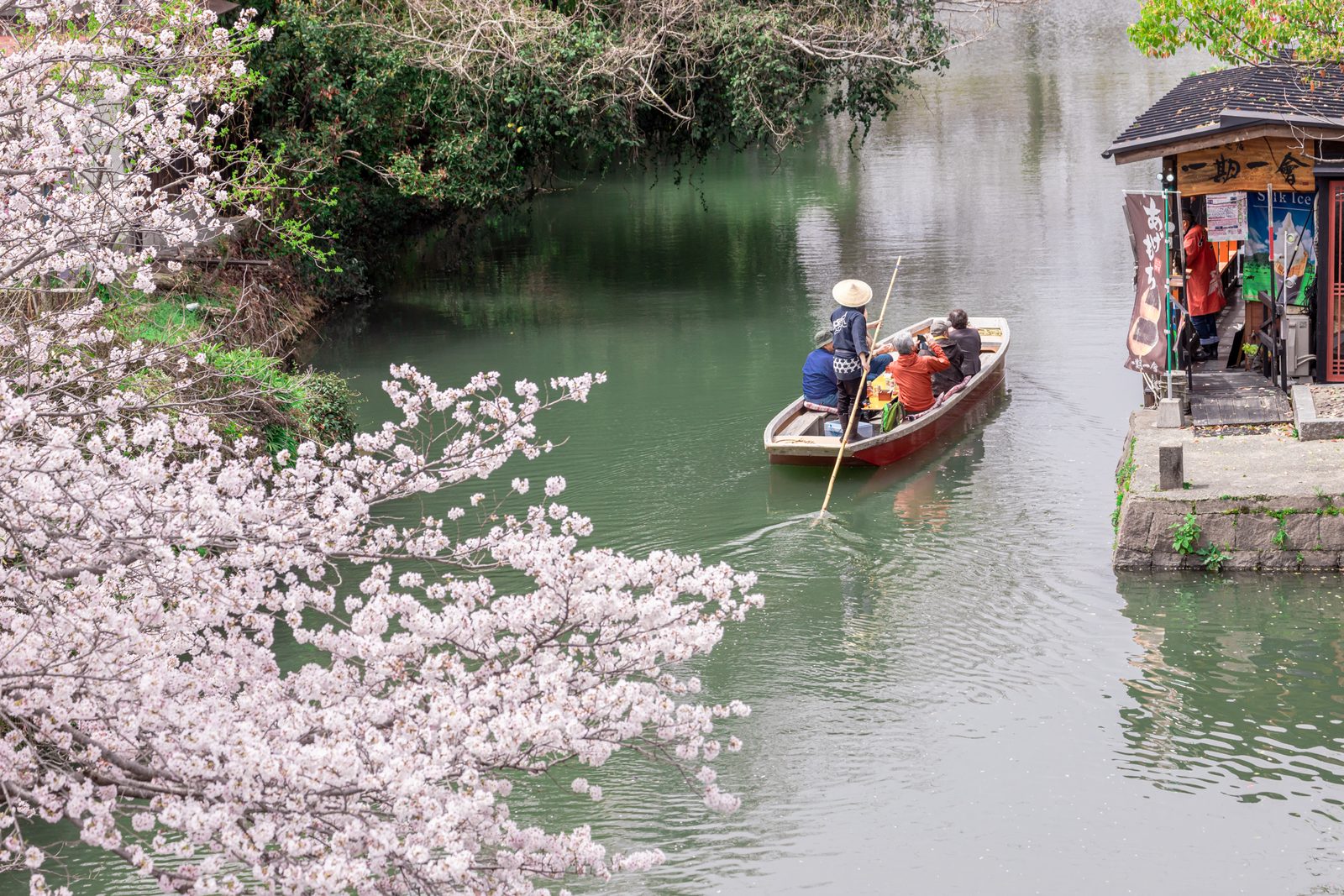
A Meiji-era gazetteer places Yanagawa in the northwest of Yamato district and calls it a flourishing town ranking behind only Kurume in the prefecture. Its castle, in Honjo-machi, was founded by Kamachi Akimori and later enlarged by Tanaka Yoshimasa into a stronghold; the main buildings burned early in the Meiji years, leaving the castle site. Begin your walk there.
Bekki Dosetsu is remembered as a warrior of valor and strategy who defended Tachibana castle in Chikuzen, took the Tachibana name, and adopted Muneshige. Muneshige received Yanagawa castle from Toyotomi Hideyoshi, lost it after Sekigahara, and was restored under the Tokugawa; his descendants held it for generations. Look for the family at the Tachibana family museum in Ohana.
Mihashira Shrine enshrines Dosetsu, Muneshige and Muneshige's wife, and its present buildings were relocated from inside the castle. The Meiji-era gazetteer describes spacious grounds with the Yabe River flowing around them, old trees, flowers in every season, and a view south to Mount Unzen that it rated rare for the area. Give the grounds time if you go.
Eating Unagi Seiro-mushi in Yanagawa
Yanagawa has been known as an eel-producing area since the Edo period, and unagi seiro-mushi is the dish that stands for that food culture: rice seasoned with sauce, topped with grilled eel and finely shredded egg, and steamed slowly in a seiro, a steaming basket. Make it the meal of the day rather than a snack between sights.
According to tradition, the dish is said to have been devised more than three hundred years ago at a long-established restaurant in the town, and long-established restaurants serving it exist in the city. The places priced below are the ones named here: the main store of Motoyoshiya and the restaurant at Ohana. Pick either and build the afternoon around it.
At the main store of Motoyoshiya the displayed prices include consumption tax, and the menu runs from seiro-mushi with kimo-sui soup and pickles to set meals that add a vinegared dish. The restaurant at Ohana lists seiro-mushi courses, and its prices include a ten percent service charge and ten percent consumption tax. Compare the rows below before you choose.
| Dish | Price, tax included |
|---|---|
| Motoyoshiya main store, seiro-mushi with kimo-sui soup and pickles | 4,800 yen |
| Motoyoshiya main store, special seiro-mushi with kimo-sui soup and pickles | 5,200 yen |
| Motoyoshiya main store, seiro-mushi set meal with vinegared dish, kimo-sui soup and pickles | 5,900 yen |
| Motoyoshiya main store, special seiro-mushi set meal with vinegared dish, kimo-sui soup and pickles | 6,400 yen |
| Motoyoshiya main store, hours | 10:30 to 19:30, last order 19:00 |
| Ohana restaurant, special unagi seiro-mushi course | 6,413 yen |
| Ohana restaurant, Ozaki beef and unagi seiro-mushi course | 9,780 yen |
To stretch the trip past dinner, places to stay in Yanagawa are worth settling before you travel.