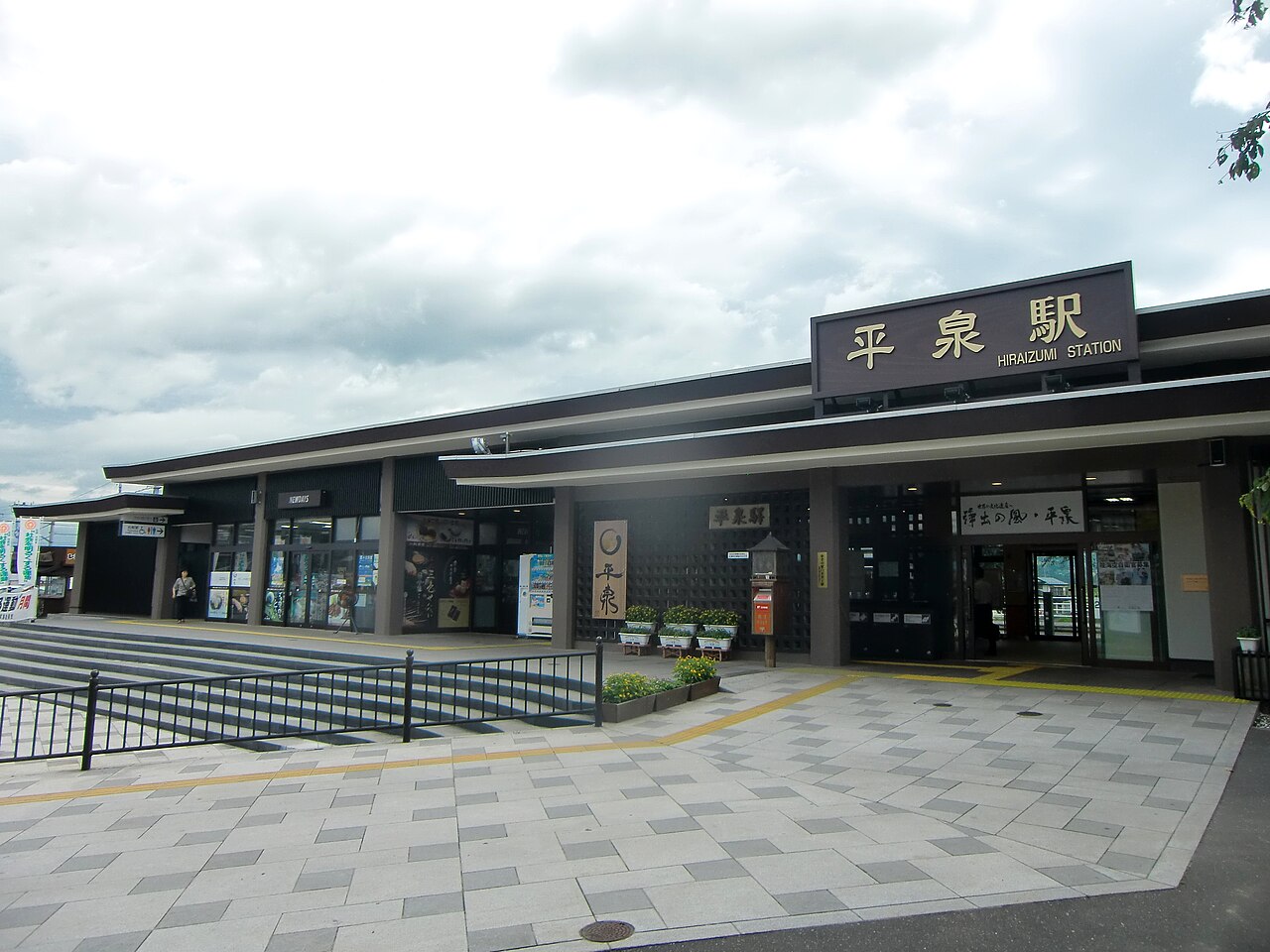
This guide covers the rail route to Hiraizumi from Tokyo and Sendai, the ride from Ichinoseki to the temple stops, Chusonji with its Golden Hall, the pond garden at Motsuji, and how to fit it into a single day. Each section keeps to what planning needs: how long each leg takes, what entry costs, and when ticket sales end.
Getting to Hiraizumi from Tokyo and Sendai
Whether you start in Tokyo or in Sendai, the way in is the same: take the JR Tohoku Shinkansen to Ichinoseki, then continue to Hiraizumi by JR. Both legs run on the timings listed below, so add them together for your own starting point and set your departure so that you arrive with the morning ahead of you.
- From Tokyo to Ichinoseki: the JR Tohoku Shinkansen takes two hours twenty minutes.
- From Sendai to Ichinoseki: the JR Tohoku Shinkansen takes thirty-two minutes.
- From Ichinoseki to Hiraizumi: the JR Tohoku Main Line takes nine minutes.
Ichinoseki matters for another reason: it is also where the ride out to the temples begins. The next section lists that ride, what a ticket to each temple stop costs, and the local tickets and passes shown in a further table, so you can decide before you arrive which of them suits your day.
From the Station to the Temples
From Ichinoseki Station, Iwate Kenkotsu buses serve the Hiraizumi Station-mae stop, the Chusonji stop and the Motsuji stop. That means you can ride from Ichinoseki to a stop named for the temple you want to see first. The fare to each stop is listed in the table below; check the name of your stop before you board.
| Iwate Kenkotsu bus from Ichinoseki Station | Fare |
|---|---|
| To the Hiraizumi Station-mae stop | three hundred seventy yen |
| To the Chusonji stop | four hundred ten yen |
| To the Motsuji stop | three hundred seventy yen |
- By bus from Ichinoseki Station to Hiraizumi Station: twenty minutes.
Within Hiraizumi there is a town loop bus called Runrun, with a fare for a single ride and a ticket that covers a whole day. There is also the Oneday Bus Passport for Ichinoseki and Hiraizumi, with its adult fare in the table below. Pick whichever ticket matches how many stops you plan to make during the day.
| Bus tickets in Hiraizumi | Fare |
|---|---|
| Town loop bus Runrun, one ride for an adult | two hundred yen |
| Town loop bus Runrun, one-day free ride ticket | five hundred fifty yen |
| Oneday Bus Passport for Ichinoseki and Hiraizumi, adult | one thousand two hundred yen |
Once your dates are set, browse guided tours around Hiraizumi and check what runs on those days.
Chusonji Temple
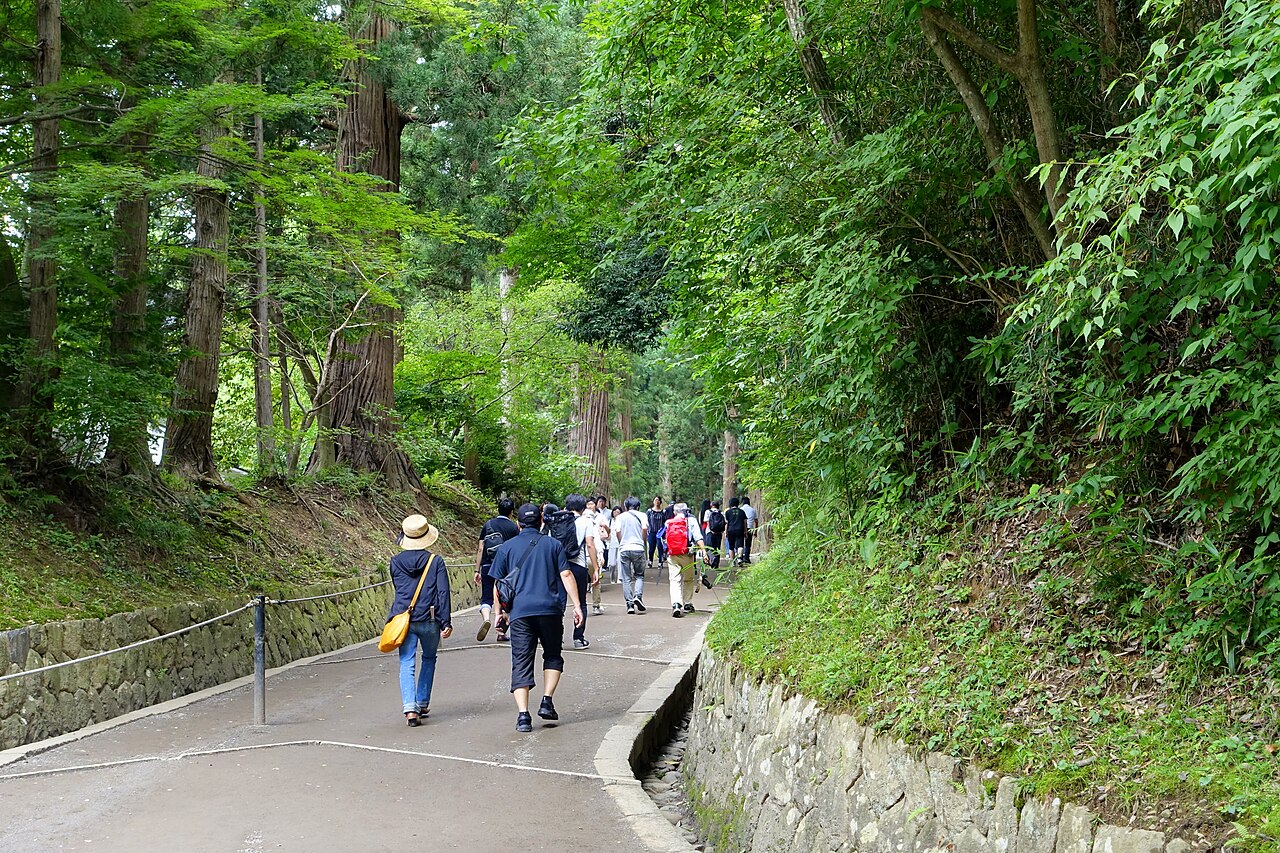
Chusonji is a temple of the Tendai school of Buddhism in the town of Hiraizumi, and guidebooks give its principal image as Shaka Nyorai, the historical Buddha. It is also listed among the Hiraizumi properties on the UNESCO World Heritage list. Plan to give it the first and longest part of your day.
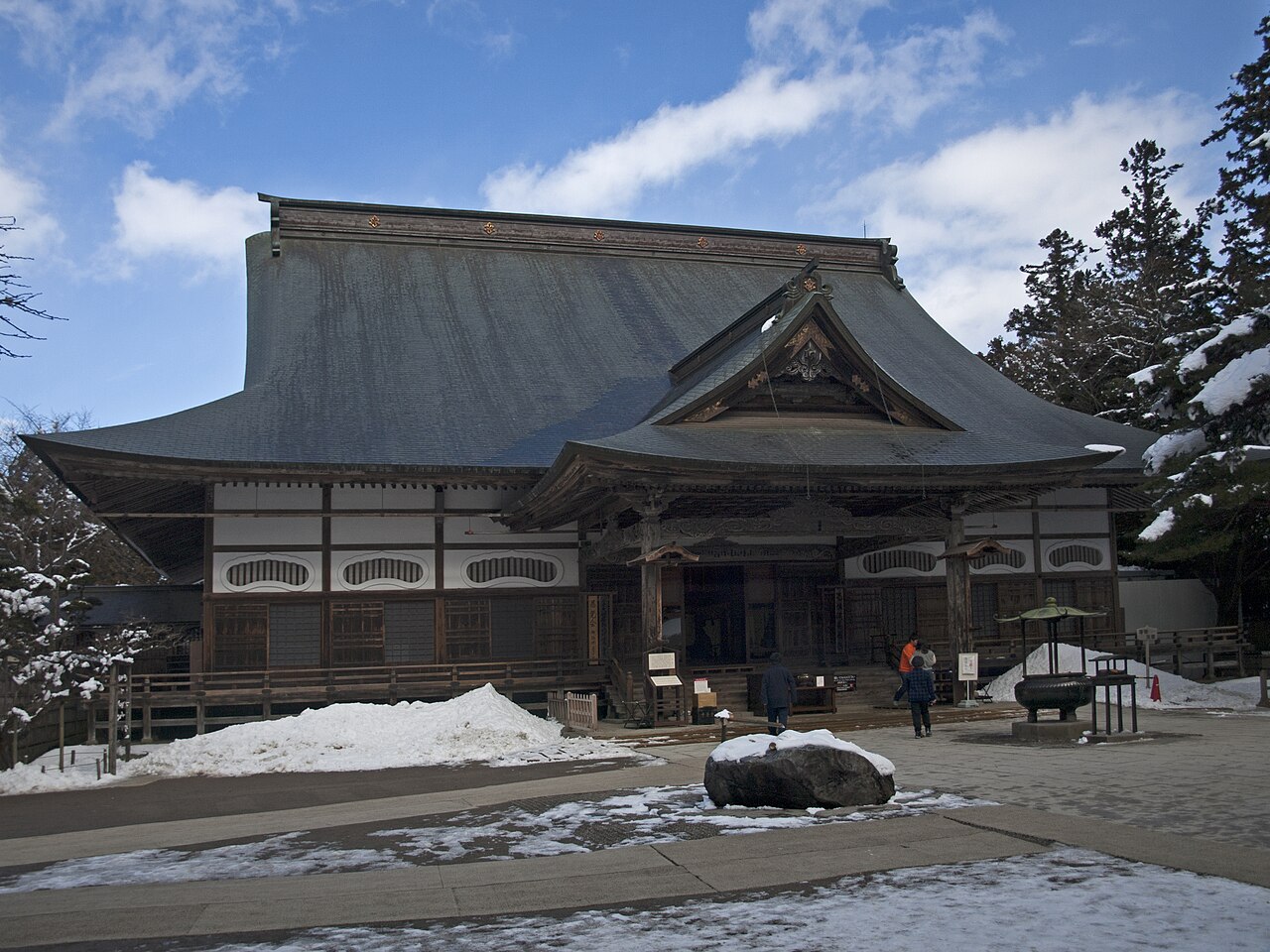
The admission fee for individual visitors depends on the age group, as the table below shows. The temple keeps shorter times in winter, so check the table in the final section before you fix your morning, and remember that ticket sales end a little before closing time.
| Chusonji, individual admission fee | Admission fee |
|---|---|
| Adult | one thousand yen |
| High school student | seven hundred yen |
| Junior high school student | five hundred yen |
Where to stay
Places to stay near Hiraizumi →
Disclosure: This post may contain affiliate links. If you book through them, we may earn a commission at no extra cost to you.
The Golden Hall
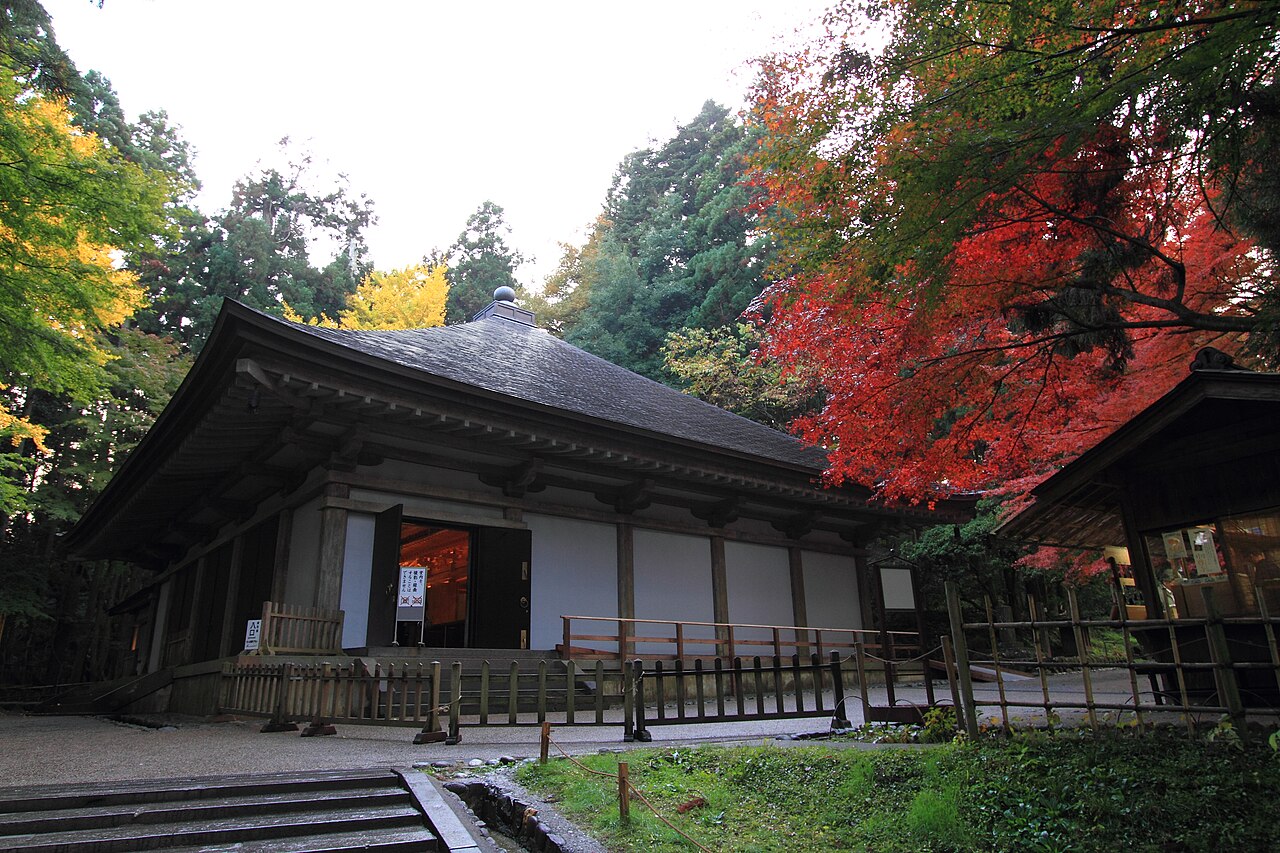
The Golden Hall, Konjikido, is covered in gold leaf inside and out, a design known as kaikonjiki, meaning entirely golden. It is the only building still standing from the time the temple was founded, and it is known as the hall that stands for the gold culture of Hiraizumi. Give it unhurried time; it rewards a slow look.
Inside, guidebooks point to mother-of-pearl inlay, called raden, made from turban shell, and to fretwork carving in gold, and they note that the shine of both has been kept to the present day. Rather than taking in the hall only as a whole, look for these smaller details, since they are what the descriptions single out.
A newer covering hall, built to protect the Golden Hall from wind and snow, now encloses it. The older covering hall, put up by the Kamakura shogunate, has been moved to another spot in the grounds and can be viewed as well, so add it to your route through Chusonji before you leave for Motsuji.
Motsuji and Its Pond Garden
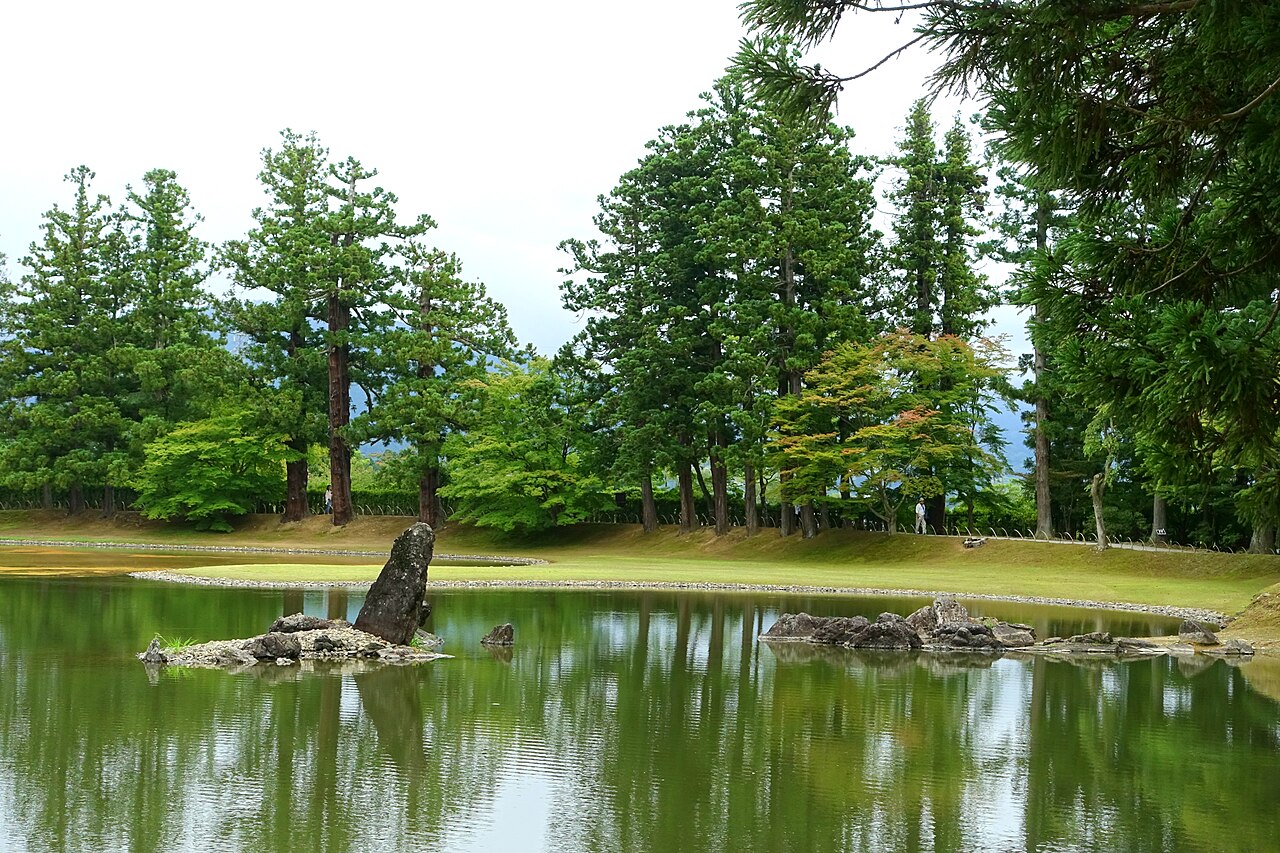
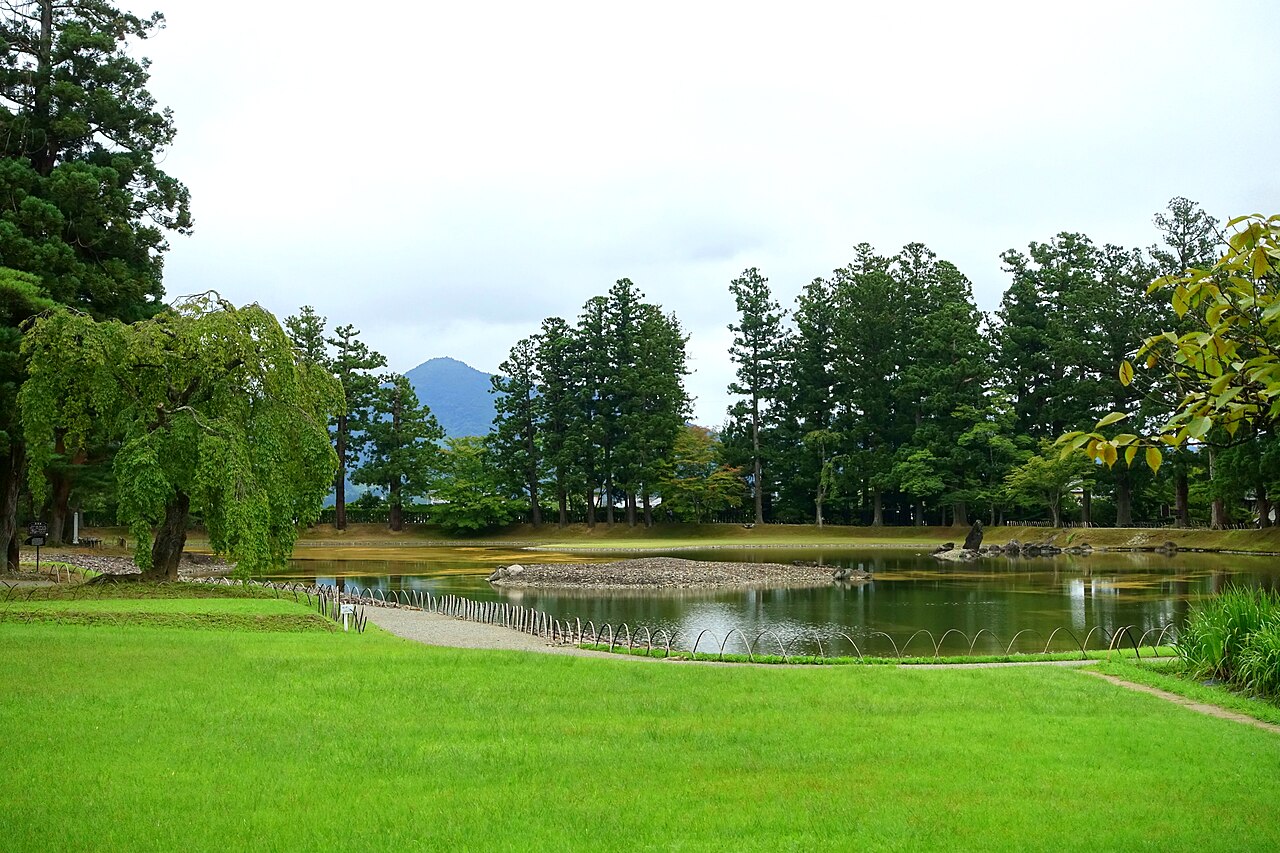
Motsuji has kept little of its original architecture: guidebooks say earthquakes, fire and war destroyed its early buildings. What stands today is a rebuilt main hall, with a Pure Land garden centred on Oizumi Pond and the remains of the former halls, said to carry the look of the Heian period. Give the garden the slower part of your afternoon.
In the grounds, the Kaisando, the founder's hall, holds an image of Ennin, the priest who founded Motsuji, along with statues of the Buddha Dainichi Nyorai from both mandala realms and painted likenesses of the Oshu Fujiwara lords. The admission fee for adults and the admission hours are in the table below, so check the closing time against your afternoon.
| Motsuji | Detail |
|---|---|
| Admission fee, adult | seven hundred yen |
| Admission hours | half past eight in the morning to five in the afternoon |
Fitting It Into One Day
Put Chusonji first and leave Motsuji for later. From early November until the end of February its closing time moves earlier, and in every season ticket sales stop shortly before closing; the table below has the details. Add up the legs from the earlier bullet lists and time your departure so that you reach Chusonji with the morning ahead.
| Chusonji, hours | Detail |
|---|---|
| March through November third | half past eight in the morning to five in the afternoon |
| November fourth to the end of February | half past eight in the morning to half past four in the afternoon |
| Ticket sales | end ten minutes before closing time; some halls may keep different hours |
When the day is settled, compare places to stay in Hiraizumi and pick the night before or after your visit.