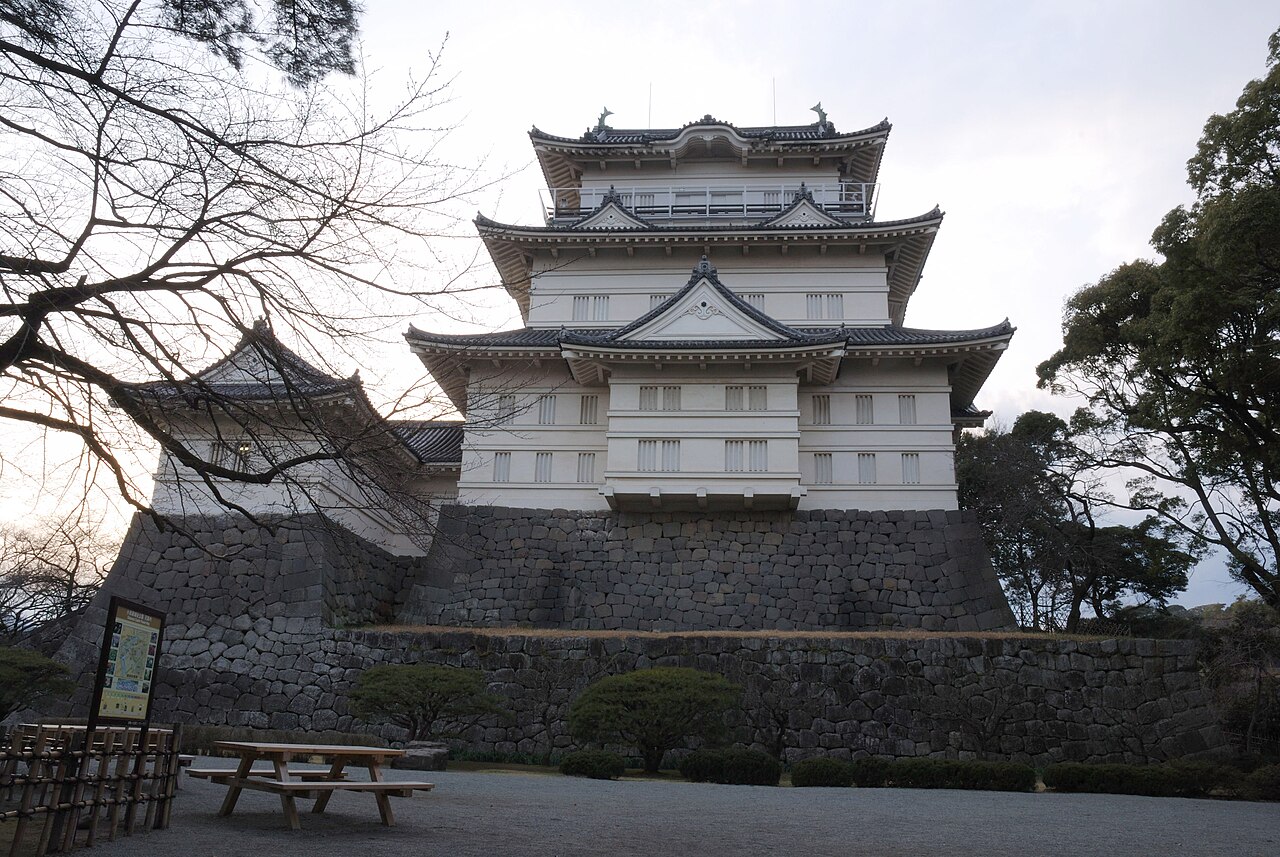
This guide covers the way from Tokyo and Shinjuku to Odawara, the castle park with its keep and gates, the shrine standing on the old castle ground, lunch and coffee at Seikantei, the kamaboko street and a fish-cake workshop, the uiro confectionery house, and the fish-port market at Hayakawa, with times and rates in tables. The order below runs from the castle in the morning to the sea in the afternoon.
Getting to Odawara from Tokyo and Shinjuku
Odawara is reached from either of Tokyo's two big departure points, and the choice sets the pace of the morning. From Tokyo, the Tokaido Shinkansen takes about thirty-five minutes to Odawara. The Tokaido Line rapid Acty from Tokyo Station takes about an hour and fifteen minutes. From Shinjuku Station, the Romancecar reaches Odawara in an hour and ten minutes. The Odakyu Odawara Line express from Shinjuku Station takes an hour and thirty-five minutes.
Minaka Odawara, a complex attached directly to JR Odawara Station, marks the start and end of the day. Odawara Castle Park is about a ten-minute walk from Odawara Station. Seikantei, where this guide stops for lunch, is a fifteen-minute walk from the east exit of the station. Suzuhiro Kamaboko no Sato, the fish-cake complex covered later, is about ten minutes from Odawara Station by taxi.
| Route | Time |
|---|---|
| Tokaido Shinkansen, Tokyo to Odawara | about 35 minutes |
| Tokaido Line rapid Acty, Tokyo Station to Odawara | about 1 hour 15 minutes |
| Romancecar, Shinjuku Station to Odawara | 1 hour 10 minutes |
| Odakyu Odawara Line express, Shinjuku Station to Odawara | 1 hour 35 minutes |
| Odawara Station to Odawara Castle Park, on foot | about 10 minutes |
| Odawara Station east exit to Seikantei, on foot | 15 minutes, 1.3 km |
| Odawara Station to Suzuhiro Kamaboko no Sato, by taxi | about 10 minutes |
The Castle Park: Keep, Tokiwagi Gate and the Shrine Beside It
Odawara grew as the castle town of the Hojo clan in the Sengoku period and then prospered as an important post town on the Tokaido highway in the Edo period. A Meiji-era gazetteer records that at the end of the sixteenth century Toyotomi Hideyoshi surrounded the castle with a huge army and took the Hojo strongholds across the Kanto one after another in a war of endurance; four months after the siege began, Hojo Ujimasa took his own life inside the castle and Ujinao surrendered.
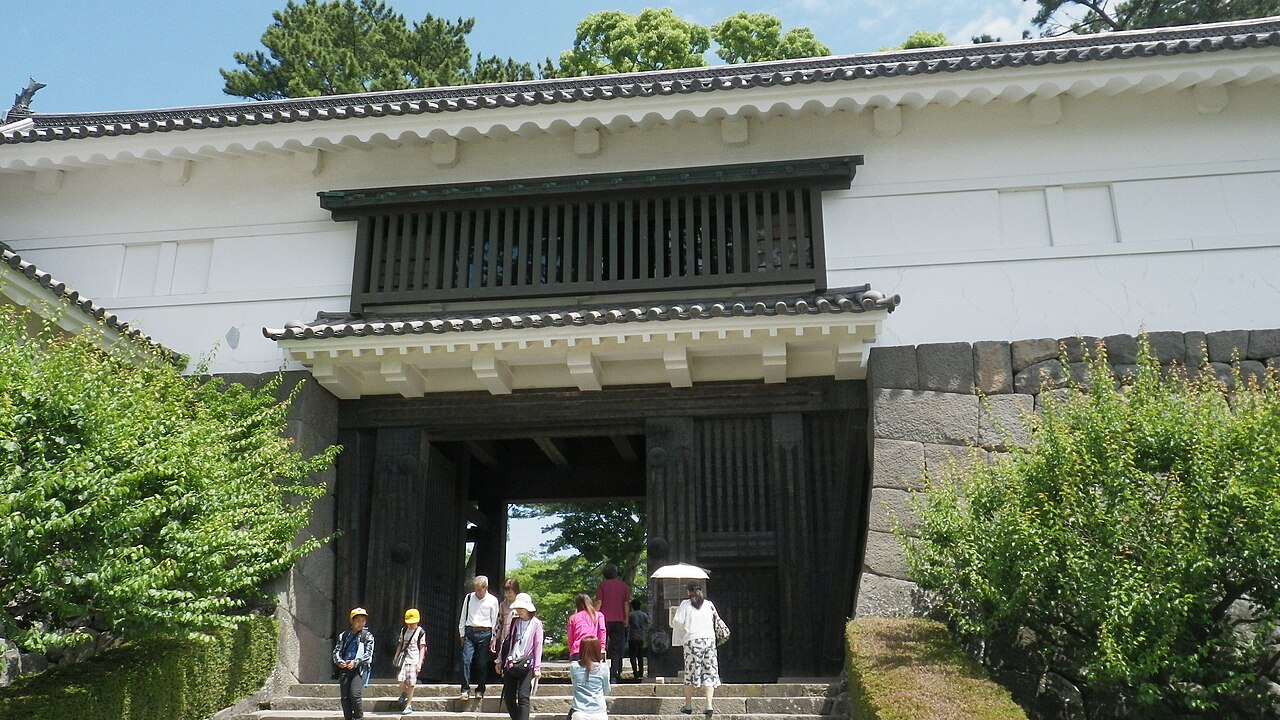
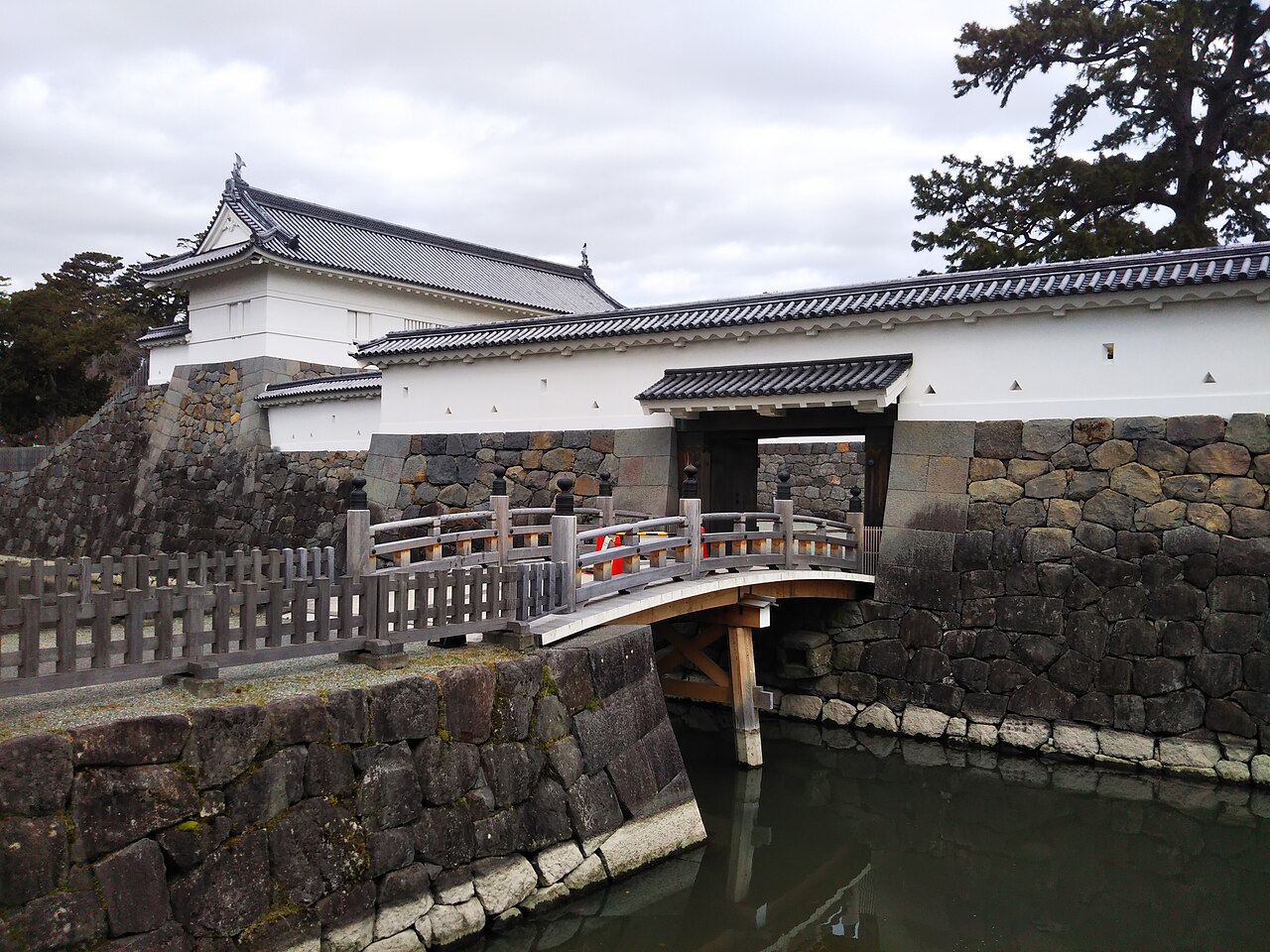
The castle park lies in the Shironai district with the keep at its centre, and it also holds a NINJA hall and a small children's amusement park. A guidebook describes the keep as showing the castle's history from the Sengoku period to the present, along with arts and crafts connected to Odawara. The Tokiwagi Gate is the main gate of the honmaru, the inner bailey, and a SAMURAI hall occupies its upper floor. Below the walls, the arched wooden Sumiyoshi Bridge crosses the moat to the white plaster and turret of the Akagane Gate, so take the long way round the outer walls rather than heading straight for the keep.
Hotoku Ninomiya Shrine stands beside the castle park and enshrines Ninomiya Sontoku, the agricultural reformer born in Odawara; a statue of him as the boy Kinjiro stands in the grounds. The same gazetteer notes that after the castle was abandoned in the first years of Meiji the site turned to fields, and that only this shrine and the Okubo Shrine, dedicated to the ancestors of the Okubo clan, remained on a corner of the old castle ground. The shrine gates open well before the keep does, so it suits a first stop. Gate times, keep admission and keep hours are in the table.
| Item | Detail |
|---|---|
| Tenshukaku, the main keep, adult | 1,000 yen |
| Tenshukaku, elementary and junior high school student | 300 yen |
| Tenshukaku, hours | 9:00 to 17:00, admission until 16:30 |
| Hotoku Ninomiya Shrine, gates | 6:00 to 18:00, until 17:00 in winter |
Guided options around the castle and the town are listed under tours and activities in Odawara.
Where to stay
Places to stay near Odawara, Kanagawa, Japan →
Disclosure: This post may contain affiliate links. If you book through them, we may earn a commission at no extra cost to you.
Lunch at Seikantei and an Afternoon at the Literature Museum
Seikantei is reached on foot from the east exit of the station, as set out above. The lunch session runs from eleven in the morning to three in the afternoon. The Kura Cafe, in the storehouse, is open from eleven in the morning to five in the afternoon. The evening session runs from five to nine in the evening. Dinner is by reservation only, so arrange it in advance if you mean to stay on.
The Tamagozen lunch set is the meal listed in the table, with tax included and a service charge added on top. A facility conservation fee per person is added when dining at Seikantei. The same fee per person applies when using the Kura Cafe. Hot coffee with sweets and the Seikantei pudding are the cafe items listed below.
| Item | Detail |
|---|---|
| Seikantei, lunch session | 11:00 to 15:00 |
| Seikantei, evening session | 17:00 to 21:00 |
| Kura Cafe | 11:00 to 17:00 |
| Tamagozen lunch set | 5,500 yen, tax included, service charge extra |
| Facility conservation fee, dining, per person | 550 yen |
| Facility conservation fee, Kura Cafe, per person | 550 yen |
| Kura Cafe, hot coffee with sweets | 770 yen |
| Kura Cafe, Seikantei pudding | 820 yen |
The Odawara Literature Museum is a further option for the afternoon; its admission, and its hours from March to October, are in the table below.
| Item | Detail |
|---|---|
| Odawara Literature Museum, adult | 250 yen, or 180 yen each for groups of 20 or more |
| Odawara Literature Museum, elementary and junior high school student | 100 yen, or 70 yen each for groups of 20 or more |
| Odawara Literature Museum, hours, March to October | 10:00 to 17:00, admission until 16:30 |
Kamaboko Street and the Suzuhiro Workshop
Kamaboko is steamed fish cake, and Odawara's kamaboko street runs where the town's fish market stood before the Hayakawa fishing port opened; long-established kamaboko makers and fish processors still line it. Shops here go back to the Edo period, among them one founded in the Bunka era early in the nineteenth century, and each sells products of its own, so taste your way from shop to shop and rest at one of the cafes or restaurants along the way.
Suzuhiro Kamaboko no Sato opens at nine and closes at six, year round, though hours differ by facility. It is about ten minutes from Odawara Station by taxi, as noted earlier. The hands-on kamaboko and chikuwa workshop is closed on Wednesdays, and its first session of the day starts at half past nine. The workshop fee per person, tax included, is in the table.
| Item | Detail |
|---|---|
| Suzuhiro Kamaboko no Sato, hours | nine to six, open year round, varies by facility |
| Kamaboko and chikuwa workshop, per person, tax included | 1,980 yen |
| Workshop, first session | 9:30 to 10:40, closed Wednesdays |
Uiro, the Fish-Port Market and the Tunnel to the Sea
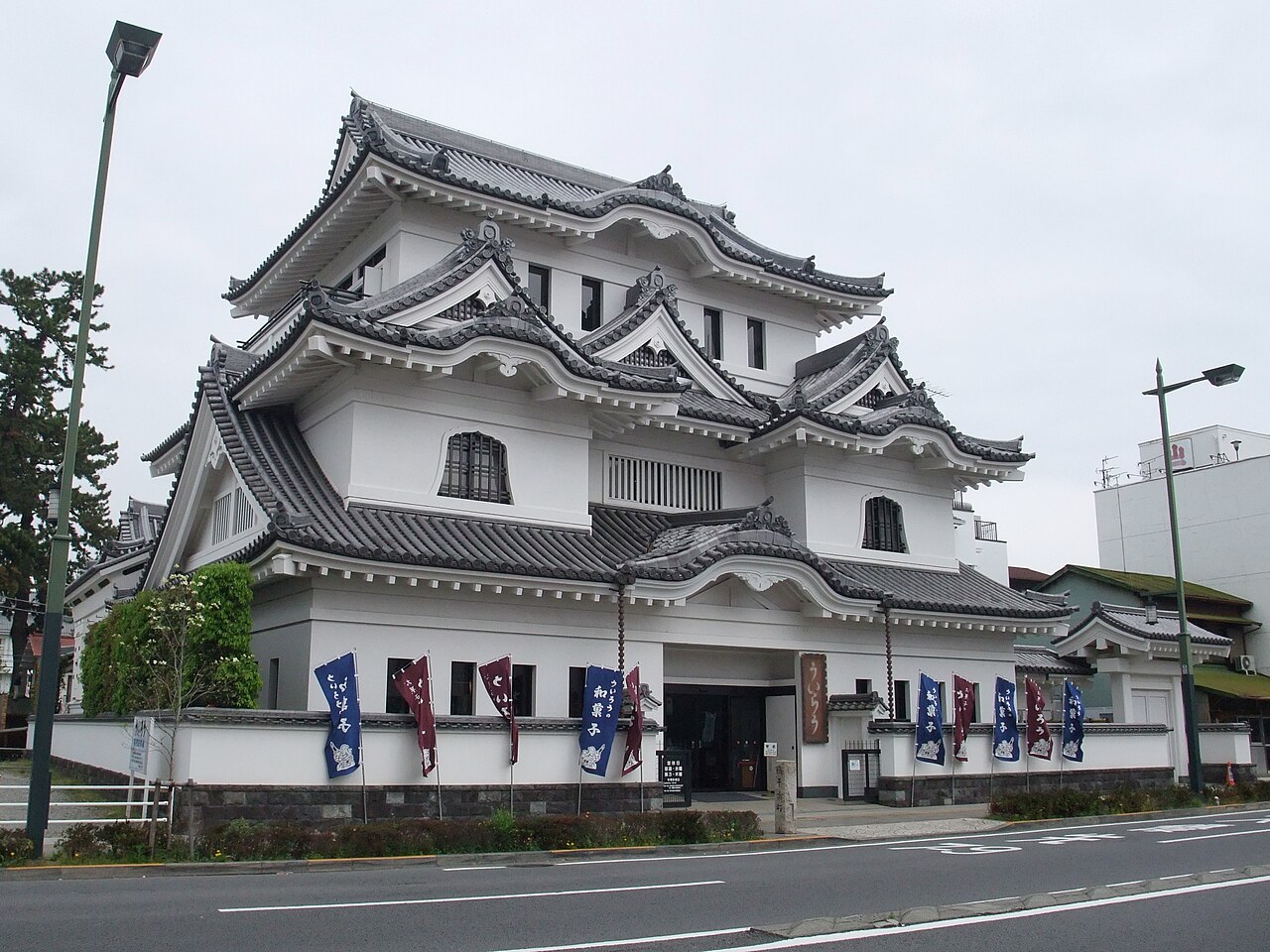
Uiro is a steamed sweet of rice flour devised by the Uiro family in the Muromachi period; the family name became the name of the sweet, the recipe is kept within the family, and sales are confined essentially to Odawara. It is listed among Kanagawa's hundred selected products, and the main shop, built to look like a castle, is part of the appeal, with a sweets parlour and a museum inside.
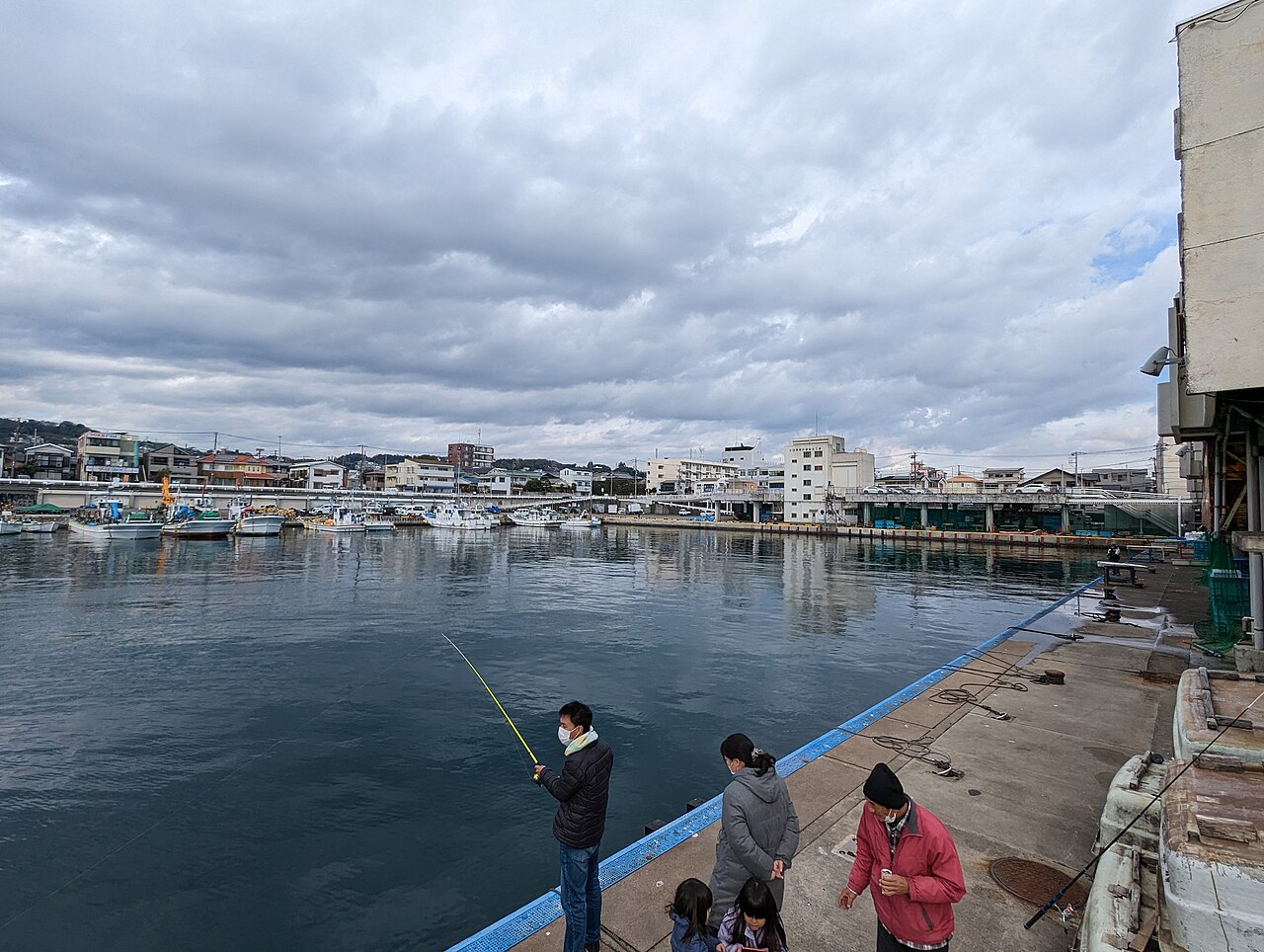
TOTOCO Odawara, in the Hayakawa district, was the first complex in Japan to carry the title Gyoko no Eki, a fishing-port stop; one floor gathers seafood-bowl and set-meal restaurants, a sashimi buffet and a curry specialist, and the other sells fresh fish and processed goods from the area. Its hours are roughly nine to five, varying by shop and season, with no regular closing day.
| Item | Detail |
|---|---|
| TOTOCO Odawara, hours | roughly 9:00 to 17:00, varies by shop and season, no regular closing day |
Nearer the water, a photo spot called the Tunnel to the Sea is described as set into the seawall of the Seisho Bypass on the way to Miyuki-no-hama beach, framing the sea through the tunnel. A guidebook describes the Odawara Tourist Exchange Center as offering tourist information and hands-on workshops alongside a shop of local products, a cafe and rental bicycles, which makes it a place to settle the day's route or pick up a bicycle for the stretch to the sea.
If you would rather stay the night than ride back, places to stay in Odawara are worth lining up before you set out.