This guide covers the Kaikoen grounds, the museums and zoo inside it, the old castle town around it and the practical details of reaching and staying in Komoro.
Kaikoen lets you walk the grounds of the Komoro Castle ruins, where the Sannomon and Otemon gates are both designated national Important Cultural Properties, the Chikyu no Arukikata Shinshu guidebook notes. Komoro suits a short stop on a Karuizawa or Ueda outing because the walk from Komoro Station to Kaikoen takes about three minutes, with no second leg to plan.
Kaikoen and the Komoro Castle Ruins
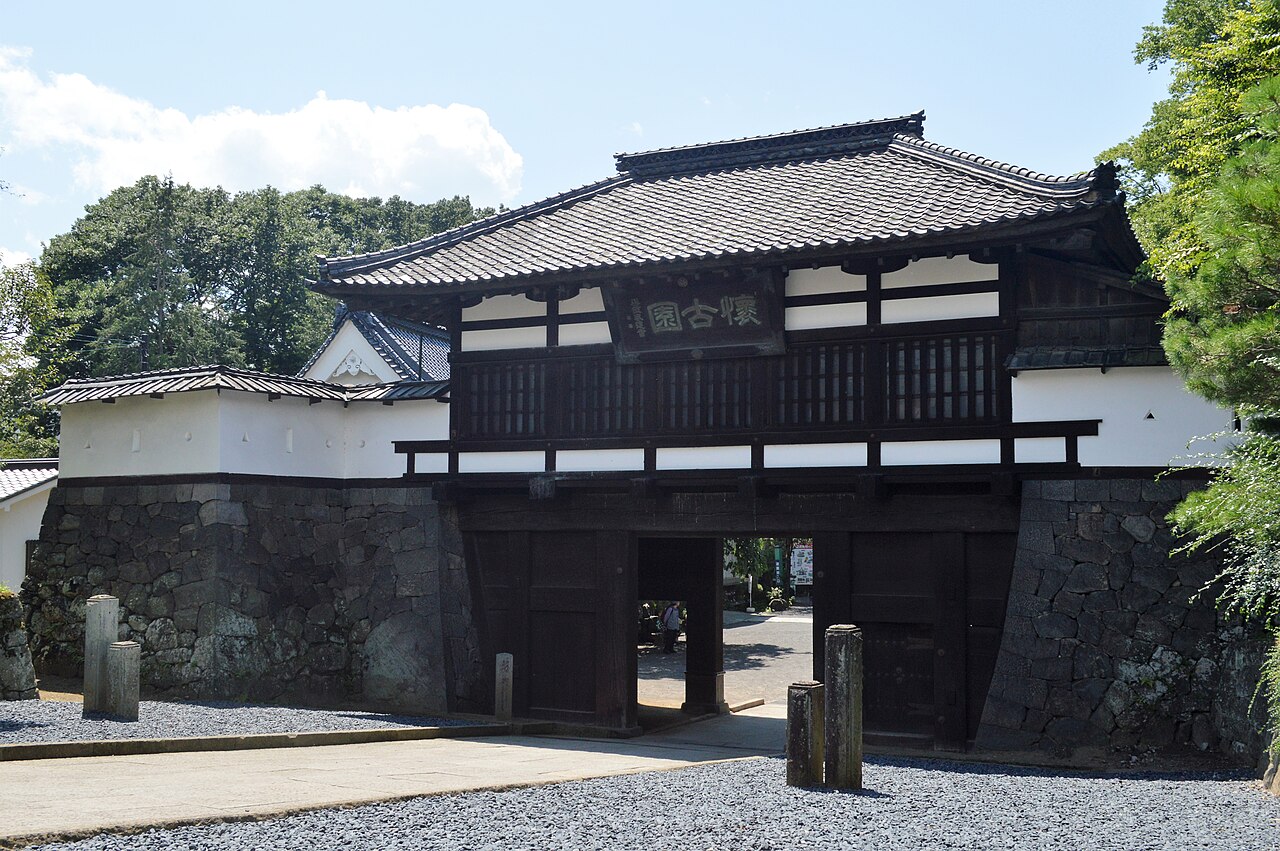
It is about a three-minute walk from Komoro Station to the Kaikoen grounds. The Shinshu guidebook states that Sengoku Hidehisa built the Otemon gate in sixteen twelve as a tiled two-storey castle gate, that it later served as a Komoro Gijuku schoolhouse and a restaurant before restoration, and that it is now a national Important Cultural Property.
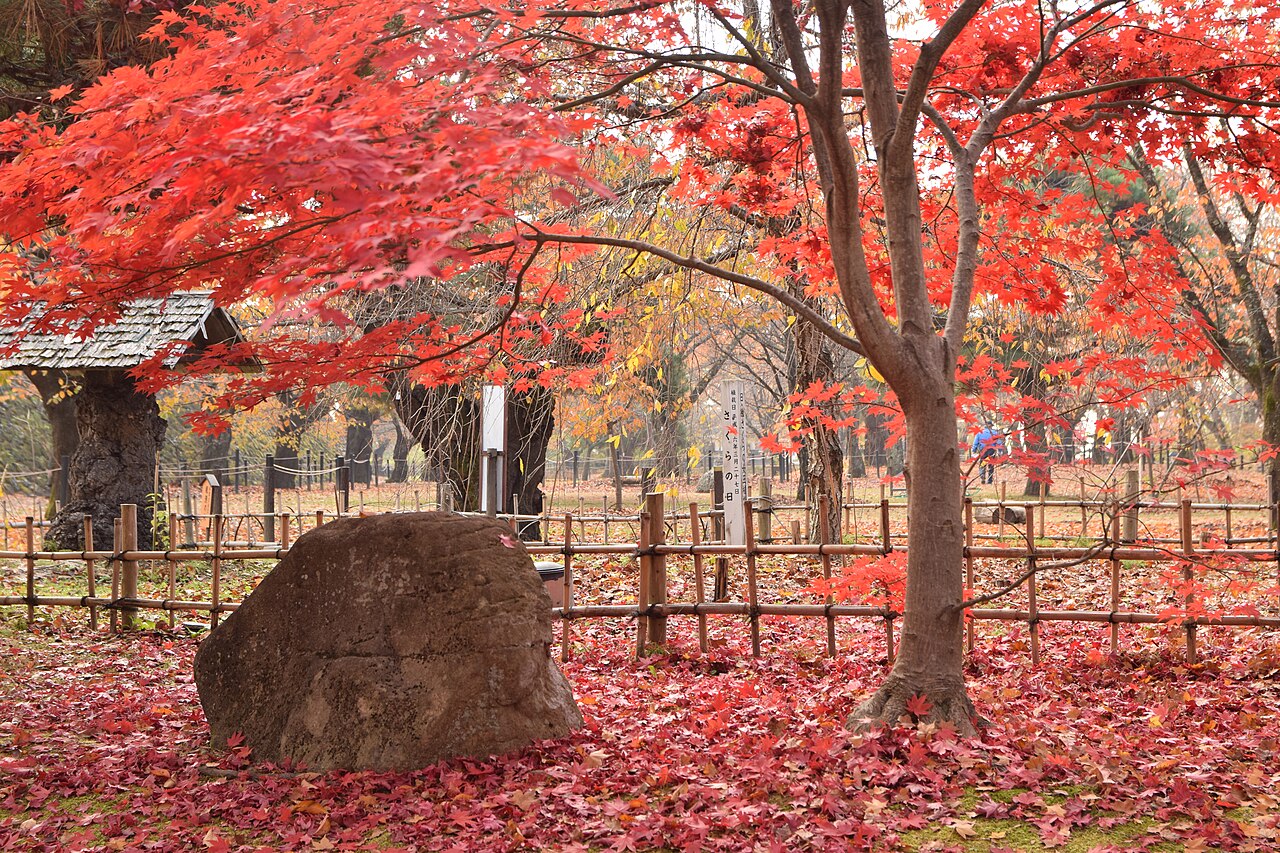
Within the park, the Shinshu guidebook lists the remains of the main and second baileys, lookout points such as Fujimidai and Mizunote, and a cluster of cultural facilities, the Chokokan, the Toson Memorial Museum, the Keizo Koyama Art Museum and the Komoro Gijuku Memorial Museum, all of which can be covered in a single circuit.
- Kaikoen opening hours: 9:00 to 17:00, open daily until November 30
- Kaikoen is closed every Wednesday from December to the second week of March
- Kaikoen is closed from December 29 to January 3
Museums, the Zoo and Tickets
The Toson Memorial Museum, the Chikyu no Arukikata Shinshu guidebook says, holds a first edition of one of Shimazaki Toson's novels plus other papers and personal effects, in a building by Yoshiro Taniguchi, architect of the Imperial Theatre. The Shinshu guidebook records that the Komoro Zoo dates from nineteen twenty-six, the oldest in Nagano Prefecture, and keeps about thirty-five species.
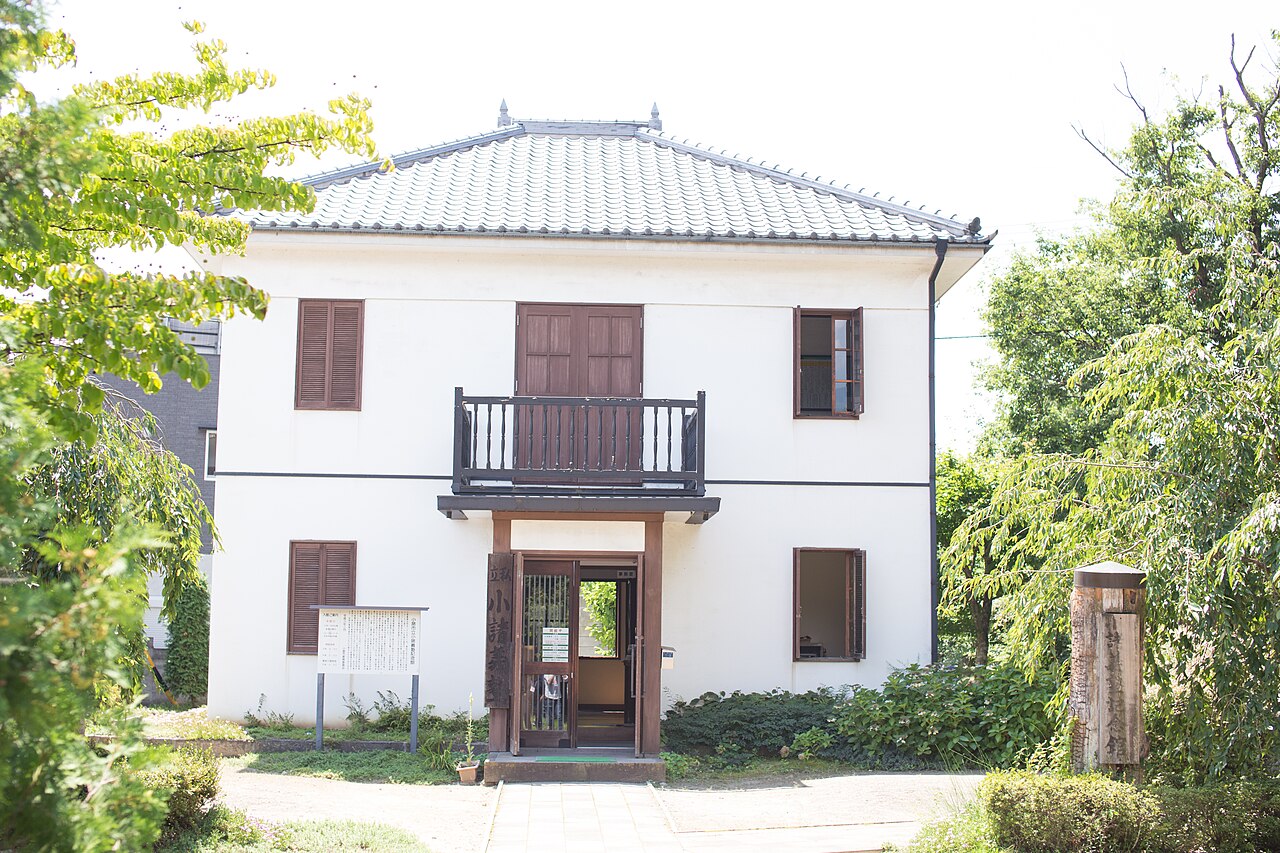
The Shinshu guidebook puts the Komoro Gijuku Memorial Museum on the site where Kimura Kumaji founded a private school in eighteen ninety-three, with photographs and textbooks recalling Shimazaki Toson and other teachers there. The common ticket covers the Kaikoen stroll, the zoo, the Chokokan, the Toson Memorial Museum, the Keizo Koyama Art Museum and the Komoro Gijuku Memorial Museum.
| Ticket | Adult | Junior high school student or younger |
|---|---|---|
| Common ticket | 500 yen | 200 yen |
| Common ticket, group of twenty or more | 400 yen | 150 yen |
| Stroll ticket | 300 yen | 100 yen |
| Single-facility ticket | 200 yen | 100 yen |
- The Chokokan, the Toson Memorial Museum, the Keizo Koyama Art Museum and the Komoro Gijuku Memorial Museum are open 9:00 to 17:00 from April to November
- The Chokokan, the Toson Memorial Museum, the Keizo Koyama Art Museum and the Komoro Gijuku Memorial Museum are open 9:00 to 16:30 from December to March, with last admission at 16:00
- The Komoro Zoo is open 9:30 to 16:30
Where to stay
Places to stay near Komoro, Nagano, Japan →
Disclosure: This post may contain affiliate links. If you book through them, we may earn a commission at no extra cost to you.
The Castle Town Behind the Park
An old gazetteer places Komoro on the western foot of Mount Asama, on the eastern bank of the river, and ranks it among the leading commercial towns of Kitasaku, having flourished as the Makino family's castle town. The gazetteer notes that Takeda Harunobu first built the castle and that the Makino family later made it their seat.
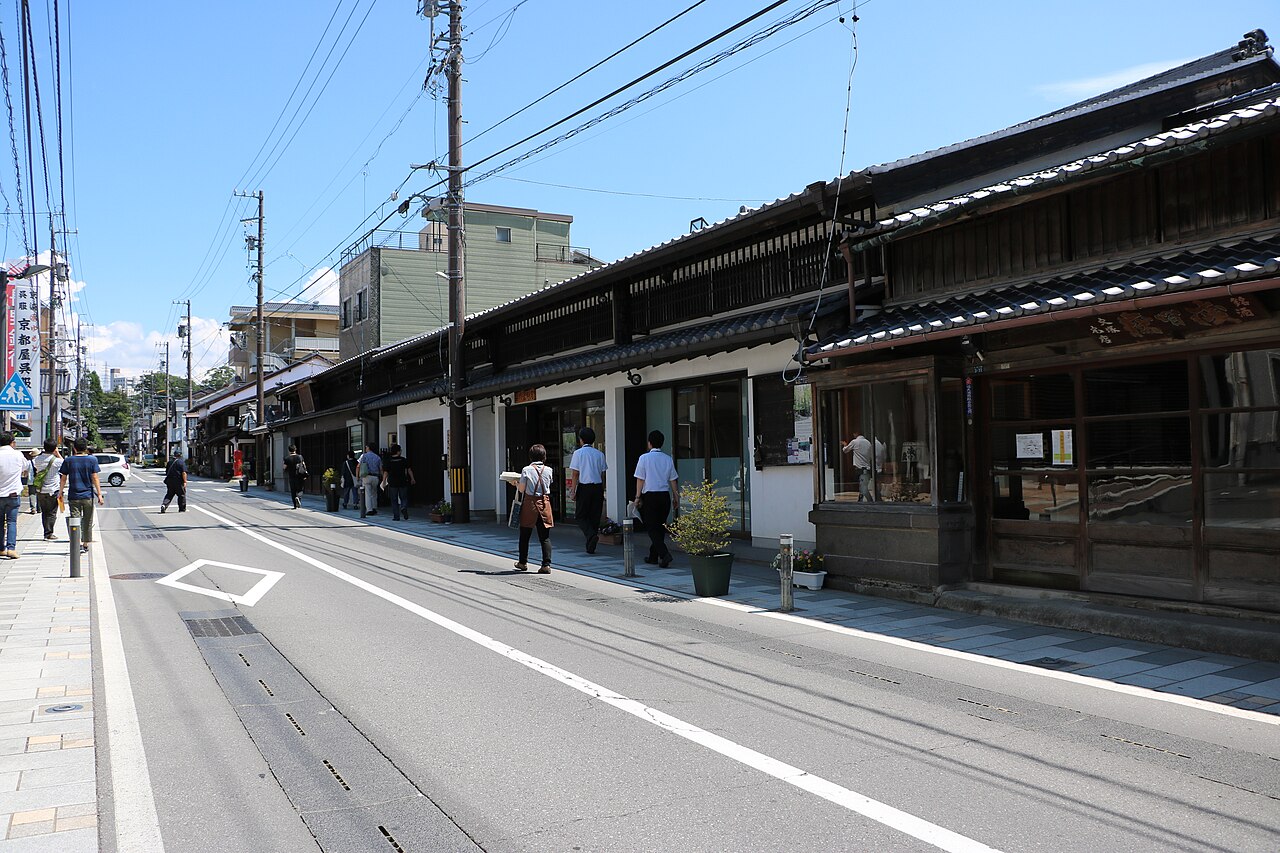
The Shinshu guidebook describes central Komoro as a castle town and post town that grew where the Nakasendo, the Hokkoku Kaido and the Saku-Koshu Kaido met, with historic streets that survive and sloping ground that makes the center best covered on foot.
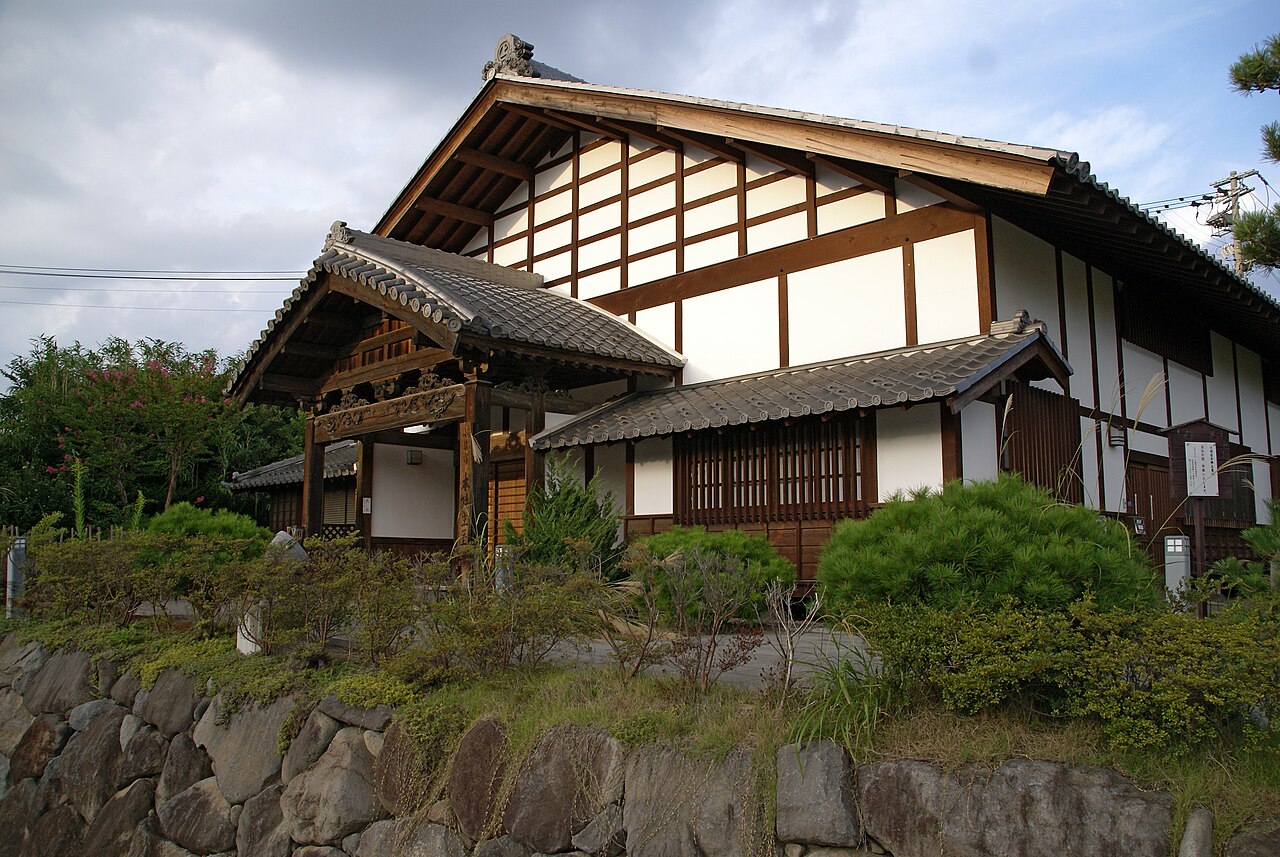
Along the Hokkoku Kaido, the Shinshu guidebook lists the former Komoro Honjin, a late Edo-period house owned by the Ueda family, who held the honjin role for the Komoro post town, built with a full second storey and beams that project toward the road, and now a national Important Cultural Property.
Getting to Komoro and Getting Around
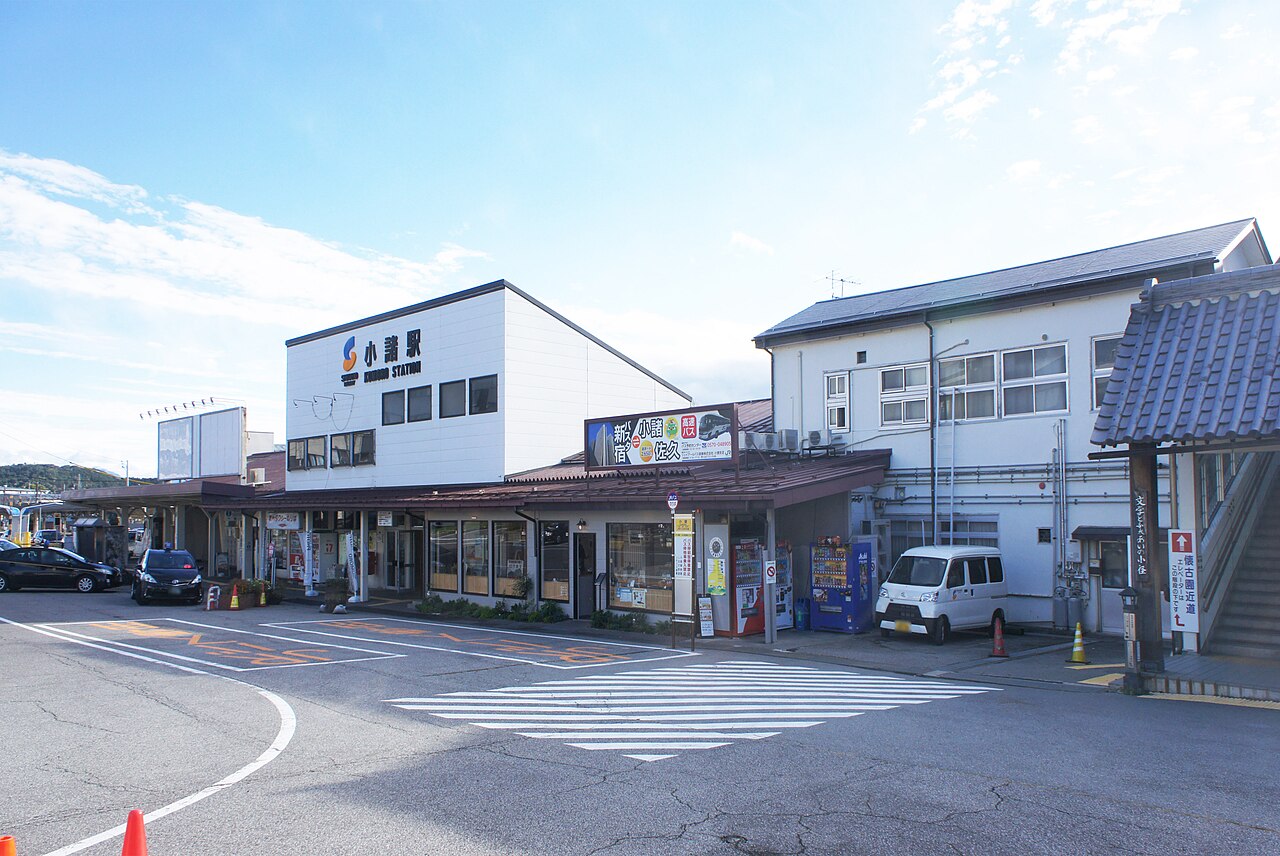
Rail journey times from Komoro to Karuizawa, Ueda and Sakudaira are short, so the park fits into a day based in Karuizawa or Ueda as easily as it fills a visit of its own. The table below gives the times by line. The walk from Komoro Station to Kaikoen takes about three minutes.
| Route | Time |
|---|---|
| Komoro Station to Karuizawa Station, Shinano Railway | about 25 minutes |
| Komoro Station to Ueda Station, Shinano Railway | about 20 minutes |
| Komoro Station to Sakudaira Station, JR Koumi Line | about 15 minutes |
| Komoro Station to Kobuchizawa Station, JR Koumi Line | about 2 hours 15 minutes |
Arriving by car is just as simple. By car, it takes about eight minutes from Komoro IC to Kaikoen. Parking charges, the Komoro Tourist Information Center's times and its rentals are listed below, so you can decide on the spot whether to walk or ride.
- Kaikoen municipal parking: 500 yen per standard car within 12 hours, excluding temporary lots
- The Komoro Tourist Information Center is open 9:00 to 17:00 from April to November
- The Komoro Tourist Information Center is open 9:30 to 16:30 from December to March
- The Komoro Tourist Information Center is open every day except December 29 to January 3
- Rental cycles at the Komoro Tourist Information Center: from 300 yen per hour for a non-electric bicycle
- Rental cycles at the Komoro Tourist Information Center: from 500 yen per hour for an electric-assist bicycle
- Walking pole rental at the Komoro Tourist Information Center: from 300 yen per day
Beyond the Park: Koori Fuketsu and Nunobiki Kannon
The Chikyu no Arukikata Shinshu guidebook places Koori Fuketsu, natural wind caves whose interior stays at about two degrees Celsius even at the height of summer, in the Koori settlement by the river, with a history of food storage from early times and, later, of cold storage for silkworm eggs that supported the silk-reeling industry.
- Koori Fuketsu guided tour (wind caves and the Koori settlement): 3,000 yen, advance application required
- Reference taxi fare to Koori Fuketsu: about 1,900 yen, about 4 km, about 10 minutes
The other side trip is a temple. The Shinshu guidebook states that Nunobiki Kannon, a temple in Komoro, has its Kannon hall set inside a cave in a sheer rock face, built out on twelve pillars in the overhanging style, with a parking lot at the foot.
- Reference taxi fare to the Nunobiki Kannon approach parking lot: about 2,000 yen, about 5 km, about 10 minutes
- Nunobiki Kannon suburban-course guide by the Komoro guide association (within 2 hours): from 3,000 yen
Soba Country and Where to Stay
Guidebooks describe Komoro's mist-grown soba as a crop raised in buckwheat fields spread across the foot of Mount Asama, where soil rich in minerals from volcanic ash, abundant sunshine and low rainfall are credited with its distinctive flavor and aroma.
For more castle-town and hot-spring outings in Nagano, see Matsushiro and Bessho Onsen. If you would like more time in Komoro than a day allows, browse places to stay in Komoro.