This guide lays out an Oga Peninsula day trip built around the rail ride from Akita into Oga and the connections onward. It takes in the Namahage Museum and Shinzan Shrine, the Kanpuzan Rotating Observatory, Oga Aquarium GAO, stone-grilled cooking at Nyudozaki and the rock shelf at Unosaki. A short history of the peninsula rounds off the article.
From Akita to Oga Station and the Shuttle Out to the Sights
The JR Oga Line runs from Akita Station to Oga Station in fifty-five minutes, which is what makes the peninsula workable as a day trip from Akita. Oga Station is the base for everything below. Check the return times before you leave Akita, since the sights lie well beyond the station.
From Oga Station, the Namahage Shuttle reaches the Namahage Museum in about twenty-five minutes. The shuttle is a reservation-only service, and the reservation has to be made by the day before at the deadline in the table below, so you cannot simply turn up and board. Oga City route buses charge a flat fare per boarding whatever the distance.
| Step | Detail |
|---|---|
| JR Oga Line, Akita Station to Oga Station | 55 minutes |
| Oga City route bus, regular fare, per boarding | 200 yen |
| Oga City route bus, discounted fare for elementary school students and others, per boarding | 100 yen |
| Namahage Shuttle, Oga Station to Namahage Museum, ride time | about 25 minutes |
| Namahage Shuttle, deadline for the advance request | 21:00 on the previous day, or 17:00 if requesting by phone |
| Oga Station Tourist Information Center, hours | 9:00 to 17:00 |
| Oga General Tourist Information Center, hours | 9:00 to 17:00 |
| Oga Futto Tourist Information Center, hours | 9:00 to 17:00 |
There are tourist information centers at Oga Station, at the Oga General center and at Oga Futto, and all keep the hours in the table above. Stop at the station counter before you set off.
Namahage Museum and Shinzan Shrine
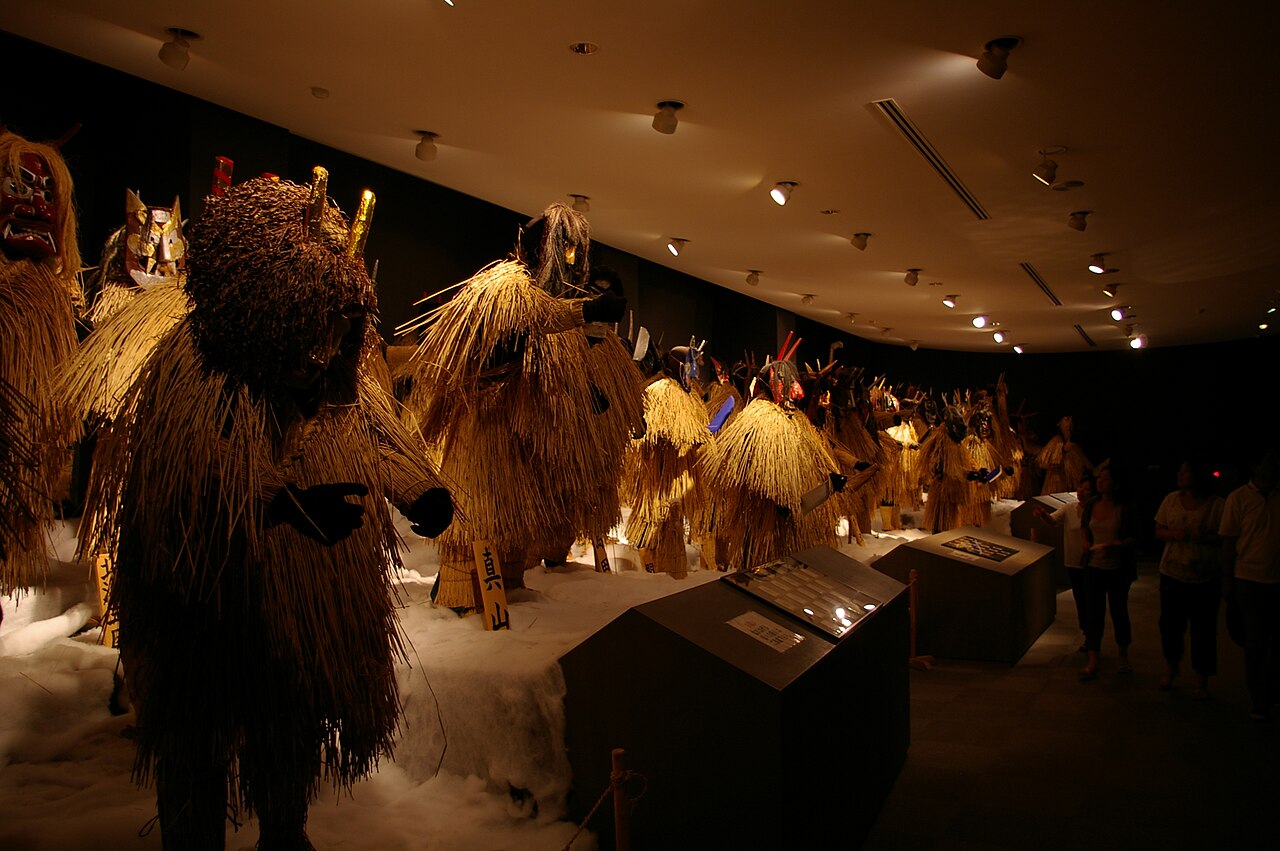
Namahage are the straw-clad, demon-masked figures of local folklore, and the Namahage Museum lines them up life-size in a dim exhibition hall. The museum is open all year from the morning, and the table below lists the opening hours and admission. Give yourself time to walk the hall before moving on to the shrine.
The Oga Shinzan Folklore Museum runs lecture sessions through the day, with start times that differ between the warmer months and the winter months. A combined admission is also listed in the table below. Match your shuttle time to the final session start shown there.
| Item | Detail |
|---|---|
| Namahage Museum, hours | 8:30 to 17:00 |
| Namahage Museum admission, general, tax included | 660 yen |
| Namahage Museum admission, elementary, junior high and high school student | 330 yen |
| Combined admission, general | 1,100 yen |
| Combined admission, elementary, junior high and high school student | 660 yen |
| Shinzan Folklore Museum lecture sessions, April to November, first start | 9:00 |
| Shinzan Folklore Museum lecture sessions, April to November, last start | 16:30 |
| Shinzan Folklore Museum lecture sessions, December to March, first start | 9:30 |
| Shinzan Folklore Museum lecture sessions, December to March, last start | 15:30 |
Guided options on the peninsula are listed through tours and activities around Oga.
Shinzan Shrine is an old shrine at the foot of the mountain of the same name, and its founding is said to date back to ancient times. It is known for its ties to the Namahage, hosts the Namahage Sedo Festival in its grounds each February, and keeps the Kangiten Hall, where an elephant-headed paired deity is said to bring harmony to couples and luck in love. Its goshuin, a stamp issued to visitors, combines brushed characters with red seals.
Kanpuzan Rotating Observatory and Views from the Mountain
Kanpuzan is a volcano with a rounded summit and a crater, as an old gazetteer describes it. The same Meiji-era gazetteer praised the view from the top: the surface of Hachirogata below and the open Sea of Japan to north and south. The Kanpuzan Rotating Observatory stands on the summit, so pick a clear day; the table below lists its opening hours and admission.
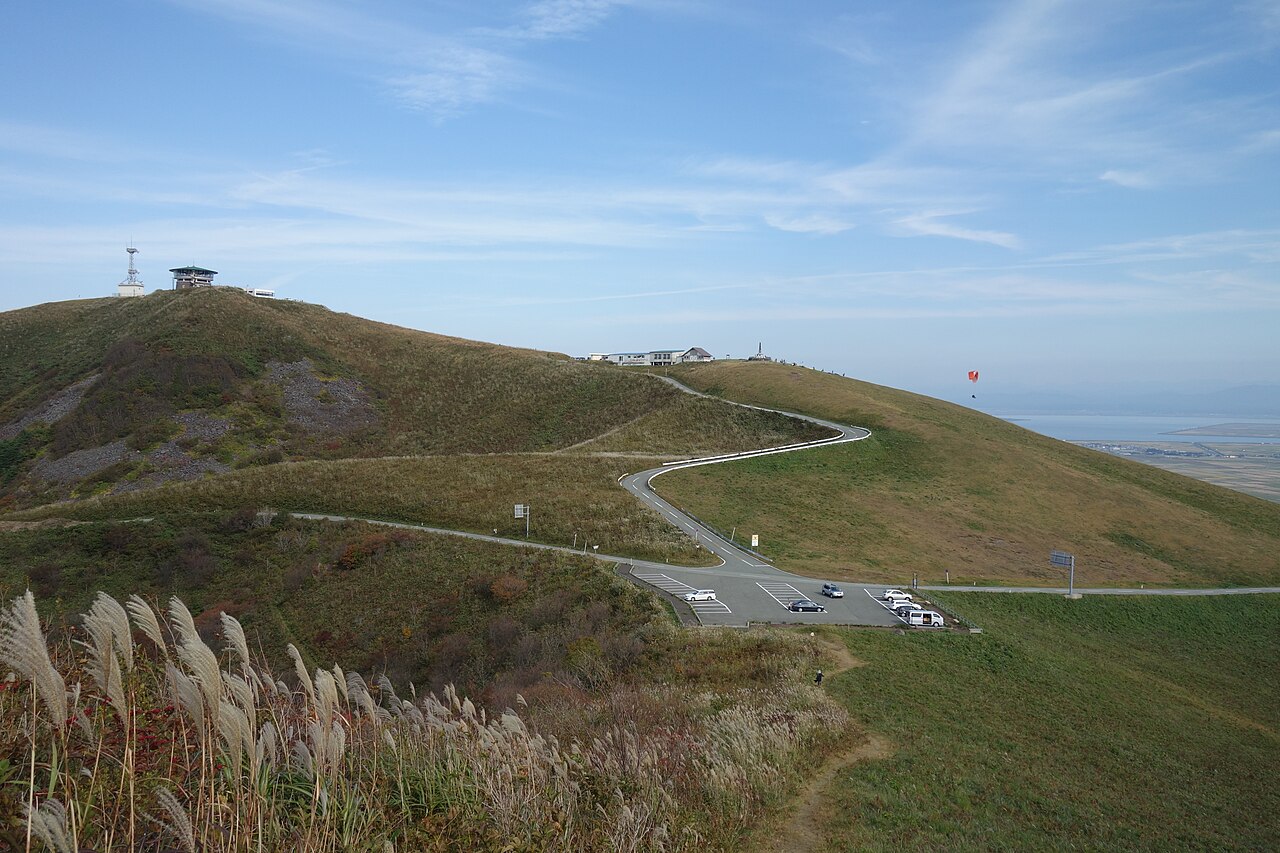
The Kanpuzan Liner links Oga Station with the observatory as a seasonal service that runs from early summer to the end of October. Its fare and the observatory admission are both in the table below. Outside that season, ask at the information centers about other ways up.
| Item | Detail |
|---|---|
| Kanpuzan Rotating Observatory admission, adult, tax included | 550 yen |
| Kanpuzan Rotating Observatory admission, elementary, junior high and high school student | 270 yen |
| Kanpuzan Rotating Observatory, hours | 8:30 to 17:00 |
| Kanpuzan Liner, Oga Station to Kanpuzan Rotating Observatory, fare | 1,000 yen |
Where to stay
Places to stay near Oga, Akita, Japan →
Disclosure: This post may contain affiliate links. If you book through them, we may earn a commission at no extra cost to you.
Oga Aquarium GAO
Oga Aquarium GAO is reached by route bus from Oga Station, with a stop right at the aquarium, and the fare sits in the table below alongside admission. A welfare rate applies to adults who show a disability certificate, and an annual passport is sold for adults. Check the bus times at the station counter before you commit to the ride.
| Item | Detail |
|---|---|
| Oga Aquarium GAO admission, adult | 1,300 yen |
| Oga Aquarium GAO admission, elementary and junior high school student | 500 yen |
| Oga Aquarium GAO welfare admission, adult, with a disability certificate | 800 yen |
| Oga Aquarium GAO annual passport, adult | 3,000 yen |
| Oga North Line route bus, Oga Station to Oga Aquarium, one way | 200 yen |
Nyudozaki and Stone-Grilled Cooking
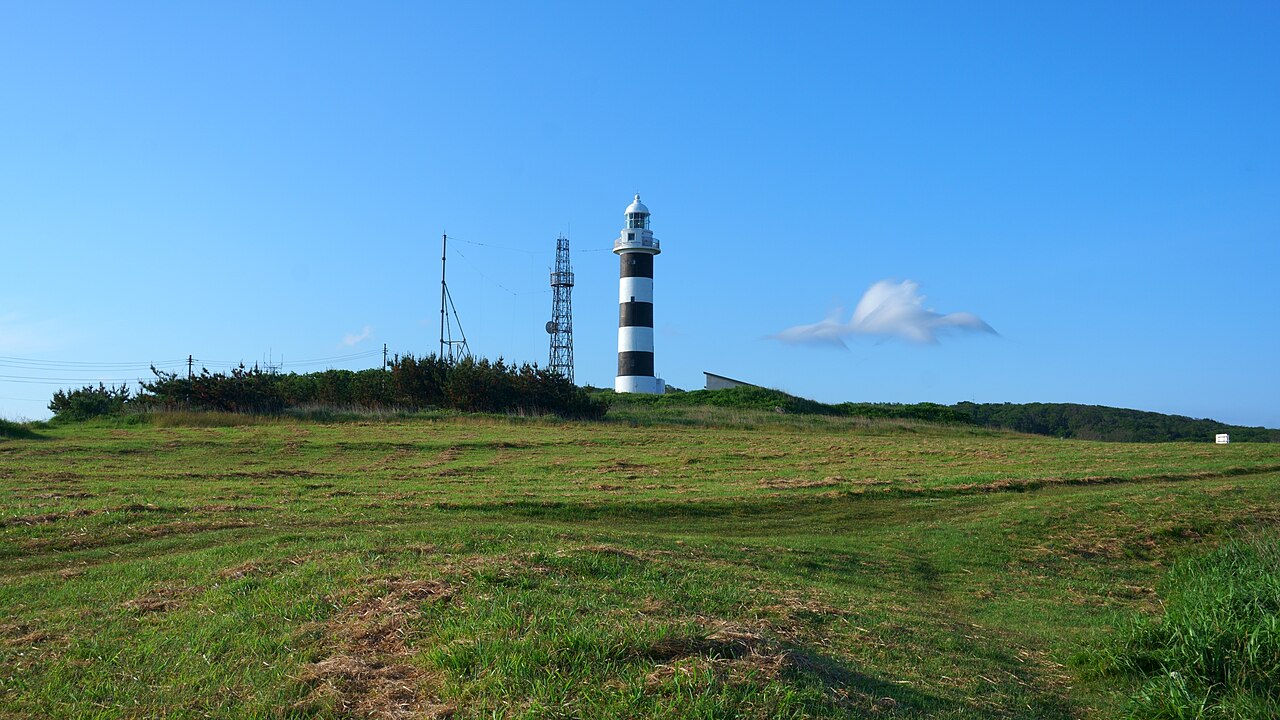
Stone-grilled cooking is the dish to eat at Nyudozaki, the headland marked by a black-and-white striped lighthouse. It began as a fishermen's dish: fish, seaweed and seasonal vegetables go into a tub of water, and stones heated until they glow red go in after them to bring everything to a boil at once. Plan to eat here at midday rather than late in the afternoon.
The broth is finished with miso, and the dish is regarded as the signature of Oga's food culture, born of its fishing communities. Oga shotsuru yakisoba is the other local plate: noodles kneaded with powdered wakame and kelp stock, dressed with a salt- or soy-based sauce built on shotsuru, a fish sauce from Akita, and each place around Oga does its own version. Minoko in Nyudozaki serves the stone-grilled dish, and the table below lists its hours.
| Item | Detail |
|---|---|
| Minoko stone-grilled restaurant in Nyudozaki, hours | 11:00 to 17:00, closes early when ingredients run out |
Unosaki and the Rocky Coast
Unosaki is a stretch of coast where countless odd-shaped rocks rise and dip along the shore, and an old gazetteer records the spray of breaking waves flying up like an avalanche. The flat tidal shelf with its pools is what you walk out onto now. Give it an unhurried walk at the water's edge.
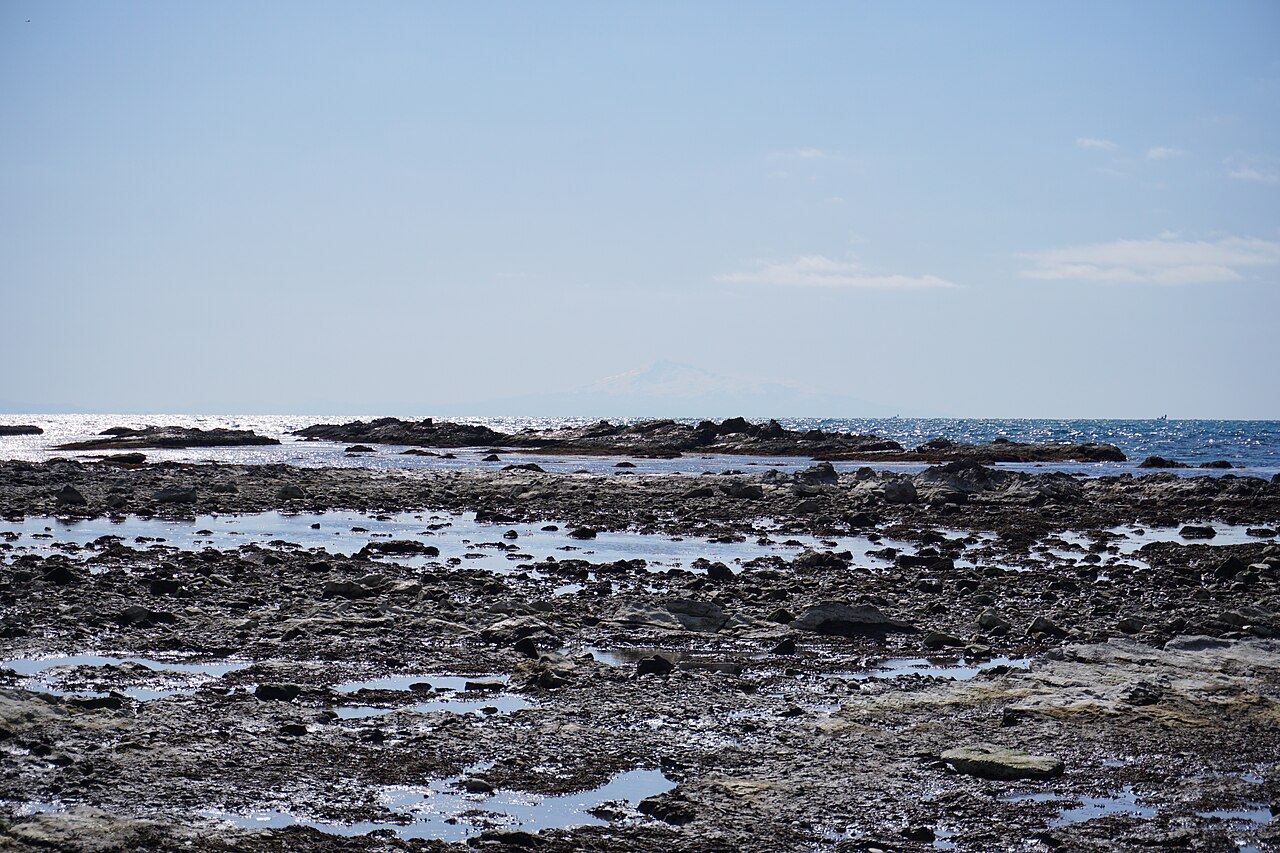
A Taisho-era gazetteer went further and compared the whole peninsula favorably with Matsushima for its mix of grand scenery, pounding surf and strange rocks. The same writers picked out the rocks below, described here as they recorded them.
- Hokake-jima: a reef that waves strike at its base, named because it looks like a sailing ship adrift on the ocean.
- Ryuzo-iwa: a strange rock towering above the sea, likened to a dragon about to climb to the heavens.
A Short History of the Peninsula
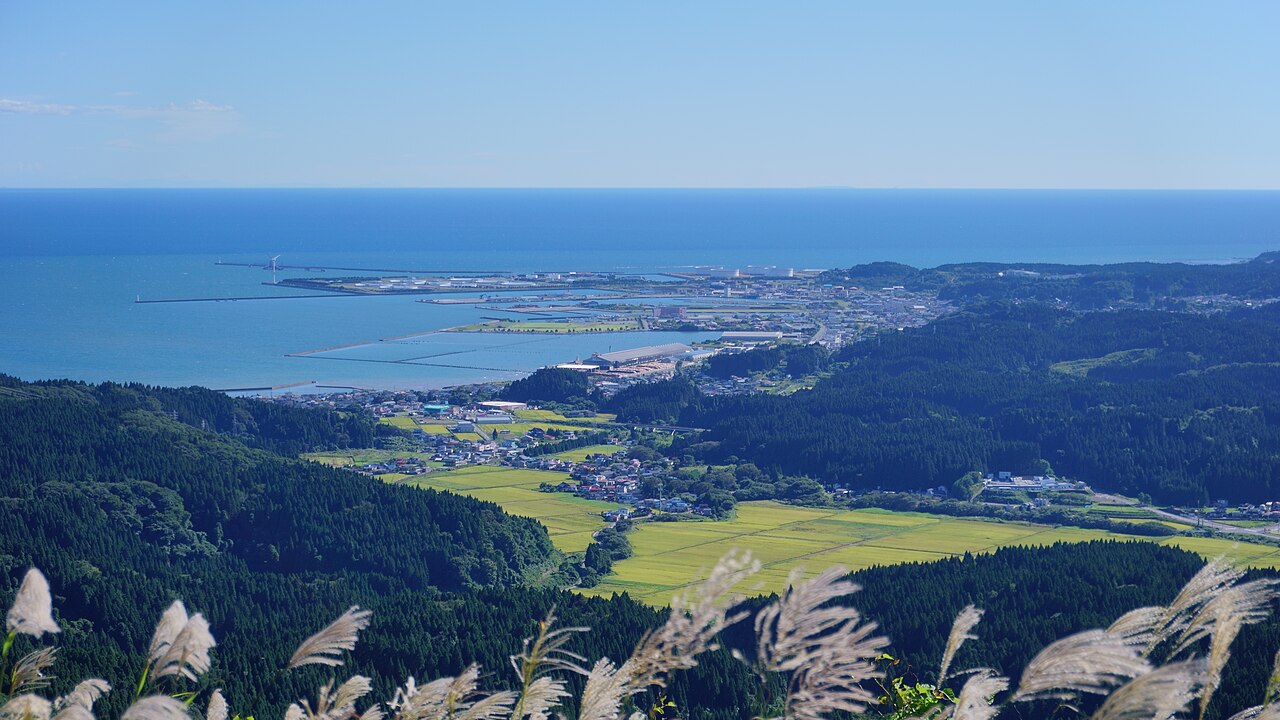
The Oga Peninsula faces the Sea of Japan on its south, west and north sides and looks east over Hachirogata, and the old gazetteers describe it as joined to the mainland by little more than a sandy strip. The same accounts picture a hilly, overgrown interior, with the east side alone lying lower and suited to rice. Look for that sandy strip on the way in.
Akagami Shrine's main sanctuary, the Goshado, is a cluster of halls set in a row, and the present buildings are said to have been modeled on the upper shrines of Hiyoshi Sanno during a later repair. Eizen-in, the temple of Nisshakuji, was abolished at the Meiji Restoration when its steward returned to lay life as a Shinto priest. By the time the gazetteer was written, only traces of its halls remained in the undergrowth.
- Goshado of Akagami Shrine: the cluster of halls forming the main sanctuary, once accompanied by a bell tower, a pagoda and a refectory.
- Site of Eizen-in: the former temple, abolished at the Meiji Restoration and recorded afterwards as traces in the grass.
- Funakawa Port: a natural harbor shielded from the rough sea by a headland, with a lighthouse on the point in the Meiji and Taisho years.
Funakawa Port grew in the Meiji and Taisho years into a harbor counted among the leading harbors of Tohoku, deep enough for large ships, while the peninsula around it was divided into villages that farmed the lower eastern side. A look at the harbor front rounds off the day.
If the return feels tight, sort out places to stay in Oga before you travel.