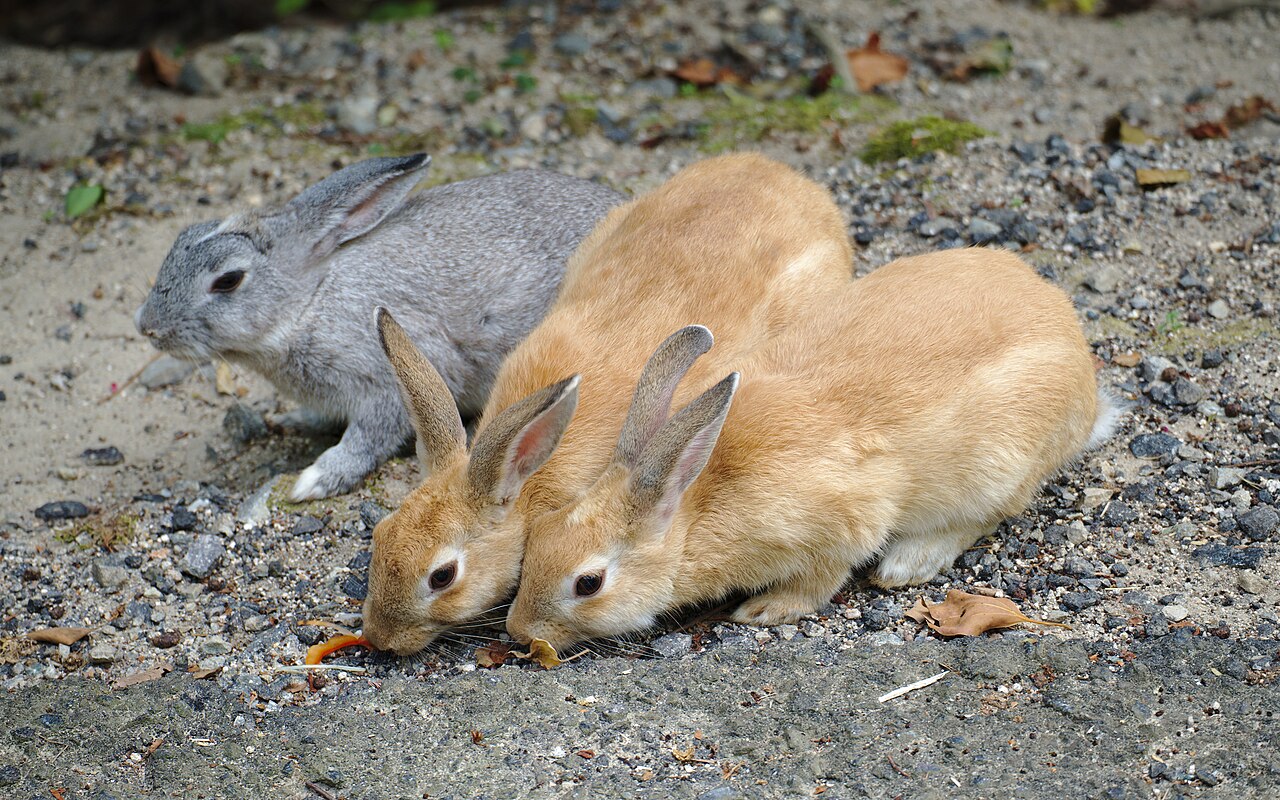
This guide covers how to reach Okunoshima, how to meet the rabbits, the museum and the ruins, walking the island, and the way back.
Okunoshima is worth the trip for rabbits that live in a semi-wild state rather than as pets. The sections below follow the day in order, from the ferry over to the way back.
Getting to Okunoshima from Tadanoumi Port
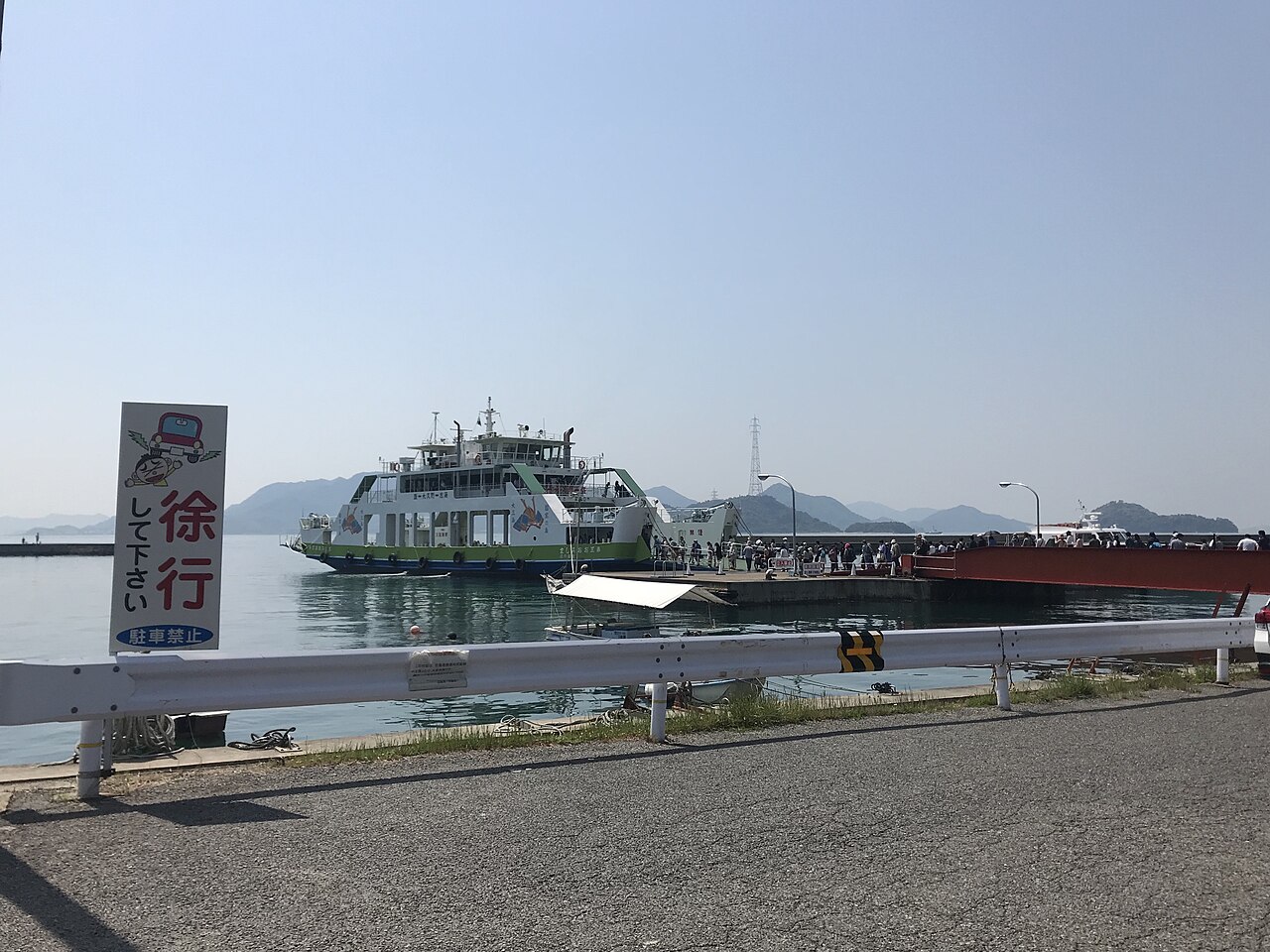
The island is reached by the Kyukamura passenger boat or the Omishima Ferry from Tadanoumi Port. Reaching that port is the part to plan, and the legs of the approach are set out below.
From Mihara Station, the JR Kure Line runs to Tadanoumi Station. From Tadanoumi Station, Tadanoumi Port is a short walk away. Drivers can leave the car at the free public parking at the port. The ferry crossing itself is brief, and the table below gives the details.
| From | Line and operator | Change | Time or fare |
|---|---|---|---|
| Tadanoumi Port to Okunoshima pier | Kyukamura passenger boat or Omishima Ferry | — | about 15 minutes |
| Tadanoumi Port to Okunoshima pier, one-way adult fare | Kyukamura passenger boat or Omishima Ferry | — | 360 yen |
| Mihara Station to Tadanoumi Station | JR Kure Line | — | — |
| Tadanoumi Station to Tadanoumi Port | On foot | — | — |
To see what outings are on offer around Takehara, look at tours around Takehara.
Meeting the Rabbits on the Island
The rabbits of Okunoshima are domesticated European rabbits, not a native Japanese species. Their fur comes in gray, black, brown and cream. No rabbit food is sold on the island.
The points below cover how to treat the rabbits on the island.
- Do not chase or hold the rabbits, because they stress easily and are prone to broken bones.
- Do not interact with the rabbits on roads, road edges or in front of building entrances, because buses and bicycles run on the island.
- Do not feed the rabbits by hand near the mouth, because their teeth are sharp and their eyesight is poor.
- Do not give the rabbits sweets or bread, because human foods upset their health.
- Take trash and leftover rabbit food home.
- Do not leave rabbits or any other living creatures behind on the island.
Water is scarce on the island, especially around the resort, so the water pans for the rabbits should be refilled.
The Poison Gas Museum and the Wartime Ruins
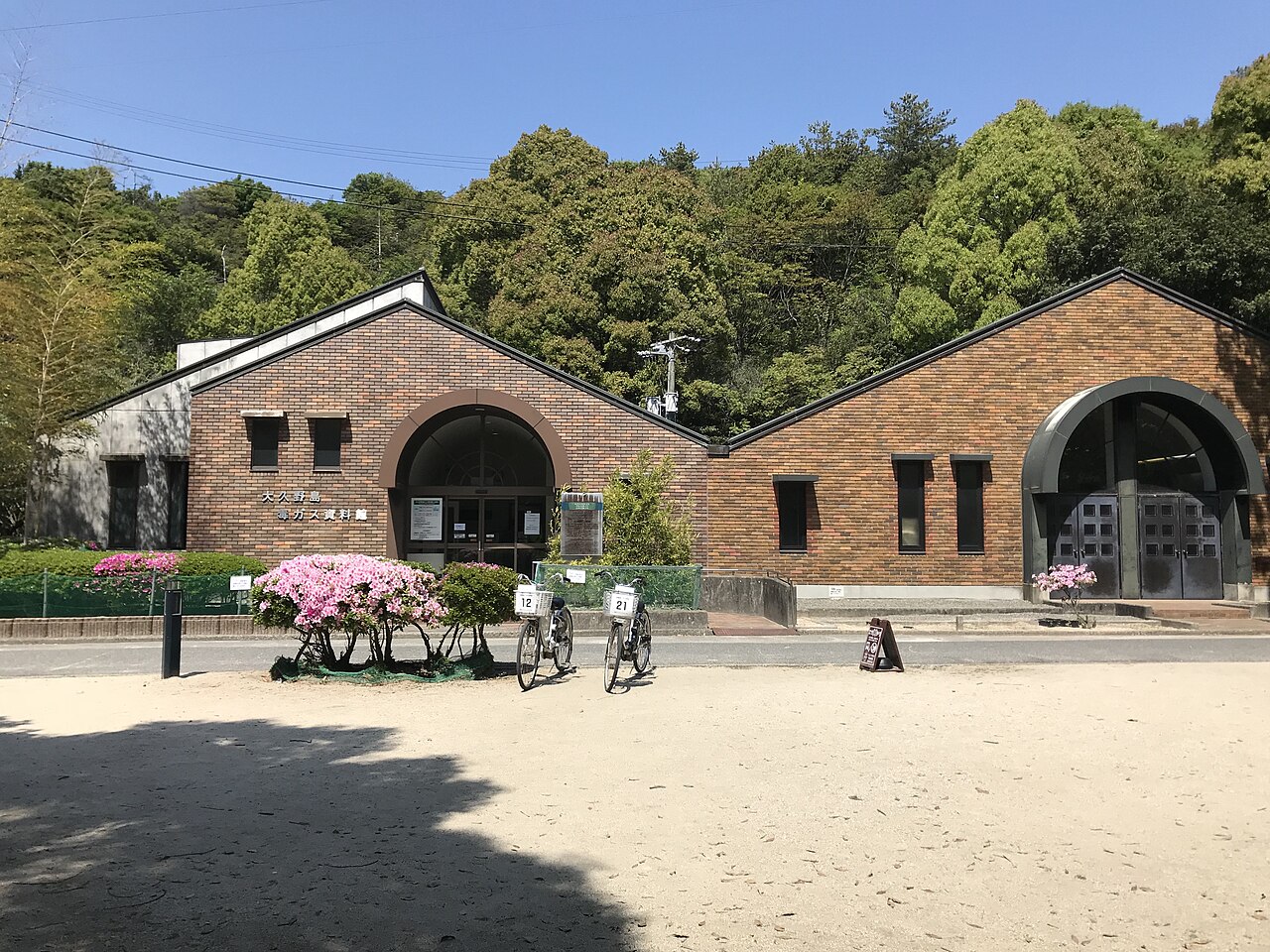
Poison gas was produced on the island by an army arsenal factory, and the table below gives the years it ran.
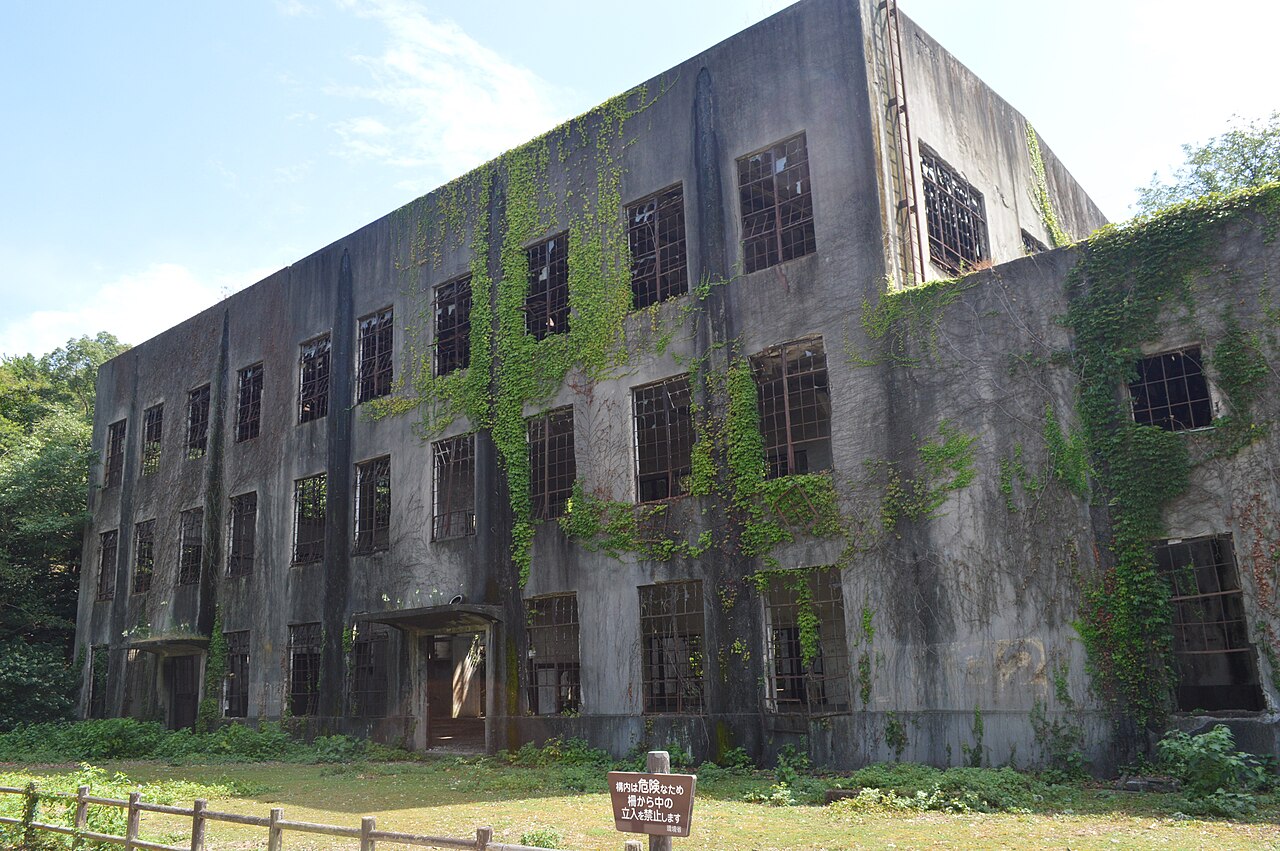
The power plant ruins are reached through a tunnel, and the table gives its location as well.
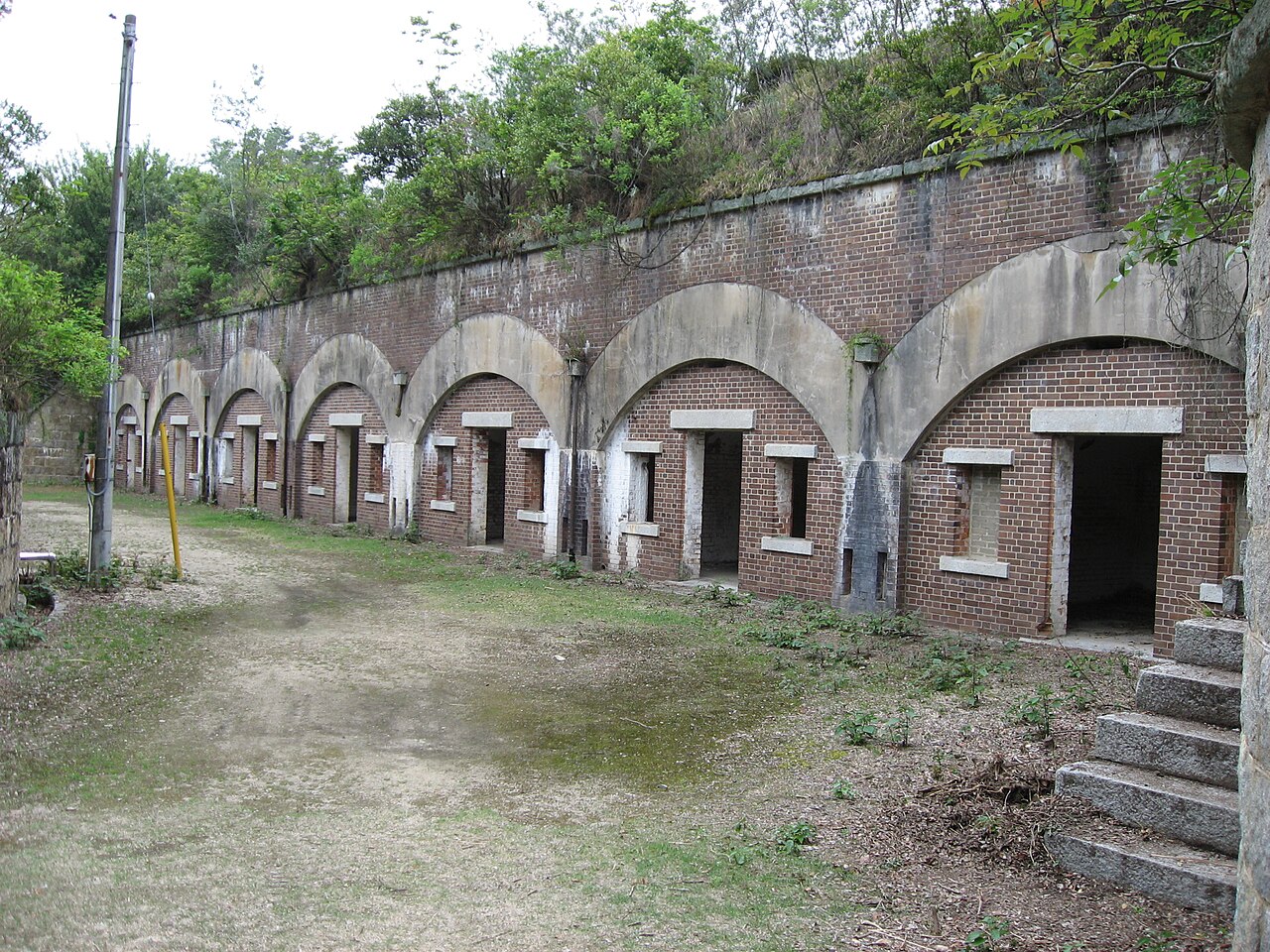
| Item | Detail |
|---|---|
| Poison gas production | From Showa 4 to Showa 20 |
| Poison Gas Museum, year built | 1988 |
| Tunnel to the power plant ruins | Near the second pier |
Walking the Island
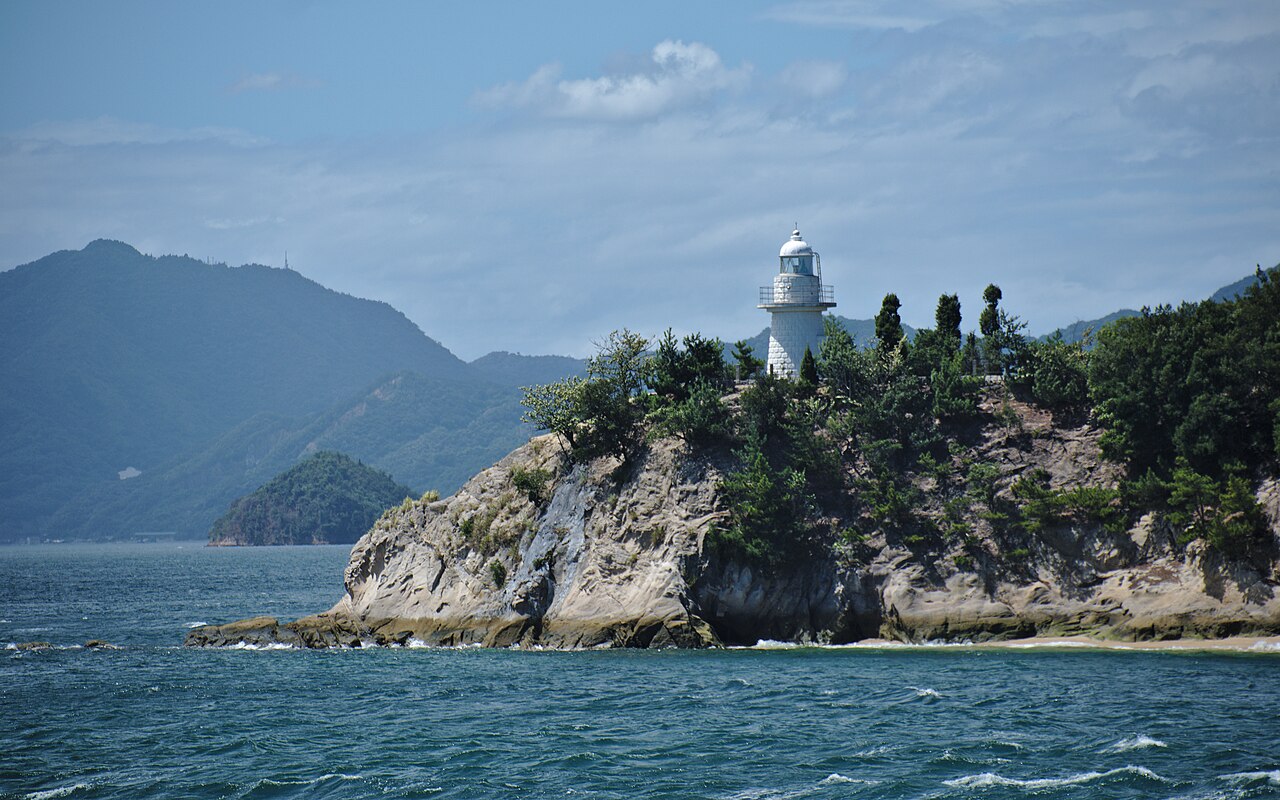
Cars and other vehicles are not driven on the island, apart from uses such as the campground.
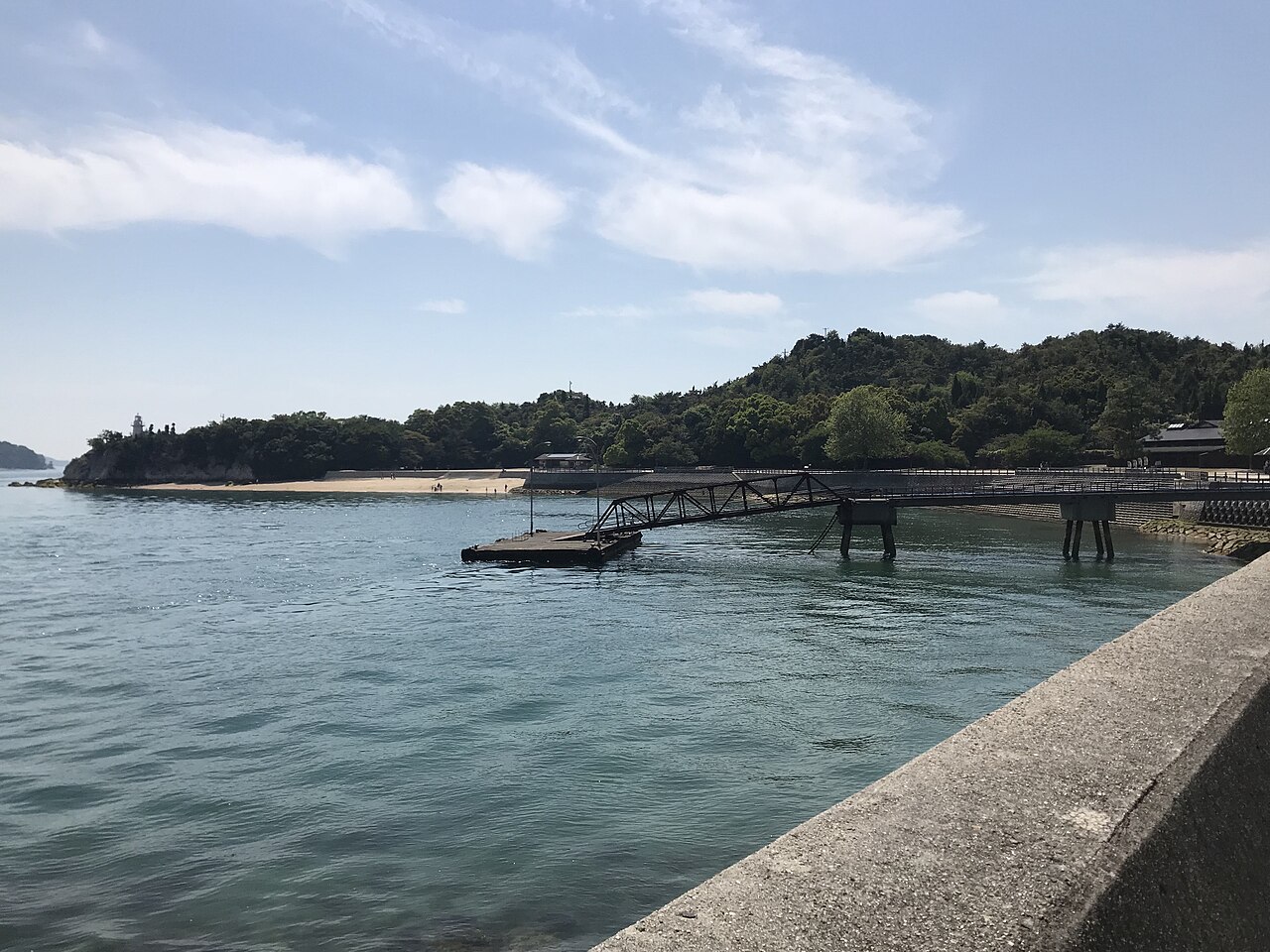
The Okunoshima Visitor Center introduces the nature around the island through exhibits and other displays. From the observation deck, Omishima and Osakikamijima can be seen. An ear-shaped sound collector turns all the way round, and holding an ear to it lets a visitor hear waves and birdsong.
| Item | Detail |
|---|---|
| Seto Inland Sea National Park designation | 1950 |
| Campsite | A fenced lawn with 10 camp plots |
Hours and Fees
The tables below set out what to pay and when to arrive.
| Item | Detail |
|---|---|
| Poison Gas Museum admission, adults (19 and over) | 150 yen |
| Poison Gas Museum admission, under 19 | Free |
| Poison Gas Museum group admission (20 or more people) | 120 yen |
| Item | Detail |
|---|---|
| Poison Gas Museum, daily | 9:00 to 16:00, with last admission at 15:40 |
| Poison Gas Museum, year-end closure | Closed December 29 to January 3 |
| Visitor Center | 9:00 to 16:00, closed on Wednesdays, and on Wednesdays and Thursdays in January and February |
| Day-use hot spring bath, weekdays | 11:30 to 17:00, with last reception at 16:30 |
| Day-use hot spring bath, weekends and holidays | 11:30 to 15:00, with last reception at 14:30 |
| Resort restaurant | Last order at 13:00, closes at 13:30 |
| Paper-making experience | 11:00 to 15:00, to be booked ahead |
Compare options
See partner pricing and availability →
Disclosure: This post may contain affiliate links. If you book through them, we may earn a commission at no extra cost to you.
Heading Back
A sailing stops calling at Okunoshima from November, so check the table for its time. Tadanoumi Port keeps long business hours, and those are listed in the table as well.
| Item | Detail |
|---|---|
| Sailing from Mori at 17:00 | Calls at Okunoshima from February to October, and not from November to January |
| Tadanoumi Port, hours | 7:00 to 19:45, every day of the year |