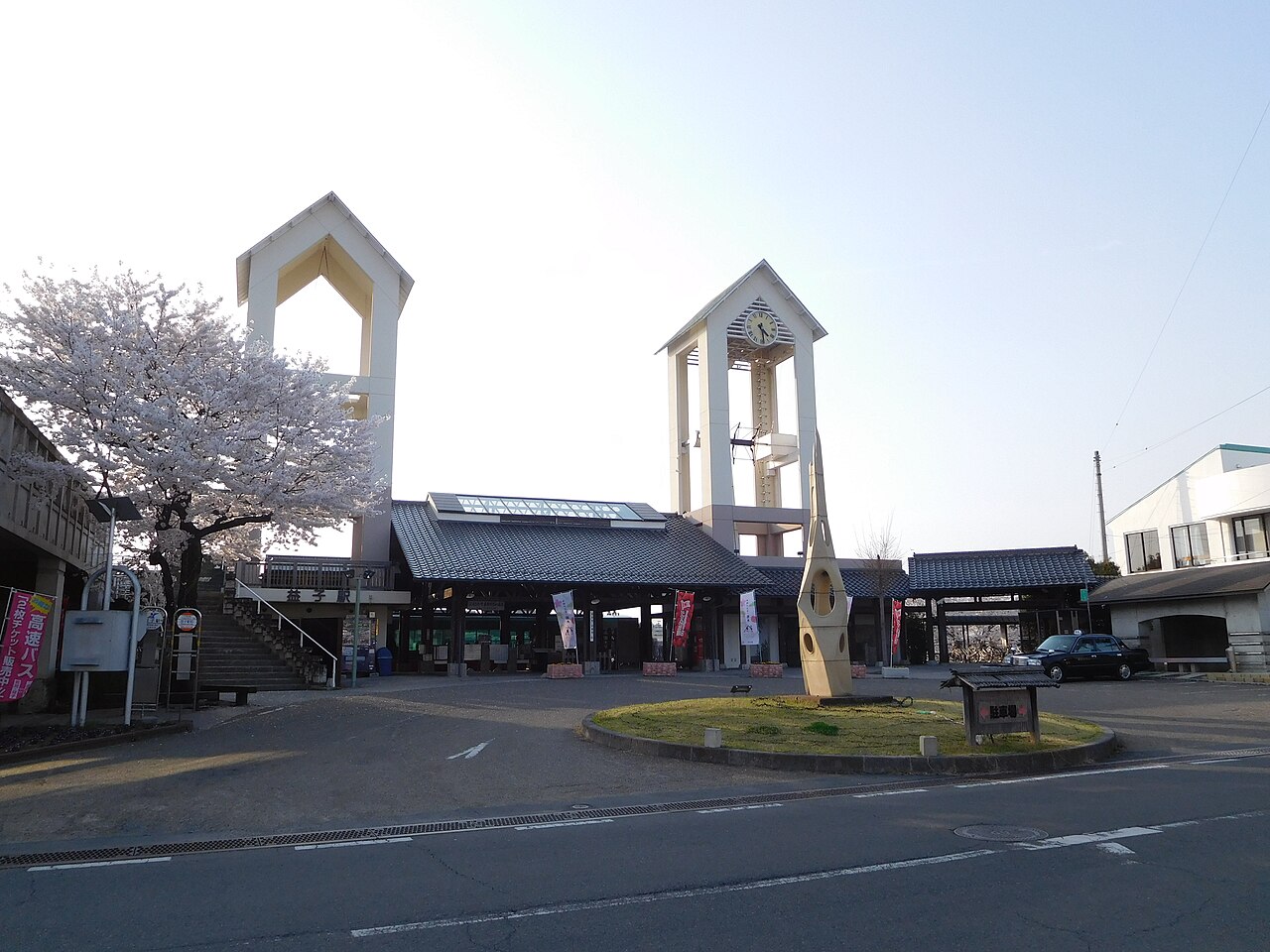
This guide draws on a current travel guidebook and on the pages published by the town of Mashiko, the Moka Railway, the Mashiko Museum of Ceramic Art and the Hamada Shoji memorial house.
Mashiko is a small town in Tochigi Prefecture, a pottery town before it is anything else. Kilns, showrooms and potters' workshops are scattered through its streets, and the pace of the place matches the slow work of shaping and firing clay. Nobody hurries here, and there is little reason for a visitor to hurry either.
That makes it a good fit for a day trip from Tokyo, or a half day from Utsunomiya. The plan below joins a mountainside temple, a kiln yard with the largest climbing kilns in the Kanto region, the museums tied to the potter Hamada Shoji, a sake brewery and a note on when the town is not quiet at all.
Getting to Mashiko
Mashiko Station sits on the Moka Railway, which you join at Shimodate. From Tokyo the simplest rail route is to reach Oyama, ride the Mito Line to Shimodate in about twenty-six minutes, then transfer to the Moka Railway for the ride into Mashiko. The fares and times below are the ones to plan around.
| Leg | Fare or time |
|---|---|
| Moka Railway, Shimodate to Mashiko, one way | Seven hundred and eighty yen for adults, three hundred and ninety yen for children |
| Mito Line, Oyama to Shimodate | About twenty-six minutes |
| Kanto Jidosha bus, JR Utsunomiya Station west exit to Mashiko Station | About one hour |
| Kanto Yakimono Liner bus, Akihabara Station to Mashiko Station via Kasama | About three hours |
| SL Moka steam train, seat surcharge | Five hundred yen for adults, two hundred and fifty yen for children |
There is a one-day unlimited-ride ticket covering the whole Joso Line and the Moka Railway between Shimodate and Mashiko, worth a look if you plan to ride both. On Saturdays, Sundays and public holidays the SL Moka steam train runs on the Moka Railway and stops at Mashiko Station, for the seat surcharge shown above.
Coming by road is simpler: the Kanto Jidosha bus from the west exit of JR Utsunomiya Station takes about one hour to Mashiko Station, which suits anyone staying in Utsunomiya, while the Kanto Yakimono Liner from Akihabara Station runs by way of Kasama and takes about three hours, long enough that a day trip becomes a very early start.
Saimyo-ji, on the Slope of Mount Takadate
Saimyo-ji stands partway up Mount Takadate, above the town, and is the twentieth stop on the Bando pilgrimage of thirty-three Kannon temples. Stone steps lead up between a pair of stone lanterns to the main hall, and the climb is the moment when the potters' town recedes and the day changes its register.
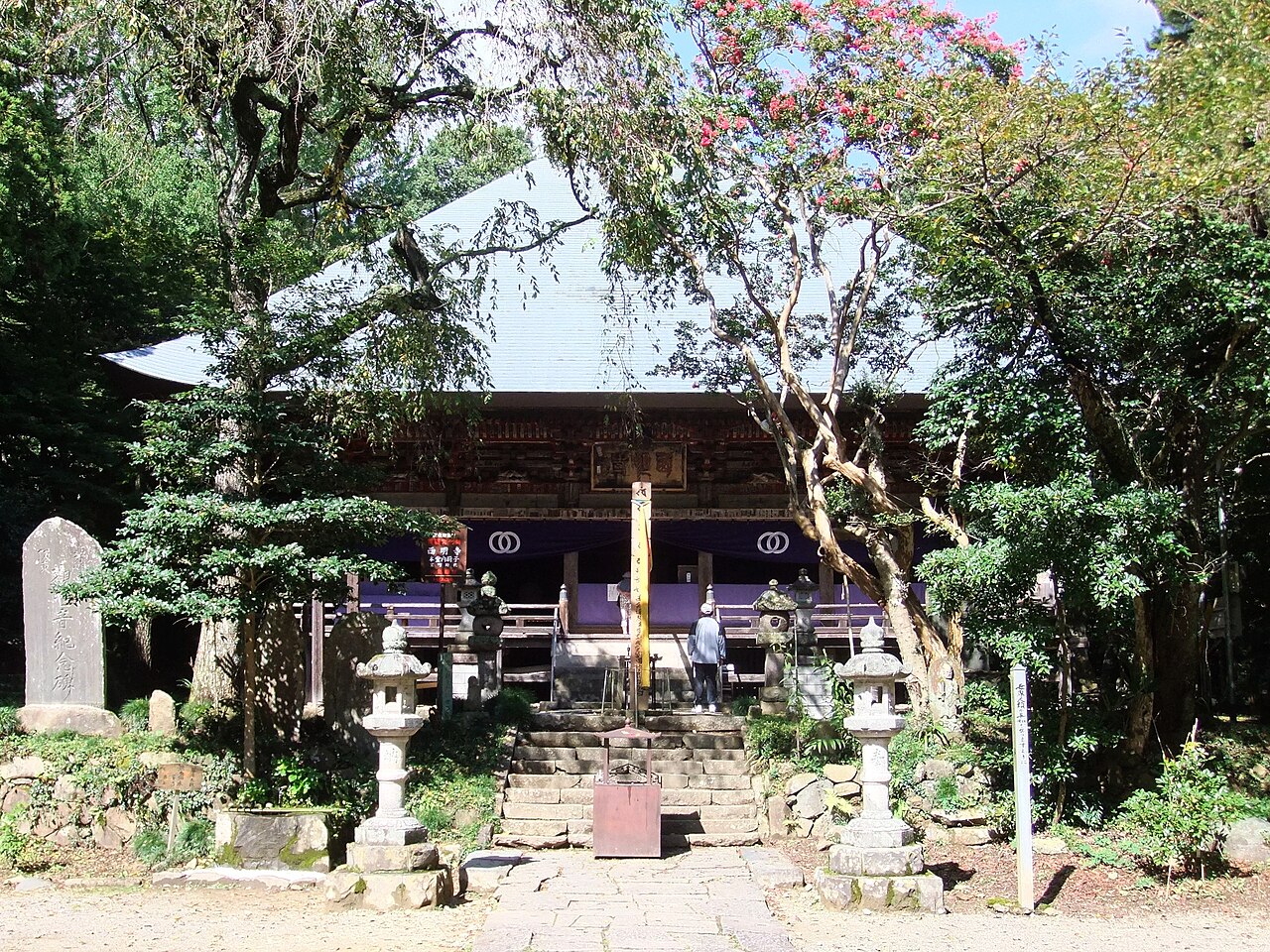
Three parts of the temple are designated Important Cultural Properties of Japan: the tower gate, the three-storey pagoda and the shrine cabinet inside the main hall. Take them slowly. A pilgrimage temple is built to be walked through in order, gate first, and the pagoda and hall reward a visitor who stands still long enough to notice the joinery.
The figure most visitors remember, though, is the laughing Enma. Enma is the judge of the dead and is usually shown scowling; here he grins, and the effect is oddly comforting. If you collect goshuin, the stamped calligraphy temples write for pilgrims, confirm by telephone before you go, because the temple asks visitors to check first.
Where Mashiko Ware Comes From
Mashiko ware has been made here since the Edo period. Its character comes from the clay itself: the pots keep the texture of the earth and are made for everyday use rather than for the display shelf. That practicality is still the point of the town's pottery today, and it is why a Mashiko bowl is easy to live with.
The town holds many kilns, and the people working them range from potters just starting out to those who have spent a lifetime at the wheel. They make and sell their own work, so a piece bought here often comes straight from the person who shaped it. Browsing the showrooms is the easiest afternoon Mashiko offers.
To see the roots of it, go to Koyo Iwashita, a kiln founded in the eighteen-sixties. On its grounds stand two climbing kilns, recognised under Japan Heritage and as a town cultural property, and open to the public free of charge. They are said to be the largest surviving climbing kilns in the Kanto region.
Where to stay
Disclosure: This post may contain affiliate links. If you book through them, we may earn a commission at no extra cost to you.
The Museum of Ceramic Art
The Mashiko Museum of Ceramic Art is the place to get the town's story in order. Its permanent display centres on potters with ties to Mashiko, led by Hamada Shoji and Shimaoka Tatsuzo, both Living National Treasures, and it holds early pieces from the Leach Pottery of the English potter Bernard Leach along with contemporary ceramics from Europe and America.
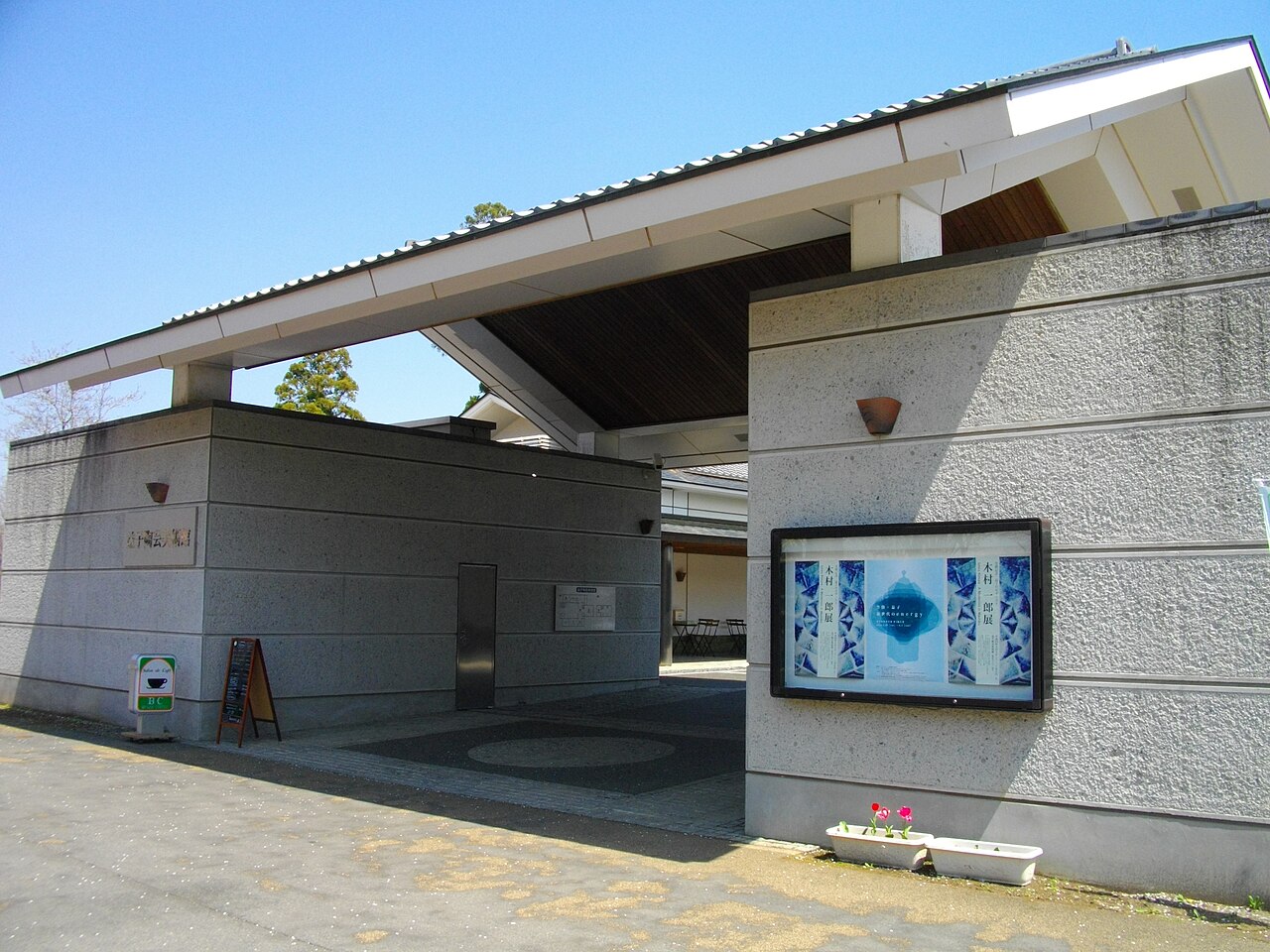
There is a gallery on the history of ceramics in Mashiko, which makes sense of the kilns and showrooms, and a museum shop. Three or four times a year the museum mounts a special exhibition, usually built around contemporary ceramics from Japan and abroad, so it is worth checking what is on before you fix your date.
The museum closes on Mondays, or on the following weekday when the Monday is a public holiday, and it also closes while exhibitions are being changed, which is another reason to check the calendar. Admission and opening times are as follows, with one seasonal change in midwinter.
- Admission: six hundred yen for general visitors.
- Opening times: half past nine in the morning to five in the afternoon, last entry at half past four in the afternoon.
- December and January: closes at half past four in the afternoon, last entry at four in the afternoon.
- Closed: Mondays (the next weekday if the Monday is a public holiday) and during exhibition changeovers.
Hamada Shoji's House
Hamada Shoji was one of the first generation of Living National Treasures. The Shoji Hamada Memorial Mashiko Sankokan is the museum he set up in part of his own home, and it is built around what he collected: ceramics, lacquer, woodwork, metalwork and textiles from Japan and abroad, from antiquity to the modern era, shown across five exhibition buildings.
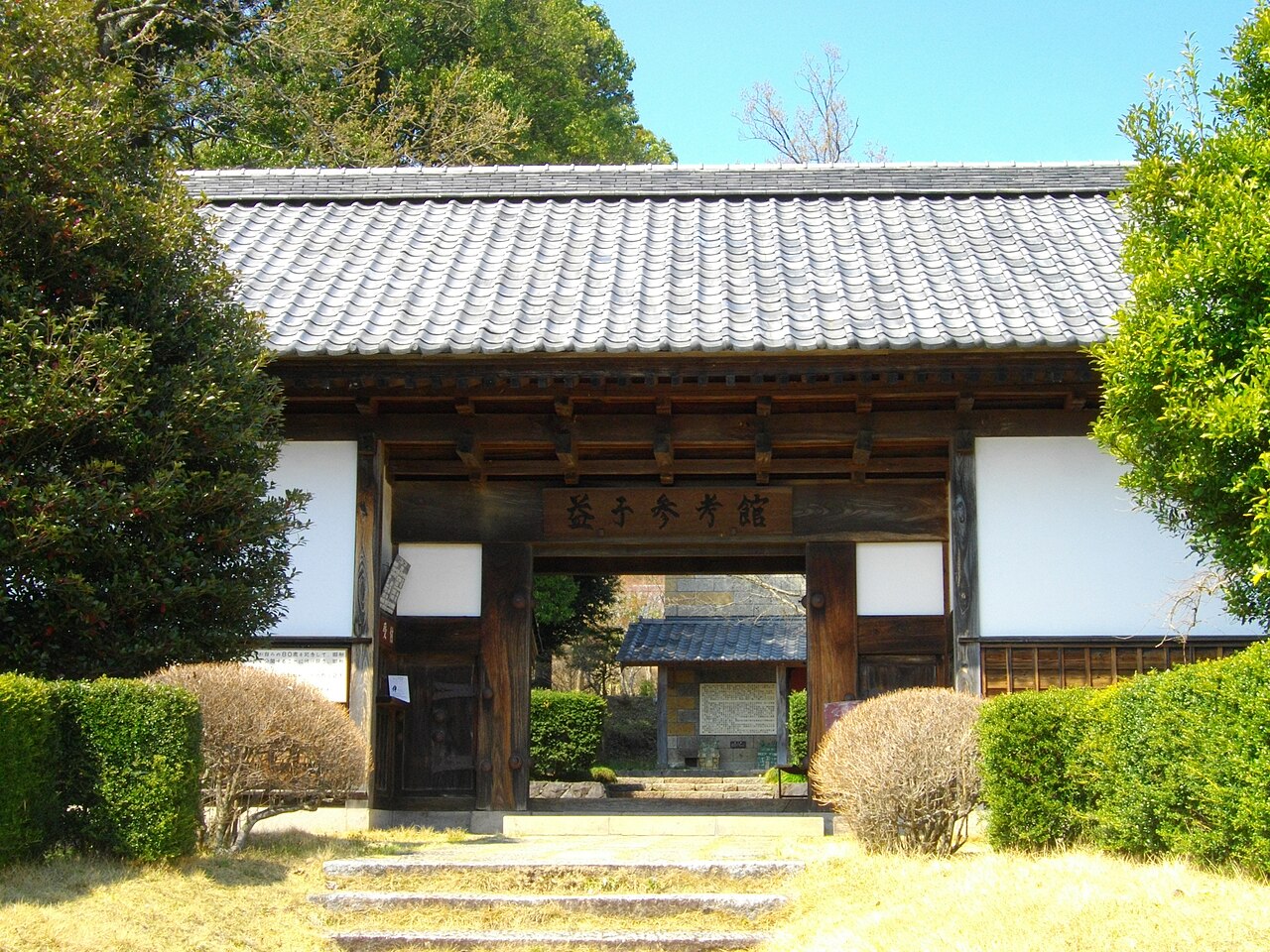
The grounds are as much the point as the display cases. A thatched building known as Uendai, a garden and a climbing kiln are all part of the visit, and walking between the halls gives a sense of how a potter lived and worked here.
Give the Sankokan the longer slot of the afternoon. The Museum of Ceramic Art tells you who Hamada was; his house shows you what he chose to live with, and that is slower to take in. The planning details are these:
- Opening times: ten in the morning to five in the afternoon, last entry at half past four in the afternoon.
- Salon and mini gallery: February to November, ten in the morning to half past four in the afternoon.
- Annual passport: two thousand eight hundred yen, valid for one year from the day of purchase.
- Visitors with a disability: admission for the visitor and one companion is nine hundred yen.
When the Town Is Not Quiet — and Getting Around
For most of the year the town is as quiet as promised. The exception is the Mashiko Pottery Fair, held twice a year, over the spring holiday run known as Golden Week and in early November. About fifty shops take part, joined by about six hundred tents, and the spring and autumn fairs together draw about six hundred thousand visitors.
The fair is described as running from nine in the morning to five in the afternoon, closing at four in the afternoon on the final day, and it is a fine event if buying is the aim. It is not the Mashiko this article is about.
If quiet is what you came for, pick another date, and think about staying the night rather than racing back to Tokyo. An evening in town means an unhurried dinner, and a morning start means the temple steps and the kiln yard before the day-trippers come in. See places to stay in Mashiko before you settle on a date.
Getting around is simpler than the spread of sights suggests. Rental bikes are available with partner spots around town where you can leave the bike rather than riding it back, which makes the places away from the centre, such as the Michi-no-Eki Mashiko rest area and the Tonoike sake brewery, easy to reach.
Tonoike is about a fifteen-minute walk from Mashiko Station, so it works without a bike. The brewery releases its new sake, Hatsushibori, in early December each year, and offers doburoku, shochu and a strawberry liqueur. Its café serves coffee brewed with the water used for the sake and a soft-serve made with amazake, a fair way to end the day.