This guide covers the route from Iyo-Ozu Station to Ozu Castle and the old town, the castle's history and the town's revival, the Hiji River with its cormorant fishing, viewpoints and winter mist, Garyu Sanso with a table of admission fees and times, and local sweets, dishes and a night in the old town. It leaves out cormorant boat fares and times, Bansenso fees and times, NIPPONIA HOTEL rates and check-in times, walking minutes from Iyo-Ozu Station to the old town, rental bicycles, loop route frequency and sightseeing rail fares.
Getting to Ozu Castle from Iyo-Ozu Station
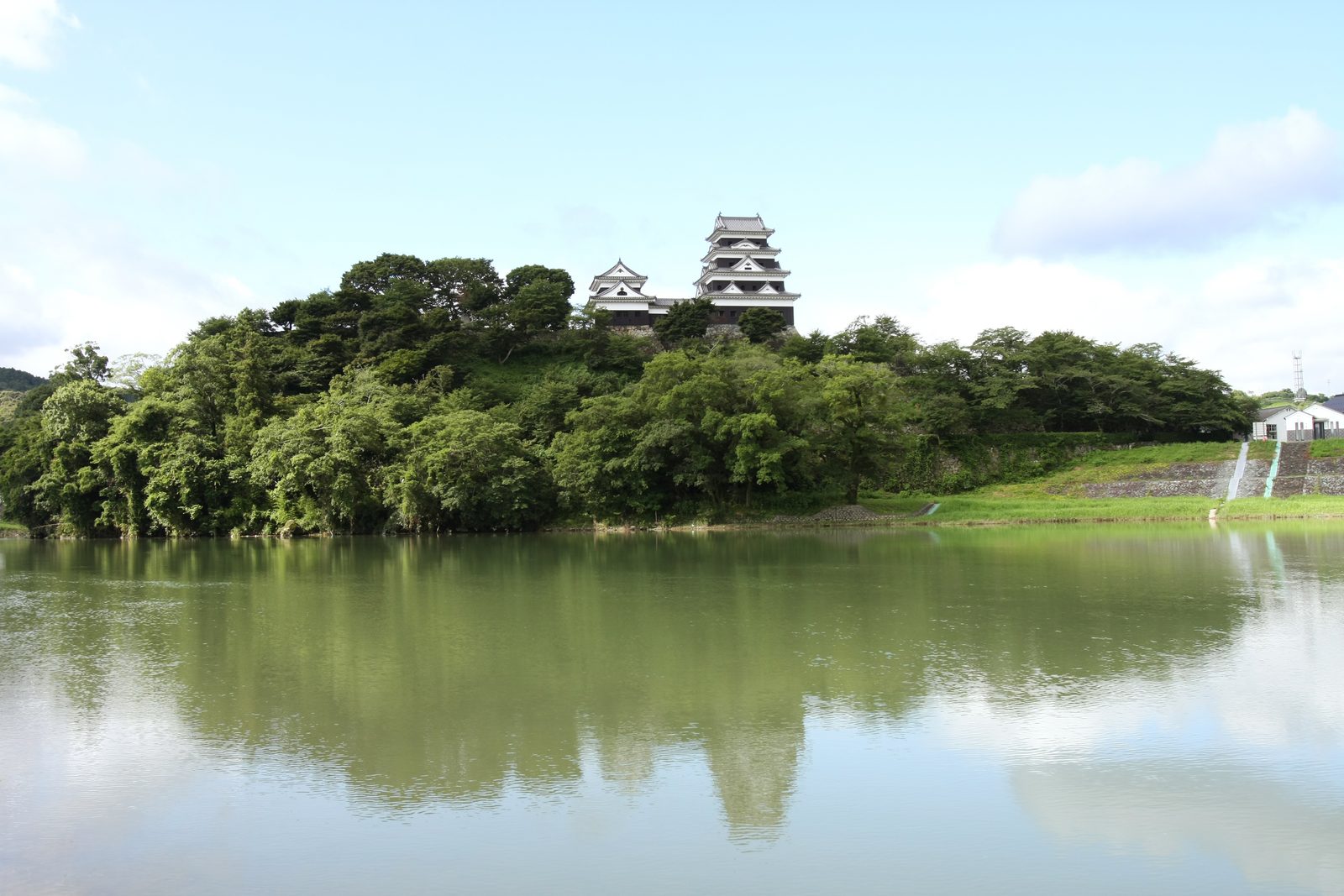
The keep on the hill is a wooden reconstruction completed in two thousand four, built from Edo-period models and records of the original tower.
Ozu lies on the Hiji River, and its castle keep stands on a wooded hill directly above the water. From Matsuyama, the route runs by train to Iyo-Ozu Station, then by the city loop route to Ozu Machi-no-Eki Asamoya, and on foot from there, in the order below.
- From JR Matsuyama Station, the limited express takes about forty minutes to Iyo-Ozu Station.
- The local train from JR Matsuyama Station to Iyo-Ozu Station takes about one hour and twenty minutes.
- If you start at Matsuyama City Station and go via JR Matsuyama Station, the local train to Iyo-Ozu Station takes about one hour and forty minutes.
- At Iyo-Ozu Station, take the Ozu city loop bus on the Higashi-Ozu clockwise route to Ozu Machi-no-Eki Asamoya, a ride of about six minutes.
- From Ozu Machi-no-Eki Asamoya, Ozu Castle is eleven minutes on foot.
- From Ozu Machi-no-Eki Asamoya, Garyu Sanso is five minutes on foot.
- By car, the Ozu Interchange on the Matsuyama Expressway is the starting point, and the Ozu-Hinan Interchange is the closest exit for the castle town area.
Ozu Castle is open from nine in the morning to five in the afternoon, with last admission at half past four in the afternoon, and it is open every day of the year.
The Castle Town Below the Keep
Ozu Castle is said to date from thirteen thirty-one and to have taken its present shape around sixteen hundred under Todo Takatora and Wakisaka Yasuharu, with a four-tier, four-floor keep; from sixteen seventeen the Kato family held it for thirteen generations. The keep was dismantled in the Meiji era and rebuilt in wood in two thousand four.
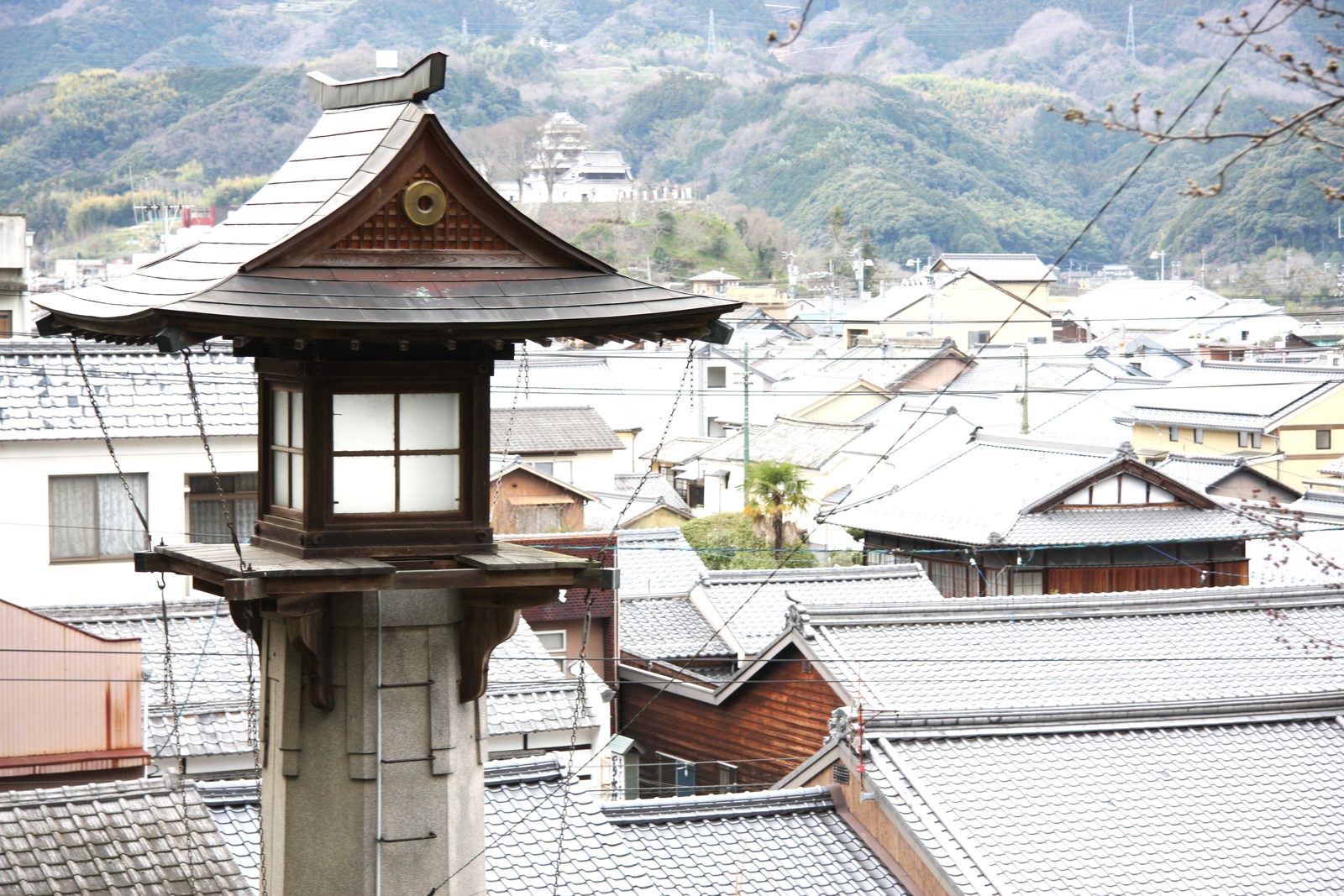
The town beneath grew up as the seat of the Ozu domain in the Edo period, and it is described as prospering later on silk farming and on wax taken from the haze tree, and as a junction where the old highways met. From the lanes today, the keep still shows above the grey tiled roofs.
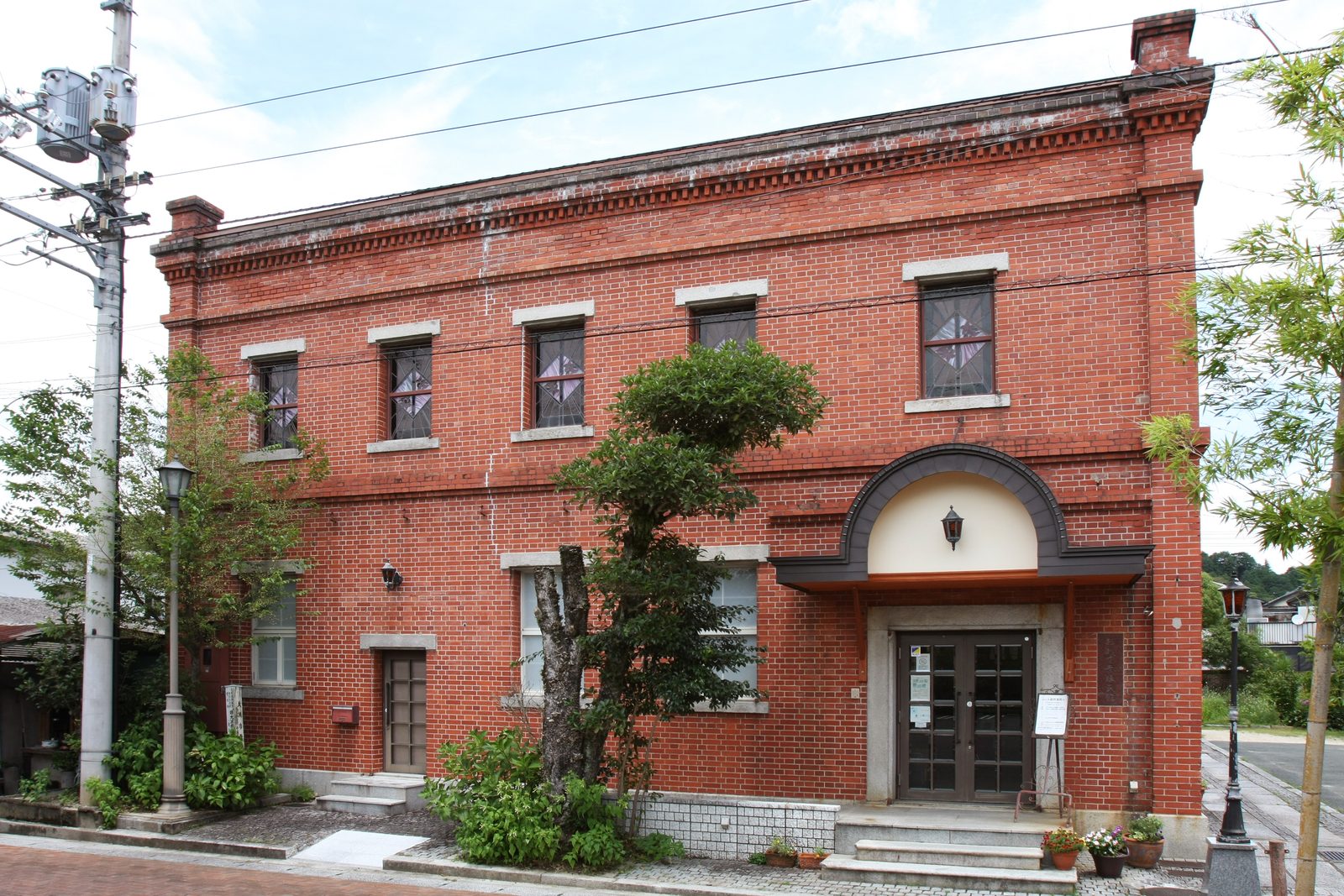
Homes that had begun to lean have been restored as cafes and shops, and a project is turning empty houses into hotel rooms so that preservation and tourism support each other. This public-private effort, under way since around twenty twenty, is reported to have placed among the world's top entries at the Green Destinations Story Awards in twenty twenty-three.
Where to stay
Disclosure: This post may contain affiliate links. If you book through them, we may earn a commission at no extra cost to you.
Along the Hiji River
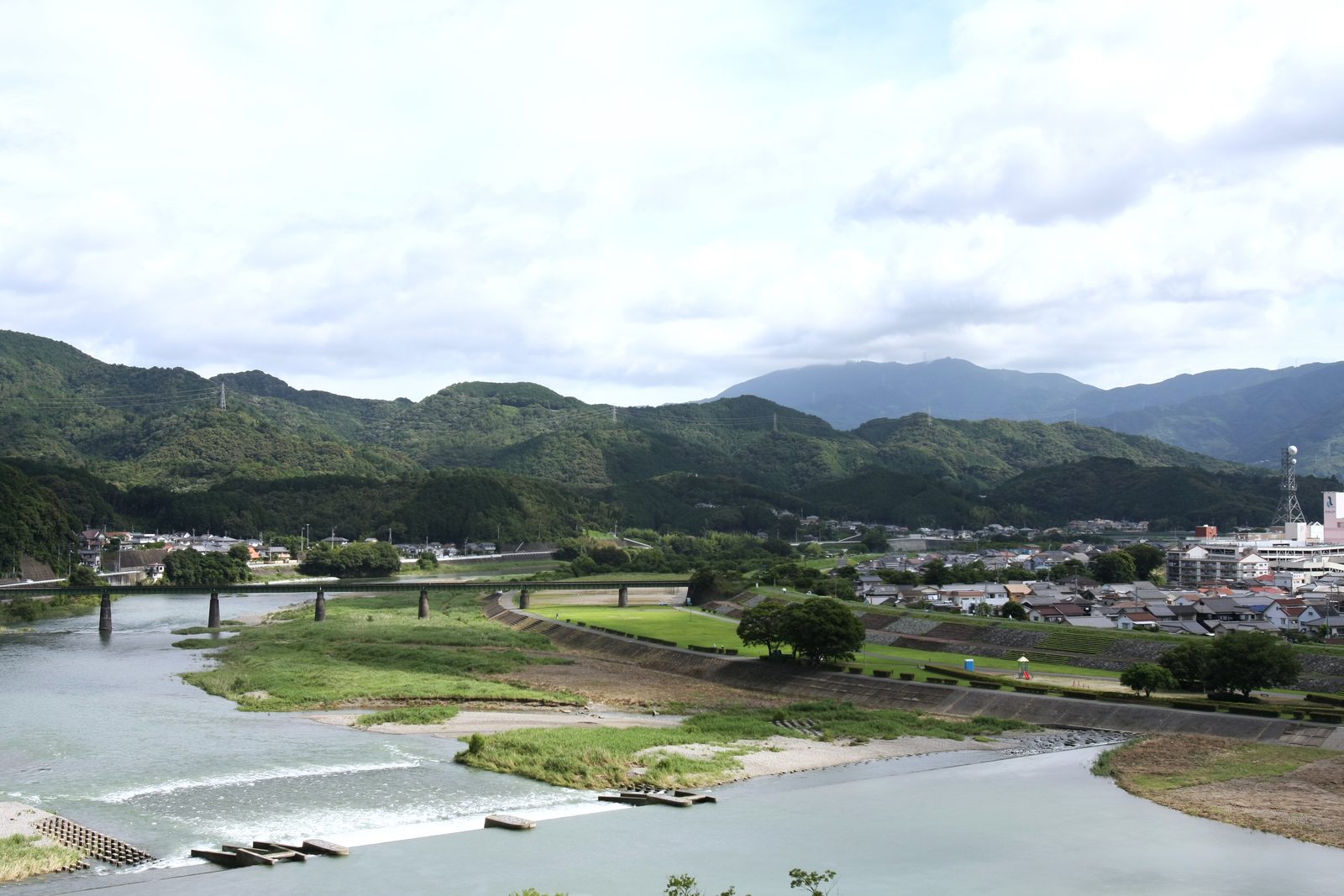
Cormorant fishing on the Hiji is counted among Japan's three great cormorant fisheries, alongside the Nagara River in Gifu and the Mikuma River at Hita in Oita. A roofed boat keeps pace with the fishing boat while you watch the birds take sweetfish and eat local dishes as Garyu Sanso and the castle glow, lit up above the water.
Bansenso is a three-storey wooden villa completed in nineteen twenty-six by the Matsui brothers, who had made their fortune running a department store in the Philippines. It stands on a hillside with a balcony, unusual in Japanese houses of its day, and timber from the southern seas, and it looks out over the river and the mountains around it.
The summit park on Tomisuyama looks over the Ozu basin and the river, and from late April into early May its azaleas turn the hilltop pink. In winter at Nagahama, north-west of the centre, a sharply cold morning can bring the Hijikawa Arashi, a cold wind that fills the river mouth with white mist, seen a few times a year.
If you would like a guide for the wider region rather than the town alone, browse guided tours across Ehime.
Garyu Sanso and What Tickets Cost
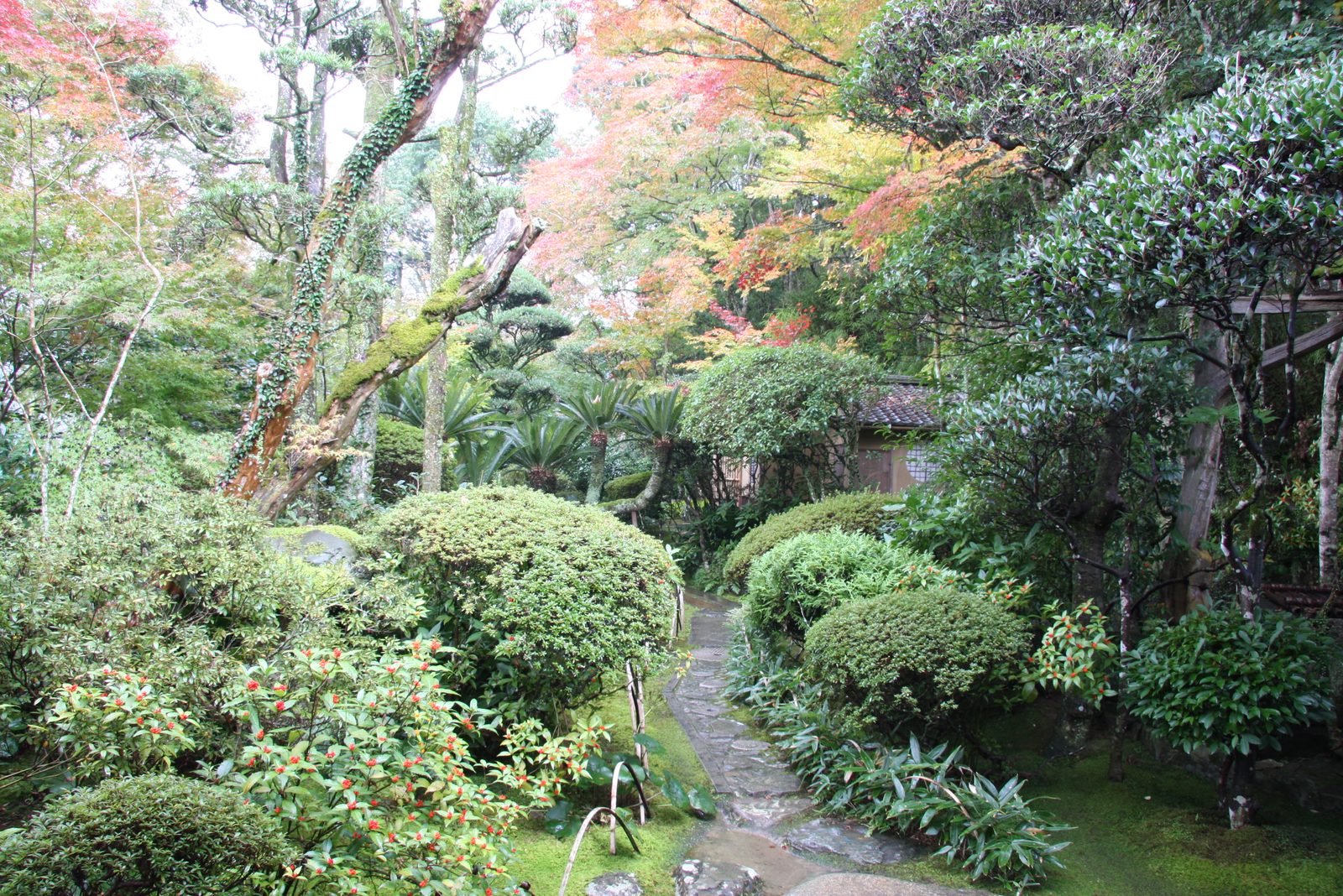
Garyu Sanso is a villa on the bank of the Hiji in the sukiya style, the light tea-house manner of Japanese building. It is said to have been created by a local businessman who grew rich in the wax trade, with master craftsmen from Kyoto and Kobe, over about ten years from eighteen ninety-seven.
Three buildings make up the complex, each a designated Important Cultural Property: the Garyuin, a hall of named formal rooms; the Bunko library; and the Furoan tea pavilion, perched at the edge of a rock face above the river on tall posts like the stage of Kiyomizu-dera and shaped to suggest a boat on the water.
Around them the garden, named a national Place of Scenic Beauty in twenty twenty-one, borrows the mountains and river as its backdrop and changes with the seasons; fees and times for Garyu Sanso and Ozu Castle are set out below.
| Item | Detail |
|---|---|
| Ozu Castle, adult admission | five hundred fifty yen |
| Ozu Castle, child admission (junior high school and younger) | two hundred twenty yen |
| Garyu Sanso, adult admission | five hundred fifty yen |
| Garyu Sanso, child admission (junior high school and younger) | two hundred twenty yen |
| Combined ticket, Ozu Castle and Garyu Sanso, adult | eight hundred eighty yen |
| Ozu Castle, opening hours | nine in the morning to five in the afternoon, last admission half past four in the afternoon, open every day of the year |
| Garyu Sanso, opening hours | nine in the morning to five in the afternoon, last admission half past four in the afternoon, open every day of the year |
Sweets, Meals and a Night in the Old Town
The sweet to look for is shigure, a steamed confection built around adzuki beans. About ten shops in the town make it, each to its own recipe, so the flavour changes from one shop to the next and tasting more than one is part of the pleasure of a walk through the old town.
A newer dish is tonkuri mabushi: Ozu pork and chestnuts cooked in a sukiyaki-style sauce over rice, with the last portion finished by pouring tea over it; Ozu is said to be Ehime's biggest chestnut producer, the origin of the idea. For the kitchen at home, Kajita Shoten, founded in eighteen seventy-four, makes and sells naturally brewed dark soy sauce.
To stay, NIPPONIA HOTEL Ozu Castle Town uses historic houses and merchant buildings across the old town as front desk, rooms and restaurant, so the town itself becomes the hotel. Guests check in and walk to rooms scattered through the streets; as of twenty twenty-four, twenty-six old houses were in use, and a castle-stay plan puts guests inside Ozu Castle.
Whether in one of those houses or elsewhere in town, see places to stay in Ozu.