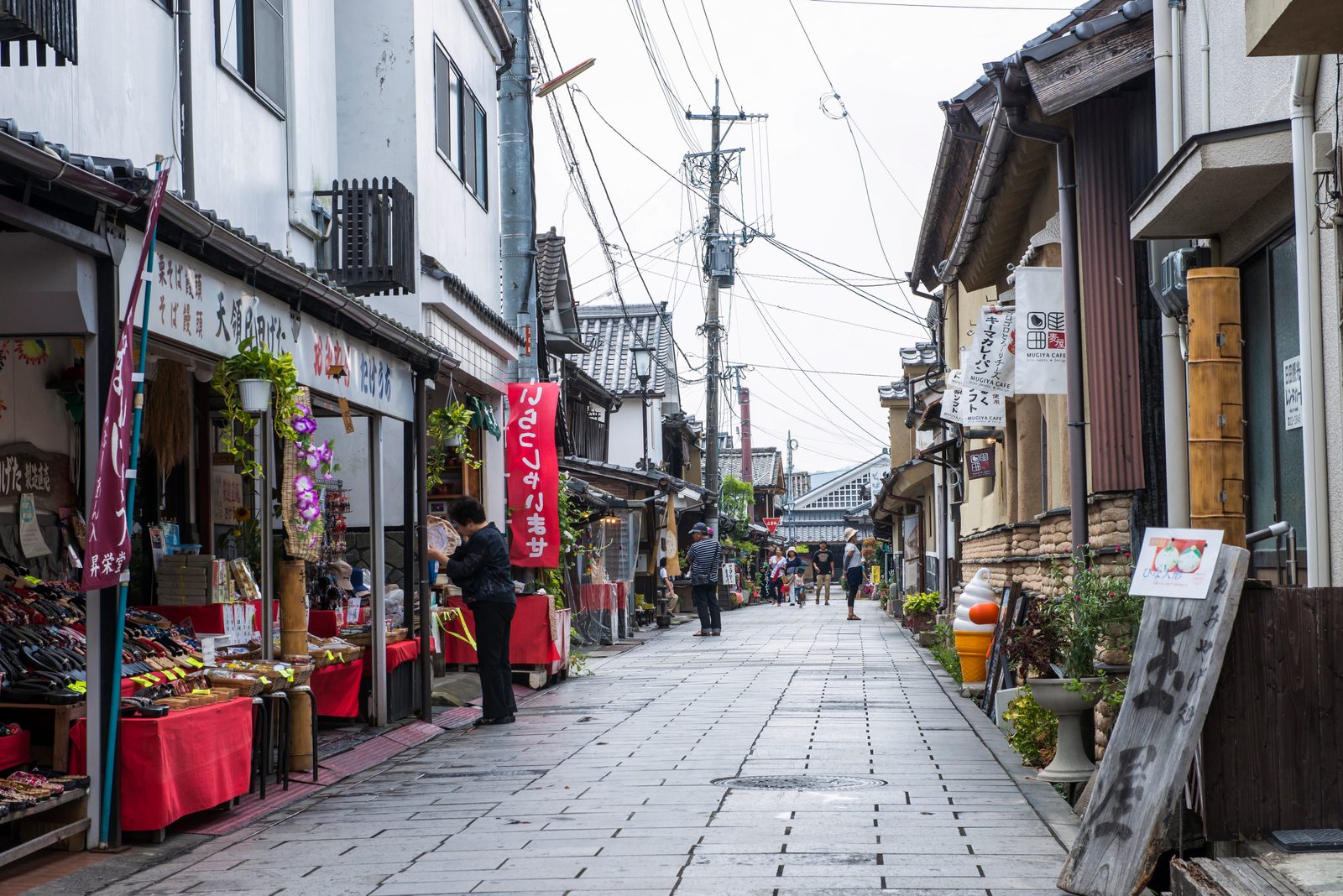
Hita is a town in western Oita Prefecture, and this guide treats it as a day out from Fukuoka. It covers how to reach it from Tenjin and Hakata, the museum and merchant house of old Mameda, the houseboats on the Mikuma River, the local dishes, how Hita began, and a plan for the day. As you plan, you can also browse the activities listed for Hita.
Getting to Hita from Fukuoka
From Fukuoka, the choice is between road and rail, and every route below ends in Hita itself. Highway buses leave from Tenjin and from Hakata. The JR limited express leaves from Hakata. The numbered steps give the published journey times, the combined pass, and the baggage service, so you can match the route to where you are staying.
- From Tenjin, the Nishitetsu/Hita Bus highway bus to Hita Bus Terminal takes approximately 1 hour 35 minutes.
- From JR Hakata Station, the JR limited express to Hita takes 1 hour 10 minutes.
- From JR Hakata Station, the express bus to Hita takes 1 hour 40 minutes.
- The Hita Marutto PASS, which bundles a round-trip bus ticket, Hita city route buses, and discounts at sightseeing facilities and restaurants, is listed at 4,580 yen.
- The highway bus small-baggage shipping service between Hakata Bus Terminal or Tenjin Highway Bus Terminal and Hita Bus Terminal costs 1,570 yen per item.
Mameda: The Museum and the Merchant House
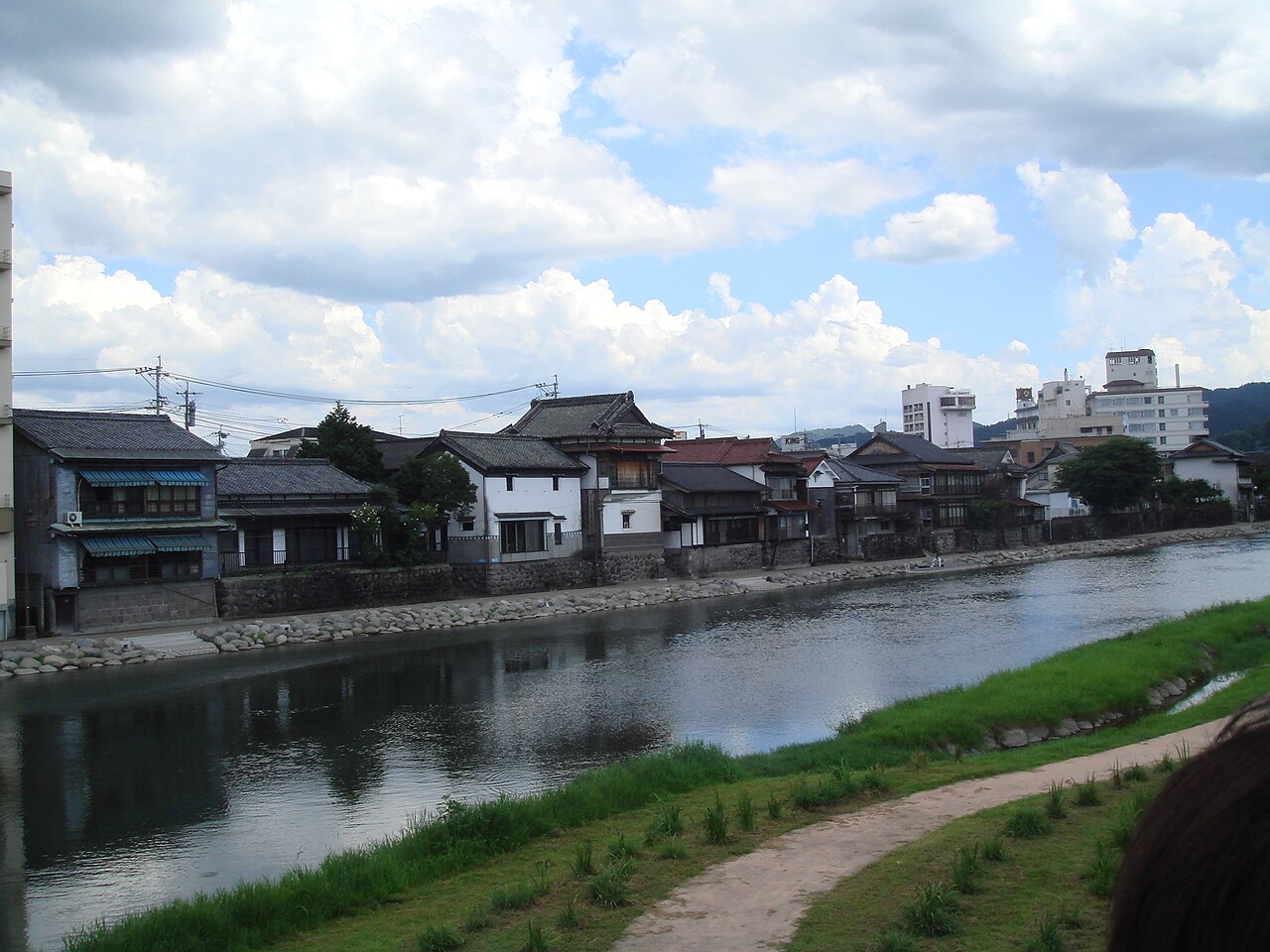
Mameda is the old merchant quarter of Hita, and two paid buildings anchor a walk through it: the Tenryo Hita Museum and Kusano Honke. A Meiji-era gazetteer notes that the town of Hita was formed by joining the market districts of Mameda and Kuma, and that it was a trading town with many large merchant families and old houses.
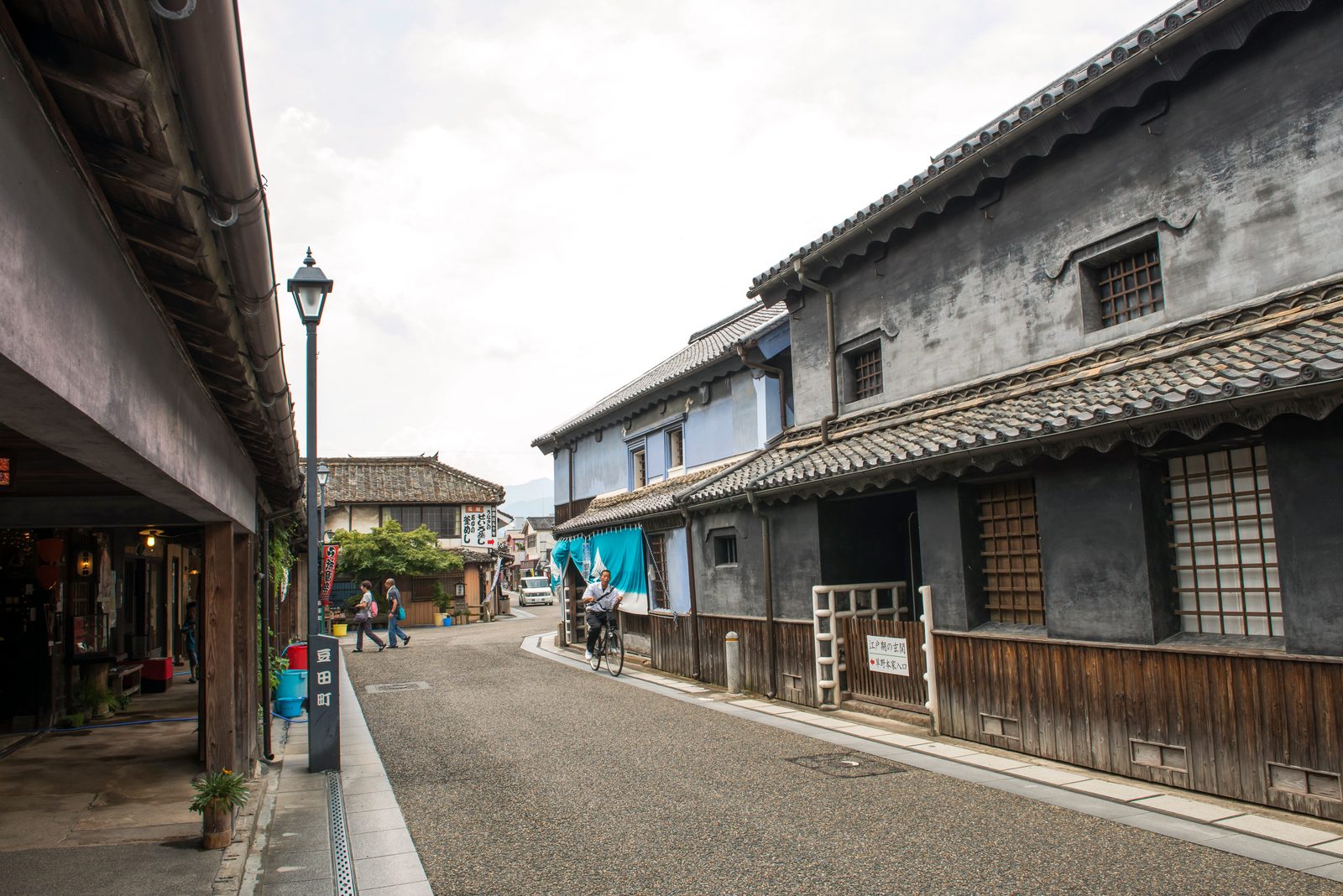
The museum takes adults and students at different rates, and Kusano Honke has its own scale, with a group rate for twenty or more people. Kusano Honke starts its day later than the museum and sets a last-admission time before it shuts, so it is the one to time carefully; the figures are in the table below.
| Place | Item | Value |
|---|---|---|
| Tenryo Hita Museum | Adults | 320 yen |
| Tenryo Hita Museum | Elementary, junior high and high school students | 220 yen |
| Tenryo Hita Museum | Hours | 9:00~17:00 |
| Kusano Honke | Individuals | 700 yen |
| Kusano Honke | Junior high and high school students | 250 yen |
| Kusano Honke | Groups (20 or more people) | 600 yen |
| Kusano Honke | Hours | 10:00~17:00 (last admission 16:30) |
Along the Mikuma River
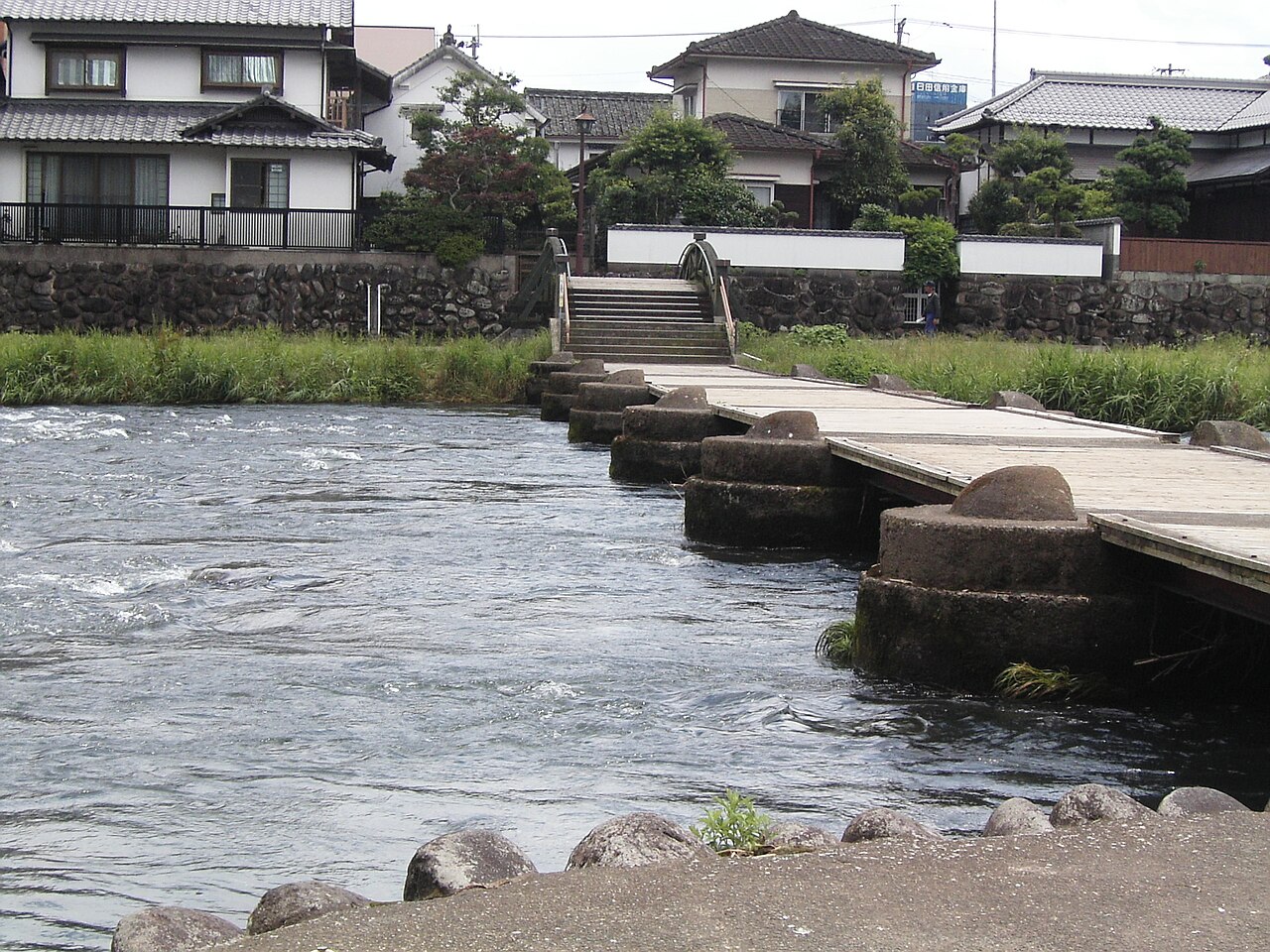
The Mikuma River makes the second half of the day. A Meiji-era gazetteer notes that its water is clear and its flow full, and that the surrounding hills make it a scene of beauty. Its sweetfish are said to have been exceptionally flavoured, with a reputation at the time that placed them far above those of the Nagara River.
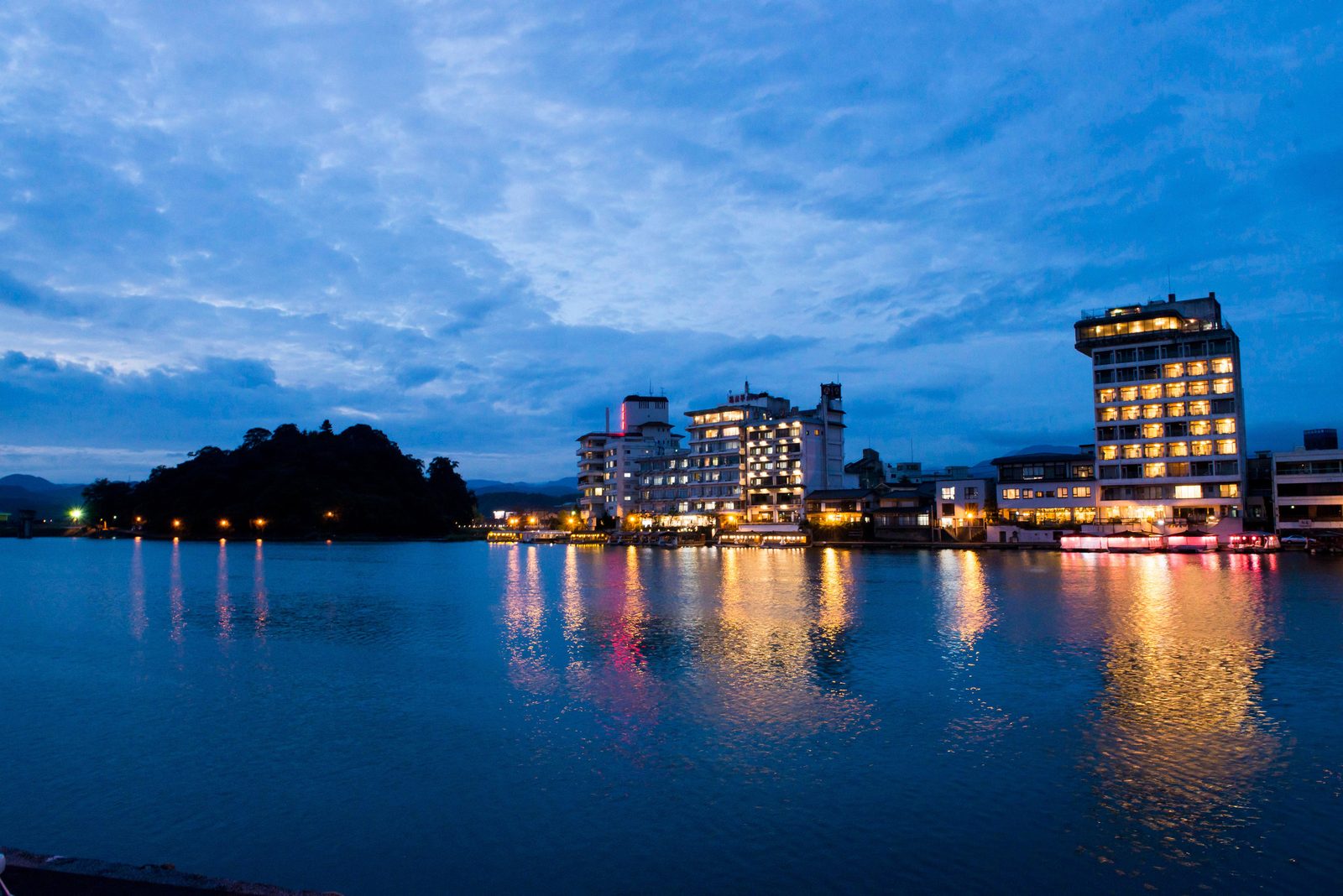
The way to be on the water rather than beside it is the houseboat. Through October the cruise includes watching cormorant fishing, and from November onward the regular cruise runs without it. The two fares are in the table below, and the month you travel decides which one applies, so check the month first.
| Cruise | Fare |
|---|---|
| Through October, with cormorant fishing viewing | 2,000 yen |
| From November onward, regular cruise without cormorant fishing viewing | 1,500 yen |
Where to stay
Places to stay near Hita, Oita, Japan →
Disclosure: This post may contain affiliate links. If you book through them, we may earn a commission at no extra cost to you.
What to Eat in Hita
A regional food guidebook notes that Hita yakisoba is the city's soul food, a local standard eaten there for a long time. The noodles are said to be boiled first and then fried hard on a hot plate until crisp, a texture that pairs well with crunchy bean sprouts. Two shops' listed prices are in the table below.
| Shop | Yakisoba |
|---|---|
| 求福軒 | 730 yen |
| 三久 | 750 yen |
Hita also has its own sushi. The same guidebook notes that hitan sushi is nigiri built around a takana mustard-green roll, which it traces to Hita, with inland ingredients such as seasonal vegetables, pickles, sweetfish, and donko shiitake. Sweetfish return in ayu uruka, salt-cured sweetfish recorded as a regional dish of the Mikuma and Ono river basins in Oita.
In Oita, ayu uruka usually means the kind made only from salted innards. Sweetfish taken in July and August, at spawning time, are held to be at their finest and make the best uruka. Taraosa is cod gills and stomach dried in midwinter wind into a shape like a toothbrush, an ingredient passed down in the Hita and Kusu districts.
Where Hita Began
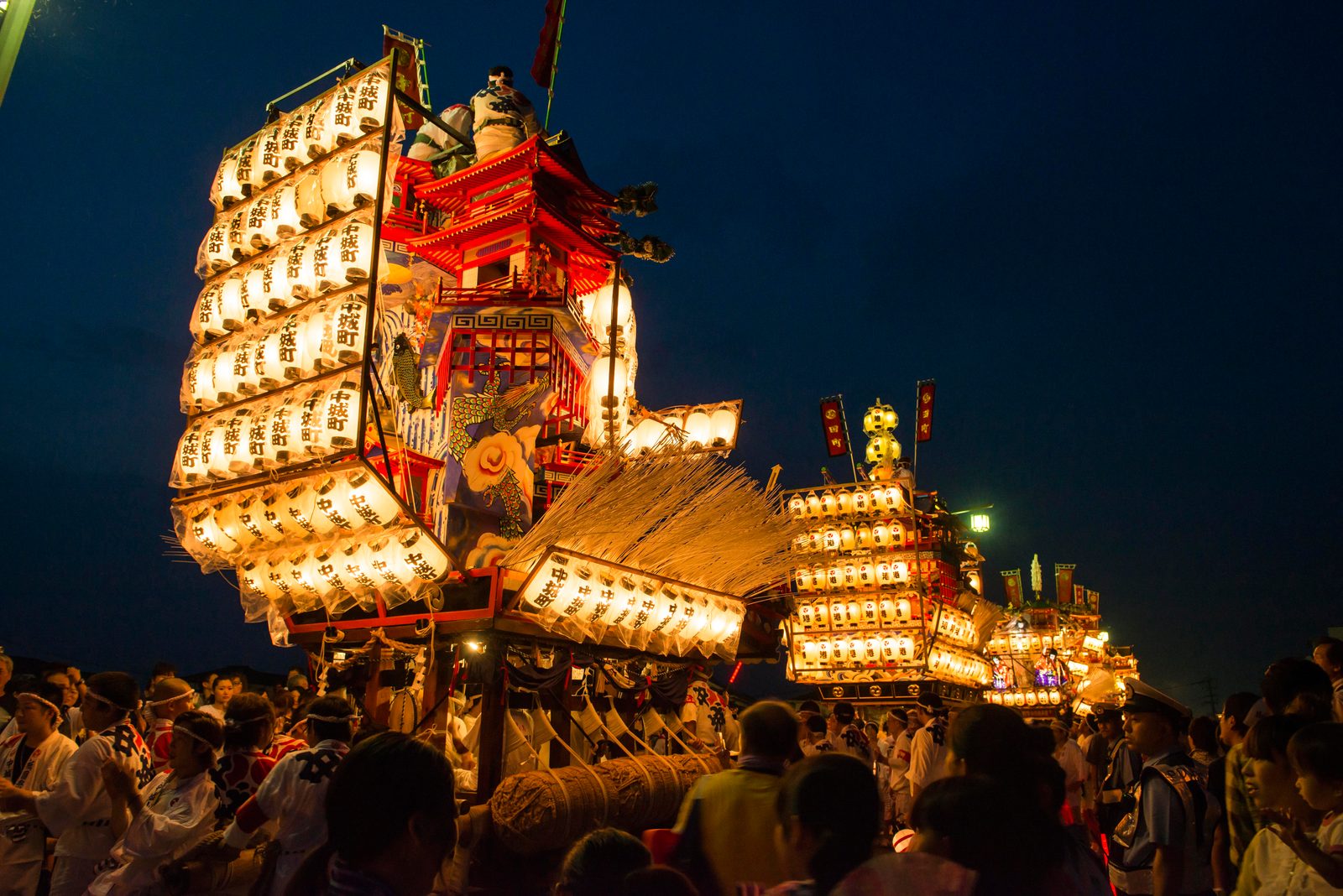
Hita grew out of two market towns. A Meiji-era gazetteer notes that the town was formed in that same era when Mameda and Kuma were joined, that it held upward of ten thousand people, and that its commerce supported large merchant houses and old families, making it the principal town of western Oita. Start at the museum in Mameda.
The same gazetteer records that Hirose Tanso, a Confucian scholar of the Edo period, founded a private academy in Hita called Kangien, that its students numbered two thousand at its height, that its teaching spread across Kyushu, and that his former house survived into the Meiji era in front of the district office. Look him up before you go.
The name is older still. An old provincial record says the district was first named after a deity called Hisatsu-hime, who is said to have appeared in human form during an imperial visit and described the state of the land, and the present name Hita is taken to be a worn-down form of hers. Keep it for the riverbank.
Planning One Day in Hita
Arrive in the morning by whichever Fukuoka route you chose, and give Mameda the first part of the day. The museum admits visitors from nine, so it suits an early start. Kusano Honke can follow once it has opened at ten. Keep the river for the afternoon, with the houseboat last, and fit the yakisoba in between.
Skip it if you expect to arrive after half past four with Kusano Honke still on your list, because that is its last-admission time. Skip it if you are coming in November or later with the cormorant-fishing houseboat in mind, because from November the regular cruise runs without the cormorant viewing.
A couple of things are worth settling before you leave Fukuoka. The Hita Marutto PASS pairs the return bus journey with the city's local buses and some discounts, worth weighing if you intend to ride rather than walk once there. The baggage service lets you send a suitcase by highway bus between the Fukuoka terminals and Hita Bus Terminal. If you would rather not end the day with the journey back, you can look through places to stay in Hita.