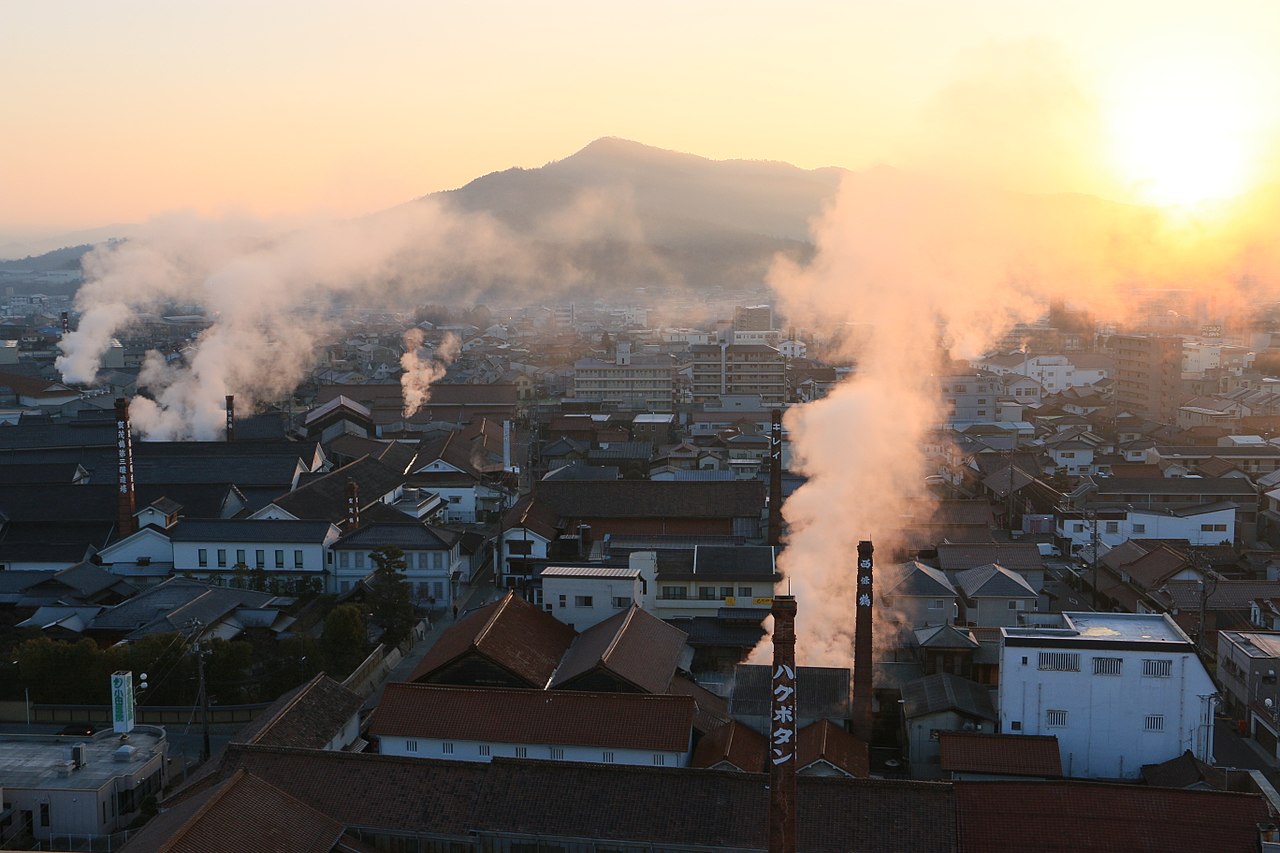
This article covers the Saijo Sake Brewery Street in Higashihiroshima and the sake breweries along it, with the routes, times and costs needed to plan a visit.
The brewery street is best taken on foot, starting in the morning and settling on two or three breweries rather than trying to see them all. Between stops, a tasting counter or a slow walk along the lanes gives the half day its rhythm.
The practical details are gathered into two small tables, one for the ways in and one for times and costs, so you can compare them side by side and decide how much to fit into a single day before setting out.
Getting to Saijo
From Hiroshima city, the Saijo area is about forty minutes away by car or by JR local train. That leaves most of the day for the street itself.
Once there, the distances are short, and the table below sets them out alongside two options for anyone arriving by road or continuing to the shinkansen.
| Route | Time |
|---|---|
| On foot, JR Saijo Station to the Saijo Sake Brewery Street | within about ten minutes |
| On foot, JR Saijo Station to the Kamotsuru first brewery shop | about three minutes |
| On foot, JR Saijo Station to the tourist information office | about seven minutes |
| Taxi, JR Saijo Station to Higashihiroshima Station (shinkansen) | about fifteen minutes |
| Car, Saijo Interchange on the Sanyo Expressway to the tourist information office | about ten minutes |
Why Saijo Is a Sake Town
According to the Chikyu no Arukikata Hiroshima guidebook, Saijo in Higashihiroshima is counted alongside Nada in Hyogo and Fushimi in Kyoto as one of Japan's three great sake-producing areas.
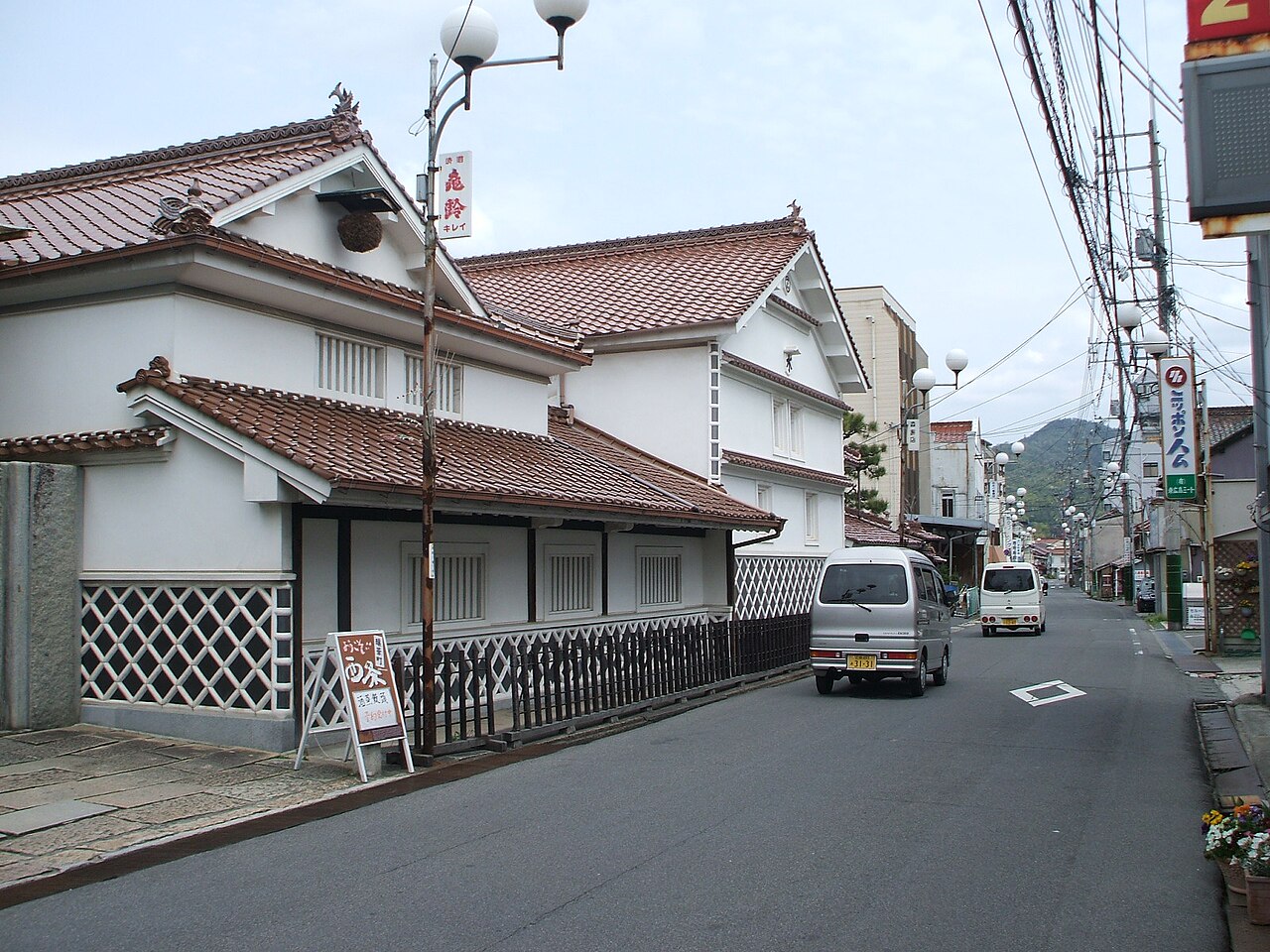
The same guidebook puts seven breweries within a stretch of roughly one kilometre from east to west around JR Saijo.
Kamotsuru's First Brewery
On Kamotsuru's own page, the first brewery shop is open from ten in the morning to six in the evening, with entry until a quarter to six. A paid tasting set of three kinds, poured as three small cups, costs five hundred yen.
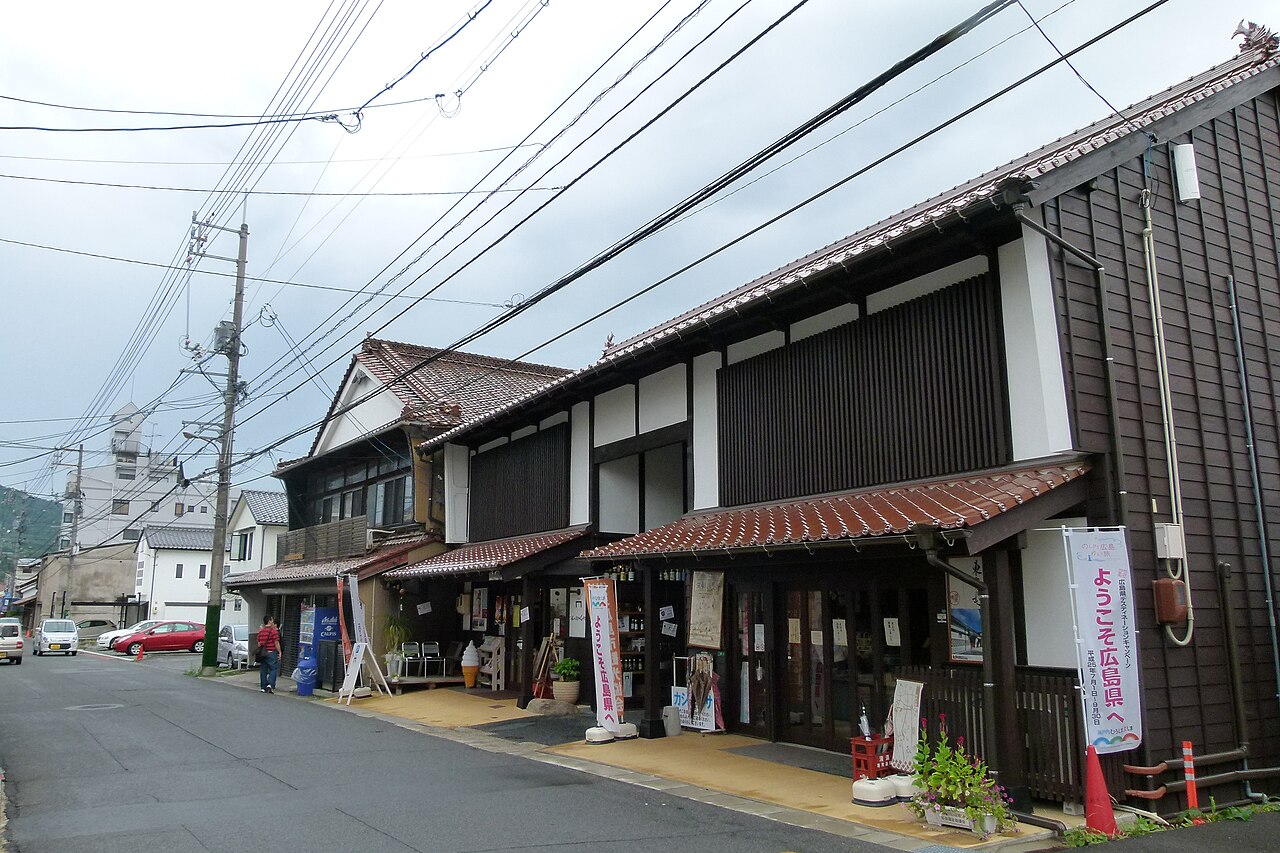
A brewery visit led by the master brewer costs two thousand yen per person, tax included, comes with a souvenir bottle and is paid in cash only.
The shop itself, in a converted building on the founding site, is said to combine limited bottles for sale with displays of the brewing steps and a sake restaurant attached.
Other Brewery Stops
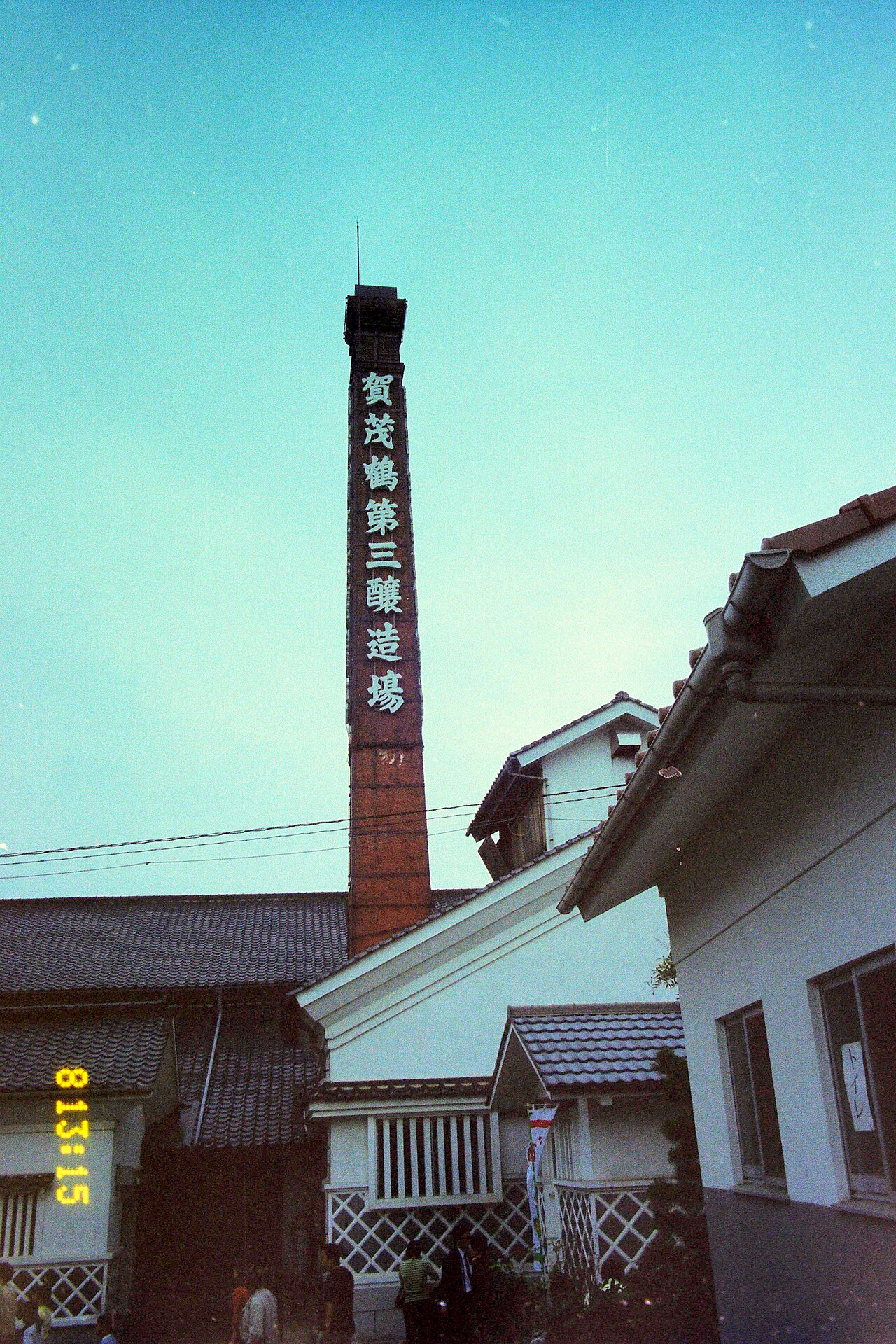
The guidebook notes that Fukubijin has the tallest chimney in Saijo, with the storehouse beside it serving as a direct-sales shop where the brewery can also be looked around.
Guidebooks describe a tasting hall at Kamoizumi where more than twenty kinds of sake can be compared at any one time. At Sanyotsuru, the draw described in guidebooks is a dining room set inside the brewery buildings, where a meal and sake are served on the premises.
The guidebook records that Munakata Shiko made a woodblock print for Hakubotan, and that its design still appears on the brewery's sake labels and company logo.
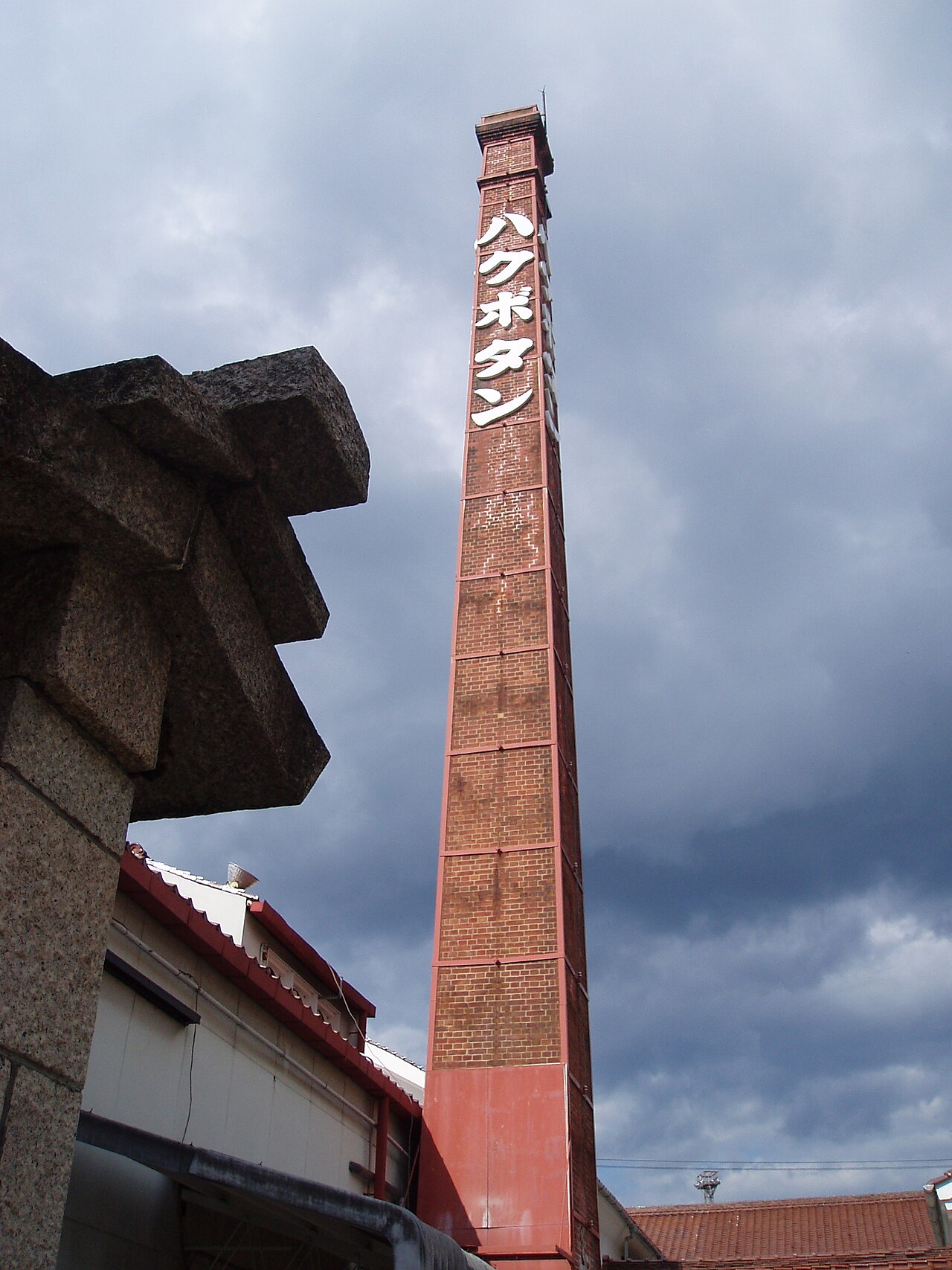
At Saijotsuru, a brewery visit costs two thousand two hundred yen per person, tax included, with a souvenir included and payment by credit card only. Taking part is limited to people aged twenty or older.
Tourist Office, Food and the Festival
Start at the tourist information office for a map. Its doors are open from ten in the morning until four in the afternoon, the tourism association says. It closes on the first and third Wednesdays of the month and over the year-end and New Year holidays.
A guidebook describes Bishunabe, the local hotpot of seasonal vegetables and chicken steamed in a little sake, which began as a meal the master brewers cooked for themselves and is eaten most in winter. The sake festival, according to the guidebook, takes place every October around JR Saijo, with sake as its central theme.
Hours and Costs at a Glance
Here are the figures above in one place, for setting a budget and an order of stops.
| Item | Detail |
|---|---|
| Kamotsuru first brewery, opening hours | ten in the morning to six in the evening, entry until a quarter to six |
| Kamotsuru paid tasting set | five hundred yen for three kinds |
| Kamotsuru brewery visit, fee | two thousand yen including tax, held irregularly, advance booking needed |
| Saijotsuru brewery visit, fee | two thousand two hundred yen per person, tax included |
| Tourist information office, hours | ten in the morning to four in the afternoon |
| Tourist information office, closed days | first and third Wednesdays, and the year-end and New Year period |