This guide covers a day on foot in the old merchant streets of Mino, a city in Gifu Prefecture: the walk in from the train station, what the udatsu walls mean, what waits inside the Former Imai Family Residence and the Mino Washi Akari Art Museum, the combined tickets, and where to rent a kimono for the walk.
Getting to the Udatsu townscape from the station
Minoshi Station, on the Nagaragawa Railway, is where the walk begins. The historic streets are close enough that you can step off the train and reach them on foot without looking for a taxi, and the Former Imai Family Residence sits only a few minutes further along the same walk.
If you are driving instead, there is a parking area for ordinary cars at the townscape, with a short free period before a charge begins. Either way, plan the day around walking: arrive, stroll the old street, then step inside the buildings that open to visitors. For a slower pace, look at places to stay in Mino.
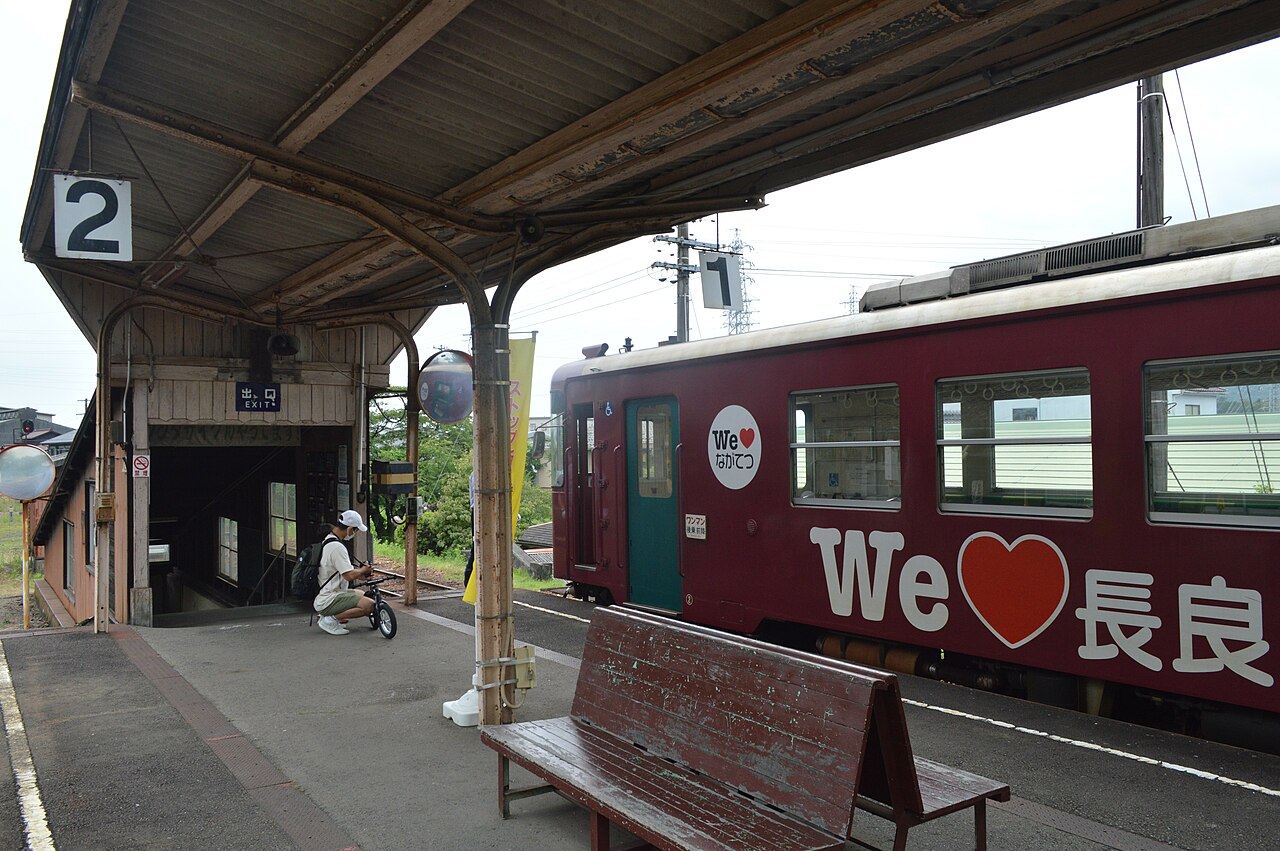
- Minoshi Station (Nagaragawa Railway) to the Udatsu townscape: about ten minutes on foot
- Minoshi Station to the Former Imai Family Residence: about fifteen minutes on foot
- Parking for ordinary cars at the townscape: first 30 minutes free, then 100 yen per 2 hours
How the townscape earned its name
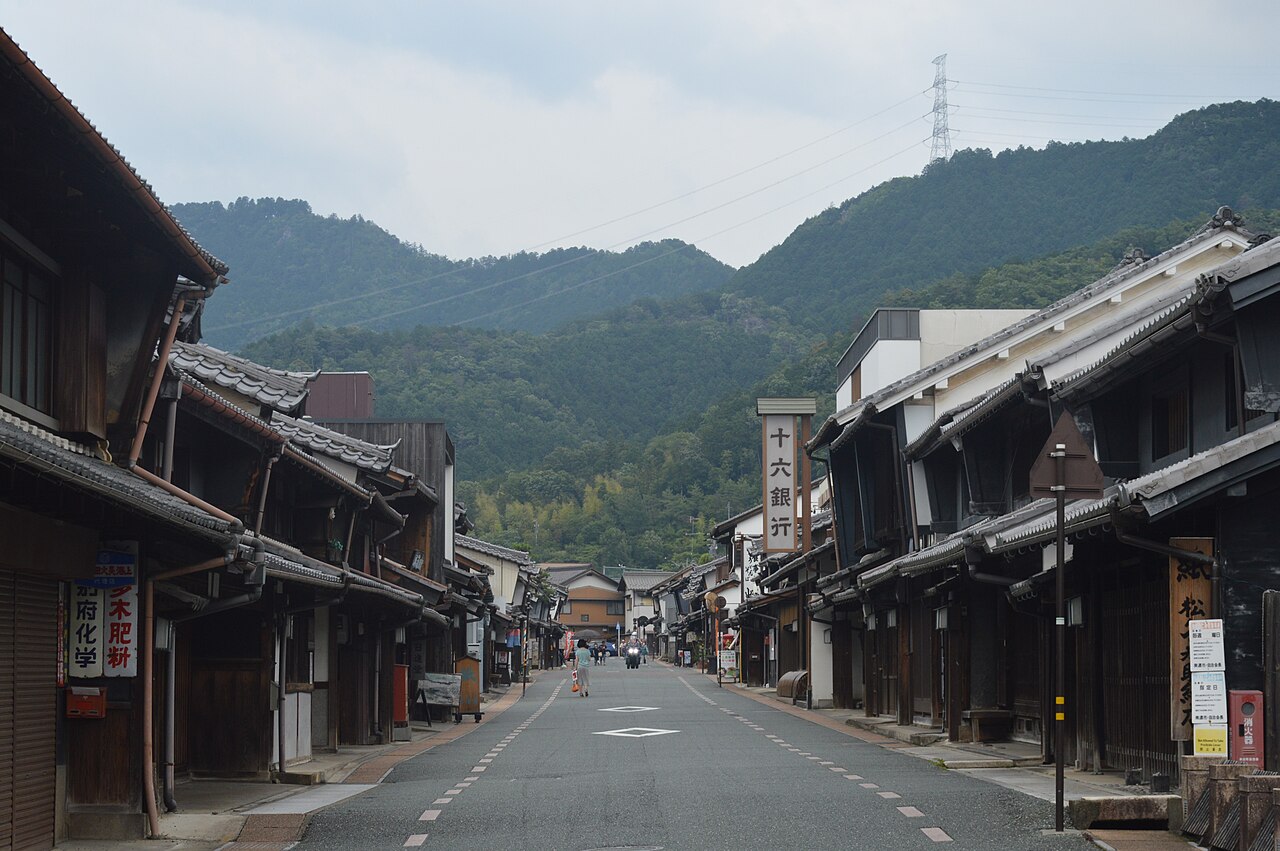
The historic center of Mino is designated by the national government as an Important Preservation District for Groups of Traditional Buildings, the formal label for a protected historic townscape. In the Edo period the town prospered on trade centered on Mino washi, the paper that carries its name, and the merchant streetscape of that era still stands today.
The udatsu are the walls that stand between neighbouring houses. They are said to have begun as firewalls against fire spreading next door, but wealthy merchants are held to have competed in decorating them until an udatsu became a display of wealth. The idiom udatsu ga agaranai, for someone who never gets ahead, is said to come from this custom.
Where to stay
Places to stay near Mino, Gifu →
Disclosure: This post may contain affiliate links. If you book through them, we may earn a commission at no extra cost to you.
Inside the Former Imai Family Residence
The Former Imai Family Residence opens the house of the Imai family, wholesale dealers in washi paper, to visitors. It has the largest floor plan of any merchant house in the city and is designated a cultural property by Mino City. Inside, you move through the working rooms of a paper business, including the counting office and the storehouses.
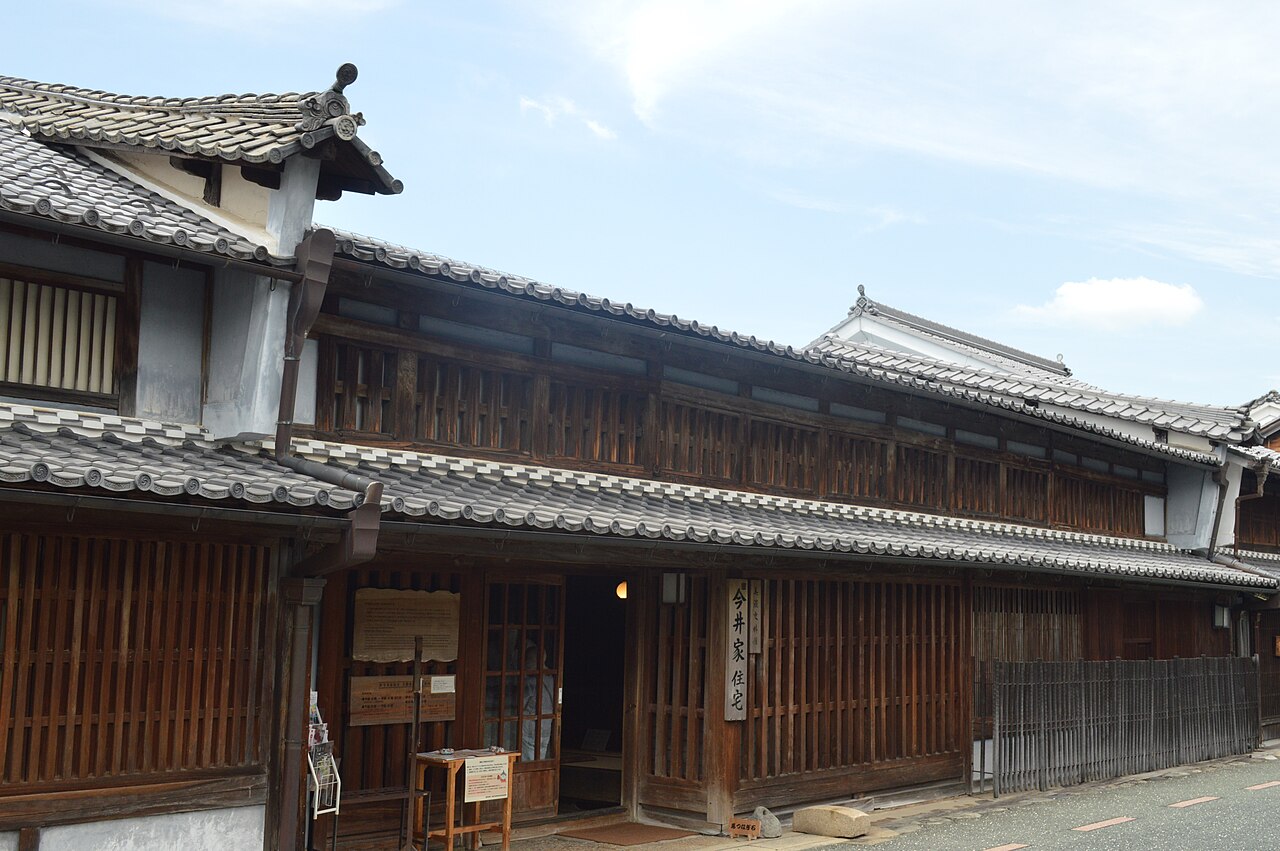
- Admission for adults (high school age and above): 300 yen
- Groups of 20 or more: 250 yen per person
- April to September: open 9:00–16:30, last entry 16:15
- October to March: open 9:00–16:00, last entry 15:45
The Mino Washi Akari Art Museum and combined tickets
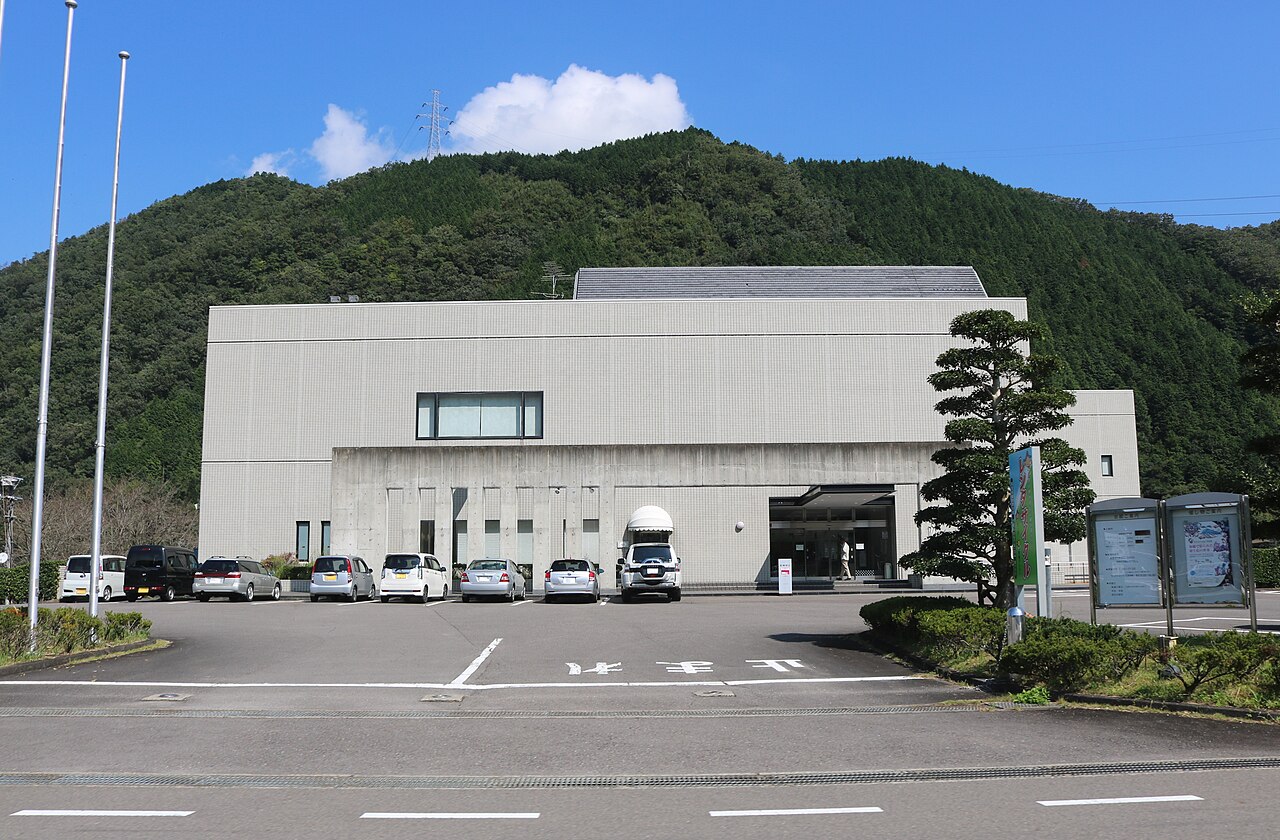
The Mino Washi Akari Art Museum keeps a permanent gallery of prize-winning pieces from earlier years of the Mino Washi Akari Art Exhibition, so you can stand among Mino washi light objects at any time of year. It is closed on Tuesdays, or the next weekday when the Tuesday is a public holiday, and the day after a public holiday.
That exhibition takes place every autumn, when Mino washi light objects entered from across the country are displayed along the historic streets. Combined tickets for the residence and the museum, with or without the Mino Washi no Sato Kaikan, are sold at the prices below; hours and prices here come from the official websites, so check before you go.
| Combined ticket | Price |
|---|---|
| Former Imai Family Residence + Mino Washi Akari Art Museum (two facilities) | 400 yen |
| Former Imai Family Residence + Mino Washi Akari Art Museum + Mino Washi no Sato Kaikan (three facilities) | 800 yen |
Renting a kimono for a walk through the streets
A shop called Ikoi, in the Tawaramachi district of Mino City, rents kimono and yukata and dresses you on the spot. Each rental comes as a full set, with the kimono, the obi sash and the small accessories included, so you can arrive with nothing in your hands and walk out ready for the streets.
If you already own a kimono, Ikoi will also dress you in the one you bring. Walking the old street this way slows the day down, and the residence and the museum are there to step into whenever you are ready. To stretch the visit beyond a single day, look at where to stay near Mino's old town.