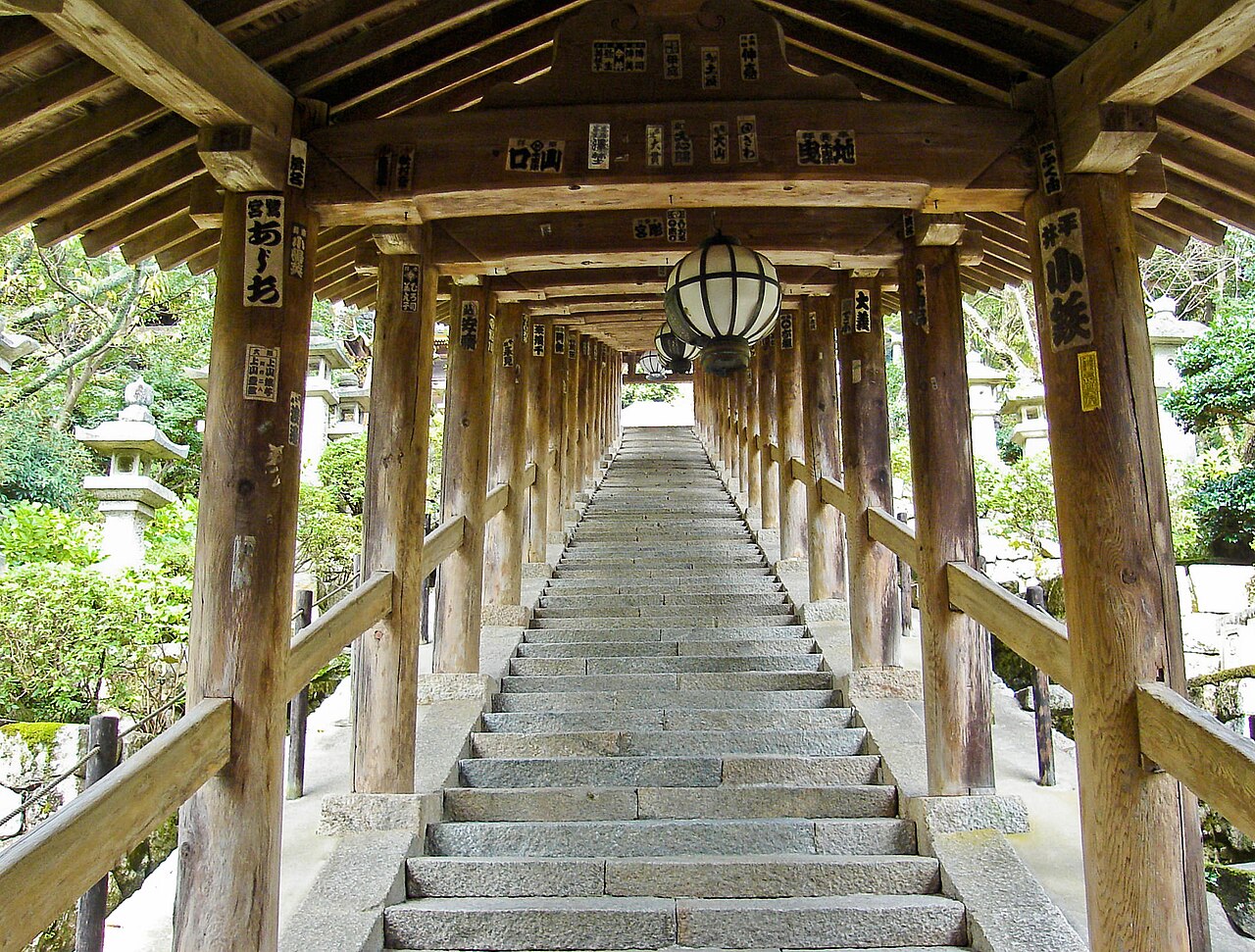
This guide covers the way to Hasedera, the covered stairway, the main hall, the pagoda, the seasonal flowers, lunch and the practical details for a day out.
The main hall of Hasedera is a large hall facing south, built in the stage style partway up Mount Ohatsuse. Hasedera is the eighth temple of the Saigoku Thirty-Three Kannon pilgrimage. Hasedera is a temple of flowers in every season. The sections below follow the route, the buildings, the seasons, a meal and the practical details.
Getting to Hasedera
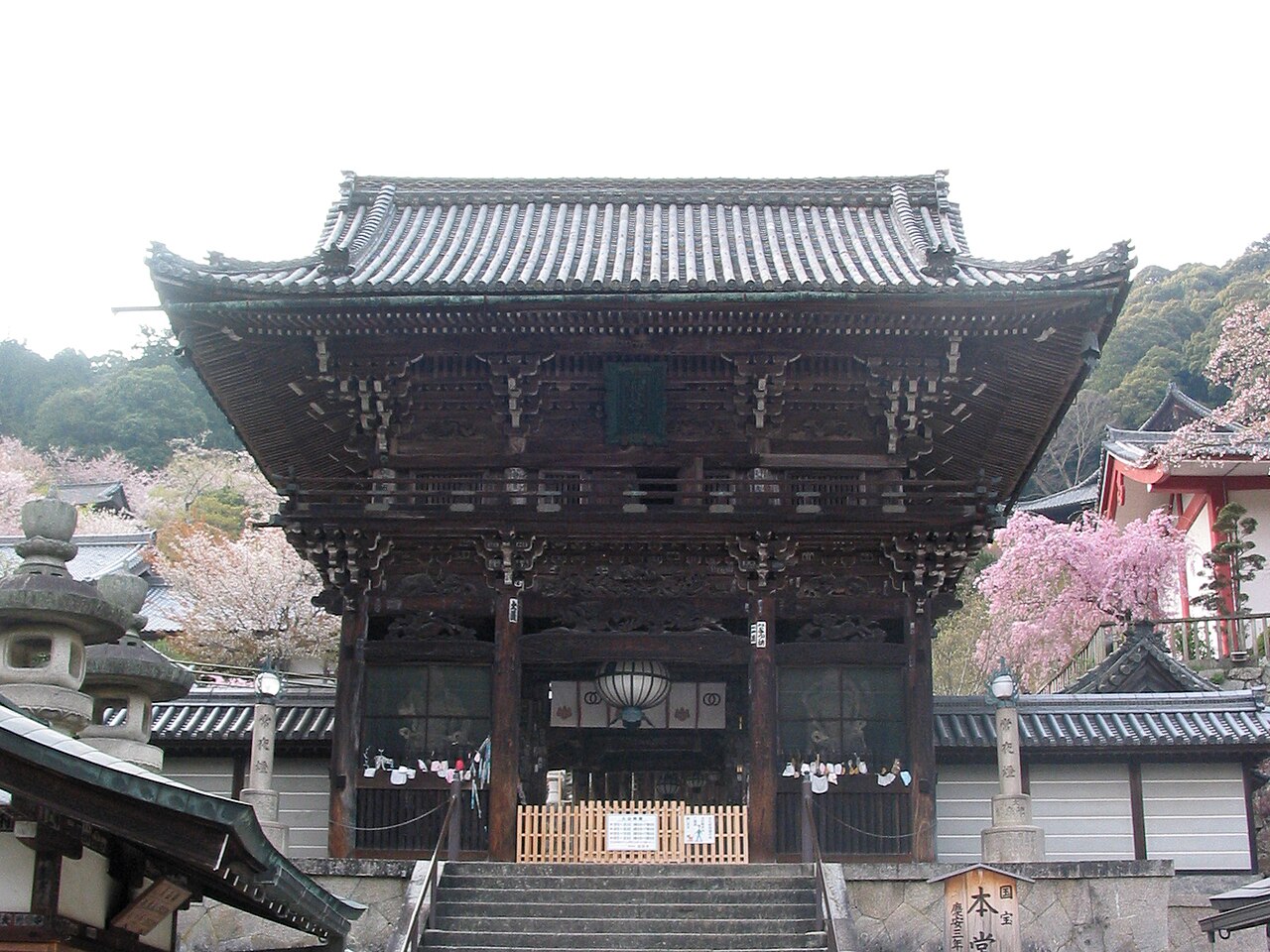
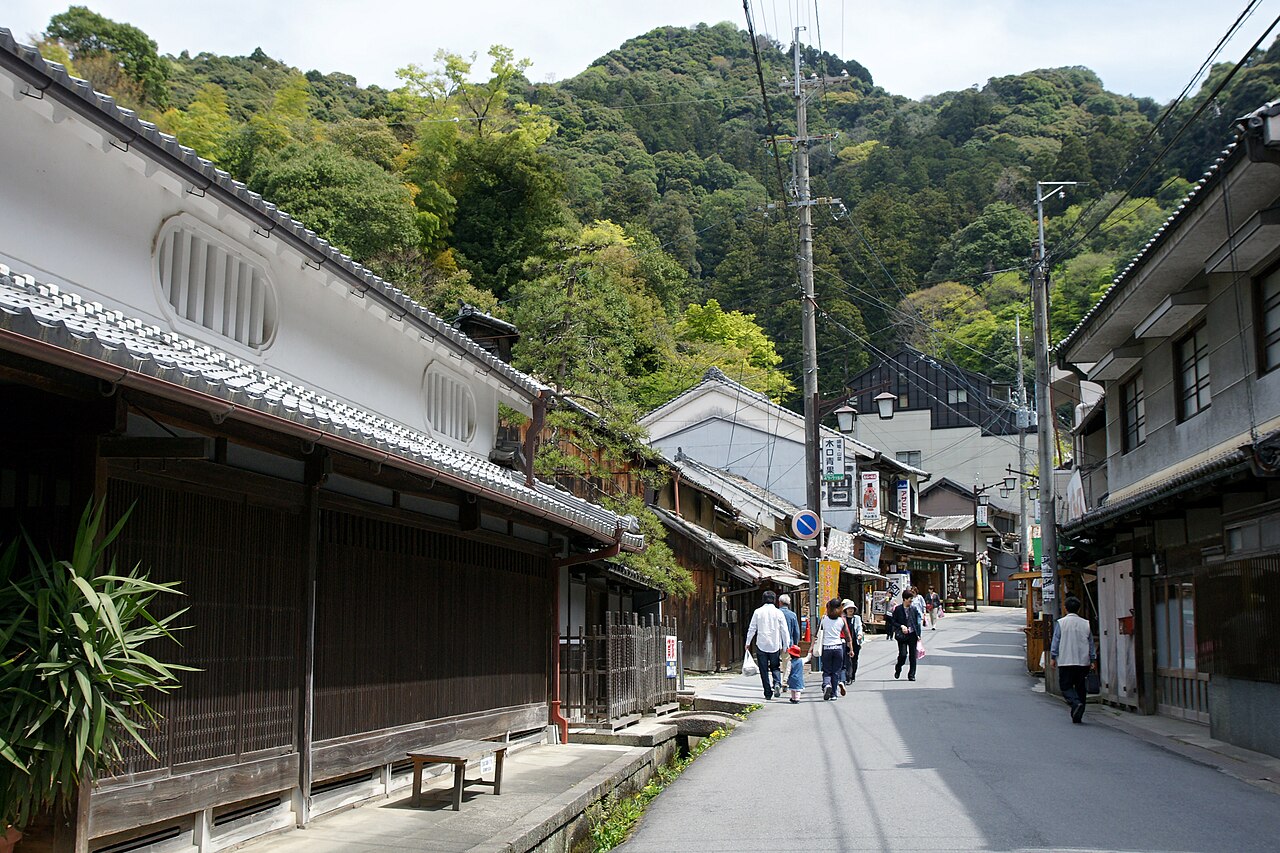
Hasedera can be reached on foot from Hasedera Station on the Kintetsu Osaka Line. From Sakurai Station, served by the Kintetsu Osaka Line and the JR Manyo-Mahoroba Line, the way to Hasedera runs by Nara Kotsu bus and then on foot. From the Nara Kotsu bus stop at the entrance to the approach, the temple is reached on foot.
The table below gives the walk from the station, the walk from the bus stop and the route from Sakurai Station.
| From | Route or operator | Time |
|---|---|---|
| Hasedera Station to Hasedera | On foot from the Kintetsu Osaka Line station | About 15 minutes |
| Sakurai Station to Hasedera | Nara Kotsu bus to the approach-entrance stop, then on foot | About 10 minutes on foot from the stop |
| Approach-entrance bus stop to Hasedera | On foot from the Nara Kotsu bus stop | About 10 minutes |
The Covered Stairway and the Main Hall
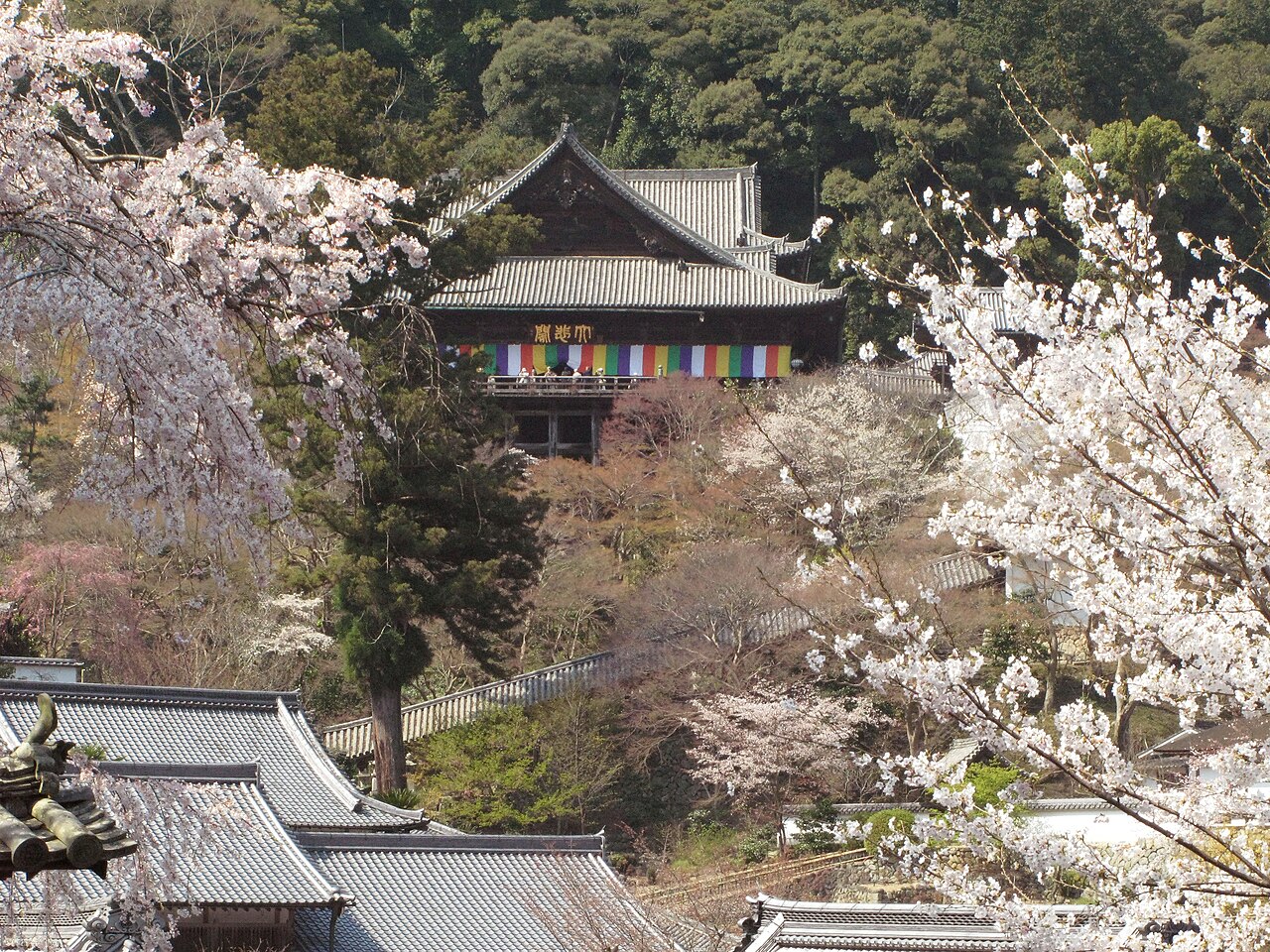
The covered stairway leading to the main hall is made of stone steps, and oval lanterns hang from its ceiling. The main hall, a stage-style building, is a national treasure and was rebuilt by Tokugawa Iemitsu. Hasedera is the head temple of the Buzan school of Shingon Buddhism.
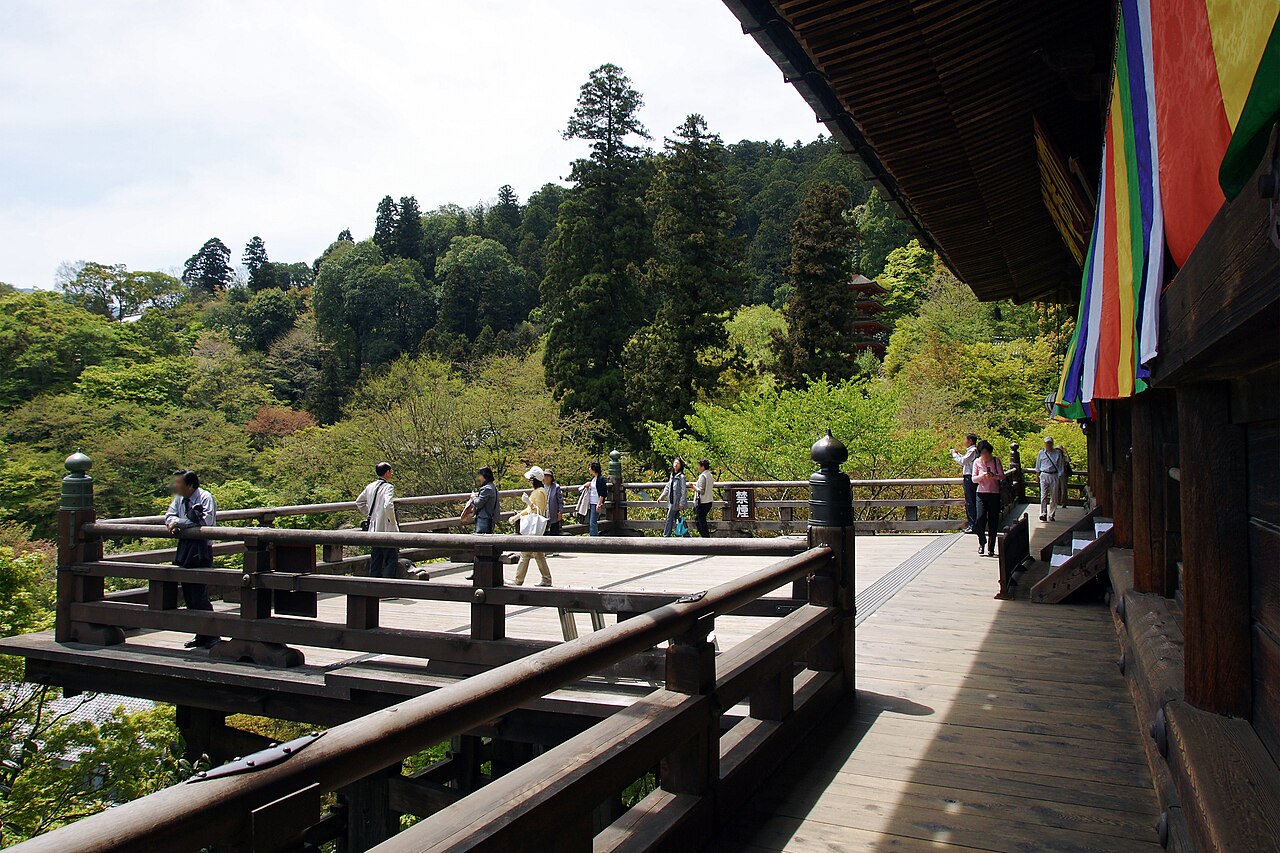
From the stage, reached by climbing the corridor of Hasedera, the townscape in front of the temple gate of Hatsuse and the layout of the monks' quarters harmonize with the surrounding mountains and trees. The worship hall stands somewhat lower than the main hall. The purification cloths used for wiping the stage are donated.
The Pagoda and the Seasons at Hasedera
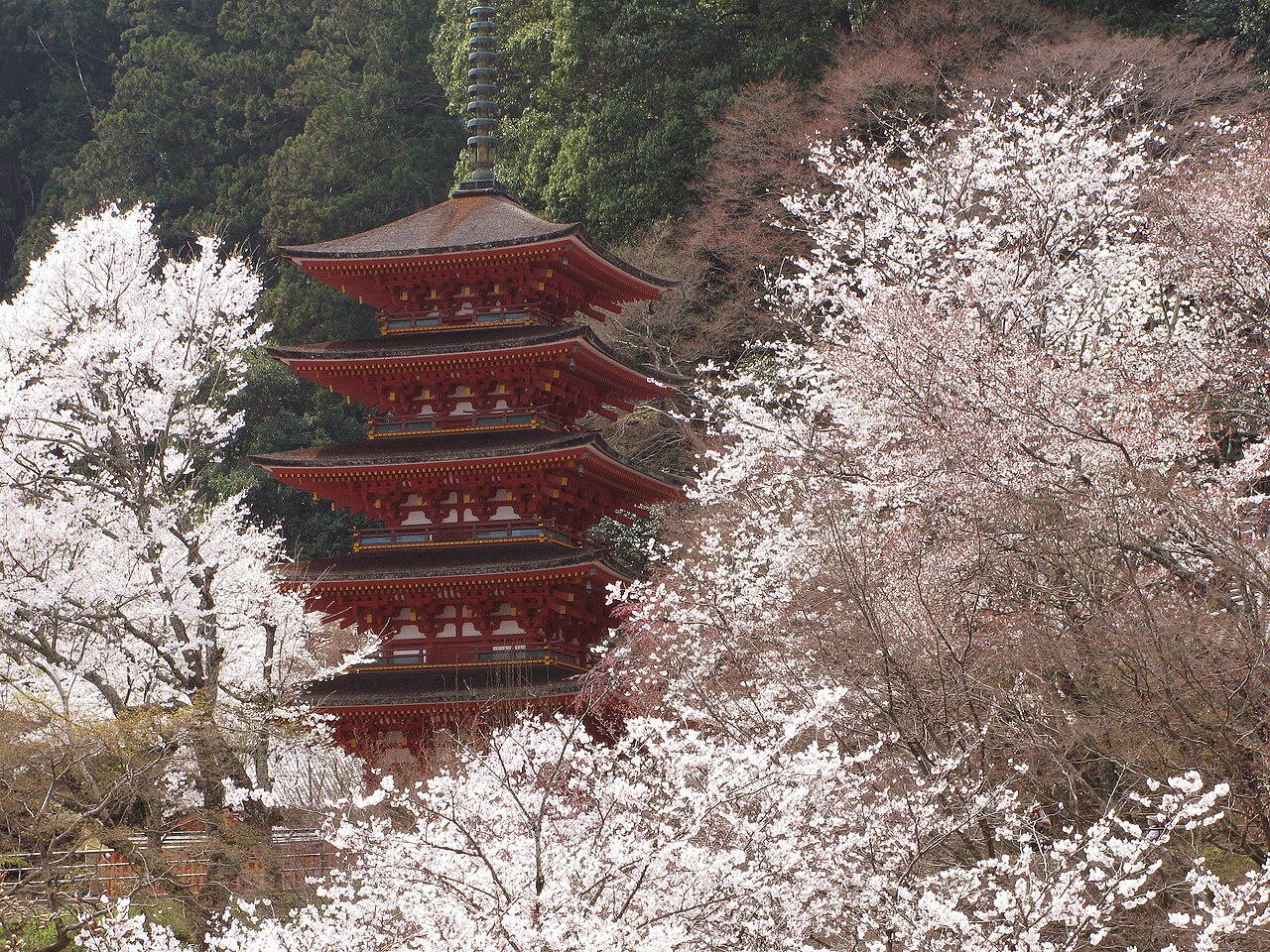
The pagoda has a vermilion body, a golden finial and a brown cypress-bark roof. The precinct has weeping cherry trees, yamazakura and somei-yoshino among its cherry trees. Peonies at Hasedera spread leaves so large that the ground cannot be seen, and they bloom with a fragrant scent. The flowers of the precinct change with the season.
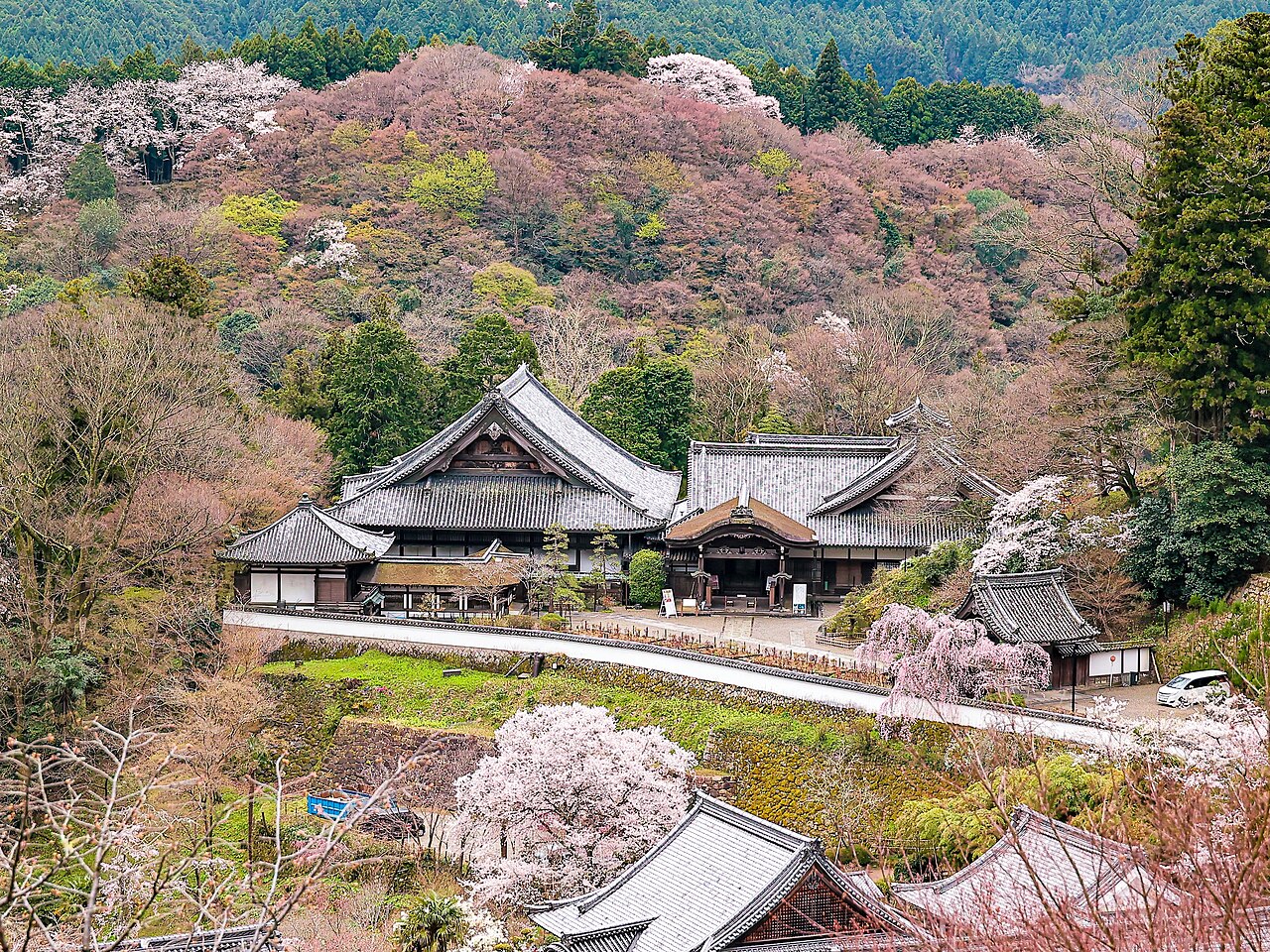
In June, when the rainy-season rain gives vitality to the green of the mountains, the hydrangea corridor begins. Pots of chrysanthemums of various kinds are set out on the stone steps of the precinct. Straw-covered winter peonies are in the precinct.
The precinct also has its services in winter. At the Kannon lamp service, lamp lights are offered to Kannon. At the Dadaoshi service, demons holding torches rampage around. The table at the end of this guide lists the dates of these events.
Lunch Near the Temple
Hatsuse Choja-tei serves a Choja lunch and coffee. Another dining room serves lunch. The table below lists the prices and times of the places for a meal.
| Place and item | Price or times |
|---|---|
| Hatsuse Choja-tei, Choja lunch | 1200 yen |
| Hatsuse Choja-tei, opening hours | 9:00 to 16:00, closed on Tuesdays |
| Another dining room, lunch price | 1000 yen to 1500 yen |
| Another dining room, lunch served | 10:00 to 14:00 |
| Kusa-mochi shop, pack of six | 780 yen |
| Kusa-mochi shop, pack of ten | 1300 yen |
| Kusa-mochi shop, opening hours | 8:00 to 18:00 |
A shop sells kusa-mochi in packs of different sizes. The shop keeps its own times, given in the table above.
Hours and Fees, and Planning the Day
It helps to settle the order of the stops before the day begins, using the tables below. Check the times before you travel.
| Part of the day | Stop or leg | Duration or hours |
|---|---|---|
| Arrive | Hasedera Station to Hasedera, on foot | About 15 minutes |
| Arrive | Approach-entrance bus stop to Hasedera, on foot | About 10 minutes |
| Visit | Hasedera entry hours, April to September | 8:30 to 17:00 |
| Visit | Hasedera entry hours, October to November and March | 9:00 to 17:00 |
| Visit | Morning service at the main hall | Every day except January 1 |
| Lunch | Opening hours of Hatsuse Choja-tei | 9:00 to 16:00, closed on Tuesdays |
| Lunch | Lunch served at the other dining room | 10:00 to 14:00 |
| Head back | Hasedera entry hours, December to February | 9:00 to 16:30 |
| Item | Price |
|---|---|
| Hasedera entry, adults | 500 yen |
| Hasedera entry, junior and senior high school students | 500 yen |
| Hasedera entry, elementary school students | 250 yen |
| Hasedera entry, with a disability certificate | 250 yen |
| Main hall viewing, national treasure | 1000 yen, with the entrance fee charged separately |
| Parking at Hasedera, ordinary car | 500 yen |
| Event | Dates and times |
|---|---|
| Kannon lamp service, dates | December 31 to January 1 |
| Dadaoshi service, date | February 14 |
| Dadaoshi service, start time | 16:00 |
| Main hall viewing, national treasure, autumn dates | October 10 to December 6 |
If you are planning an overnight stay, see places to stay in Kashihara.
Where to stay
Places to stay near Kashihara →
Disclosure: This post may contain affiliate links. If you book through them, we may earn a commission at no extra cost to you.