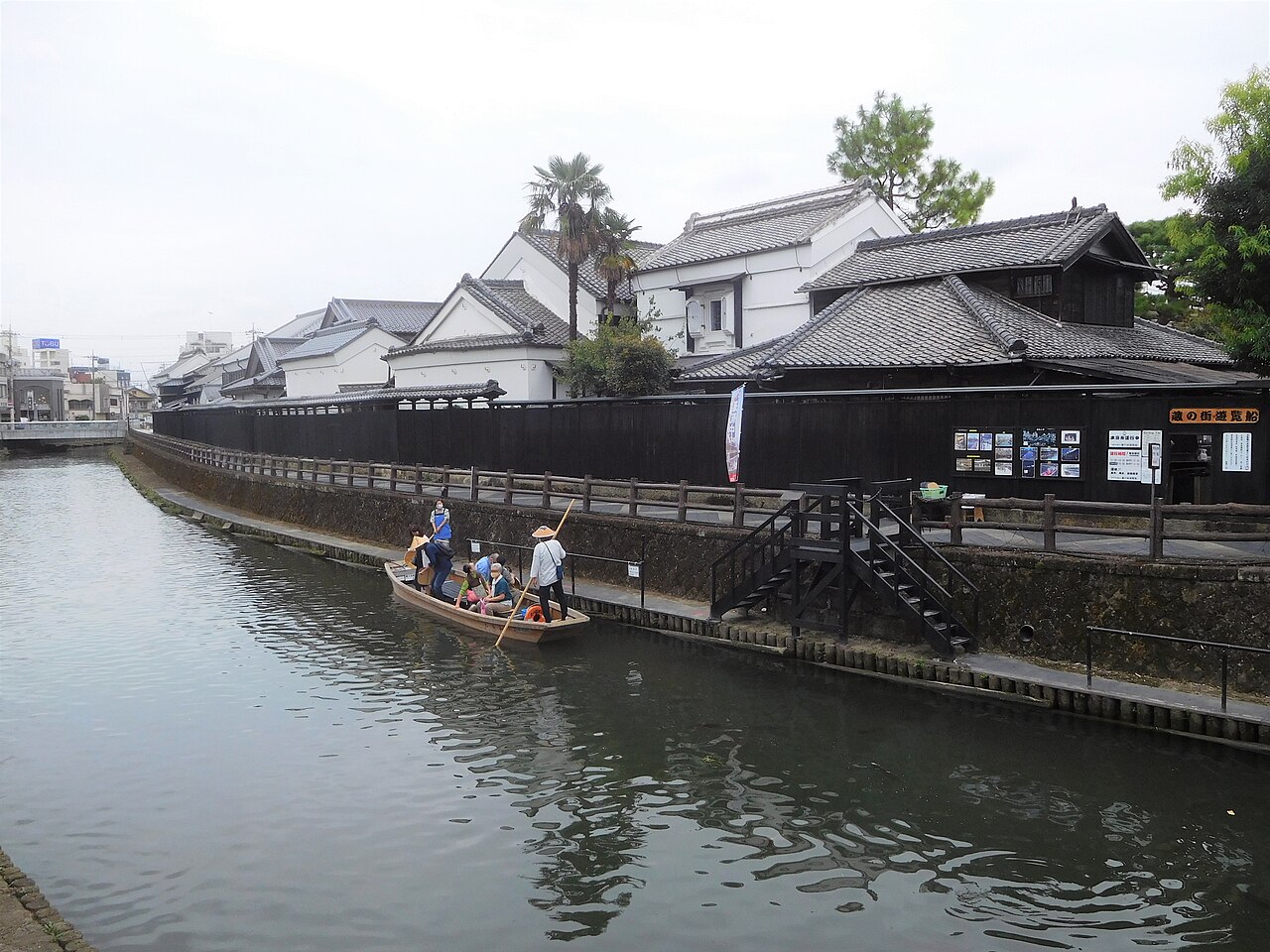
This guide describes a day in the storehouse quarter of Tochigi, reached from Tokyo by limited express. It takes in the Uzuma River sightseeing boat and Tsukada Historical Legend Museum, the merchant houses of Yokoyama Kyodokan and Okada Memorial Hall, dishes including dengaku, gobo mochi and shimotsukare, the river trade that built the town, and an order for the day.
Getting to Tochigi and Walking to the Storehouse Quarter
The simplest approach from Tokyo is the Tobu Nikko Line limited express from Asakusa, which takes you to Tochigi Station. Travellers starting at Tokyo Station can instead ride the Tohoku Shinkansen to Oyama and continue on the Ryomo Line. From Tochigi Station the storehouse quarter is close enough to reach on foot, so the walk in starts the day.
- From Asakusa Station to Tochigi Station, the Tobu Nikko Line limited express takes 70 minutes.
- From Tokyo Station, the Tohoku Shinkansen takes 40 minutes to Oyama Station, and the Ryomo Line then takes 10 minutes from Oyama to Tochigi Station.
- It is about a 10-minute walk from Tochigi Station to the Tsukada Historical Legend Museum.
- It is about an 18-minute walk from Tochigi Station to Yokoyama Kyodokan.
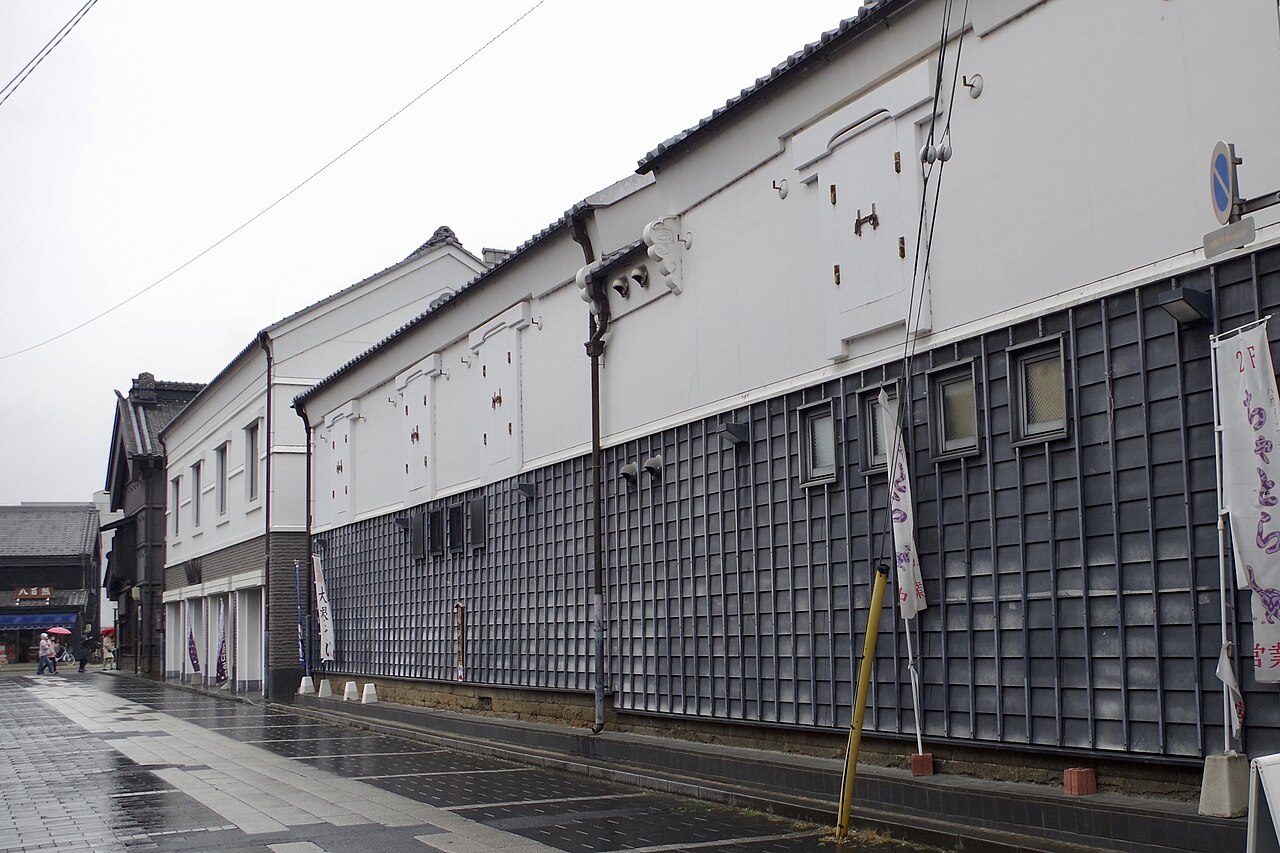
Both museums in this guide are reached on foot from the same starting point, so the day can be planned around walking rather than around connections. The storehouses that give the quarter its name stand along the streets by the river, with white plastered upper walls above dark tiled bases, as in the photograph above.
The Uzuma River, the Boat and the Tsukada Museum
The Uzuma River runs through the storehouse quarter, and the Kura no Machi sightseeing boat carries passengers along it, past the black fences and white walls that appear in the photograph at the top of this guide. Boarding is priced by age group, with a lower fee for children of elementary school age and younger, as the table below shows.
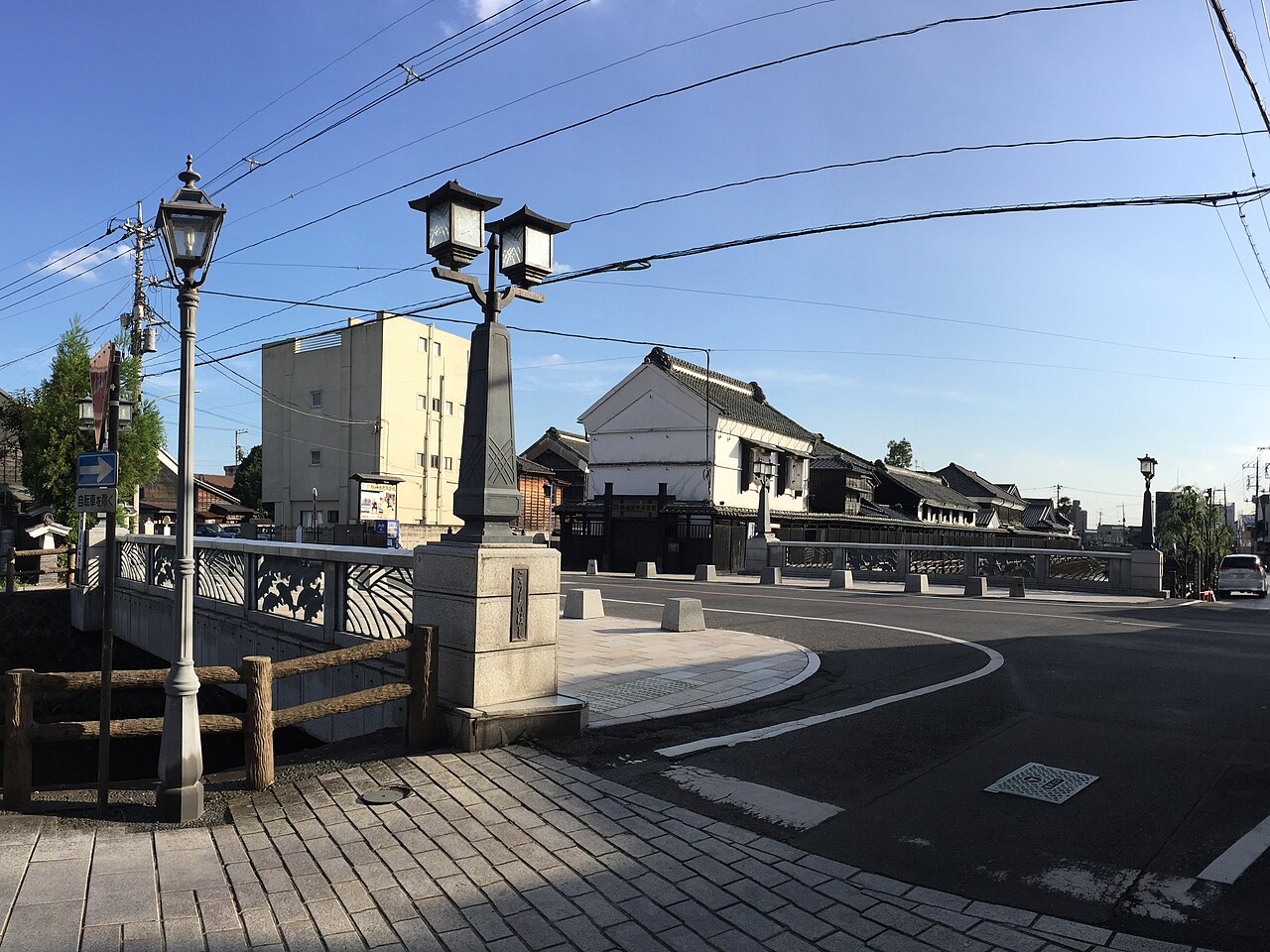
The Tsukada Historical Legend Museum stands beside the Koraibashi bridge, its white storehouse and black fence facing the road. Admission is charged at an adult rate and a child rate, and because the museum is a shorter walk from the railway than Yokoyama Kyodokan, it makes a natural first stop before the merchant houses.
A guidebook notes that the Tochigi Kura no Machi Kankokan, the quarter's visitor centre, occupies the former shop and residence of the Tamura family, who once dealt in household goods and hemp, and that it now provides visitor information and sells traditional crafts. It is a sensible place to ask for directions before setting off along the river.
| Fee | Amount |
|---|---|
| Kura no Machi sightseeing boat | 1,000 yen for adults (junior high school students and older), 700 yen for children (elementary school students and younger) |
| Tsukada Historical Legend Museum, adults | 700 yen |
| Tsukada Historical Legend Museum, children | 350 yen |
Where to stay
Places to stay near Tochigi, Tochigi, Japan →
Disclosure: This post may contain affiliate links. If you book through them, we may earn a commission at no extra cost to you.
Merchant Houses: Yokoyama Kyodokan and Okada Memorial Hall
Yokoyama Kyodokan is the further of the two museums from the railway, and it charges a single general admission rate for visitors of high school age and above. It is open from the morning until late afternoon, with last admission set a little before closing time, which matters if you leave it until after lunch.
A guidebook notes that the building was the shop and residence of the Yokoyama family, who ran a hemp wholesale business and a bank, with stone storehouses of Kanuma stone standing on either side of the main house. Seen from the street, those flanking storehouses are the clearest sign of how much a merchant house needed to store.
The Okada Memorial Hall, in Kaemon-cho, is visited on a combined ticket covering the Daikansho residence and the Okinajima Bettei villa, with separate adult and child prices. A guidebook notes that the Okada family is an old house whose heads have passed down the name Kaemon through the generations, and that the district itself takes its name from them.
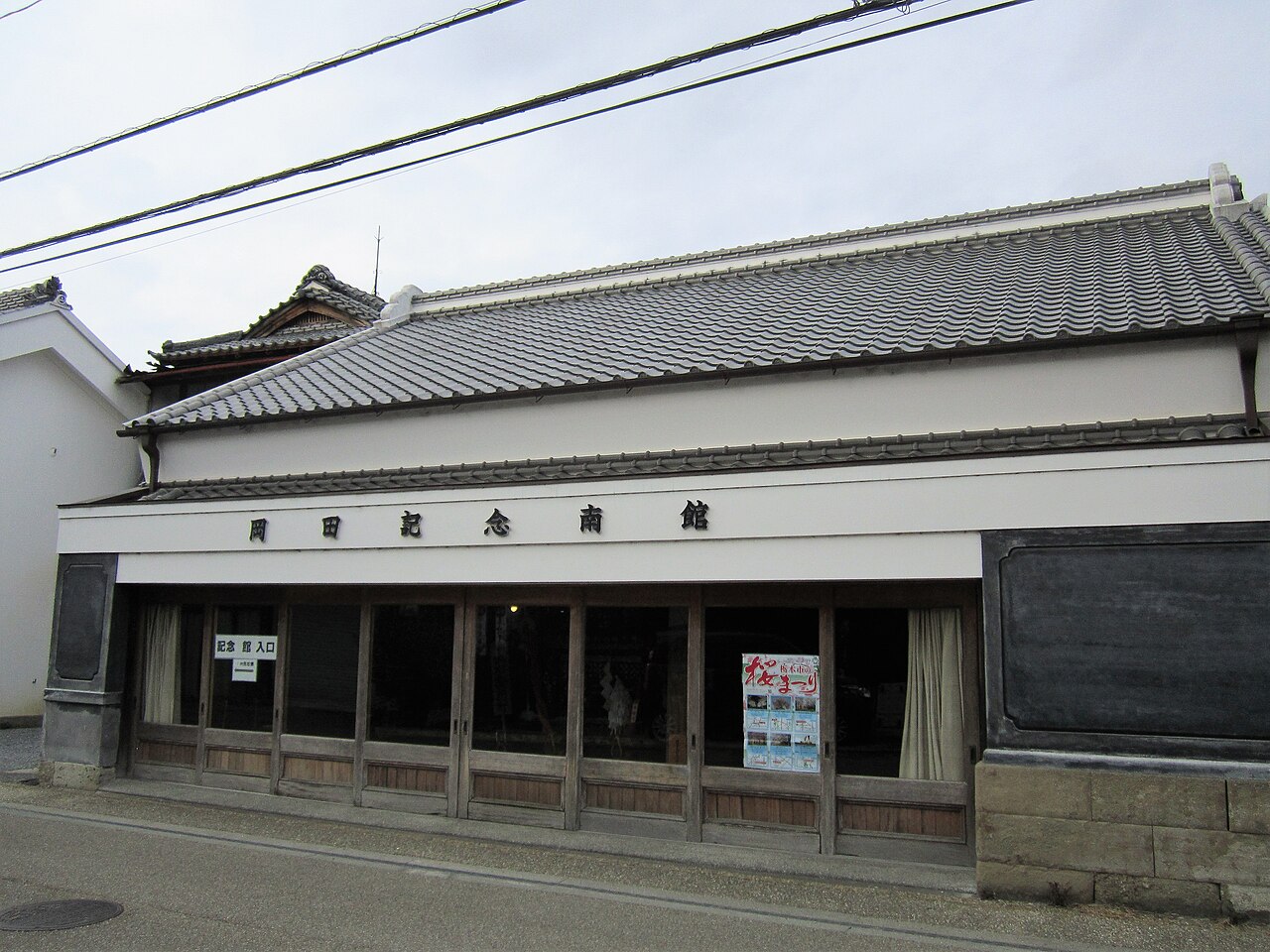
| Item | Detail |
|---|---|
| Yokoyama Kyodokan, general admission (high school students and above) | 300 yen |
| Yokoyama Kyodokan, opening hours | opens at nine, closes at five, last admission at half past four |
| Okada Memorial Hall, combined ticket for Daikansho and Okinajima Bettei | 1,000 yen for adults, 500 yen for children |
Dengaku, Gobo Mochi and Shimotsukare
The quarter's food is a run of small local dishes rather than long restaurant meals. A guidebook notes that Abuden has brewed miso since the late Edo period and serves dengaku made with its own miso. Gobo mochi, a burdock rice cake, comes from Koko Ichibankan, and shimotsukare is sold at Kanefuku Store in small and medium servings, takeout only.
Akagitei sells a take-away Japanese-style cutlet bento, and Kanefuku Store is open from the morning into the evening. A guidebook notes that FROGS GARDEN, in an old house by the Uzuma River in Yamato-cho, serves cafe meals of rice and vegetables grown without pesticides. A guidebook notes that Chuka Soba Tochinoha, beside the guidance centre in Kaemon-cho, serves soy-sauce ramen.
| Item | Price or detail |
|---|---|
| Dengaku assortment (tofu, taro and konnyaku) at Abuden | 700 yen including tax |
| Gobo mochi (burdock rice cake) at Koko Ichibankan | 300 yen including tax |
| Shimotsukare, small serving, at Kanefuku Store | 200 yen excluding tax |
| Shimotsukare, medium serving, at Kanefuku Store | 300 yen excluding tax |
| Kanefuku Store | open 8:30 to 18:30, takeout only |
| Japanese-style cutlet bento (take-out) at Akagitei | 1,500 yen including tax |
How River Trade Built Tochigi
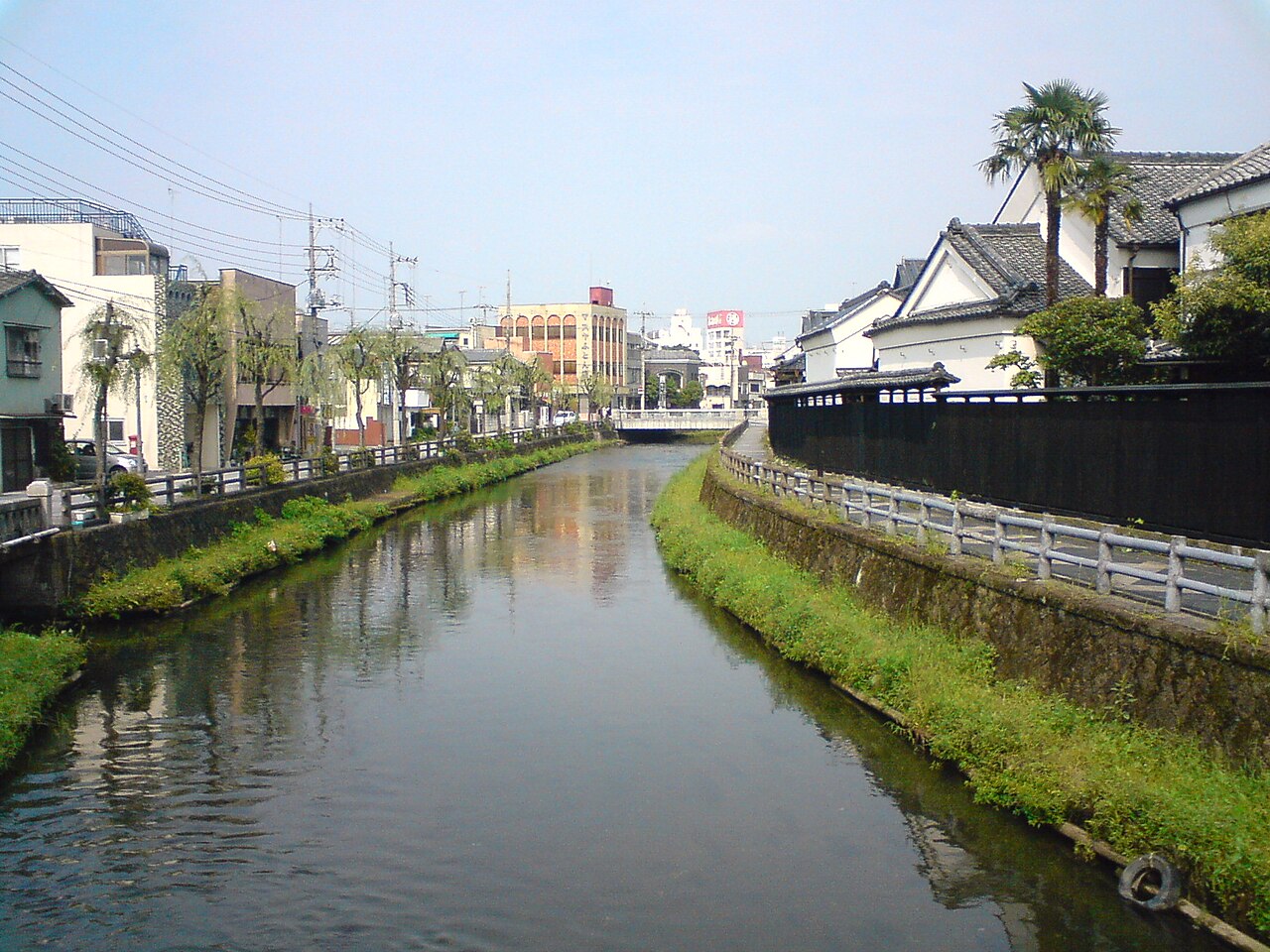
A guidebook notes that Tochigi grew as a post town on the Nikko Reiheishi Kaido and that goods carried on the Uzuma River were gathered here, which is why it became known as the town of storehouses. Walk along the river and the fences and warehouses on the bank read as the working frontage of that trade.
The same trade made the merchant families. A guidebook notes that the Yokoyama family prospered from the late Edo period into the Meiji era as hemp wholesalers who shipped their goods on the Uzuma River, and that they later went into banking as well. Yokoyama Kyodokan, described above, is where to see that wealth in built form.
An old gazetteer records that Tochigi was once the seat of the prefectural government and the leading town in the prefecture, and that after the government moved to Utsunomiya in the Meiji era its trade gradually declined until it lagged behind Ashikaga. Keep that in mind on the walk from the river up to Kaemon-cho.
Planning One Day in Tochigi
Start at the end nearest the railway. The Tsukada Historical Legend Museum is a short walk from Tochigi Station, so see it first and take the boat on the Uzuma River in the same part of the morning. Kanefuku Store is open from the morning, so shimotsukare is an easy thing to collect on the way through.
Leave Yokoyama Kyodokan and the Okada Memorial Hall for the afternoon, but keep an eye on the clock: Yokoyama Kyodokan stops admitting visitors a little before it closes, so walk up to it before settling in for a long lunch. The dengaku at Abuden and a bento from Akagitei can fill the gaps around them. If the storehouses persuade you to stay beyond the last of the daylight, there are places to stay in Tochigi.