This guide covers Naruko Gorge, the public bathhouses of the Naruko Onsen area, the crater lake Katanuma, and the Japan Kokeshi Museum, and it leaves aside private inn baths and dinners, day-use bathing at particular hotels, the details of visiting Naruko Onsen Shrine, and the bath-hopping pass.
Getting to Naruko Onsen
Naruko Onsen is reached by rail, and Naruko-Onsen station on the JR Rikuu East Line is the gateway. From Tokyo, the JR Tohoku Shinkansen runs to Sendai and on to Furukawa, where the JR Rikuu East Line takes over for the final stretch. Travellers landing at Sendai Airport join this route at Sendai by the JR Sendai Airport Access Line.
| From | To | Means | Approximate time |
|---|---|---|---|
| Tokyo | Sendai | JR Tohoku Shinkansen | about 120 minutes |
| Sendai | Furukawa | JR Tohoku Shinkansen | about 15 minutes |
| Furukawa | Naruko-Onsen | JR Rikuu East Line | about 45 minutes |
| Sendai Airport | Sendai | JR Sendai Airport Access Line | about 24 minutes |
| Yamagata Airport | Tendo | taxi | about 15 minutes |
| Tendo | Shinjo | JR Yamagata Shinkansen | about 35 minutes |
| Shinjo | Naruko-Onsen | JR Rikuu East Line | about 60 minutes |
An approach from Yamagata Airport works as well: a taxi takes you to Tendo, the JR Yamagata Shinkansen continues to Shinjo, and from Shinjo the JR Rikuu East Line runs to Naruko-Onsen. Fares are not fixed here, so it is worth checking the current timetable and fares directly with the railway before setting out.
Naruko Gorge: A Ravine of Autumn Colour
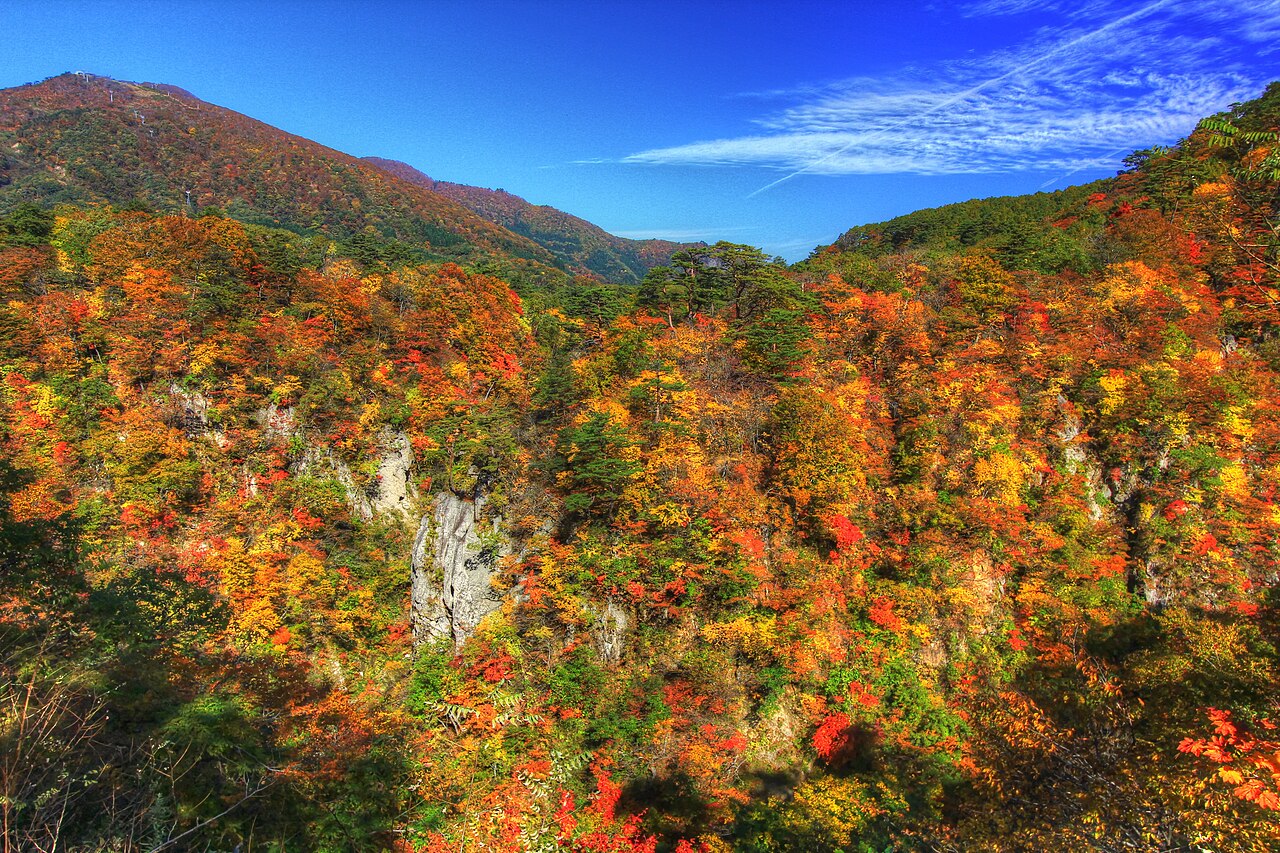
Naruko Gorge in autumn, when the colour along the rock faces is at its fullest.
Naruko Gorge follows the Otani River for just over two and a half kilometres, walled by tall rock faces the whole way. It is known as a noted spot for autumn colour, and what people come to see is the Ofukazawa Bridge spanning the ravine and the tinted mountainsides that frame it.
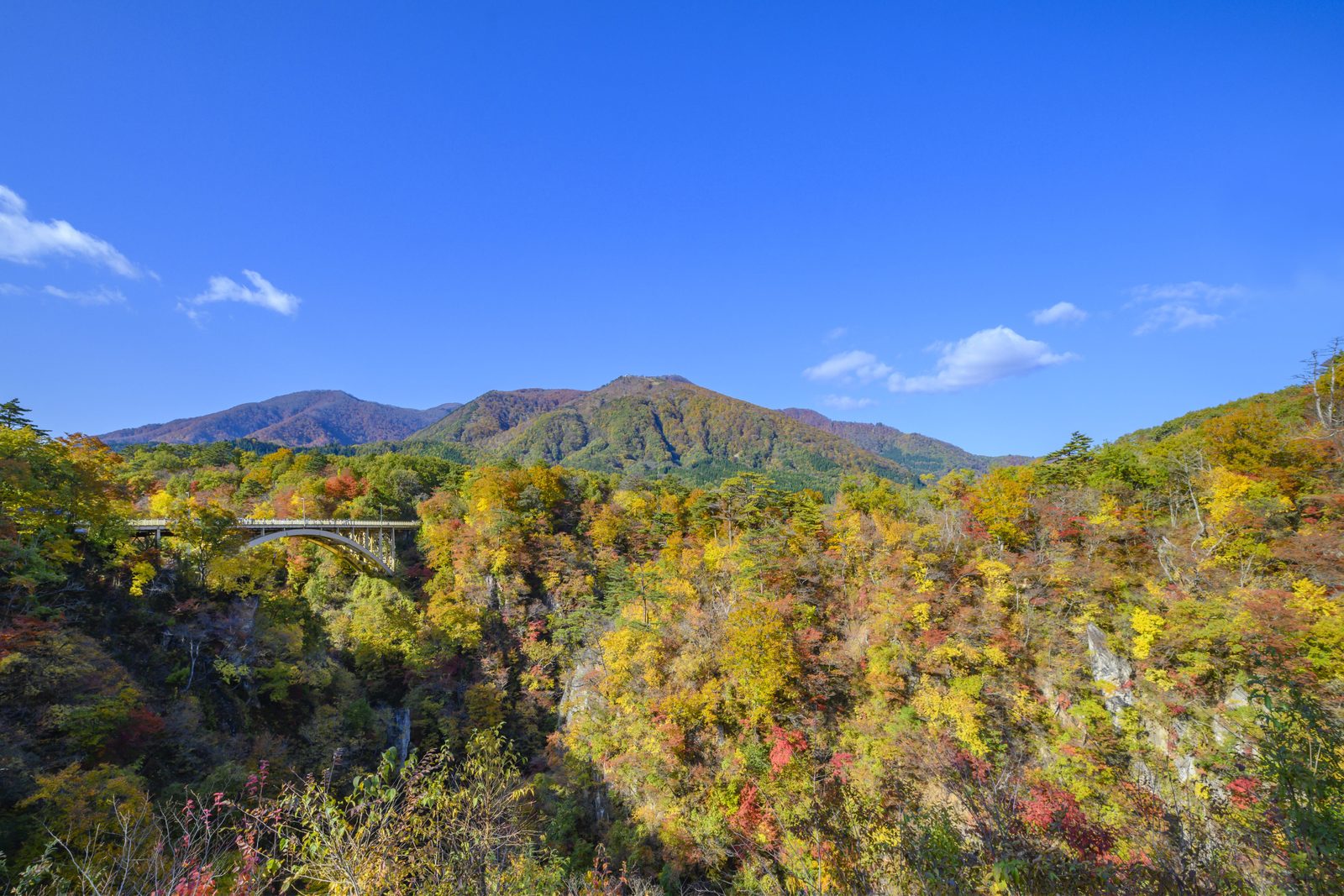
The Ofukazawa Bridge, one of the gorge's signature views.
Colour comes to the gorge in a fairly narrow window. The leaves are usually at their best from late October to the middle of November, and that is also when the crowds are at their peak. If you arrive by car in that season, the Nakayamadaira-side parking lot charges a fee during its autumn paid-parking period, set by vehicle size.
| Vehicle | Parking fee (autumn paid-parking period) |
|---|---|
| Large vehicles | 1,500 yen |
| Mid-size vehicles | 1,000 yen |
| Regular cars, including light vehicles | 500 yen |
A Hot-Spring Village with Many Kinds of Water
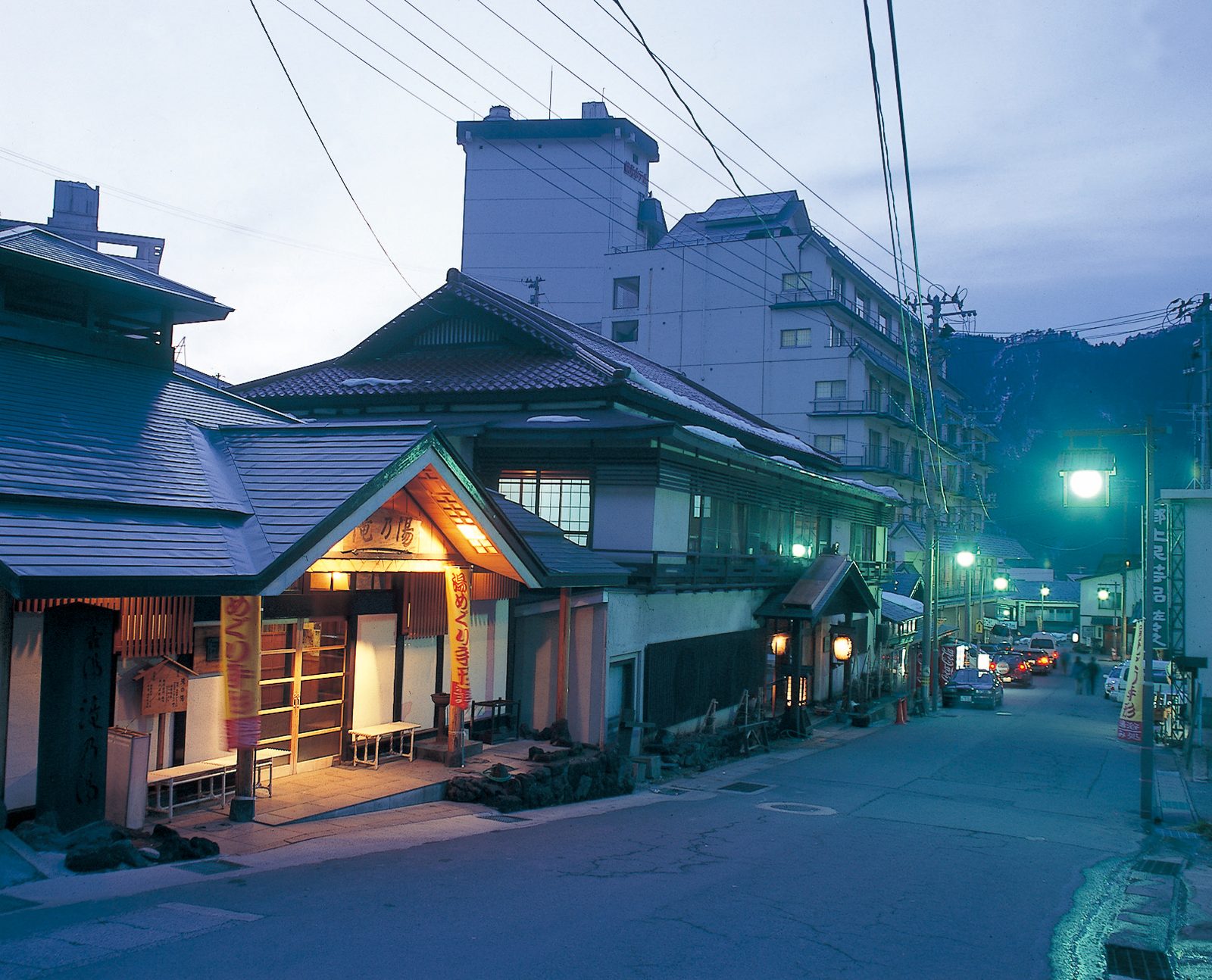
The name Naruko Onsen covers a cluster of five hot-spring districts rather than a single village, drawing on more than four hundred separate spring sources. Many of the inns here accept day bathers, so a soak can be slotted into a stroll through town without any need to stay the night.
What sets the area apart is variety. Of the ten kinds of hot-spring water found across Japan, eight can be sampled within the Naruko Onsen area. The area has also thrived since long ago as a place for toji, the Japanese custom of a long, restorative stay at a hot spring for the sake of health.
Among the inns, Naruko Hotel stands on a rise overlooking the hot-spring town and traces its founding to eighteen seventy-three. The water piped into it carries sulfur and is unusual for changing colour, shifting from milky white to green as the outside air and humidity change. Behind the row of inns, Naruko Onsen Shrine sits on a sand hill.
Where to stay
Places to stay near Naruko Onsen →
Disclosure: This post may contain affiliate links. If you book through them, we may earn a commission at no extra cost to you.
Soaking in Naruko's Public Bathhouses
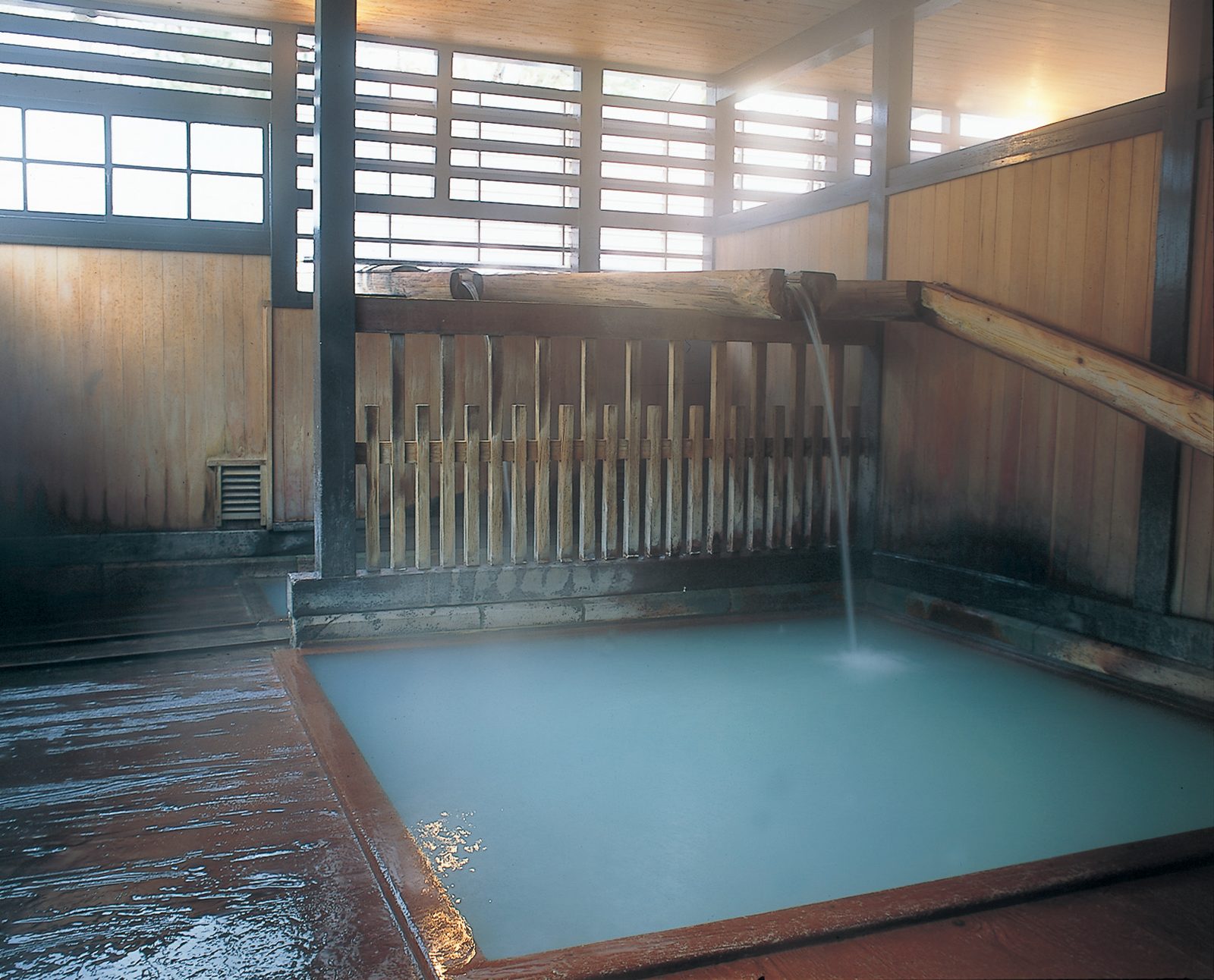
A bathing pool inside a public bathhouse in Naruko Onsen.
Takinoyu is the bathhouse to start with. It draws the sacred spring water of Naruko Onsen Shrine through a wooden trough and lets it flow straight from the source into two tubs, hotter and cooler. The exterior is modelled on a bathhouse of the Edo period, and its opening hours and admission are set out below.
| Item | Detail |
|---|---|
| Opening hours | 7:30 to 21:00 |
| Last admission | 20:30 |
| Admission, adults | 300 yen |
| Admission, children | 100 yen |
Shintoro-no-yu, a public bathhouse near Naruko Gorge, is known for water with a smooth, faintly viscous feel that is said to be gentle on the skin. It also sells hot-spring eggs cooked in the spring water, a simple snack worth trying once you have dried off.
Waseda Sajiki-yu has an unusual origin: the spring it uses was drilled by students of Waseda University in nineteen forty-eight, and the bathhouse still carries the university's name. Besides day bathing, it offers a lounge hall for resting, which makes it an easy place to linger between soaks rather than hurry on to the next stop.
The Japan Kokeshi Museum
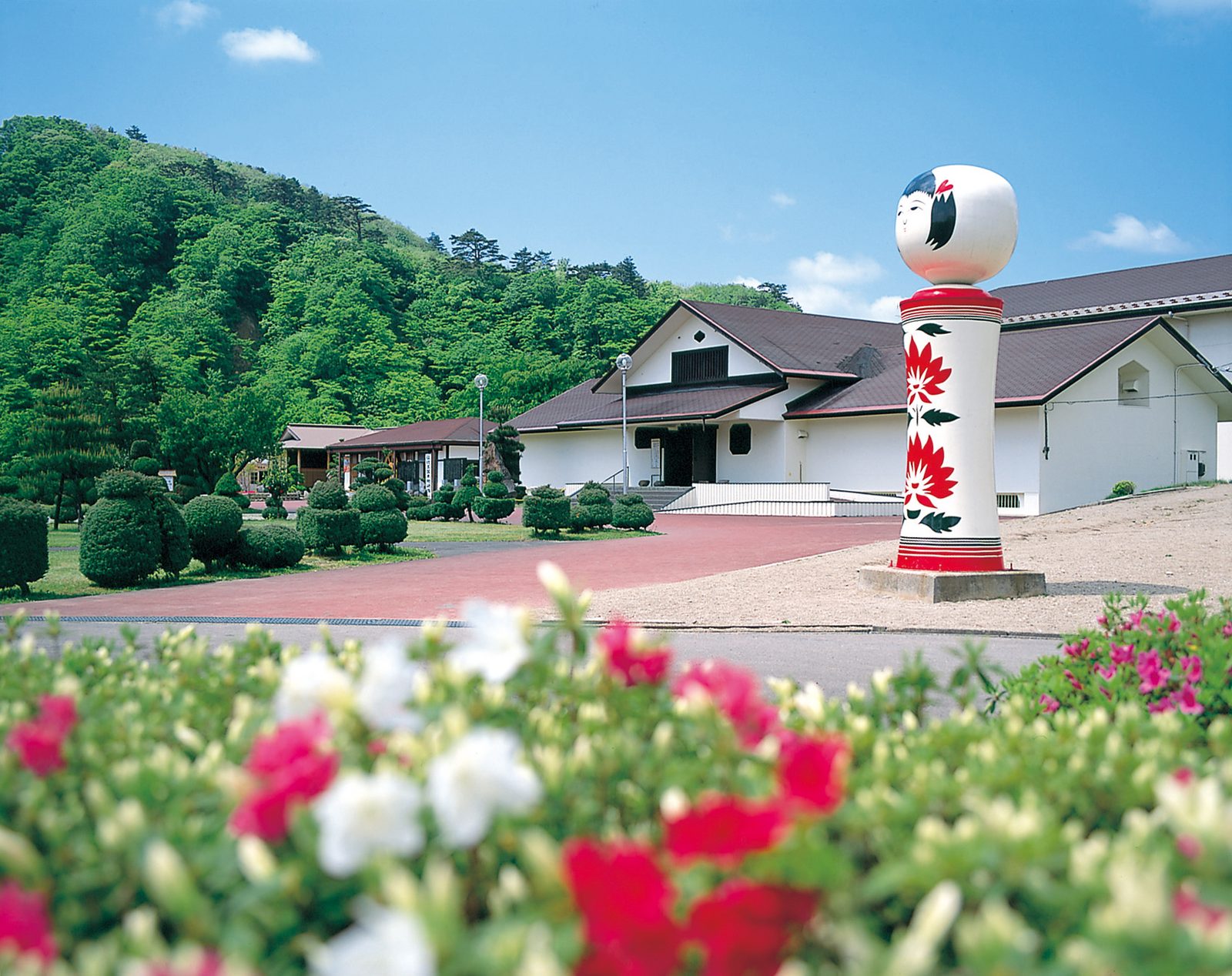
The giant kokeshi that greets visitors outside the Japan Kokeshi Museum.
Kokeshi are painted wooden dolls, and the Japan Kokeshi Museum in Naruko is devoted to them. It makes an easy stop for anyone whose interest runs beyond bathing, and its calendar is plain: the museum is open every day, with no closed days, from the beginning of April through the end of December. Hours and admission are set out below.
| Item | Detail |
|---|---|
| Opening hours | 9 AM to 4 PM |
| Open days | Every day, with no closed days, April 1 to December 31 |
| General admission, adults | 500 yen |
| Group admission, adults (groups of 20 or more) | 400 yen |
Katanuma: A Crater Lake in the Hills
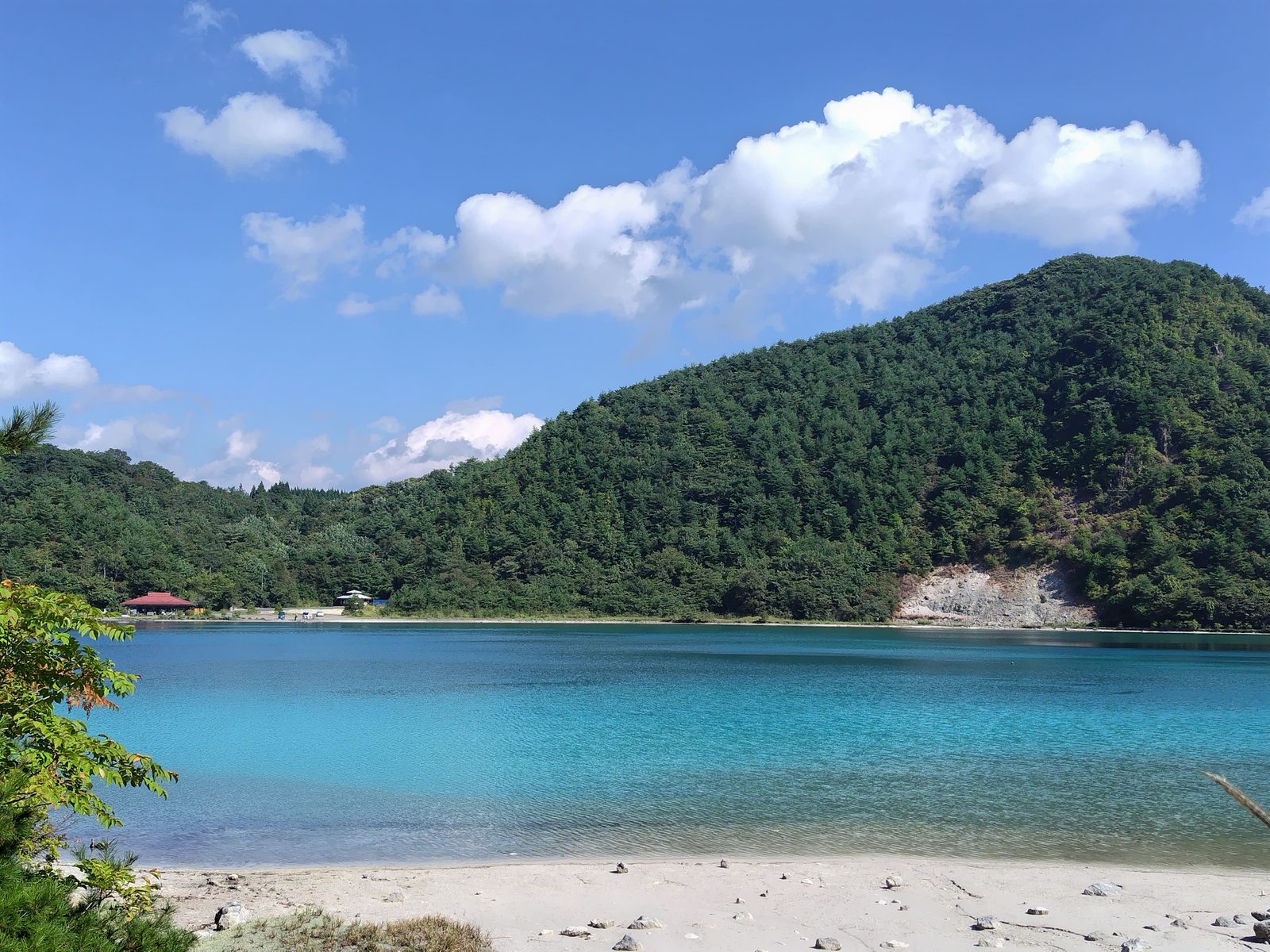
Katanuma, whose surface seems to change colour with the weather and the position of the sun.
Katanuma is a crater lake in the hills, believed to have formed roughly twelve hundred years ago. Its surface seems to shift in colour with the weather and the position of the sun, and a walking path circles the shore, so you can take in the water from every angle while the smell of sulfur drifts across from the lake.
The lake sits high in the hills, holds water of a deep green, and is ringed on every side by green mountains. Viewing the lakeshore is normally free and open to all, though it closes for the winter, and anyone hoping to try stand-up paddleboarding or boating on the water should inquire in advance.
The lake also goes by the name Ryugin-ko, and according to local tradition it is a volcanic lake born of a former crater and is said to be the source of Naruko Onsen's waters. If a day is not enough, browse places to stay near Naruko Onsen and turn the trip into an overnight soak.
From a Guidebook of Nineteen Twenty-Two
A guidebook to Naruko Onsen published in nineteen twenty-two paints the surroundings in generous strokes. The autumn foliage near Oguro-ga-saki is said to be among the finest in the Tohoku region, with Shiraito Falls, a noted spot, still standing nearby. The Shitomae checkpoint, west of Kawaratayu Onsen, is remembered as a place celebrated in a haiku by Matsuo Basho.
The hot-spring belt from Kawatabi through Naruko to Nakayamadaira is described as a grand landscape of mountains on both banks and the clear waters of the Arao River, with scenery worth savouring in every season. Winter suited snow pastimes such as skiing and rabbit hunting, and as transport improved, more visitors came for therapeutic bathing and refuge from the cold.
In spring the mountains and valleys filled with cherry, azalea, and wisteria blossoms, and bathers went to gather bracken and wild greens. Summer brought boat trips on Katanuma, evening cooling by the river, firefly watching, fishing for ayu, and swimming. Autumn spread maple colour across the mountainside, and special leaf-viewing excursions carried many travellers in, bringing bustle to the town.