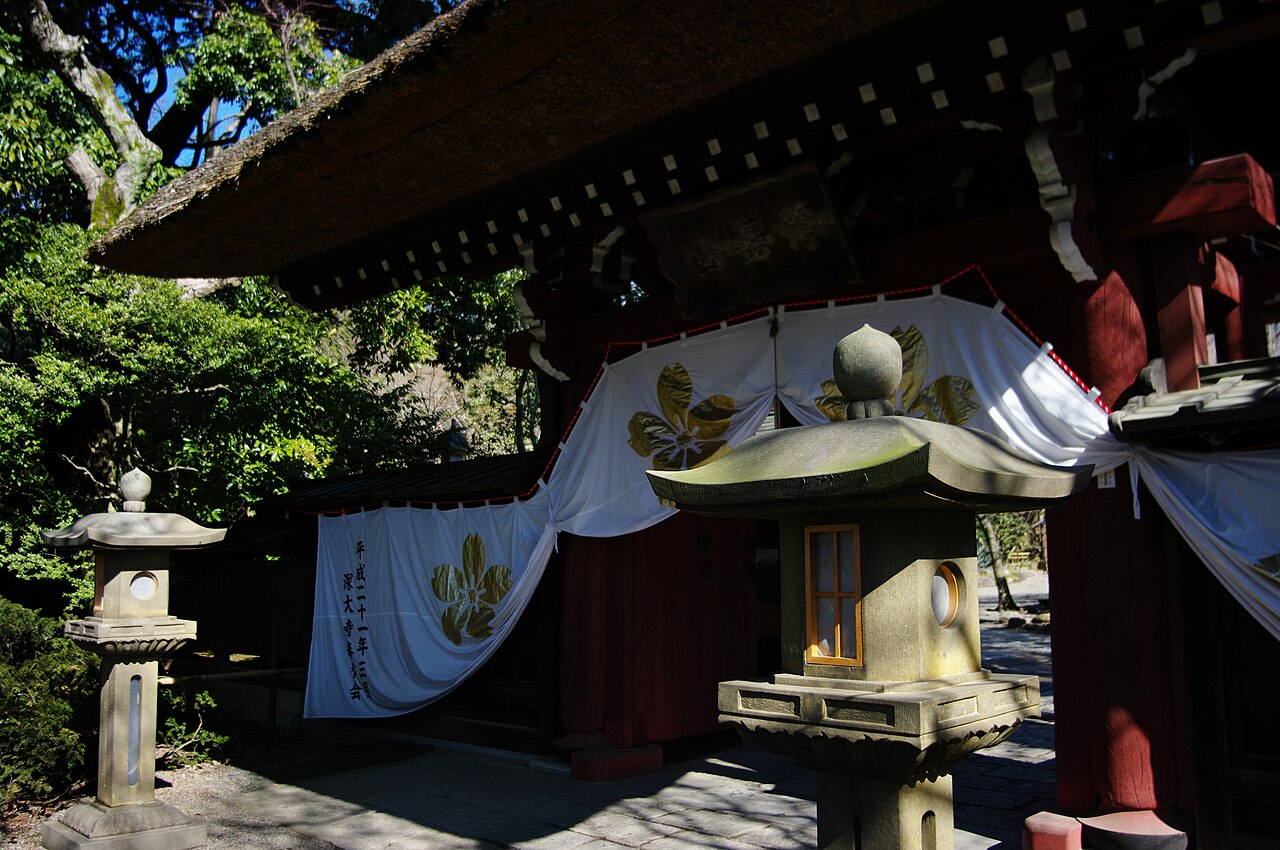
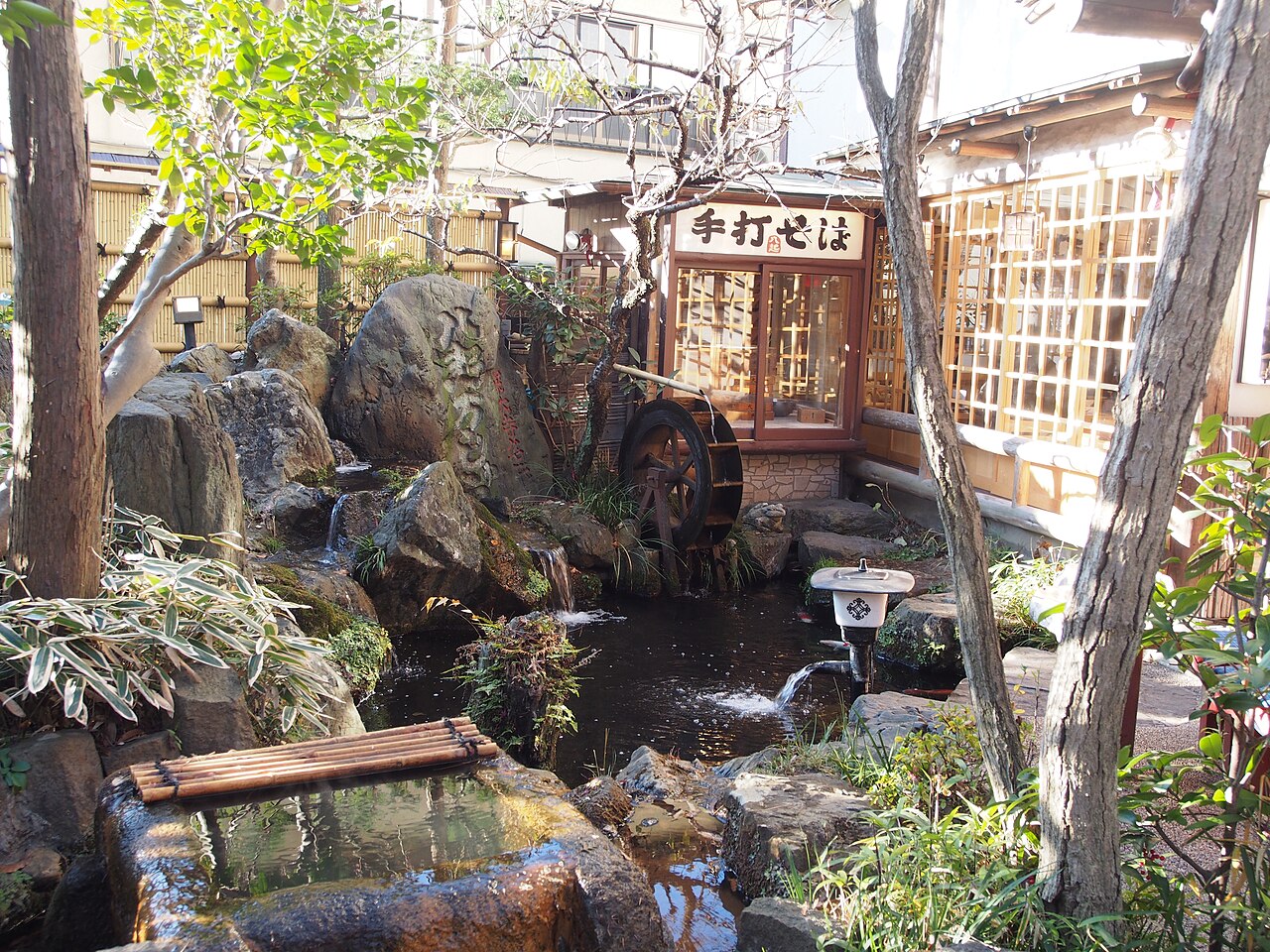
Most Tokyo food pilgrimages end in a queue. This one ends under old trees, beside a temple gate, with a bowl of cold buckwheat noodles and the sound of running water. The Jindaiji district of Chofu, in western Tokyo, is described as the city's premier tourist zone, defined by abundant natural spring water, woodland greenery, and a cluster of soba restaurants on the temple approach. According to the guidebook record, Jindaiji Temple was founded in 733 and has watched over this corner of the Musashino area for more than thirteen hundred years. The noodles came for the water, and the water is still the point.
Why soba grew up here
Guidebooks describe the temple grounds as ringed by some sixty spring sources, with one of them — Fudo no Taki, inside the precinct itself — listed among Tokyo's famous springs. The neighborhood is described as running along the Kokubunji Escarpment, a spring-rich edge of the Musashino Plateau whose steady groundwater gives the surroundings a cool, wooded character in every season.
According to local tradition, Edo-period tenant farmers grew buckwheat with that spring water, offered the milled flour to the temple, and the monks are said to have rolled it into noodles for pilgrims — the origin story of Jindaiji soba. The tradition is described as running back more than four hundred years, sustained the whole time by the same water that first made it possible.
One street, many recipes
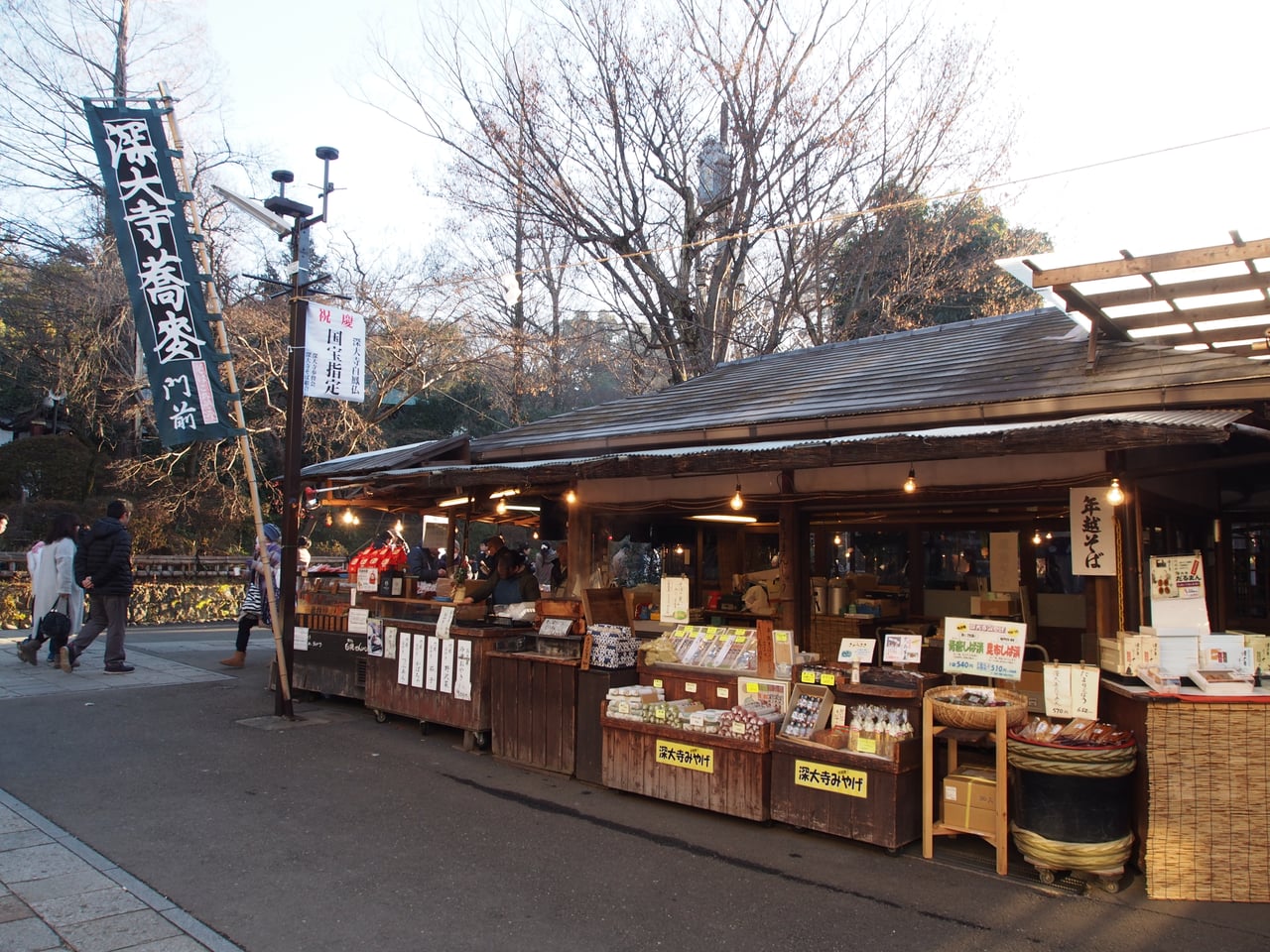
Along the approach road today, the soba restaurants are described as each keeping to a slightly different recipe — their own dashi, their own tsuyu, their own buckwheat-flour ratio — so eating at two shops in one visit counts as research rather than greed. Handmade Jindaiji soba is described as the area's defining culinary experience and the main reason day-trippers come. Order simply, eat slowly, and compare.
In late November, when the new buckwheat crop arrives, a Jindaiji soba festival is described as taking over the approach in a food-walk format among the soba association's member restaurants, complete with a memorial rite for the noodles themselves — the Soba Kannon service.
Where to stay
Disclosure: This post may contain affiliate links. If you book through them, we may earn a commission at no extra cost to you.
The temple between courses
The temple rewards the time between bowls. Its mountain gate is described as dating from 1695 — the oldest structure still standing on the grounds — with a thatched roof that is rebuilt every 20 to 25 years. Inside the Shakado hall, a bronze Shaka Nyorai from the late seventh century is described as having been accidentally rediscovered in 1909 and designated a National Treasure in 2017, and you view it through glass. A rarely shown seated figure of Ganzan Daishi is said to go on public display next in 2034, after a special showing held in 2025. A new hall named Hakuho-in, designed by architect Kengo Kuma, is described as scheduled for completion in 2027 to house the National Treasure, ahead of the temple's thirteen-hundredth anniversary in 2033.
The temple bell is said to ring three times each day, its sound deepened by resonance pots buried beneath it — a ringing that once told the surrounding farm households to break for midday rest. In early March, the temple's daruma fair is described as one of Japan's three great daruma markets, where monks ink a Sanskrit character on each doll's left eye at purchase and complete the right eye when the doll comes back. If you want the fuller temple itinerary, our Jindaiji quiet day trip guide walks the whole precinct.
Spring water next door
Through a gate on the temple's north side, the Jindai Botanical Garden is described as holding roughly 4,800 plant species — enough to turn a temple stop into a half-day. A garden visit is described as combining naturally with the temple, and as a substantial stop in its own right if you take in the main garden, the biodiversity center, and the aquatic plant area. Nearby, an agricultural high school's training farm is described as channeling the escarpment's spring water through canals and ponds to grow wasabi and rear rainbow trout, with a rare colony of katakuri wildflowers in spring. Water you can eat, in other words.
General adult admission to Jindai Botanical Gardens is 500 yen. Visitors aged 65 and over pay 250 yen. Admission is free on Midori no Hi (May 4) and Tomin no Hi (October 1). The gardens are closed for the year-end and New Year holidays from December 29 to January 1.
Getting there quietly
Jindaiji is described as sitting apart from the rail network: no station stands at the temple itself, and visitors travel out by Keio Bus or by bicycle rather than on foot. By Keio Bus from Chofu Station or Tsutsujioka Station, the Jindaiji stop is described as standing immediately at the temple entrance.
Morning is said to be the kind hour here — come early, eat soba at a leisurely pace, and stroll before the area fills in. Festival dates, viewing schedules, and farm visiting days move around through the year, so check official information before visiting.
Make it a quiet day
Central Shinjuku is described as roughly 20 kilometres away — close enough that this counts as a modest excursion, far enough that the water tastes different. Pair the temple with the garden, keep the afternoon for a second bowl, and leave a little before you feel done. That is the shape of a quiet day here.
Compare options and book: Jindaiji area tours and Tokyo day trips.