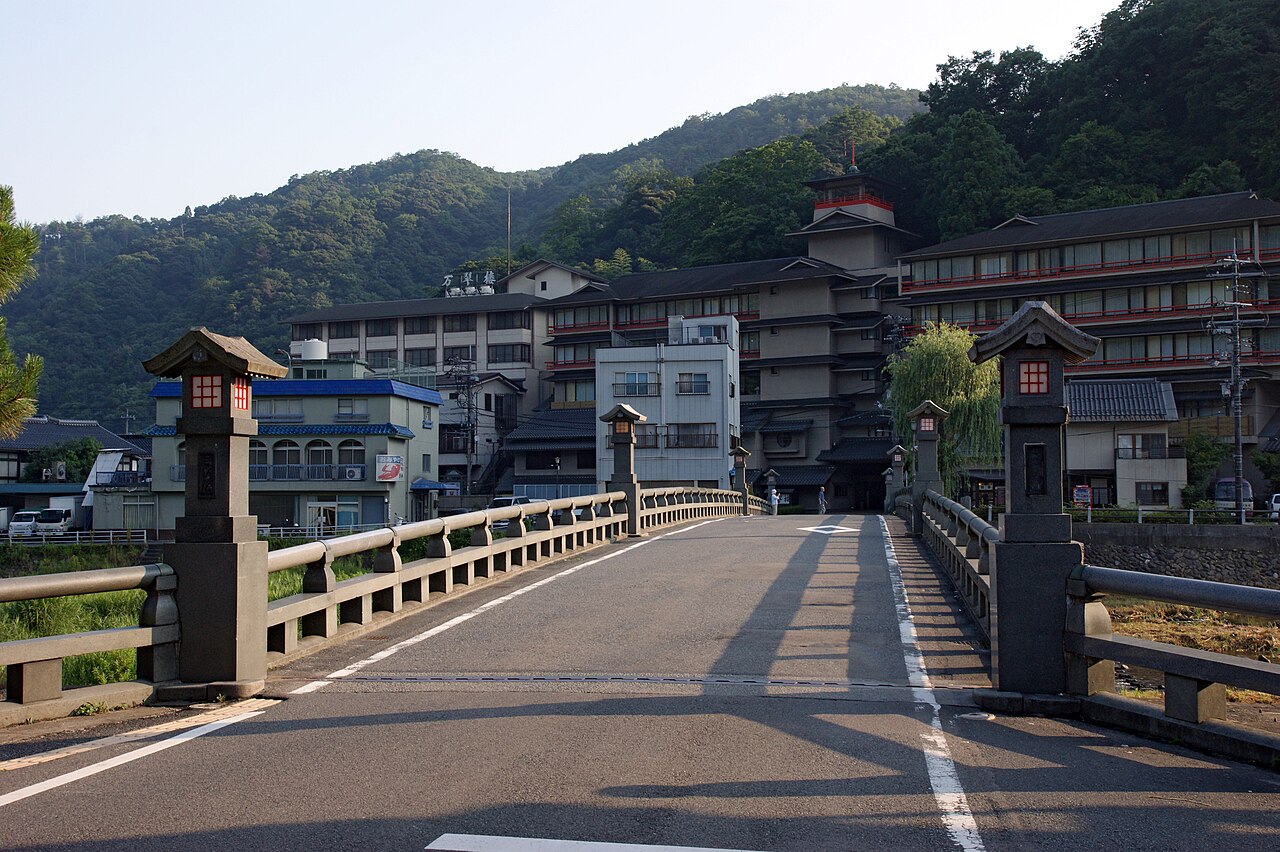
This guide covers how to reach Misasa Onsen, the riverside baths, Mitokusan and the practical details for a visit.
Misasa Onsen has radon hot-air bath rooms where bathers stay in a warm, humid room for a set time. The sections below follow the way in, the riverside town, the public baths, Mitokusan, a meal and the practical details.
Getting to Misasa Onsen
Route buses connect JR Kurayoshi Station with Misasa Onsen. The buses on this route are run by Hinomaru Jidosha. Questions about local sightseeing can go to an inquiry line that is staffed from morning to late afternoon.
On Hinomaru Jidosha buses, passengers take a numbered ticket from the machine beside the boarding door, and the ticket shows the boarding location. Passengers who board with ICOCA do not need to take a numbered ticket. The fare box gives no change, so passengers use the exchange machine attached to it. The postpay service of PiTaPa cannot be used on these buses.
| From | Line and operator | Time or fare |
|---|---|---|
| JR Kurayoshi Station | Route bus to Misasa Onsen, Hinomaru Jidosha | About 20 minutes |
| Misasa Onsen | By car to Mitokusan Sanbutsuji | About 10 minutes (about 7 km) |
| Hot spring town, by car | By car to Curie Park | About 3 minutes |
| Hot spring town, on foot | On foot to Curie Park | About 20 minutes |
| Prefectural route buses | Three-day unlimited-ride pass | 1,800 yen |
| Route buses | Two-day unlimited-ride pass | 1,300 yen |
| Multipurpose parking lot | Free for the first hour, then charged by the half hour | 100 yen per 30 minutes (200 yen for large vehicles) |
| Same parking lot, maximum | Charge within 24 hours of entry | 1,000 yen (2,000 yen for large vehicles) |
Misasa Onsen and the Riverside Bath
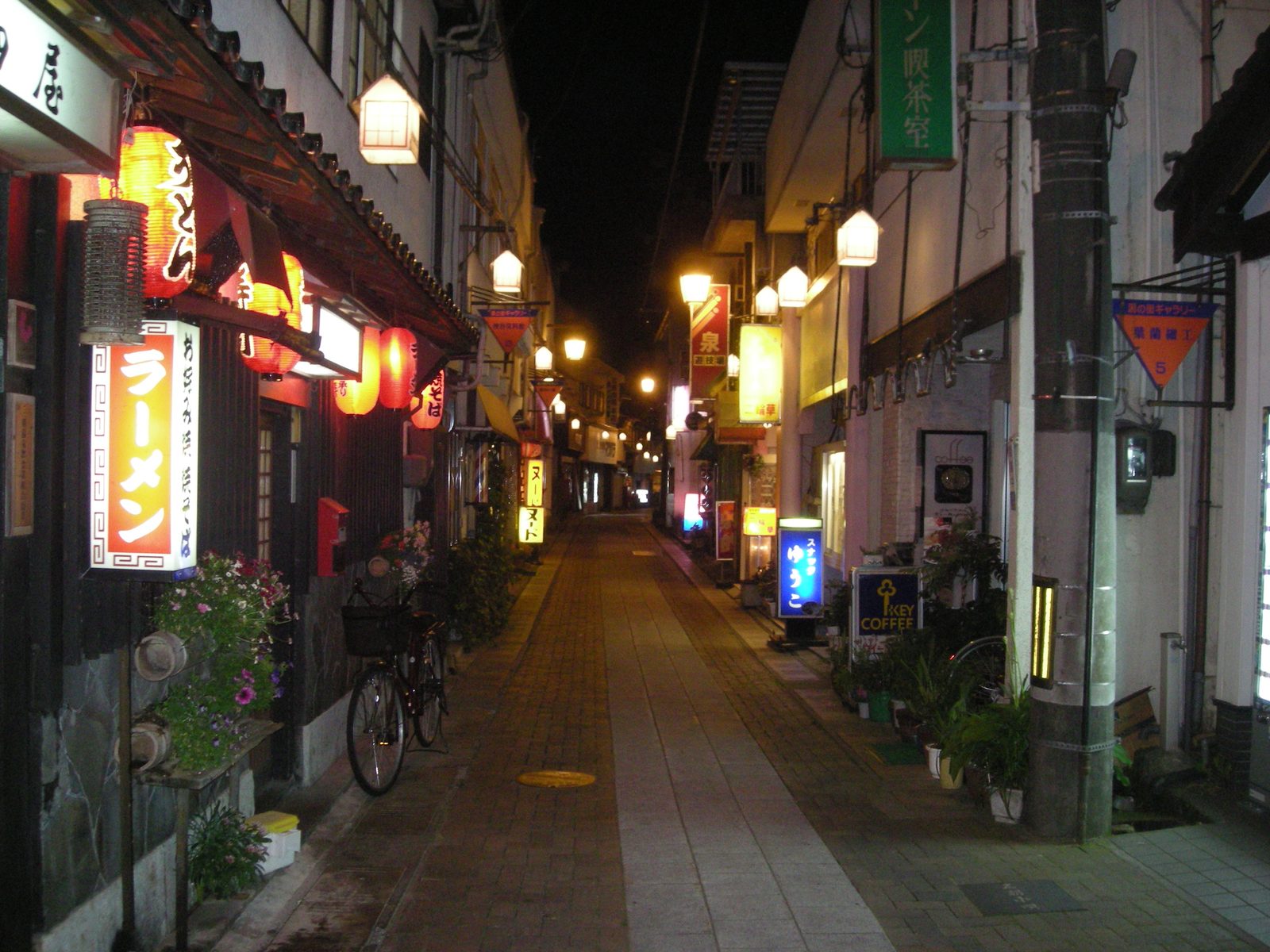
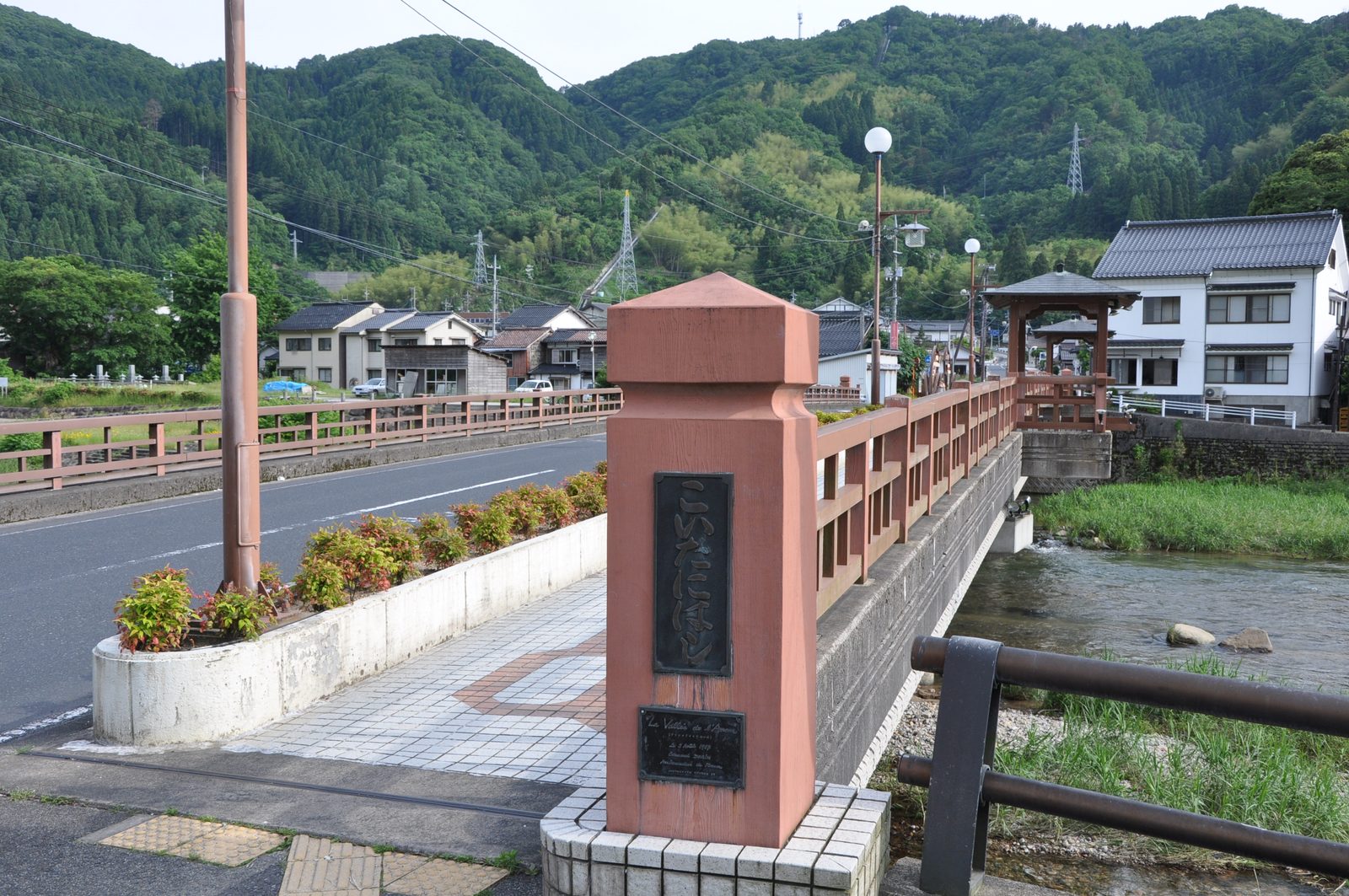
From the hot spring town, Curie Park is a short drive or a walk away. The Curie Festival takes place in July. For moving around the town, electric and internal-gear rental bicycles are available.
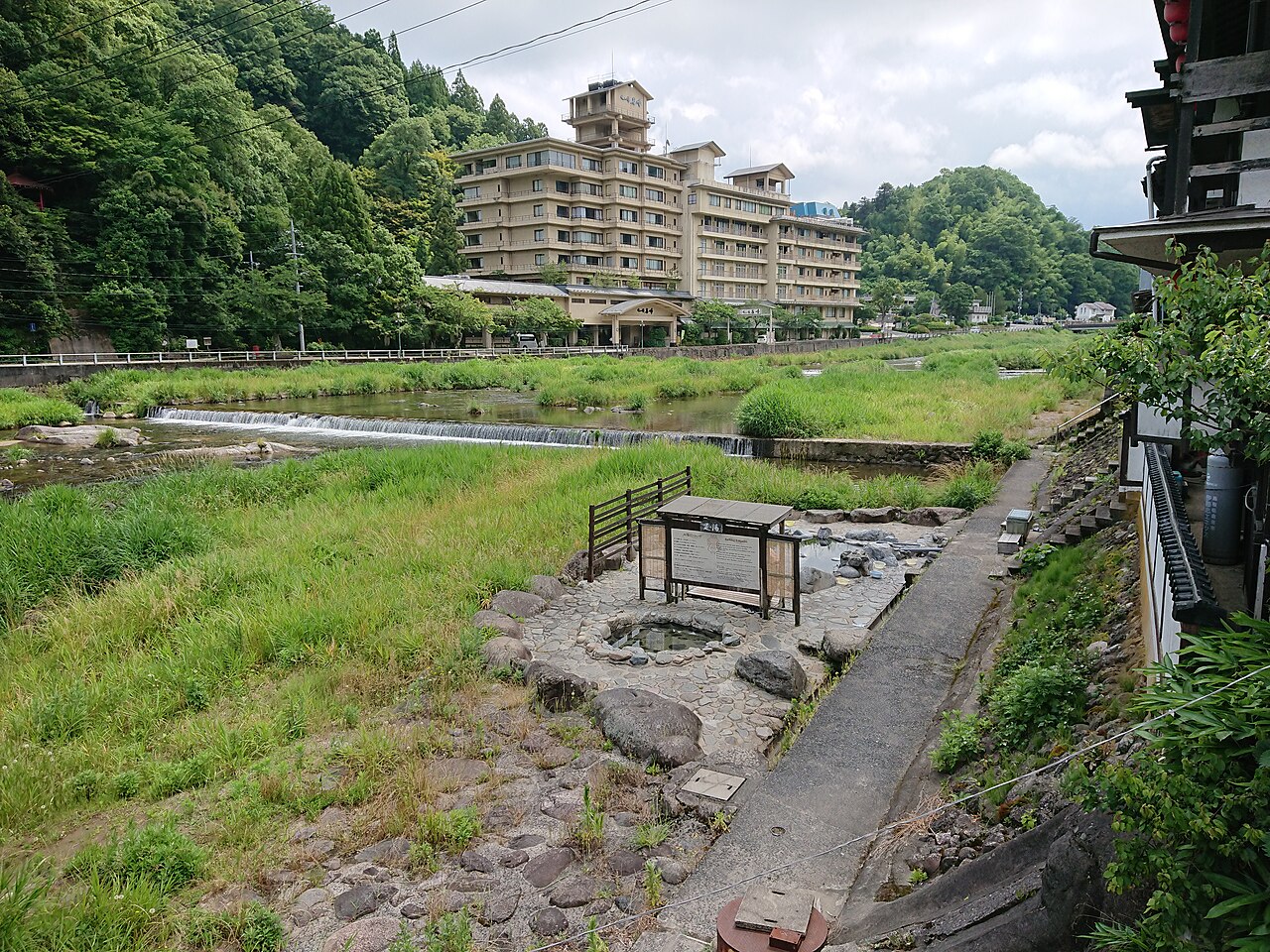
The Kawara-buro is a mixed-bathing outdoor bath on the riverbank, beside the Mitoku River and Misasa Bridge. It is available all year round, day and night, though it cannot be used in the morning on odd-numbered days because of cleaning.
Public Baths and Radon Hot-Air Rooms
Kabuyu is a public bath with a foot bath and a drinking spring. The last entry for the bath comes shortly before it closes. Seiryuso also sells bathing to day visitors during the daytime and evening.
Suha Onsen is a radon hot-air bath facility with a dry heat room and other heat-bath rooms. Visits need an advance booking. The facility is closed on a set Tuesday each month and over the year-end and New Year holidays.
Mitokusan and Sanbutsuji
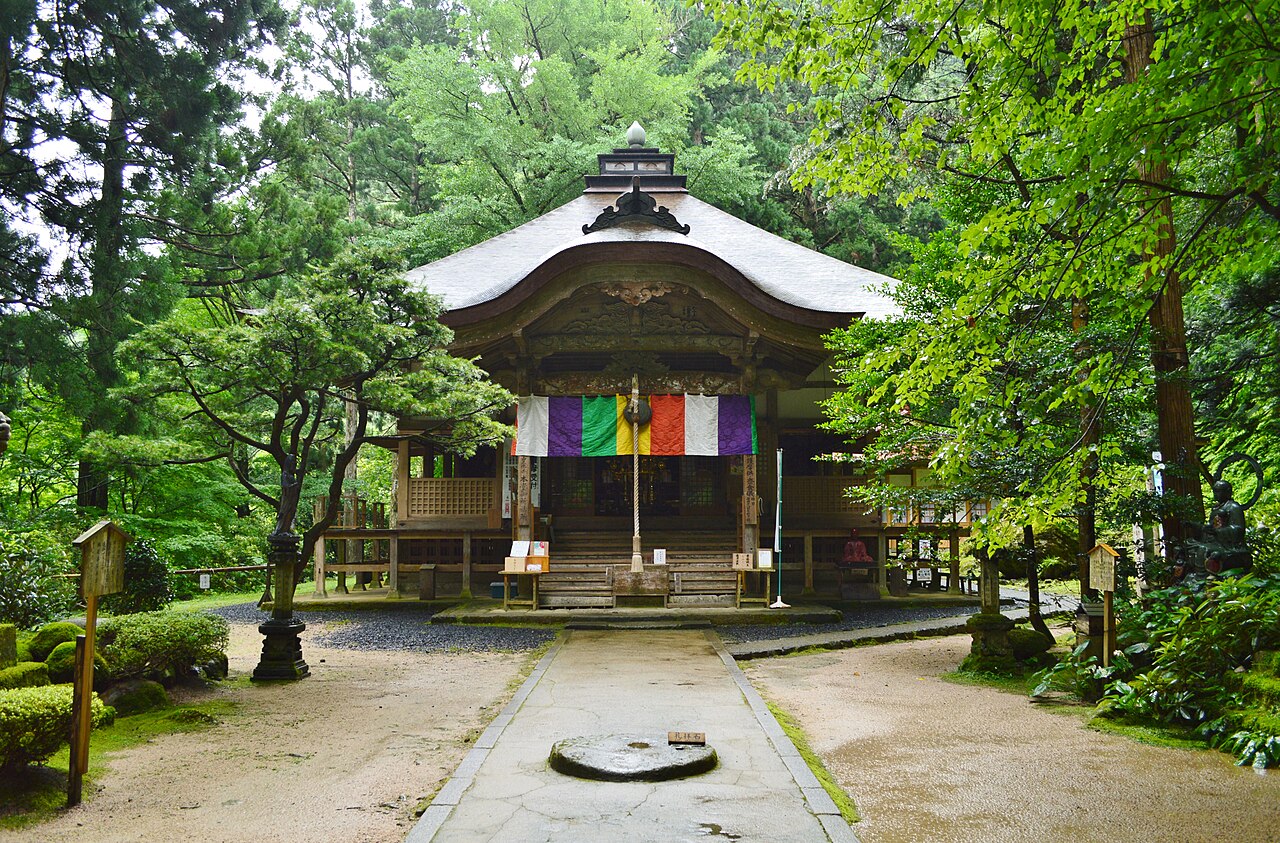
Mitokusan is a short drive from Misasa Onsen. At Sanbutsuji, the entrance donation also covers entry to the treasure hall. The climb to Nageiredo has a separate climbing fee.
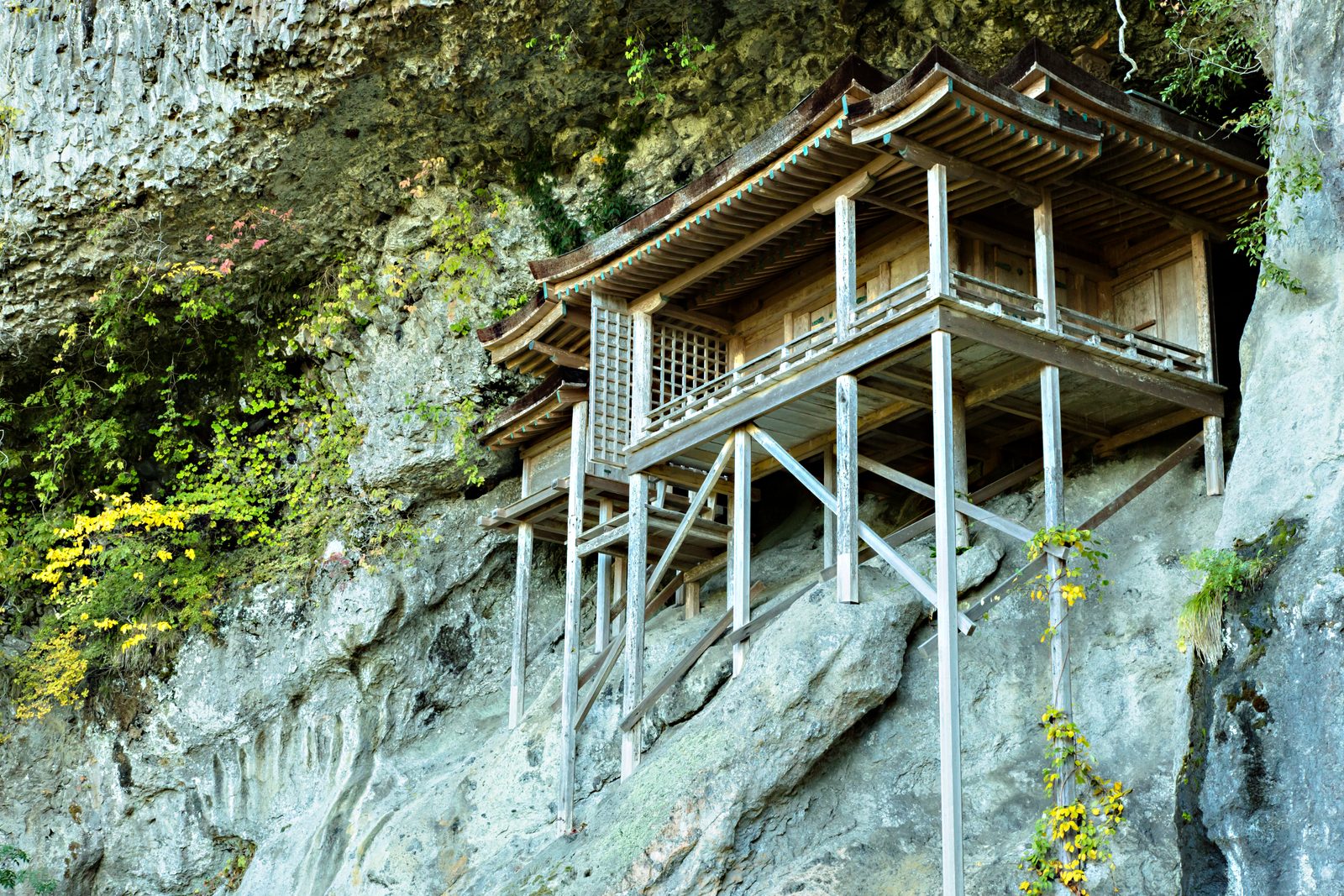
Climbers go up in a group rather than alone, wearing clothing that keeps the hands usable and is easy to move in. Paid straw sandals can be worn instead when shoes are the reason entry permission is not granted. Skirts, high-heeled shoes, leather shoes, sandals, slippers, ice axes, poles and sticks are not accepted on the climb.
Reception for the climb ends in the afternoon, and there is a set descent time. The mountain is closed to climbers when rain or snow makes the temple judge conditions unfit, and entry normally stops through the snowy months from December to March.
Shozenin on Mitokusan has a guidance facility. Matcha is served at Shozenin as well. Shozenin also has a guide service.
Where to Eat
Tanigawa Tengudo serves a wild vegetable tempura set. Wild vegetable udon is also on the menu there.
Kajikatei offers a daily set meal. Kajikatei is open for lunch and again in the evening, and its closing time may change.
Hours and Fees
Each place keeps its own opening times and closing days, as listed in the tables below. The multipurpose parking lot is free for a short period and then charged at a set rate over time. Large vehicles pay a higher parking rate than other vehicles.
| Item | Detail |
|---|---|
| Nageiredo climb, reception | 8:00 to 15:00 |
| Kawara-buro open-air bath | 24 hours a day all year, not usable on the morning of odd-numbered days |
| Kabuyu public bath, last entry | 20:15 |
| Suha Onsen, business hours | 9:30 to 17:30 |
| Suha Onsen, closing days | First Tuesday of the month, and December 30 to January 3 |
| Shozenin | 9:00 to 16:00 |
| Tanigawa Tengudo | 11:00 to 15:00 |
| Seiryuso bathing for day visitors | 11:00 to 21:00 |
| Item | Detail |
|---|---|
| Entrance donation up to the main hall | Adult 400 yen, child 200 yen |
| Nageiredo climbing fee | Adult 800 yen, child 400 yen |
| Entrance donation plus Nageiredo climbing fee | Adult 1,200 yen |
| Kabuyu public bath | Adult 400 yen, child 250 yen (ages 3 to elementary school) |
| Suha Onsen, high-concentration room | 2,800 yen per session (tax included) |
| Suha Onsen, heat-bath rooms | 2,100 yen per session (tax included) |
| Seiryuso bathing for day visitors | Adult 1,000 yen |
| Tanigawa Tengudo, wild vegetable tempura set | 1,500 yen |