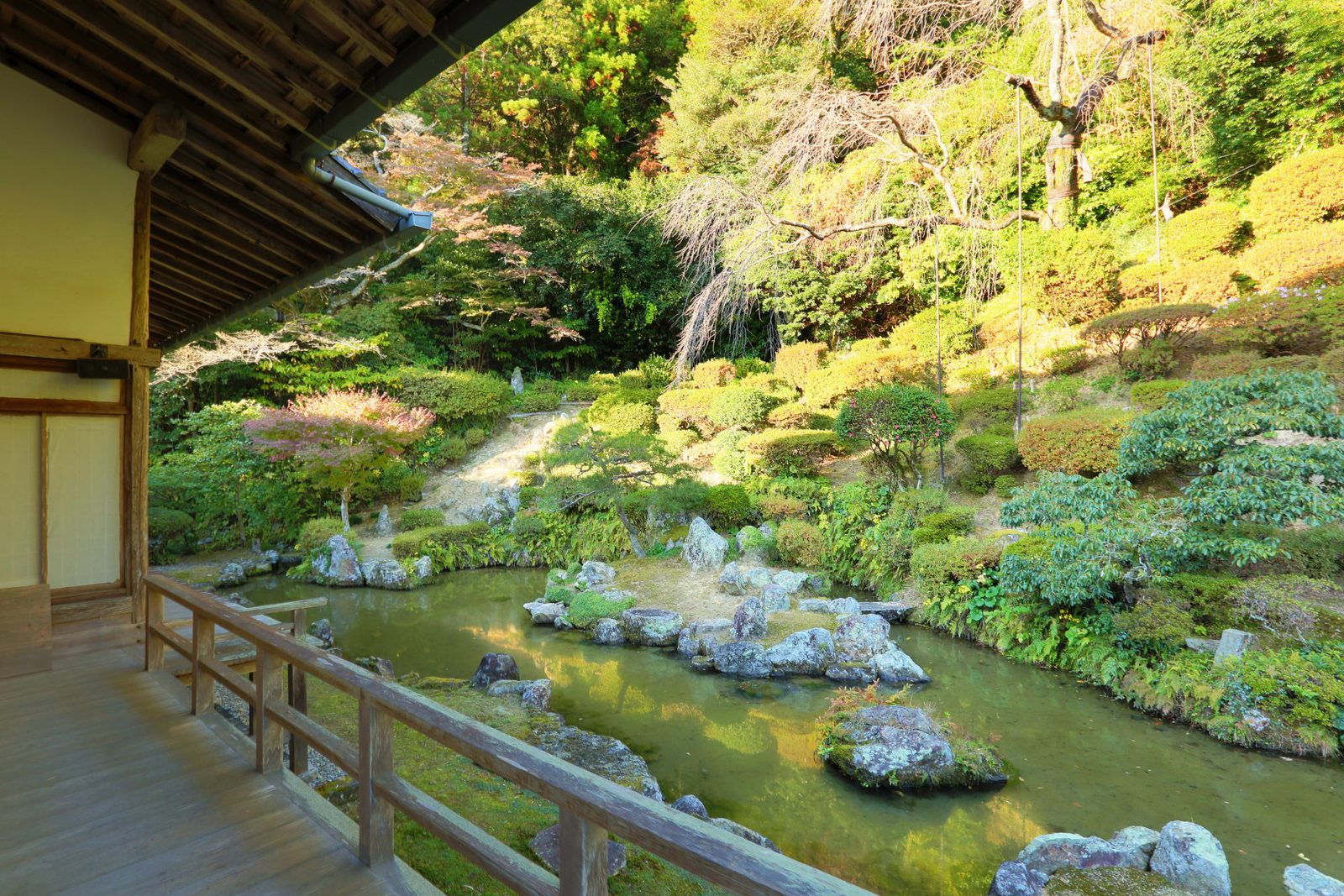
The garden of Manpukuji is said to have been made by Sesshu and, with the Ikoji garden, can be seen in each of the four seasons. The wall tiles of Grand Toit sometimes show their reddish-brown material colour and, depending on the angle of the light, shine gold. The repertoire of Iwami Kagura is described as thirty-some pieces, some based on the Kojiki and Nihon Shoki.
Manpukuji and Ikoji: Sesshu's Gardens in Masuda
Sesshu was a Muromachi-period Zen priest and painter, renowned for his ink painting. Invited to Masuda in the Muromachi period, he built stone landscape gardens at two temples, Manpukuji and a second temple that later became Ikoji, both regarded as representative works of his.
At Ikoji, moss sways in the light and the stone steps have been carved by the years. Guided sightseeing in Masuda takes in Ikoji and Manpukuji along with Taikian, a shrine, Manyo Park and Grand Toit.
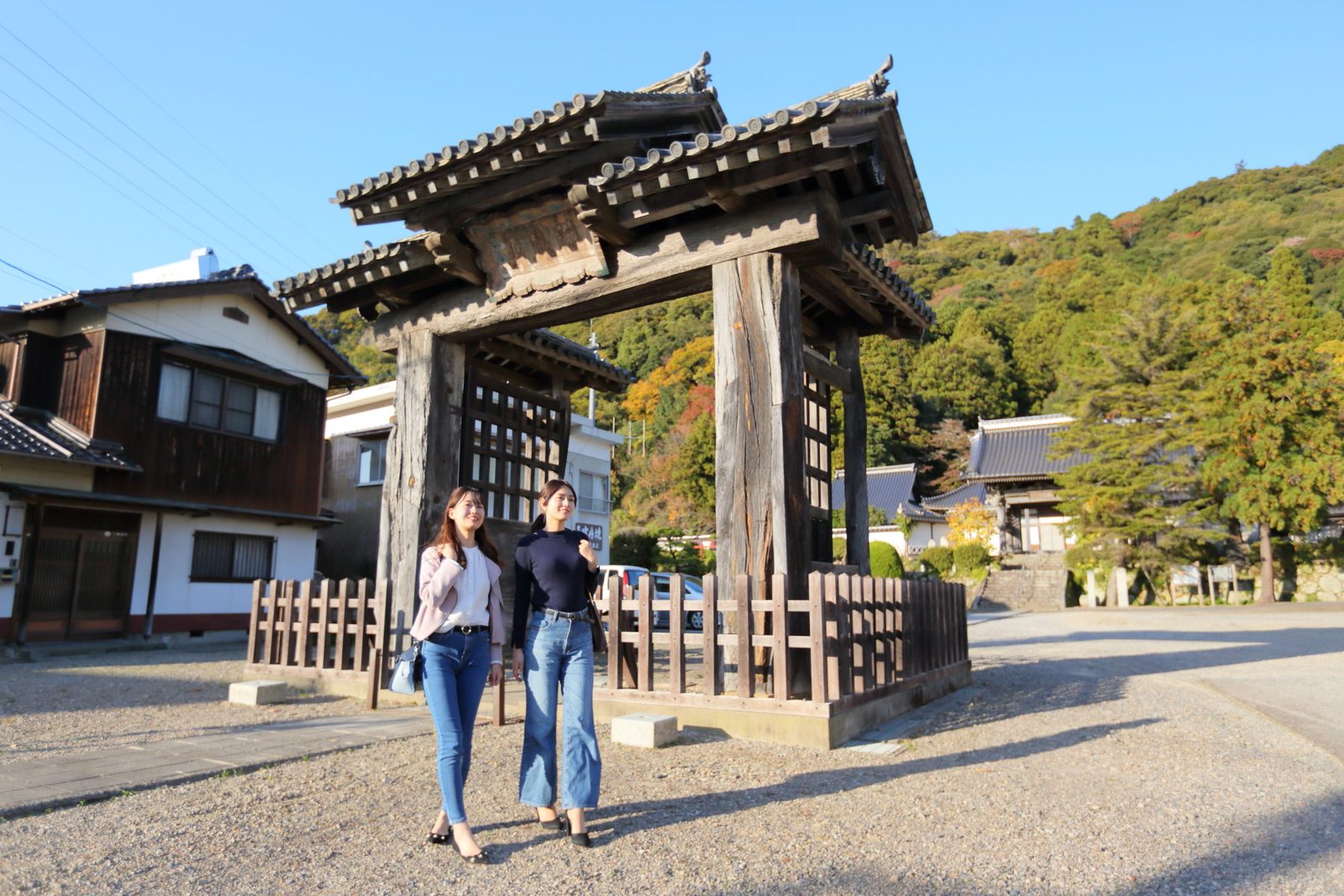
Around the former crank-shaped bend at Kyouon-ji, visitors can walk streets of a medieval castle town. At Myogi-ji, zazen sessions and concerts are held in the main hall.
Grand Toit and the Iwami Art Museum in Masuda
The name Grand Toit means "large roof" in French, and the gabled roof of Sekishu roof tiles is one of the features of the centre. The building is entirely reinforced concrete, covered by tiles that give off a lustrous sheen. The roof uses one hundred twenty thousand tiles and the walls one hundred sixty thousand.
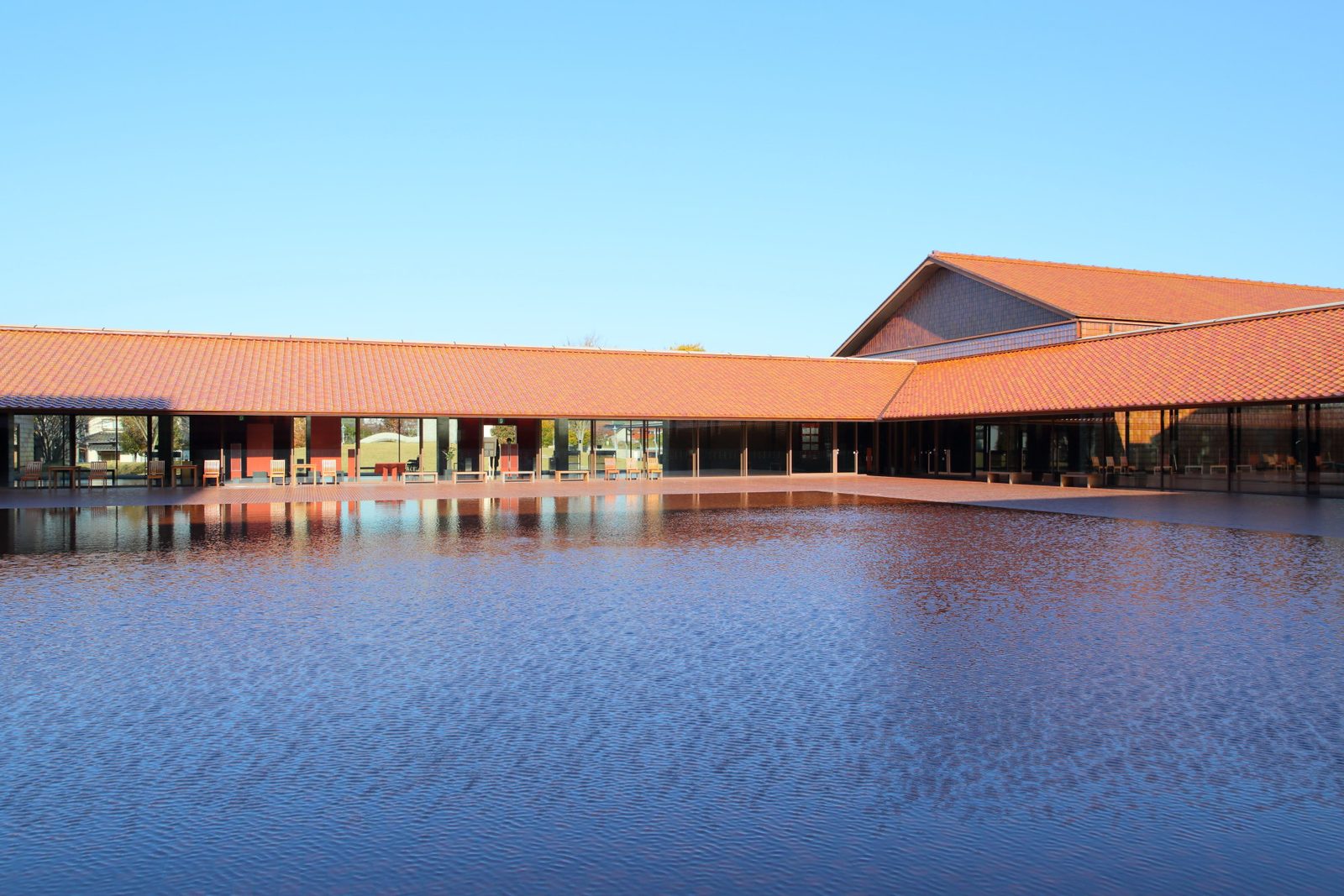
The roof and wall tiles use six types of glaze so that the huge wall surface does not become too uniform. A large courtyard surrounded by a cloister ties the various functions of the building together.
On days without wind, the "mirror of water" in the courtyard reflects the building and the surrounding scenery, and the gentle sound of flowing water resonates. The granite monument "Orochi" has a back that serves as a bench, and its mouth and nostrils can be touched casually.
The Iwami Art Museum introduces works by artists who were friends of Mori Ogai, to examine his relationship with art. The museum also presents works that take a broad view of the concept of fashion.
Iwami Kagura and Masuda String Puppets
Kagura is described as songs and dances offered to the gods in Japanese Shinto rites, and Iwami Kagura is kagura performed in the Iwami region of western Shimane Prefecture.
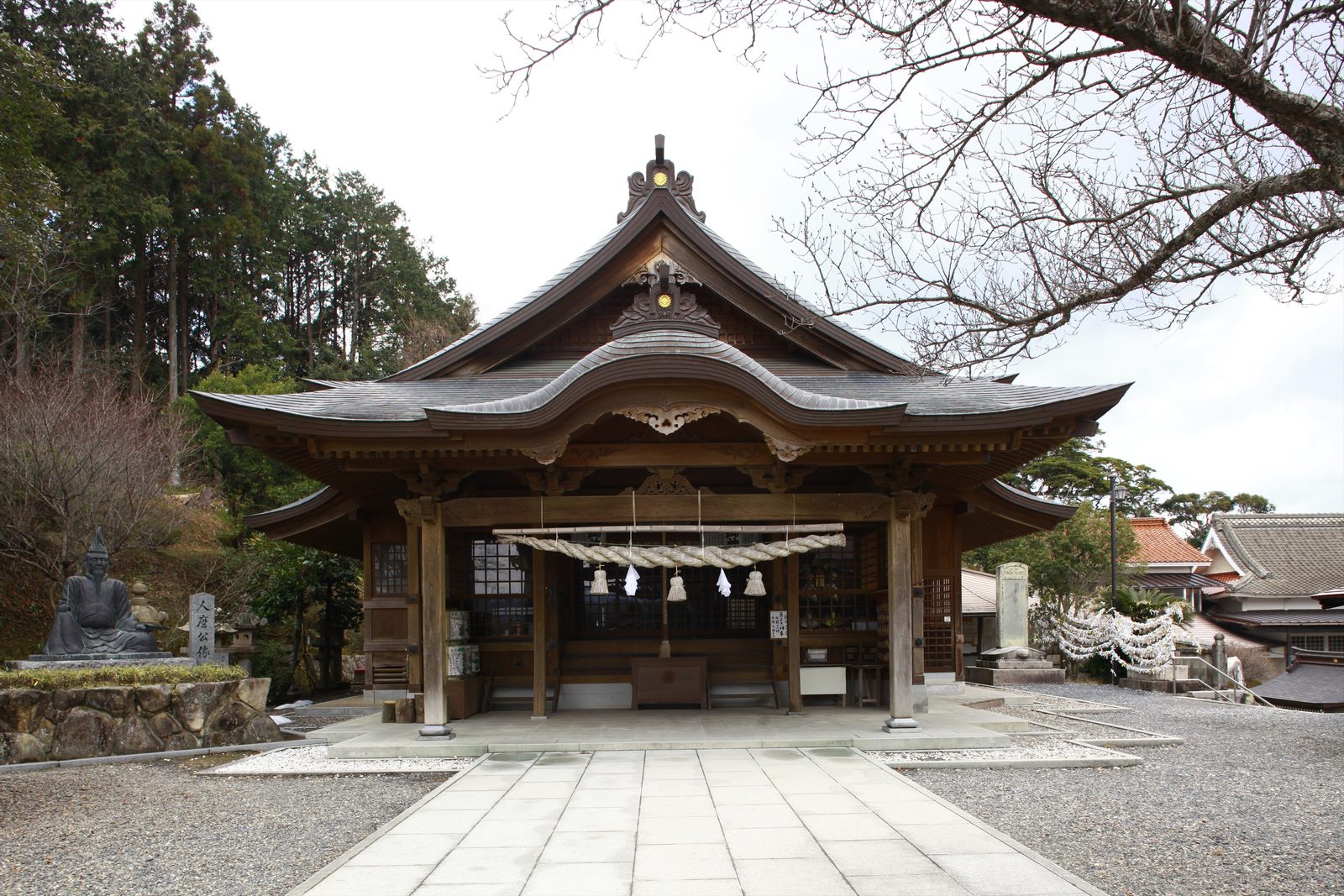
Votive kagura is a dance offered to the gods at shrines and similar places. Visitors watching votive kagura are asked to pay respects at the main shrine building and greet the gods.
Masuda string puppet theatre is staged by four roles: the puppet operator, a narrator, a musician and a stage assistant. The operator works from a board one point five metres high, using a hand control to move a puppet about seventy centimetres tall with thirteen to eighteen strings attached, an operation that requires skill.
Lake Banryu, Manyo Park and Hikimi Gorge in Masuda
Lake Banryu is a natural lagoon, formed when a sand dune blown up by the westerlies of the Sea of Japan dammed the water. Birds and other natural creatures can be seen on its wooded lakeshore. Visitors can feed the carp and fish, and a shop next to the lake can be used as a rest place.
A walking path leads from the lake to Manyo Park, a prefectural park centred on a Manyo botanical garden that spreads between Takatsu Kakinomoto Shrine and Lake Banryu. The shrine grounds hold a power stone that is said to give happiness to a couple who touch it together.
Hikimi gorge is divided into four areas, Maehikimi, Okuhikimi, Omotehikimi and Urahikimi, each with a different landscape. Okuhikimi is a gorge of one point one kilometres from the parking lot, and its innermost part has the Oryuzu waterfall, fifty-three metres high, and a colony of rhododendrons.
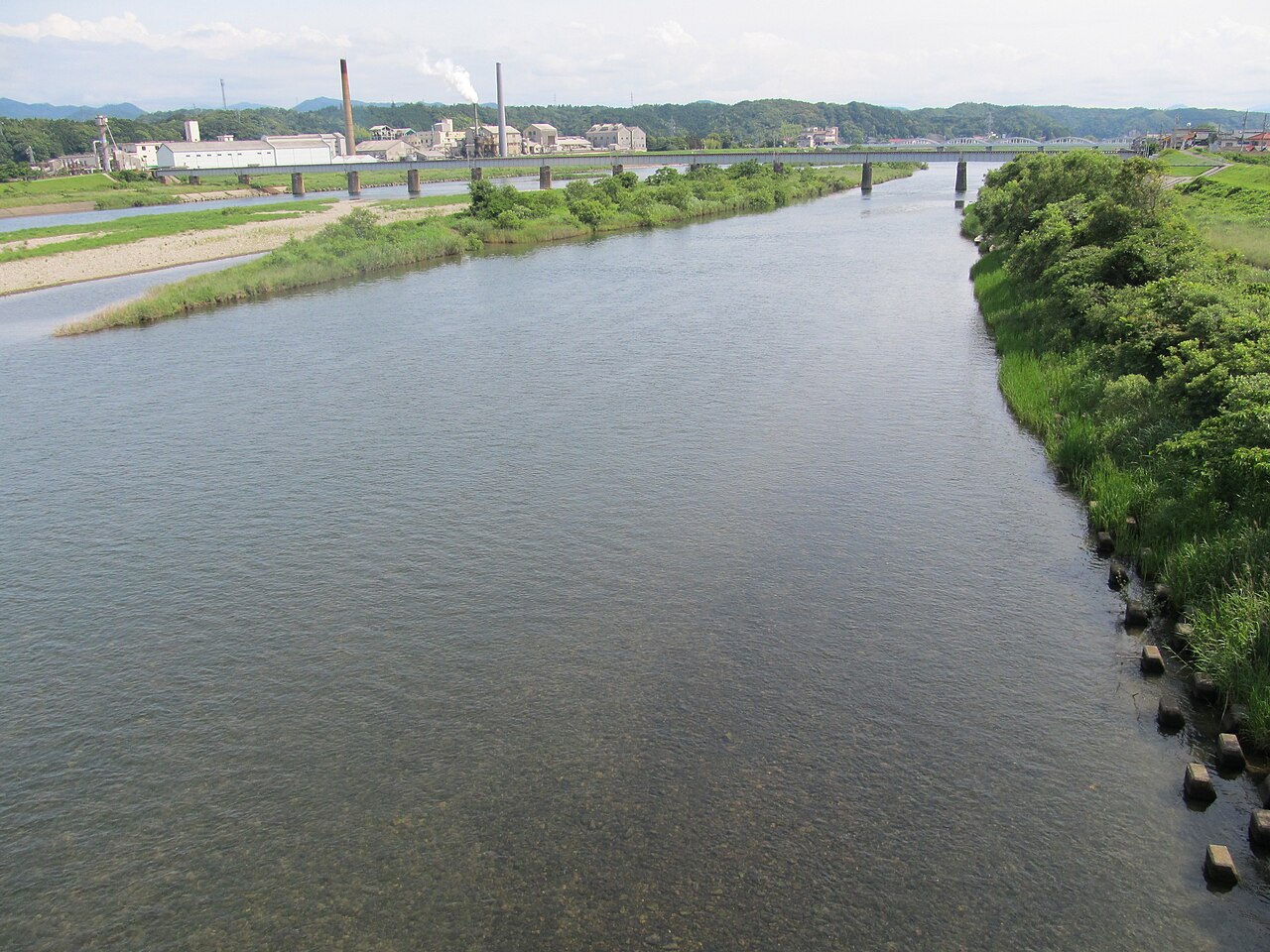
Omotehikimi has a river whose clear water lets the riverbed be seen, and gentle gorge scenery continues for about four kilometres. The Waterfall of Orakuno there appears only on rainy days. Fireflies can be seen every year from late May to late June along rivers including the Masuda River.
Winter Daffodils, the Mochiishi Coast and a Seafood Bowl in Masuda
The peak viewing season at Karaoto Daffodil Park is usually from December twentieth through the end of January.
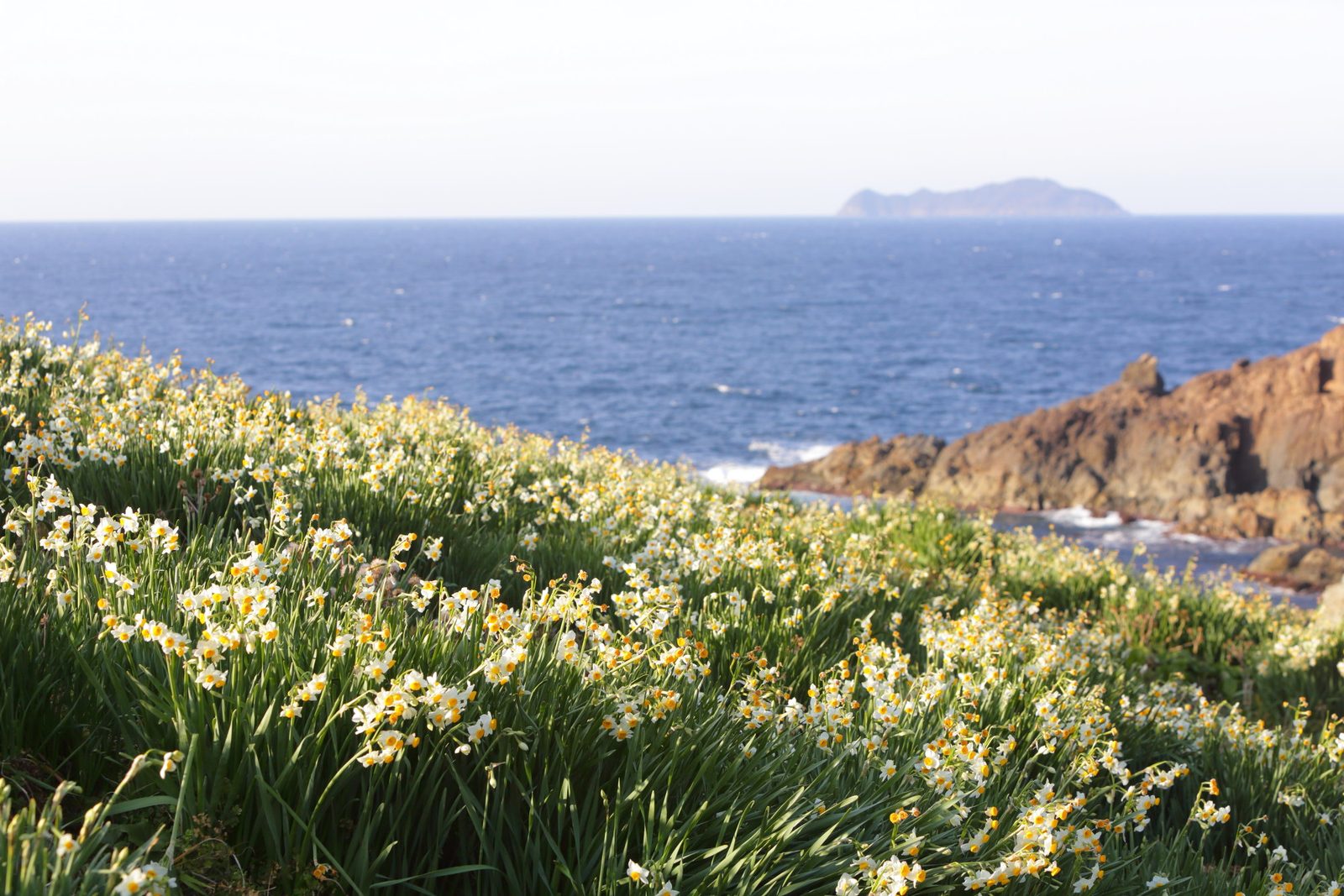
Mochiishi coast (Sanrigahama) is a coast on the Sea of Japan along National Route one hundred ninety-one. The horizon there is described as clean, and the straight coastline continues on and on. In summer, the fishing lights of squid-fishing boats float on the sea.
At Ebisu Shrine, visitors walk to the shrine along the beach at low tide, and on clear, calm days the sea is a highly transparent blue. On a seaside coffee programme, visitors blend their own original coffee while looking at the seaside view.
Kujira gohan is a local dish long eaten in the Iwami region, particularly in two cities including Masuda: rice cooked or mixed with whale skin. At Mochiishi Kaiyo Okoku, the restaurant lunch of a local-fish seafood bowl costs two thousand yen including tax and comes with miso soup, all-you-can-eat salad, a small simmered dish and pickles.
Getting to Masuda
New to rural buses and one-man trains? See how to ride them, step by step.
| Route | Detail |
|---|---|
| Tokyo (Haneda) to Hagi-Iwami Airport | About ninety minutes |
| Hagi-Iwami Airport to Masuda Station | About ten minutes by bus |
| Tsuwano Station to Masuda Station | About thirty minutes by limited express train (about forty minutes by local train) |
| Masuda Station to Ikoji | Ten minutes by car |
| Masuda Station to Manpukuji | Ten minutes by car |
| Masuda Station to Grand Toit | About fifteen minutes on foot |
| Masuda Station to the Mochiishi coast (Sanrigahama) | About sixteen minutes and five point nine kilometres by car |
Guides to Hagi and Tsuwano are also on this site.
If you would like more time around Masuda, browse places to stay in Masuda.
Hours and Fees
| What | Detail |
|---|---|
| Ikoji opening hours | Eight thirty to five thirty, with closing at five in winter |
| Ikoji admission fee | Five hundred yen for general visitors, three hundred yen for high school students |
| Ikoji closed day | Closed on Wednesdays |
| Manpukuji opening hours | Eight thirty to five thirty, with closing at five in winter |
| Manpukuji admission | Five hundred yen for general visitors, three hundred yen for high school students, free for elementary and junior high school students |
| Grand Toit general hours | Nine in the morning to ten at night |
| Grand Toit closed days | Second and fourth Tuesday of every month (the following weekday instead when the Tuesday is a public holiday), and the year-end and New Year period |
| Iwami Art Museum hours | Open nine thirty to six, with entry to the exhibition rooms until five thirty |
| Iwami Art Museum closed days | Every Tuesday (the following weekday instead when the Tuesday is a public holiday), and the year-end and New Year period |
Fees and hours were checked against official sources between 14 October 2026 and 19 November 2026.
Thinking of staying overnight?
Compare places to stay near Masuda, Shimane, Japan →
Disclosure: This post may contain affiliate links. If you book through them, we may earn a commission at no extra cost to you.