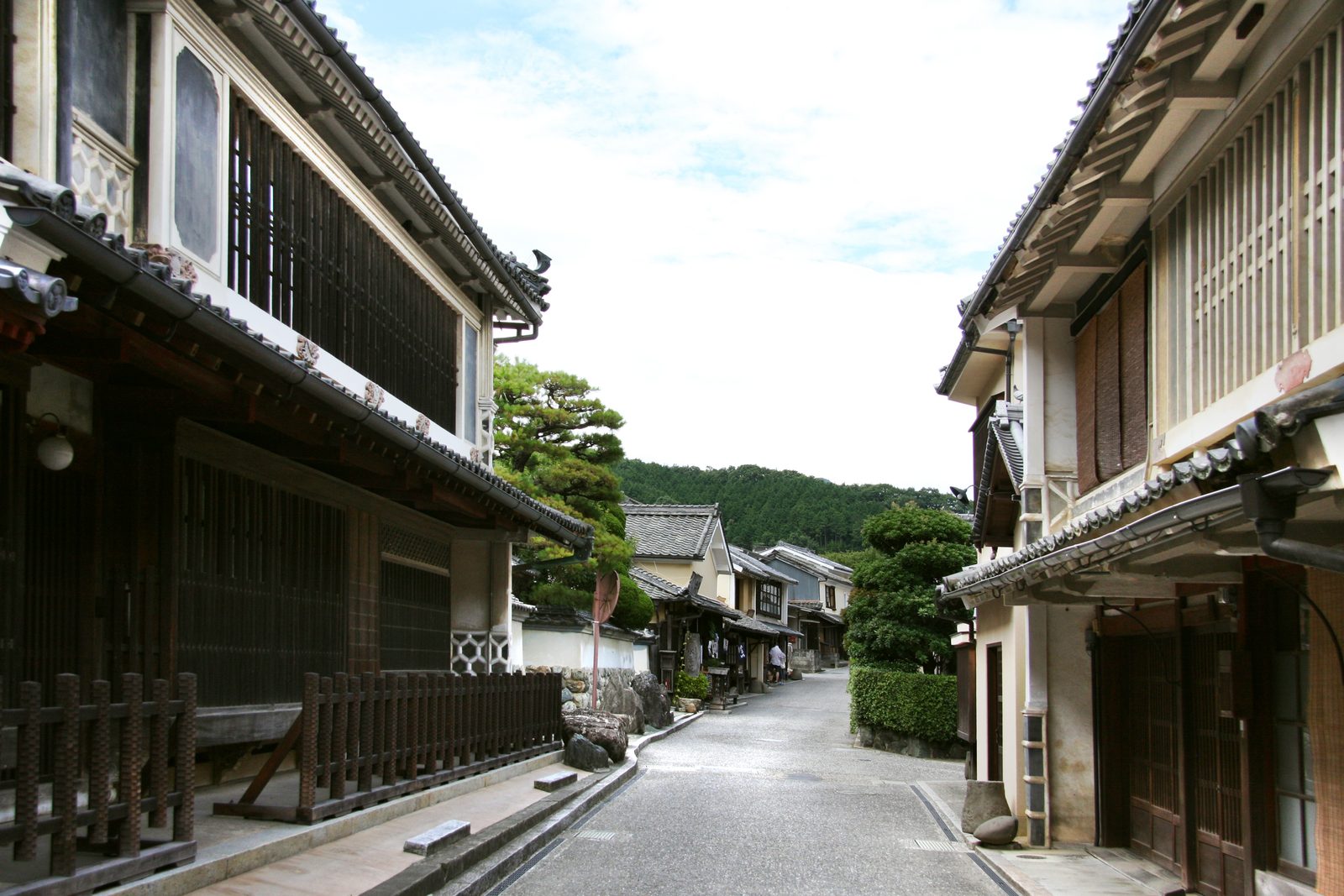
Uchiko, a wax merchants' town in the hills of Ehime, is within reach as a day trip from Matsuyama. This guide covers the journey in, the Yokaichi-Gokoku townscape, fees and times for the wax museum, the Shokai to Kurashi Museum and the Uchiko-za dressing rooms, a paper factory visit, how wax built the town, and a one-day plan.
Getting to Uchiko and Reaching the Old Townscape
How to get to Uchiko from Matsuyama comes down to one choice: the limited express or the local service. From Matsuyama Station, the Limited Express Uwakai reaches Uchiko Station in about twenty-five minutes. The local train takes roughly an hour. From Uchiko Station, the walk to the entrance of the Yokaichi-Gokoku townscape takes about a quarter of an hour.
- Take the Limited Express Uwakai from Matsuyama Station, which takes about 25 minutes to reach Uchiko Station.
- If you take the local train instead, the ride from Matsuyama Station to Uchiko Station takes approximately 60 minutes.
- On arrival, it is about a 15-minute walk from Uchiko Station to the entrance of the Yokaichi-Gokoku townscape.
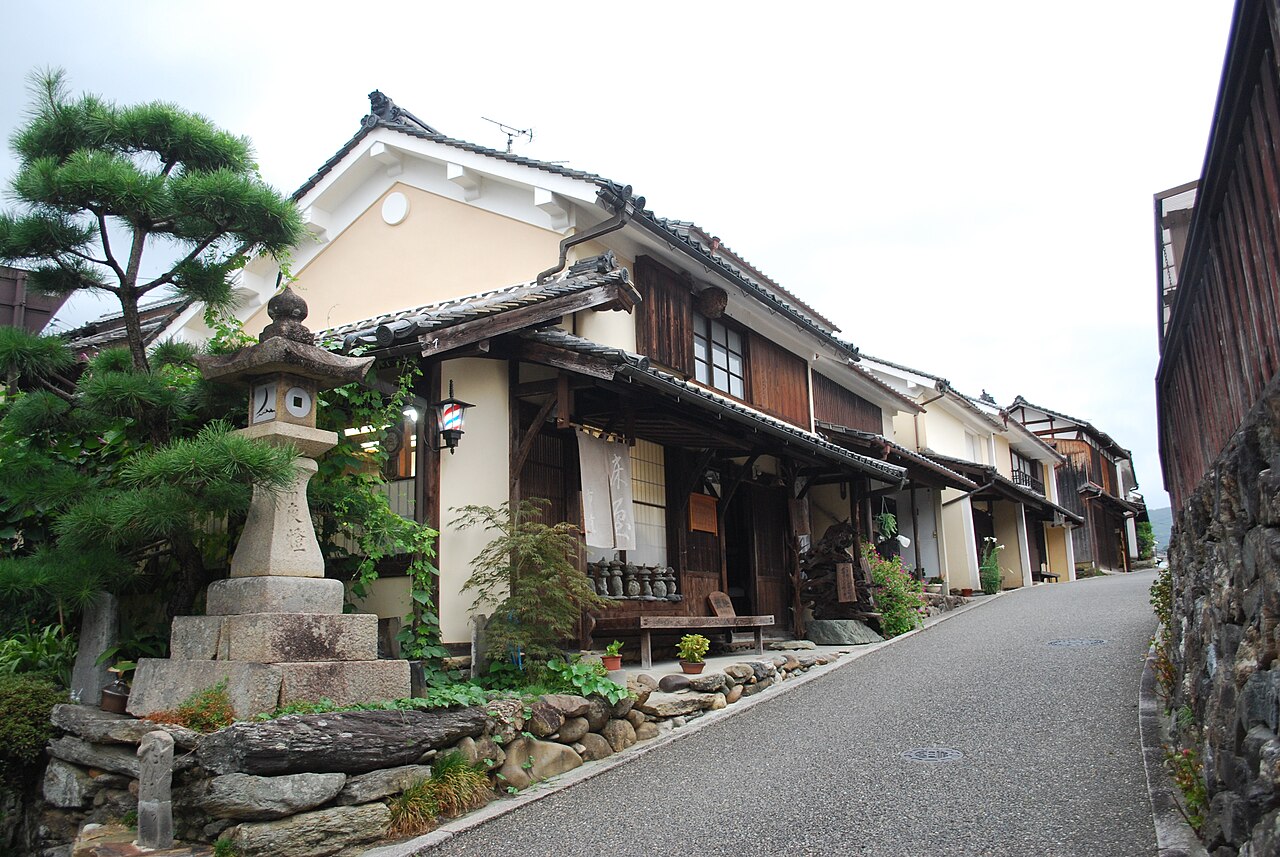
A guidebook notes that the Yokaichi-Gokoku townscape was selected in nineteen eighty-two as the first district in Shikoku to become a national Important Preservation District for Groups of Traditional Buildings. The same guidebook describes townhouses built from the late Edo period through the Taisho era lining the street, with plaster walls and narrow alleys running between the buildings.
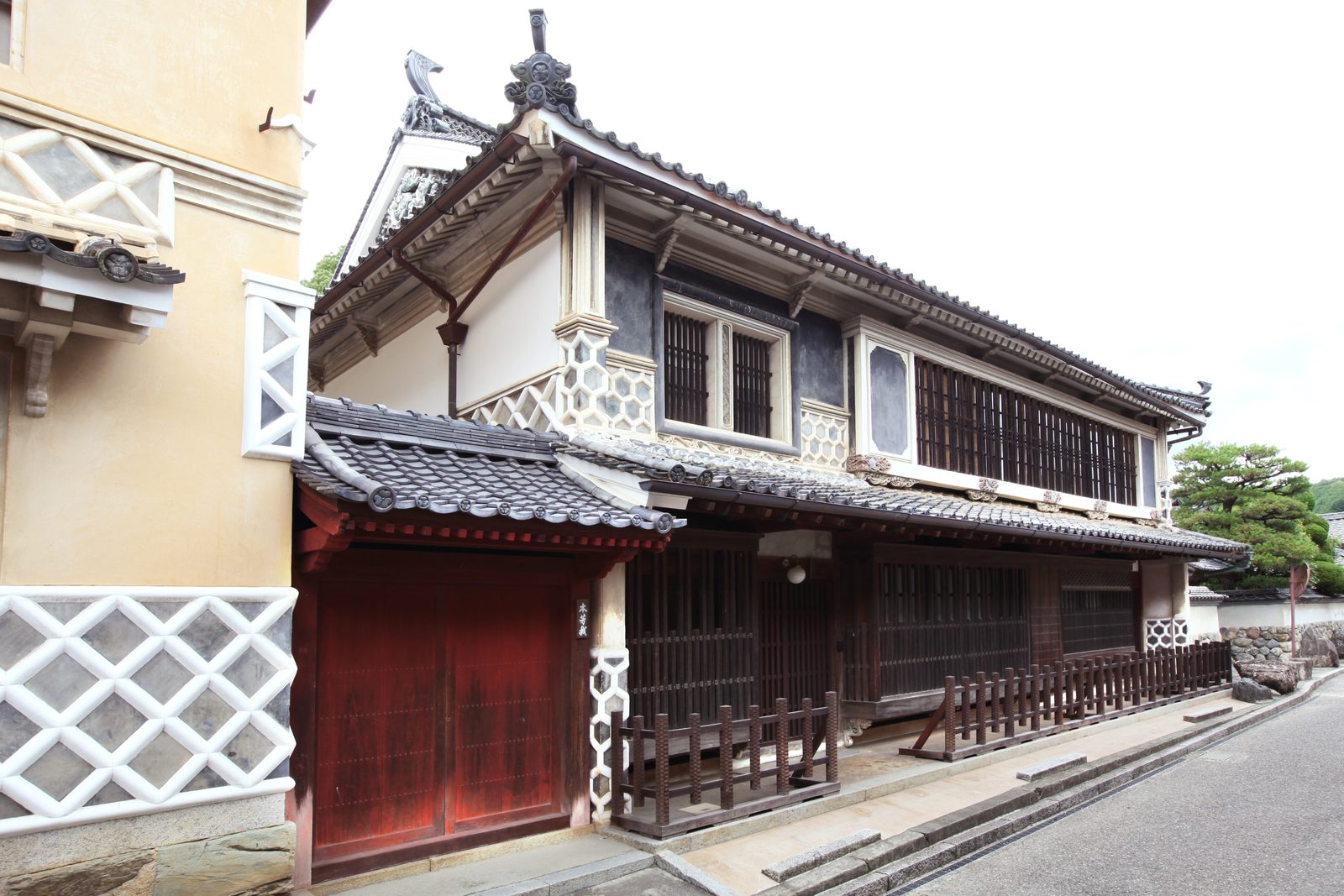
The guidebook notes that ninety-three traditional townhouses stand along the street, three of them designated Important Cultural Properties of Japan. Walking the length of it is the main event, so give it time: the lattice windows, the plasterwork and the gaps between the houses reward a slow pace more than a checklist.
The Uchiko-za, the Wax Museum and the Set Ticket
Before you plan around the theatre, know that the Uchiko-za, also written Uchikoza, has been closed since the second of September, twenty twenty-four, for about four years of renovation, including seismic reinforcement. A guidebook notes that it was built in nineteen sixteen as a wooden playhouse, with a revolving platform and a small trap lift set into the hanamichi walkway.
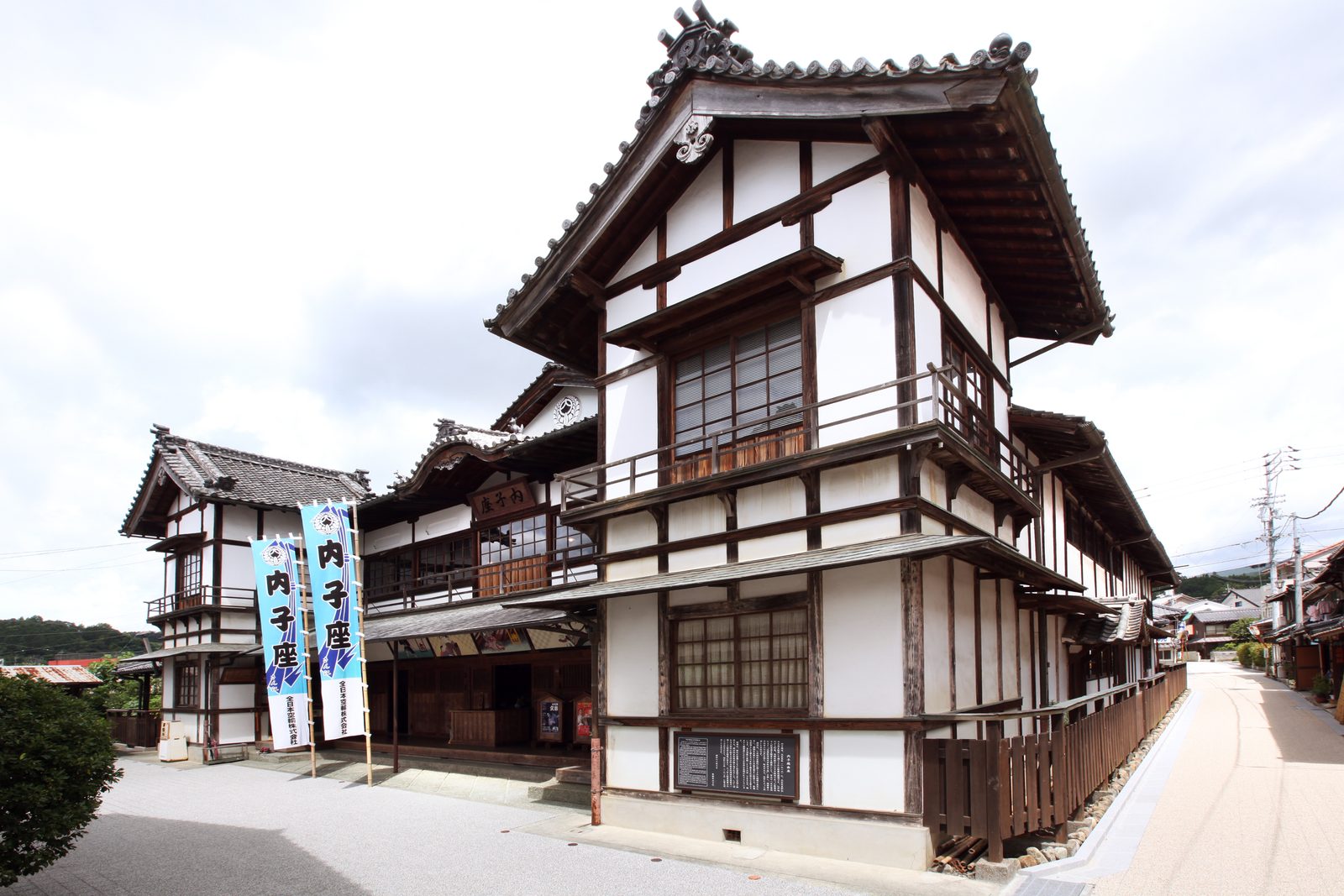
What visitors can see during the closure is the Gakuya, the dressing rooms, open to visitors from nine in the morning until half past four in the afternoon. The wax museum, the Mokuro Museum Kamiyoga Residence, is set in a former wax-making residence and ties the townhouses outside to the trade that paid for them.
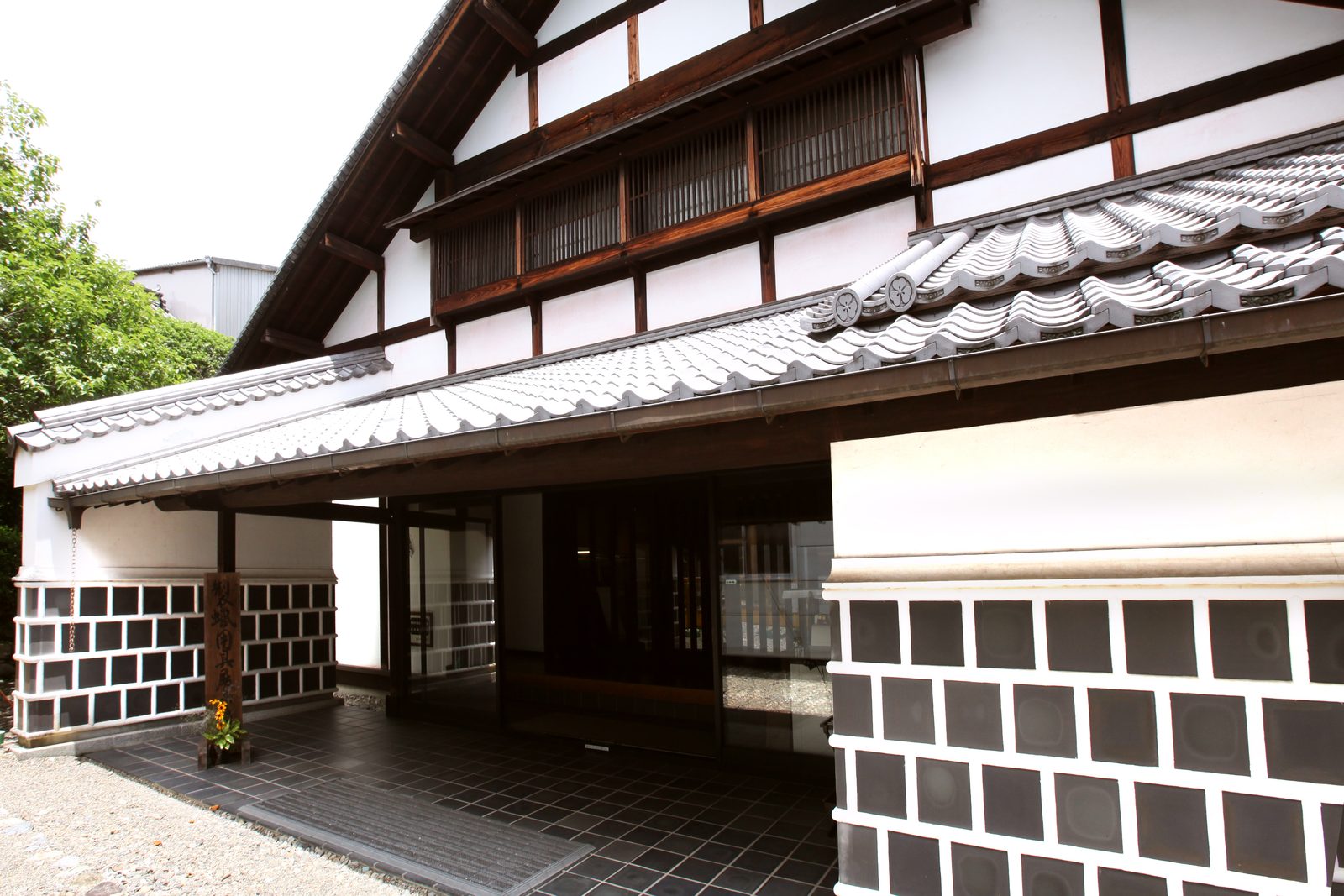
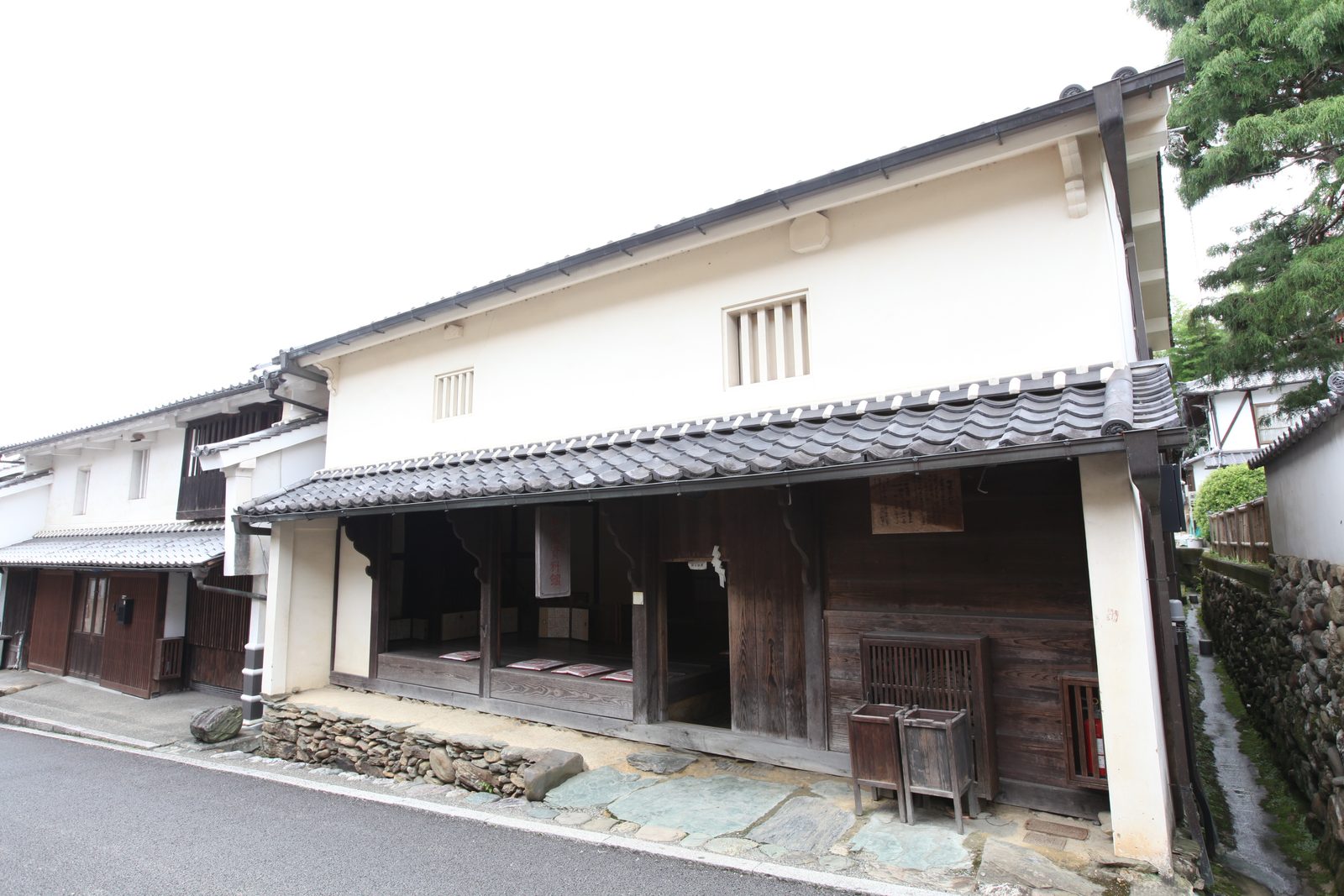
The Shokai to Kurashi Museum, the third stop, takes its name from the commerce and everyday life of the town. If you intend to see all three, there is a set ticket covering the wax museum, the Uchiko-za Gakuya and the Shokai to Kurashi Museum; the fees and visiting times are in the table below.
| Ticket | Yen or visiting time |
|---|---|
| Wax museum (Mokuro Museum Kamiyoga Residence), adults / elementary and junior high school students | 500 yen / 250 yen |
| Shokai to Kurashi Museum, adults / elementary and junior high school students | 200 yen / 100 yen |
| Uchiko-za Gakuya (dressing rooms), individual adult, special price during the preservation and repair period | 200 yen |
| Uchiko-za Gakuya, individual child of junior high school age and under, special price during the preservation and repair period | 100 yen |
| Set ticket for the wax museum, the Uchiko-za Gakuya and the Shokai to Kurashi Museum, adults / elementary and junior high school students | 700 yen / 350 yen |
| Uchiko-za Gakuya, visiting time | 9:00 to 16:30 |
| Uchiko-za Gakuya, year-end and New Year break | December 29 to January 2 |
Where to stay
Places to stay near Uchiko, Ehime →
Disclosure: This post may contain affiliate links. If you book through them, we may earn a commission at no extra cost to you.
Paper-Making and a Meal in Uchiko
Paper was the town's other trade, and the Tenjin Sanshi Kojo paper factory is where that side of the story can be seen at first hand. A factory visit is on offer, and so is a paper-making experience, which has to be reserved in advance. Both run on weekdays only, from nine in the morning to four in the afternoon.
The fees for the factory visit and the paper-making experience are in the table below, with separate rates for adults and for students from elementary through high school. Set aside the morning if you want to try the experience. For a meal, the restaurant Yoneya offers a course from its Japanese-style French menu starting at three thousand yen.
| Tenjin Sanshi Kojo and Yoneya | Rate or time |
|---|---|
| Factory visit, adults | 550 yen |
| Factory visit, elementary, junior high and high school students | 220 yen |
| Paper-making experience (reserved in advance), adults | 1,650 yen |
| Paper-making experience (reserved in advance), elementary, junior high and high school students | 1,100 yen |
| Factory visit and paper-making experience, visiting time | 9:00 to 16:00, weekdays only |
| Course from the Japanese-style French menu at Yoneya | from 3,000 yen |
How Wax Built the Town
A guidebook notes that from the later Edo period into the Meiji era, Uchiko prospered on Japan wax and washi paper, and that its wax came to about thirty percent of the whole country's output. That is the scale behind the plasterwork on the street, and the wax museum is the place to see how it was made.
An old gazetteer notes that Uchiko, in the Meiji era, was a post town about nine ri, an old unit, south of Matsuyama in the valley of the Narano River, with a population then of around three thousand. Hold that figure against the street you walked: a town this size once supplied a large share of the country's wax.
Planning One Day in Uchiko
Two time limits shape the day. On a weekday, give the morning to the Tenjin Sanshi Kojo paper factory, since the factory visit and the paper-making experience finish at four in the afternoon. Then walk the townscape; the Uchiko-za Gakuya admits visitors until half past four, so fit the dressing rooms in before then and the two museums around them.
At the weekend the paper factory is not an option, so the day is the townscape and its three buildings. That is no loss: the street was the reason the district was protected, and the museums explain what paid for it. Give the walk a second pass late in the day, when you know what the plasterwork meant. If one day feels short, there are places to stay in Uchiko.