This guide covers how to reach Wakasa from Tottori, the old railway and its yard, the storehouse streets, the shrine, the cave hall, the castle ruins, meals and the hot spring.
Wakasa is a town in Tottori Prefecture at the end of a small local railway. Storehouses line its old streets, a cave hall and castle ruins stand within reach, and the rail yard keeps its turntable and water tower. The practical details for each part of the trip are gathered in the tables that follow, section by section.
Getting to Wakasa from Tottori Station
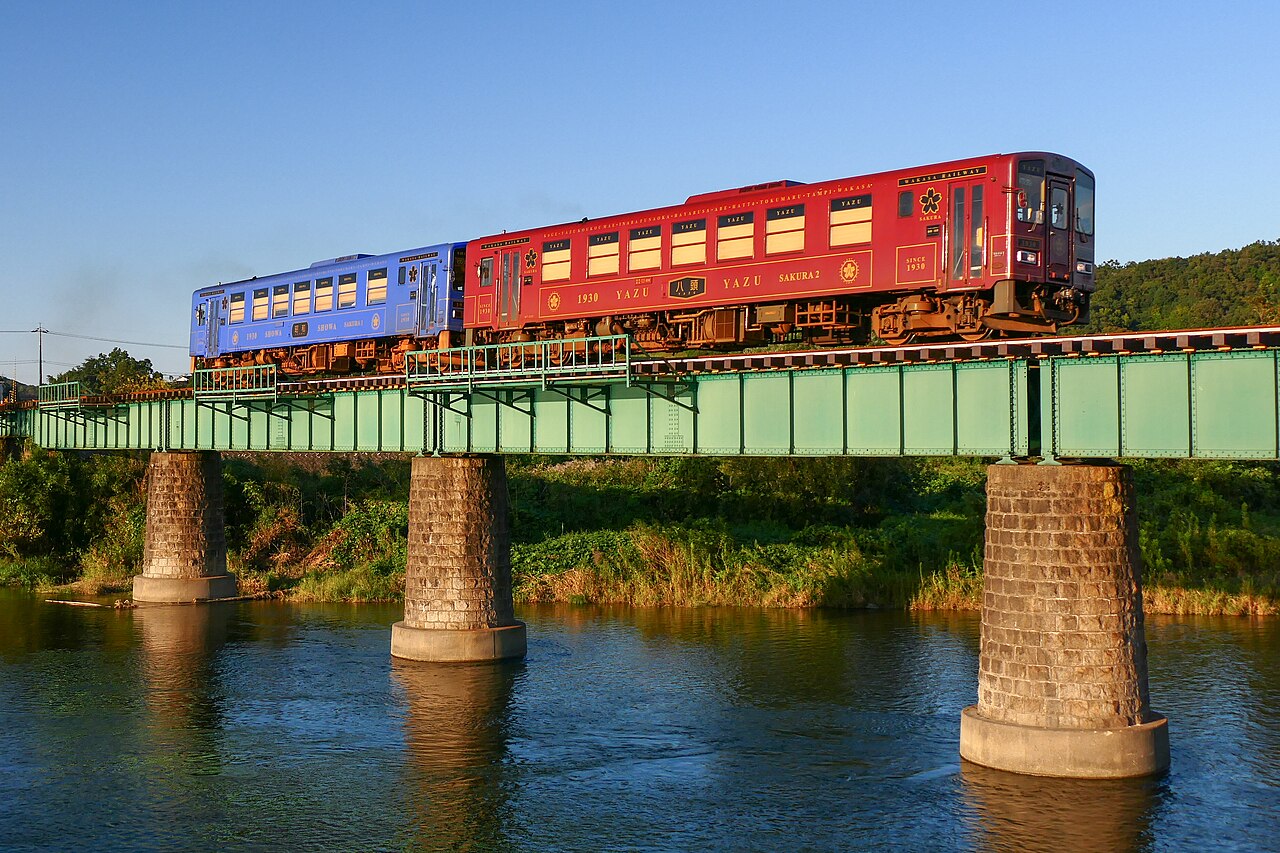
The Wakasa Railway is a small line that links Yazu and Wakasa. Its Yazu-go car is painted royal red, a shade called Yazu red. The table below gives the figures for the ride from Tottori and for the routes from the big cities, naming the starting point and the end point in each row.
| Item | Detail |
|---|---|
| Fare, Tottori Station to Wakasa Station (one way) | 680 yen |
| Travel time, Tottori to Wakasa Station by Wakasa Railway | about 50 minutes |
| Travel time, Tottori to Wakasa by Nikko bus | about 1 hour |
| Travel time, Tottori to Wakasa by car via Route 29 | about 40 minutes |
| Travel time, Osaka to Wakasa Station by Super Hakuto | about 3 hours 10 minutes |
| Travel time, Kyoto to Wakasa Station by Super Hakuto | about 3 hours 40 minutes |
| Travel time, Okayama to Wakasa Station by Inaba limited express | about 2 hours 40 minutes |
| Travel time, Osaka to Kori by expressway bus | about 3 hours |
| Travel time, Osaka to Tottori Station front by expressway bus | about 3 hours 50 minutes |
Because the ride from Tottori shown in the table begins in Tottori city, places to stay in Tottori city make a natural base for an early start.
Day Tickets, Town Buses and Rental Cycles
The Wakasa Railway day ticket gives unlimited rides within its line, between Kori and the Wakasa terminus, on the day it is put to use. On weekends and holidays a parent-and-child ticket covers an adult and a child. The table below adds the town's routes, the coupon book, a prefecture-wide pass and rental cycles at the tourist information office.
| Item | Detail |
|---|---|
| Wakasa Railway one-day ticket for 1 adult (Kori to Wakasa Station) | 760 yen, unlimited rides on the day of first use |
| Parent-and-child ticket (weekends and holidays) | 760 yen per ticket, covering an adult and a child |
| Town bus, fixed-route one-way fare | 100 yen |
| Town bus coupon book | 1,000 yen for 11 tickets |
| Tottori Han unlimited-ride pass (route buses in Tottori Prefecture) | 1,800 yen for 3 days |
| City cycle rental | 200 yen per day, free for people who used the Wakasa Railway |
| Rental cycle pickup at the tourist information office | 9:30 to 16:30 |
Wakasa Station and the Old Railway Yard
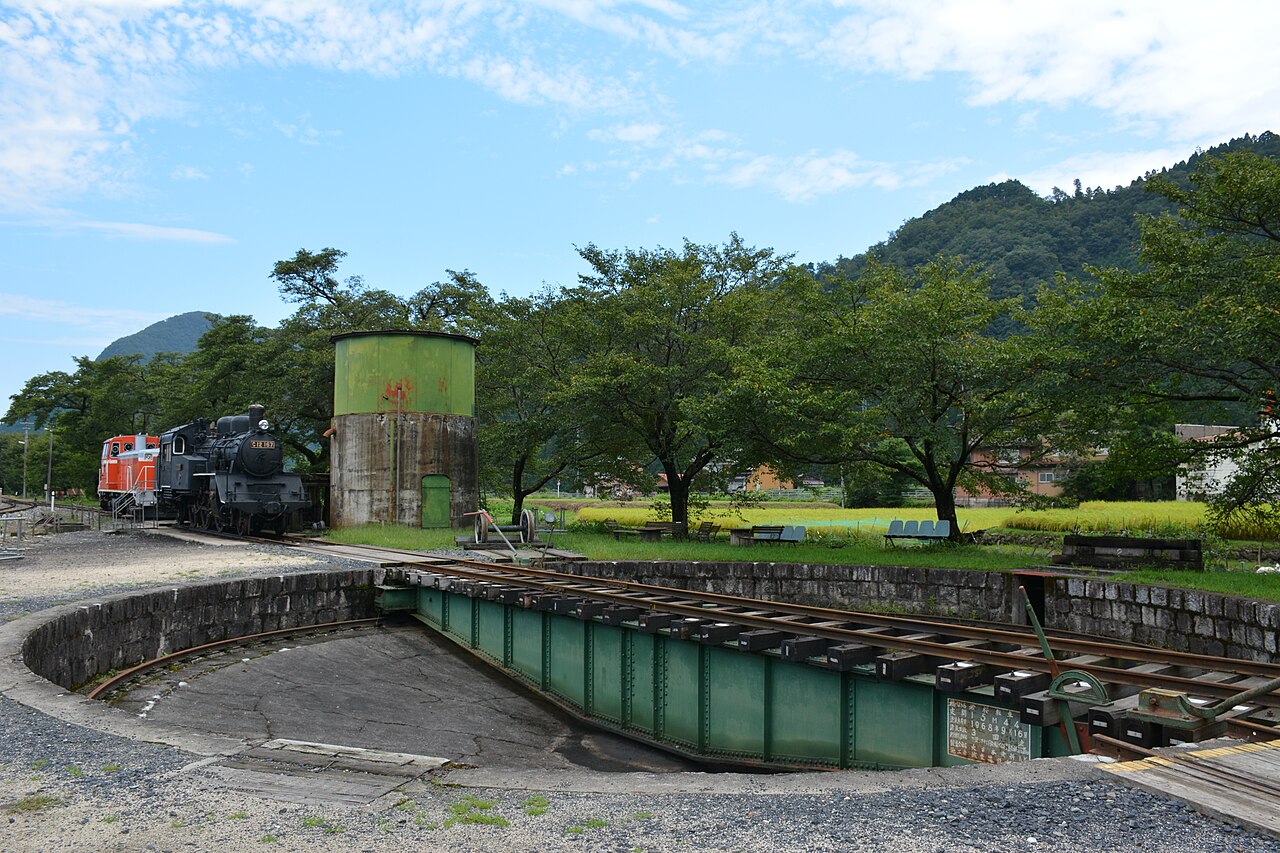
The Wakasa terminus was built as the end of the former Ministry of Railways line, to carry timber and other freight as well as passengers. In the yard, a locomotive standing on the plate girder of the turntable is turned by human power. The water tower holds an iron cylindrical tank on a reinforced-concrete foundation.
A concrete snow-melt channel runs through the grounds. The former switch-operator hut is where staff waited to work the switches by hand when service on the line began. At a stop midway between Wakasa and Kori, a freight wagon is preserved on static display to recreate the freight siding the stop had.
| Item | Detail |
|---|---|
| Ride on the SL torokko | 200 yen per person, and infants ride free |
| SL torokko ride times | 10:00 to 12:00 and 13:00 to 15:00 |
| Entrance ticket for the station grounds | 300 yen, free for elementary school students and younger |
- The terminus opened in Showa 5 as the end of the former Ministry of Railways line.
- The snow-melt channel is a concrete water channel with a total length of about 278 m within the grounds.
- The former switch-operator hut is 1.7 m square.
Along the Line: Bridges, Stops and Driving Experiences
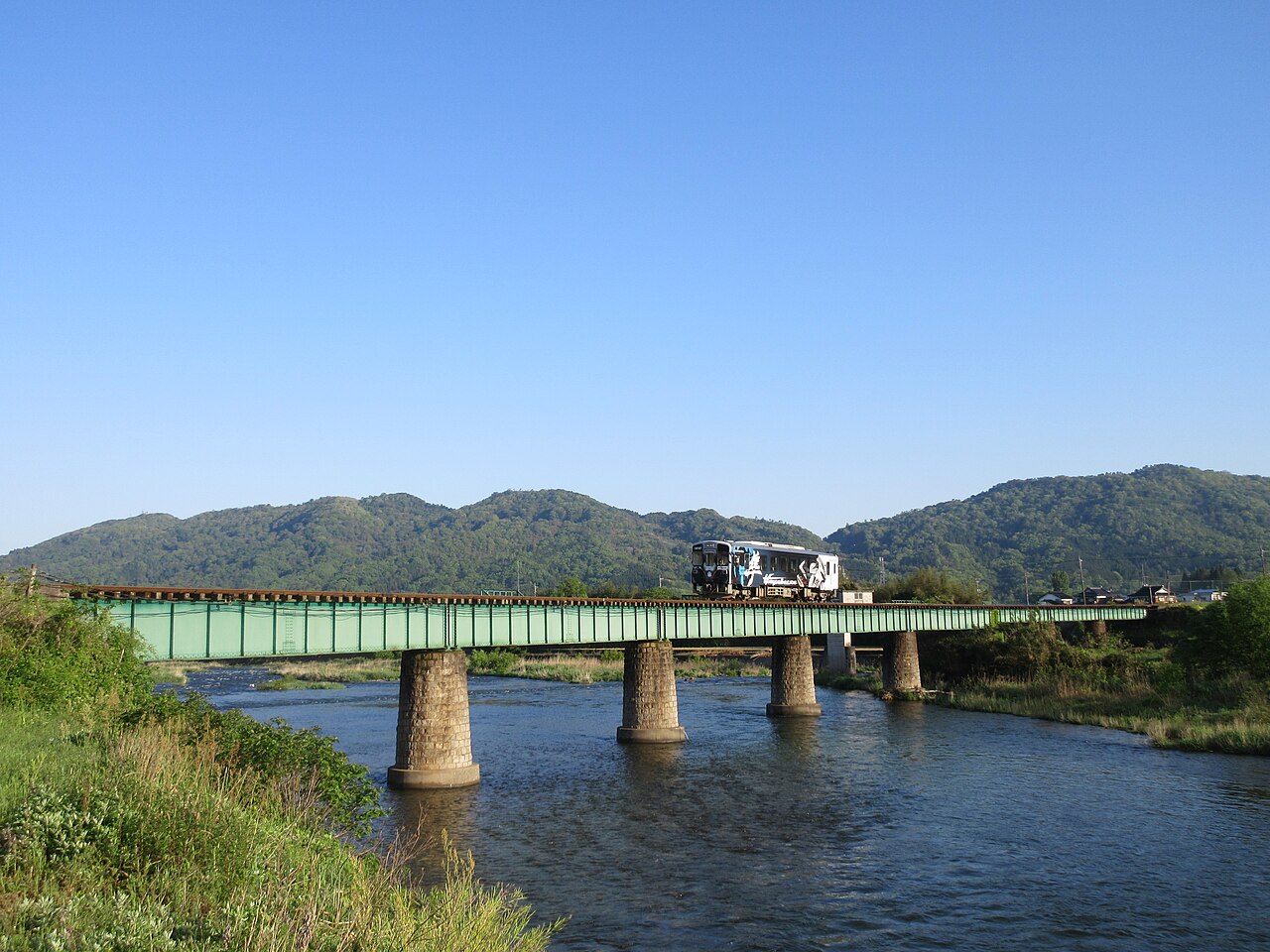
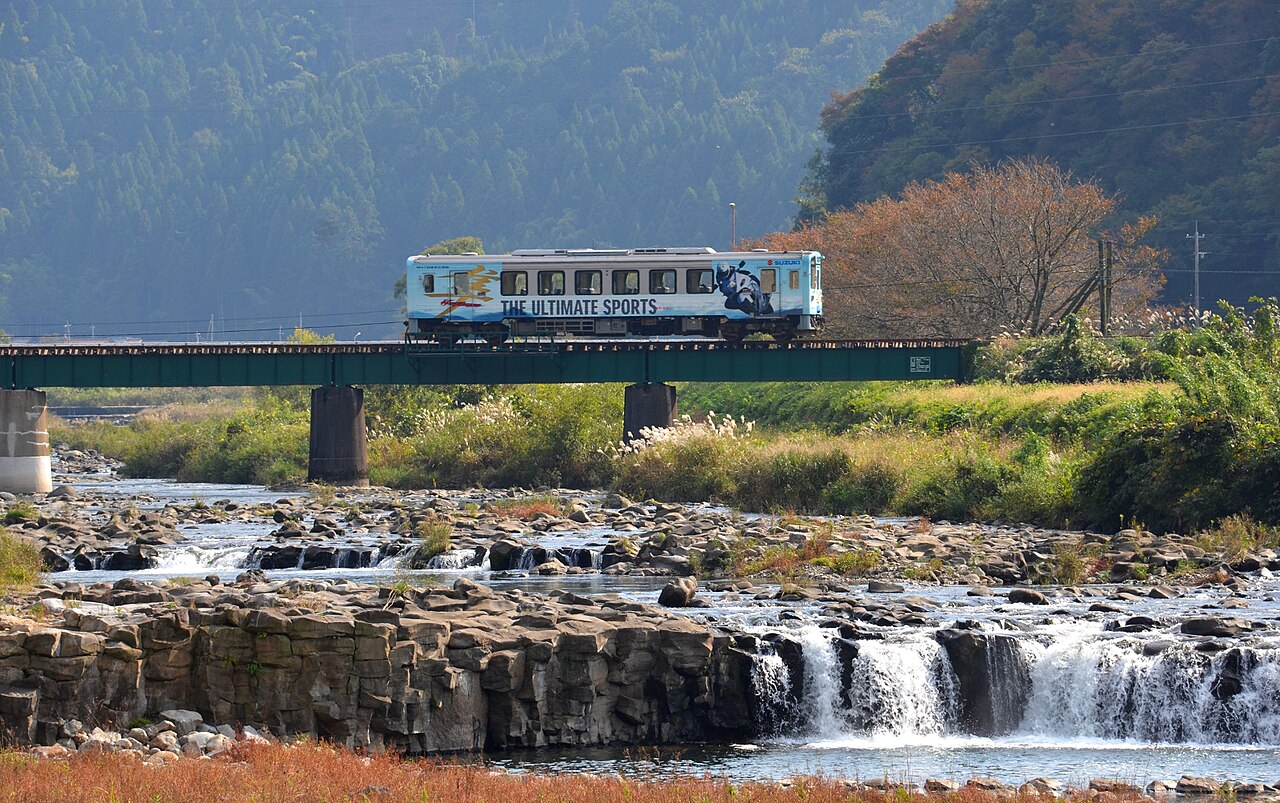
The line crosses the Hatto River on a steel girder bridge. Another steel girder bridge also crosses the Hatto River. The span count and length of each bridge are given in the list below.
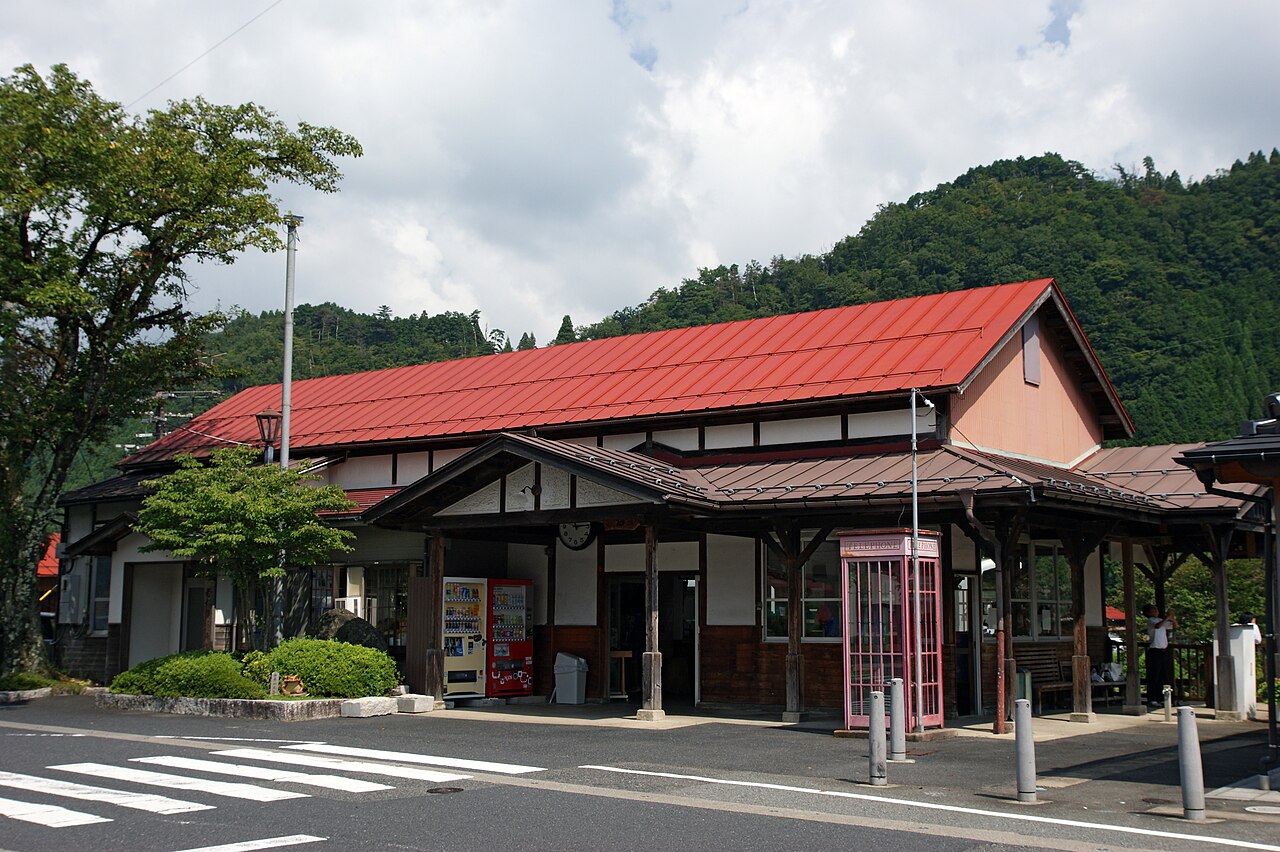
The building at Kori was renovated by Yazu Town and combined with a community facility. A stop on the line opened to make commuting easier for Yazu High School students. Another stop opened at the request of residents along the line. Hayabusa holds a yearly festival that draws motorcycles from across the country.
- In Showa 5 the line between Kori and Wakasa was fully opened.
- One Hatto River bridge is a steel 10-span girder bridge, 128 m long.
- Another Hatto River bridge is a steel 7-span girder bridge, 110 m long.
- In Heisei 25 the building at Kori was renovated.
- In October of Heisei 8 the commuter stop for Yazu High School students opened.
- In March of Heisei 14 the stop requested by residents opened.
- The Hayabusa festival is held on the first Sunday of August, when over 2000 motorcycles gather.
| Item | Detail |
|---|---|
| SL driving experience | 12,000 yen per person |
| DL driving experience | 13,000 yen per person |
| Companion riding along during the driving experience | 1,000 yen per person |
| Driving experience, morning session | 10:00 to noon |
| Driving experience, afternoon session | 13:30 to 15:30 |
| Driving experience, payment | cash payment, no other method |
Where to stay
Disclosure: This post may contain affiliate links. If you book through them, we may earn a commission at no extra cost to you.
Kura-dori and Kariya-dori in the Old Town
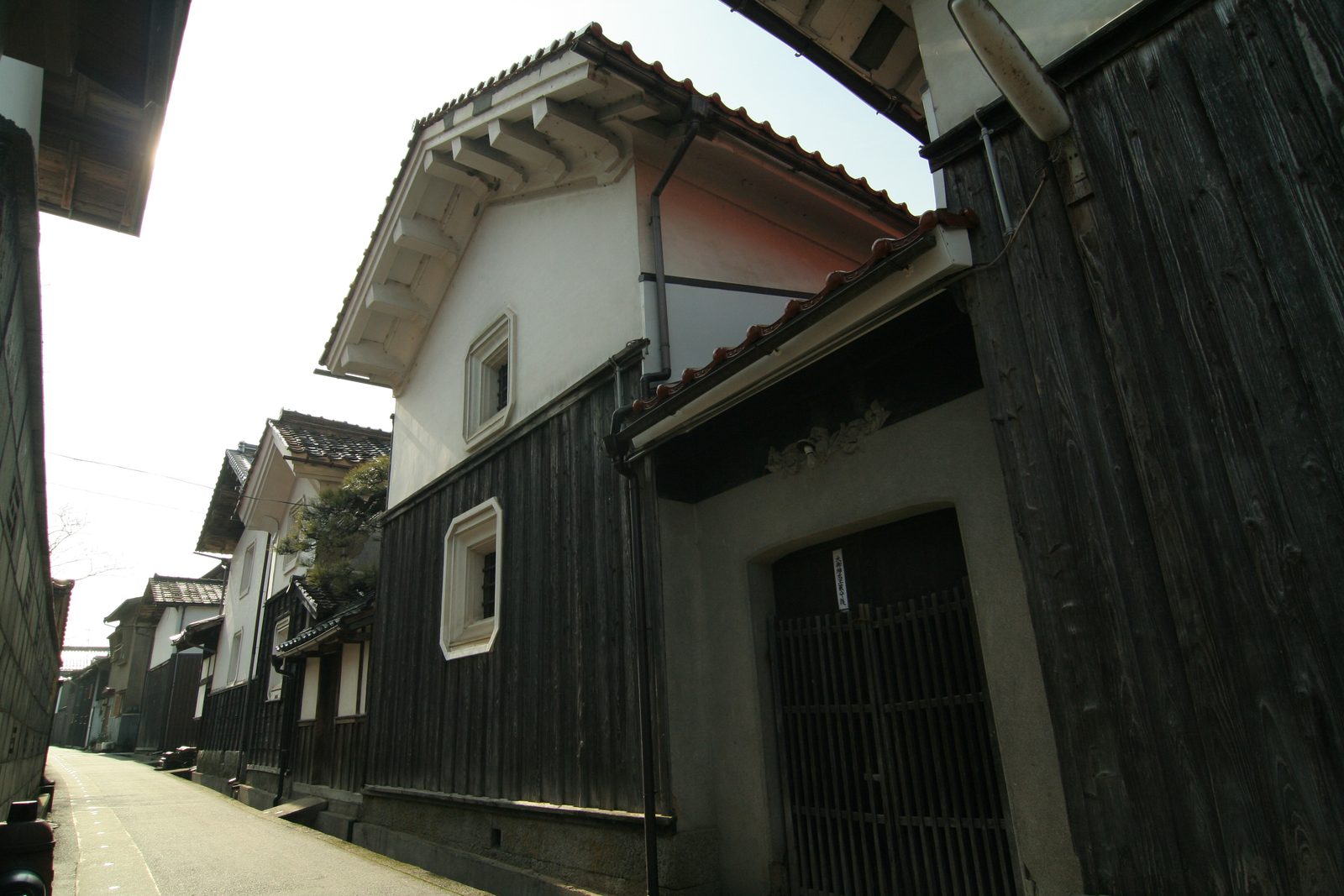
Along Kura-dori, storehouses called kura stand in a row. Temples stand on the opposite side of the street from the storehouses. Those temples were rebuilt set back from the road to keep fire from spreading.
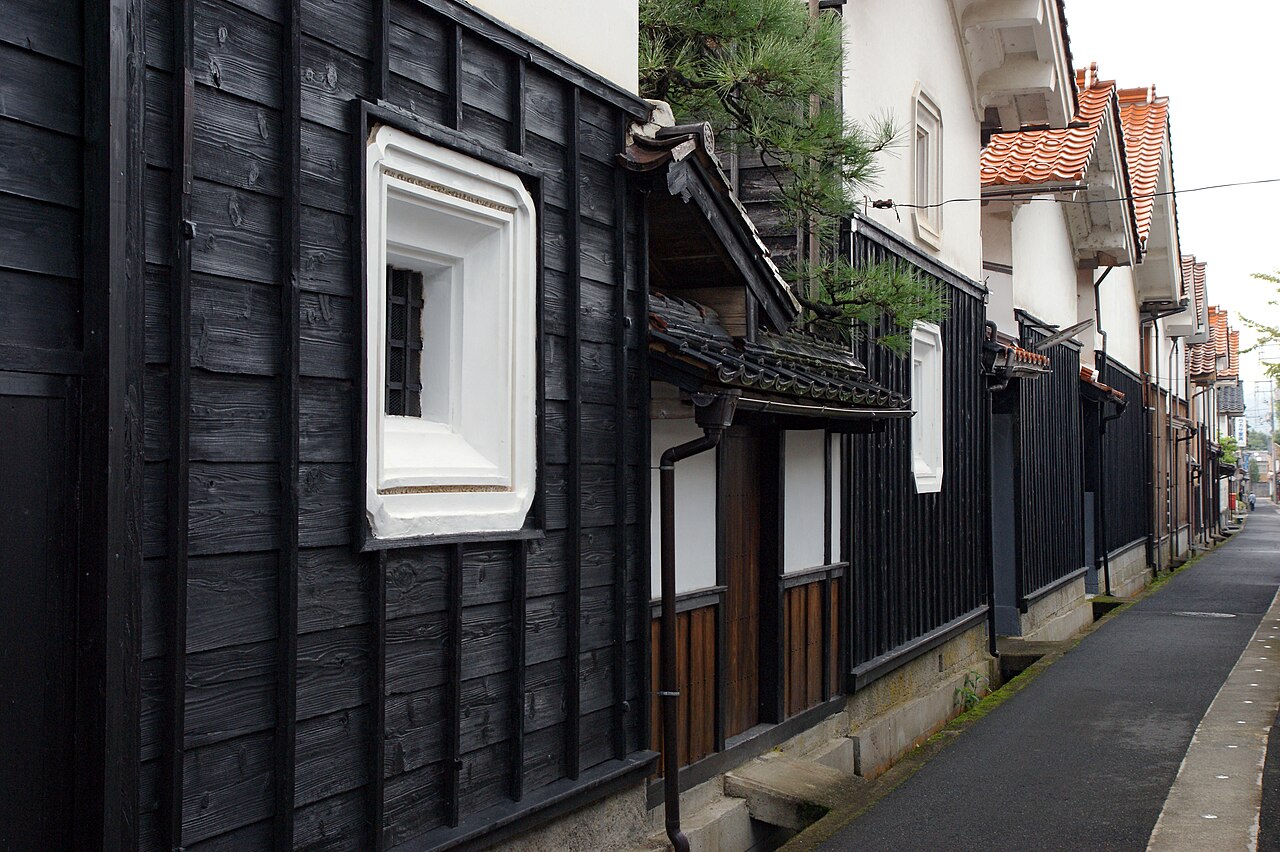
After the Meiji-era fire of Wakasa-juku, a local agreement was resolved. The road was widened, water channels and kariya were built, and the townscape remains as Kura-dori and Kariya-dori. The year of the fire and the number of articles in the agreement are in the list below.
In Kariya-dori, a covered private lane runs between the houses and the road, under eaves that reach out from each house. The Kariya-dori area is a nationally designated Important Preservation District.
- Kura-dori has 20 storehouses (kura), lined up over about 300 m.
- The temples were rebuilt set back about 30 m from the road to prevent the spread of fire.
- After the Meiji 18 fire of Wakasa-juku, a local agreement of 11 articles was resolved.
- The covered private lane in Kariya-dori has eaves about 1.2 m wide between the house and the road.
The Townhouse Museum, the Toy Museum and Their Closing Days
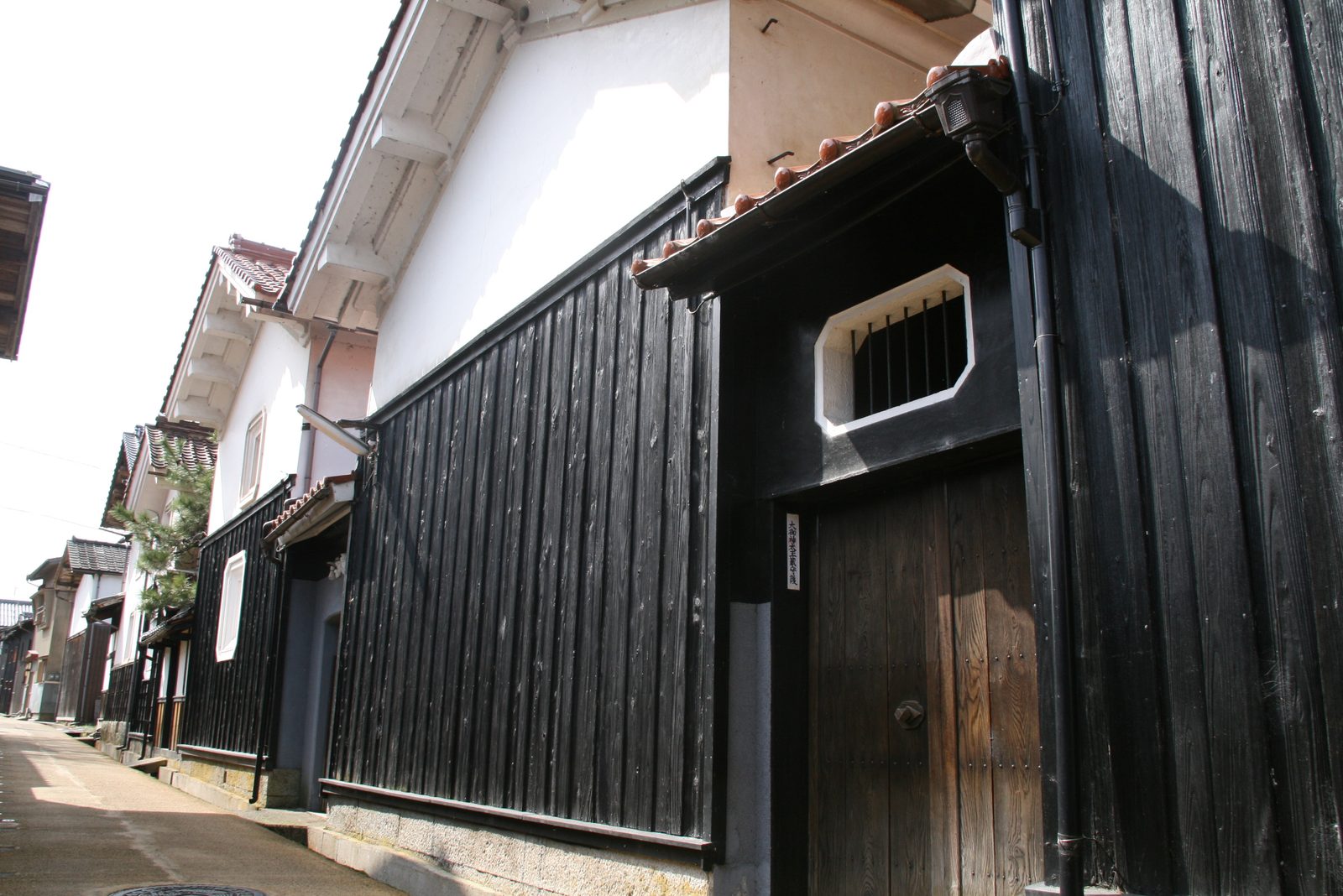
The townhouse museum occupies a Taisho-era townhouse that was renovated as its main building. The house is the former Nakao residence, and it shows folk crafts by people connected with Wakasa. Along the street side of the main house, a long eave called a kariya, built against rain and snow, remains.
| Item | Detail |
|---|---|
| Townhouse museum, standard hours | 10:00 to 17:00 |
| Townhouse museum, winter closing time (December 1 to the end of February) | 16:00 |
| Townhouse museum, year-end and New Year closing | December 29 to January 4 |
| Wakasa Kyodo Bunka no Sato, hours | 9:00 to 17:00 |
| Wakasa Kyodo Bunka no Sato, closing days | every Monday and the year-end and New Year period |
| Wakasa Kyodo Bunka no Sato, by car from Wakasa Station | about 5 minutes |
| Showa Toy Museum, closing days | every Tuesday and Wednesday |
| Showa Toy Museum, on foot from Wakasa Station | about 5 minutes |
| Tourist association office, hours | 8:30 to 17:15 |
Wakasa Shrine, Fudoin Iwayado and the Castle Ruins
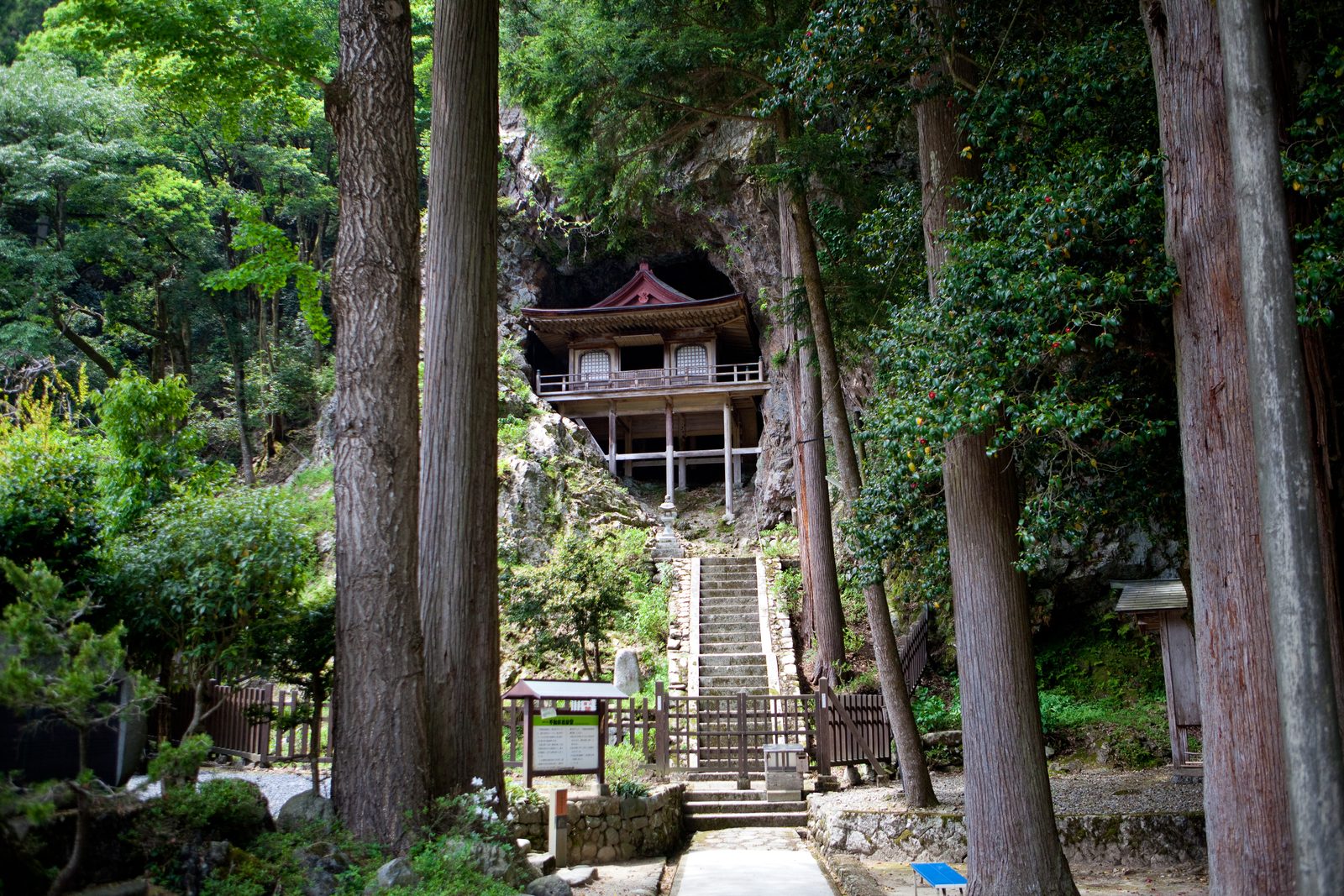
The grounds of Wakasa Shrine form a guardian forest of white oak and fir, primeval woodland designated a Tottori Prefecture natural monument. Times from the terminus to the shrine and to the castle ruins are in the table below.
Fudoin Iwayado is a hall built inside a natural rock cave. The hall is a national Important Cultural Property. Its measurements and the year of the designation are in the list after the table.
Wakasa Oniga-jo was built on Mt. Tsuruo in the medieval period and abandoned under the early Edo decree leaving each province a lone castle. Stone walls from its years in use remain, and the ruins are a national historic site. The summit centres on the main enclosure and keep platform, with stone-walled tiers north and more tiers south and west.
| Item | Detail |
|---|---|
| Walk from Wakasa Station to Wakasa Shrine | about 15 minutes |
| Wakasa Shrine annual main festival | May 3 every year |
| Bus from Wakasa Station to Fudoin Iwayado | 15 minutes |
| Car from Wakasa Station to the castle ruins car park | about 15 minutes |
| Car park at the castle ruins | free, space for about 5 cars |
| Walk from the car park to the castle ruins | about 5 minutes |
| Hike from Wakasa Station to the castle ruins | about 40 to 50 minutes |
| On-site guide for the castle ruins (60 minutes or longer) | 5,000 yen |
- In Showa 57 the shrine grounds were designated a Tottori Prefecture natural monument.
- The natural rock cave is about 7 m wide, 13 m high and 10 m deep.
- In Showa 28 Fudoin Iwayado was designated a national Important Cultural Property.
- Wakasa Oniga-jo was abandoned in 1617 (Genna 3) under the one-province-one-castle order.
- In March of Heisei 20 the castle ruins were designated a national historic site.
- On the north side of the summit there are two tiers of fully stone-walled enclosures, and one tier each on the south and west sides.
Soba, Set Meals and the Hot Spring
At Honto Soba Torinosu the soba is hand-made from buckwheat flour from Wakasa. Its deer nanban soba comes with roasted deer meat from Wakasa and deer dumplings of minced deer mixed with green onion and ginger. For a set meal, yamaneya serves pork ginger as well as a hamburg steak made with deer meat.
| Item | Detail |
|---|---|
| Honto Soba Torinosu, price range | 850 to 1400 yen |
| Honto Soba Torinosu, on foot from Wakasa Station | about 10 minutes |
| Honto Soba Torinosu, last order for soba | 14:30 |
| Honto Soba Torinosu, cafe time | from 15:00 |
| yamaneya, on foot from Wakasa Station | about 1 minute |
| Wakasa Cafe retro, hours | 9:00 to 18:00 |
| Roadside station shop, hours | 9:00 to 18:00, and until 17:00 from December to February |
The hot spring Wakasa Yuhara onsen Fureai-no-Yu is covered in the table below.
| Item | Detail |
|---|---|
| Fureai-no-Yu, hours | 10:00 to 19:00, last entry 18:30 |
| Fureai-no-Yu, closing days | every Monday (the next day if Monday is a national holiday) and the year-end and New Year holidays |
| Fureai-no-Yu, admission for visitors from outside the town | 500 yen for adults, 200 yen for elementary and junior high school students |
| Fureai-no-Yu, by bus from Wakasa Station | about 10 minutes |
| Fureai-no-Yu, by car from Wakasa Station | about 10 minutes |