This guide covers the Kuroshio limited express from Shin-Osaka, Tennoji and Shirahama, and the walk from Yuasa Station to the preserved district. It lists visiting times for Kadocho and Jinburo, the hands-on sessions and factory visit at Marushin Honke, and prices for shirasu bowls and Kinzanji miso, then the soy sauce history and a plan for the day.
Getting to Yuasa and Walking to the Old District
Yuasa Station is on the JR Kinokuni Line, and the limited express Kuroshio links it with Shin-Osaka and Tennoji on the Osaka side, and also with Shirahama. The approximate travel times are set out in the steps below, together with the walk from the platform into the preserved district, which is the final step.
- From Shin-Osaka, the JR Kinokuni Line limited express Kuroshio reaches Yuasa Station in about 90 minutes.
- From Tennoji, the same Kuroshio service takes about 70 minutes to Yuasa Station.
- From Shirahama, the Kuroshio reaches Yuasa Station in about 60 minutes.
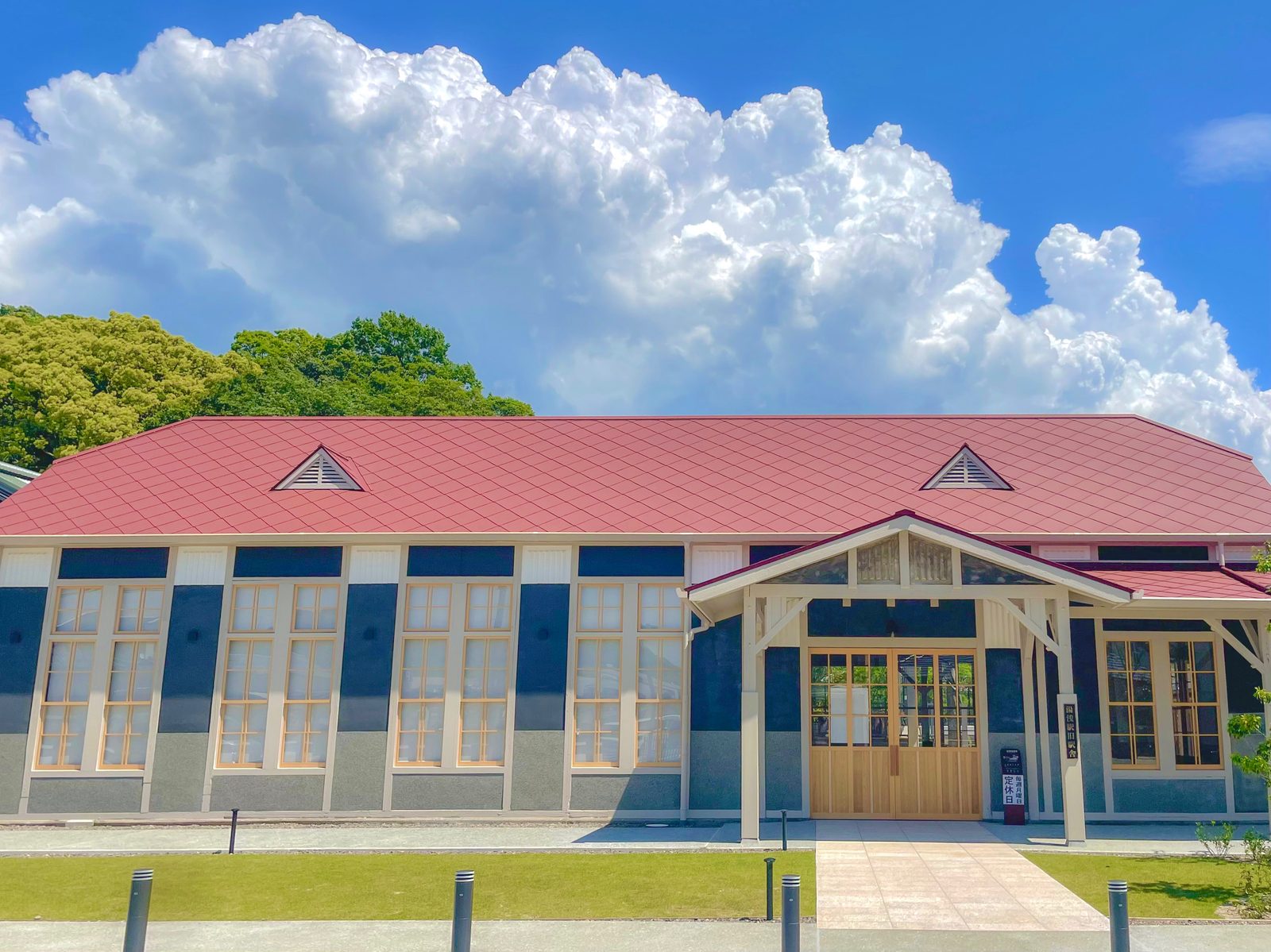
- From JR Yuasa Station, it is about a 15-minute walk to the Yuasa historic preservation district.
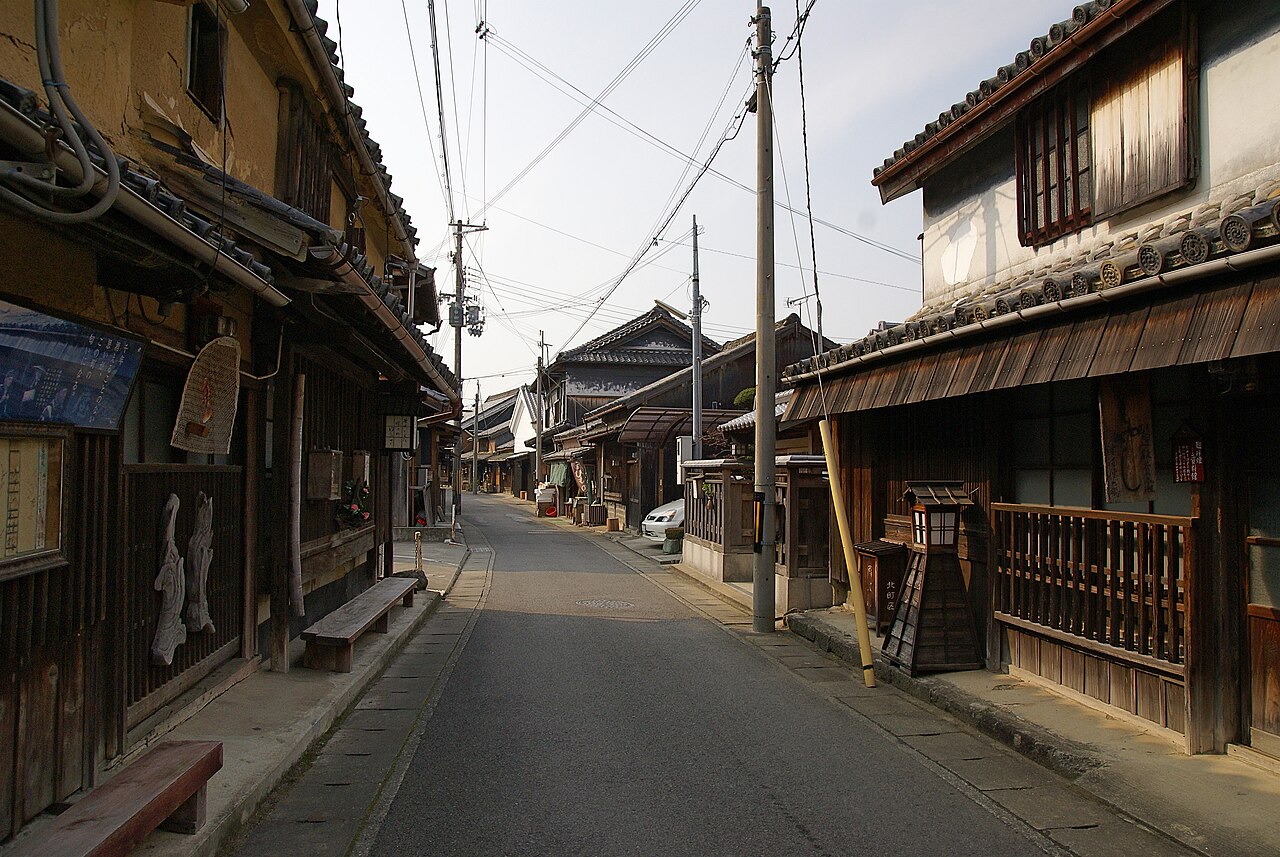
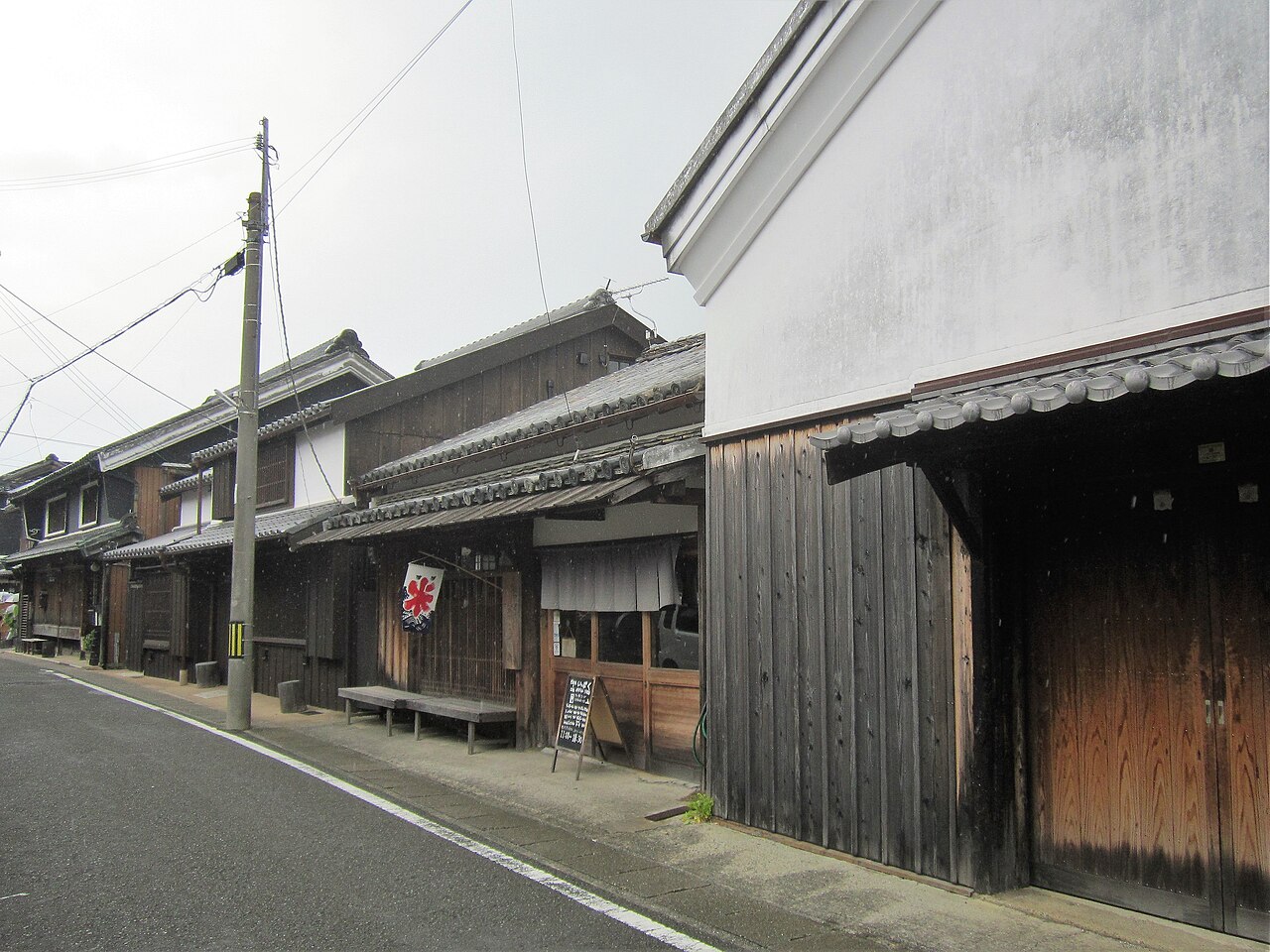
From Yuasa Station, the historic preservation district is about fifteen minutes away on foot, so the day can begin directly from the platform. Everything in this guide lies within Yuasa town, and the sections below take the places in an order that works around the afternoon closing times given later.
Kadocho, Jinburo and the Preserved Streets
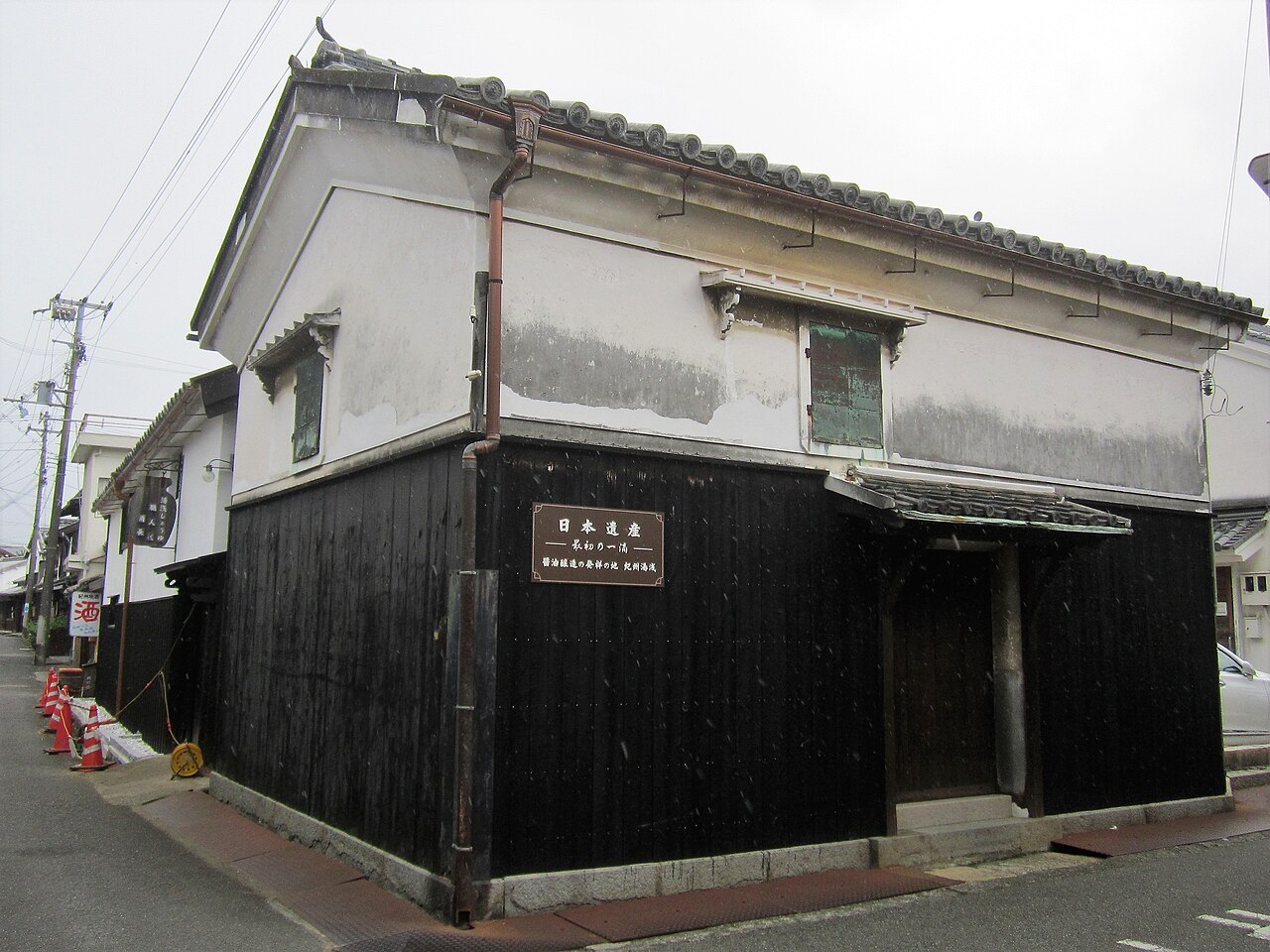
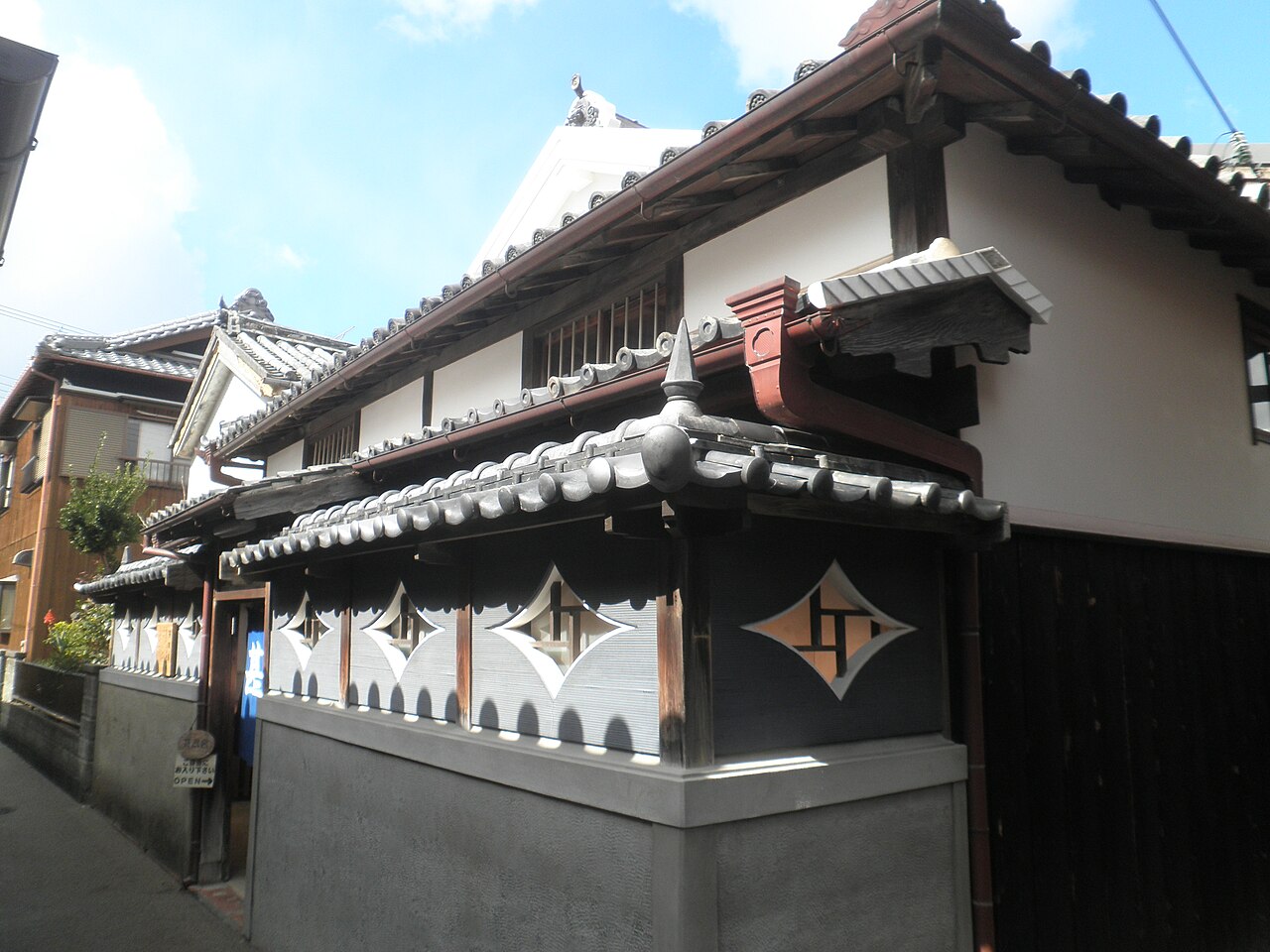
Yuasa is described as the place where soy sauce brewing first began in Japan as an industry, and the story of that beginning has been recognised by the Agency for Cultural Affairs as a Japan Heritage. The recognition rests on a story rather than on any single building, which is a useful way to approach the preservation district.
Two names to note are Kadocho and Jinburo, and the practical point for a day trip is when each receives visitors. Kadocho is open from nine in the morning until five in the afternoon. Jinburo keeps slightly shorter hours, from half past nine in the morning until half past four. The table below sets both out for quick reference.
| Place | Visiting times |
|---|---|
| Kadocho | 9:00–17:00 |
| Jinburo | 9:30–16:30 |
Soy Sauce Making and Treats at Marushin Honke
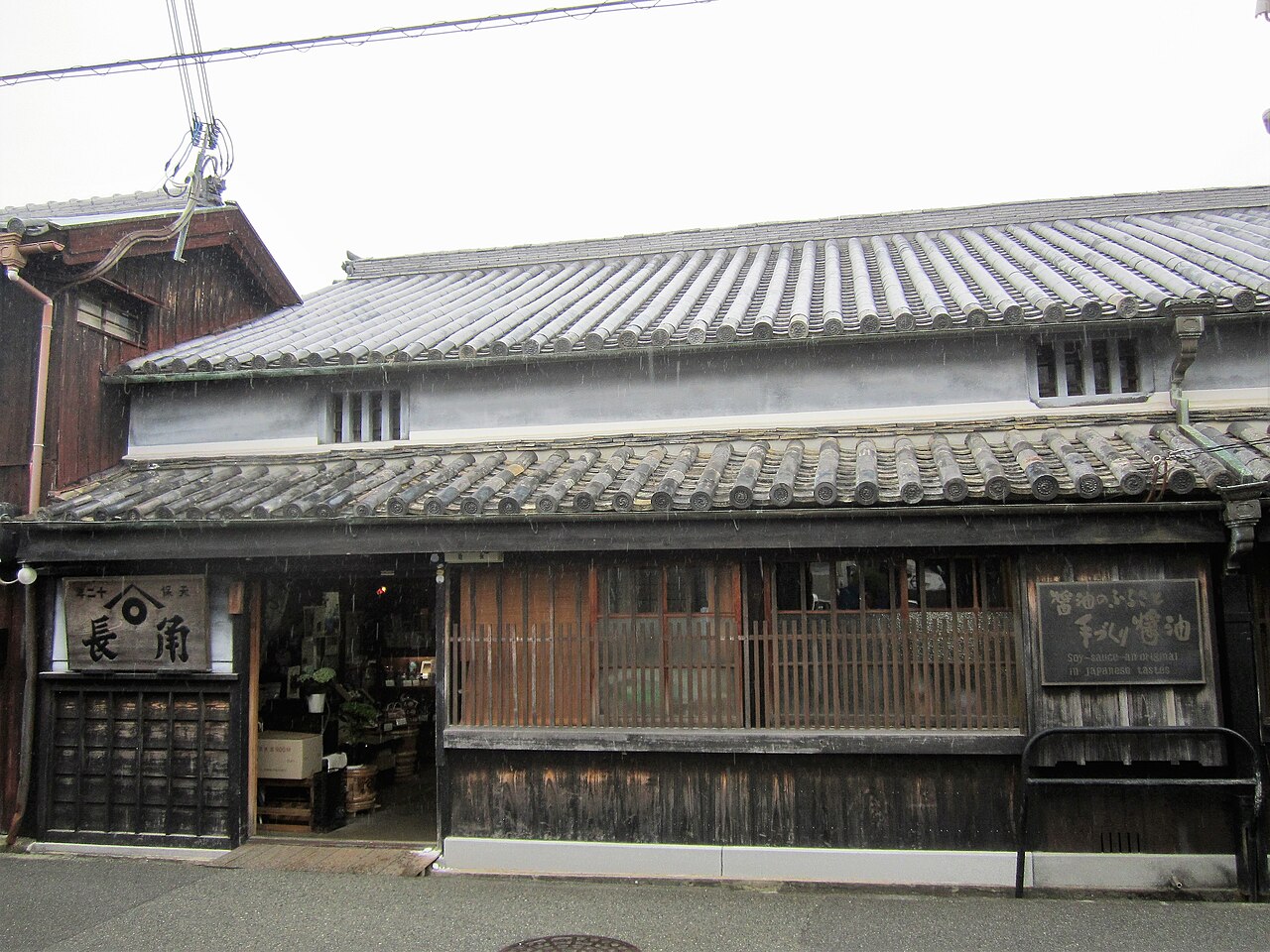
Yuasa Shoyu Marushin Honke is the hands-on stop of the day. It offers a kaire session and a PET-bottle soy sauce making session, both arranged in advance. The factory visit and kura cafe are open from nine in the morning until four in the afternoon. Prices and times are in the table below.
The recommended items are a Kinzanji miso with plenty of ingredients mixed through it, sold as Gudakusan Kinzanji miso, and a soy sauce soft serve ice cream. The soft serve is for eating on the spot, while the miso is the item to carry home.
| Item | Price or times |
|---|---|
| Kaire session (arranged in advance) | 300 yen |
| PET-bottle soy sauce making session (arranged in advance) | 1,500 yen |
| Factory visit and kura cafe | 9:00–16:00 |
| Gudakusan Kinzanji miso | 874 yen |
| Soy sauce soft serve ice cream | 450 yen |
Where to stay
Disclosure: This post may contain affiliate links. If you book through them, we may earn a commission at no extra cost to you.
Shirasu Bowls and Kinzanji Miso
Soy sauce is the headline, but Yuasa is also a port town and one of the leading shirasu producers in Wakayama Prefecture, known in particular for kamaage shirasu, the boiled form of these small whitebait. A shirasu bowl is the obvious lunch, and Kadoya Shokudo serves it boiled or raw.
Kamaage shirasu is available throughout the year, though the catch from late March into early spring is said to have the finest seasonal flavour. The method is simple: the fresh landing is carried to a plant near the fishing harbour, boiled in large cauldrons with salt, then spread on reed screens to dry in the sun.
Kinzanji miso is the other local taste. The basic recipe uses koji of rice, barley and soybeans with summer vegetables such as aubergine, white melon, fresh ginger and shiso added at the brewing stage, and the vegetables and seasoning vary between makers and households. Kakiuchi Miso Ten's version is priced in the table with the shirasu bowls.
| Item | Price |
|---|---|
| Kadoya Shokudo, kamaage (boiled) shirasu bowl | 720 yen |
| Kadoya Shokudo, raw shirasu bowl | 1,100 yen |
| Kadoya Shokudo, shirasu bowl and sashimi set meal | 1,230 yen |
| Kakiuchi Miso Ten, Kinzanji miso | 518 yen |
How Soy Sauce Made Yuasa
The written record of Yuasa soy sauce as a trade reaches back to fifteen thirty-five, the fourth year of Tenbun. In that year a Yuasa brewer, Akagiri Saburoshiro, is recorded as shipping more than one hundred koku of soy sauce to Osaka by fishing boat, an early example of soy sauce moving as a commercial product.
In the Bunka era, eighteen hundred and four to eighteen eighteen, Yuasa had ninety-two soy sauce brewers, and under the special protection of the Kishu domain their soy sauce reached the whole country. A folding screen from early Meiji, the Yuasa-zu byobu, shows barrels on handcarts being taken to the shore and ferried by small boat to sailing ships.
A Meiji-era gazetteer records that Yuasa had long prospered as a post town on the Kumano Kaido, with convenient access by both land and sea and a steady traffic of travellers. The same gazetteer notes many soy sauce brewers in the town and describes Yuasa soy sauce as the product for which Arida District was known.
Planning One Day in Yuasa
The day is shaped by the afternoon closing times. The factory visit and kura cafe at Marushin Honke are open until four in the afternoon, so the hands-on sessions and the cafe belong in the first half of the day. Jinburo is open until half past four. Kadocho stays open until five and makes a natural final stop.
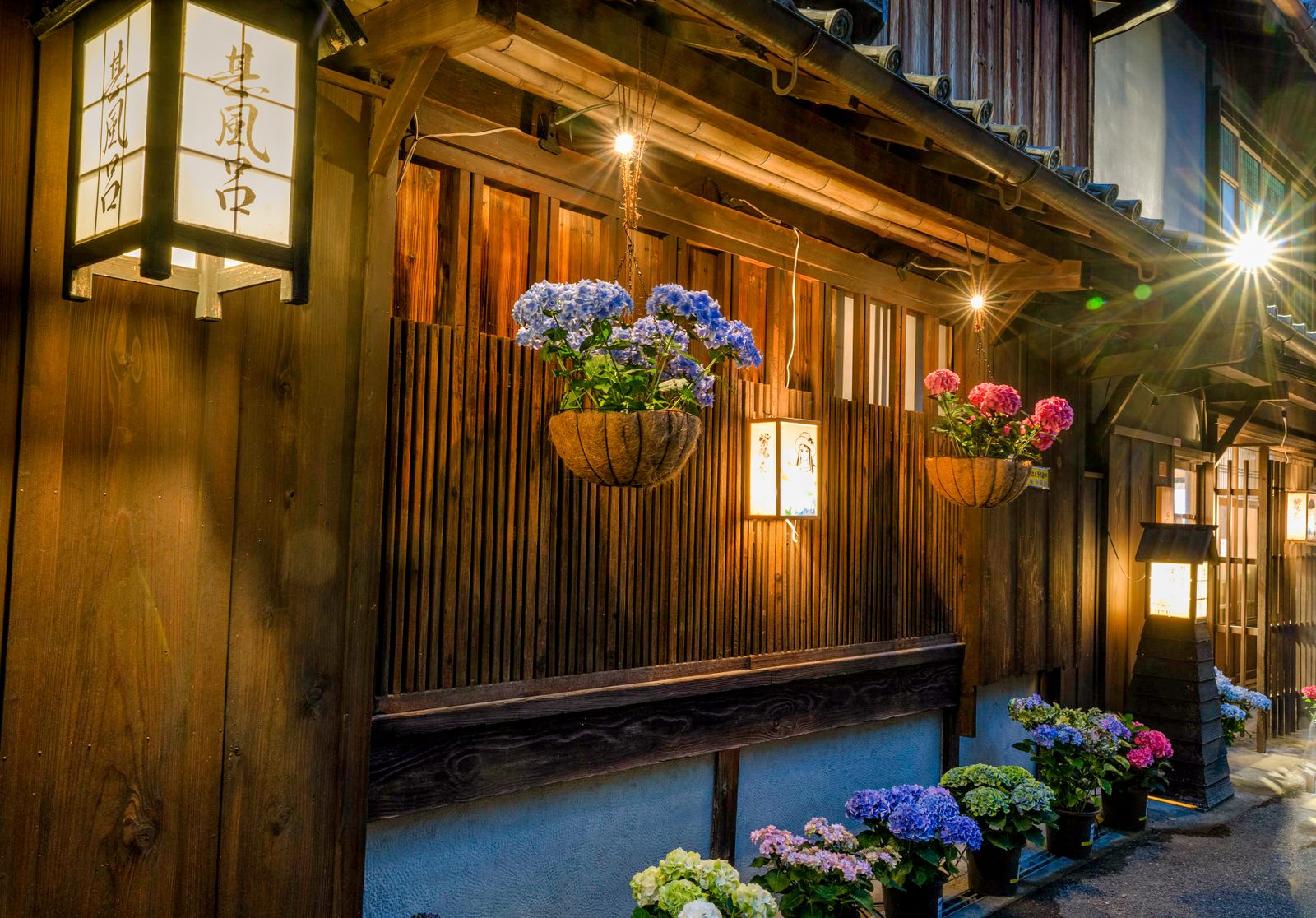
A workable order is the walk from Yuasa Station into the preservation district, about fifteen minutes, then Marushin Honke before lunch, a shirasu bowl at Kadoya Shokudo, Kinzanji miso to carry home, and Jinburo and Kadocho through the afternoon. Those who would rather not head back the same day can look at places to stay in Yuasa.