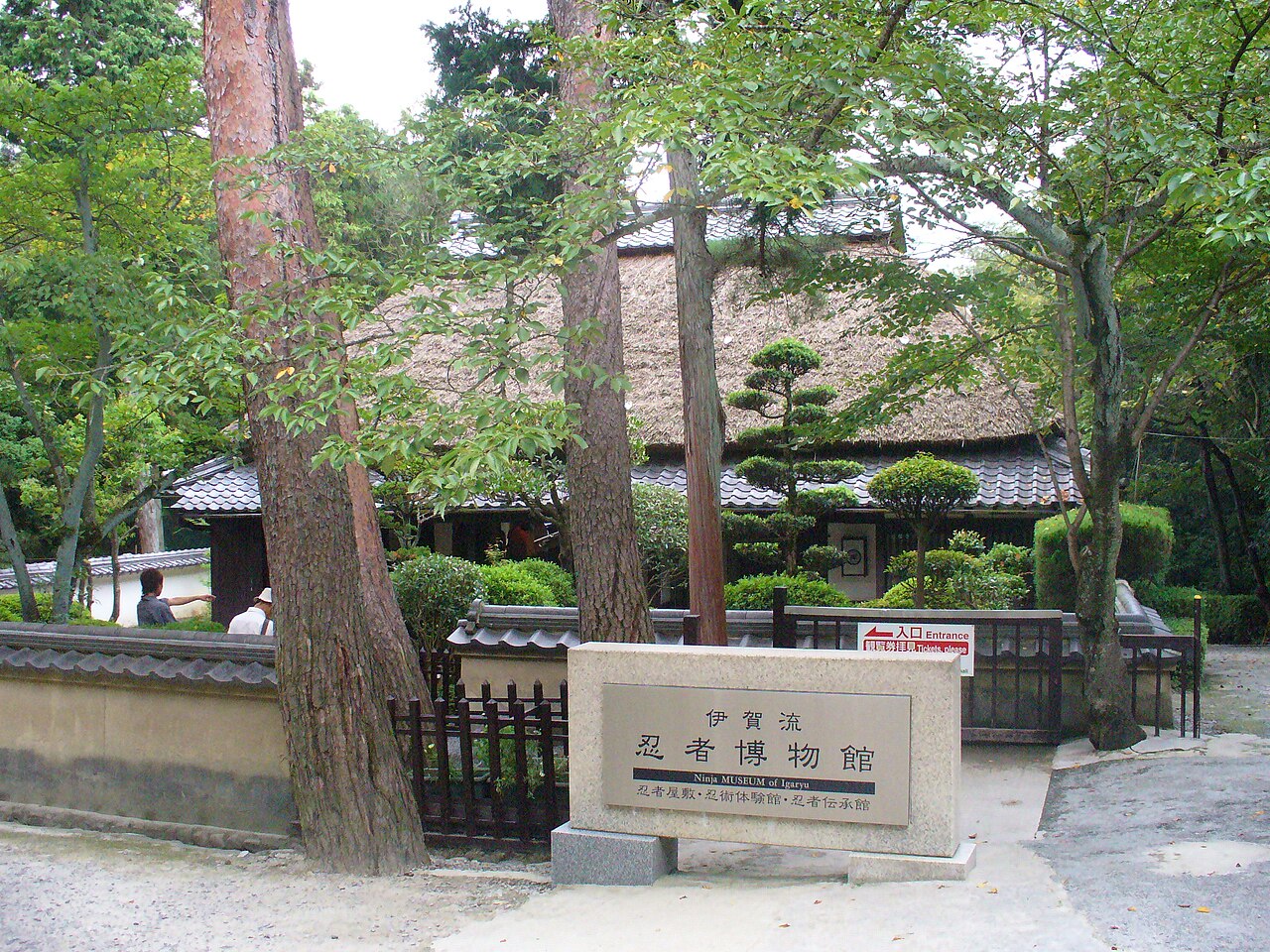
In Iga-Ueno, a ninja guides visitors through the various trick devices of the ninja house, a relocated local-lord residence of the late Edo period. The high stone walls built by Todo Takatora remain as they were. Basho's birth house is where the haiku poet was born and spent his life until he was twenty-nine.
The Iga-ryu Ninja Museum: Trick House, Ninja Tools and Costumes
Visitors can see valuable ninja materials and real ninja tools in two halls of the museum. On weekdays a ninja gives an explanation while demonstrating the trick devices, and on weekends and holidays visitors can learn through trying the trick devices. In the ninja-skills demonstration show, visitors can see how ninja handled the ninja tools displayed in the museum.
Individual visitors cannot book the ninja demonstration show, and entry to the stage is first come, first served. Eating inside the museum is not accepted. Visitors must not damage the facilities, equipment or exhibits.
At the Danjiri Museum, visitors can get dressed in a ninja costume at Ninja Henshin Dokoro, a ninja transformation spot, and buy gifts at a shop. Ninja costumes are rented at individual shops, hotels and other places. For a wider choice, look at ninja and castle experiences around Iga.
Iga Ueno Castle: High Stone Walls and the Shikishi Ceiling
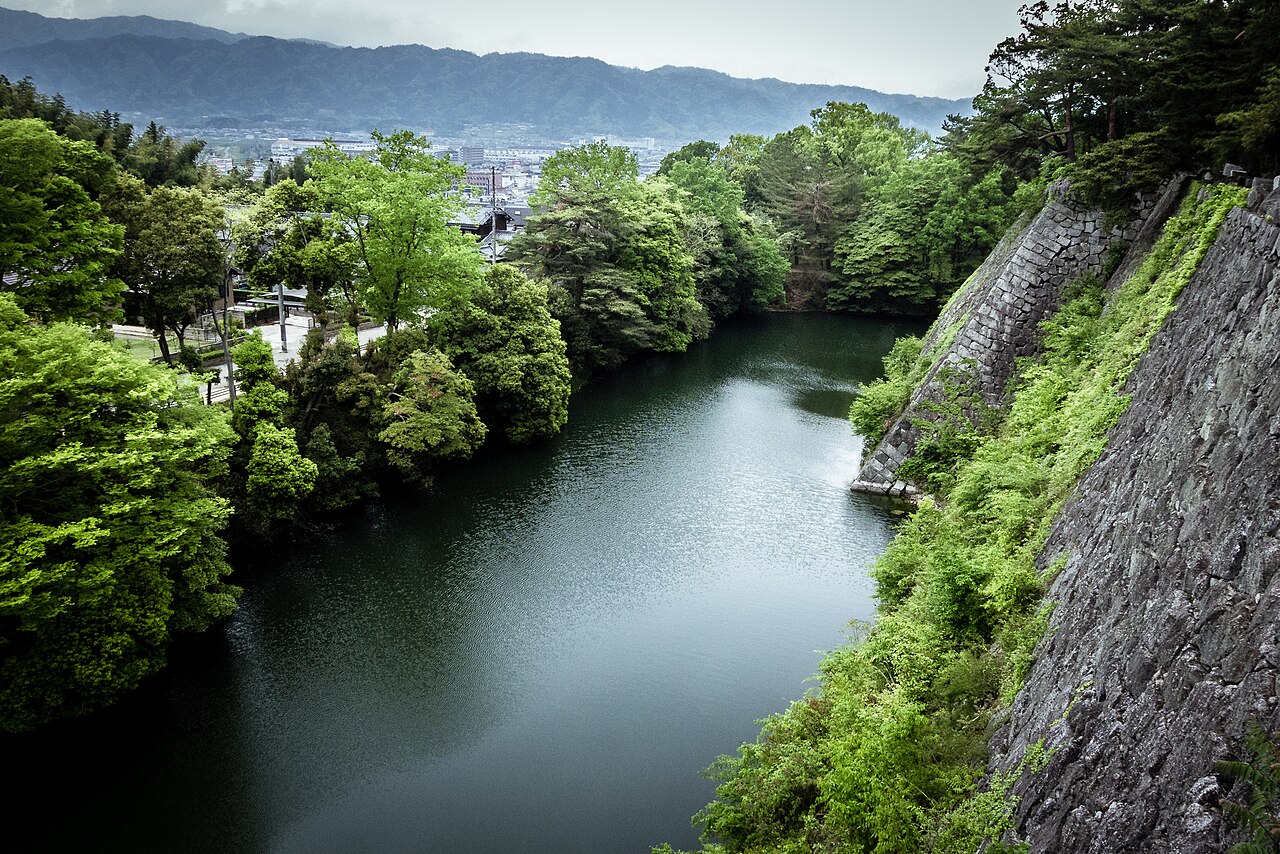
A guidebook notes that Iga Ueno Castle was built by Todo Takatora, known as a master castle builder. Its stone walls and inner moat are said to survive from that time.
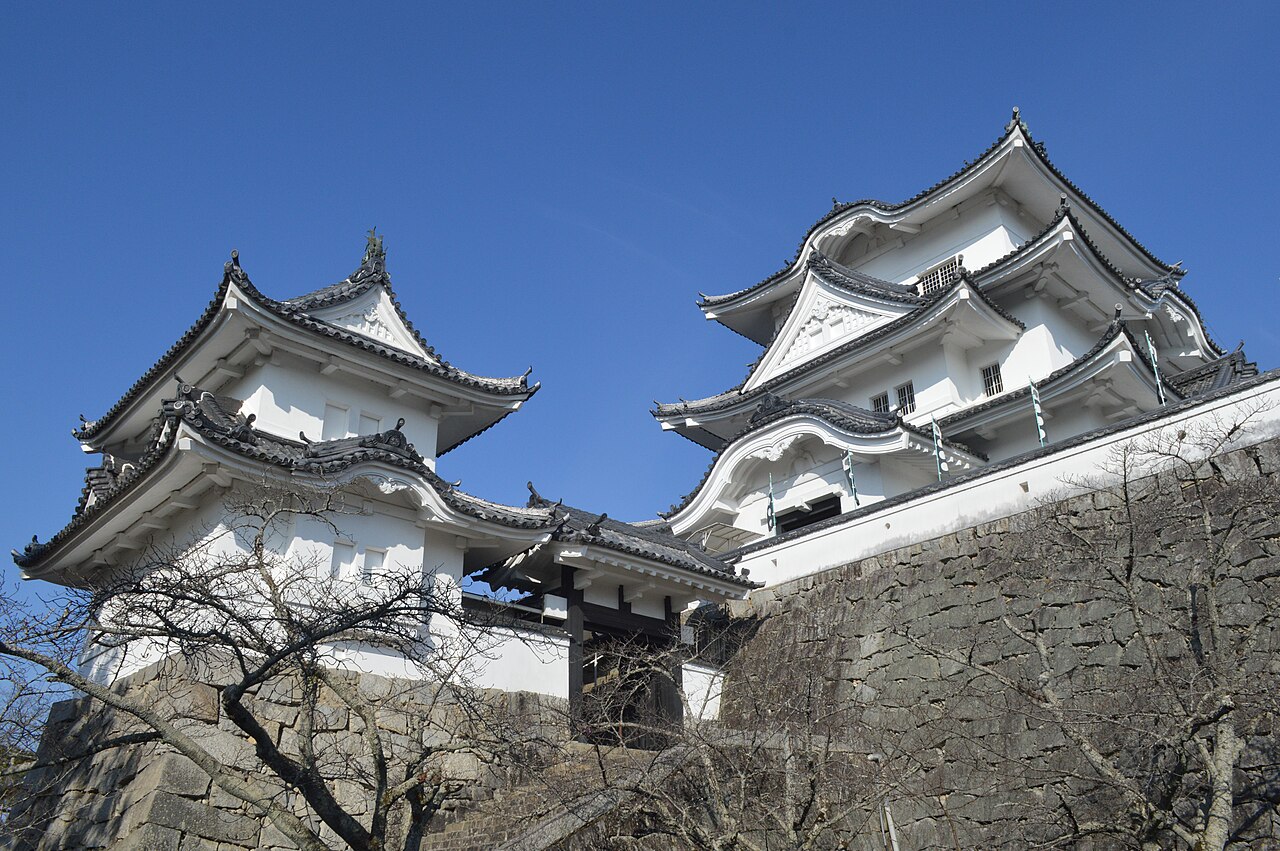
A guidebook notes that the wooden keep, a three-storey main keep and a two-storey small keep, was restored by the politician Kawasaki Katsu. The ceiling on the third floor of the keep is said to be set with shikishi donated by painters, calligraphers and politicians, Yokoyama Taikan among them. The high stone walls are said to rank with Osaka Castle among the highest in Japan.
Basho in Iga-Ueno: Birthplace, Haiseiden and Haiku Monuments
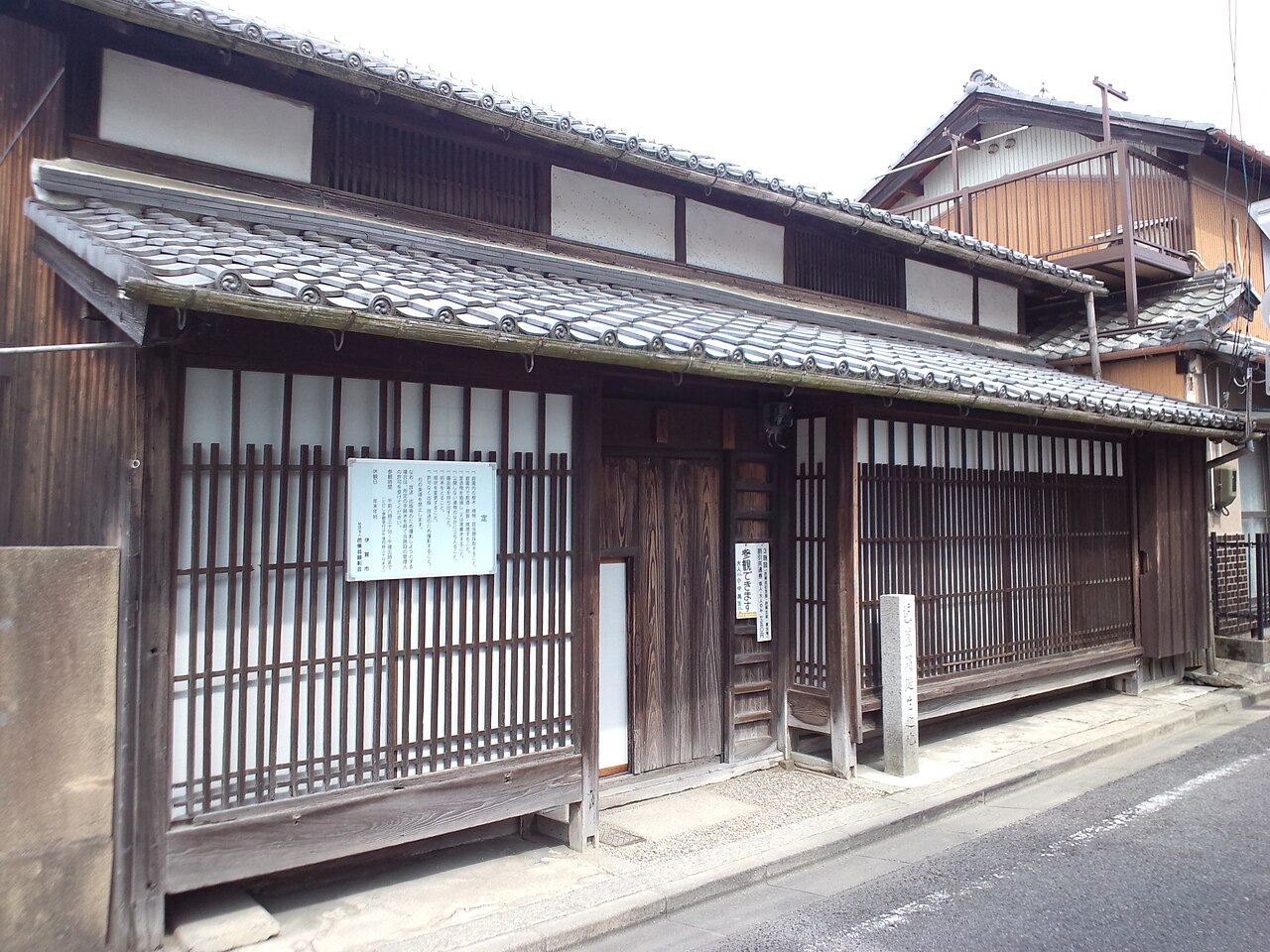
The birth house is built as a machiya, not a samurai residence. An earthen-floor passage runs from the entrance to the back garden, with three rooms on the left and a courtyard and storehouse behind. The first haiku collection was written in a hut in the back garden, where Basho is said to have stayed when he came home.
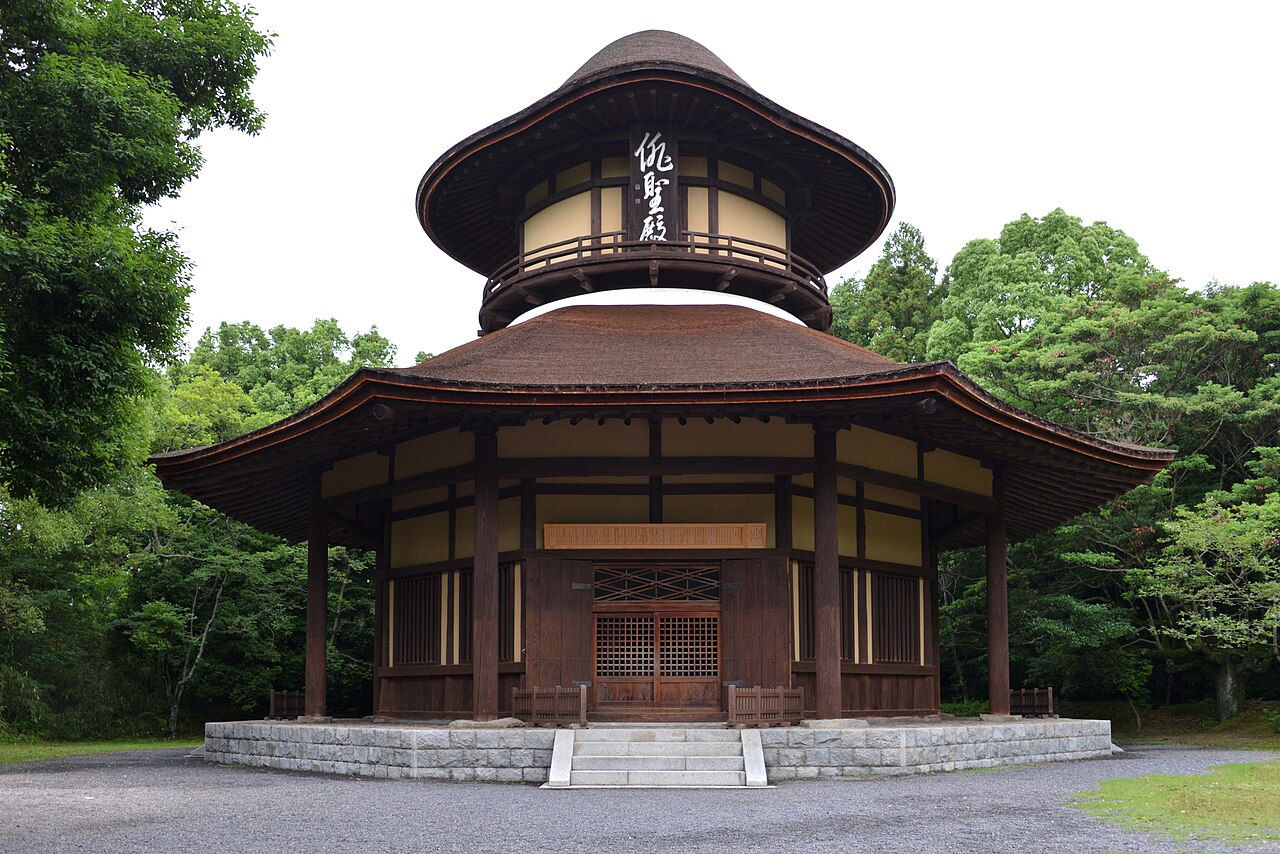
The shape of the Haiseiden represents Basho in travel dress: the round roof is the travel hat, the octagonal eaves the straw cape and robe, and the corridor pillars the staff and feet. Inside is enshrined a life-size Iga-ware seated statue of Basho, shown at the Basho Festival on the twelfth of October, the anniversary of his death.
The Basho Memorial Museum displays colored paper handwritten by Basho with a haiku, his will, and materials on renga and haikai. Near the entrance of the museum an electronic panel shows the routes of his five journeys. A hometown mound in a temple cemetery is said to hold a lock of Basho's hair, with an old inscribed stone monument inside a hut.
A haiku monument at the birth house carries a verse about crying at the year's end in the hometown. A monument at the Minomushi-an hut carries the verse about an old pond and the sound of water when a frog jumps in.
Dengaku, Iga Beef, Katayaki and Crafts in the Castle Town
Tofu dengaku is a local Iga dish of tofu with miso sauce, grilled until fragrant. In Iga it was served by spreading home-made miso, rolled into balls, hung and aged, on tofu and grilling it over charcoal. One dengaku restaurant makes tofu from organically grown soybeans and grills it over charcoal at low temperature with miso aged for about one thousand days.
Iga beef is described as a brand beef with a rich aroma and a melt-in-the-mouth tenderness, and it is said to have originated from dried meat that Iga ninja carried as preserved food. A restaurant in a separate ninja experience facility serves Iga-themed dishes using many Iga ingredients in Iga-ware vessels.
Katayaki is said to have been a food that ninja carried, because it is nourishing, keeps well and takes little space. Todo Takatora's knowledge of the tea ceremony is one reason long-established Japanese confectionery shops line the town.
Iga kumihimo braiding uses a braiding stand called a marudai, with silk thread and gold thread, to braid a cord. The finished kumihimo braid can be made into a key holder or a bracelet and taken home.
Danjiri Floats and the Four Seasons in Iga-Ueno
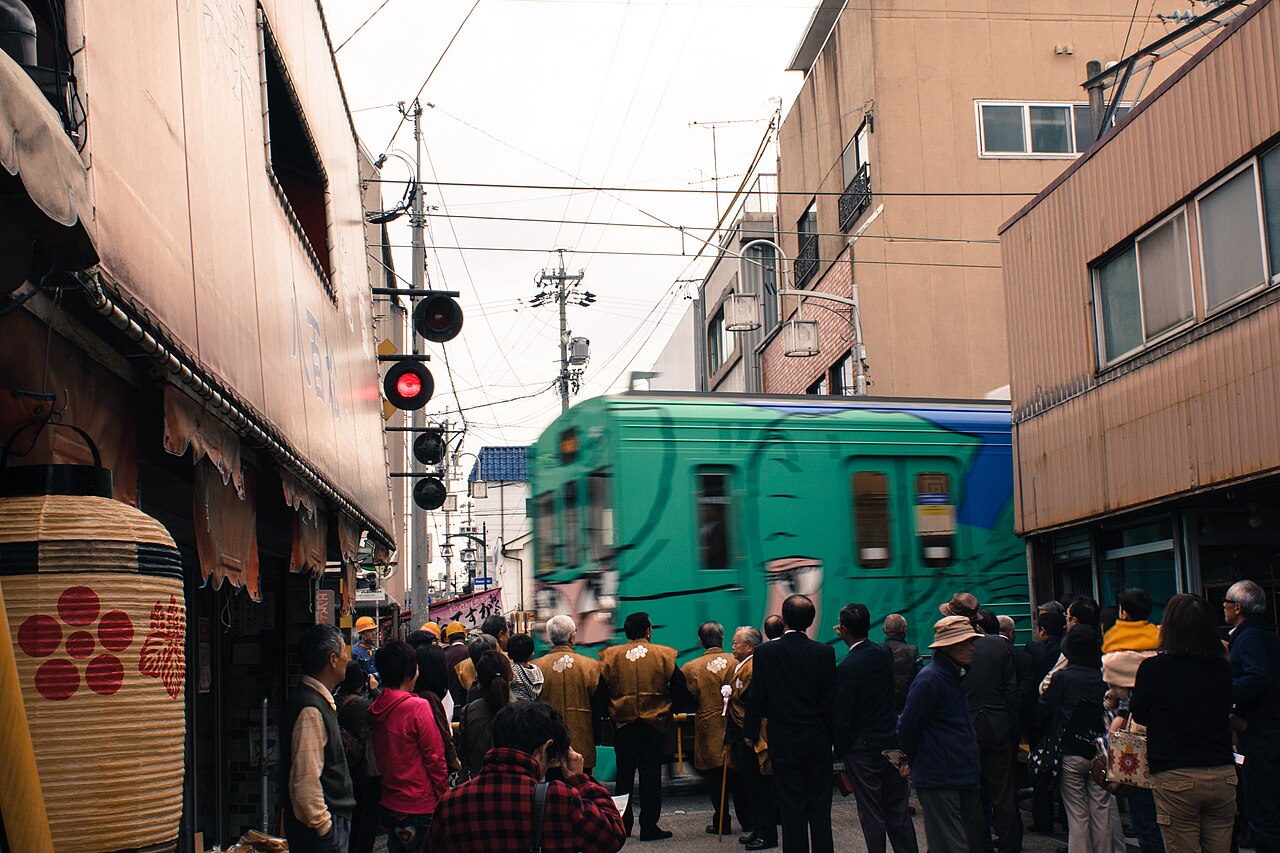
The Danjiri Museum exhibits three danjiri floats and a recreation of a demon parade, and visitors can watch a video of the festival with high-definition images and high-quality sound. A guidebook notes that the Ueno Tenjin Festival, held each October, sends its ornate danjiri through the streets of the town and is inscribed as UNESCO intangible cultural heritage.
In spring, visitors can view cherry, peony and azalea blossoms and take part in traditional spring events. At night, visitors can see illuminated night cherry blossoms and the castle at Ueno Park.
In Ueno Park, the autumn leaves usually change colour in this order: in front of the Haiseiden, the main enclosure square, around the ninja residence, then the site of the castle steward's residence. In winter, white and red plum trees bloom every year in a plum grove park on the site of a former elementary school.
One street is lined on both sides with many white-walled temples. If a single day feels short, there are places to stay in Iga.
Getting to Iga-Ueno
New to rural buses and one-man trains? See how to ride them, step by step.
| From | Line and operator | Time |
|---|---|---|
| Osaka to Iga-Kambe Station | Kintetsu limited express | about one hour and five minutes |
| Nagoya to Iga-Kambe Station | Kintetsu limited express | about one hour and twenty minutes |
| Iga-Kambe Station to Ueno-shi Station | Iga Railway | about twenty-five minutes |
| Ueno-shi Station to the Iga-ryu Ninja Museum | on foot | about nine minutes |
| Ueno-shi Station to the Basho Memorial Museum | on foot | about five minutes |
Hours and Fees
| Item | Detail |
|---|---|
| Ueno Castle admission, adult (high school student or older) | six hundred yen |
| Ueno Castle admission, child (elementary and junior high school student) | three hundred yen |
| Ueno Castle opening times | open nine in the morning to five in the afternoon, admission until a quarter to five |
| Iga-ryu Ninja Museum admission, adult (high school student or older) | one thousand yen, tax included |
| Iga-ryu Ninja Museum admission, child (aged four to junior high school) | seven hundred yen, tax included |
| Ninja skill demonstration show | charged separately, six hundred yen |
| Basho Memorial Museum, general admission | three hundred yen |
| Combined ticket for three facilities (Basho Memorial Museum, Minomushi-an and the historic site of Basho's birthplace) | seven hundred and fifty yen |
| Basho's birthplace, opening times | half past eight in the morning to five in the afternoon, entry until half past four |
| Basho's birthplace, closing days | Tuesdays and December twenty-ninth to January third |
| Dengaku set meal A at Wakaya | one thousand five hundred and fifty yen |
| Iga beef seared bowl at Cafe Res Hanabusa | one thousand one hundred yen |
Fees and hours were checked against official sources between 9 October 2026 and 19 November 2026.
Thinking of staying overnight?
Compare places to stay near Iga, Mie →
Disclosure: This post may contain affiliate links. If you book through them, we may earn a commission at no extra cost to you.