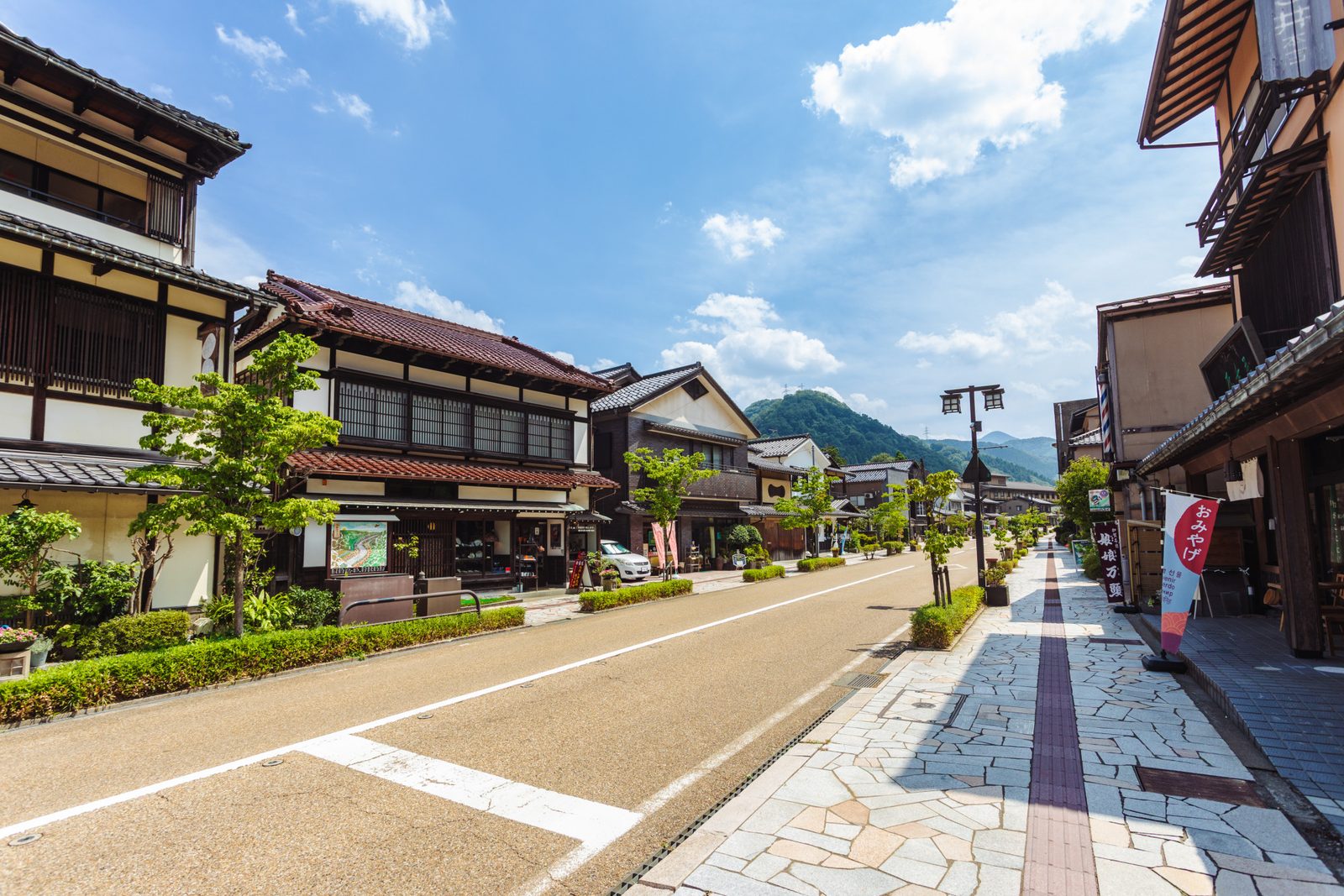
Yamanaka Onsen is a hot spring town in Kaga, Ishikawa, and its main street is the Yuge Kaido. Over the Kakusenkei gorge you can cross Korogi bridge, built entirely of cypress, and Ayatori-hashi, a purple-red bridge that bends in an S shape. The water you bathe in is a weakly alkaline simple spring, and between soaks you can paint a makie design on Yamanaka lacquerware or make your own Kutani ware at a workshop in town.
The Kakusenkei Gorge: Bridges and the Riverside Walk
Walk the Kakusenkei promenade from Korogi bridge to Kurotani bridge, a stretch of roughly one point three kilometres along the river. The path runs past oddly shaped rocks and rewards going slowly, watching the water rather than pressing on. If you want a short walk, this one stretch between the two bridges is complete in itself.
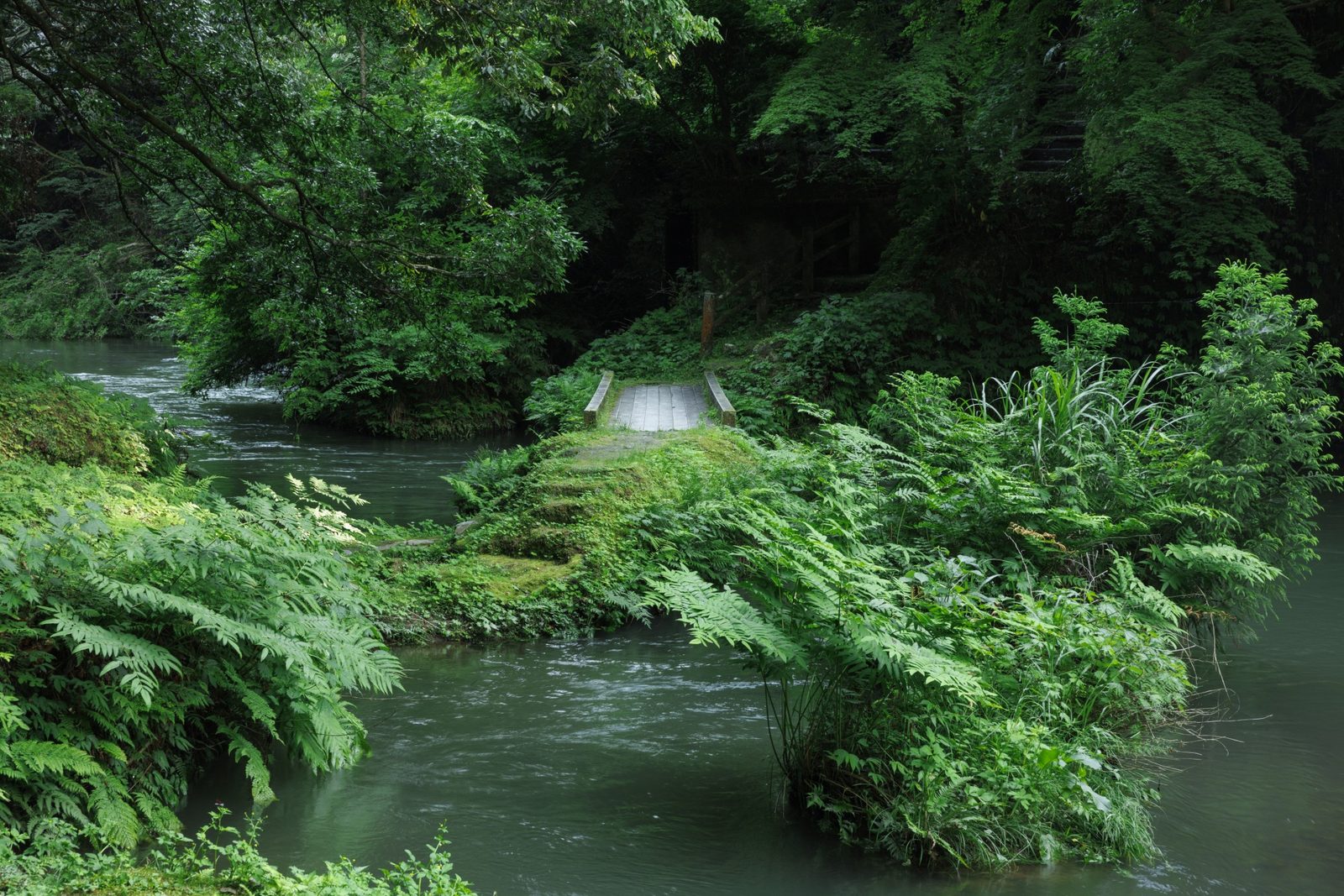
Korogi bridge, at the upstream end, is built entirely of cypress. Roughly midway comes Ayatori-hashi, a bridge reserved for people on foot, purple-red and curving in an S shape, designed by the third-generation head of the Sogetsu school of ikebana, and you cross it as part of the walk. Kurotani bridge, a stone arch at the downstream end, stands where the river gathers into a large pool.
Down at the water, a riverside yuka terrace is set up for a limited period from spring to autumn, and you can sit there with Kaga bocha tea, looking at the deep green of the gorge and the clear water, or at the autumn leaves, while wild birds sing around you. The sweets served at the terrace follow recipes by Rokusaburo Michiba, a chef who comes from Yamanaka.
At the foot of the bridge, a cherry blossom park has Somei-yoshino and weeping cherry trees, so a spring visit looks quite different from an autumn one. The name Korogi is said to come either from crickets chirping on autumn nights or from the name of an old road, and Basho, the haiku poet, is said to have been so taken with the scenery here that he clapped his hands in delight.
Kikunoyu and the Yuge Kaido
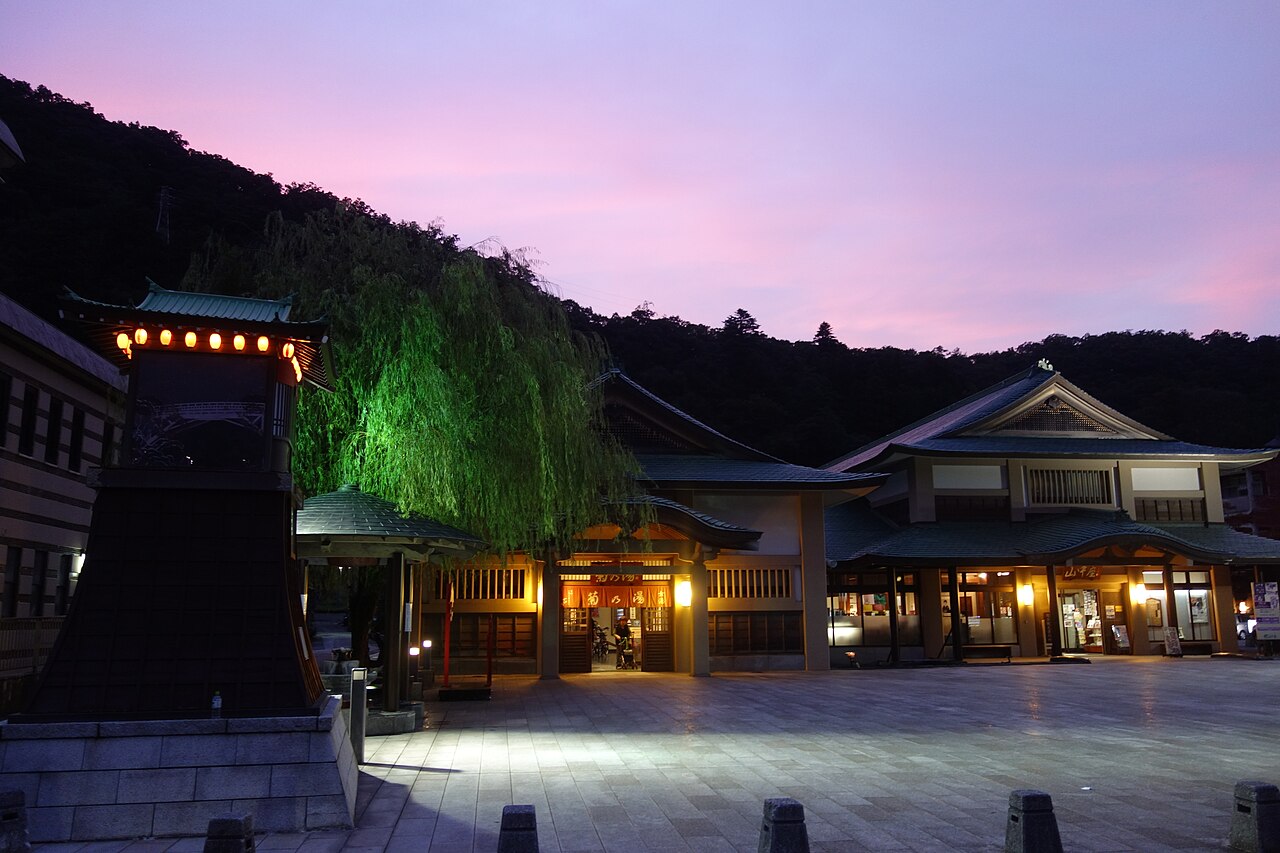
Stroll along the Yuge Kaido, the main street of Yamanaka Onsen, a street that makes you want to keep walking and where traditional culture is still alive. At Kikunoyu, the town's public bath, you can soak in the hot spring itself, in separate baths for men and women.
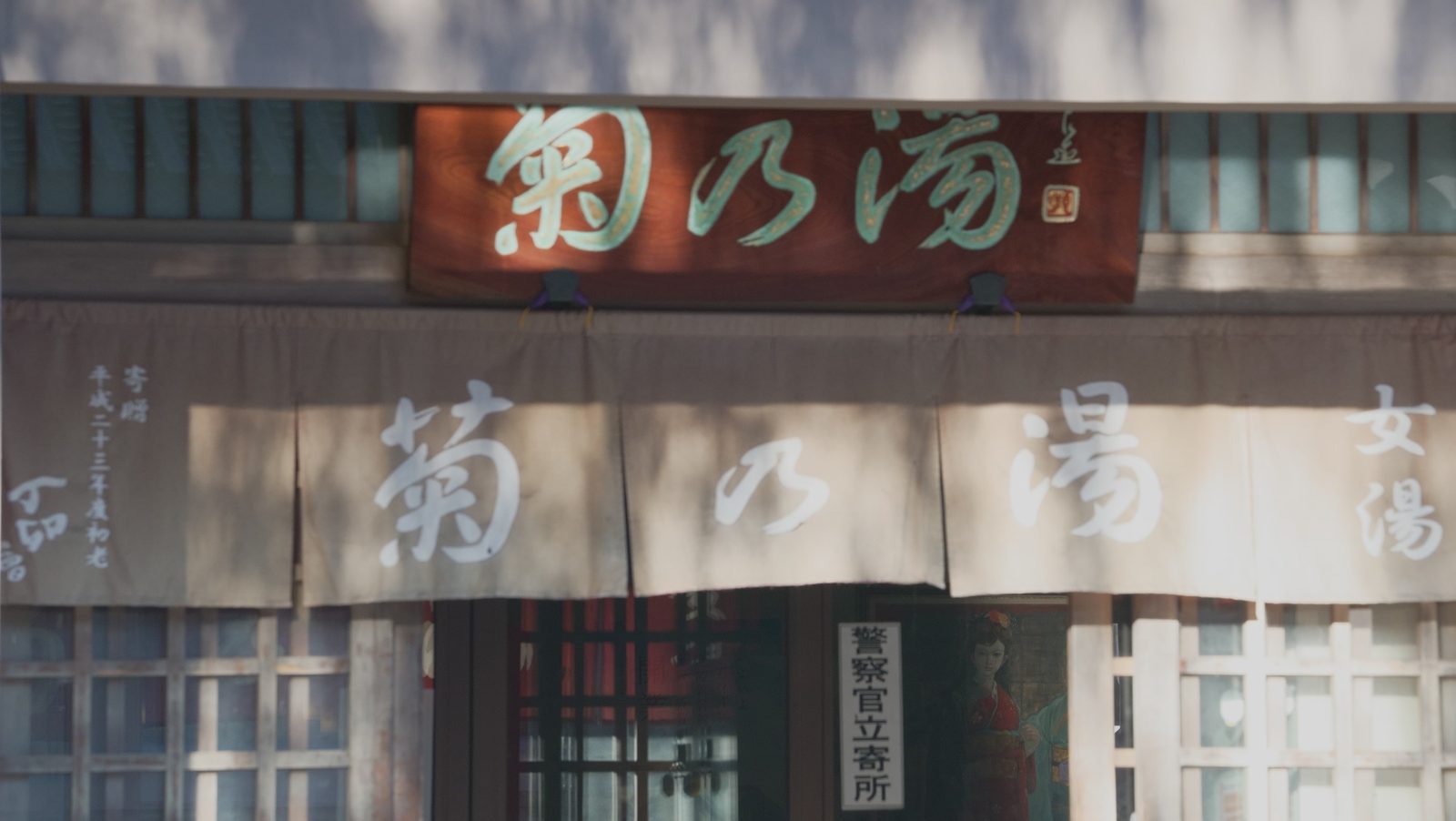
The spring is a simple spring, weakly alkaline, at forty-five point two degrees. The hot spring is said to have been found some thirteen hundred years ago by the high priest Gyoki of the Nara period, who carved a Yakushi Buddha into a log and built a small shrine to guard the spring. Digging at that spot is said to have turned up a statue of Yakushi Nyorai and let the hot water gush out, and Nobutsura then opened twelve inns there, which is said to be the beginning of the ryokan of Yamanaka Onsen.
The Basho-do hall enshrines the haiku master Matsuo Basho, who stayed nine days and eight nights in Yamanaka Onsen on his Oku no Hosomichi journey and praised the hot spring in a haiku. At Yamanakaza, in the Yakushi-machi part of town, you can watch geisha perform the Yamanaka-bushi and Shiki no Mai along with other traditional arts in an afternoon show.
Lacquerware, Kutani Ware and Hands-On Crafts
At a lacquerware shop in Yamanaka Onsen you can buy a piece of Yamanaka lacquerware and then paint your own makie design onto it. Plates, chopsticks and bowls are the pieces on offer for painting.
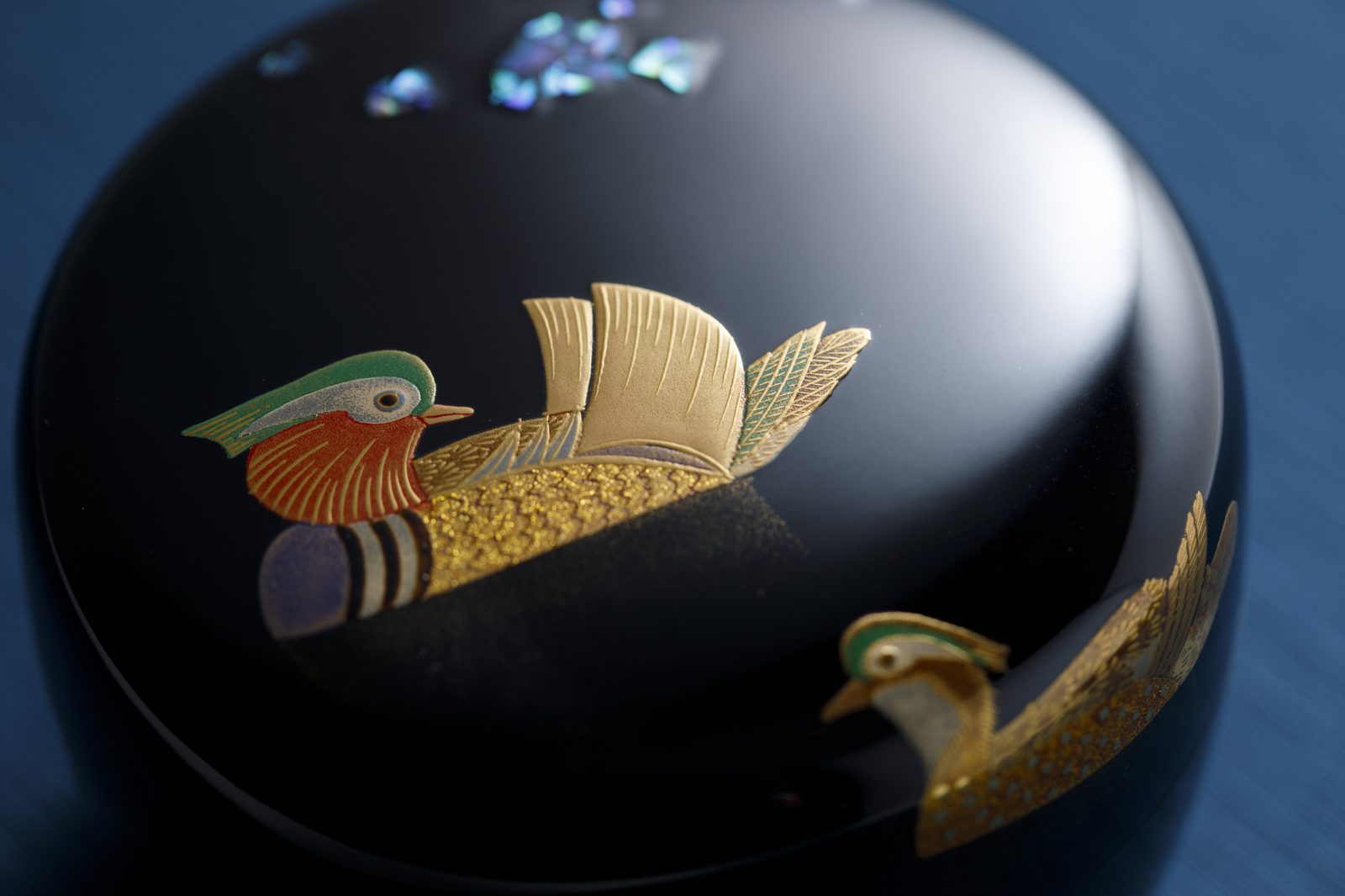
At the Silk Road pottery workshop you can sit at an electric potter's wheel, try Kutani overglaze painting or paint a yukatabe doll, and leave with an original piece of Kutani ware made in Yamanaka Onsen. If you have to pick one, the makie session decorates a finished piece you have just bought, while the pottery workshop has you shaping or painting the ware itself. A soba-making experience in town takes sixty minutes, so it fits into the same half day as either craft.
Every year during Golden Week, the Yamanaka lacquerware festival sells lacquerware direct from the producers, which keeps it affordable, and many local food and drink booths are set up at the venue.
Sweets and Street Food Around Kikunoyu
On Sundays between April and December you can browse the Yuzaya market at Yu no Kuruwa, in front of Kikunoyu. The market sells fresh vegetables from the nearby mountains and farms, along with handmade dango and pickles made without additives, and coffee is handed out to visitors who have come for sightseeing.
Kikunoyu's own ice candy uses the Yamanaka source spring water as its base, with chrysanthemum petals scattered through it. A blueberry sherbet made from home-grown berries is rich, the fried ice cream comes out crisp on the outside with a cold centre, and a manju on the sweets walk pairs local miso with a light hint of brown sugar, mellow in the mouth and not too sweet. A monaka stamped with the plum crest of the Kaga Maeda domain has small dry sweets tucked inside.
A sweets tour coupon lets you pick three of the eight sweets in town and compare them. At Kikunoyu you can also make onsen eggs by hand; while the eggs sit in the hot spring water you can look around Yamanakaza, and they come out very soft, barely set. For lunch, a retro cafe serves beef stew rice. If you arrive on a Sunday, start at the market and work outward to the sweets; on any other day the coupon gives the walk its shape.
Evenings, Night Lights and Staying Overnight
After dark, head for Ayatori-hashi, which is lit up every night in a design drawn from the five colours of Kutani ware, and the Kakusenkei Light spreads the same palette over the area around the bridge and the cherry blossom park. The lighting inside the park is paused in the snow season. The promenade itself has no lighting after sunset and visitors are asked to stay off it after dark, so walk the gorge path by daylight and come back to the bridge for the lights.
Kikunoyu is open from six forty-five in the morning until ten at night, so you can bathe before breakfast and again after dinner, and guests at member inns of the Yamanaka Onsen ryokan association also pay less for a seat and for the sweets set at the riverside terrace.
Electric-assist bicycles are one way to get around the hot spring town; they can be borrowed at Yamanakaza, and at each ryokan for its own guests, with some ryokan excepted. If you want to stay a night, you can look at places to stay in Yamanaka Onsen.
Getting to Yamanaka Onsen
| Leg | How | Time and estimate |
|---|---|---|
| Tokyo Station to Kaga-onsen Station | Hokuriku Shinkansen Kagayaki | 2 hours 43 minutes |
| Osaka Station to Kaga-onsen Station | Transfer at Tsuruga | 2 hours 6 minutes |
| Nagoya Station to Kaga-onsen Station | Transfer at Maibara and Tsuruga | 2 hours |
| Komatsu Airport to JR Komatsu Station | Route bus | 12 minutes; 280 yen |
| JR Komatsu Station to JR Kaga Onsen Station | Train | 10 minutes; 240 yen |
| Kaga-onsen Station to Yamanaka Bus Terminal | Route bus (Kaga Onsen Bus) | 30 minutes; 430 yen |
| Kaga-onsen Station to Yamanaka Onsen | Taxi | 20 minutes; about 3,500 yen |
| Komatsu Airport to Yamanaka Onsen | Taxi | About 35 minutes; about 7,000 yen |
New to rural buses and one-man trains? See how to ride them, step by step.
Hours and Fees
| Place | What | Hours or fee |
|---|---|---|
| Kikunoyu | Hours | 6:45-22:00; closed on the 2nd and 4th Tuesdays |
| Kikunoyu | Bath fee | 490 yen |
| Yuzaya market | Season | Every Sunday, April to December |
| Kakusenkei riverside terrace | Seat fee with Kaga bocha tea | Adults 700 yen; elementary school students 600 yen |
| Kakusenkei riverside terrace | Set with sweets | Adults 1,000 yen; elementary school students 900 yen |
| Kakusenkei riverside terrace | Seat fee for guests of Yamanaka Onsen ryokan association member inns | Adults 200 yen; elementary school students 100 yen |
| Kakusenkei riverside terrace | Set for guests of Yamanaka Onsen ryokan association member inns | Adults 500 yen; elementary school students 400 yen |
| Yamanakaza | Performance | 15:30-16:10 |
| Yamanakaza | Admission | Adults 700 yen; children 350 yen; under 3 free |
| Yamanakaza | Viewing ticket with Kikunoyu bath ticket | Adults 1,000 yen |
| Silk Road pottery workshop | Hours | 9:30-16:30; closed Thursdays |
| Silk Road pottery workshop | Experience fee | 3,850 yen each |
| Lacquerware painting experience | Plates and chopsticks; bowls | From 2,750 yen; from 3,850 yen |
| Soba-making experience | Fee for groups of up to 3 people | 1,700 yen per person |
| Onsen egg making at Kikunoyu | Fee | 300 yen for 3 eggs; 500 yen for 5 eggs |
| Sweets tour | Coupon set of three | 700 yen |
| Street sweets | Blueberry sherbet | 350 yen |
| Street sweets | Gold-leaf soft serve | 700 yen |
| Electric-assist bicycle rental | Up to 3 hours | 500 yen |
| Volunteer guide | Fee, booked in advance | 1,000 yen per guide |
Where to stay
Places to stay near Yamanaka Onsen →
Disclosure: This post may contain affiliate links. If you book through them, we may earn a commission at no extra cost to you.