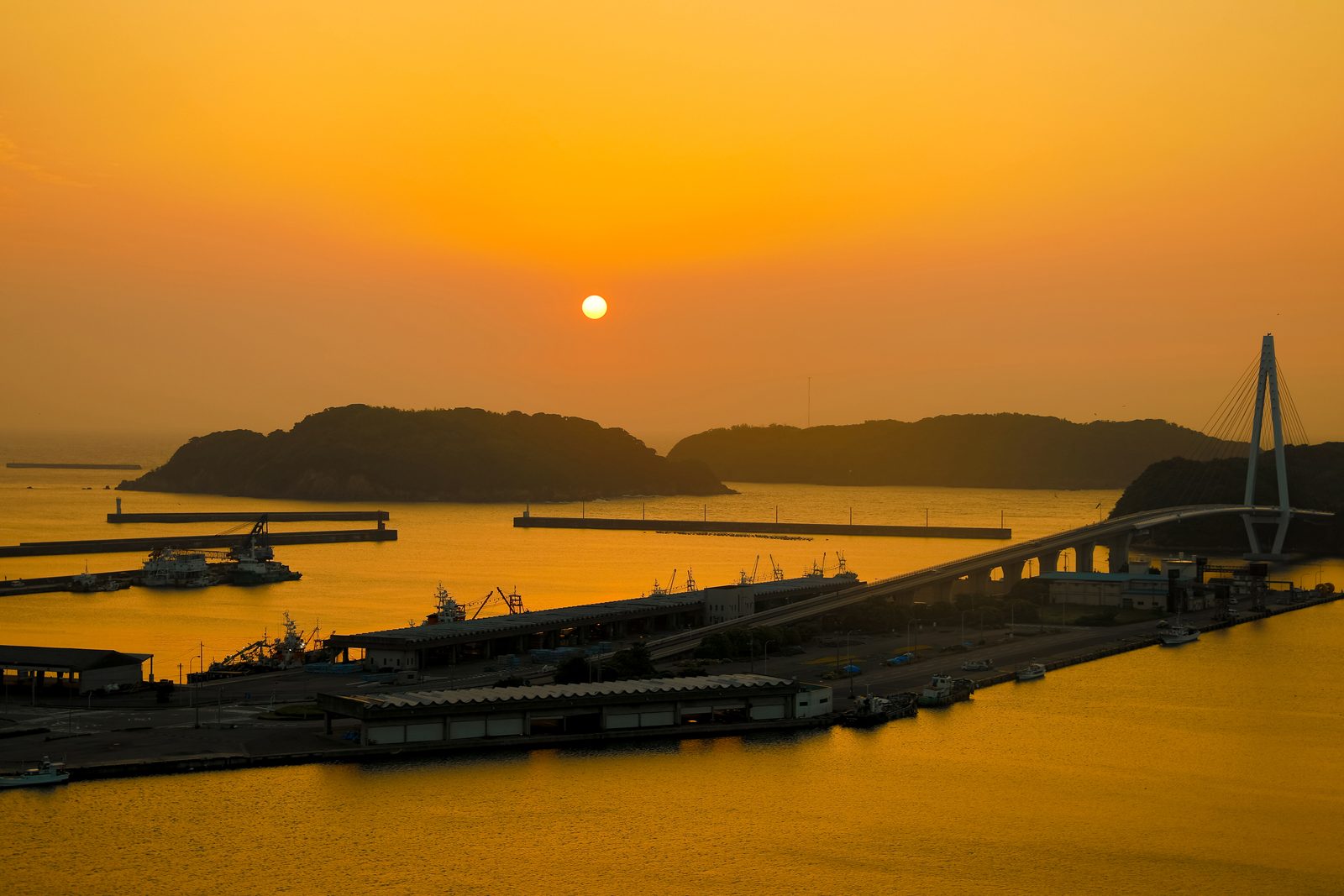
On the Iwami Kagura stage, gods and demons wearing large masks appear, and drums and flutes resound through a vigorous dance. At Shimane Aquarium Aquas, the main tank is a large space themed on sharks, tied to Shimane myths. At Iwami Tatamigaura, many faults and sea caves can be seen, along with round bench-shaped rocks exposed by wave erosion.
What Is Iwami Kagura, and What Is the Night Performance in Hamada Like?
Iwami Kagura was once a Shinto ritual performed by priests, but after the Meiji government banned priests' performances it passed to the local people and came to be performed as a folk performing art. In the Iwami region, the sound of kagura music can be heard at shrines in various towns on autumn festival nights.
The Iwami Kagura rhythm is played as hayashi music with a large drum, small drums, hand clapping and flutes. Hachicho Iwami Kagura is the style danced actively on the coast of the Iwami region. In Rokucho Iwami Kagura the hayashi music is relatively slow, and the dancers perform with their centre of gravity lowered.
For the Hamada night kagura, the stage and seats are set up inside the shrine's worship hall, so the performance is held in rain. The Hamada night kagura performances are held every Saturday, with some non-performance days.
Iwami Kagura's Orochi Play: Susanoo, the Drunken Serpent and the Sacred Sword
The Orochi play features Susanoo, an old couple, their daughter and the great serpent. In the Orochi story, Susanoo, banished from the heavenly realm, meets a grieving elderly couple who had eight daughters, seven of whom were taken by the giant serpent, with the last one fated to be taken too.
In the story, Susanoo promises to slay the giant serpent, has sake laced with poison made, and slays the serpent once it drinks and becomes drunk. On stage the serpent writhes its large body and spews fire as it rampages. The serpent normally has four heads, but eight or more may be used when the venue is larger.
In the Orochi story, the sword that came out of the serpent's tail is presented to the sun goddess. The sword that came out of the serpent's tail is enshrined at a major shrine as one of the three sacred treasures.
What Can You See at Shimane Aquarium Aquas in Hamada?
More than ten species of sharks, including members of the requiem shark group, can be seen swimming in the main tank of the myth-themed zone. One of the sharks has a grey-black body with dark stripes and fine black spots scattered over it.
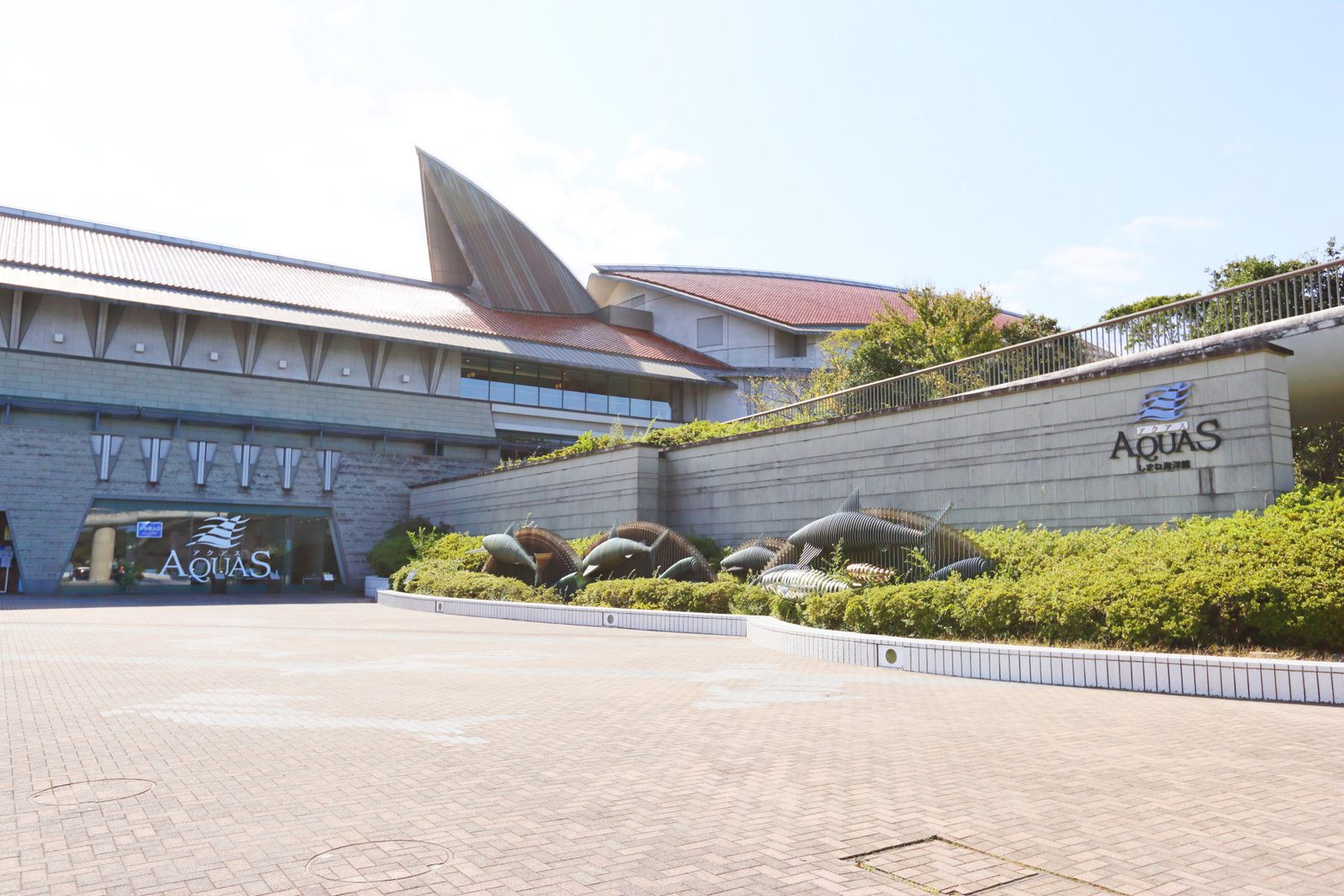
The Japan Sea zone introduces creatures of the Japan Sea such as sardines, flying fish and jellyfish. In the Japan Sea, both fish of the Tsushima warm current and cold-water fish can be seen.
The newborn white whale calf has a dark grey body colour. At the white whale funfun time, the keepers report the animals' state in real time to match each session's different training.
Iwami Tatamigaura and Kokufu Beach: Fossils, Sea Caves and Sunsets
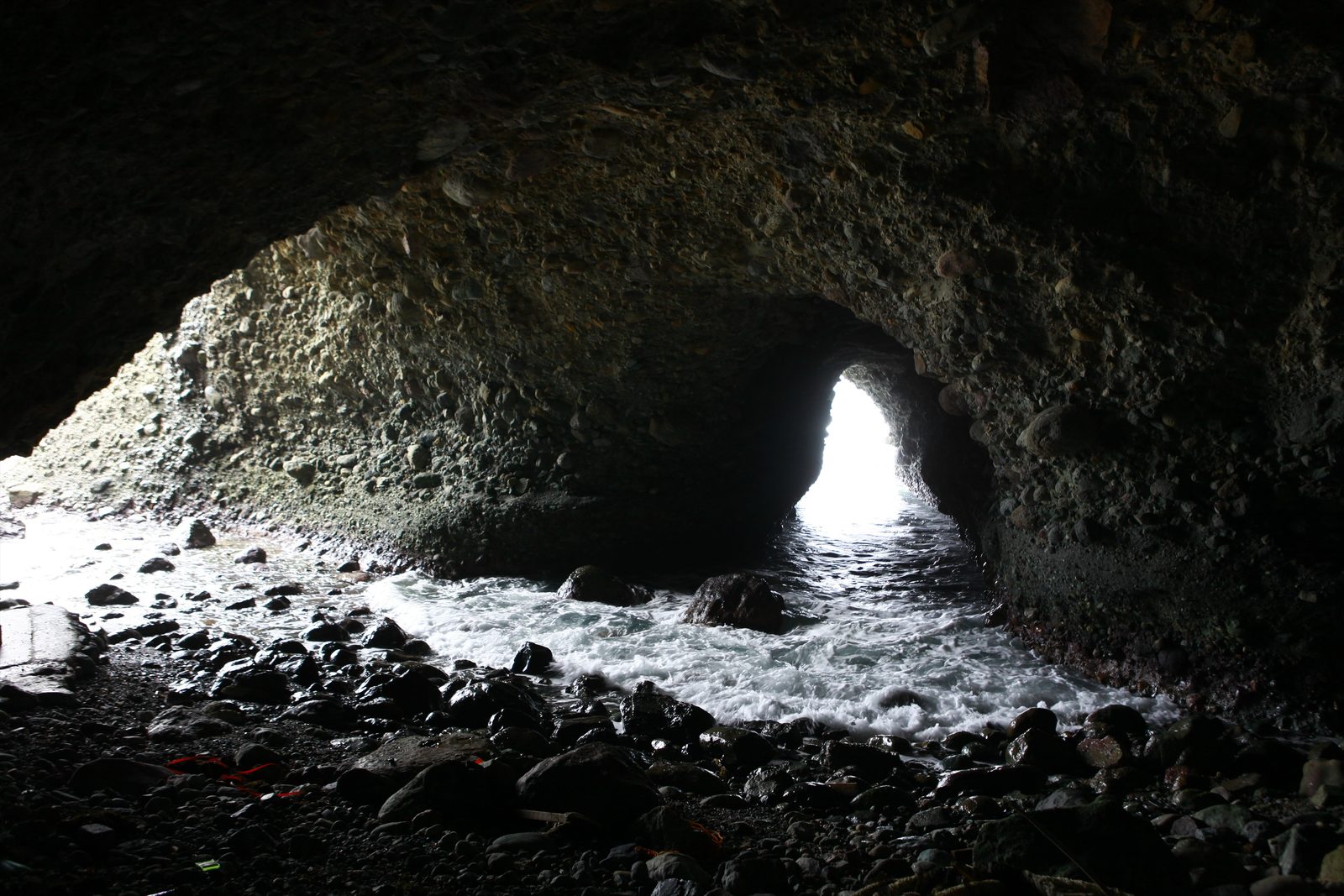
At Iwami Tatamigaura, walking through the tunnel leads to strata from about sixteen million years ago that visitors can see and walk on. Countless shell fossils and whale fossils can be seen there. Bench-shaped rock formed by wave erosion and traces of magma can be seen as well.
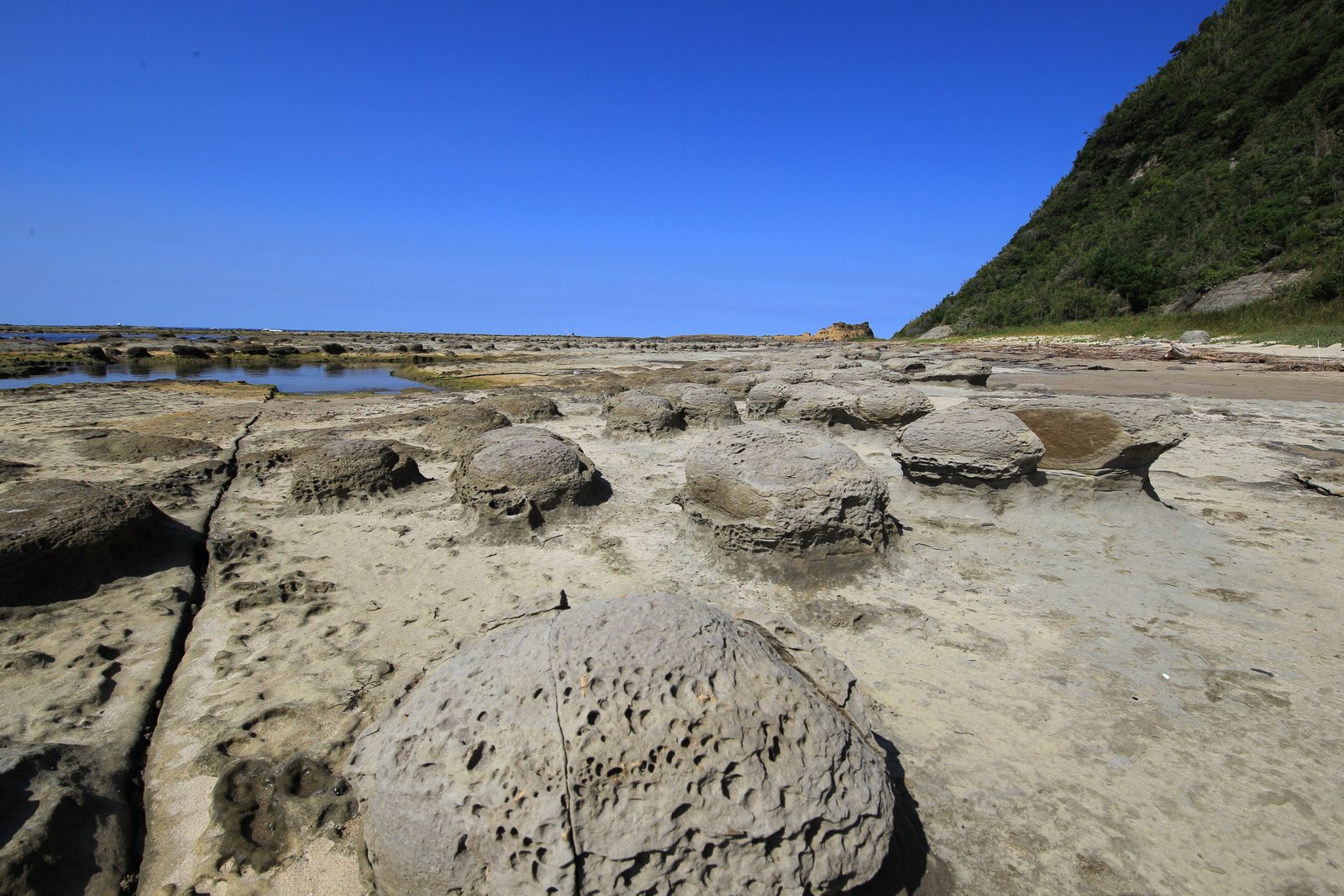
The wave-eroded platform has small cracks running regularly lengthwise and crosswise, which look like tatami mats laid out and gave the platform older names. Because the Nomura-namigai fossils are heart-shaped, finding three is said to bring happiness.
Kokufu beach is a swimming beach with fine-grained white sand stretching about one kilometre. It is a shallow-water swimming beach close to the parking lot. The beach is known as a spot with beautiful sunsets and as a photography spot. People surf and bodyboard there throughout the year, and many swimmers come in summer.
Hamada Castle Ruins and Nodoguro Meals in Hamada
Hamada Castle was built in sixteen twenty by a feudal lord and remained the centre of the Hamada domain for about two hundred and fifty years. Stone walls remain at the Hamada Castle ruins, and the site is a cherry blossom spot and a place of rest for local citizens.
The Hamada Castle ruins were selected as one of the Continued One Hundred Famous Castles of Japan in twenty seventeen. The Hamada Castle Museum building was built in nineteen oh seven as lodging for the crown prince, later the Taisho Emperor, on the crown prince's tour of the region.
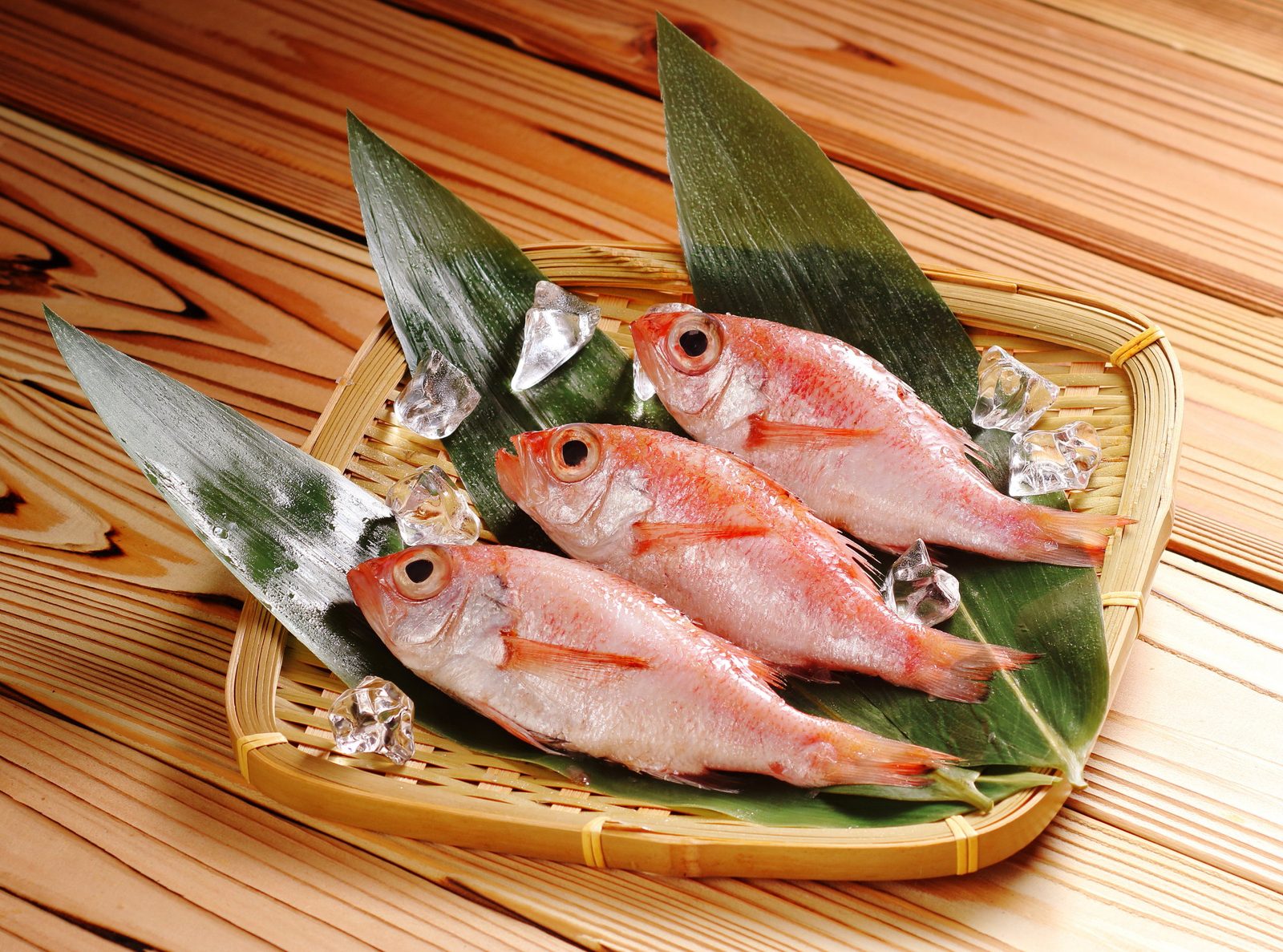
The nodoguro hitsumabushi is listed at two thousand two hundred yen for regular and three thousand three hundred yen for premium, including tax. Nodoguro nigiri at a sushi restaurant is seven hundred and seventy yen per plate including tax. The Kagura-meshi set at Hotel Matsuo is one thousand six hundred and fifty yen including tax.
Getting to Hamada
New to rural buses and one-man trains? See how to ride them, step by step.
| Route | Detail |
|---|---|
| Hamada Station to the night kagura shrine venue | Twenty minutes on foot. |
| Hamada Station to the castle ruins | Twenty minutes on foot. |
| Hamada Station to Aquas | Iwami Kotsu bus from bus stop four, bound for Gotsu via Hamako; sixteen minutes to the Aquas stop. |
| Hamako Station to Aquas | Twelve minutes on foot. |
| Hamada Station to Iwami Tatamigaura | Bus bound for Gotsu to the Tatamigaura stop, then fifteen minutes on foot. |
| Shimofu Station to Kokufu beach | Ten minutes on foot. |
If you would like more time around Hamada, browse places to stay in Hamada.
Hours and Fees
| What | Detail |
|---|---|
| Aquas opening times | Nine in the morning to five in the afternoon; until six in the evening from July twentieth to August thirty-first. |
| Aquas closing day | Closed every Tuesday (the following day if Tuesday is a public holiday). |
| Aquas admission | Adults one thousand seven hundred yen; elementary to high school students five hundred yen; infants are free. |
| Aquas parking | Free for passenger cars, with about two thousand spaces. |
| Night kagura reception | Seven in the evening to half past eight in the evening. |
| Night kagura performance | Eight in the evening to nine in the evening. |
| Night kagura admission | One thousand five hundred yen per person, paid on site on the day. |
| Hamada Castle Museum | Open nine in the morning to five in the afternoon. |
| Hamada Castle Museum closing days | Closed on Mondays, the day after a national holiday, and from December twenty-ninth to January third. |
| Iwami Tatamigaura parking | Space for several cars; two hundred yen per vehicle. |
Fees and hours were checked against official sources between 14 October 2026 and 19 November 2026.
Thinking of staying overnight?
Compare places to stay near Hamada, Shimane, Japan →
Disclosure: This post may contain affiliate links. If you book through them, we may earn a commission at no extra cost to you.