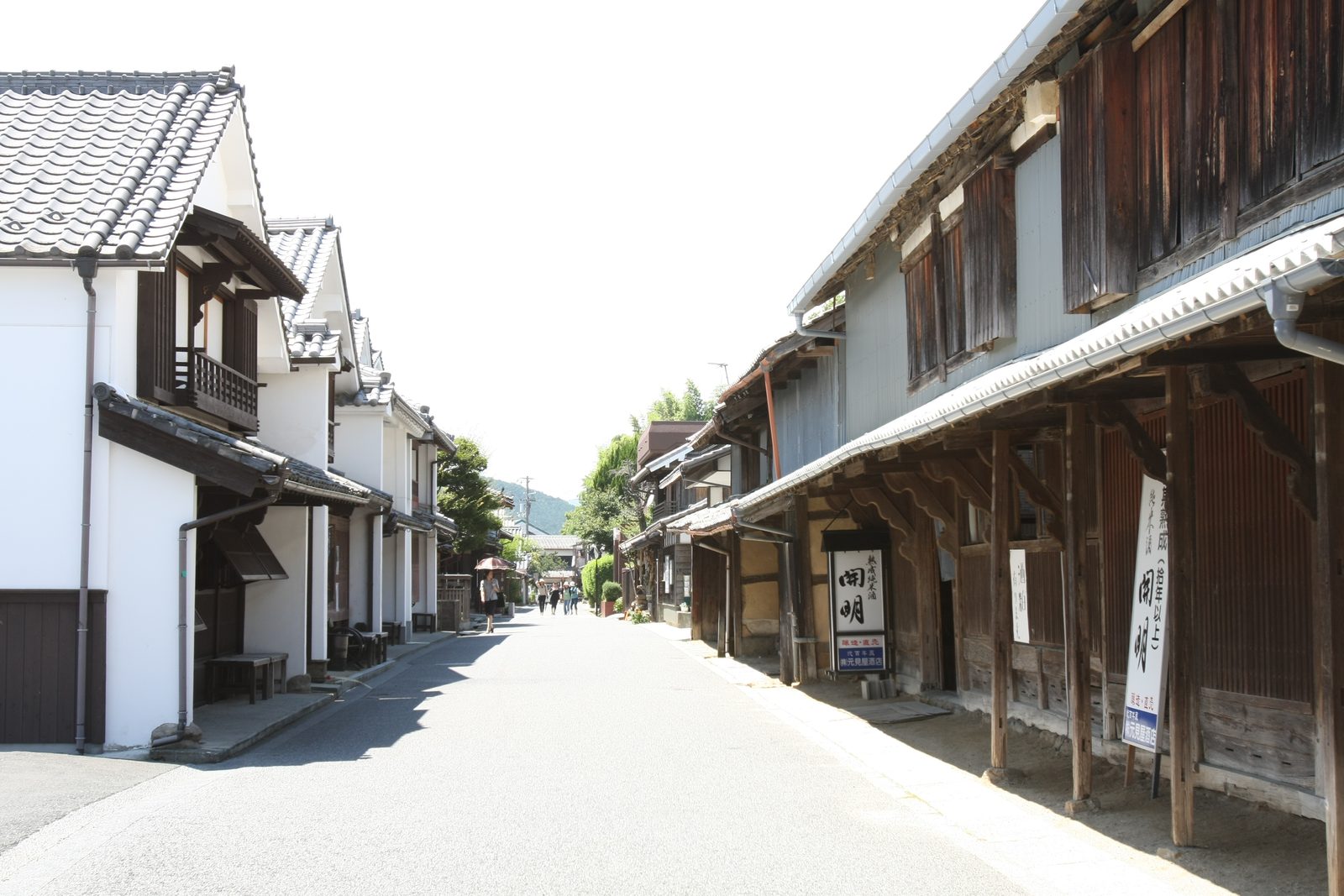
Townhouses from the late Edo period to the early Showa period line the street in Unomachi. A guidebook notes that the townscape prospered in the Edo period as a rural town and post town of the Uwajima domain. The guidebook notes that its blocks of sake breweries, townhouses and earthen storehouses are designated a national preservation district for historic buildings.
The Unomachi Townscape: Old Townhouses, Udatsu Walls and Kimono
Traditional architectural styles such as white plaster walls, udatsu and projecting lattice windows remain in the townscape. The guidebook notes that these Edo-period details are left in many places, and that looking for them during a stroll is part of the pleasure.
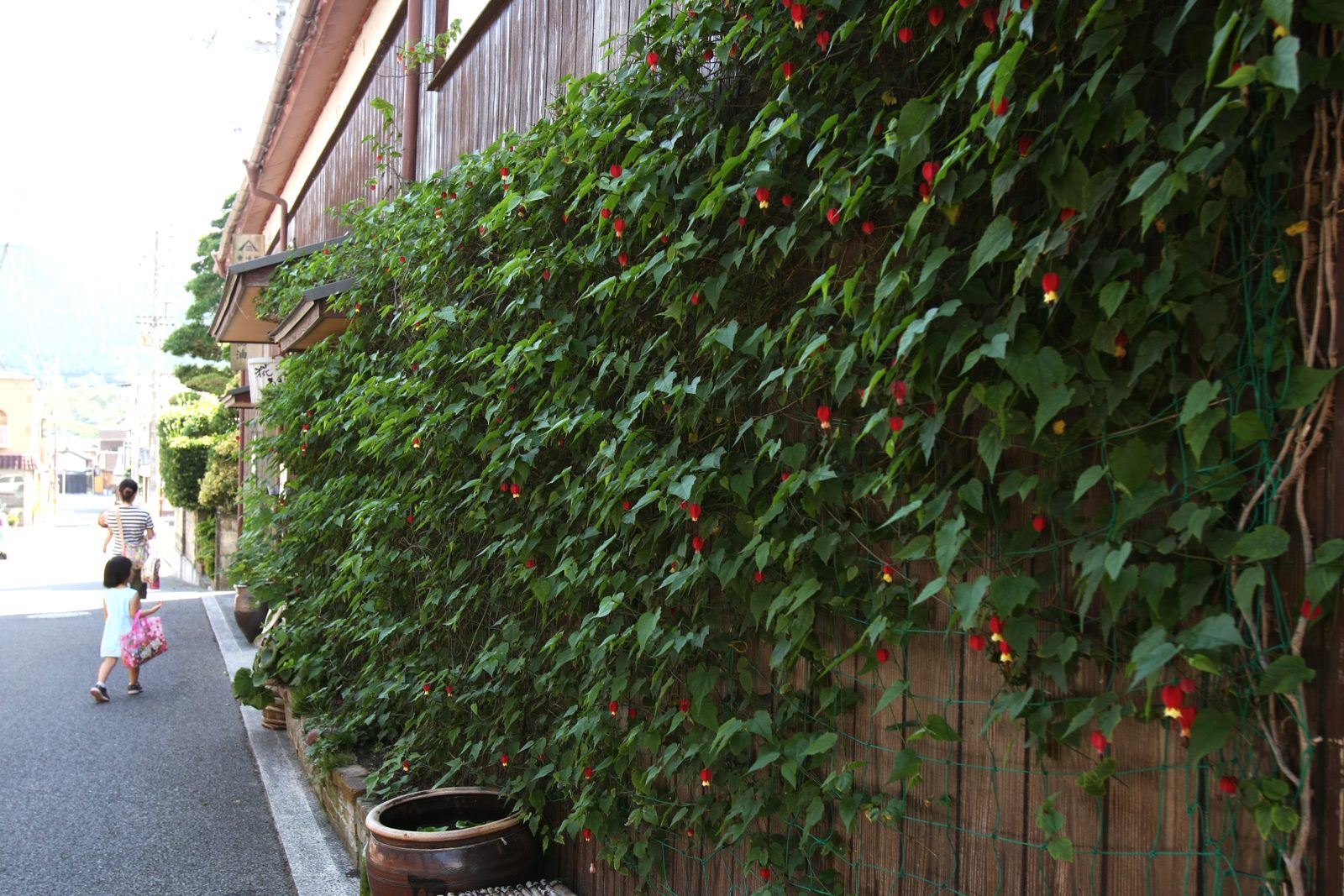
A guide shows visitors around the historic townscape; reservation is required and a fee is charged. Many old kimono are kept on the second floor of a rest house in the Unomachi townscape, and kimono suited to the season are available. The kimono dressing takes place on that second floor.
Kaimei School, the Folk Museum and the Uwa Rice Museum in Uwa, Seiyo
The guidebook notes that the Kaimei School is a primary school building that combines traditional Japanese construction methods with arched Western-style windows, and that its interior is a museum of education materials.
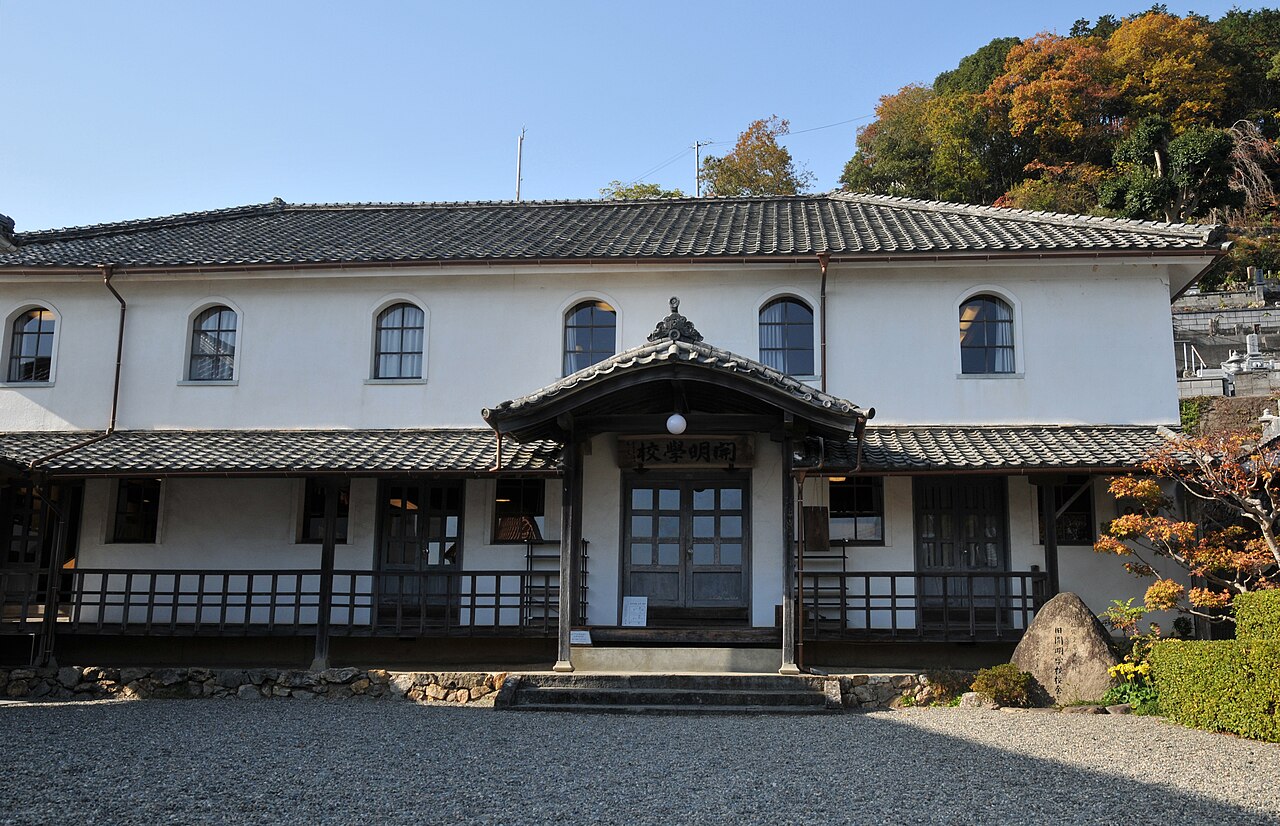
The predecessor of the Kaimei School was a private school, built as a learning facility by pupils and townspeople who contributed private funds. One Meiji lesson at the Kaimei School can accommodate up to forty people.
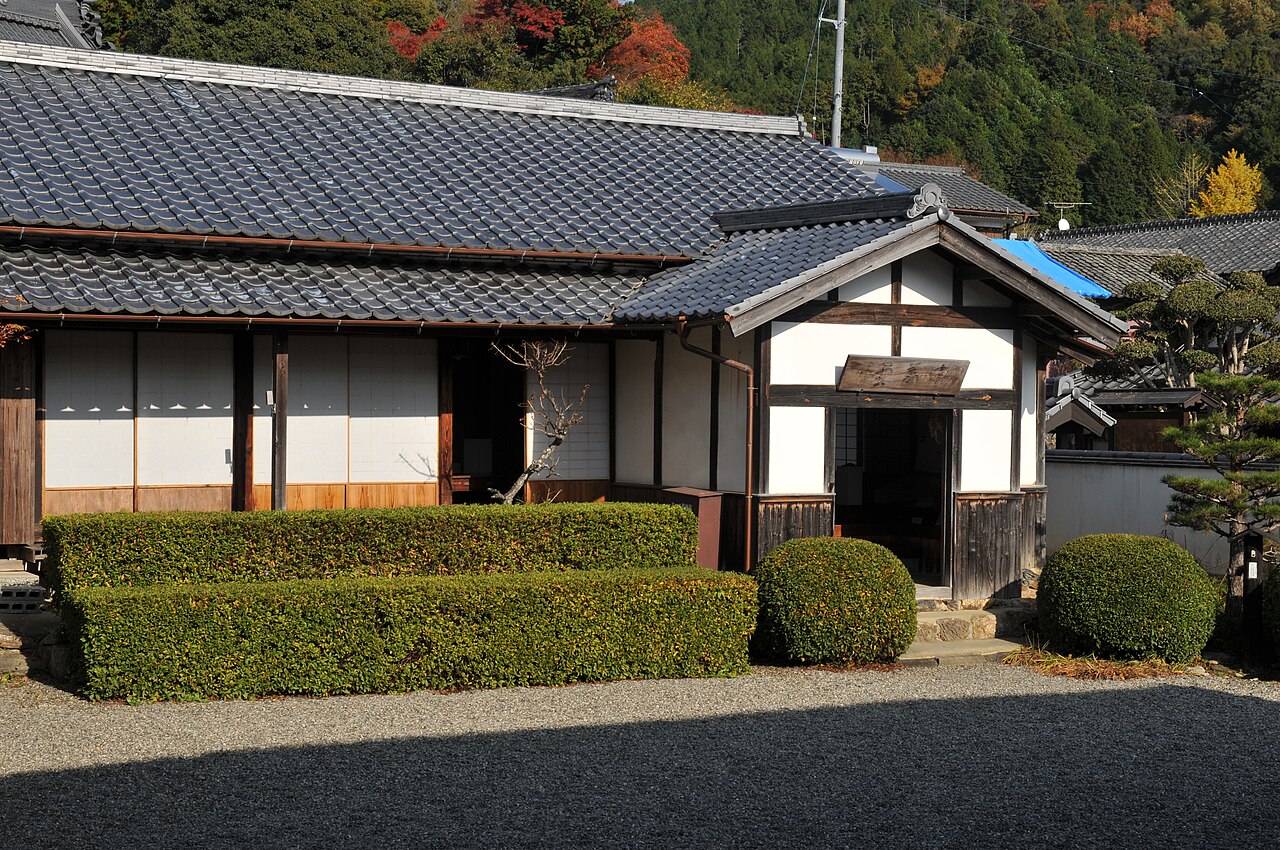
The folk museum displays about six thousand folk tools from the Edo period to the Showa era, including everyday tools no longer seen, signboards and trade tools that recall the bustle of the old town. Through these folk tools the museum introduces past ways of life and the wisdom of earlier generations.
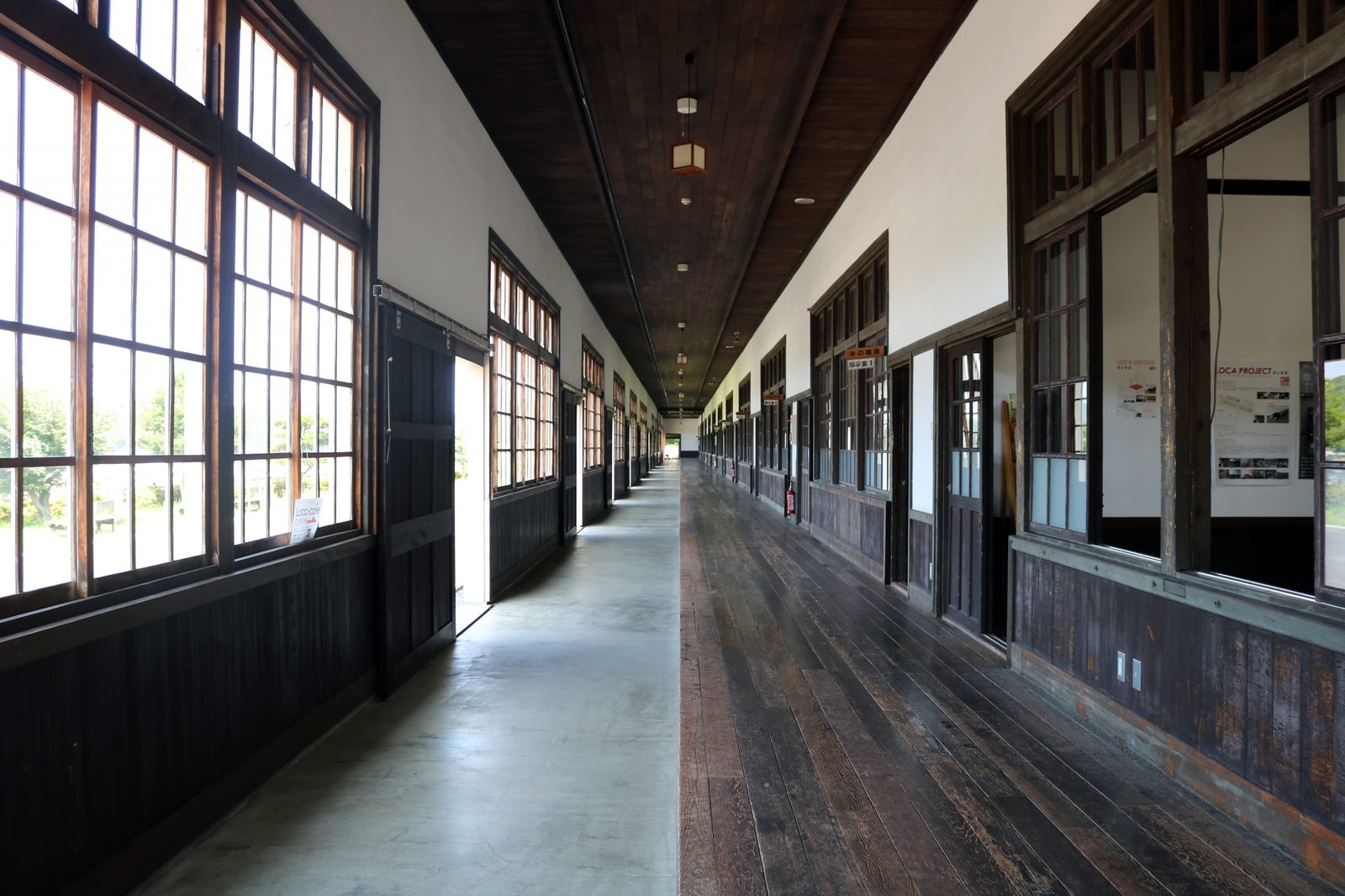
The Uwa Rice Museum introduces "rice country Uwa" in a relocated timber building, the former Uwa-cho elementary school. Exhibits include farm tools that were used in the past, and the museum has a classroom whose walls are filled with blackboards, where visitors can write freely with chalk.
Visitors can do rag-wiping along the corridor, which is one hundred and nine metres long, and gym clothes can be rented for the rag-wiping. The museum is said to hold a rag-wiping race once a year on the corridor of one hundred and nine metres.
Old Houses in Unomachi: the Suemitsu Residence, Takano Choei's Hideout and a Headman's Gate
The Suemitsu residence was built as a sake brewery, was later rebuilt, and mostly retains its original form. It is designated a tangible cultural property of Seiyo city, and on public days a guide speaks about the detailed history of the Suemitsu family.
The interior of Kyu-Musashi is opened to the public only on Saturdays, Sundays and public holidays. The rice cooked on the kamado at the old house is described as superb. A kamado event is held on the first Sunday of every month except January.
The Uwa Sentetsu Memorial Hall exhibits materials on people with ties to Uwa, such as Ninomiya Keisaku, to convey their personalities and accomplishments.
The Takano Choei hideout is a house where Choei, an escaped prisoner on the run, hid after coming to Unomachi to rely on Ninomiya Keisaku. Of the formerly two-storey building, only the second-floor part is preserved, and it is designated a prefectural historic site.
A village headman built his gate using keyaki timber without sparing it. The doors of the gate are studded with iron studs, and the curved roof carries a tall, large onigawara. The gate was built in a style unsuited to a village headman's status, and there is an episode in which the Uwajima domain reprimanded him.
Akaishi-ji, Kannonsui and Local Food Around Uwa, Seiyo
Akaishi-ji is temple forty-three of the Shikoku pilgrimage and is described as a historic temple bustling with pilgrims. The temple is said to have been founded in the sixth century and restored by Kukai.
At the special opening of the principal image, photography is prohibited, though the principal image, the thousand-armed Kannon, can be worshipped up close and at leisure. A great festival is held at the temple every year on the ninth of August.
The water volume of Kannonsui is about eight thousand tons per day, and the water is cold even in summer. In summer, Kannonsui nagashi-somen is offered.
Seiyo's seasonal specialty products are lined up at the Donburi-kan, a sight like a market, and almost all of the products are sold by evening. At the restaurant of the Donburi-kan, the Yokubari seafood-and-kamaage donburi is one thousand one hundred yen.
Early February's Festive Look and Hina Dolls, and the Straw Mammoth in Four Seasons
In early February, when the winter air still lingers in the Uwa basin, the townscape of Unomachi is described as taking on a different festive look. The hina display at the Suemitsu residence includes a silk uchikake handed down in the family, described as light like a feather robe and gentle to the touch.
At the old house where rice is cooked on the kamado, old goten-style hina displays are gathered and shown arranged as tiered displays. Visitors can view the hina dolls slowly while sitting on cushions in a tatami room of that house.
Visitors can see the straw mammoth in each of the four seasons. In summer the straw mammoth stands with green rice paddies where the rice has grown, and in winter it is shown with rice-straw stacks and lighting. Local residents replace the straw of the mammoth every year from March to April.
Getting to Unomachi
New to rural buses and one-man trains? See how to ride them, step by step.
| Route | Detail |
|---|---|
| On foot from JR Unomachi Station to the Unomachi townscape | about ten minutes |
| On foot from JR Unomachi Station to the Kaimei School | eight minutes |
| Round-trip ticket between Dogo or Matsuyama and Unomachi | three thousand and fifty yen, valid for five days |
| By car from the Matsuyama Expressway Seiyo-Uwa IC to the Kaimei School | about five minutes |
For more time in the area than a day allows, browse places to stay in Seiyo.
Hours and Fees
| What | Detail |
|---|---|
| Kaimei School admission | seven hundred yen for adults, four hundred and twenty yen for university and high school students, free for junior high school students and younger |
| Kaimei School hours | nine in the morning to five in the afternoon, admission until half past four in the afternoon |
| Kaimei School closed days | every Monday (Tuesday if Monday is a public holiday) and from the twenty-ninth of December to the third of January |
| Suemitsu residence admission | three hundred yen general, one hundred and eighty yen for university and high school students, free for junior high school students and younger |
| Suemitsu residence hours | nine in the morning to four in the afternoon |
| Kimono dressing (kimono set, footwear and accessories) | four thousand yen |
| Rice cooking on a kamado at the old house | one thousand yen per person |
Fees and hours were checked against official sources between 13 October 2026 and 19 November 2026.
Thinking of staying overnight?
Compare places to stay near Seiyo, Ehime, Japan →
Disclosure: This post may contain affiliate links. If you book through them, we may earn a commission at no extra cost to you.