Obama sits on the Wakasa coast of Fukui, and it is a town to walk rather than a town to tick off. Its old townhouse lanes, two small museums devoted to mackerel and to regional food, and a handful of temples lie within easy reach of one another, which is what makes a single unhurried day here work so well.
The region was once a "miketsukuni", a province that sent food to the imperial court from the Asuka and Nara periods, and its seafood was prized across the country as "Wakasa goods". That history still shapes the eating here, above all mackerel, grilled whole, pressed into sushi, or salted and packed in rice bran for about half a year.
Walking Distances from JR Obama Station
Everything in this article starts at JR Obama Station, and nothing in the old town is more than about twenty minutes away on foot. The Saba Kaido Museum is the closest, about six minutes from the station. The Nishigumi preservation district is about ten minutes away. Sanchomachi, at about fifteen minutes from the station, is the farthest of the lanes.
| Destination | Minutes on foot |
|---|---|
| Saba Kaido Museum | about 6 |
| Obama Nishigumi | about 10 |
| Townscape Preservation Museum | about 10 |
| Sanchomachi | about 15 |
| Mikenokuni Wakasa Obama Food Culture Museum | about 20 |
Sanchomachi and the Nishigumi Townhouses
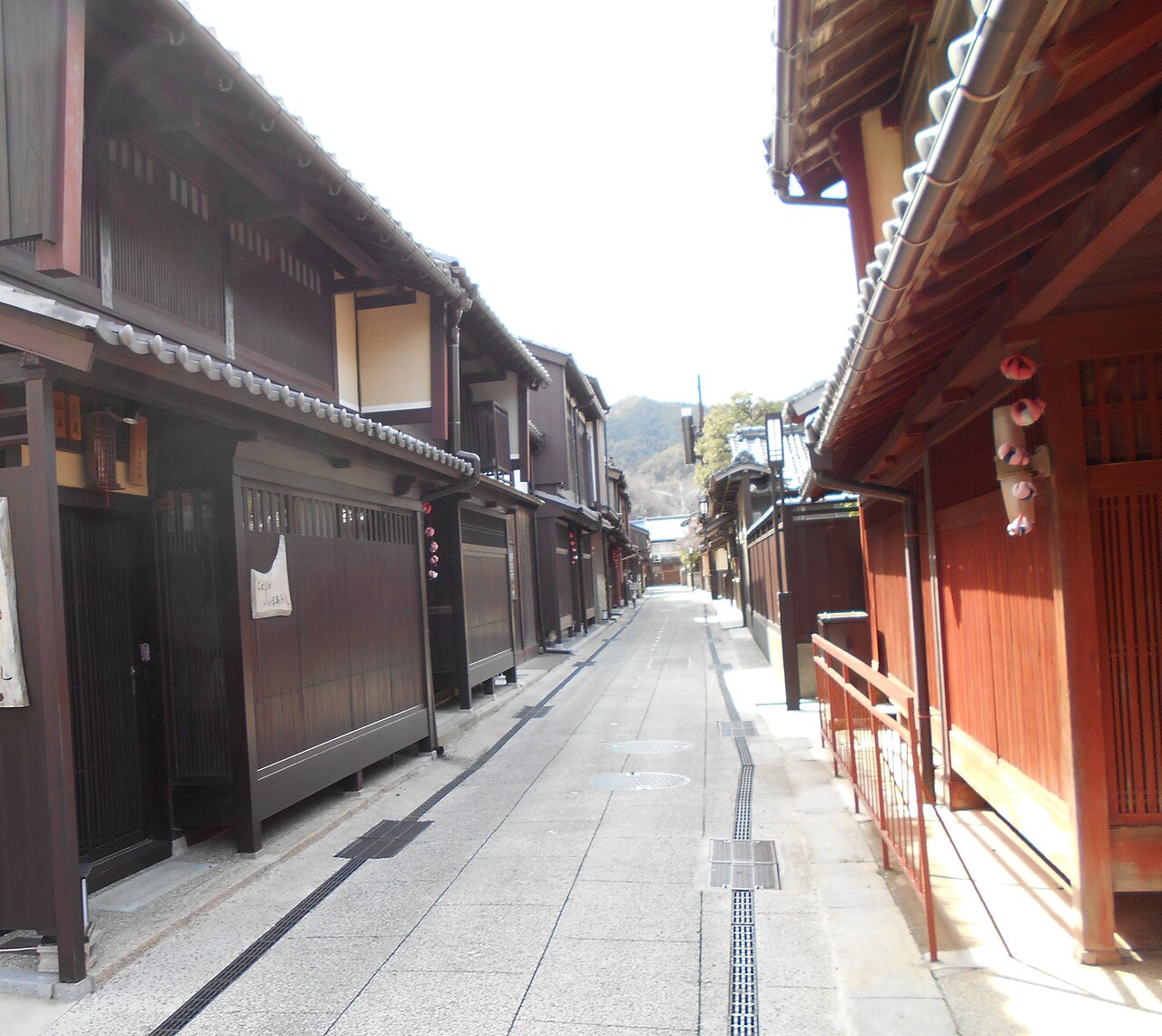
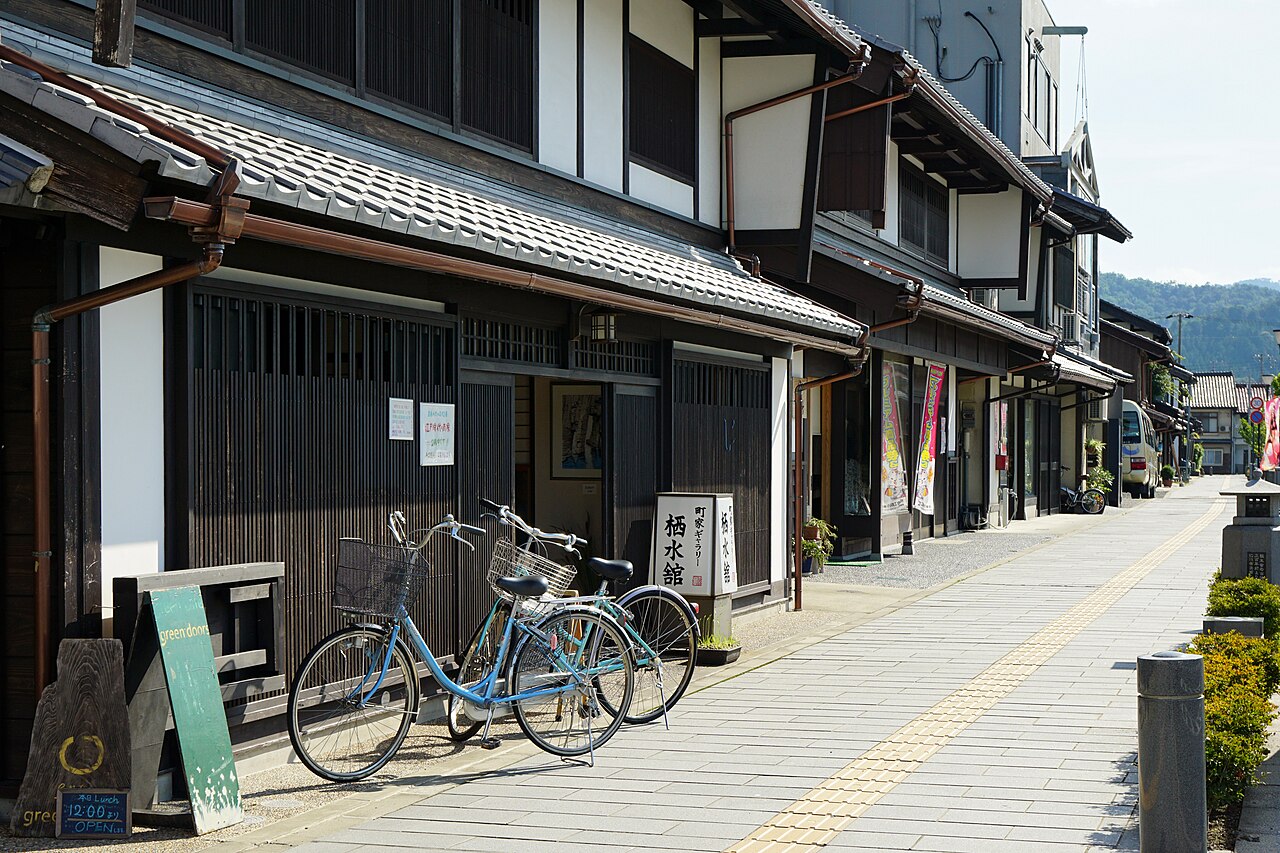
Obama Nishigumi is about a ten-minute walk from the station, and its wide paved street is lined with tiled-roof townhouses, one of which now houses a small gallery. Sanchomachi, about fifteen minutes from the station, is the narrower lane, where wooden townhouses with latticed doors stand shoulder to shoulder along the paving. Neither needs a map once you are there.
The Townscape Preservation Museum is about a ten-minute walk from the station. Its hours change with the season, so check the table below before you set out. In the warmer months it stays open until five, while in the winter months it closes at four, which matters if you have left the lanes for the end of the day.
| Season | Townscape Preservation Museum |
|---|---|
| April to November | 10:00-17:00 |
| December to March | 10:00-16:00 |
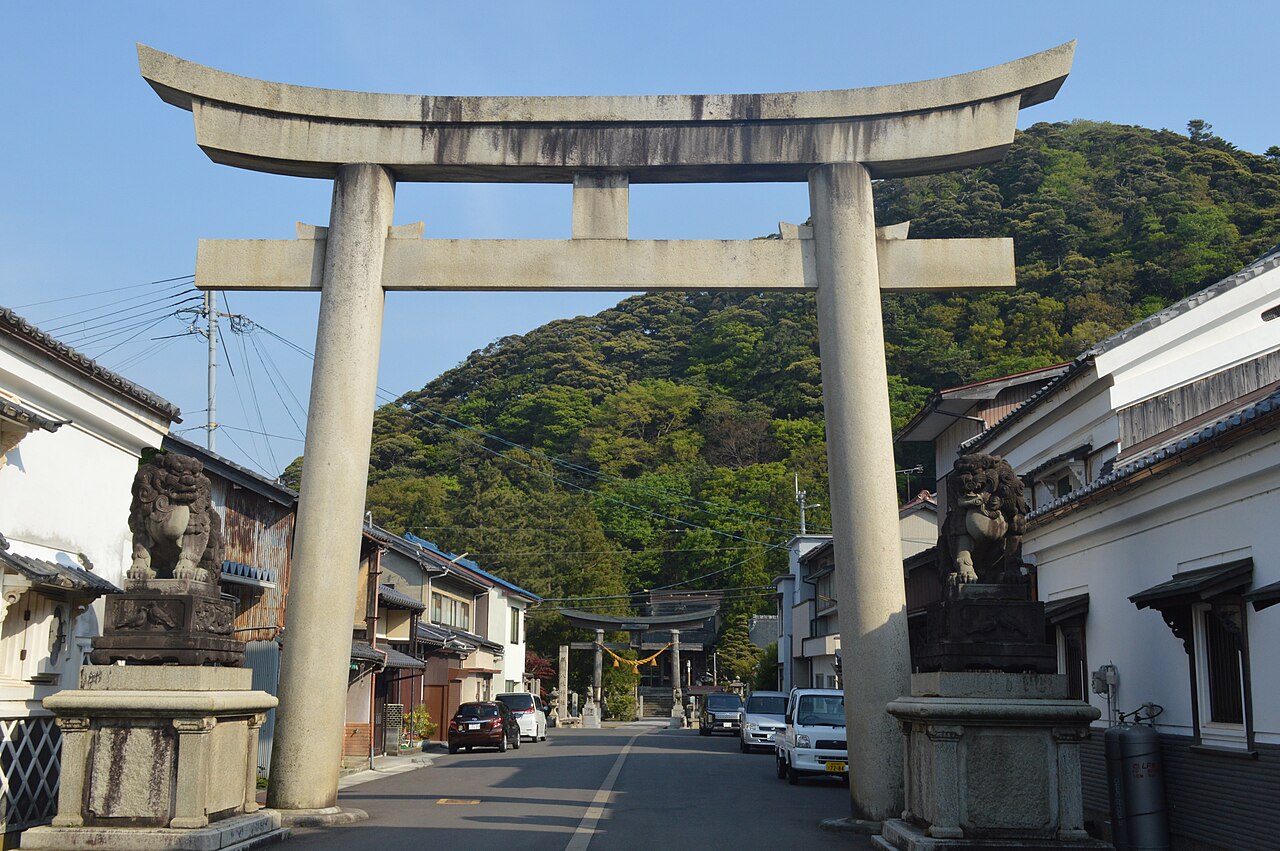
Another street of townhouses leads to the Hachiman Shrine, its approach marked by a large stone torii and a pair of stone guardian dogs, with wooded hills rising behind. The shrine is said to honour four deities led by Tagirihime and to date from the Tenpyo era of the eighth century.
What an Old Gazetteer Says About Obama
An old gazetteer records that in the Meiji era Obama was the foremost town of Wakasa province, a crossroads on the fertile plain of the Kitagawa river. The same gazetteer describes the port as the former castle town of the Sakai lords, with over one hundred and twenty thousand koku, where every coastal trader on the northern run once called.
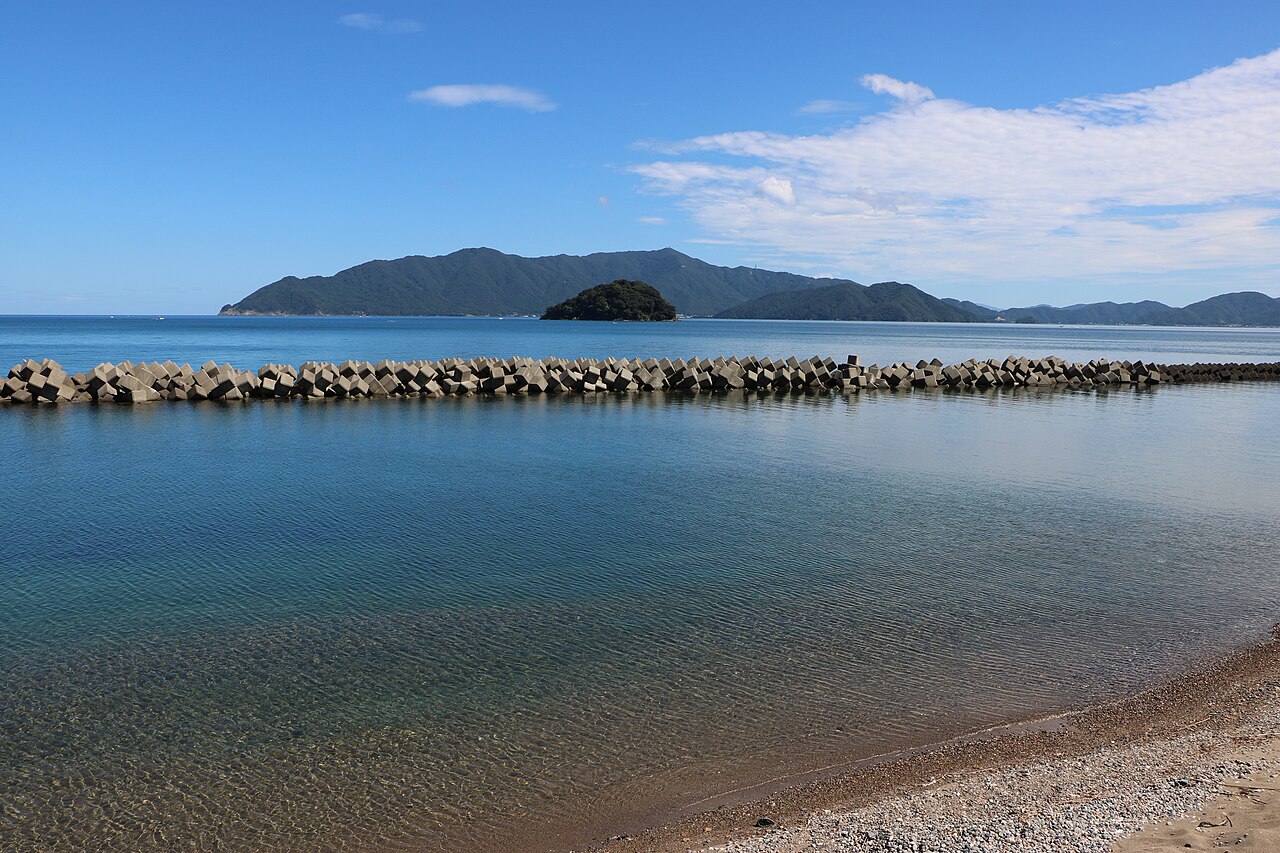
The gazetteer describes the bay as sheltered, with two capes near Matsugasaki forming its mouth, so that even when the northern sea ran rough the water inside stayed calm and vessels bound north took shelter there. The gazetteer records Wakasa-nuri lacquerware, coloured lacquer and gold and silver leaf worked into flower patterns, as the town's chief craft of that time.
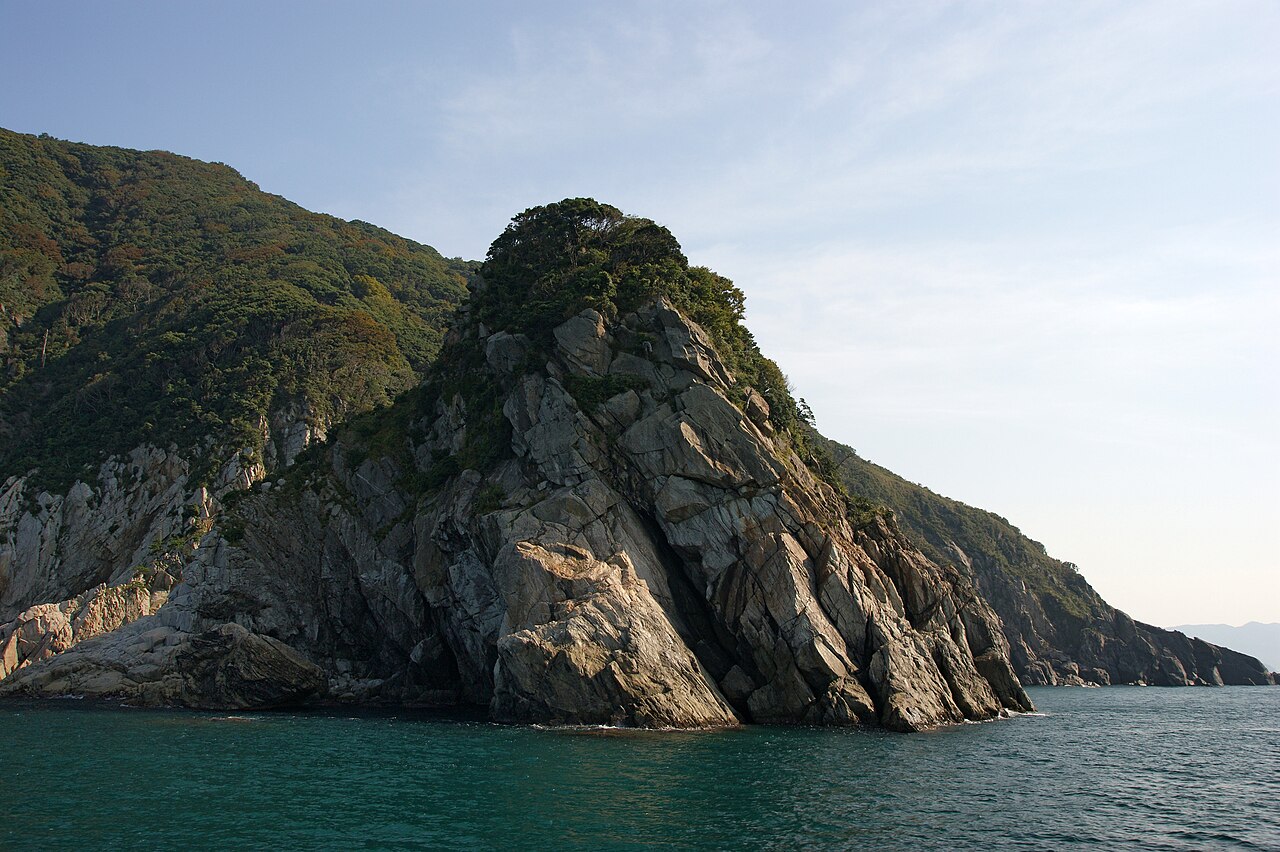
To the west, the gazetteer describes Mount Aoi, whose summit lookout takes in the bay, the streets, the meeting of the two rivers and the islands along the coast. The gazetteer places the ridge of Mount Nochise to the southeast, a name already found in the Manyoshu, with Jokoji temple at its northwest foot.
Where to stay
Places to stay near Obama, Fukui, Japan →
Disclosure: This post may contain affiliate links. If you book through them, we may earn a commission at no extra cost to you.
Mackerel Three Ways: Grilled, Pressed and Pickled
Whole grilled mackerel is the dish to look for, and the Wakasa region is its main home. A food guidebook describes it as a long-standing Wakasa dish, a whole mackerel threaded on a skewer and grilled slowly over charcoal, known locally as "hamayaki". It is said to be eaten with ginger soy sauce as the usual style.
Yaki-saba-zushi, the pressed sushi of grilled mackerel, is described as having begun in Wakasa Obama, from the idea of turning the local grilled mackerel into a sushi roll, before spreading across the country. The match between the smoky fish and the seasoned rice is said to be what wins it praise.
Heshiko is the other tradition, a preserved food of Wakasa and the Echizen coast, made by salting the fish and packing it in rice bran with salt and chilli for about half a year. The name is said to come from a dialect word for pressing in. It was being made in Wakasa by the middle of the Edo period.
Because it keeps, heshiko is eaten year-round, and while it was once made at home, most now comes from producers. It is said to be served in thin slices. Mackerel is the most common fish for it, though sardine, squid and pufferfish versions exist, and in northern Fukui a rice-bran sardine is the everyday form.
Two smaller dishes are worth looking for. Saba-nuta, from the Obama area, is mackerel cured in salt and vinegar, cut about a centimetre wide, and dressed with mustard, miso, sugar and vinegar. The guidebook describes kodai sasazuke as small sea bream cured in salt and rice vinegar, packed into cedar tubs with bamboo-grass leaves, and sold as a souvenir.
For a sense of what the sushi costs, the Wakahiro online shop lists its grilled mackerel sushi at the figures below. Prices are tax included and are the listed amounts at the time of writing, so treat them as a guide to the range rather than a fixed menu.
| Item | Yen, tax included |
|---|---|
| Grilled mackerel sushi, Wakahiro online shop | 1,728 yen |
| Grilled mackerel sushi, 6 pieces, Wakahiro online shop | 1,512 yen |
| Soy-sauce-scented grilled mackerel sushi, Wakahiro online shop | 1,782 yen |
| Sabazushi Takumi | 1,782 yen |
| Sabazushi Kiwami | 3,348 yen |
| Kiwami half set, 4 pieces grilled and 4 pieces plain | 2,970 yen |
Two Museums and a Few Experiences
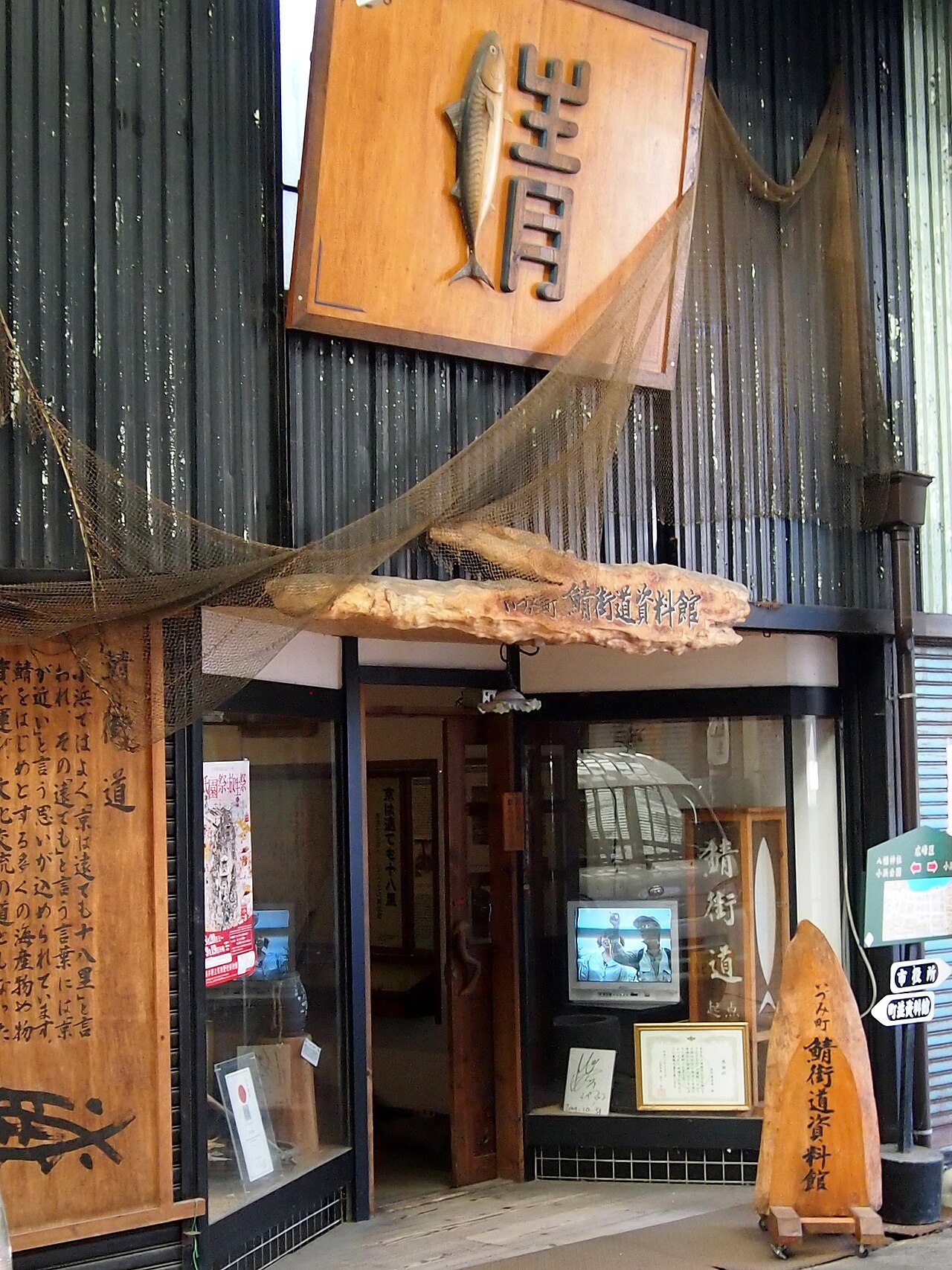
The Saba Kaido Museum, about six minutes on foot from the station, sits inside the Izumi-cho arcade, marked by a carved wooden mackerel sign and fishing nets at the entrance. The Mikenokuni Wakasa Obama Food Culture Museum is about a twenty-minute walk from the station, and its opening times shift with the season, as the table below sets out.
| Season | Food Culture Museum |
|---|---|
| March 1 to October 31 | 9:00-18:00 |
| November 1 to the end of February | 9:00-17:00 |
A few hands-on experiences around Obama are listed with their fees, set out below. The heshiko barrel-opening includes a tour, a tasting and a souvenir. The charcoal grilling area has the lowest fee of the four, with a reduced rate for children, and is the simplest way to put mackerel over coals yourself rather than only reading about it.
| Experience | Yen |
|---|---|
| Heshiko barrel-opening, with tour, tasting and souvenir | 4,000 yen per person |
| Sakana no Gakko Uchitomi Kitchen, with tour and tasting | 500 yen per person |
| Sea urchin lamp making | 3,980 yen adults, 3,500 yen children |
| Shichirin-yaki Hiroba charcoal grilling area | 300 yen adults, 100 yen children (age 3 to elementary school) |
Jokoji and Myotsuji
The gazetteer places Jokoji at the northwest foot of Mount Nochise. Its listed admission fee is four hundred yen. Myotsuji is open from nine to five, and until half past four from December to February. Reaching it takes ten minutes by car from JR Higashi-Obama Station. From the Obama interchange it takes fifteen minutes by car.
A Plan for the Day
- Start at JR Obama Station and walk about six minutes to the Saba Kaido Museum.
- Continue into Obama Nishigumi, about ten minutes from the station, and look in at the Townscape Preservation Museum.
- Walk on to Sanchomachi, about fifteen minutes from the station, for the latticed townhouses.
- Eat whole grilled mackerel, which is said to be eaten with ginger soy sauce.
- Finish at the Food Culture Museum, about twenty minutes on foot from the station, before it closes.
Staying Over
Obama fits into a day, but staying the night lets you walk the lanes at dusk. You can compare places to stay in Obama before you travel. The Wakasa Obama tourist information center is open from nine to six, and from nine to five in winter, a useful first stop if you arrive without a plan.
Opening times, walking times and fees in this article come from official listings at the time of writing. They change with the season, so check official information before visiting each place, especially for the winter closing times at the museums and at Myotsuji.