Getting to Kashima Jingu
| Leg | How | Time or fare |
|---|---|---|
| Tokyo Station Yaesu south exit to the Kashima Jingu stop | Kashima-go highway bus | About two hours; two thousand one hundred yen one way |
| Haneda Airport to Kashima Jingu Station | Highway bus | Two hours |
| Tokyo Station to Kashima Jingu Station | Train via Chiba Station and Sawara Station | Two and a half hours |
| Mito Station to Kashima Jingu Station | Oarai Kashima Line of Kashima Rinkai Railway | One hour fifteen minutes |
| Kashima Jingu Station to the shrine | On foot | Seven minutes |
Riding the Kashima-go Bus
Pay the child fare of one thousand and fifty yen on the full run between Kashima and Tokyo Station. Transport IC cards such as Suica and PASMO work on the Kashima-go bus. Riders paying with an IC card settle the fare inside the bus.
All JR highway coaches out of Tokyo leave from the Yaesu south exit boarding area. The ticket window at the Tokyo Station JR highway bus terminal is open from six in the morning until midnight.
- Cancel a booked-seat ticket by the day before travel and the refund fee is one hundred and ten yen.
- Cancel on the day of travel before the departure time and the fee is twenty percent of the amount printed on the ticket.
Arriving by Car or Rental Car
Drive from the Tokyo side via Miyanogi Junction and Itako Interchange and allow two hours to reach Kashima. The second parking lot holds fifty-five standard cars and sits a five-minute walk away.
Near Kashima Jingu Station, an unmanned Toyota Share rental service operates around the clock with one car.
Hours and Prayers
Come at any hour, since no gate or fence separates the grounds from the outside and worship is possible all year and around the clock. The amulet office is open every day from half past eight in the morning to half past four in the afternoon.
Prayer reception also runs from half past eight in the morning to half past four in the afternoon and needs no advance booking. A prayer by post costs five thousand yen per prayer request.
Where to stay
Disclosure: This post may contain affiliate links. If you book through them, we may earn a commission at no extra cost to you.
Inside the Grounds
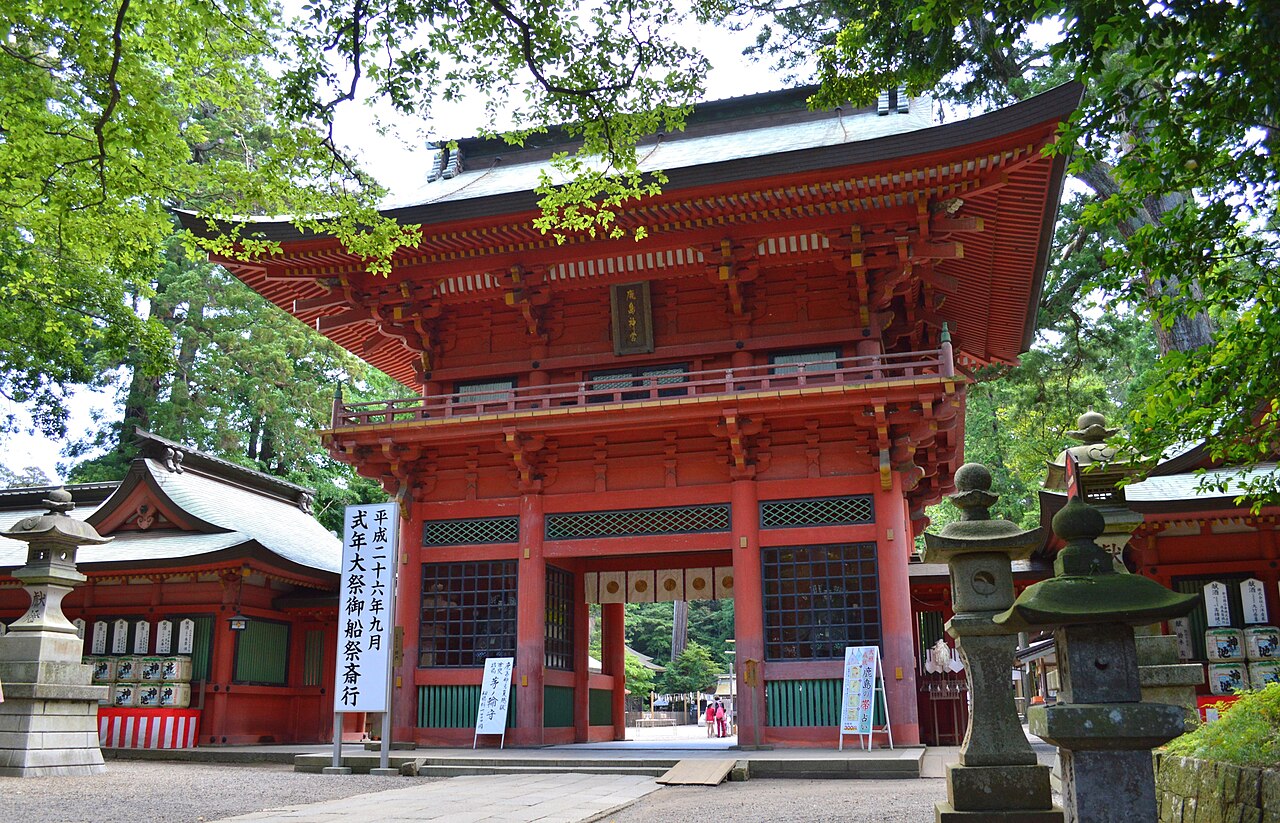
Walk the Oku-sando approach, which runs about three hundred metres toward the Okumiya. The Romon gate stands about thirteen metres high. The gate was dedicated in the early seventeenth century by Tokugawa Yorifusa, the first lord of Mito.
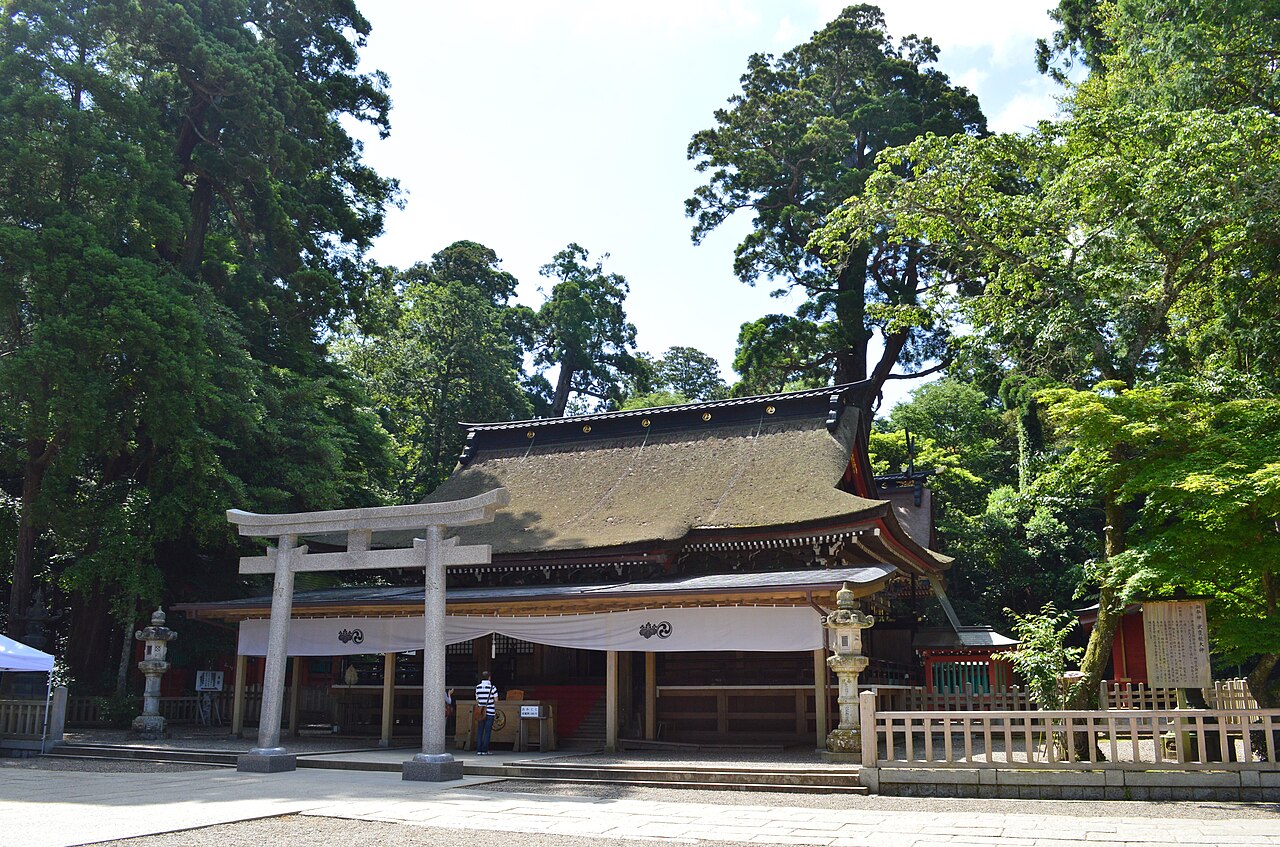
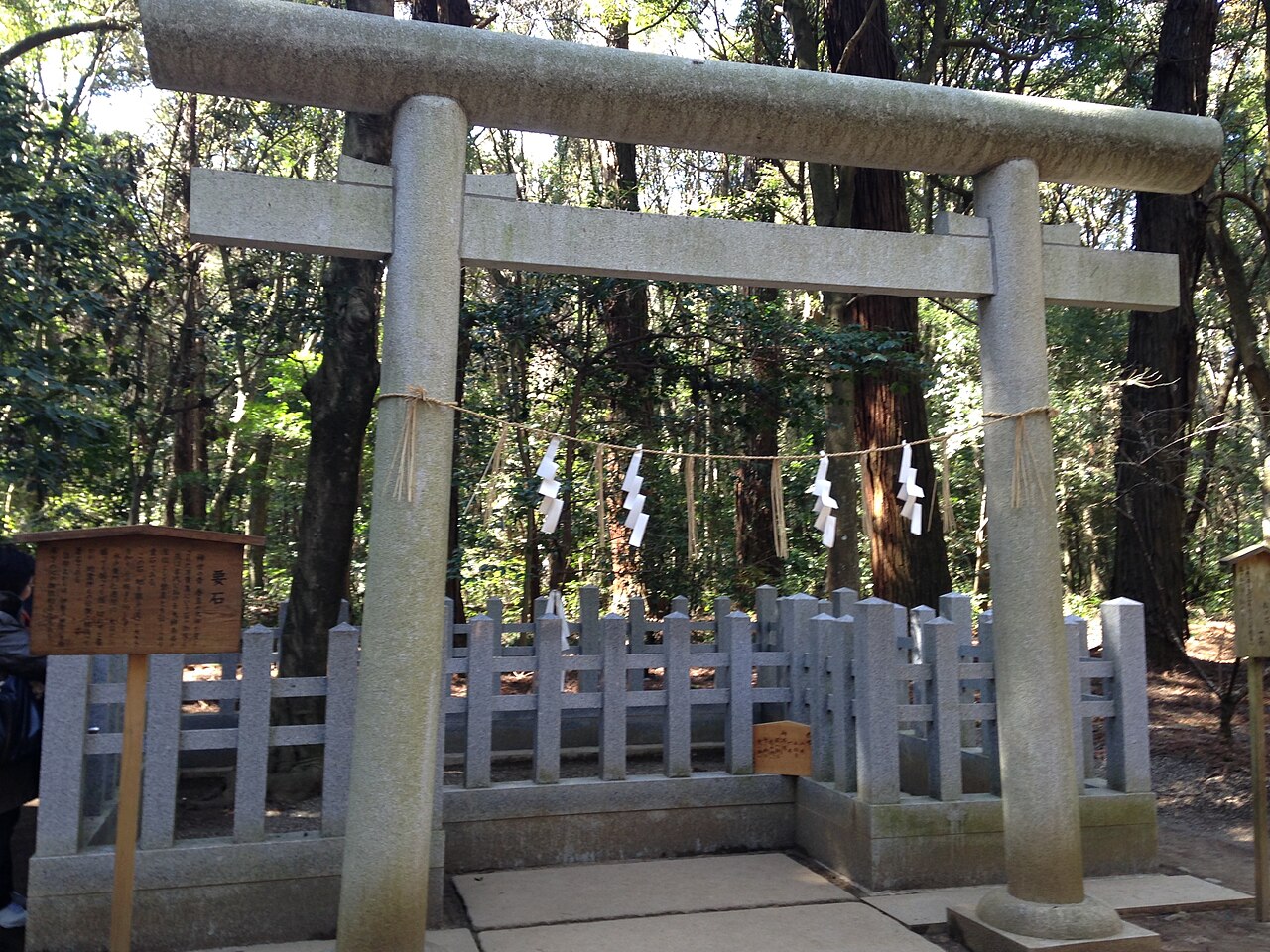
The honden, ishi-no-ma, heiden and haiden form four structures donated in the early seventeenth century and designated Important Cultural Properties. Behind the main hall sits the mirror stone, a round stone about eighty centimeters across.
The Goshinboku is a cedar about forty metres high with an age of about thirteen hundred years. The Jiro-sugi cedar reaches forty metres, with an estimated age of seven hundred years.
The treasure house has been closed since the thirtieth year of Heisei. The treasures are kept in the vault of the Ibaraki Prefectural Museum of History under a deposit contract.
Festivals Through the Year
Plan a visit around the annual festival, which is held on September first every year. The Meiji Festival follows on November third at half past eight in the morning.
- If you come for Setsubun, the bean-scattering runs in a first part from three in the afternoon and a second part from six in the afternoon.
- If you are there on the first of each month, the Tsukinamisai rite at the Misetsu-sha starts at ten in the morning, except in January and September.
Nearby Shrines and Staying Overnight
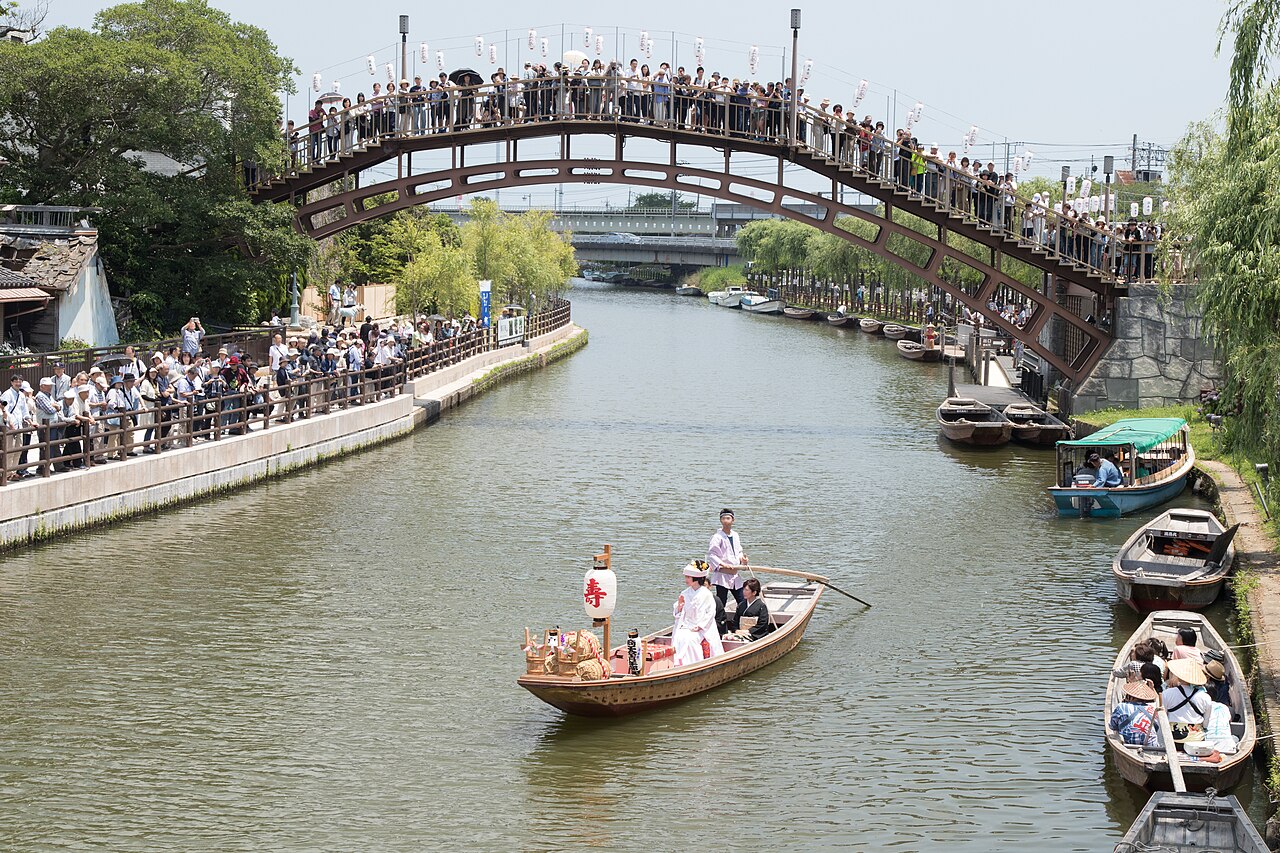
Pair the visit with Ikisu Shrine, about twenty minutes by car from Kashima Jingu. Katori Jingu is also about twenty minutes by car from Kashima Jingu. Travelers who want to stay overnight can look at places to stay in Itako.