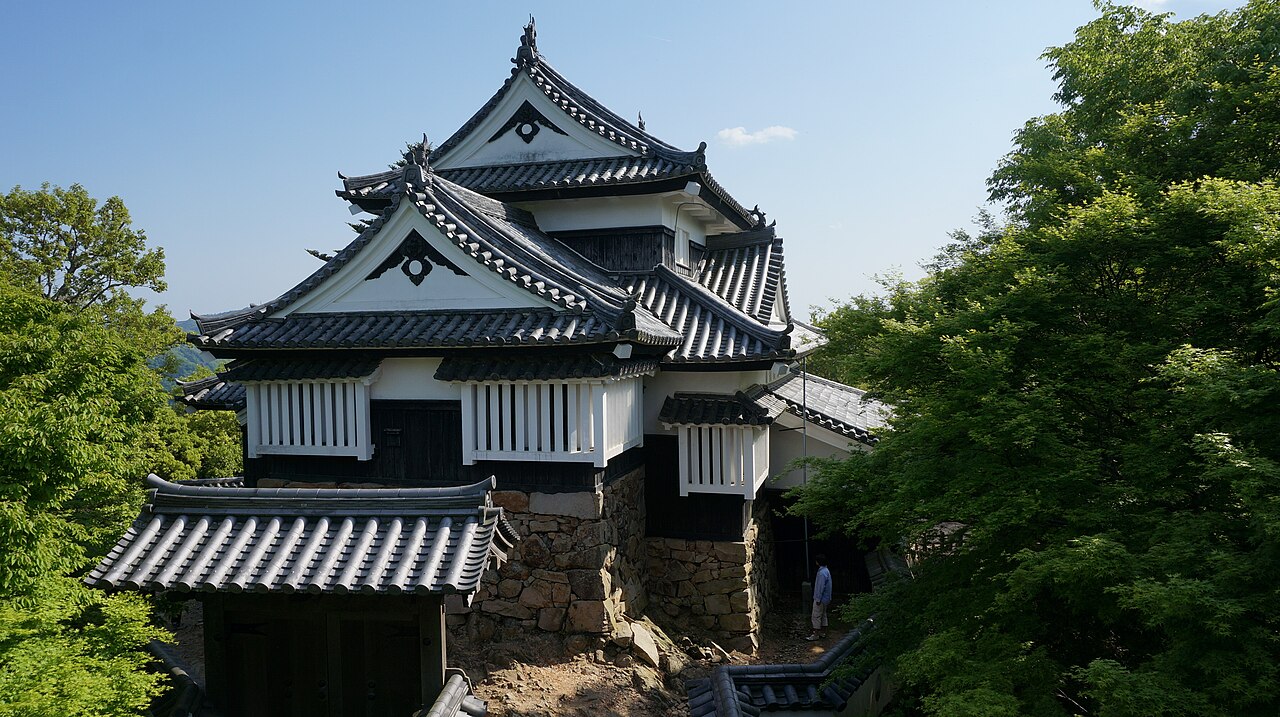
This guide covers the rail journey from JR Okayama to Bitchu-Takahashi and the climb to Bitchu Matsuyama Castle, its tickets and visiting times, and the morning sea of clouds. It also takes in the Raikyuji Temple garden and the samurai residences, the Konya River quarter and its hillside temples, a short history of the castle town, and Takahashi's home cooking.
From Okayama to Bitchu-Takahashi Station and Up to the Castle
Start from JR Okayama Station, which is where a day trip to Takahashi begins and ends. The limited express Yakumo, the quicker of the choices, reaches Bitchu-Takahashi Station in about thirty-five minutes. A local train on the same route takes about fifty minutes. Both are listed in the table below, so take whichever leaves next.
From Bitchu-Takahashi Station the castle can be reached on foot, by sightseeing shared taxi, or by the boarding-control bus. Walking from the station to the castle keep takes about ninety minutes, so plan for it. The shared taxi takes about ten minutes, with the fare in the table. It needs a reservation and runs four round trips a day.
The boarding-control bus runs between Shiromibashi Park and Fuigo Pass, and a separate boarding charge applies. Its hours change with the season, and the last bus up leaves earlier than the last bus down, so check your month in the table and work back. From the parking lot, the final approach is about twenty minutes on a mountain trail.
| Step | Detail |
|---|---|
| Starting point | JR Okayama Station |
| Limited express Yakumo to Bitchu-Takahashi Station | about 35 minutes |
| Local train to Bitchu-Takahashi Station | about 50 minutes |
| Bitchu-Takahashi Station to the castle keep, on foot | about 90 minutes |
| Sightseeing shared taxi from the station, fare, one way | 1,000 yen per person |
| Sightseeing shared taxi from the station, ride time | about 10 minutes |
| Boarding-control bus, April to September | 8:45 to 17:45 |
| Boarding-control bus, October to March | 8:45 to 16:45 |
| Last bus up, April to September | 16:30 |
| Last bus down, April to September | 17:45 |
| Last bus up, October to March | 15:30 |
| Last bus down, October to March | 16:45 |
| Trail walk up to the castle, from the parking lot | about 20 minutes |
Bitchu Matsuyama Castle: Keep, Stone Walls and Visiting Hours
Bitchu Matsuyama Castle is a mountain castle above Takahashi, with its main bailey on the summit, and a magazine feature describes it as a castle in the sky along a high ridge. Its keep is said to be the only surviving keep of a mountain castle in Japan. Look up at the white walls and black boards before going in.
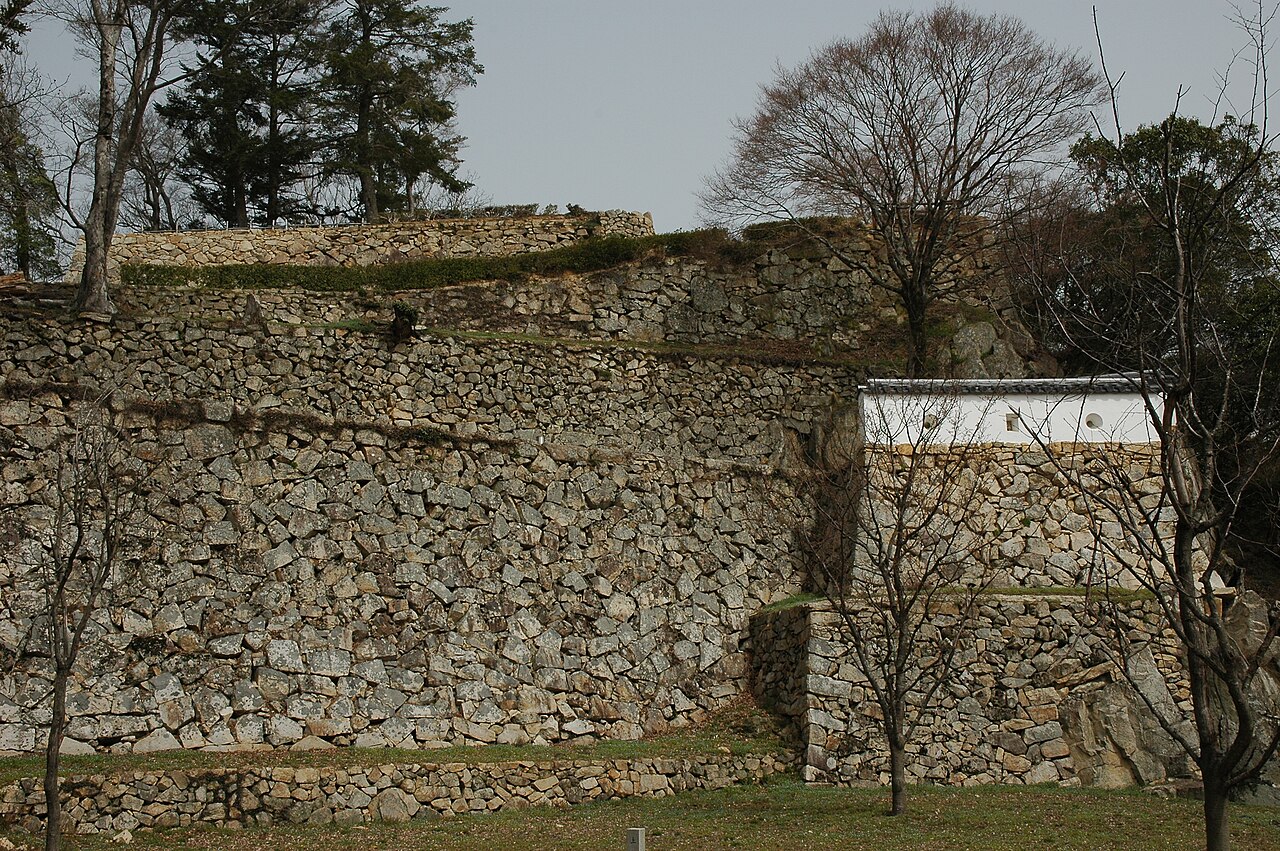
The stone walls rise straight from natural granite bedrock, and the same rock carries the base of the keep, so walk the tiers slowly and look for the places where masonry meets mountain. Just before the bailey below the keep, a magazine piece notes a spot with a panoramic view over the castle town; pause there.
Admission to the keep is charged at an adult rate and a lower rate for elementary and junior high school students, and the hours shift by season, with a last entry time; the table below sets them out. The castle is closed from late December into the first days of January. Aim to be through the gate before last entry.
| Item | Detail |
|---|---|
| Castle keep admission, adult | 500 yen |
| Castle keep admission, elementary and junior high school student | 200 yen |
| Castle hours, April to September | 9:00 to 17:30, admission until 17:00 |
| Castle hours, October to March | 9:00 to 16:30, last entry 16:00 |
Guided options are also listed under tours and activities in Takahashi.
The Cloud Sea from Dawn to Eight
The sea of clouds is the other reason to come. A magazine feature puts the season for it between late September and early April, when mist gathers below the castle and the keep seems to float on it. If the floating castle is what you are after, plan the trip for the colder months and watch the forecast.
Clouds are described as appearing from dawn until around eight in the morning, which puts the viewing at the very start of the day. Set an early alarm, dress for a cold hillside, and plan a late breakfast back in town after the mist lifts and the rest of the sights come into play.
Where to stay
Places to stay near Takahashi, Okayama, Japan →
Disclosure: This post may contain affiliate links. If you book through them, we may earn a commission at no extra cost to you.
Raikyuji Temple Garden and the Samurai Residences
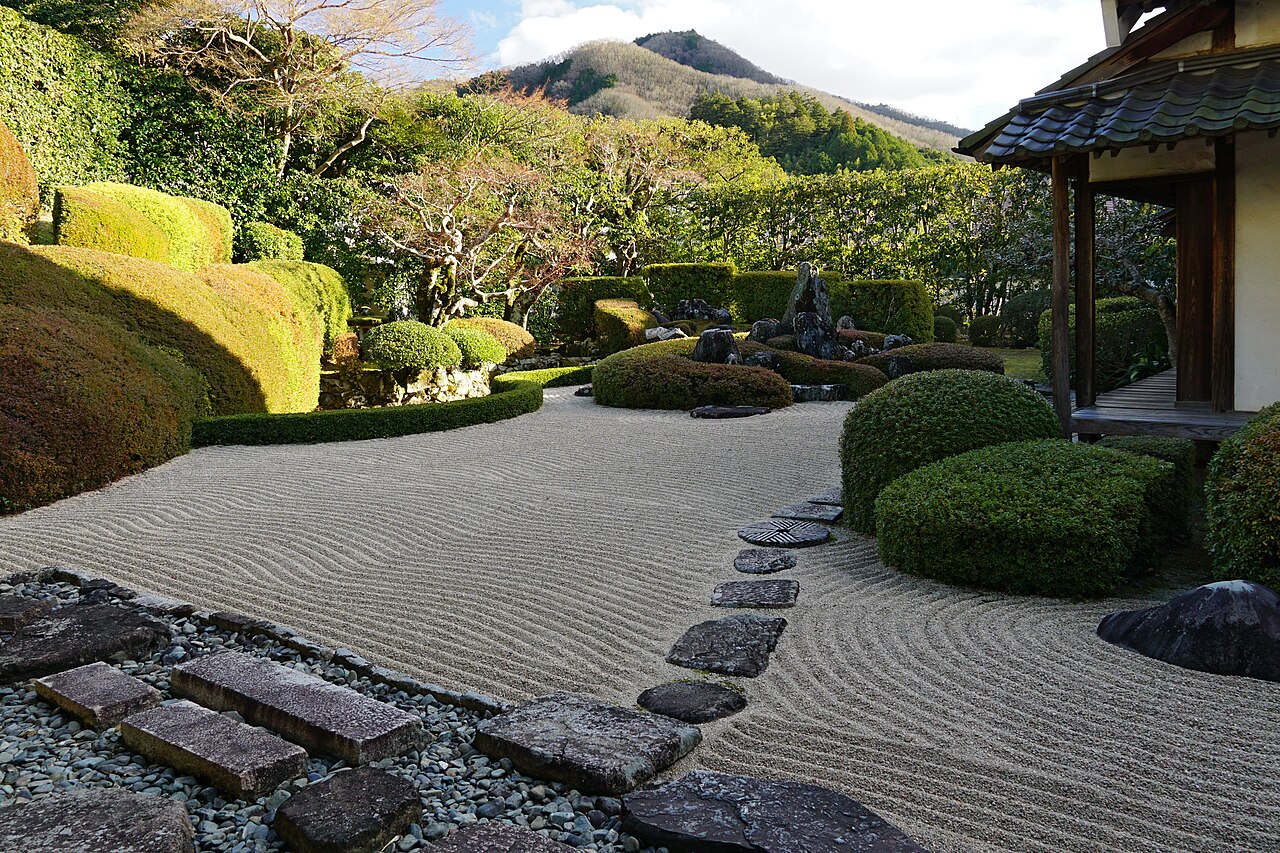
Raikyuji Temple is a Rinzai Zen temple, and a Meiji-era gazetteer records the tradition that Ashikaga Takauji founded it under an earlier name and that a lord of the castle later restored and renamed it. Its dry landscape garden is the draw: raked gravel, stepping stones and clipped azalea mounds, with a mountain beyond the hedge. Take it in slowly.
In the town, the former Orii residence and the former Haibara residence are samurai houses that share a combined ticket. A magazine feature also describes a street of former samurai residences, a historic townscape that is walked rather than entered. Stroll the street at an easy pace, then go inside the houses themselves.
Admission for the garden and for the pair of residences, together with the garden's hours, is set out in the table below. A combined ticket covering the castle, the Buke Yashiki and Raikyuji is also sold and suits a day that takes in all of them, so compare the rows before deciding what to buy at the gate.
| Item | Detail |
|---|---|
| Raikyuji Temple garden, adult | 400 yen |
| Raikyuji Temple garden, junior high and high school student | 200 yen |
| Raikyuji Temple garden, hours | 9:00 to 17:00 |
| Former Orii residence and former Haibara residence, combined ticket, adult | 500 yen |
| Former Orii residence and former Haibara residence, combined ticket, elementary and junior high school student | 250 yen |
| Three-facility combined ticket, castle, Buke Yashiki and Raikyuji | 1,000 yen |
Strolling the Konya River Quarter and the Hillside Temples
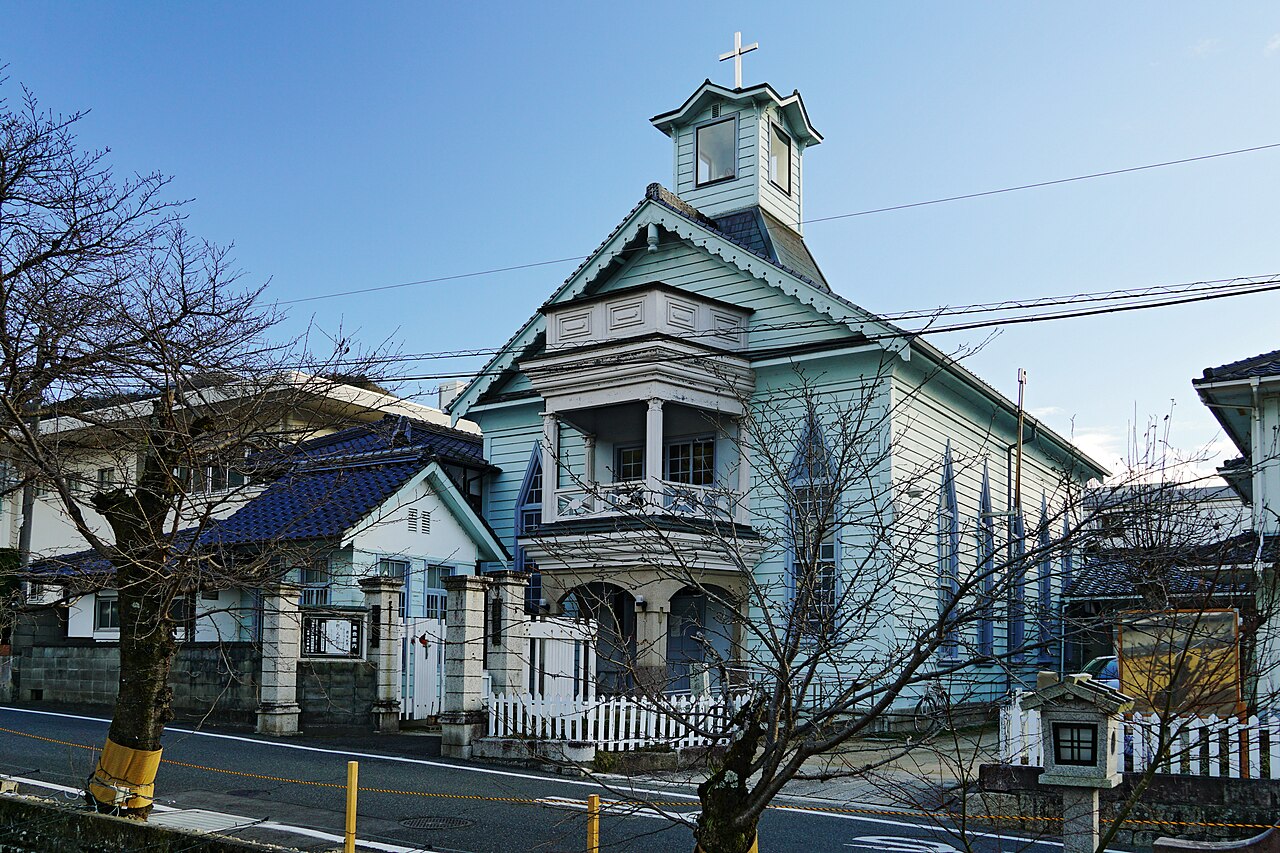
The Konya River quarter is a preserved streetscape along the river of the same name, and a magazine feature describes it as a scenic area for a slow walk beside the water. The pale blue wooden Takahashi Christ Church, with its small bell tower, is another streetside sight in the town to keep an eye out for.
Yakushiin and Shorenji are temples that a magazine feature notes as locations for the film series Otoko wa Tsurai yo, and from their grounds the townscape spreads out below. A monument on the approach to Yakushiin marks the filming. A gazetteer from the Meiji era records the tradition that the monk Kukai founded Yakushiin. Go up on a clear day.
A Short History of the Castle Town
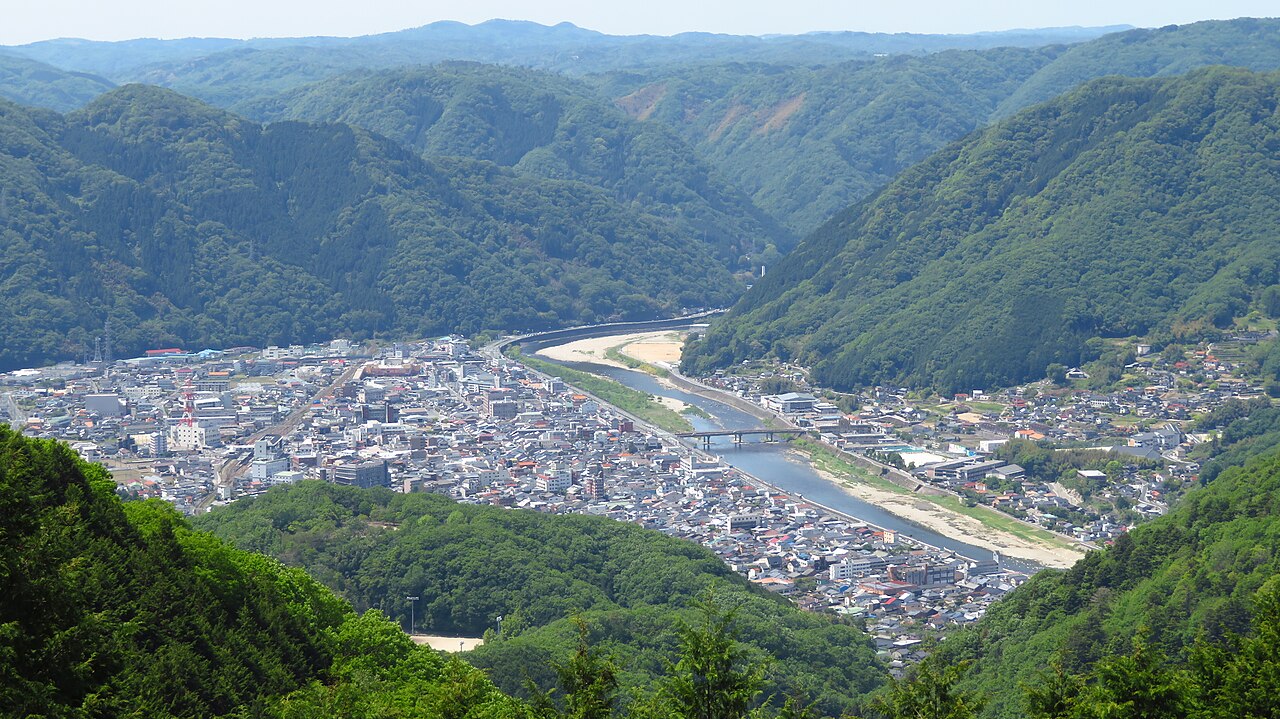
A Meiji-era gazetteer describes Takahashi as a town drawn out thin from north to south along the Takahashi River, with the castle on the hill at its northern end. That shape still shapes the walk: the river and the town streets on the flat ground, and the castle hill rising behind them. Use the river as your compass.
The gazetteer adds that the town was formerly called Matsuyama and served as the castle town of the Itakura family. The lordship changed hands in the early Edo years, and it was the Itakura who held the domain for generations until the Meiji Restoration. Walking from the samurai houses up to the keep, you cross the town they governed.
The gazetteer describes flat-bottomed river boats carrying goods down the Takahashi River to a port at its mouth on the south coast, with produce from the north collected in Takahashi before moving on. It calls the town the commercial heart of central Bitchu, the old province, trading in tobacco, straw braid and paper. Picture that traffic beside the river today.
Home Cooking: Tofu Rice, Dumpling Soup and Buri Zoni
Tofu-meshi is rice topped with crumbled tofu and a light broth, which the agriculture ministry lists under Takahashi. Merchant households served it at Buddhist memorial meals from Meiji times, and cheap ingredients carried it into ordinary homes. The tofu is boiled, squeezed and dry-fried, then set over rice with egg and vegetables, and broth goes on just before eating.
Takakibi dango-jiru simmers root vegetables, mushrooms and fish cake in soy-seasoned stock, adding dumplings of takakibi, a sorghum-like grain, until they float. Families ate it round the hearth in autumn; school lunches and events keep it going. Buri zoni, a New Year soup with yellowtail and rice cake, is eaten with osechi dishes and handed from parent to child.
If an early start for the clouds appeals, places to stay in Takahashi are worth arranging before you travel.