Getting to Okishima
| Leg | Mode | Time | Fare |
|---|---|---|---|
| Omi-Hachiman Station to Horikiri port | Omi Railway Bus Chomeiji line, from bus stop 6 | - | - |
| Omi-Hachiman Station north exit to Horikiri port | Omi Railway Bus | About 35 minutes | - |
| Buses to and from Horikiri port | Akakon city bus, no service on Sundays and holidays | - | - |
| Okishima visitor parking lot | Car | - | 300 yen per day |
| Okishima visitor parking lot to Horikiri port | On foot | About 5 minutes | - |
| Horikiri port to Okishima | Okishima ferry, one way | About 10 minutes | 500 yen |
| Horikiri port to Okishima and back | Okishima ferry, adult round trip | - | 1,000 yen |
Where to stay
Places to stay near Omihachiman →
Disclosure: This post may contain affiliate links. If you book through them, we may earn a commission at no extra cost to you.
Walking the Lanes of Okishima
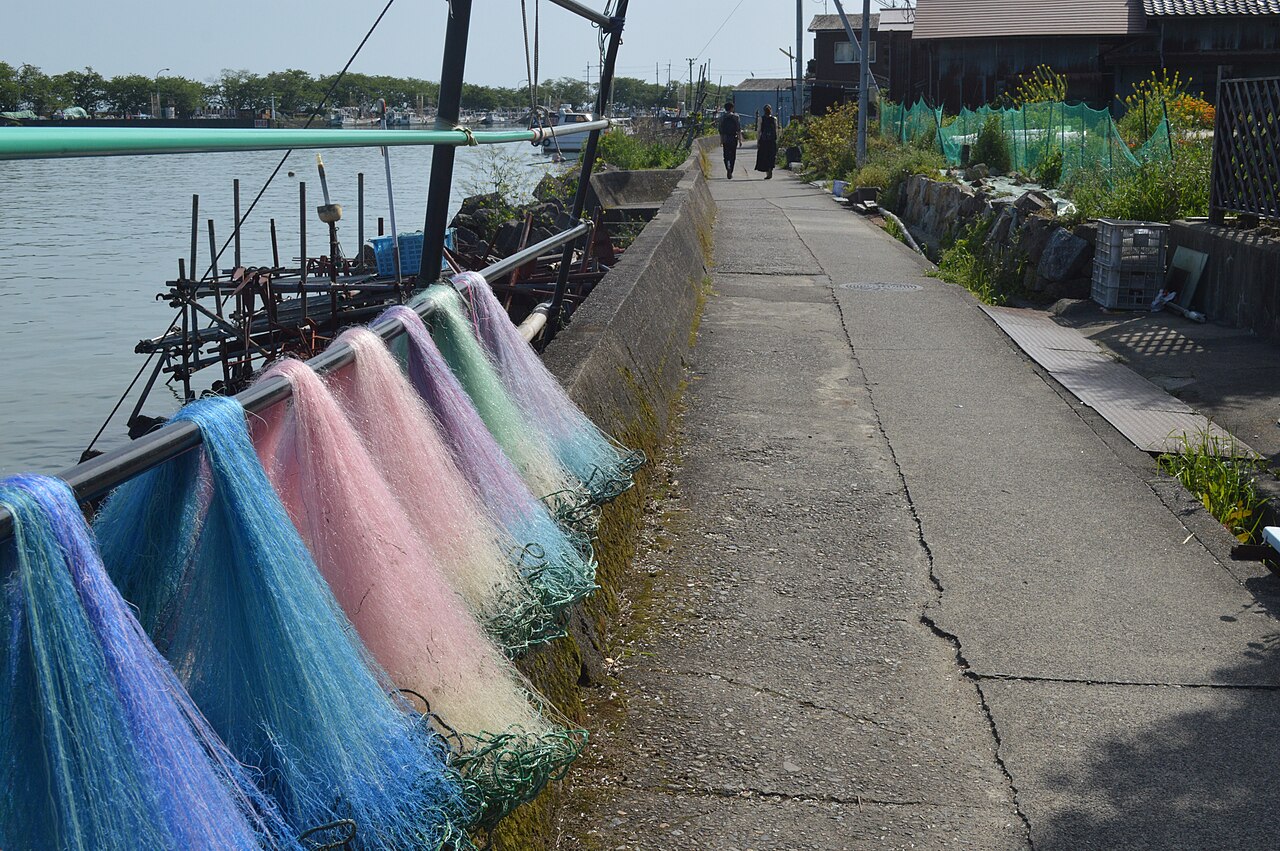
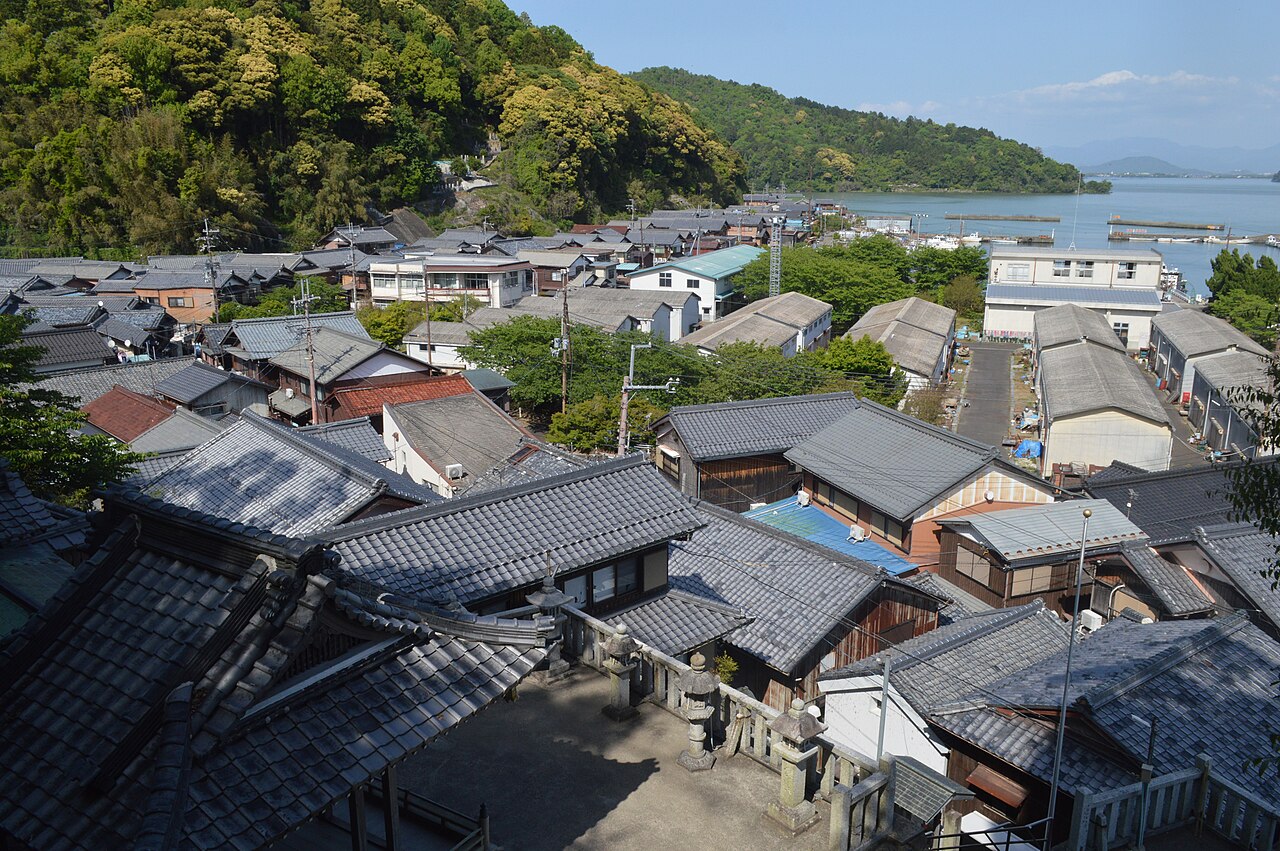
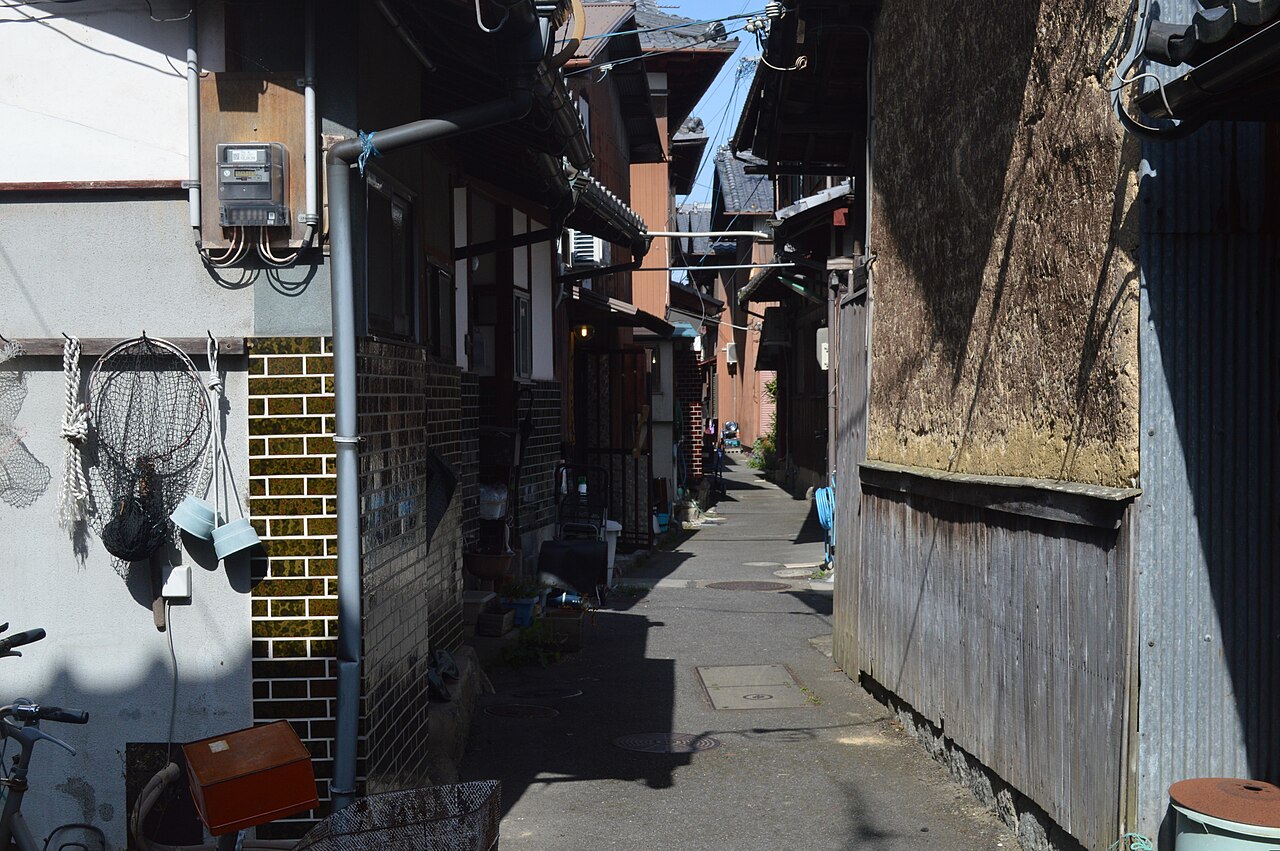
Set out on foot from the moment you step off the boat and keep walking for the whole visit, because there are no cars anywhere on Okishima. Expect to share those lanes with three-wheeled bicycles, which serve as the main form of transport for getting around the island.
Step into the Okishima Museum and pay three hundred yen as a general visitor or one hundred yen as an elementary school student, while children below elementary school age enter free.
If you would rather linger by the lake into the evening, pick from places to stay in Omihachiman on the mainland side.
Lunch and Fishing on Okishima
Sit down to a bowl of Okishima udon, which is priced at one thousand three hundred yen with tax included. To carry a meal with you instead, pick up an Okishima lunch box, which starts from one thousand two hundred yen with tax included.
The restaurant opens at ten thirty in the morning, so time your crossing to arrive after that rather than before it. Put in your last order for set meals and other dishes by three in the afternoon, since the kitchen stops taking them then.
Oki-sukui-ami fishing works with a big net fixed to the bow of the boat, and a sweep scoops up an entire school of ayu at a time. The crew then hoists the net onto a tall frame built high on the boat and shakes it to knock the fish out of the mesh. Fishing for nigorobuna, meanwhile, picks up in earnest from the twentieth of February.