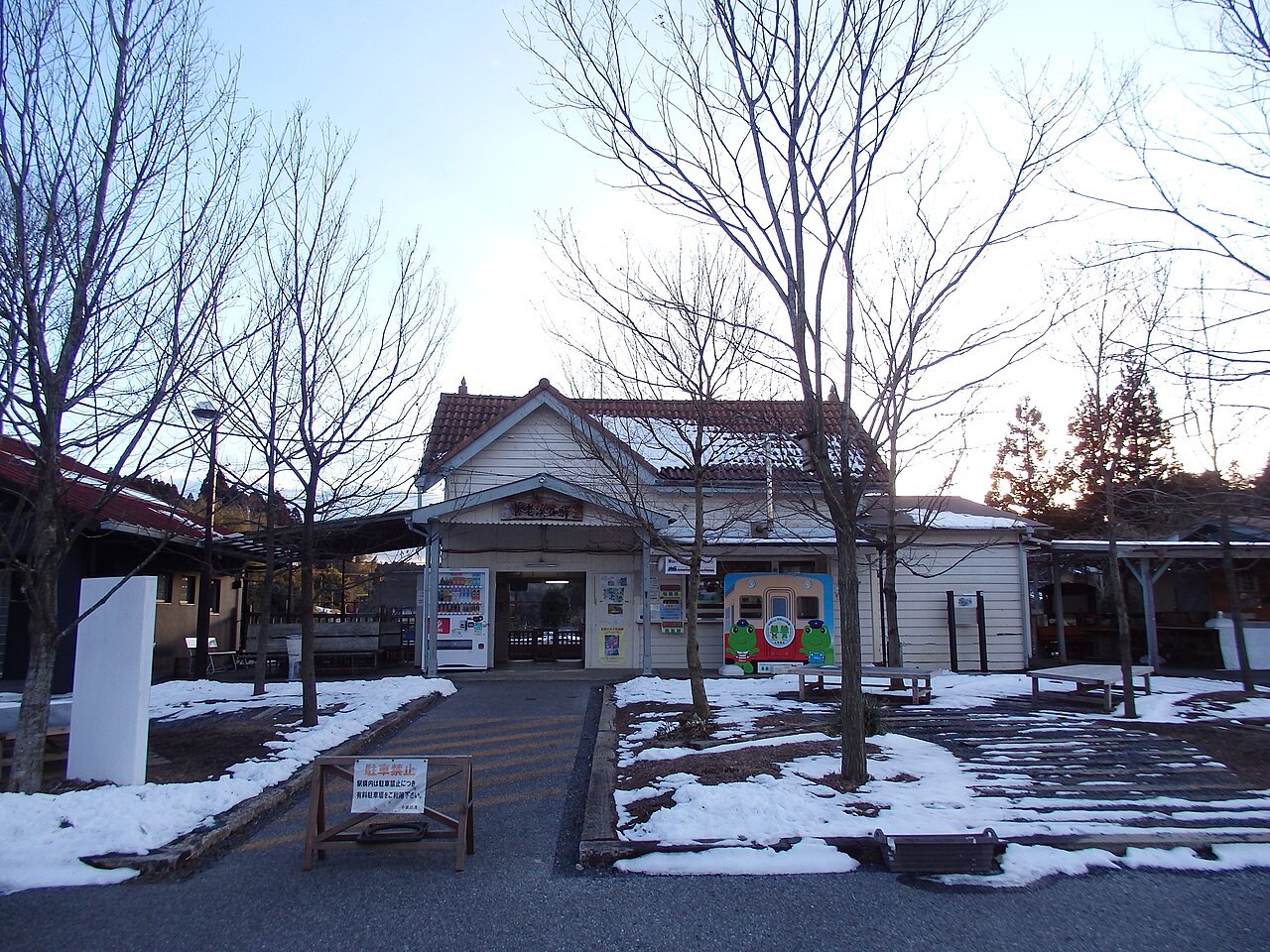
Yoro Valley — Yōrō Keikoku in Japanese — hides in the middle of Chiba's Boso Peninsula. The reward is the Boso Peninsula's finest waterfall, a river you can walk beside for hours, and the latest-turning autumn leaves in the whole Kanto region.
Why Yoro Valley is worth the slow ride
Ichihara City has two faces: a coastline of petrochemical plants, and — a world away inland — a preserved satoyama landscape of managed woodland, small farms, and the winding Yoro River. The valley at the heart of it is the kind of countryside most visitors assume no longer exists an easy day trip from Tokyo. Its centerpiece, Awamata Falls, drops down a long, gentle rock slope and is widely regarded as the best waterfall on the peninsula.
Awamata Falls and the waterfall path
Awamata Falls is not a thundering plunge but a broad sheet of water sliding down terraced rock — closer to a natural staircase than a cliff. A walking path along the river links it to a string of smaller falls, some barely signposted, which locals half-jokingly call hidden falls. Walking it slowly, listening for the next fall before you see it, is the definitive Yoro Valley experience.
The falls area sits a bus ride (or a long countryside walk) from Yoro-Keikoku Station; local buses toward the falls and the hot-spring area run only a handful of times a day, so check the stop's timetable. In summer, families wade in the shallows; in November, the same gorge fills with maple color.
Where to stay
Places to stay near Ichihara →
Disclosure: This post may contain affiliate links. If you book through them, we may earn a commission at no extra cost to you.
A slow day that works
- Head for Awamata Falls first, while the light is on the water, and walk the riverside path at an unhurried pace.
- Come back toward the station in the afternoon and stop at one of the valley's hot-spring inns; several open their baths to day visitors.
When it is quiet — and when it is not
- Late November to early December: the foliage here turns later than anywhere else in Kanto, and this is far and away the valley's busiest stretch. Come on a weekday if you can; the color is worth it, the weekend crowds are not.
- Spring: the crowds are gentler — arguably the best all-around season for this trip.
- Summer: popular with families for river wading, but the trails absorb people well outside of holiday weekends.
- Winter outside the foliage window: near-empty. Cold, quiet, and all yours, with hot springs as the payoff.
Honest notes before you go
- Buses to the falls are sparse and can pause around the New Year holidays — if the timing doesn't line up, be ready to walk or to enjoy the area near the station instead.
- This is deep countryside: shops and cafes close early, and the valley rewards visitors who bring patience rather than an itinerary packed to the minute.
Chiba hides more quiet than most travelers expect — for a very different flavor of it, see Kururi, a small castle town on another rural line, or compare all our trips in Quiet Day Trips from Tokyo Without a Car.
Compare options and book via our partner links.