This guide covers how to reach Akizuki, a small former castle town in the hills of Asakura in Fukuoka Prefecture, without a car, along with the two museums, their admission, and the mountain above the town; it does not cover restaurants, shops, or seasonal bloom forecasts.
Where Akizuki Sits in the Fukuoka Hills
Akizuki lies a little way north of Amagi, the town below it, folded into a valley where the hills begin. An early-twentieth-century Japanese topography, the gazetteer this article draws on, places it a little over one ri up from Amagi. Today the town belongs to the city of Asakura.
The gazetteer describes a landscape of contrasts around the town. To the northeast the mountains pile up and the ground is thin and poor; to the southwest the land flattens toward the Chikugo River and turns fertile. That split explains the feel of the place: farmland spreading out on one side, wooded slopes pressing in on the other.
For planning purposes the town is compact. The Hakubutsukan-mae bus stop is a two minute walk from the Akizuki Museum, and the museum is a five minute walk from the castle site, so the core of a visit fits into a short loop. Everything else in this article hangs off those two short walks.
Getting There Without a Car
Amagi is the gateway, and two railways reach it. The Amagi Railway stops at Kantetsu Amagi Station, and the Nishitetsu line stops at Nishitetsu Amagi Station. From either station the bus takes over from the train: the Akizuki Line run by Amagi Kanko Bus runs to the Hakubutsukan-mae stop, whose name means in front of the museum.
- Kantetsu Amagi Station to Hakubutsukan-mae, Amagi Kanko Bus Akizuki Line: about 20 minutes
- Nishitetsu Amagi Station to Hakubutsukan-mae, same line: about 19 minutes
- Hakubutsukan-mae bus stop to the Akizuki Museum: a two minute walk
- Amagi Station (Amagi Railway or Nishitetsu) to the castle town by car: a fifteen minute drive
- Akizuki castle site to the Akizuki Museum: a five minute walk
Fares are not something this article can give you, so treat the journey times above as the planning figures and confirm the fare when you board. The car figure is there for anyone who ends up in a taxi from Amagi. Both bus journeys end at the same stop, so pick whichever railway connection suits you.
The Lords Who Came and Went
The gazetteer records that this land once belonged to the Akizuki clan, whose castle stood in the folds of Koshozan above the town. In the fifteenth year of the Tenshō era, it says, Akizuki Tanezane submitted to Toyotomi Hideyoshi, who granted the territory to Kobayakawa Takakage and moved Tanezane away to Takarabe in Hyūga.
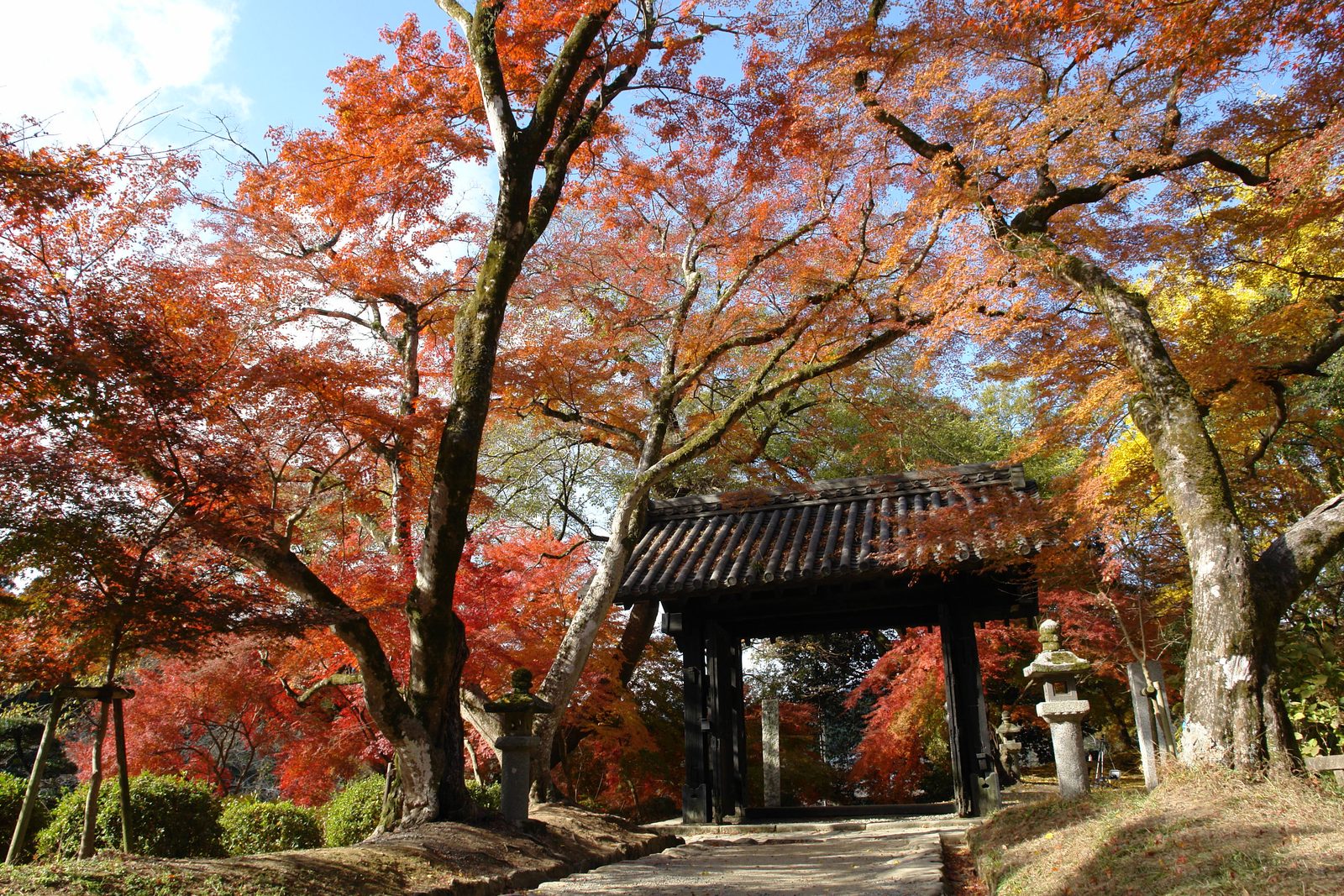
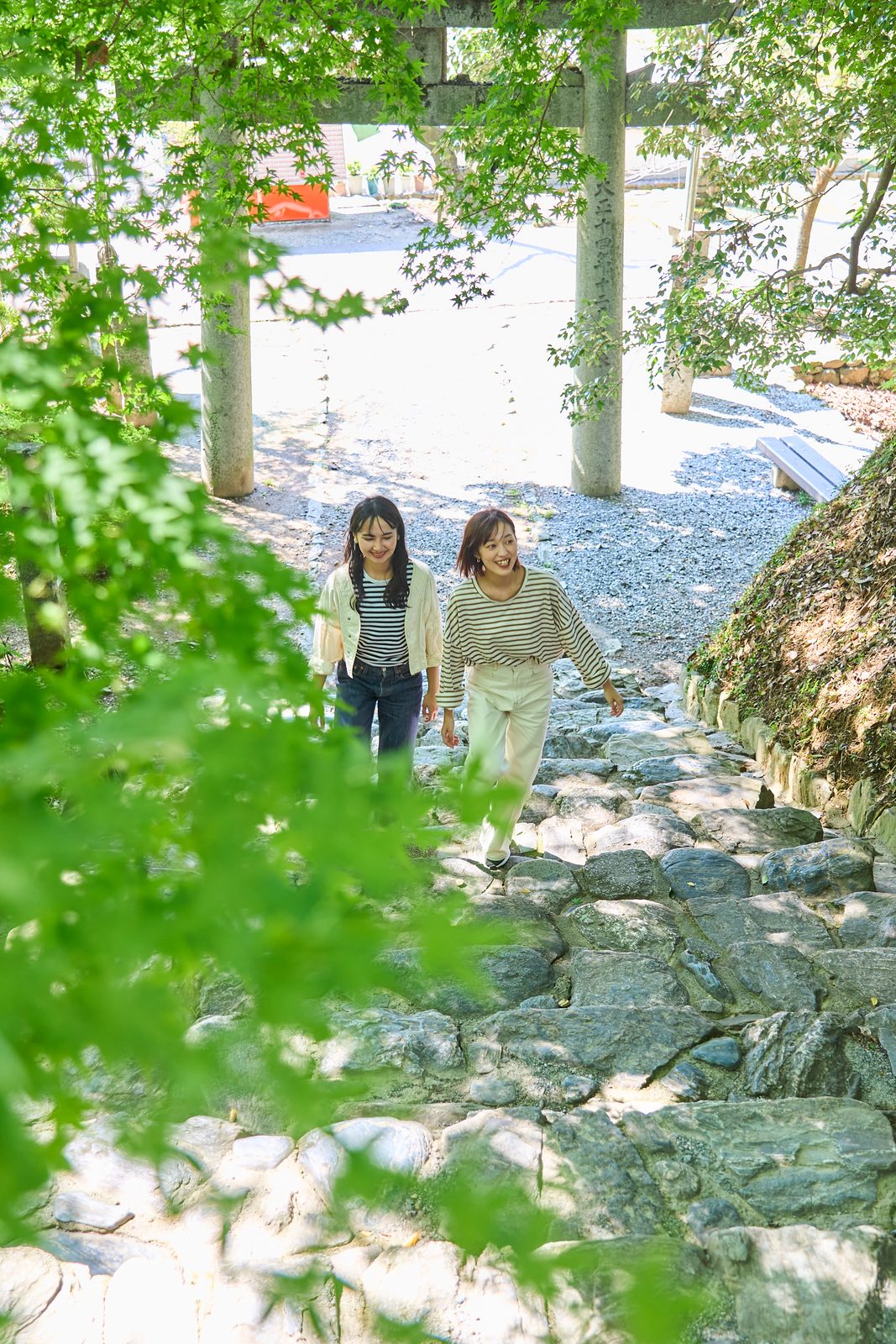
The same source places Kuroda Nagaoki's move to Akizuki in the fifth year of the Keichō era, and adds that in the first years of the Meiji period an Akizuki Prefecture was seated here. Lords came and went; the gate and the lantern-lined stairway in the photographs are what a visitor meets today.
Where to stay
Disclosure: This post may contain affiliate links. If you book through them, we may earn a commission at no extra cost to you.
Akizuki Museum: Hours and Admission
The Akizuki Museum is the anchor of the town for a visitor, and the practical details are simple. If an older guidebook sends you to the Akizuki Kyodokan, the former local history hall, be aware that it no longer exists under that name: it was renamed and relocated, and the Akizuki Museum is its successor.
- Open from nine thirty in the morning to four thirty in the afternoon
- Last admission is half an hour before closing
- Closed for the New Year holidays from late December to early January
- Adults, outside special exhibition periods: 330 yen
- Elementary and junior high school students, outside special exhibition periods: 160 yen
The museum opens in the morning and the doors for new arrivals shut half an hour before closing time, so an afternoon arrival from Amagi needs a little margin. The prices listed apply outside special exhibitions; when one is on, ask at the desk for the price.
A Second Museum, and What It Costs
The Akizuki Art Museum is the second stop, and it keeps a different clock from the Akizuki Museum. It opens later in the morning and stays open later into the afternoon, so if you plan to see both, the Akizuki Museum is the one to visit first. Its admission is a flat figure, with a reduction for larger groups.
- Open from 10:00 to 17:00
- Last admission at 16:30
- Admission: 500 yen per person
- Groups of 10 or more: 400 yen per person
If the afternoon runs long, the art museum is the one that will still let you in. Seen together, the two admissions and the two last-entry times are the only fixed points in an otherwise unhurried day, and everything else in Akizuki, from the castle gate to the lane of old walls, can be taken at walking pace.
Up Koshozan, Where the Old Castle Was
Koshozan is the peak to the northeast of the town, on the border with Kaho District, the gazetteer records. The same source notes that it also goes by the name Hakusan, and that the old fortress of the Akizuki clan sat partway up its side.
On that rocky ground, the gazetteer records, stands Hakusan Shrine, and a little beyond it a great rock called Kunimi-iwa juts out from the mountainside. From its top, the source says, the Chikugo River shows to the south while the Hibiki-nada appears to the north between the ranges, and on a clear day both can be seen at once.
The slopes carry a lot of boxwood, the gazetteer adds, with azaleas among the trees in late spring, and local tradition holds that a spring called Mitarai just below Kunimi-iwa never runs dry even in high summer. Treat the climb as a separate outing from the museums, since the route and its timing are not covered here.
Shaping a Slow Day, and Staying the Night
A workable order is bus up from Amagi to Hakubutsukan-mae, the Akizuki Museum first while its earlier last admission still allows it, then the short walk to the castle site, and the art museum afterwards. That sequence respects the two closing times without turning the day into a timetable.
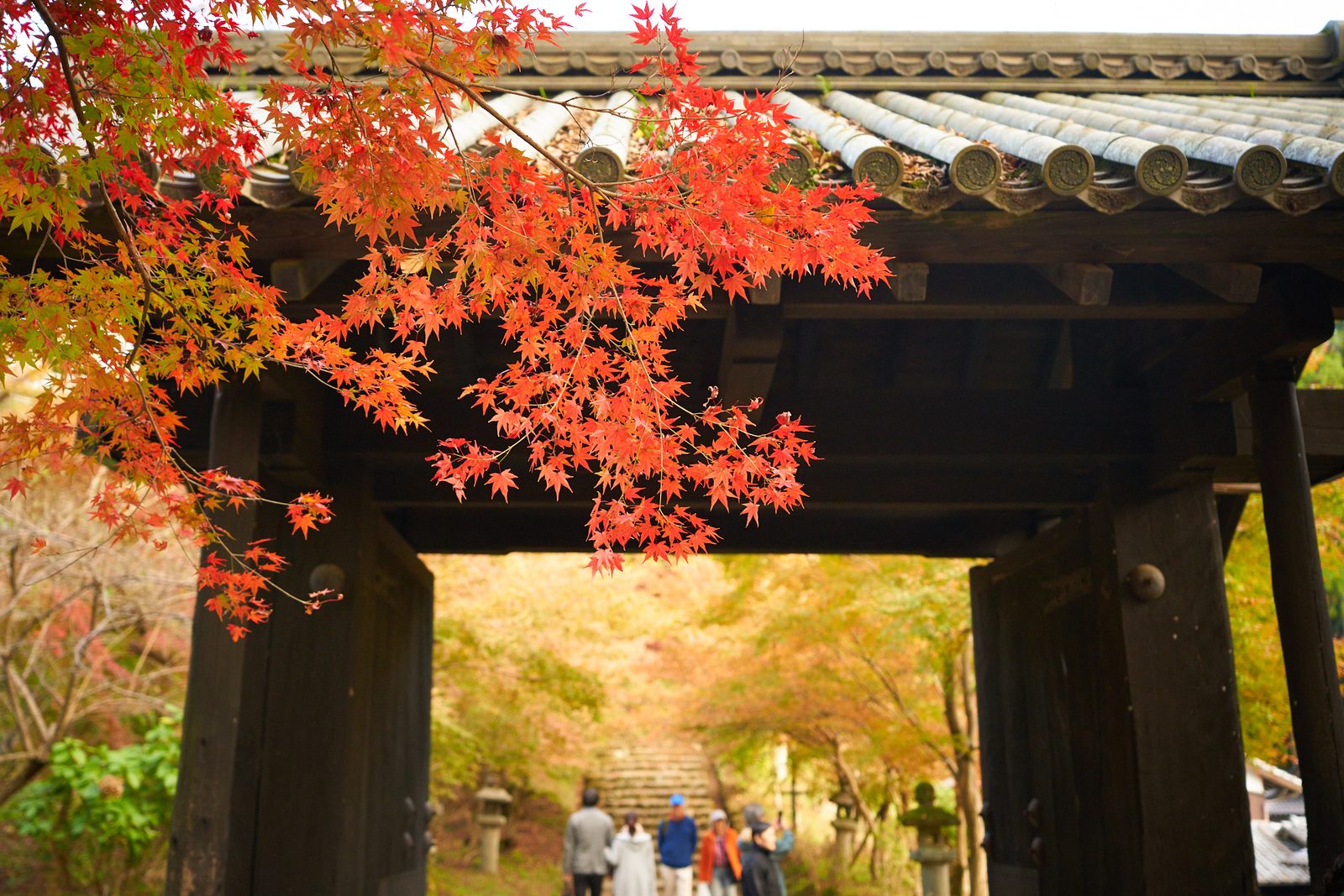
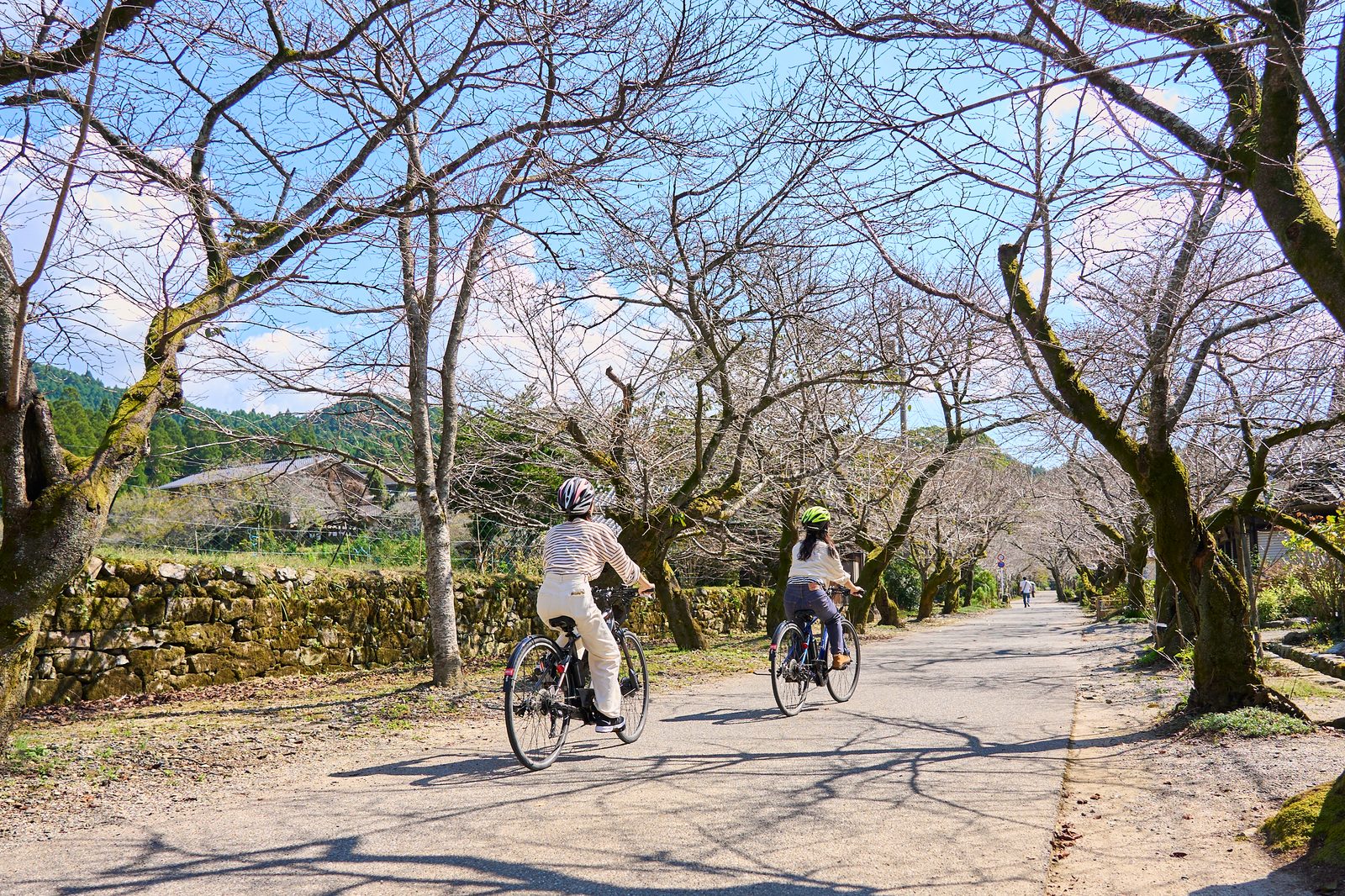
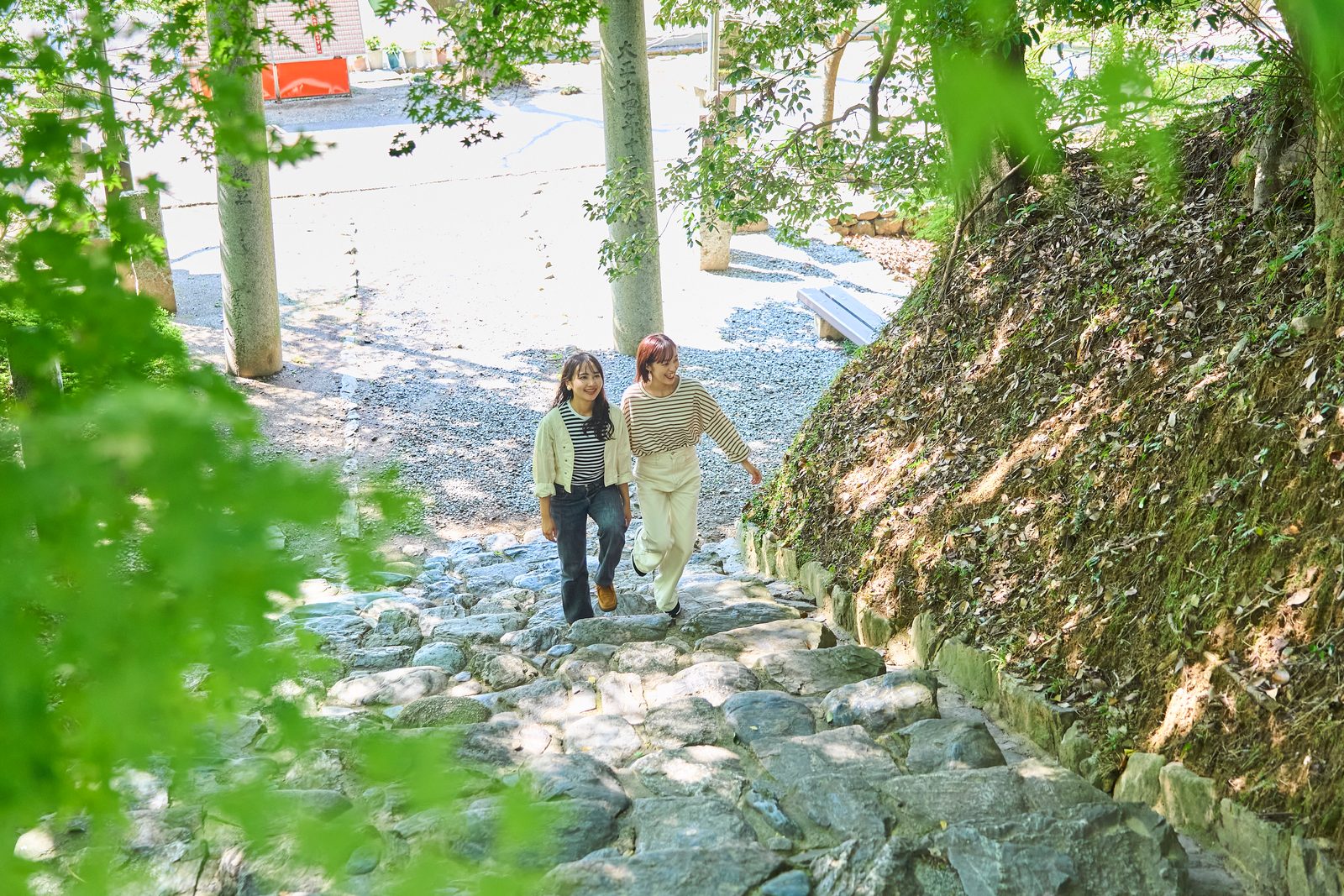
The photographs show why the pace matters: the same gate under red maples, a stairway under fresh green, a lane of bare cherry branches. The town changes its face with the seasons, and the timing of colour is not something to plan around here, so choose your dates for the quiet rather than for a display.
Staying over turns the trip from a tight afternoon into an easy two days, with the mountain on the second morning and the museums on the first. If that appeals, there are places to stay in Asakura to compare, and the return to Amagi becomes something to check the evening before rather than a limit on the day.